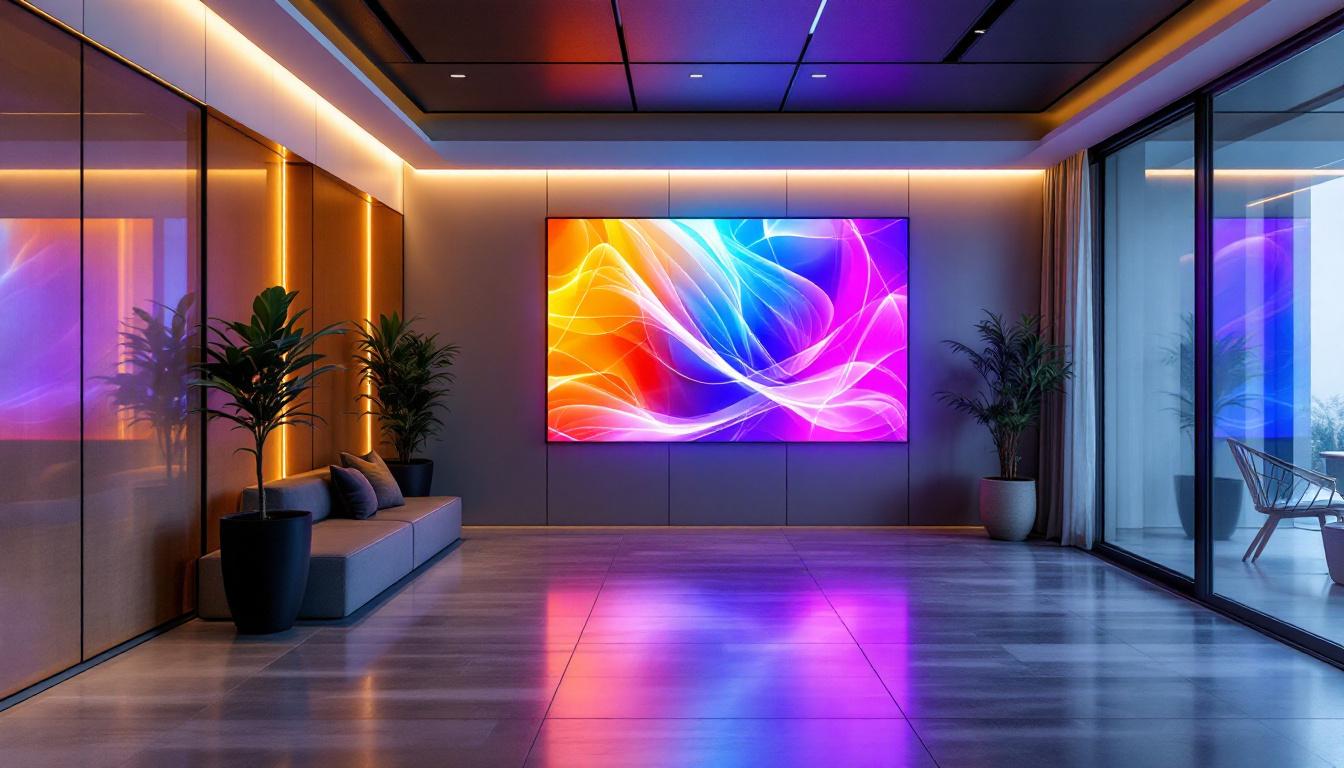
In the rapidly evolving world of digital displays, water resistant wall panels equipped with LED technology have become a game-changer for both commercial and residential applications. From outdoor advertising billboards to indoor environments prone to moisture, these panels provide durability, clarity, and versatility that traditional display solutions often lack. This article delves into the key aspects of water resistant LED wall panels, exploring their technology, benefits, applications, and considerations for selection and maintenance.
Understanding Water Resistant LED Wall Panels
What Are Water Resistant LED Wall Panels?
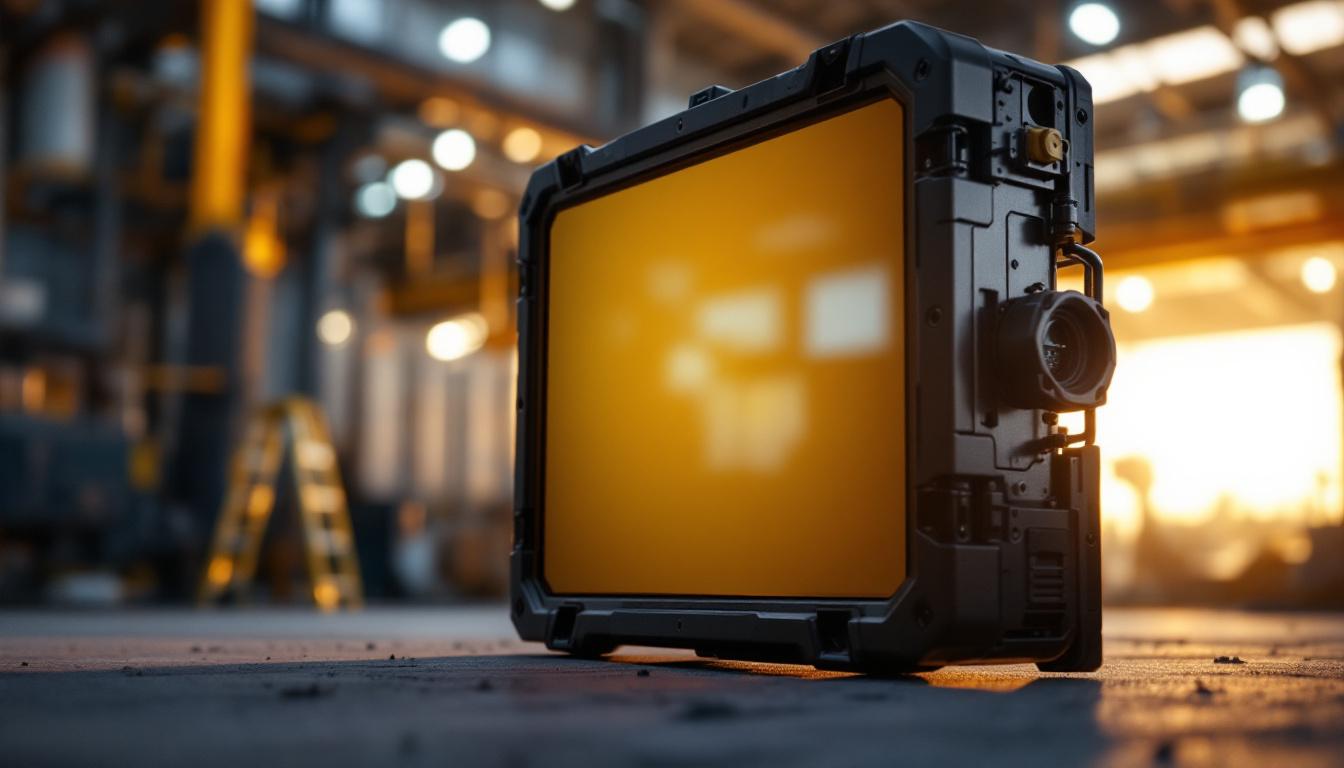
Water resistant LED wall panels are digital display units designed to withstand exposure to moisture, rain, humidity, and even direct water contact without compromising their functionality or lifespan. Unlike standard LED panels, which are typically intended for dry, controlled environments, these panels incorporate specialized materials, protective coatings, and sealing techniques to prevent water ingress.
These panels are constructed with an IP (Ingress Protection) rating, which indicates their level of resistance to solids and liquids. For example, an IP65 rating means the panel is dust-tight and can withstand water jets from any direction. This makes water resistant LED panels ideal for outdoor installations, kitchens, bathrooms, swimming pools, and other moisture-prone areas. Their versatility allows them to be used in various applications, from advertising in wet environments to providing essential information in public spaces like train stations and airports, where exposure to the elements is a constant concern.
The Technology Behind Water Resistance
The water resistance of LED panels is achieved through several engineering approaches. The LED diodes themselves are encapsulated in waterproof materials, while the circuit boards are coated with conformal coatings that repel moisture. The panel housing is typically made from corrosion-resistant metals or high-grade plastics, sealed with gaskets and silicone to prevent water entry.
Additionally, ventilation systems are designed to allow heat dissipation without letting water in. Some panels use hydrophobic nano-coatings that cause water droplets to bead and roll off the surface, further enhancing durability. The integration of these features ensures that the panels maintain their brightness, color accuracy, and operational stability even in harsh weather conditions. Furthermore, advancements in LED technology have led to the development of energy-efficient models that not only resist water but also consume less power, making them an environmentally friendly choice for both commercial and residential applications. As the demand for sustainable solutions grows, these panels are becoming increasingly popular in eco-conscious design projects, showcasing how technology can harmonize with nature while providing practical benefits.
Advantages of Water Resistant LED Wall Panels
Durability and Longevity
One of the primary benefits of water resistant LED wall panels is their enhanced durability. Exposure to water and humidity can cause corrosion, short circuits, and pixel failure in standard LED displays. Water resistant panels mitigate these risks, resulting in longer operational life and reduced maintenance costs.
Studies have shown that outdoor LED displays with proper water resistance can last up to 100,000 hours, which translates to over 11 years of continuous use. This longevity makes them a cost-effective solution for businesses and homeowners looking for reliable digital signage or decorative displays. Additionally, many manufacturers offer warranties that reflect this durability, providing further assurance to consumers that their investment is protected against the elements.
Versatility in Installation Locations
Water resistant LED panels open up a wide range of installation possibilities. They can be used in outdoor advertising, stadiums, transportation hubs, and retail storefronts where exposure to rain and dust is inevitable. Indoors, they are perfect for environments like kitchens, bathrooms, spas, and swimming pools where moisture levels are high.
The ability to withstand water exposure also means these panels can be installed in areas with frequent cleaning or sanitation processes, such as hospitals and food processing plants, without the risk of damage. This versatility extends to various mounting options, including wall-mounted, ceiling-hung, or freestanding configurations, allowing for creative display solutions tailored to specific spaces. Furthermore, their lightweight design often simplifies installation, reducing labor costs and time.
Enhanced Visual Performance
Despite their rugged design, water resistant LED panels do not compromise on visual quality. Advances in LED technology have enabled high brightness levels, excellent color reproduction, and wide viewing angles even in direct sunlight or low-light conditions.
For instance, many outdoor water resistant LED panels offer brightness levels exceeding 5,000 nits, ensuring clear visibility even on bright days. This makes them highly effective for advertising, information display, and entertainment purposes. Moreover, the incorporation of advanced features such as dynamic brightness adjustment allows these panels to automatically adapt to changing light conditions, enhancing visibility and reducing energy consumption. Such innovations ensure that the content displayed remains vibrant and engaging, capturing the attention of passersby and enhancing the overall viewer experience.
Common Applications of Water Resistant LED Wall Panels
Outdoor Advertising and Digital Signage
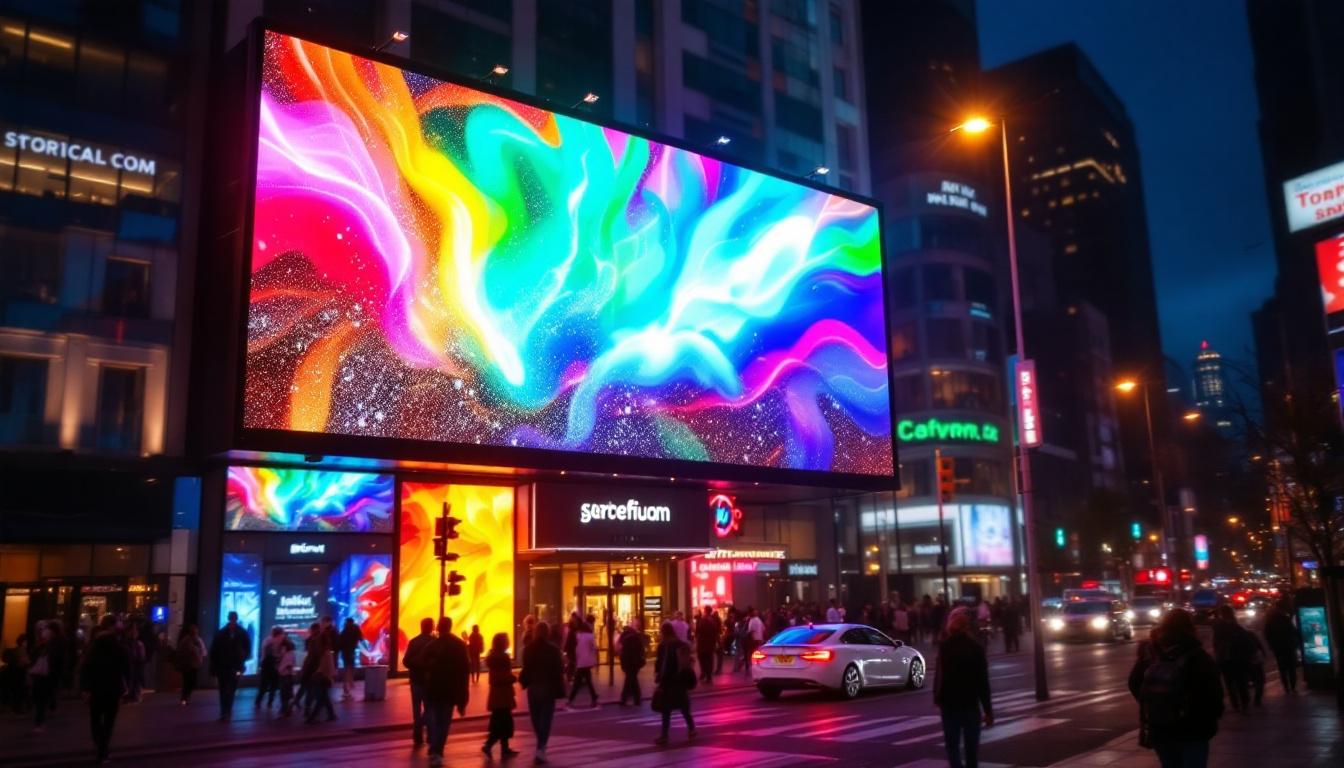
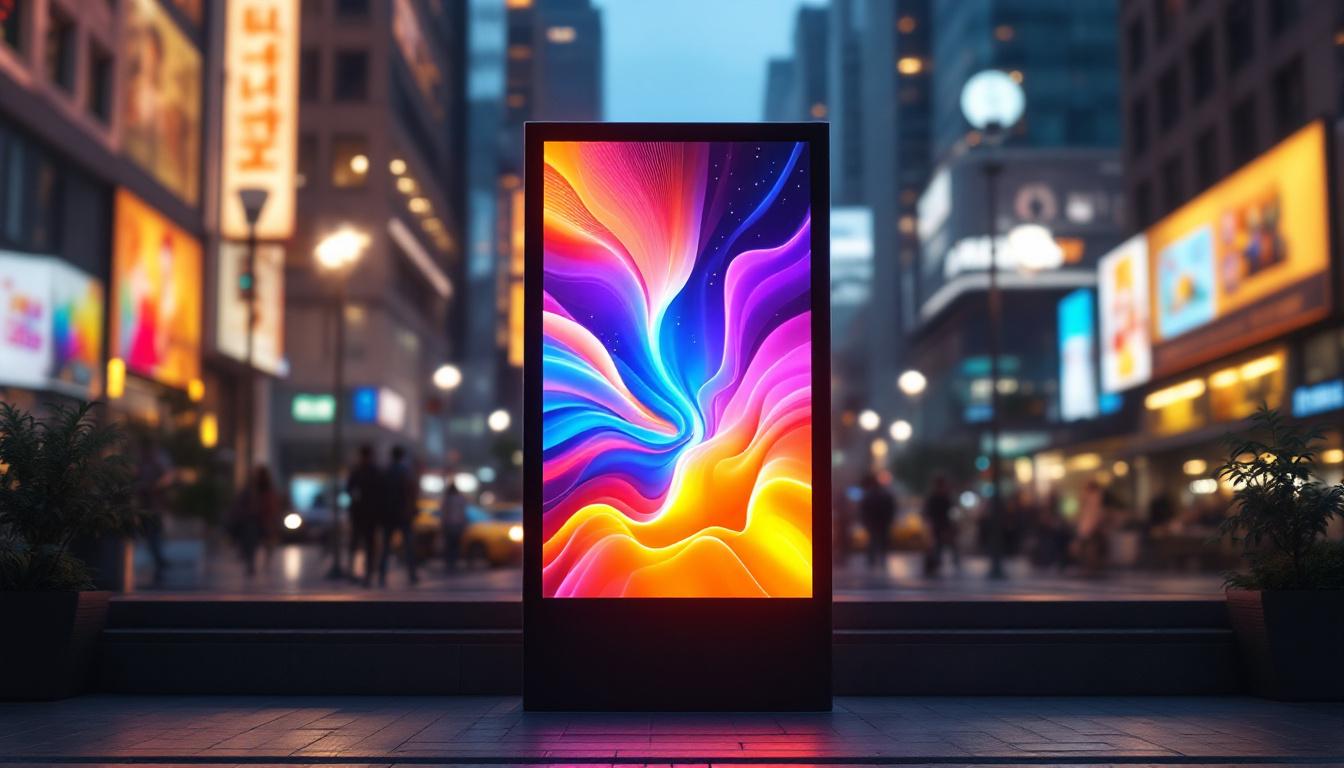
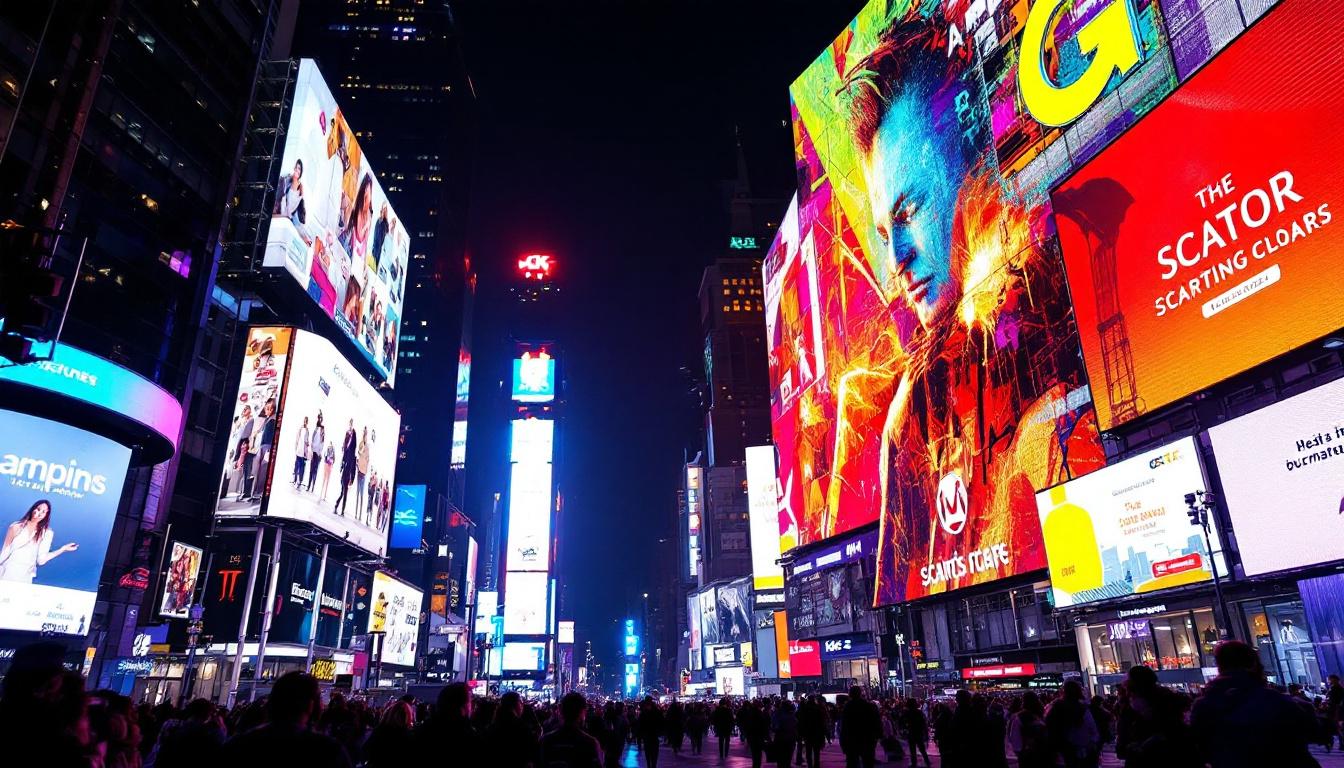
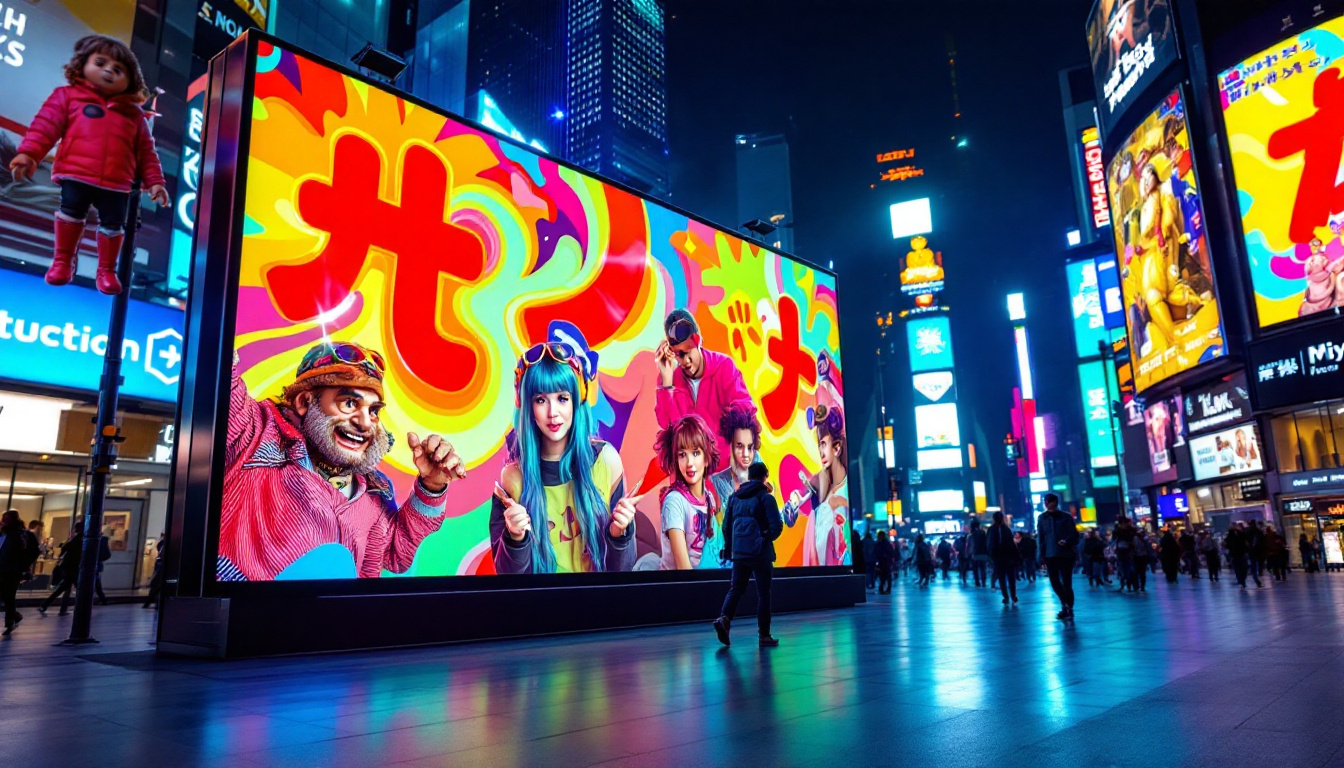
Outdoor advertising is one of the most prominent applications of water resistant LED wall panels. Billboards, bus stops, and building facades utilize these panels to deliver dynamic content that can be updated in real-time. Their ability to resist rain, dust, and temperature fluctuations ensures uninterrupted operation and high visibility.
According to recent market research, the global digital signage market is expected to grow at a CAGR of 7.5% from 2023 to 2030, driven largely by demand for outdoor LED displays. Water resistant panels are a critical factor in this growth, enabling advertisers to reach audiences in diverse environments. The versatility of these panels allows for creative advertising strategies, such as interactive displays that engage passersby through touch or motion sensors, further enhancing the effectiveness of marketing campaigns.
Sports Arenas and Entertainment Venues
Sports arenas often use large-scale LED displays for scoreboards, live video, and advertisements. These venues are frequently exposed to weather elements, making water resistant panels essential. Their robust construction ensures that fans experience uninterrupted, high-quality visuals regardless of rain or humidity. Additionally, the integration of these panels with advanced technologies, such as augmented reality, allows for immersive experiences that captivate audiences, making events more memorable.
Similarly, entertainment venues such as concert halls and theme parks benefit from water resistant LED panels for both indoor and outdoor installations, enhancing the visitor experience with vibrant, immersive displays. These panels can be programmed to synchronize with music or performances, creating a multisensory experience that elevates the atmosphere and engages attendees on multiple levels.
Residential and Commercial Interiors
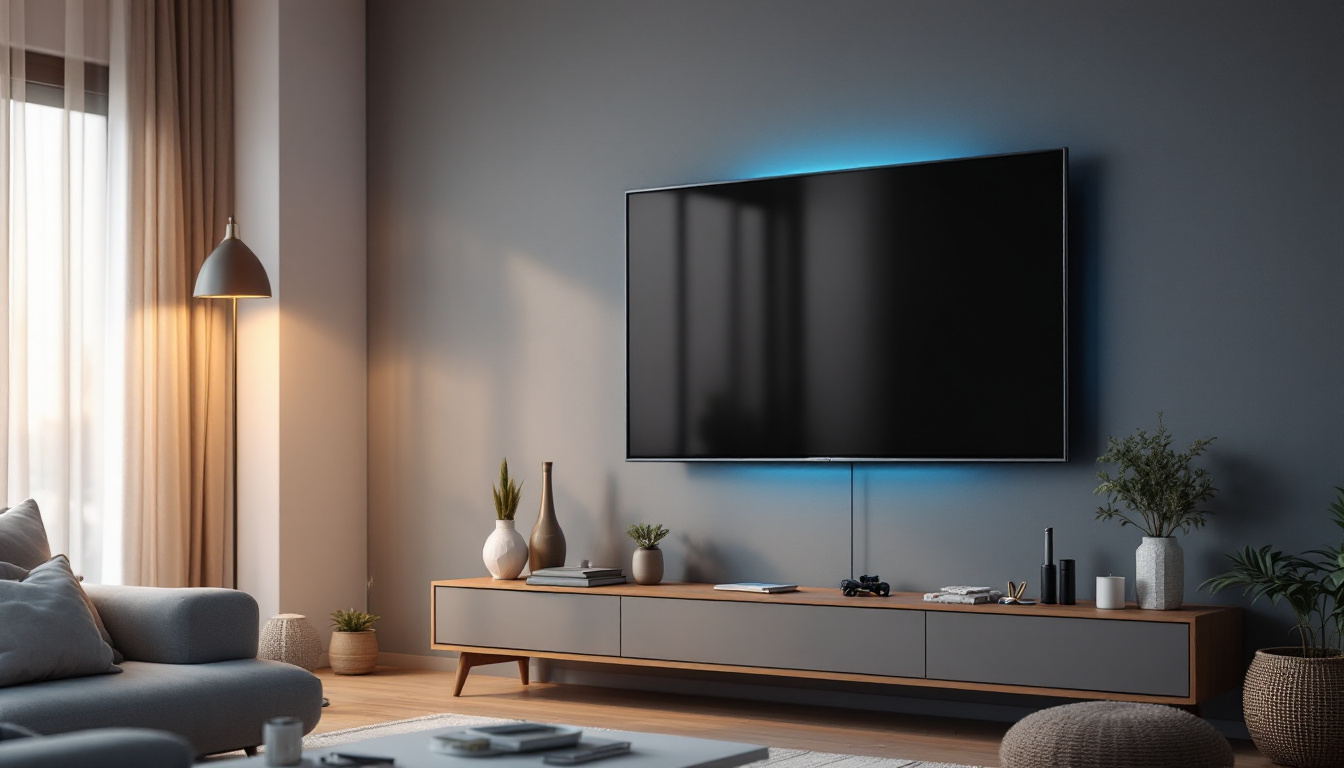
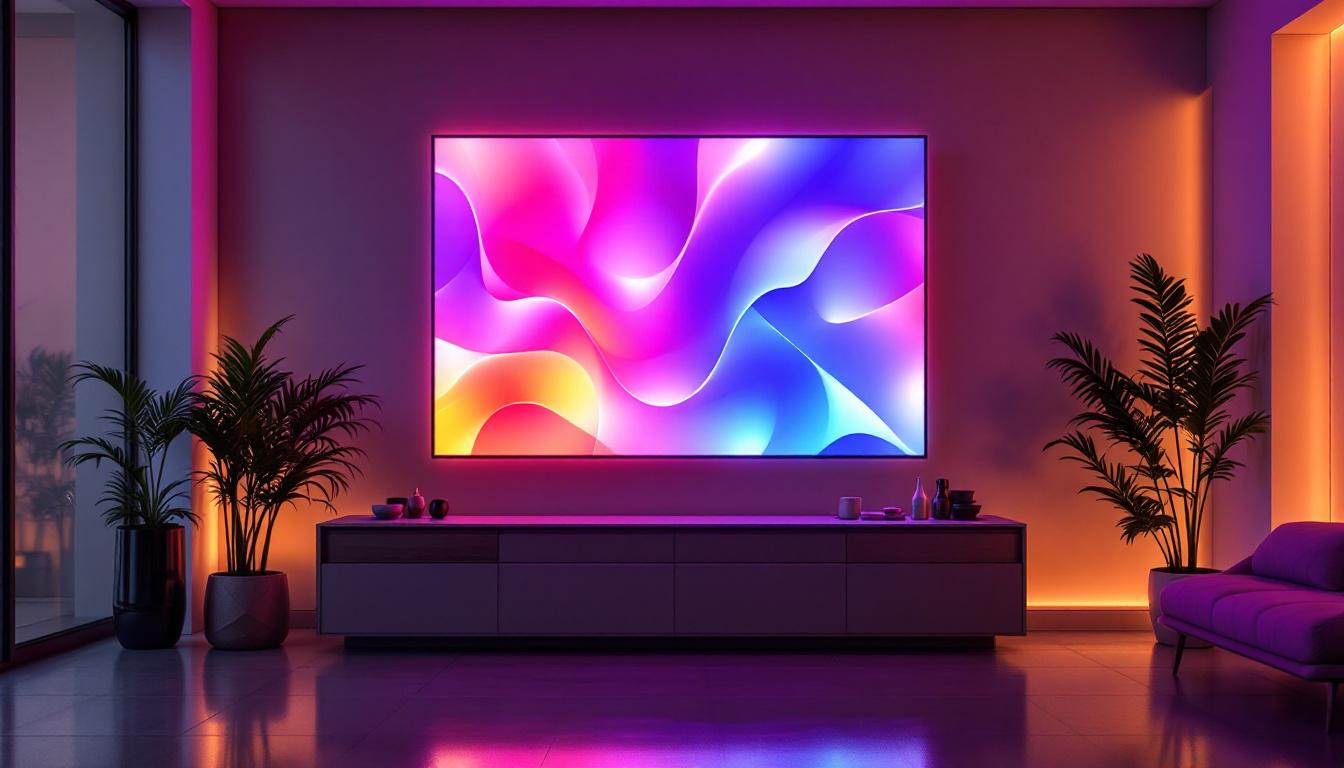
In residential settings, water resistant LED wall panels are gaining popularity for use in bathrooms, kitchens, and outdoor patios. These panels provide a modern aesthetic while withstanding moisture and steam, making them ideal for digital art displays, ambient lighting, or smart home interfaces. Homeowners can customize the panels to showcase personal artwork or family photos, transforming ordinary spaces into unique, personalized environments.
Commercial interiors such as hotels, spas, and restaurants also leverage these panels to create visually appealing environments that can be easily cleaned and maintained without risk of damage. The flexibility of water resistant LED panels allows businesses to frequently update their visuals to reflect seasonal themes or promotional events, ensuring that their spaces remain fresh and inviting. Moreover, the energy efficiency of LED technology contributes to lower operational costs, making it an attractive option for businesses looking to enhance their brand image while being environmentally conscious.
Key Considerations When Choosing Water Resistant LED Wall Panels
IP Rating and Certification
The IP rating is a crucial factor when selecting water resistant LED panels. It defines the level of protection against solids (dust) and liquids (water). For example, an IP65 rating indicates full dust protection and protection against water jets, while IP67 offers protection against temporary immersion in water.
Understanding the environment where the panel will be installed helps determine the appropriate IP rating. For outdoor use in heavy rain areas, a higher rating like IP67 or IP68 is advisable. For indoor use in humid areas, IP54 or IP65 may suffice.
Brightness and Resolution
Brightness is measured in nits and determines how well the display performs under different lighting conditions. Outdoor panels typically require higher brightness (3,000 to 7,000 nits) to remain visible in sunlight, while indoor panels can operate at lower levels (500 to 1,500 nits).
Resolution and pixel pitch (distance between LED diodes) affect image sharpness. High-resolution panels with smaller pixel pitch are ideal for close viewing distances, whereas larger pixel pitches are suitable for large-scale outdoor displays viewed from afar.
Installation and Maintenance
Proper installation is essential to maintain water resistance. Panels should be mounted using weatherproof fixtures and sealed against water ingress points. Additionally, ventilation and heat dissipation must be considered to prevent overheating.
Maintenance routines should include regular cleaning with non-abrasive, water-safe materials and periodic inspection of seals and coatings. Some manufacturers offer modular designs that allow easy replacement of damaged sections without dismantling the entire panel.
Future Trends in Water Resistant LED Wall Panels
Integration with Smart Technologies
Water resistant LED panels are increasingly being integrated with smart technologies such as IoT sensors, AI-driven content management, and remote monitoring systems. This integration allows for real-time diagnostics, predictive maintenance, and dynamic content adaptation based on environmental conditions or audience engagement.
Advancements in Materials and Coatings
Research into new hydrophobic and self-healing coatings promises to further enhance water resistance and reduce maintenance needs. Additionally, the use of flexible and transparent LED panels expands design possibilities for curved surfaces and windows, even in wet environments.
Energy Efficiency and Sustainability
With growing emphasis on sustainability, manufacturers are focusing on energy-efficient LED drivers, recyclable materials, and low-power operation modes. Solar-powered outdoor LED panels are also emerging, enabling off-grid installations in remote or environmentally sensitive locations.
Conclusion
Water resistant LED wall panels represent a significant advancement in digital display technology, combining durability, visual excellence, and versatility. Their ability to operate reliably in wet and harsh environments opens up numerous applications across advertising, entertainment, residential, and commercial sectors.
When selecting these panels, understanding the IP rating, brightness requirements, and installation considerations is crucial to ensure optimal performance and longevity. As technology continues to evolve, water resistant LED panels will become even more integral to creating dynamic, engaging, and resilient digital environments.
For businesses and homeowners seeking a robust, high-quality display solution that can withstand the elements, water resistant LED wall panels offer an unmatched combination of innovation and practicality.
Discover LumenMatrix’s Innovative LED Solutions
Ready to elevate your space with the latest in water resistant LED display technology? Look no further than LumenMatrix, where innovation meets practicality. Our extensive range of LED display modules, from vibrant outdoor displays to sleek indoor solutions, is designed to captivate and engage. Whether you’re looking to enhance your brand visibility or create a mesmerizing visual experience, LumenMatrix has the cutting-edge technology to bring your vision to life. Check out LumenMatrix LED Display Solutions today and join the revolution in visual communication.