Best TV Display Technology: LED Display Explained
In today’s rapidly evolving world of television technology, choosing the right display can be overwhelming. With options ranging from OLED and QLED to MicroLED and traditional LCDs, each technology offers unique advantages and trade-offs. Among these, LED display technology remains one of the most popular and widely used formats in modern TVs. This article delves deep into LED display technology, explaining what it is, how it works, and why it continues to be a top choice for consumers worldwide.
Understanding LED Display Technology
What Is an LED Display?
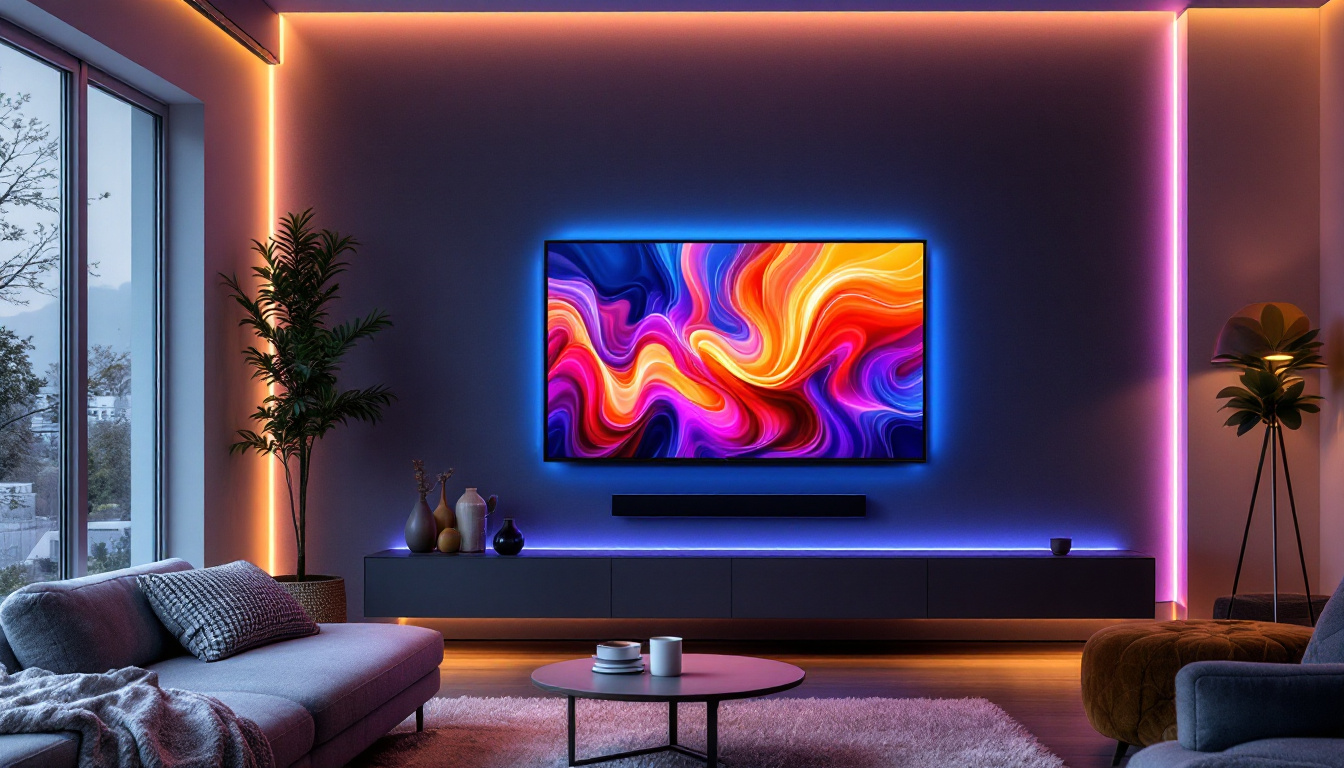
LED stands for Light Emitting Diode, a semiconductor device that emits light when an electric current passes through it. In the context of television displays, LED technology refers to LCD (Liquid Crystal Display) panels that use LEDs as a backlighting source. Unlike older LCD TVs that used fluorescent backlights, LED TVs employ arrays of LEDs to illuminate the screen, resulting in improved brightness, contrast, and energy efficiency.
It’s important to clarify that LED TVs are essentially LCD TVs with LED backlighting. The liquid crystals themselves do not emit light; instead, they modulate the light provided by the LEDs behind or around the screen. This distinction often confuses consumers, but understanding it helps clarify the strengths and limitations of LED TVs.
Types of LED Backlighting
There are primarily two types of LED backlighting used in LED TVs: edge-lit and full-array. Edge-lit LED TVs place LEDs along the edges of the screen, directing light across the panel using light guides. This design allows for thinner and lighter TVs but can sometimes lead to uneven brightness and less precise local dimming.
Full-array LED TVs, on the other hand, feature a grid of LEDs directly behind the LCD panel. This setup enables more uniform backlighting and allows for advanced local dimming techniques, where specific zones of LEDs can be dimmed or brightened independently. This improves contrast ratios and black levels, bringing the performance closer to that of OLED displays.
Advantages of LED Display Technology
Energy Efficiency and Longevity
One of the key benefits of LED TVs is their energy efficiency. LEDs consume significantly less power compared to traditional fluorescent backlights, which translates to lower electricity bills and a smaller environmental footprint. According to the U.S. Department of Energy, LED-backlit TVs can use up to 30-50% less energy than older CCFL-backlit LCD TVs.
Additionally, LEDs have a longer lifespan, often lasting tens of thousands of hours without significant degradation. This durability means consumers can enjoy their TV for many years without worrying about backlight failure or color shifts common in older technologies.
Improved Picture Quality
LED backlighting has enabled substantial improvements in picture quality. The ability to implement local dimming in full-array LED TVs enhances contrast by allowing darker areas of the screen to dim independently from brighter sections. This results in deeper blacks and more vivid colors, which are crucial for an immersive viewing experience.
Moreover, LED TVs generally offer higher peak brightness levels than OLEDs, making them better suited for viewing in well-lit rooms. This brightness advantage also benefits HDR (High Dynamic Range) content, which relies on a wide range of luminance to deliver realistic and impactful images.
Cost-Effectiveness
Compared to OLED and MicroLED technologies, LED TVs are often more affordable, especially in larger screen sizes. This cost advantage makes LED TVs accessible to a broader audience without sacrificing too much in terms of quality. For many consumers, LED TVs strike an ideal balance between performance and price.
Comparing LED Displays with Other TV Technologies
LED vs. OLED
OLED (Organic Light Emitting Diode) TVs differ fundamentally from LED TVs. Each pixel in an OLED display emits its own light, allowing for perfect black levels and infinite contrast ratios. This self-emissive property gives OLEDs superior picture quality, especially in dark scenes.
However, OLED TVs typically have lower peak brightness than LED TVs and can be more expensive. They are also susceptible to burn-in, where static images can leave permanent marks on the screen over time. LED TVs, particularly those with full-array local dimming, offer a more durable and brighter alternative, making them preferable for brightly lit environments and long-term use.
LED vs. QLED
QLED (Quantum Dot LED) is a marketing term popularized by certain manufacturers to describe LED TVs enhanced with quantum dot technology. Quantum dots are microscopic semiconductor particles that emit precise colors when illuminated by the LED backlight, resulting in a wider color gamut and improved brightness.
In essence, QLED is a type of LED TV that offers enhanced color performance. While QLEDs generally cost more than standard LED TVs, they provide better color accuracy and brightness, making them an excellent choice for viewers who prioritize vivid and lifelike images.
LED vs. MicroLED
MicroLED is an emerging technology that combines the best aspects of LED and OLED displays. Each pixel in a MicroLED display is a tiny, self-emitting LED, similar to OLED but without the organic materials that limit lifespan and brightness.
Currently, MicroLED TVs are prohibitively expensive and mostly available in ultra-large sizes for commercial or luxury markets. While they promise exceptional brightness, color accuracy, and longevity, LED TVs remain the more practical and affordable option for most consumers today.
Key Features to Consider When Buying an LED TV
Backlight Type and Local Dimming
When shopping for an LED TV, understanding the backlight type is essential. Full-array LED TVs with local dimming zones generally provide better contrast and black levels than edge-lit models. If you watch a lot of movies or play games with dark scenes, investing in a full-array LED TV can significantly enhance your viewing experience.
Resolution and HDR Support
Most modern LED TVs support 4K resolution, offering four times the pixels of Full HD. This higher resolution delivers sharper images, especially on larger screens. Additionally, HDR support is crucial for enjoying the latest content with enhanced brightness and color depth. Look for TVs that support popular HDR formats like HDR10, Dolby Vision, or HDR10+ for the best results.
Refresh Rate and Motion Handling
The refresh rate, measured in Hertz (Hz), indicates how many times per second the TV updates the image. Higher refresh rates (120Hz or above) result in smoother motion, which is particularly beneficial for sports, action movies, and gaming. Some LED TVs also feature motion interpolation technologies to reduce blur and judder.
Smart TV Features and Connectivity
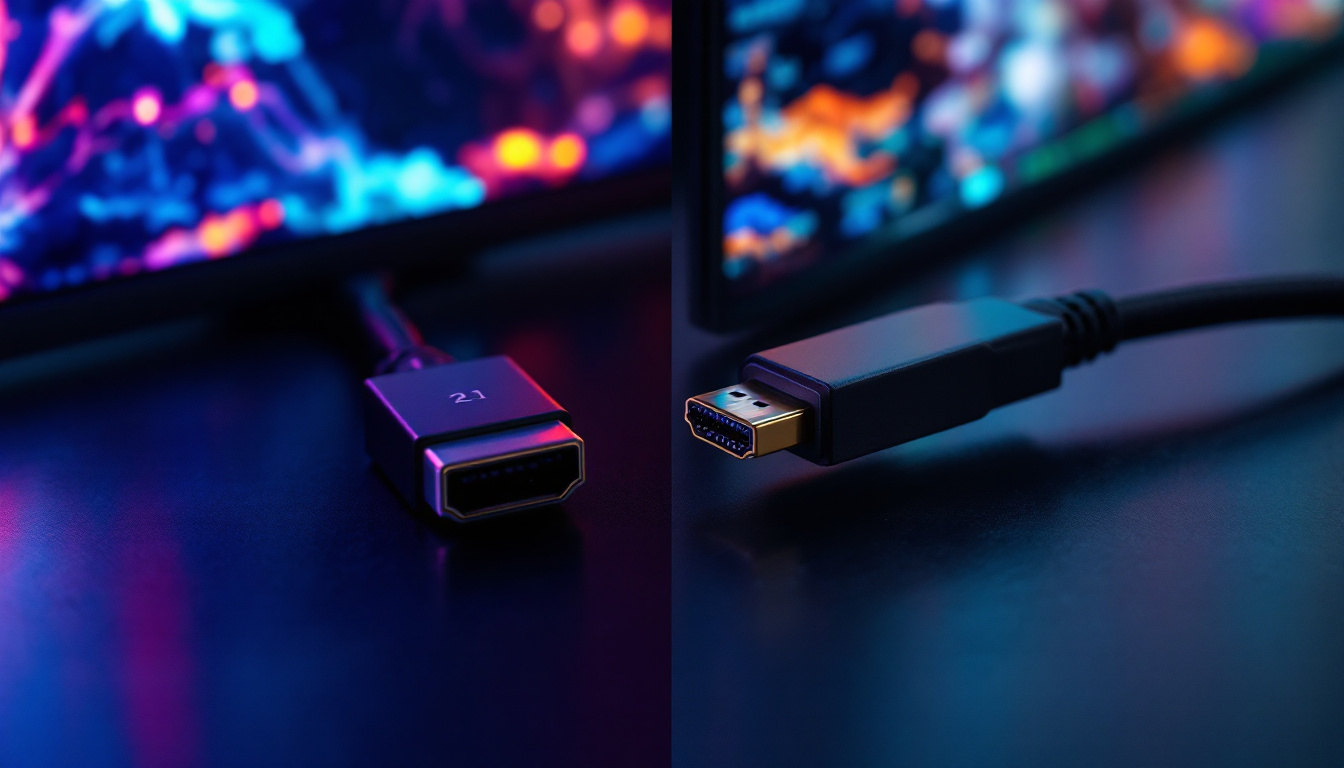
Modern LED TVs come equipped with smart platforms that provide access to streaming services, apps, and voice assistants. When choosing a TV, consider the user interface, app availability, and compatibility with your ecosystem (e.g., Google Assistant, Amazon Alexa, Apple HomeKit). Connectivity options such as HDMI 2.1 ports, USB inputs, and Wi-Fi capabilities are also important for future-proofing your setup.
Maintaining and Optimizing Your LED TV
Calibrating Picture Settings
To get the best picture quality from your LED TV, proper calibration is key. Most TVs come with preset picture modes like Standard, Cinema, or Vivid. For the most accurate colors and contrast, use the Cinema or Movie mode and adjust brightness, contrast, and color temperature to suit your environment.
Professional calibration tools or services can further enhance image accuracy, especially for enthusiasts who demand the highest fidelity. Many TVs also offer built-in calibration guides or apps that simplify the process.
Cleaning and Care
Maintaining your LED TV’s screen is straightforward but requires care. Use a soft, lint-free microfiber cloth to gently wipe the screen, avoiding harsh chemicals or abrasive materials that can damage the surface. Keep the TV in a well-ventilated area to prevent overheating and dust buildup, which can affect performance over time.
Software Updates
Manufacturers regularly release firmware updates that improve performance, fix bugs, and add new features. Keeping your LED TV’s software up to date ensures you benefit from the latest enhancements and security patches. Most smart TVs allow automatic updates or manual installation through the settings menu.
The Future of LED Display Technology
LED display technology continues to evolve, driven by advancements in backlighting, quantum dots, and mini-LED innovations. Mini-LED, a refinement of traditional LED backlighting, uses thousands of tiny LEDs to create more precise local dimming zones. This technology narrows the performance gap between LED and OLED displays, offering deeper blacks and higher contrast at a more affordable price point.
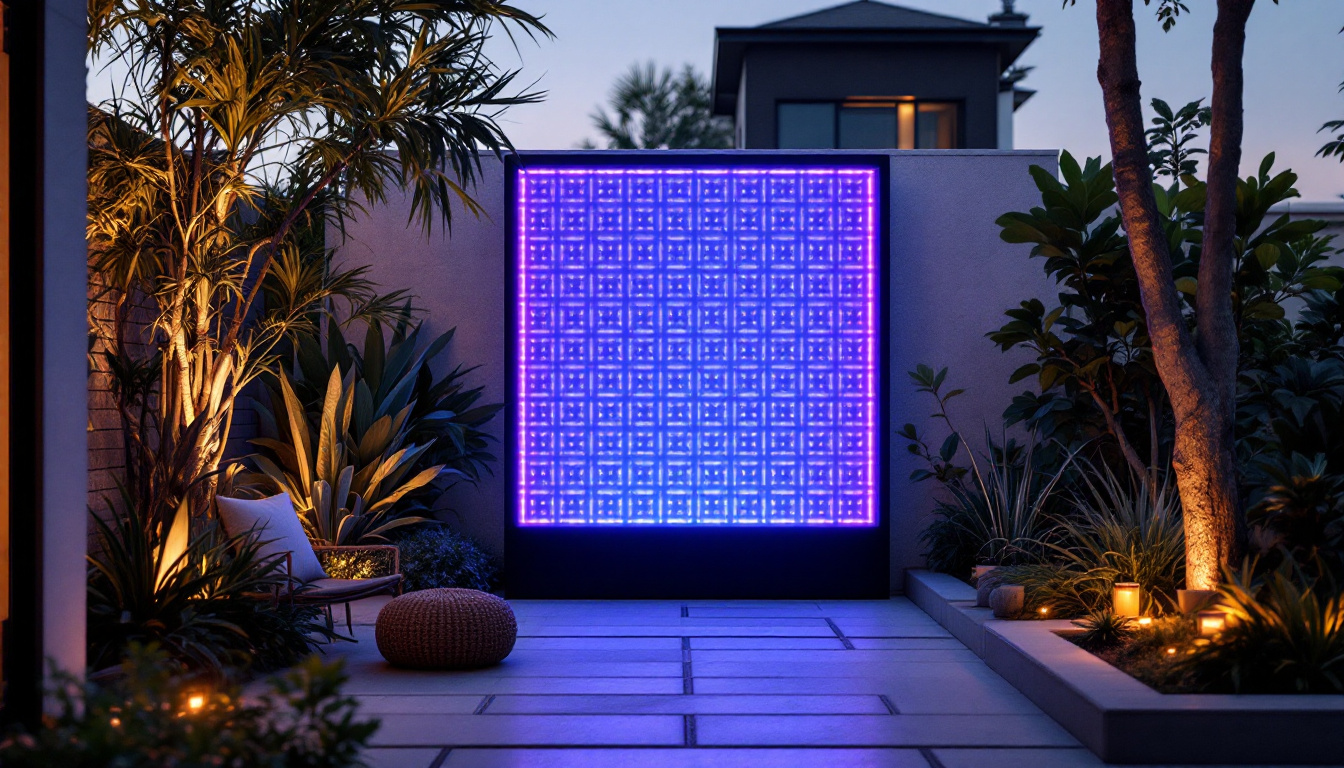
Moreover, ongoing research into flexible and transparent LED displays hints at exciting new applications beyond traditional TVs, including advanced augmented reality devices and innovative architectural displays.
As consumer demand for larger, brighter, and more color-accurate screens grows, LED technology is poised to remain a dominant force in the TV market for years to come.
Conclusion
LED display technology represents a mature, versatile, and cost-effective solution for consumers seeking high-quality TV performance. By combining energy efficiency, improved picture quality, and affordability, LED TVs meet the needs of a wide range of viewers—from casual watchers to home theater enthusiasts.
Understanding the nuances of LED backlighting, local dimming, and related technologies empowers buyers to make informed decisions tailored to their viewing habits and budget. While other technologies like OLED and MicroLED offer compelling advantages, LED TVs continue to deliver excellent value and performance in today’s competitive market.
When selecting your next TV, consider the type of LED backlighting, HDR support, refresh rate, and smart features to find the perfect match. With the right choice, an LED TV can provide years of immersive entertainment and enjoyment.
Explore the Future of Visual Experience with LumenMatrix
Ready to elevate your viewing experience with the latest in LED display technology? LumenMatrix is at the forefront of innovation, offering a diverse range of LED display solutions that cater to your every need. From stunning Indoor and Outdoor LED Wall Displays to dynamic Vehicle and Sports LED Displays, our products are designed to captivate and engage. Experience the revolution in visual communication with our All-in-One LED Displays, LED Posters, and groundbreaking Transparent LED Displays. Don’t just watch the future happen—be a part of it. Check out LumenMatrix LED Display Solutions today and transform the way you share your message with the world.