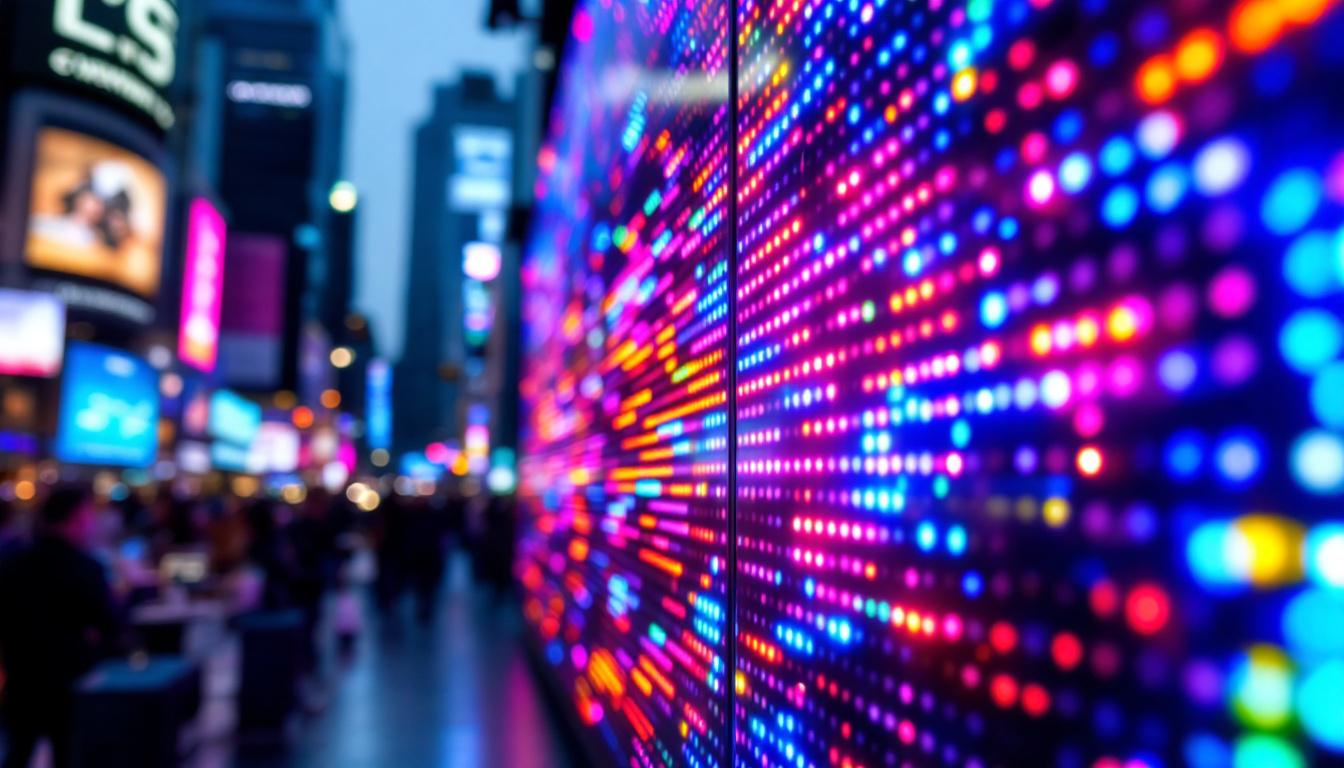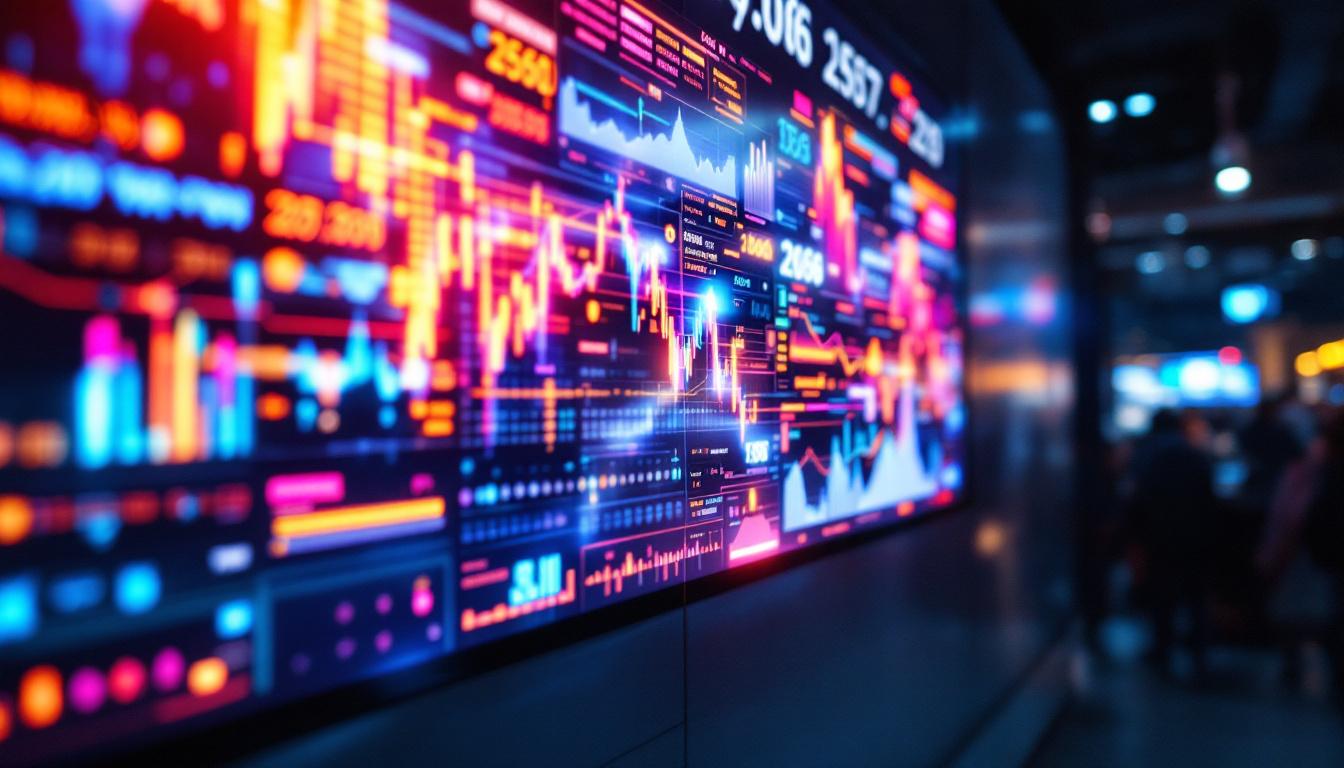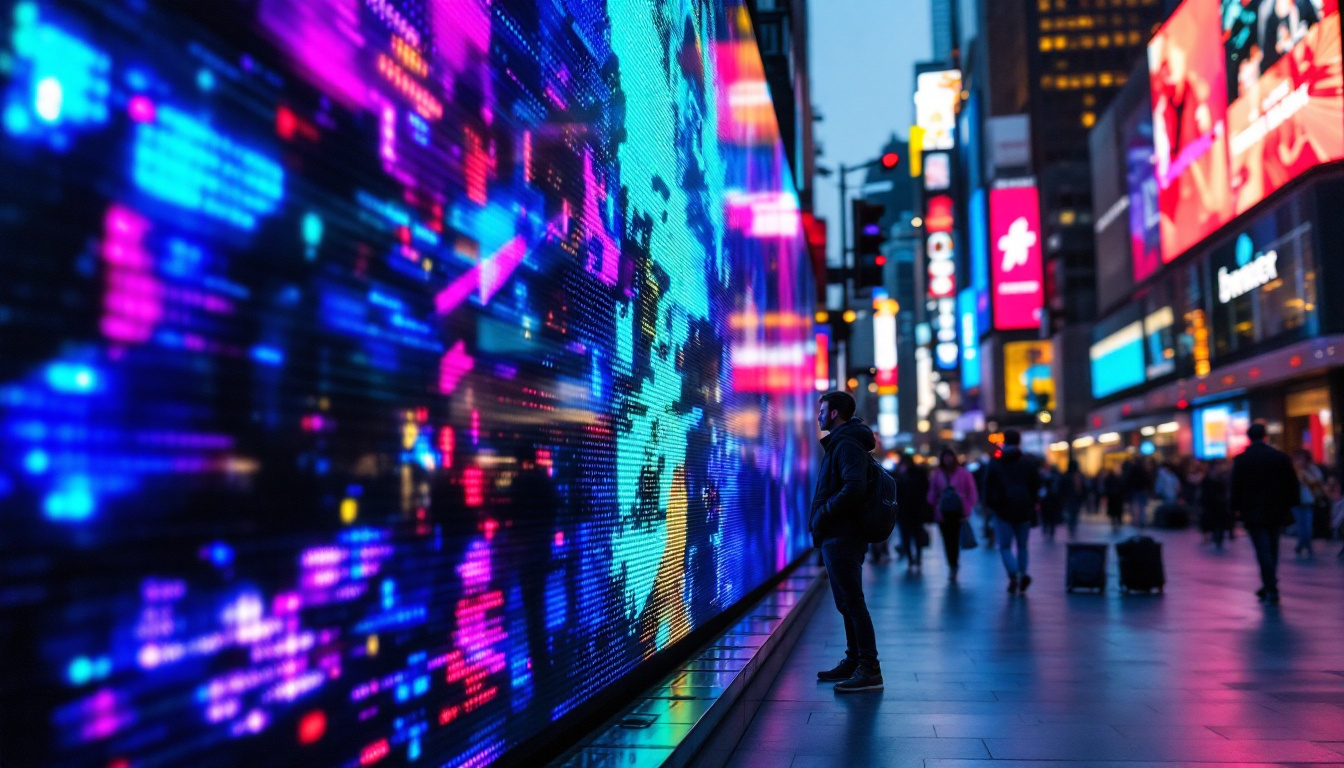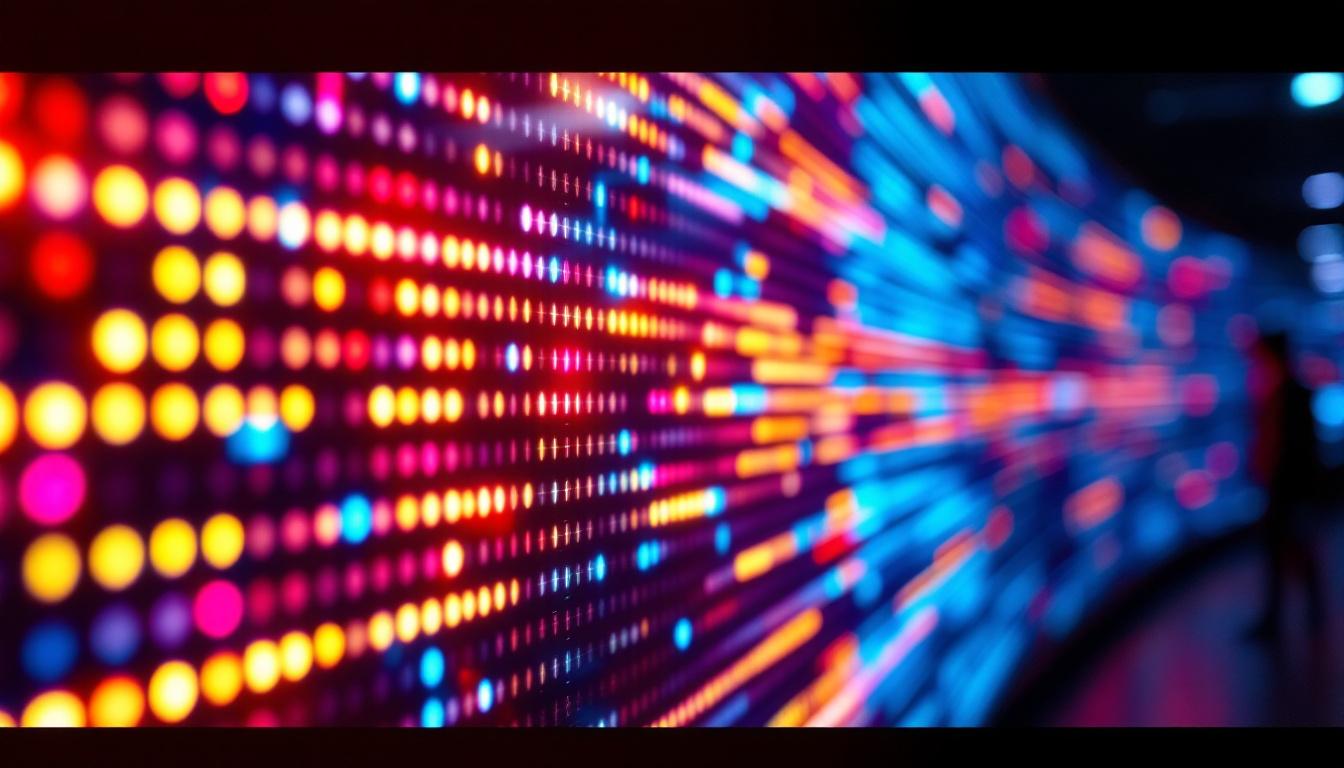
In the rapidly evolving world of digital displays, LED technology stands as a cornerstone for vibrant, energy-efficient, and versatile screens. Whether it’s the massive billboards lighting up cityscapes or the sleek screens on handheld devices, understanding how LED displays work is essential for anyone interested in modern visual technology. This article delves into the concept of PNG pixels in LED displays, exploring their structure, functionality, and significance in delivering crisp and colorful images.
Understanding LED Displays: The Basics
LED, or Light Emitting Diode, displays are composed of tiny light sources that emit light when an electric current passes through them. Unlike traditional LCD screens that rely on backlighting, LED displays generate their own light, resulting in higher brightness, better contrast ratios, and more vivid colors. This self-illuminating property not only enhances the viewing experience but also allows for thinner and lighter display designs, making them ideal for a variety of applications, from televisions to smartphones and digital signage.
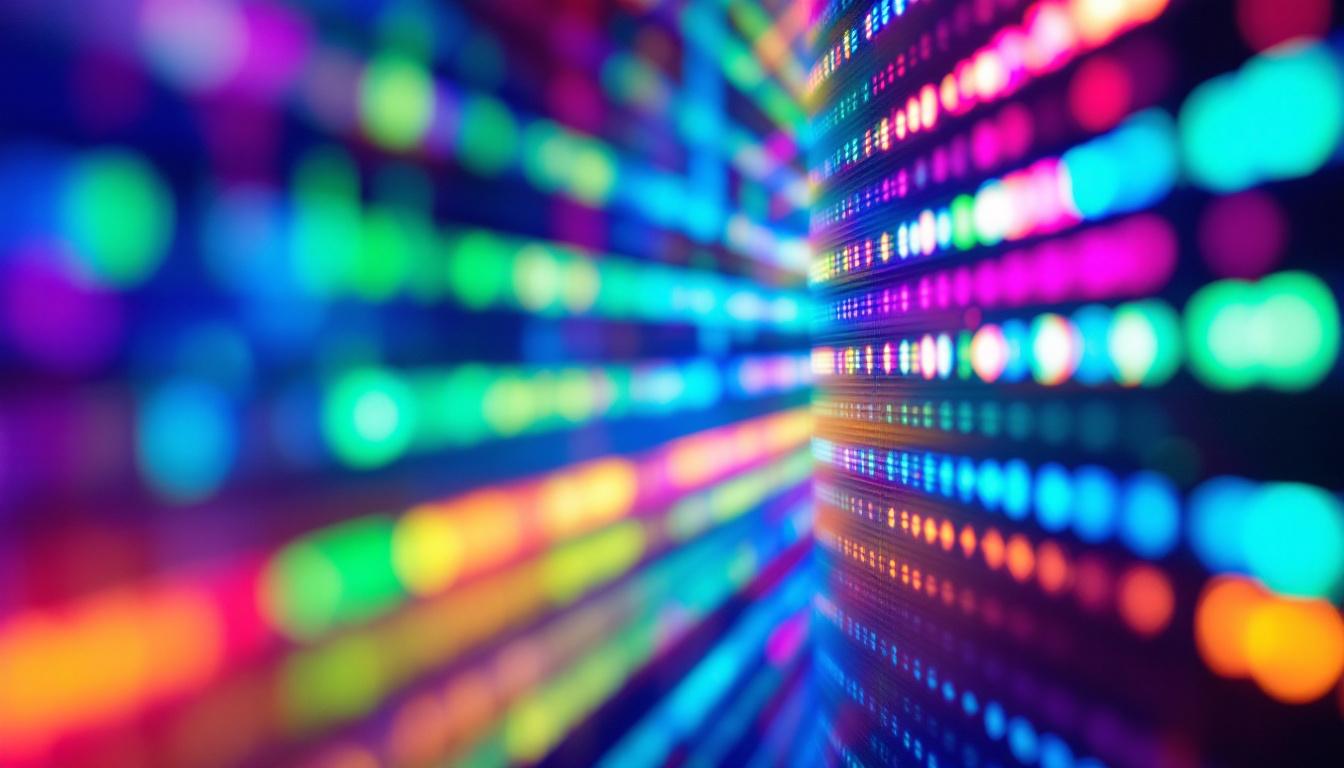
At the heart of any LED display lies the pixel — the smallest unit of a digital image. Each pixel is made up of subpixels, typically red, green, and blue (RGB), which combine to produce a full spectrum of colors. The precision with which these pixels are controlled determines the clarity and quality of the image. Moreover, advancements in technology have led to the development of various types of LED displays, including OLED (Organic LED) and MicroLED, which offer even greater color accuracy and flexibility in design. These innovations are pushing the boundaries of what is possible in visual technology, paving the way for immersive experiences in gaming, virtual reality, and augmented reality applications.
What Is a PNG Pixel in LED Displays?
PNG stands for Portable Network Graphics, a popular image format known for its lossless compression and support for transparency. When discussing “PNG pixels” in the context of LED displays, it generally refers to how pixel data from PNG images is rendered on LED screens. The PNG format is particularly favored in web design and digital art due to its ability to maintain high-quality images without sacrificing detail, making it an excellent choice for graphics that require sharp edges and clear backgrounds.
Each pixel in a PNG image contains color information that the LED display must interpret and reproduce using its RGB subpixels. The accuracy of this translation affects the image’s sharpness and color fidelity. Modern LED displays are designed to handle high-resolution PNG images, ensuring that every pixel is displayed with precision. Furthermore, the ability of LED displays to showcase a wide range of colors means that images with intricate gradients and subtle hues are rendered beautifully, enhancing the overall visual experience. As technology continues to evolve, the integration of sophisticated image processing algorithms further improves how PNG images are displayed, allowing for real-time adjustments that enhance clarity and vibrancy, making every viewing experience more engaging and lifelike.
The Anatomy of an LED Pixel
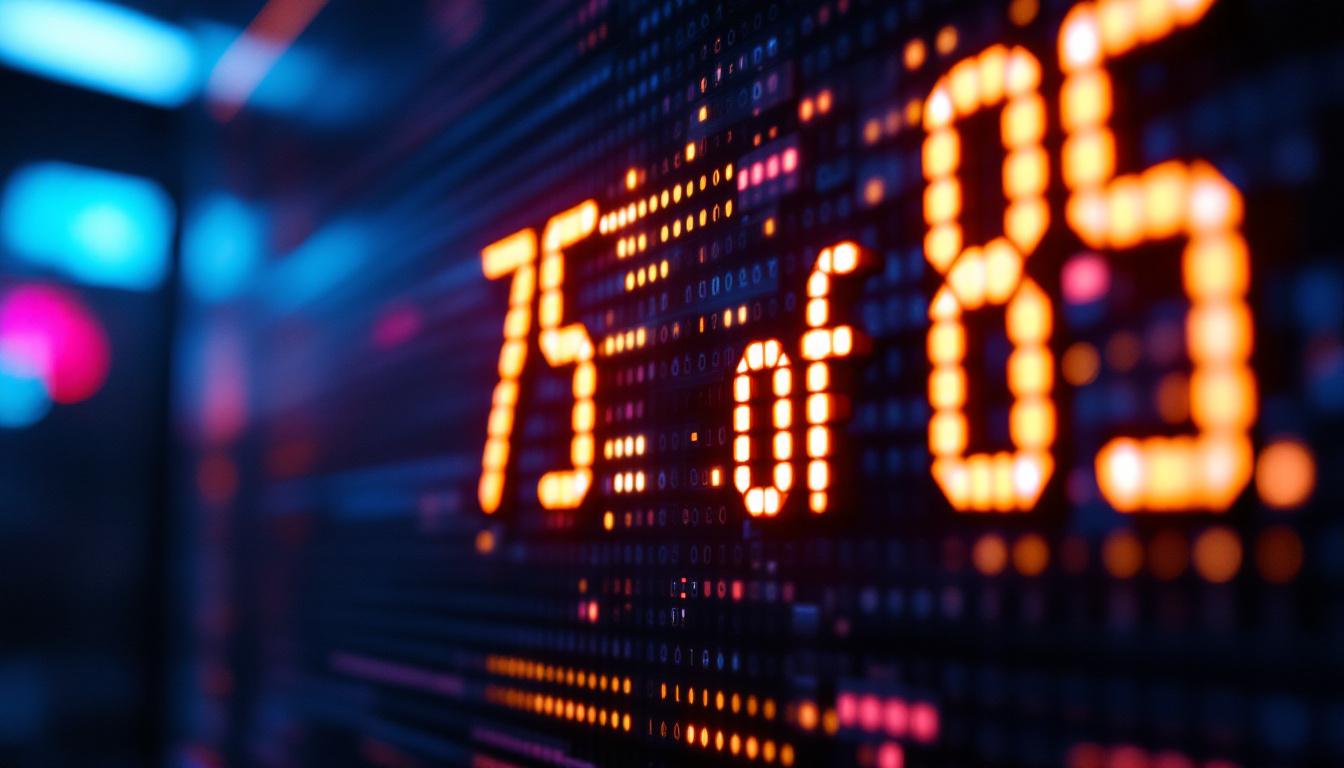
To appreciate how PNG pixels are displayed, it’s important to understand the physical and electronic structure of an LED pixel. Each pixel consists of multiple tiny LEDs, usually grouped in threes for red, green, and blue light emission.
Subpixel Configuration and Color Mixing
The RGB subpixels emit light at different intensities to create a wide range of colors through additive color mixing. By adjusting the brightness of each subpixel, the LED display can reproduce the exact color specified by the PNG pixel data.
For example, to display a pure yellow pixel from a PNG image, the red and green subpixels are illuminated at full intensity, while the blue subpixel remains off. This precise control is managed by the display’s driver circuitry and image processing algorithms.
Pixel Pitch and Resolution
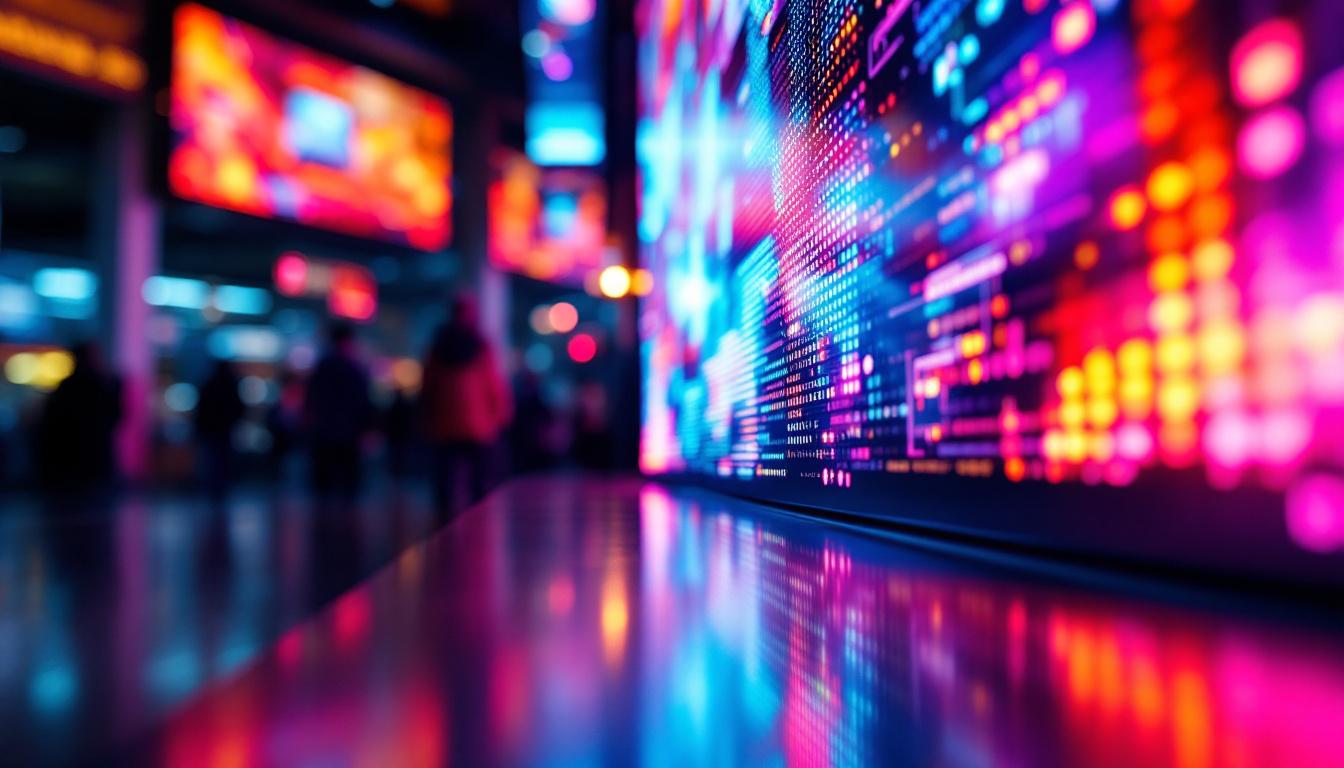
Pixel pitch, the distance between the centers of two adjacent pixels, is a critical factor influencing image quality. Smaller pixel pitches allow for higher resolution displays, which can render PNG images with finer detail and smoother gradients.
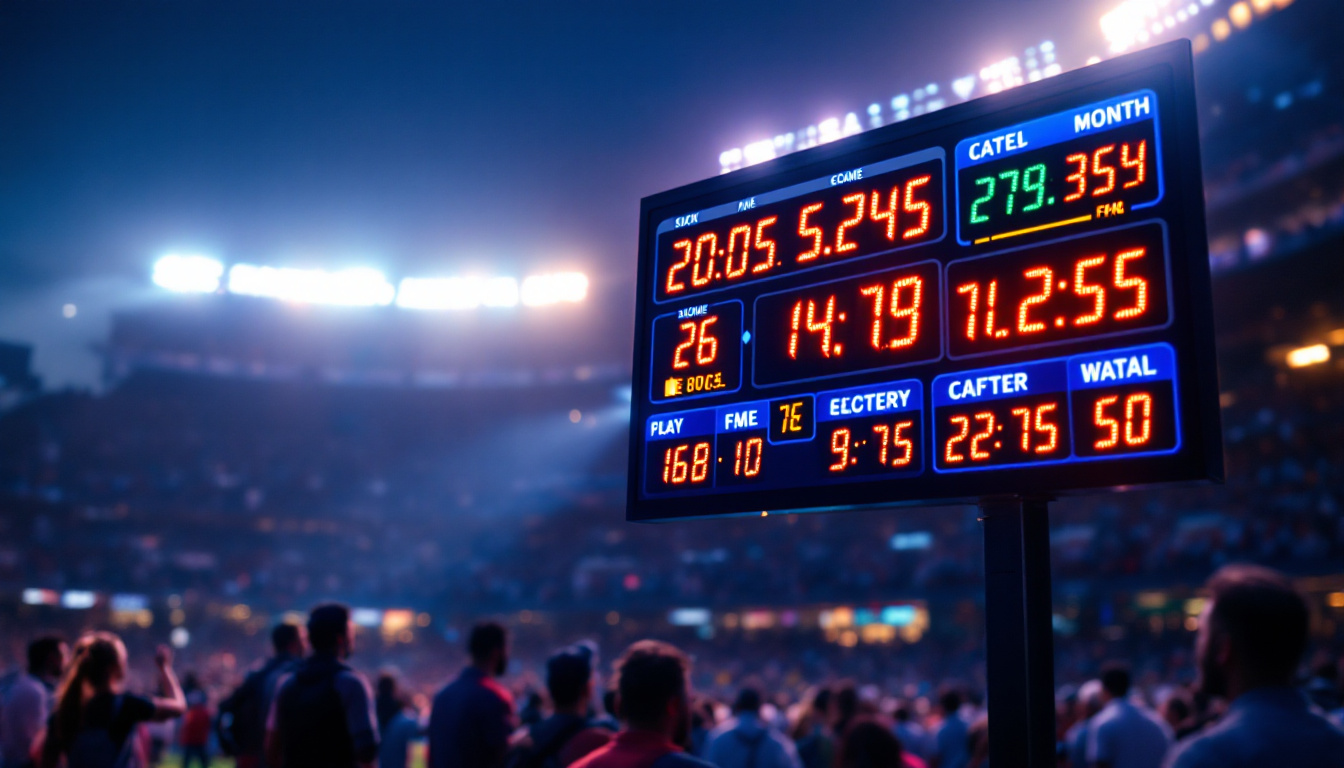
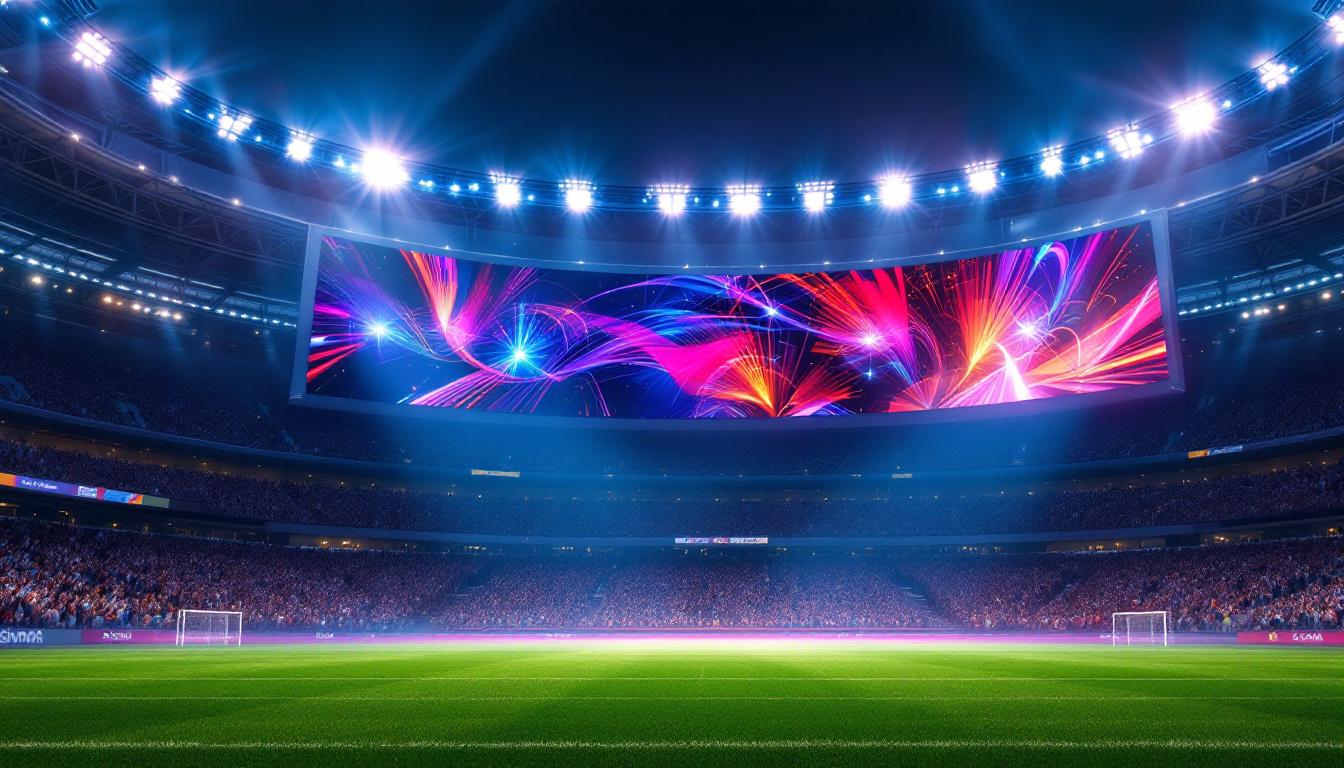
In large LED screens, such as those used in stadiums or outdoor advertising, pixel pitches can range from 1.2mm to 10mm or more. For indoor displays and close viewing distances, pixel pitches under 2mm are common to maintain image sharpness.
Rendering PNG Images on LED Displays
Displaying PNG images on LED screens involves several technical steps to ensure that the image appears as intended. This process includes decoding the PNG file, color management, and pixel mapping.
Decoding and Processing PNG Files
PNG files use lossless compression, preserving image quality without introducing artifacts. When an LED display system receives a PNG image, it first decompresses the file to access raw pixel data. This data includes color values for each pixel, often represented in 24-bit RGB or 32-bit RGBA (including transparency).
Transparency in PNG images can pose challenges for LED displays, especially when layering images or integrating with other visual elements. Advanced display controllers handle alpha channels by blending transparent pixels with background colors or images to maintain visual consistency.
Color Calibration and Accuracy
Accurate color reproduction is vital for professional LED displays, particularly in advertising, broadcasting, and digital art installations. Color calibration ensures that the LED pixels emit light that matches the colors defined in the PNG image.
Calibration involves adjusting the intensity and color balance of the RGB subpixels to compensate for variations in LED manufacturing, aging, and environmental factors. High-end LED displays often include built-in calibration tools or support external colorimeters to maintain consistent color performance over time.
Pixel Mapping and Image Scaling
Once the PNG pixel data is decoded and calibrated, it must be mapped onto the physical LED pixels. This step can be straightforward if the image resolution matches the display resolution exactly. However, scaling is often necessary when the image is larger or smaller than the display’s native resolution.
Scaling algorithms, such as bilinear or bicubic interpolation, help resize PNG images while minimizing distortion and preserving detail. Proper pixel mapping ensures that each PNG pixel corresponds accurately to one or more LED pixels, maintaining image clarity.
Applications of LED Displays Featuring PNG Pixel Rendering
LED displays capable of rendering PNG images with high fidelity have a wide range of applications across industries. Their ability to showcase detailed graphics, logos, and animations makes them indispensable in modern visual communication.
Outdoor Advertising and Digital Billboards
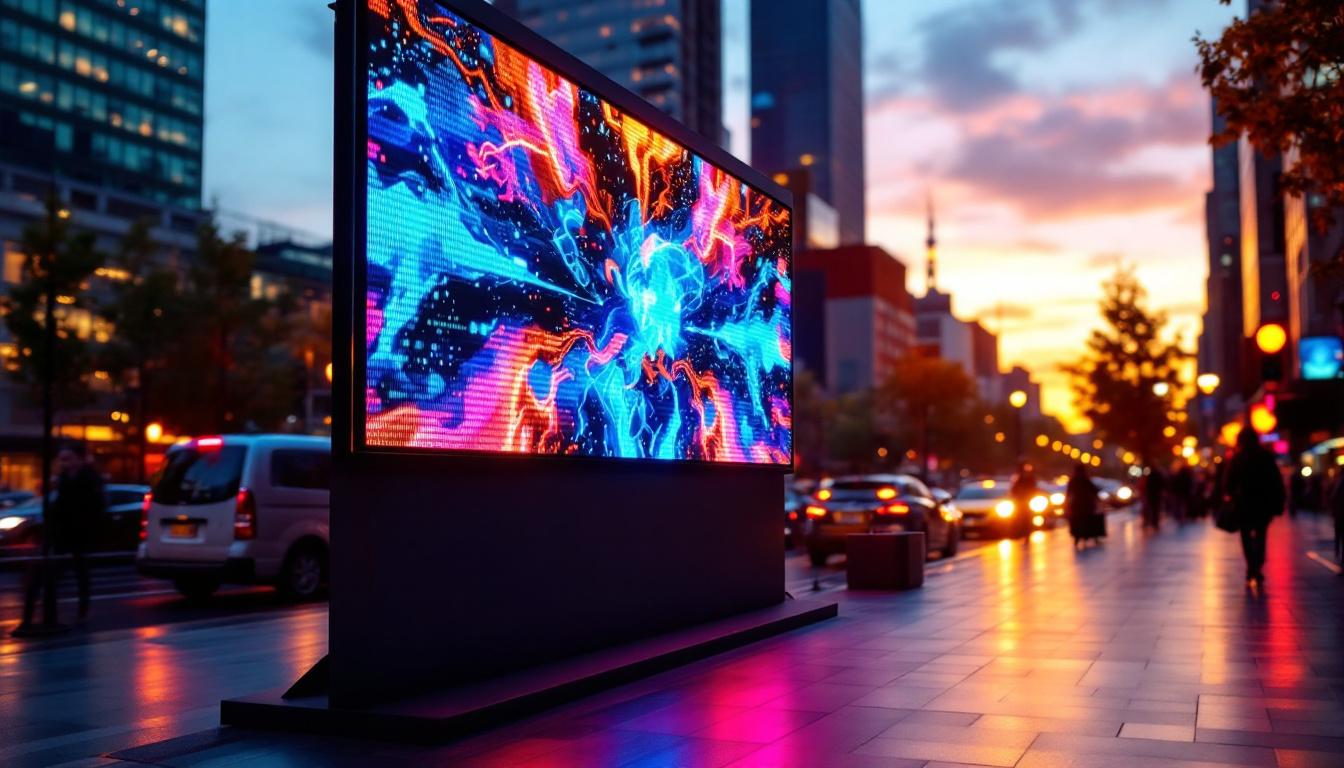
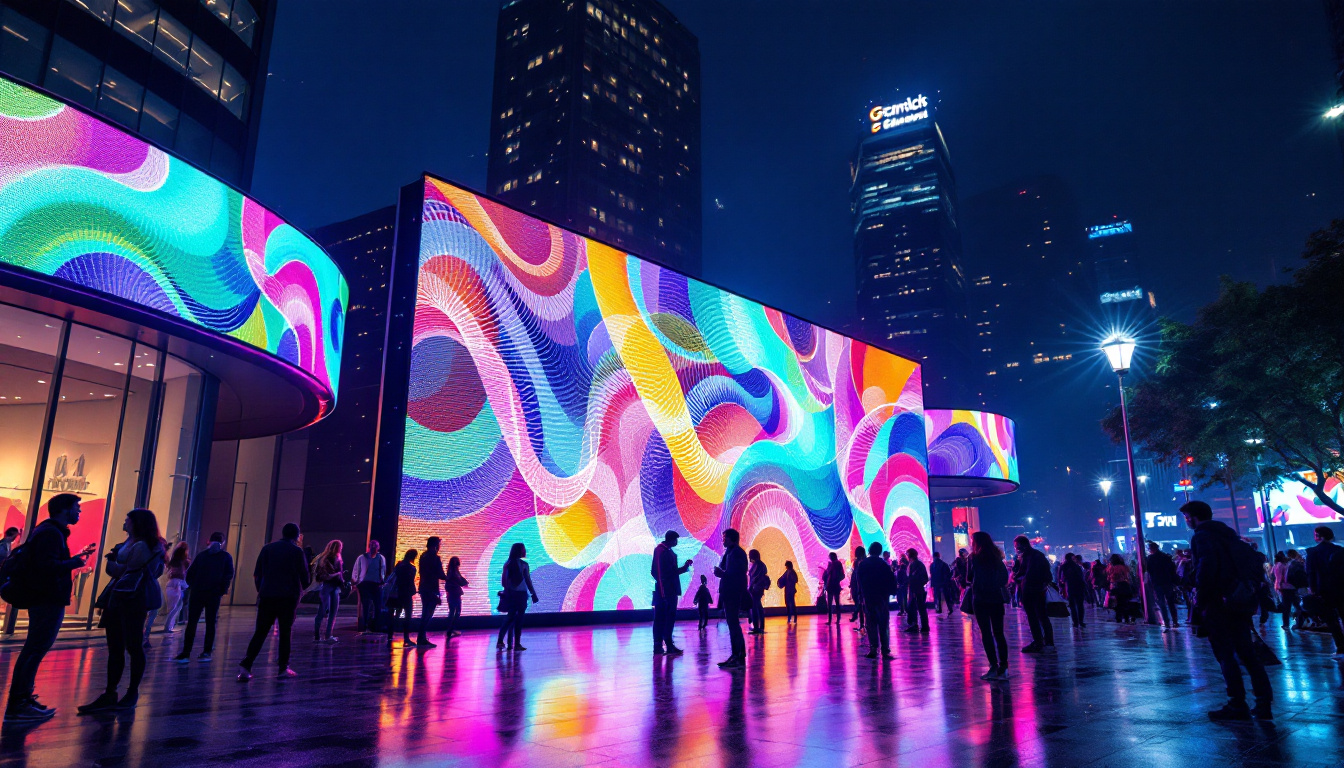
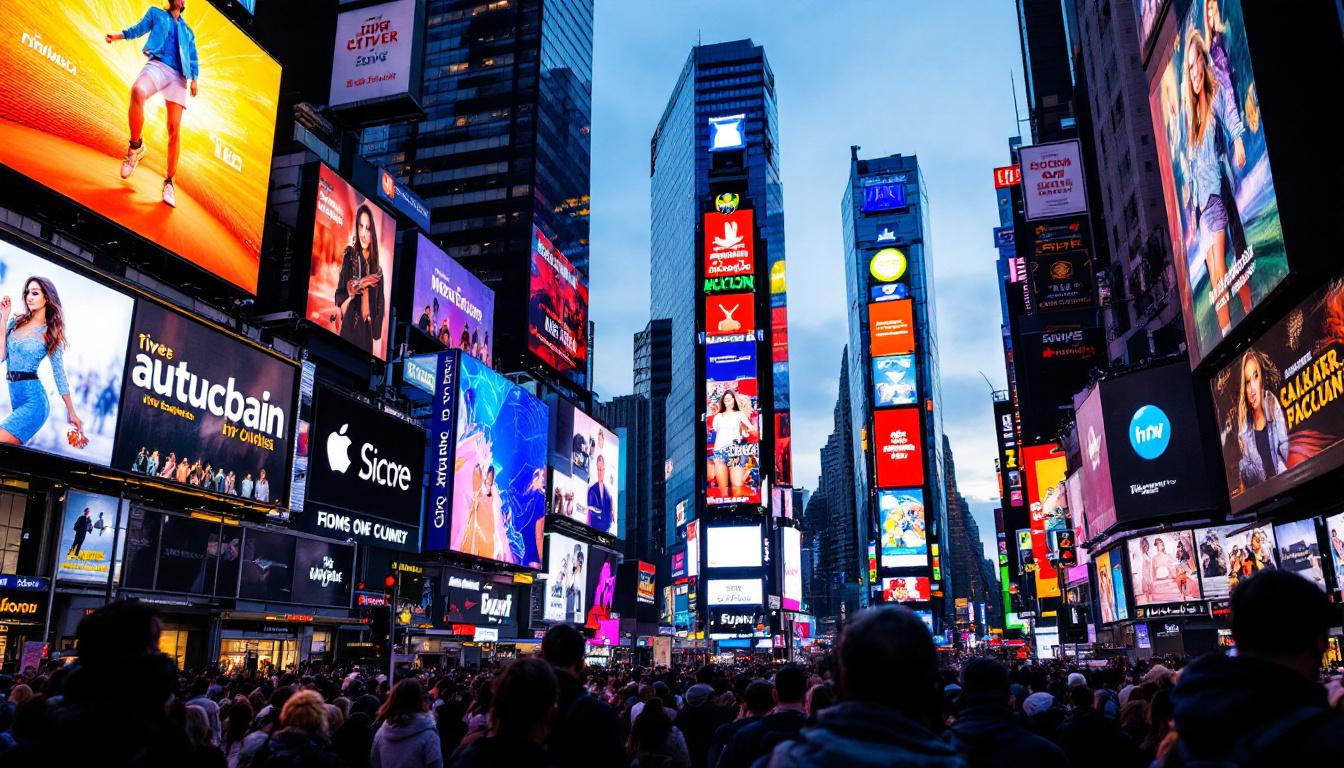
Digital billboards use large-scale LED displays to present dynamic content that captures attention. Advertisers rely on PNG images for logos and promotional graphics due to their transparency support and high quality.
High-resolution LED displays with fine pixel pitches enable billboards to display crisp images even from close distances, enhancing brand visibility and message clarity. The durability and brightness of LED technology ensure visibility in various lighting conditions, from bright sunlight to nighttime.
Event and Stage Displays
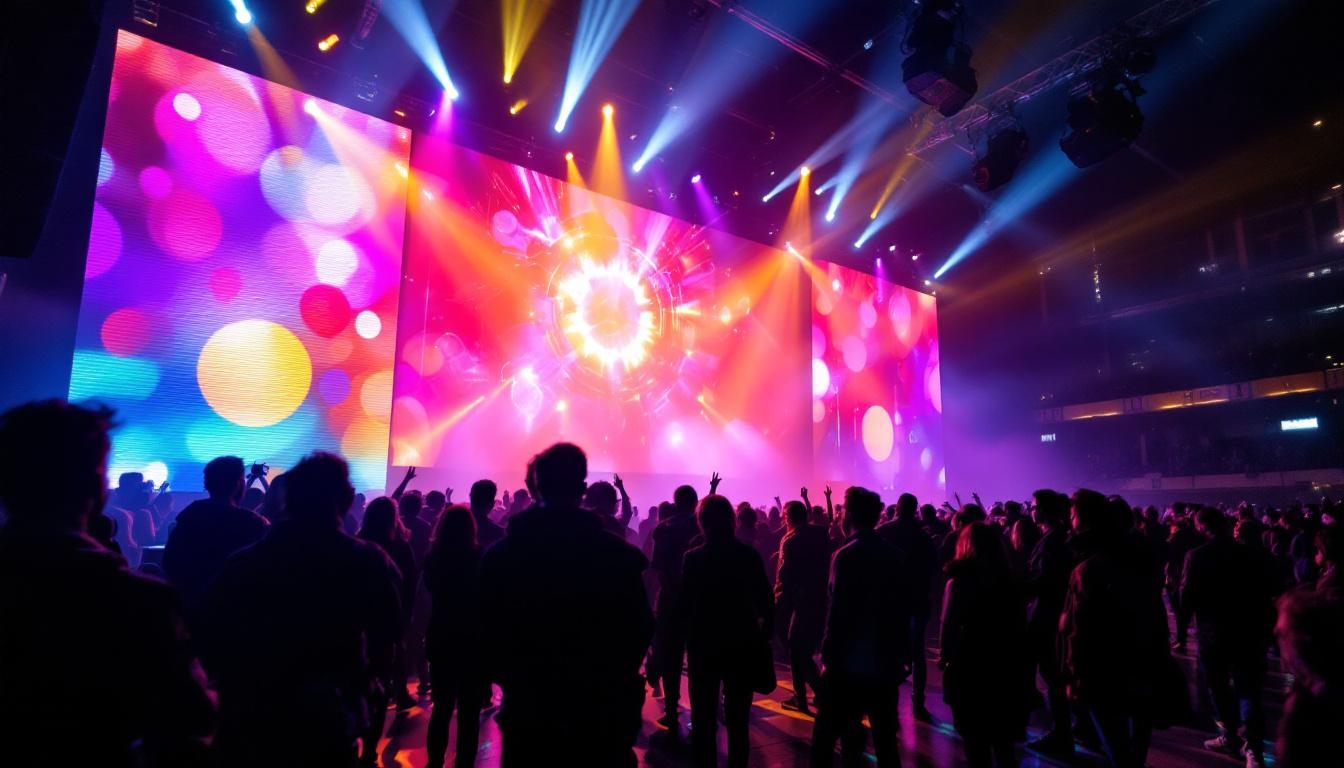
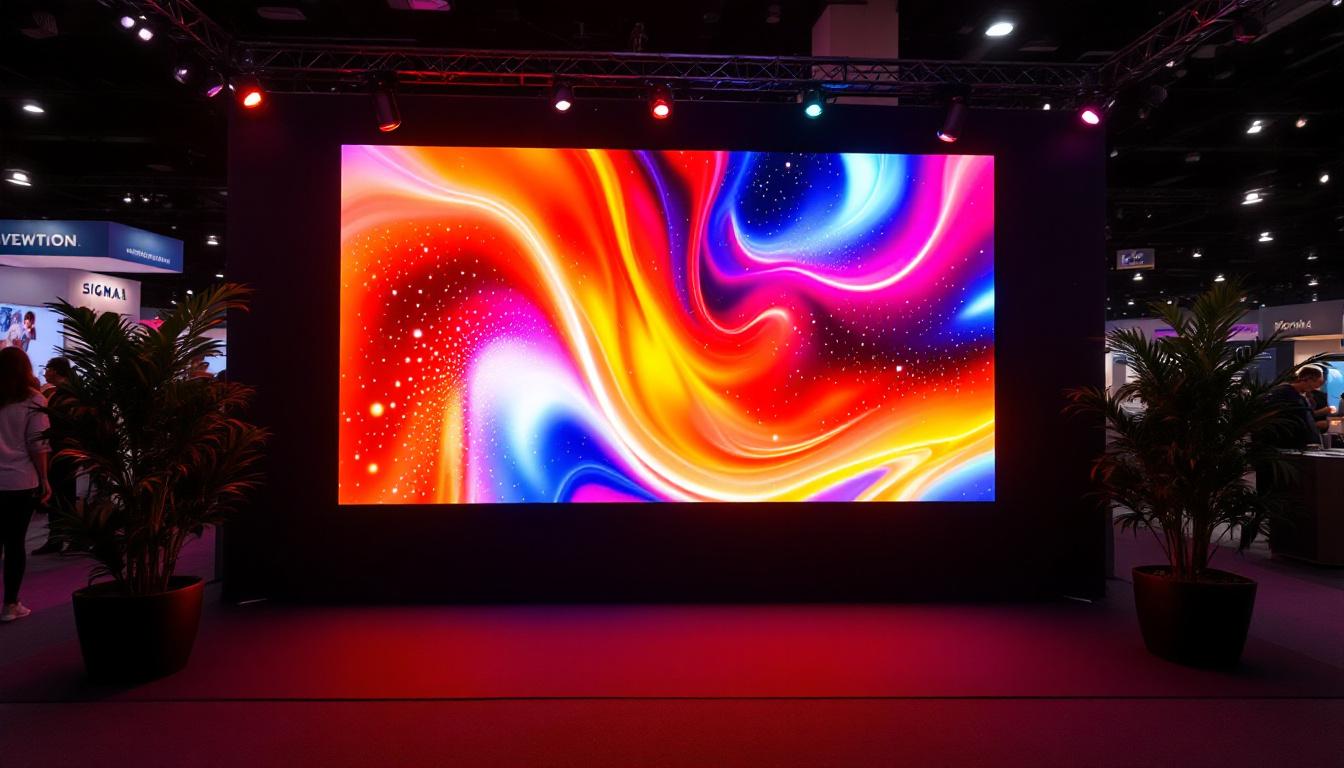
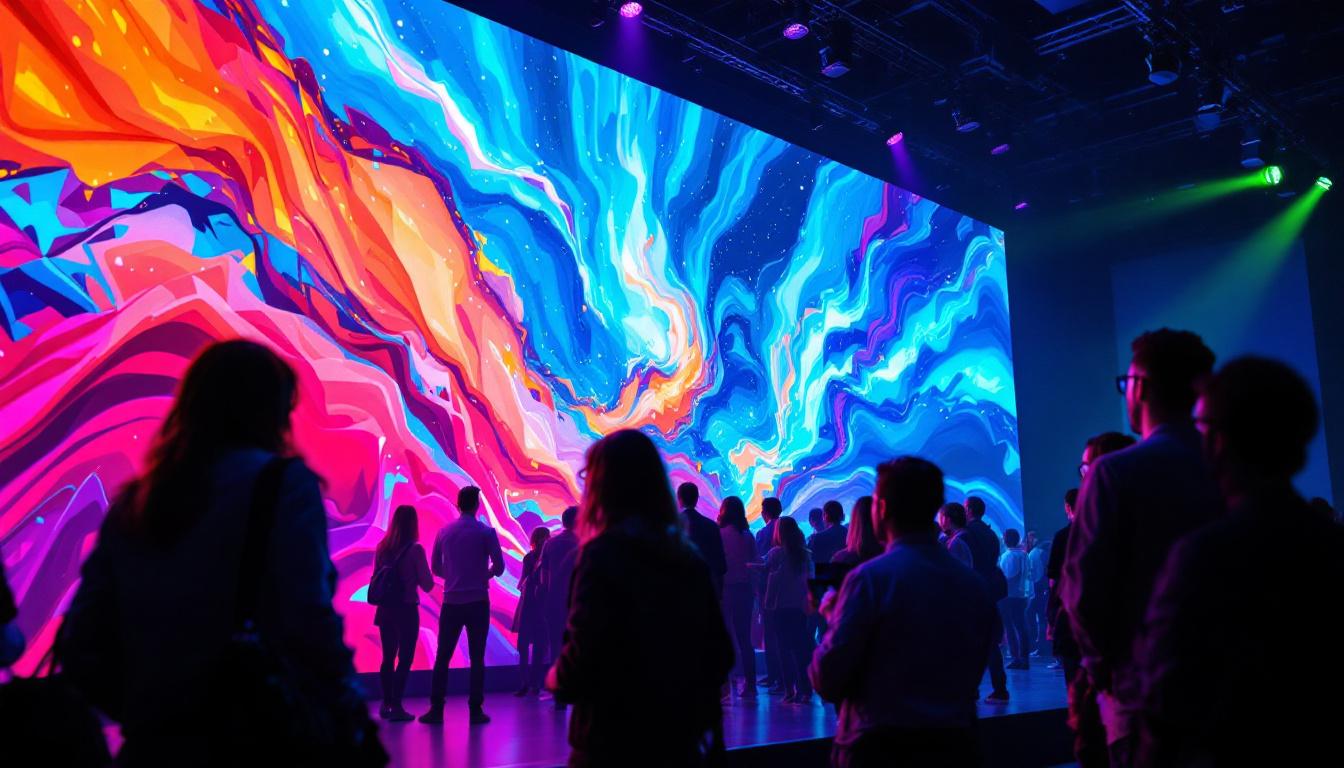
Concerts, conferences, and live events frequently employ LED video walls to create immersive visual experiences. PNG images are often used in content creation for these displays, allowing for complex graphics with transparent backgrounds that integrate seamlessly with video and lighting effects.
The flexibility of LED displays to handle diverse image formats and resolutions makes them ideal for dynamic content that adapts to different event themes and environments.
Retail and Indoor Signage
In retail environments, LED displays serve as digital signage to attract customers and provide information. The ability to render PNG images accurately allows for vibrant product visuals, promotional banners, and interactive content.
Indoor LED displays benefit from higher pixel density, enabling detailed and colorful images that enhance the shopping experience. Transparency in PNG files supports layered graphics and animations, creating engaging visual narratives.
Future Trends in LED Display Technology and PNG Pixel Rendering
As LED technology advances, the capabilities for rendering PNG pixels and other image formats continue to improve, driven by innovations in hardware, software, and materials science.
MicroLED and Higher Pixel Densities
MicroLED technology promises even smaller pixel sizes and greater brightness, enabling ultra-high-resolution displays that can render PNG images with unprecedented detail. This advancement will benefit applications requiring fine image quality, such as virtual reality and medical imaging.
Smaller pixel pitches will allow LED displays to rival or surpass traditional LCD and OLED screens in sharpness and color accuracy, expanding their use in consumer electronics.
Enhanced Color Management and HDR Support
High Dynamic Range (HDR) support is becoming standard in LED displays, allowing for a broader range of colors and contrast levels. This capability enhances the rendering of PNG images, particularly those with subtle gradients and complex color schemes.
Advanced color management systems will provide more precise calibration and real-time adjustments, ensuring consistent image quality across different viewing conditions.
Integration with AI and Real-Time Image Processing
Artificial intelligence is beginning to play a role in optimizing image rendering on LED displays. AI algorithms can analyze PNG images and dynamically adjust pixel brightness and color to improve visual quality and reduce power consumption.
Real-time image processing will enable LED displays to adapt content based on ambient light, viewer distance, and other environmental factors, enhancing the viewing experience.
Conclusion
Understanding how PNG pixels are rendered on LED displays provides valuable insight into the technology behind today’s vibrant digital screens. From the fundamental structure of LED pixels to the complex processes of image decoding, color calibration, and pixel mapping, each step plays a crucial role in delivering high-quality visuals.
As LED display technology continues to evolve, the ability to accurately and efficiently render PNG images will remain essential for a wide range of applications, from advertising and entertainment to retail and beyond. Staying informed about these advancements helps businesses and consumers alike appreciate the sophistication and potential of modern LED displays.
Explore Cutting-Edge LED Display Solutions with LumenMatrix
Ready to experience the future of visual technology? LumenMatrix is at the forefront of LED display innovation, offering a wide array of solutions that bring your digital visions to life. From Indoor and Outdoor LED Wall Displays to specialized options like Vehicle, Sports, and Floor LED Displays, our products are designed to captivate and engage. Discover how our Custom, All-in-One, and Transparent LED Displays can transform your space and elevate your message. Check out LumenMatrix LED Display Solutions today and join the revolution in vibrant visual communication.