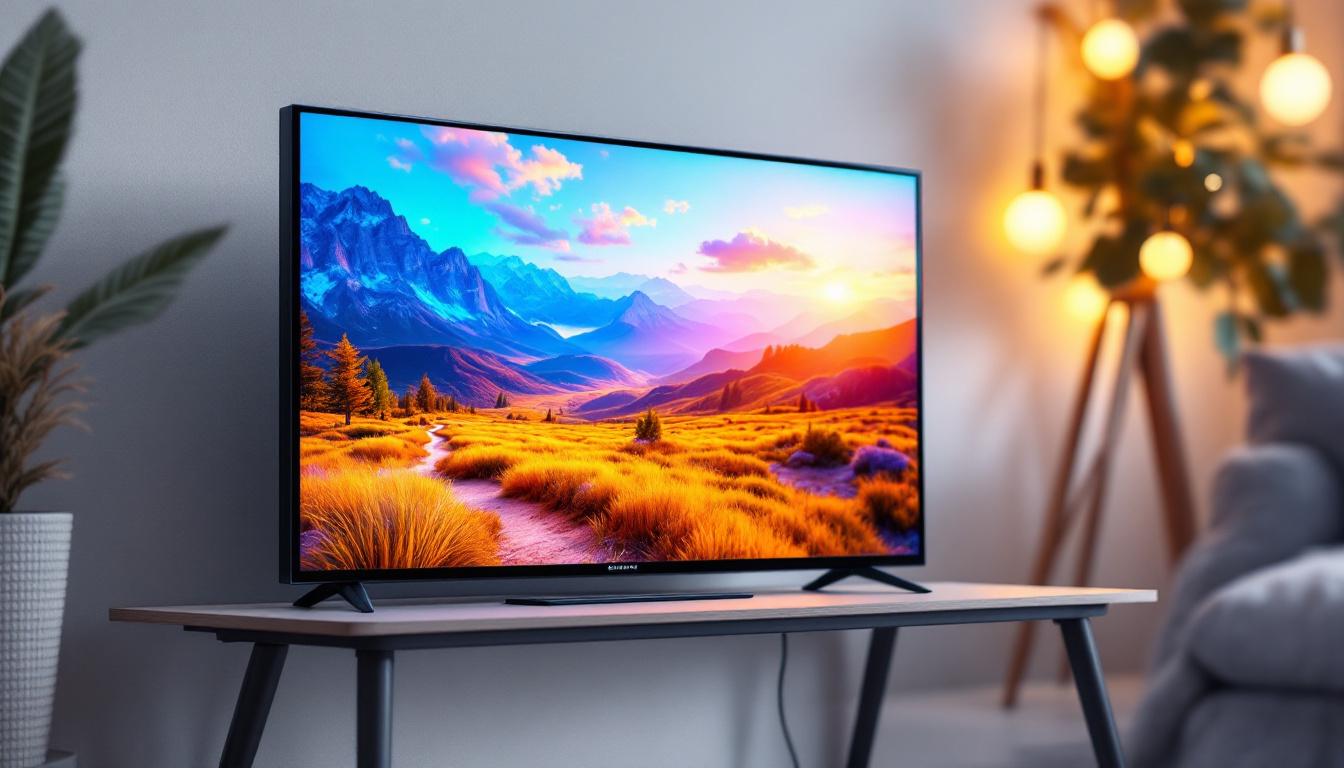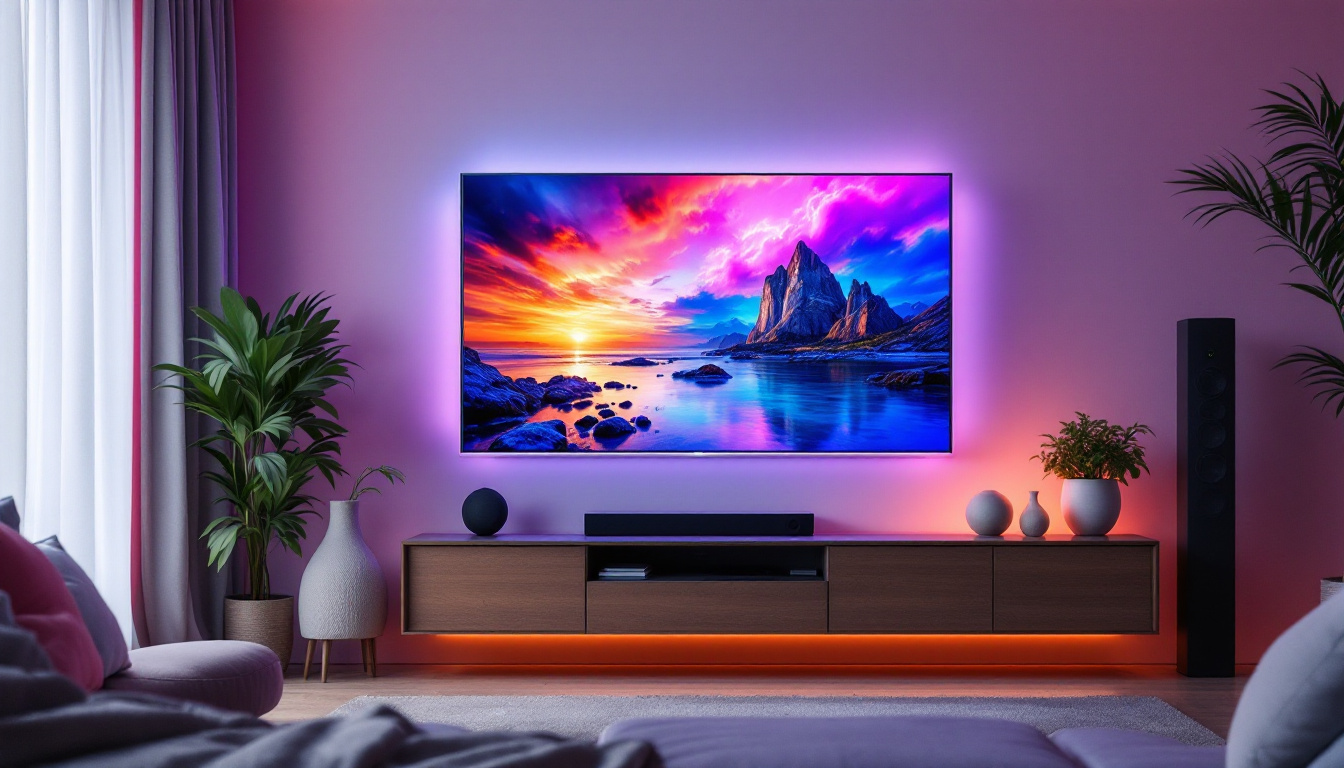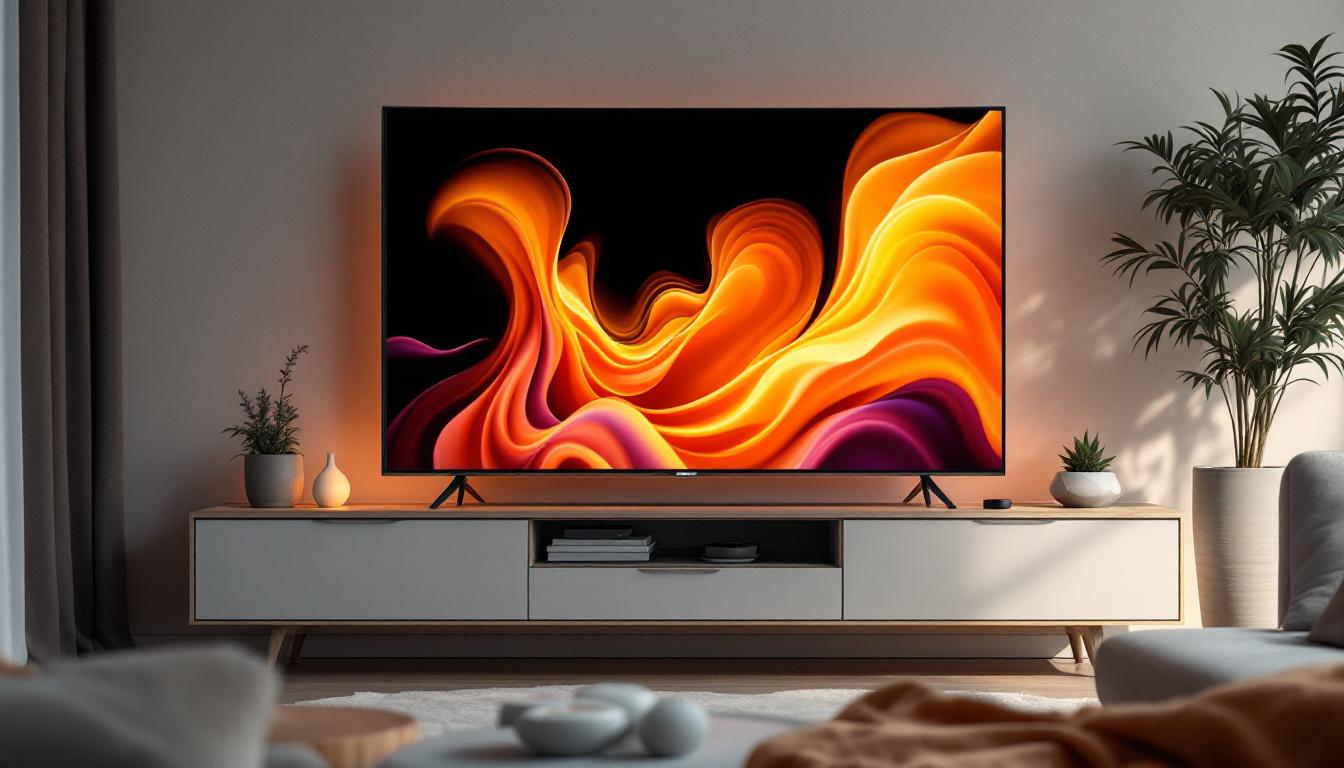
In today’s digital age, the entertainment center is the heart of the modern living room, offering not just a place for your flat screen TV but a hub for all your multimedia needs. Among the many technologies that have revolutionized home entertainment, LED display technology stands out as a game-changer. This article delves into the intricacies of LED displays used in flat screen TVs, how they integrate with entertainment centers, and what consumers should know to make informed decisions.
Understanding LED Display Technology
What is an LED Display?
LED stands for Light Emitting Diode, a semiconductor device that emits light when an electric current passes through it. In the context of flat screen TVs, LED displays refer to the type of backlighting used in LCD (Liquid Crystal Display) panels. Unlike traditional LCD TVs that use cold cathode fluorescent lamps (CCFLs) for backlighting, LED TVs utilize arrays of LEDs to illuminate the screen.
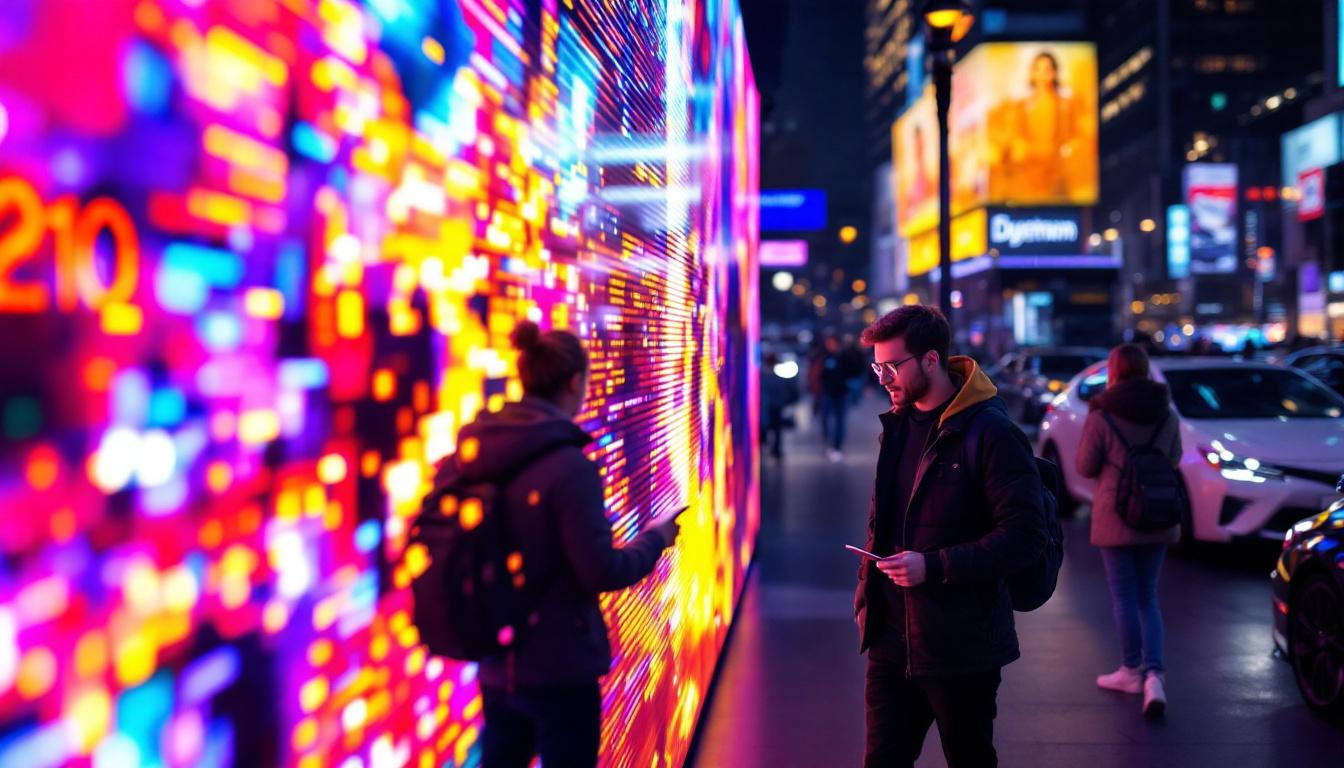
This shift to LED backlighting has brought numerous advantages, including improved brightness, better color accuracy, and energy efficiency. The LED technology used in TVs is not the same as the large-scale LED video walls seen in outdoor advertising but rather a refined, compact application optimized for home viewing. Furthermore, LED displays are known for their longevity, often lasting significantly longer than their CCFL counterparts, which can lead to lower replacement costs over time. This durability is particularly appealing to consumers who prioritize both performance and sustainability in their electronic devices.
Types of LED Backlighting
There are primarily two types of LED backlighting used in flat screen TVs: edge-lit and full-array. Edge-lit LED TVs place LEDs along the edges of the screen, using light guides to distribute illumination evenly. This design allows for thinner panels but can sometimes result in uneven lighting or “clouding” in darker scenes. Additionally, edge-lit models tend to be more affordable, making them a popular choice for budget-conscious consumers who still want to enjoy the benefits of LED technology.
Full-array LED TVs position LEDs directly behind the entire screen, offering more uniform brightness and enabling local dimming. Local dimming allows specific zones of LEDs to dim independently, enhancing contrast ratios and delivering deeper blacks. This feature is particularly important for high dynamic range (HDR) content, which demands a wide range of brightness and color. Moreover, full-array displays often come equipped with advanced processing technologies that further enhance picture quality, such as improved motion handling and color reproduction. As a result, viewers can experience a more immersive and lifelike viewing experience, making full-array LED TVs a favorite among home theater enthusiasts and cinephiles alike.
The Role of LED Displays in Entertainment Centers
Integration with Modern Entertainment Centers
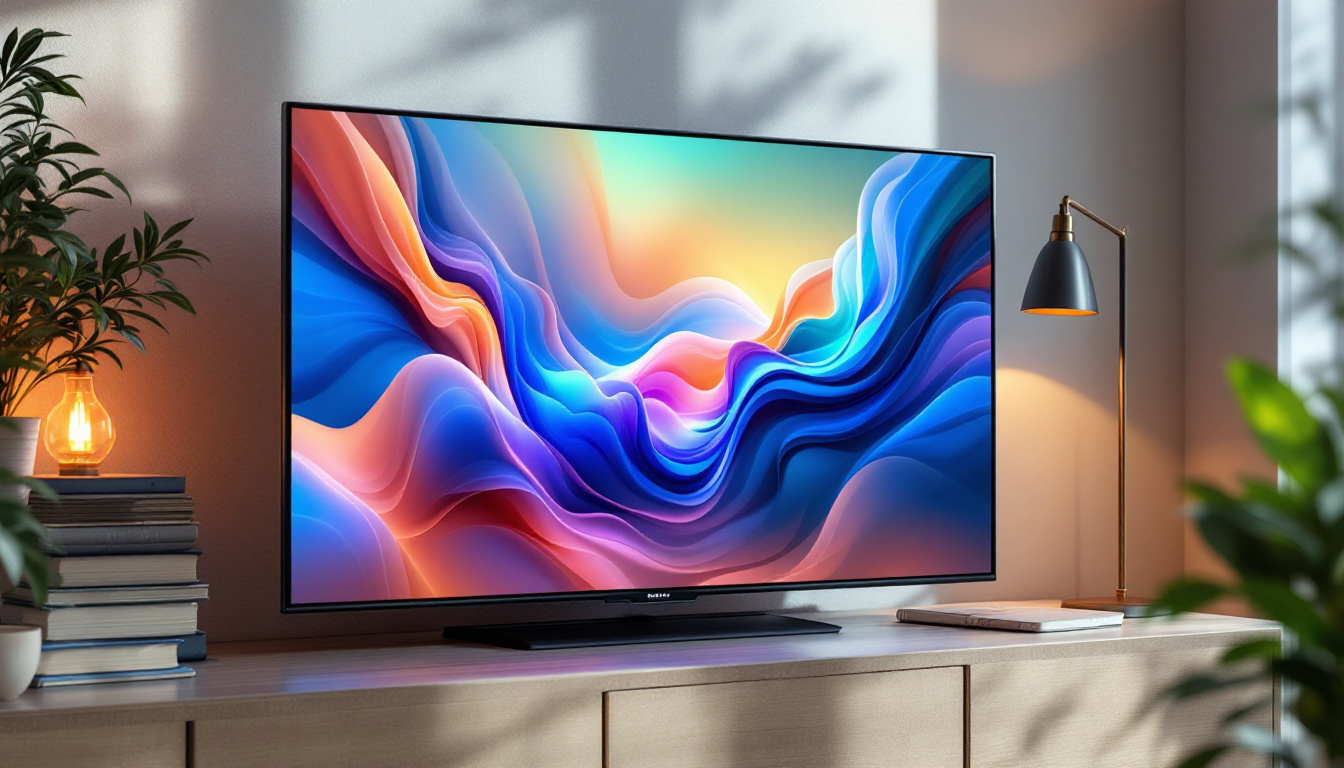
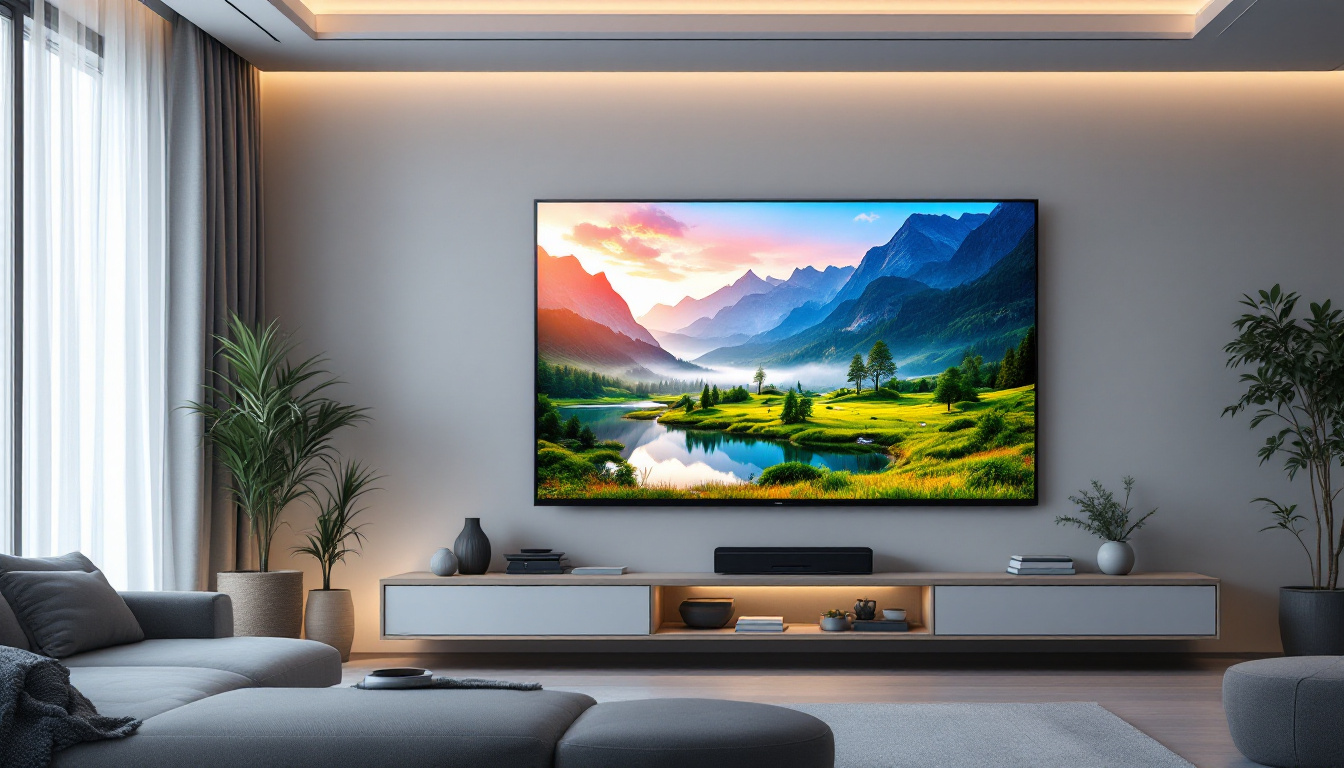
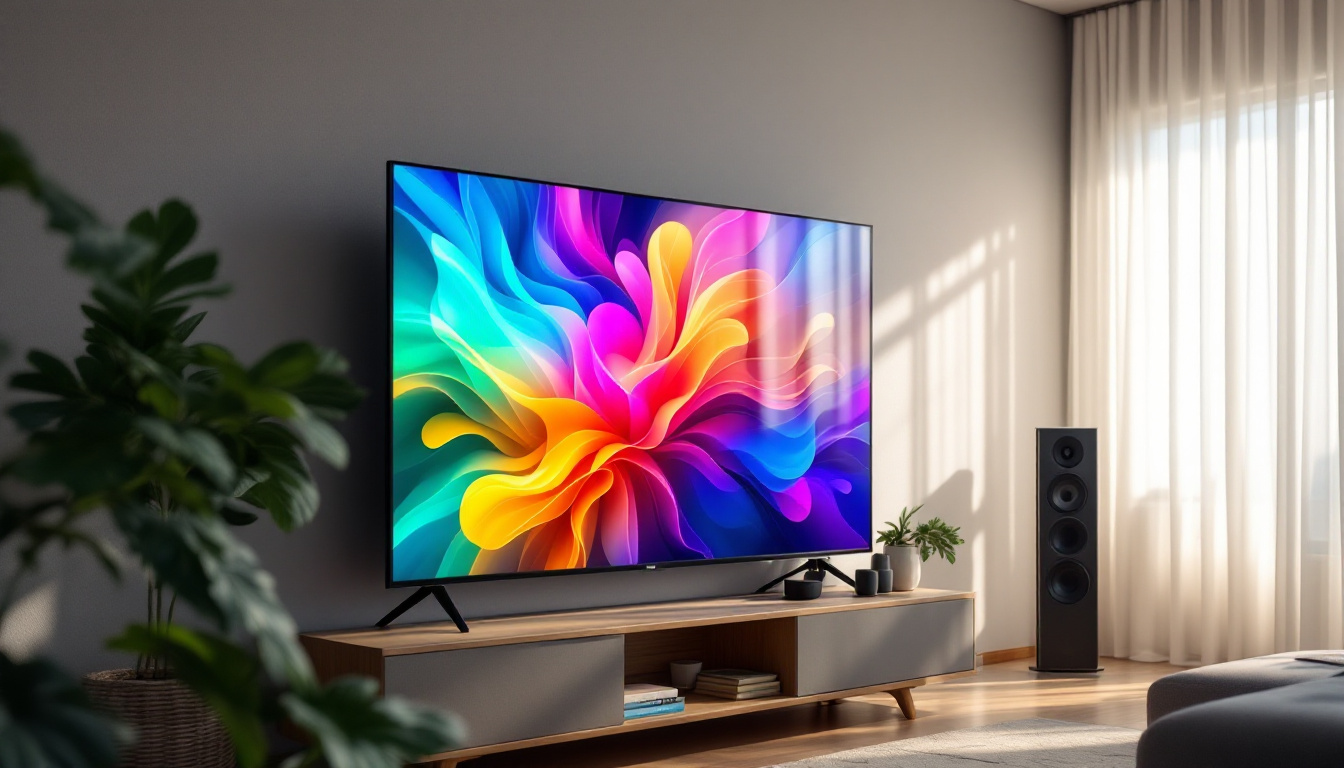
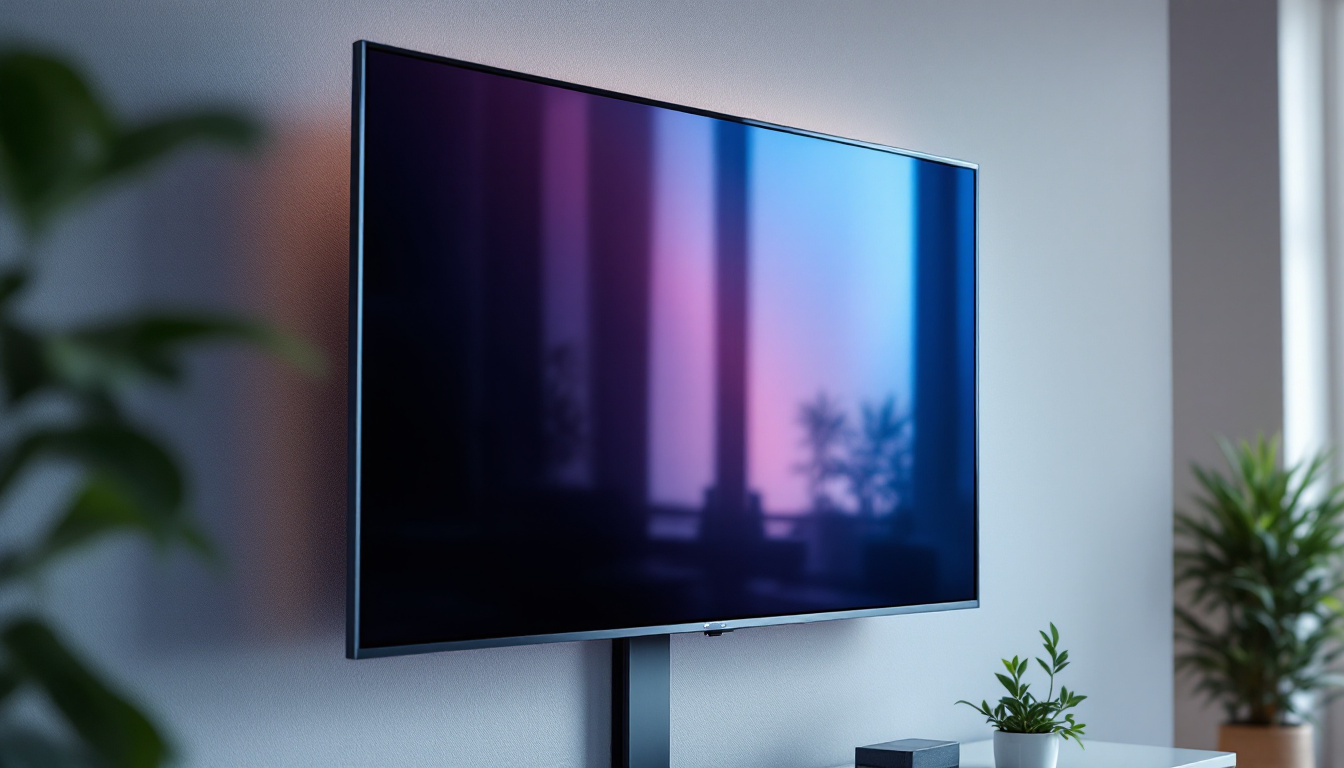
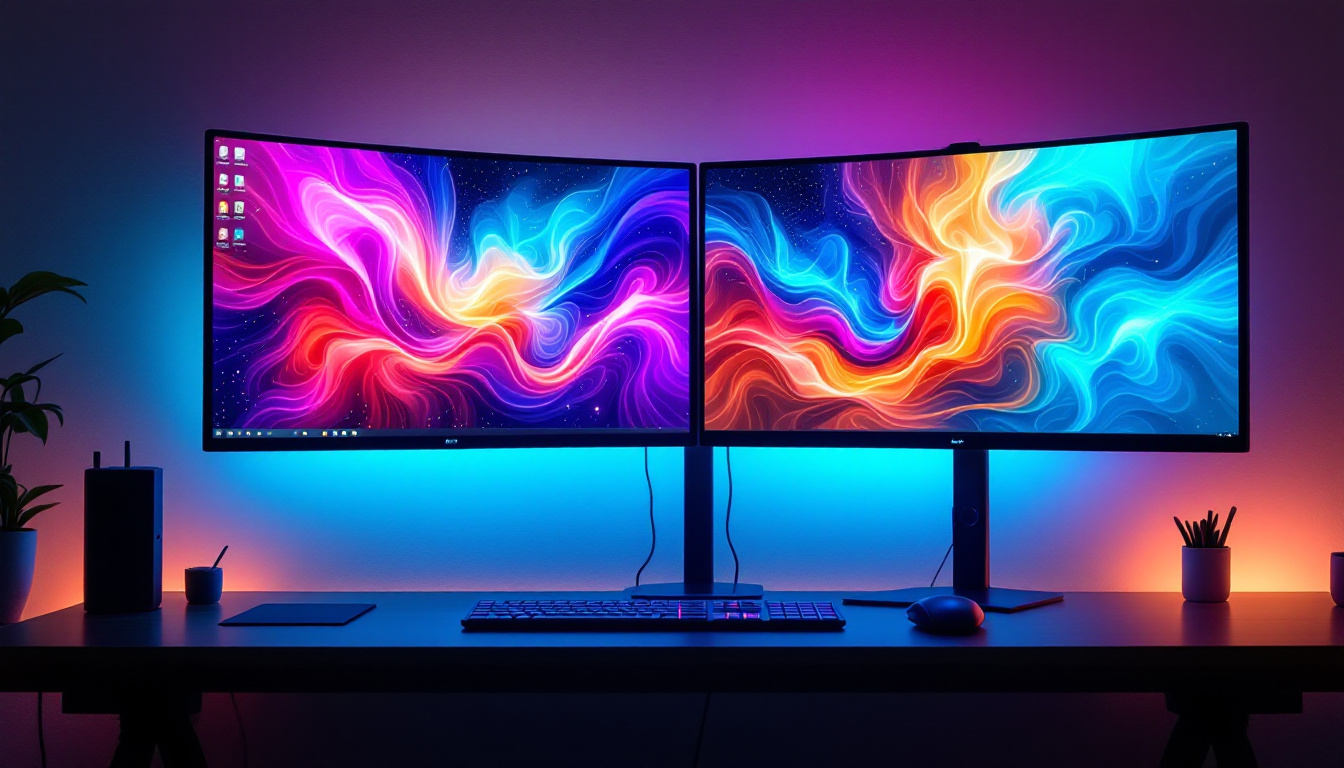
Entertainment centers serve as more than just a stand for your flat screen TV; they organize and enhance the viewing experience by housing audio systems, gaming consoles, streaming devices, and storage solutions. The slim profile of LED-backlit TVs has influenced the design of entertainment centers, encouraging sleeker, more minimalist furniture that complements the modern aesthetics of LED displays.
Many contemporary entertainment centers incorporate cable management systems and adjustable shelves to accommodate the various components that connect to LED TVs. This integration ensures that the visual appeal of the LED display is not compromised by clutter, maintaining a clean and immersive viewing environment.
Optimizing Viewing Experience with LED TVs
LED TVs are known for their bright, vibrant displays and excellent color reproduction. To maximize these benefits, the placement of the TV within the entertainment center is crucial. Ideally, the TV should be positioned at eye level when seated, with adequate ventilation to prevent overheating, as LED TVs can generate heat during extended use.
Additionally, ambient lighting in the room plays a significant role in how LED displays are perceived. Too much glare or reflections can diminish picture quality, so entertainment centers often feature matte finishes or built-in lighting solutions that reduce reflections and enhance viewing comfort.
Advantages of LED Displays in Flat Screen TVs
Energy Efficiency and Longevity
One of the most significant benefits of LED backlighting is its energy efficiency. According to the U.S. Department of Energy, LED TVs consume approximately 30-50% less power than CCFL-backlit LCD TVs. This reduction in energy consumption not only lowers electricity bills but also contributes to environmental sustainability.
Moreover, LEDs have a longer lifespan compared to traditional backlighting methods. While CCFLs may last around 30,000 to 40,000 hours, LED backlights can often exceed 60,000 hours of use, meaning the TV will maintain its brightness and color quality over many years.
Superior Picture Quality
LED displays offer enhanced contrast ratios and color accuracy, which are critical for an immersive viewing experience. The ability to implement local dimming in full-array LED TVs allows for deeper blacks and more vivid colors, making movies, sports, and gaming more engaging.
Furthermore, LED technology supports higher refresh rates and faster response times, reducing motion blur and providing smoother visuals. This is particularly beneficial for fast-paced content such as action films and competitive video games.
Design Flexibility and Slim Profiles
The compact nature of LED backlighting allows manufacturers to produce ultra-thin flat screen TVs. This design flexibility has made it easier to incorporate TVs into a variety of entertainment center styles, from wall-mounted units to freestanding consoles.
The slim profile also means that LED TVs take up less space and can be more easily integrated into rooms of different sizes without overwhelming the decor.
Considerations When Choosing an LED TV for Your Entertainment Center
Screen Size and Resolution
Selecting the right screen size is crucial for an optimal viewing experience. The size should correspond to the distance between the seating area and the TV. For instance, a 55-inch LED TV is generally ideal for viewing distances of 7 to 11 feet. Larger screens, such as 65-inch or 75-inch models, suit bigger rooms or those with seating further away.
Resolution is another important factor. With 4K Ultra HD becoming the standard, most LED TVs now offer 3840 x 2160 pixels, delivering crisp and detailed images. For those seeking the latest technology, 8K LED TVs are emerging, though content availability remains limited.
HDR Compatibility
High Dynamic Range (HDR) enhances the contrast and color range of the display, making images appear more lifelike. When choosing an LED TV, look for models that support popular HDR standards such as HDR10, Dolby Vision, or HLG. HDR compatibility is particularly important for streaming platforms like Netflix, Amazon Prime Video, and Disney+, which offer HDR content.
Connectivity and Smart Features
Modern LED TVs often come equipped with multiple HDMI ports, USB inputs, and wireless connectivity options such as Wi-Fi and Bluetooth. These features facilitate seamless integration with gaming consoles, soundbars, and streaming devices.
Smart TV capabilities allow users to access apps, browse the internet, and stream content without additional hardware. When integrating your LED TV into an entertainment center, ensure that the design accommodates easy access to these ports and that ventilation is sufficient to prevent overheating of connected devices.
Maintaining and Caring for Your LED TV and Entertainment Center
Cleaning and Dust Management
Keeping your LED TV and entertainment center clean is essential for maintaining picture quality and prolonging the lifespan of your devices. Use a microfiber cloth to gently wipe the screen, avoiding harsh chemicals that can damage the display. Regularly dust shelves and components to prevent buildup that can interfere with ventilation.
Ventilation and Heat Management
LED TVs generate heat during operation, and proper ventilation is vital to avoid overheating, which can reduce performance and lifespan. Ensure that your entertainment center has enough open space around the TV and other electronic devices to allow air circulation. Avoid enclosing the TV in tight cabinets without ventilation holes.
Software Updates and Calibration
Manufacturers frequently release firmware updates to improve performance and add features. Keeping your LED TV’s software up to date ensures you benefit from the latest enhancements and security patches.
Additionally, periodic calibration of the TV’s picture settings can optimize color accuracy and brightness. Many TVs offer built-in calibration tools, or you can hire professional services for precise adjustments.
The Future of LED Displays in Home Entertainment
Advancements in Mini-LED and Micro-LED Technology
Emerging technologies like Mini-LED and Micro-LED promise to further revolutionize LED displays. Mini-LED uses thousands of tiny LEDs for backlighting, enabling even more precise local dimming and improved contrast. This technology bridges the gap between traditional LED and OLED displays, offering exceptional brightness and color performance.
Micro-LED, on the other hand, is a self-emissive technology where each pixel is an individual LED. This approach eliminates the need for backlighting, resulting in superior contrast, energy efficiency, and longevity. Though Micro-LED TVs are currently expensive and limited in availability, they represent the future of flat screen displays.
Integration with Smart Home Ecosystems
As smart home technology evolves, LED TVs are becoming central to connected living spaces. Integration with voice assistants, home automation systems, and IoT devices allows users to control lighting, temperature, and entertainment from a single interface. Entertainment centers will increasingly be designed to accommodate and enhance these interconnected experiences.
Conclusion
LED display technology has fundamentally transformed the landscape of flat screen TVs and entertainment centers. Its advantages in energy efficiency, picture quality, and design flexibility make it the preferred choice for modern home entertainment setups. Understanding the types of LED backlighting, features to consider, and proper maintenance can help consumers maximize their investment and enjoy a superior viewing experience.
Looking ahead, innovations such as Mini-LED and Micro-LED will continue to push the boundaries of what LED displays can achieve, while smart home integration will redefine how entertainment centers function within the connected home. For anyone planning to upgrade their entertainment center or purchase a new flat screen TV, LED technology remains at the forefront of delivering stunning visuals and seamless integration.
Explore Cutting-Edge LED Display Solutions with LumenMatrix
Ready to elevate your home entertainment experience with the latest in LED display technology? Look no further than LumenMatrix, a pioneer in crafting visually stunning LED display modules that transform any space into a dynamic environment. Whether you’re interested in Indoor LED Wall Displays for a cozy movie night, an Outdoor LED Wall Display for your backyard gatherings, or any of our specialized solutions like Vehicle LED Displays and LED Sports Displays, LumenMatrix has you covered. Embrace the future of visual communication and check out LumenMatrix LED Display Solutions today to discover how you can make a lasting impression and share your message with unparalleled clarity and impact.