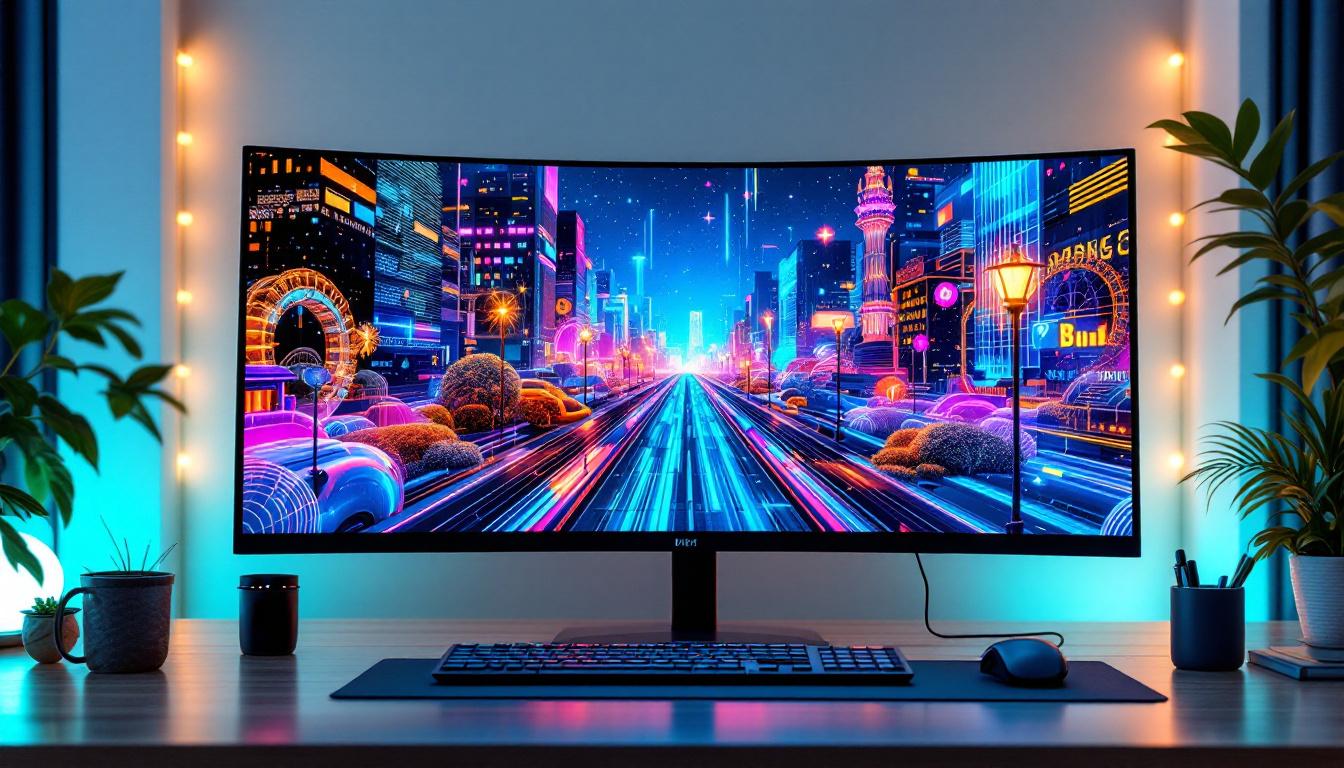
Wide PC Screen: LED Display Explained
In the ever-evolving world of computer technology, the demand for wider PC screens with superior display quality continues to grow. Whether for professional use, gaming, or everyday productivity, understanding the technology behind wide PC screens—particularly LED displays—can help consumers make informed decisions. This article delves into the intricacies of wide PC screens, focusing on LED display technology, its advantages, types, and practical applications.
Understanding Wide PC Screens: What Makes Them Different?
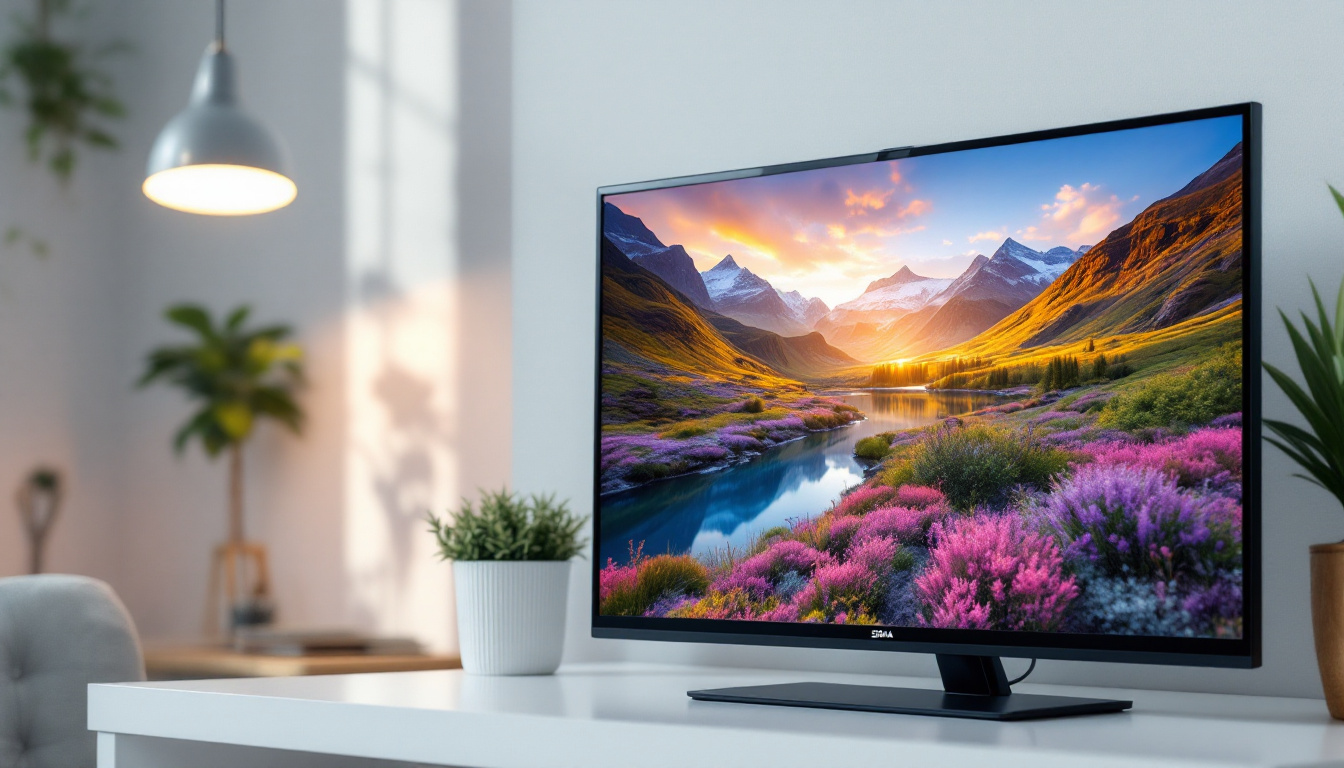
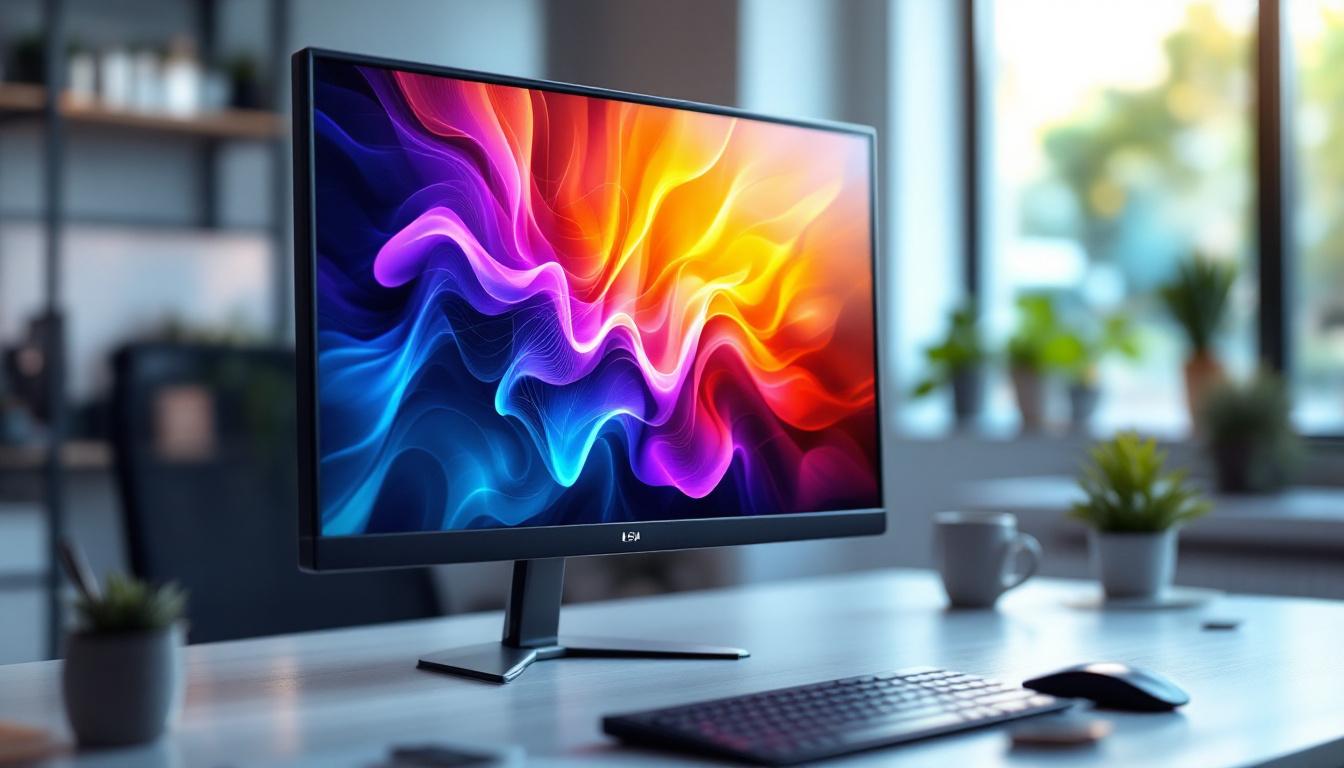
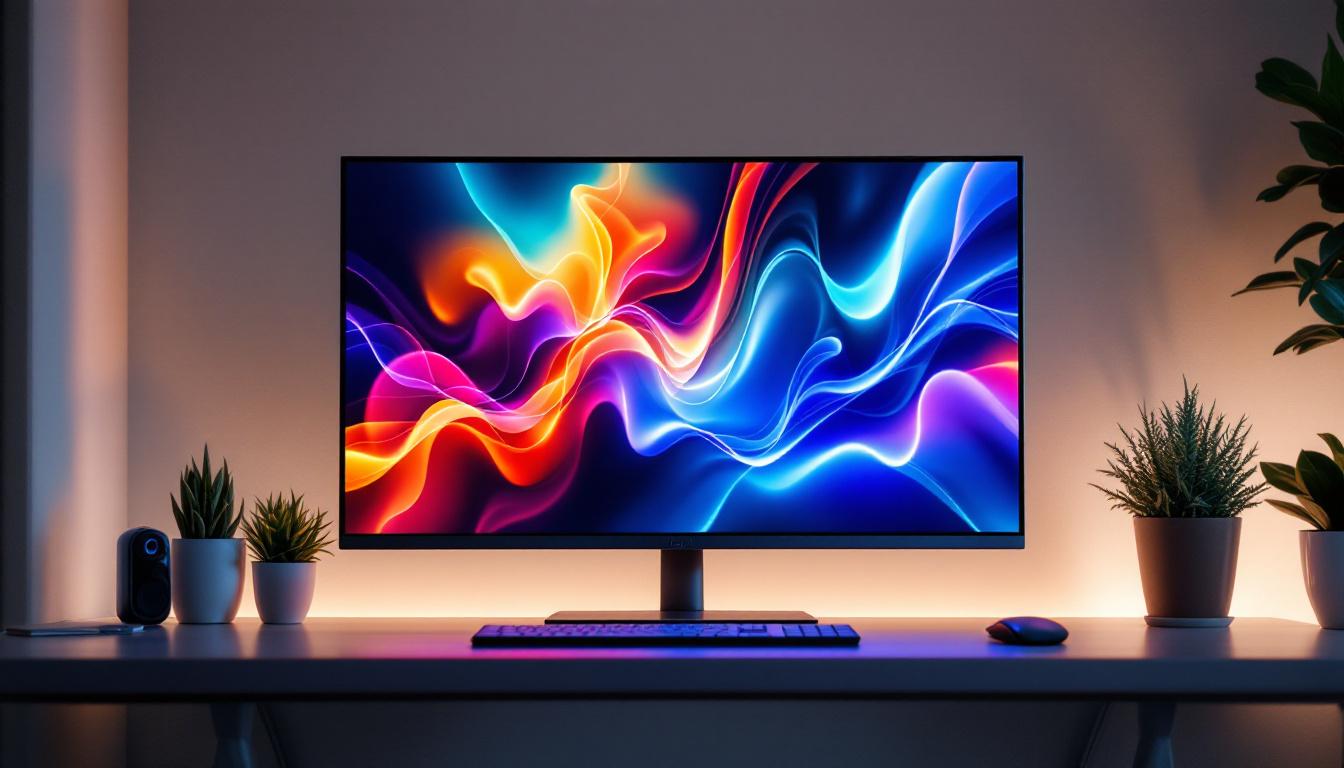
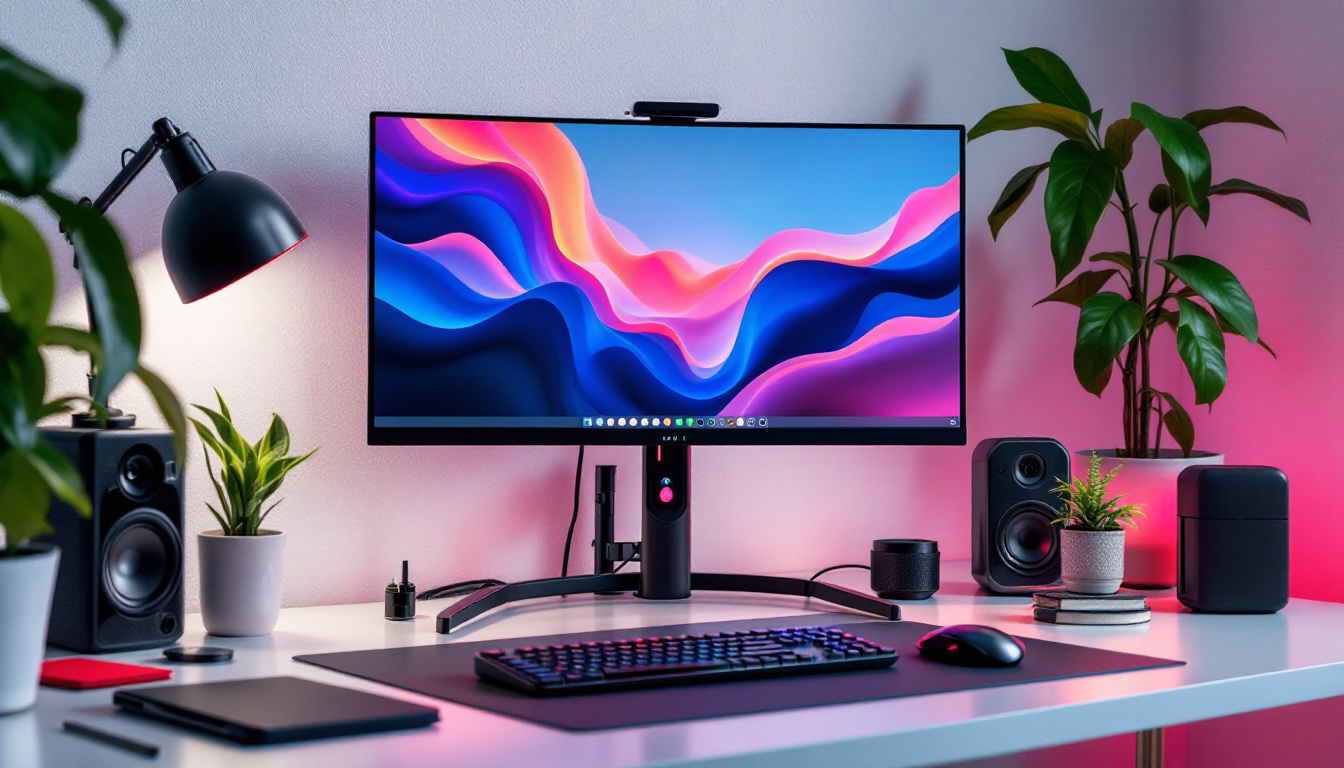
Wide PC screens, often referred to as ultrawide monitors, typically have an aspect ratio wider than the traditional 16:9 format. Common ultrawide aspect ratios include 21:9 and 32:9, which provide more horizontal screen real estate. This expanded width offers several benefits, including enhanced multitasking capabilities, immersive gaming experiences, and improved media consumption.
For professionals, wide PC screens enable simultaneous viewing of multiple windows or applications without the need for multiple monitors. For example, video editors can view timelines and preview windows side-by-side, while financial analysts can monitor multiple data streams concurrently. The wider aspect ratio also reduces the need for bezel interruptions found in dual-monitor setups, creating a seamless viewing experience.
Screen Resolution and Size
Wide PC screens come in various sizes, typically ranging from 29 inches to 49 inches diagonally. The resolution is a critical factor in display quality, with popular ultrawide resolutions including 2560×1080 (Full HD ultrawide), 3440×1440 (WQHD ultrawide), and 5120×1440 (Dual QHD ultrawide). Higher resolutions deliver sharper images and more workspace but may require more powerful graphics hardware to maintain smooth performance.
When selecting a wide PC screen, it is essential to balance size, resolution, and pixel density (measured in pixels per inch, or PPI) to ensure crisp visuals without straining the eyes. For instance, a 34-inch ultrawide monitor with a 3440×1440 resolution typically offers an optimal balance for most users.
LED Display Technology: The Backbone of Modern Wide Screens
LED (Light Emitting Diode) displays have become the standard for modern PC monitors due to their superior brightness, energy efficiency, and color accuracy compared to older technologies like CCFL (Cold Cathode Fluorescent Lamp) backlighting. Understanding how LED technology works is key to appreciating why wide PC screens with LED displays dominate the market.
How LED Displays Work
LED displays are essentially LCD (Liquid Crystal Display) panels that use LEDs as the backlight source instead of fluorescent lamps. The LCD panel itself does not emit light; it modulates light passing through it to create images. The LEDs provide the necessary illumination behind the LCD layer.
There are two primary types of LED backlighting: edge-lit and full-array. Edge-lit LED displays position LEDs along the edges of the screen, directing light across the panel using light guides. This design allows for thinner monitors but can sometimes result in uneven brightness. Full-array LED displays place LEDs directly behind the screen in a grid pattern, enabling better uniformity and advanced local dimming features that enhance contrast.
Advantages of LED Displays in Wide PC Screens
LED displays offer several advantages that make them ideal for wide PC screens:
- Energy Efficiency: LEDs consume less power than CCFL backlights, reducing electricity usage and heat generation.
- Brightness and Contrast: LED backlighting can achieve higher brightness levels and better contrast ratios, especially with full-array local dimming.
- Color Accuracy: Modern LED displays support a wide color gamut, including standards like sRGB, Adobe RGB, and DCI-P3, which is crucial for creative professionals.
- Thin and Lightweight Design: LED technology allows manufacturers to produce slimmer and lighter monitors, which is beneficial for desk space and portability.
- Longevity: LEDs have a longer lifespan compared to fluorescent lamps, contributing to the durability of the monitor.
Types of LED Displays Used in Wide PC Screens
While LED refers to the backlighting technology, the LCD panel type also significantly impacts display quality. The two most common LCD panel types paired with LED backlighting in wide PC screens are IPS (In-Plane Switching) and VA (Vertical Alignment).
IPS Panels
IPS panels are renowned for their excellent color reproduction and wide viewing angles, typically up to 178 degrees horizontally and vertically. This makes them ideal for tasks requiring color accuracy, such as photo editing, video production, and graphic design. IPS panels tend to have faster response times than VA panels, which benefits gamers and users who require smooth motion rendering.
However, IPS panels usually have lower contrast ratios compared to VA panels, meaning blacks may appear more grayish in dark scenes. Despite this, the overall image quality and color fidelity make IPS the preferred choice for many professionals and enthusiasts.
VA Panels
VA panels offer superior contrast ratios, often exceeding 3000:1, which results in deeper blacks and better performance in dark environments. This makes them well-suited for watching movies or working in dimly lit rooms. VA panels generally have narrower viewing angles than IPS, which can cause color shifting when viewed off-center.
Response times on VA panels tend to be slower, which may introduce motion blur in fast-paced gaming scenarios. Nevertheless, their high contrast and rich colors make them popular among users prioritizing immersive media consumption.
OLED and Mini-LED: Emerging Technologies
While traditional LED-backlit LCDs dominate the market, emerging technologies like OLED (Organic Light Emitting Diode) and Mini-LED are gaining traction. OLED displays emit light from organic compounds, allowing each pixel to be individually turned off, resulting in perfect blacks and exceptional contrast. However, OLED monitors are currently rare and expensive in the PC market.
Mini-LED technology uses thousands of tiny LEDs for backlighting, enabling precise local dimming and improved brightness uniformity. This technology bridges the gap between traditional LED and OLED displays, offering enhanced contrast and HDR performance. Some high-end wide PC screens now incorporate Mini-LED backlighting, appealing to professionals seeking top-tier image quality.
Applications and Benefits of Wide PC Screens with LED Displays
The combination of wide screens and LED display technology unlocks numerous benefits across various use cases, from productivity to entertainment.
Enhanced Productivity and Multitasking
Wide PC screens allow users to open multiple applications side-by-side without the clutter of multiple monitors. For instance, software developers can code in one window while referencing documentation in another, and financial traders can monitor stock charts alongside news feeds. This seamless workflow reduces the need to constantly switch between tabs or windows, boosting efficiency.
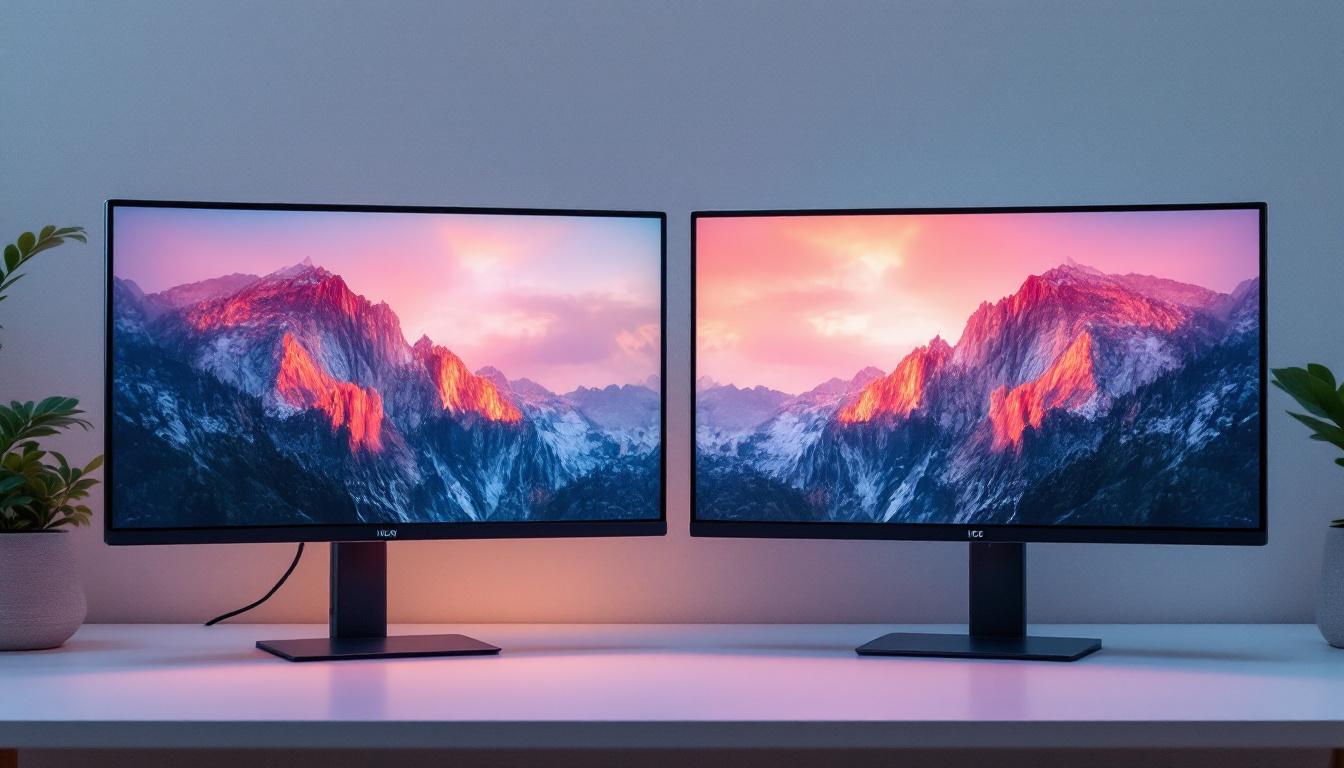
Additionally, many ultrawide monitors support Picture-by-Picture (PbP) or Picture-in-Picture (PiP) modes, enabling users to display inputs from multiple sources simultaneously. This is particularly useful in environments where monitoring different systems or devices is necessary.
Immersive Gaming Experience
Gamers benefit significantly from wide PC screens with LED displays. The extended horizontal field of view enhances immersion, especially in racing, simulation, and first-person shooter games. Many modern games support ultrawide resolutions, providing a competitive advantage by increasing peripheral vision.
LED displays with high refresh rates (120Hz, 144Hz, or higher) and low response times reduce motion blur and input lag, creating a smoother and more responsive gaming experience. Technologies like NVIDIA G-SYNC and AMD FreeSync are often integrated to minimize screen tearing and stuttering.
Professional Creative Work
For creative professionals, color accuracy and screen real estate are paramount. Wide PC screens with IPS LED displays calibrated for color precision enable detailed photo editing, video grading, and graphic design. The ability to view timelines, tool palettes, and content simultaneously streamlines the creative process.
Many professional monitors also support hardware calibration and cover wide color gamuts, ensuring that what is displayed on screen matches print or broadcast standards. This reliability is crucial in industries where color fidelity impacts the final product.
Entertainment and Media Consumption
Watching movies and streaming content on wide PC screens provides a cinematic experience. The 21:9 aspect ratio aligns closely with many film formats, reducing black bars and maximizing screen usage. LED displays enhance this experience with vibrant colors and high contrast, making visuals more engaging.
Streaming platforms such as Netflix and Amazon Prime Video increasingly support ultrawide formats, catering to users with wide PC screens. The combination of size, resolution, and LED technology ensures that media consumption is both enjoyable and visually impressive.
Choosing the Right Wide PC Screen with LED Display
Selecting the ideal wide PC screen depends on individual needs, budget, and intended use. Here are key factors to consider:
Purpose and Usage
Identify the primary use case—whether it’s gaming, professional work, or general productivity. Gamers should prioritize high refresh rates, low response times, and adaptive sync technologies. Creative professionals should focus on color accuracy, calibration options, and wide color gamut support. General users may look for a balance of size, resolution, and price.
Panel Type and Resolution
Choose between IPS and VA panels based on viewing angle and contrast preferences. Consider resolution relative to screen size to maintain sharpness. For example, a 34-inch ultrawide monitor with 3440×1440 resolution offers a crisp image, while a 49-inch screen may benefit from 5120×1440 resolution to avoid pixelation.
Connectivity and Ergonomics
Ensure the monitor includes necessary ports such as HDMI, DisplayPort, and USB hubs. Adjustable stands that offer height, tilt, swivel, and pivot adjustments improve ergonomics and comfort during extended use. Some monitors also support VESA mounts for flexible positioning.
Budget Considerations
Wide PC screens with LED displays vary widely in price, from affordable models around $300 to premium monitors exceeding $1500. Assess which features are essential and seek models that offer the best value within the budget.
Conclusion
Wide PC screens equipped with LED display technology represent a significant advancement in monitor design, combining expansive screen real estate with vibrant, energy-efficient visuals. Whether enhancing productivity, elevating gaming experiences, or supporting creative workflows, these displays offer compelling benefits.
Understanding the nuances of LED technology, panel types, and resolution options empowers consumers to select the right monitor tailored to their needs. As display technology continues to evolve with innovations like Mini-LED and OLED, the future of wide PC screens promises even greater performance and visual fidelity.
Investing in a quality wide PC screen with an LED display is not just about bigger screens—it’s about unlocking new possibilities in how users interact with digital content, making work, play, and entertainment more immersive and efficient.
Discover LumenMatrix’s Advanced LED Display Solutions
Ready to experience the future of wide PC screens and LED display technology? LumenMatrix is at the forefront of innovation, offering a diverse range of LED display modules designed to transform your visual communication. From immersive Indoor LED Wall Displays to dynamic Outdoor LED Wall Displays, and from versatile Vehicle LED Displays to sleek LED Poster Displays, our solutions are tailored to meet your needs. Elevate your gaming, professional, or entertainment setup with our cutting-edge LED Sports Displays, interactive Floor LED Displays, or the customizable All-in-One LED Display. Don’t miss out on the clarity and impact that a LumenMatrix LED Transparent Display can bring to your space. Check out LumenMatrix LED Display Solutions today and see how we can help you share your message with the world.