How Do I Measure A TV Screen: LED Display Explained
Choosing the right TV can be a daunting task, especially with the variety of sizes, technologies, and specifications available today. One of the most fundamental aspects to understand when selecting a television is how to accurately measure the screen size. This is particularly important for LED TVs, which dominate the market due to their energy efficiency, brightness, and picture quality.
This comprehensive guide will explain how to measure a TV screen properly, focusing on LED displays. It will also explore why screen size matters, how aspect ratios influence measurements, and provide practical tips to help you make an informed purchase.
Understanding TV Screen Size: What Does It Really Mean?
The screen size of a TV is typically expressed in inches and refers to the diagonal length of the display area. This measurement excludes the bezels or borders surrounding the screen. For example, a 55-inch TV means the visible screen measures 55 inches from one corner diagonally to the opposite corner.
Measuring the diagonal is a standard method adopted globally because it provides a consistent way to compare screens of different shapes and aspect ratios. It’s important to note that the diagonal size does not reflect the width or height of the screen, which can vary depending on the TV’s aspect ratio.
Why Diagonal Measurement is the Industry Standard
The diagonal measurement is preferred because it captures both the width and height in a single dimension, making it easier to categorize TVs. Since most modern TVs use a 16:9 aspect ratio, the diagonal measurement correlates well with the overall screen size and viewing experience.
For instance, a 55-inch TV with a 16:9 aspect ratio will have a width of approximately 48 inches and a height of about 27 inches. This standardization helps consumers compare models and understand how a TV will fit in their space. Additionally, the diagonal measurement allows for a more straightforward calculation of viewing distance; a common guideline suggests that viewers sit approximately 1.5 to 2.5 times the diagonal size away from the screen for optimal viewing comfort. This means that for a 55-inch TV, the ideal viewing distance would range from about 6.9 feet to 11.5 feet, enhancing the immersive experience of watching movies or playing video games.
Moreover, as technology advances, the way we perceive screen size is also evolving. With the rise of ultra-high-definition (UHD) and 4K televisions, the clarity and detail of images have improved significantly, allowing viewers to enjoy larger screens without sacrificing picture quality. This shift has led to a growing trend where consumers are opting for larger screen sizes than ever before, as the increased pixel density makes even the largest displays suitable for smaller living spaces. Consequently, understanding screen size becomes even more crucial as consumers navigate their options in a market filled with diverse models and features.
How to Measure Your LED TV Screen Accurately
Measuring an LED TV screen is straightforward but requires attention to detail to avoid common mistakes. Here’s a step-by-step guide to help you measure your TV screen correctly:
Step 1: Gather Your Tools
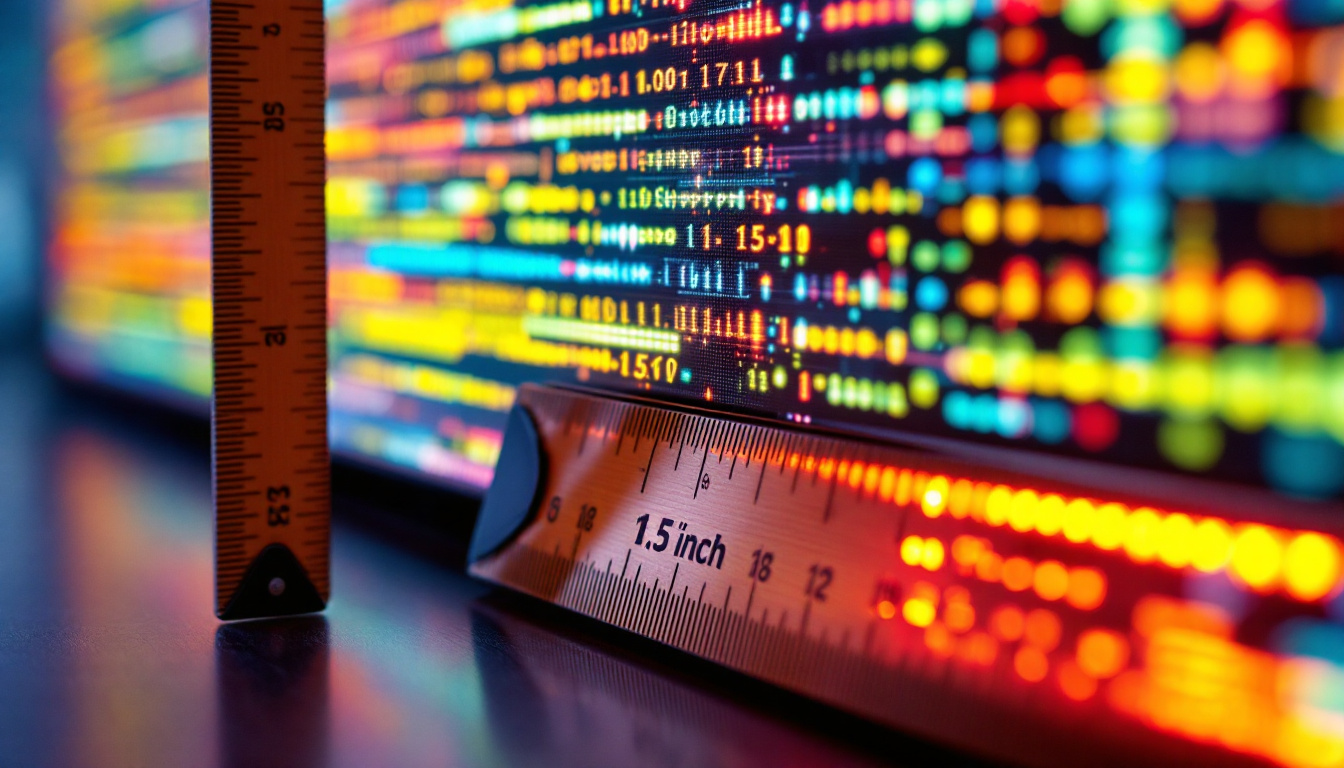
You will need a tape measure or a ruler that can measure in inches or centimeters. A helper can be useful to hold the tape measure steady, especially for larger screens.
Step 2: Locate the Screen Edges
Identify the actual display area of the TV. This means measuring only the visible screen and not the plastic or metal frame (bezel) around it. The bezel can add several inches to the overall TV size but does not contribute to the viewing area.
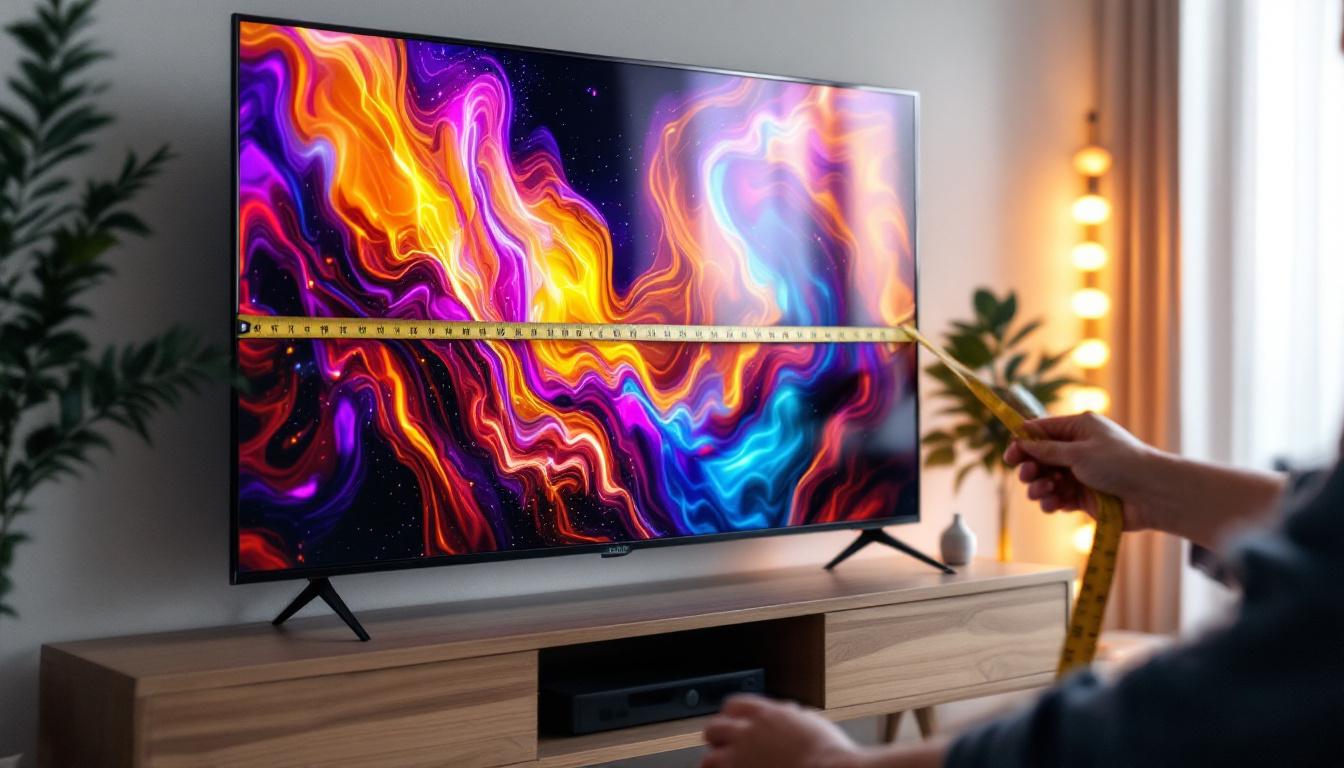
Step 3: Measure Diagonally
Place the tape measure at the bottom-left corner of the screen and extend it to the top-right corner, or vice versa. Make sure the tape measure is straight and taut to get an accurate reading. The measurement you get is the screen size.
Step 4: Double-Check Your Measurement
To ensure accuracy, measure the diagonal twice. Additionally, you can measure the width and height separately to confirm the aspect ratio matches the typical 16:9 format. For a 16:9 TV, the width-to-height ratio should be approximately 1.78:1.
Aspect Ratios and Their Impact on TV Screen Measurements
The aspect ratio is the proportional relationship between the width and height of the screen. Most modern LED TVs use a 16:9 aspect ratio, but other ratios like 4:3 or ultrawide formats exist, especially in specialized or older models.
Common Aspect Ratios Explained
16:9 (Widescreen): This is the standard for HDTVs, LED TVs, and most streaming content. It offers a wide viewing area suitable for movies, sports, and gaming.
4:3 (Standard): This was common in older CRT TVs and early flat panels. It is more square-shaped and less common today.
21:9 (Ultrawide): Used primarily in some high-end monitors and specialty TVs, this ratio is wider and better suited for cinematic content.
Why Aspect Ratio Matters When Measuring
The aspect ratio influences the width and height of the screen for a given diagonal size. For example, a 55-inch 16:9 TV will be wider and shorter than a 55-inch 4:3 TV. This means that two TVs with the same diagonal measurement can have different physical dimensions.
Understanding the aspect ratio ensures that the TV will fit in your intended space and match your viewing preferences. If you’re replacing an older TV with a different aspect ratio, measuring the width and height in addition to the diagonal can help avoid surprises.
Why Knowing Your TV Screen Size Matters
Knowing the exact screen size of your TV is crucial for several reasons, from fitting the TV in your living space to optimizing your viewing experience.
Space Planning and Placement
Before purchasing a new LED TV, it’s essential to measure the available space where the TV will be placed or mounted. This ensures the TV fits comfortably without crowding the room or obstructing other elements like furniture or windows.
For wall-mounted TVs, knowing the screen size helps determine the appropriate wall mount bracket and ensures the TV is positioned at the ideal height and angle.
Optimal Viewing Distance
The size of your TV screen directly affects the recommended viewing distance. Sitting too close to a large screen can cause eye strain, while sitting too far from a small screen can diminish the viewing experience.
As a general guideline, the ideal viewing distance for a 4K LED TV is approximately 1 to 1.5 times the diagonal screen size. For example, for a 55-inch TV, the optimal viewing distance is between 4.5 to 6.5 feet. For Full HD TVs, a slightly greater distance is recommended.
Picture Quality and Resolution Considerations
Screen size also impacts how you perceive picture quality. Larger screens with higher resolutions (such as 4K or 8K) provide sharper images and more immersive experiences. However, if the screen is too large for the viewing distance, you may notice pixelation or image distortion.
Understanding screen size helps balance resolution and viewing distance to maximize picture clarity and comfort.
Additional Factors to Consider When Measuring LED TV Screens
Beyond the basic diagonal measurement, several other factors can influence your choice and measurement of an LED TV screen.
Bezel Size and TV Dimensions
While the screen size refers only to the display area, the overall TV dimensions include the bezel. Modern LED TVs often have ultra-thin bezels, but some models may have thicker frames that affect how much space the TV occupies.
When planning for furniture or wall mounts, consider the full dimensions of the TV, which are usually listed in the product specifications.
Curved vs. Flat Screens
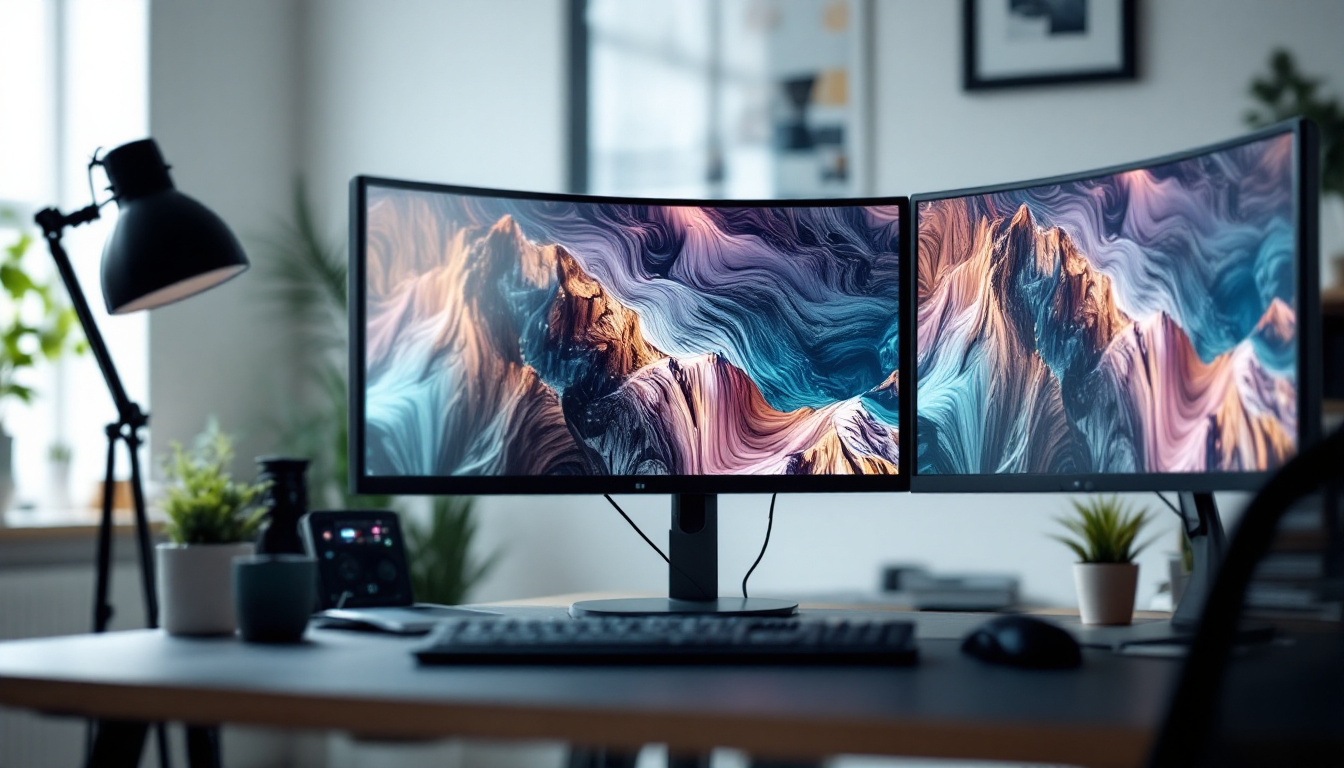
Curved LED TVs have a slight inward curve designed to enhance immersion. Measuring the screen size of a curved TV follows the same diagonal method, but the physical width and height might differ slightly due to the curvature.
Curved screens can affect viewing angles and room placement, so take these factors into account when measuring and selecting a TV.
Screen Thickness and Depth
LED TVs are generally slim, but thickness can vary depending on the model and additional features like built-in soundbars or cooling systems. While this does not affect the screen size, it can influence mounting options and space requirements.
Common Mistakes to Avoid When Measuring Your TV Screen
Incorrect measurements can lead to purchasing a TV that doesn’t fit your space or meet your expectations. Here are some common pitfalls to watch out for:
Measuring the Entire TV Instead of the Screen
Including the bezel in your measurement will give you a larger number than the actual screen size, which can be misleading when comparing TVs or planning space.
Measuring Horizontally or Vertically Instead of Diagonally
Some people mistakenly measure the width or height and assume it represents the screen size. Always measure diagonally to get the correct screen size.
Using Inaccurate Tools or Techniques
Using a flexible tape measure that bends or not keeping the tape straight can result in inaccurate measurements. Use a rigid tape measure and ensure it is taut and straight.
Conclusion: Mastering the Art of Measuring Your LED TV Screen
Understanding how to measure a TV screen accurately is essential for making an informed purchase and ensuring the TV fits your space and viewing needs. The diagonal measurement remains the industry standard, but considering aspect ratios, bezel size, and viewing distance can provide a more complete picture.
By following the steps outlined in this guide, you can confidently measure your LED TV screen and select the perfect size for your home entertainment setup. Whether upgrading to a larger display or fitting a TV into a compact space, accurate measurements help maximize your viewing pleasure and investment.
Discover the Perfect LED Display with LumenMatrix
Now that you’re equipped with the knowledge to measure your TV screen accurately, it’s time to experience the pinnacle of LED display technology with LumenMatrix. Our innovative solutions, from Indoor and Outdoor LED Wall Displays to Custom and All-in-One LED Displays, are designed to elevate your visual experience. Whether for brand visibility, captivating sports events, or dynamic advertising, LumenMatrix is committed to revolutionizing visual communication. Check out LumenMatrix LED Display Solutions and transform your space into a mesmerizing visual journey.