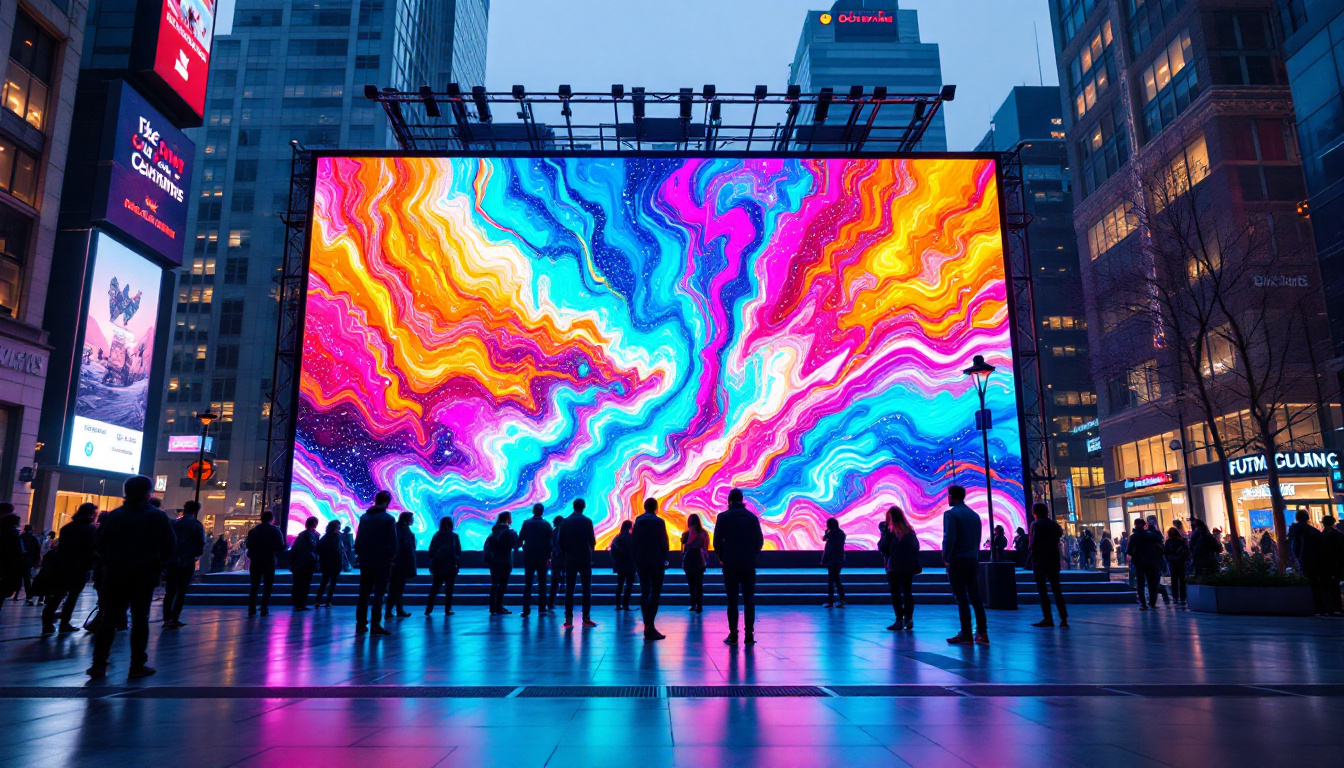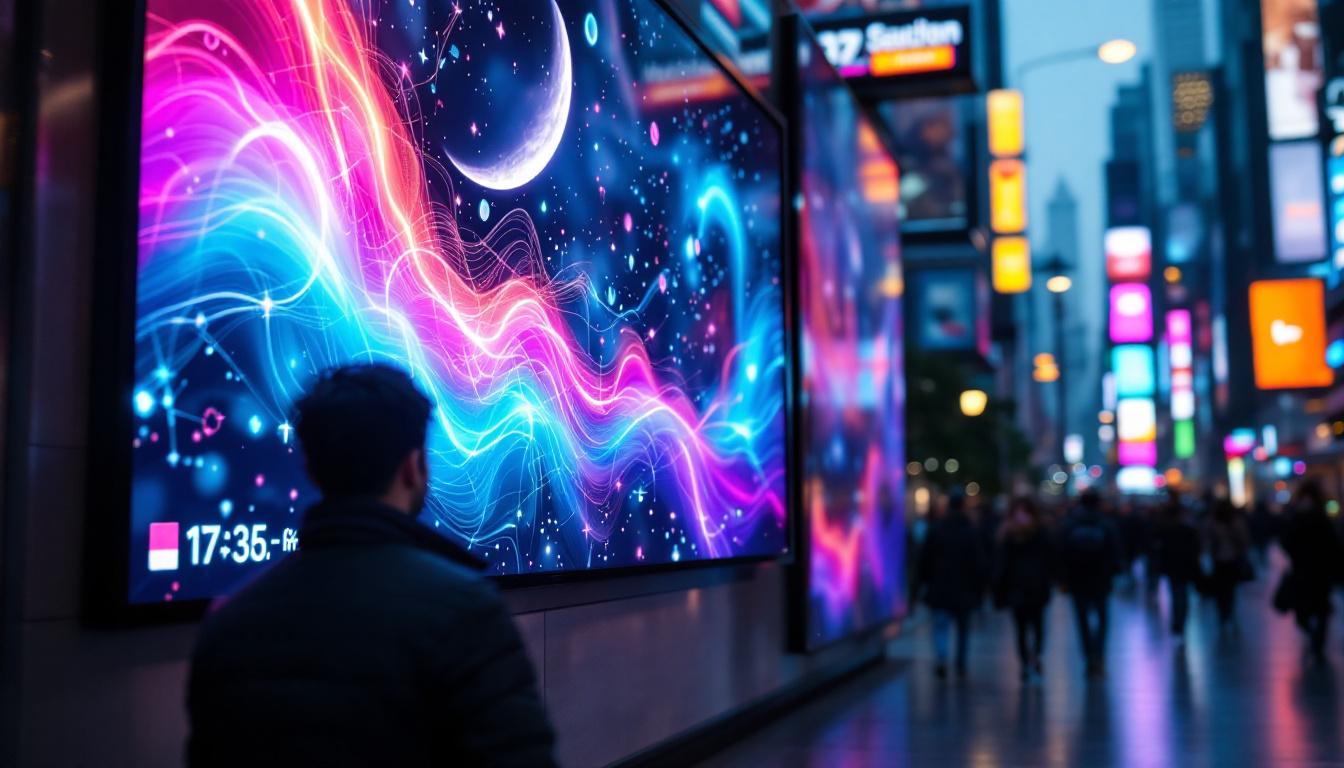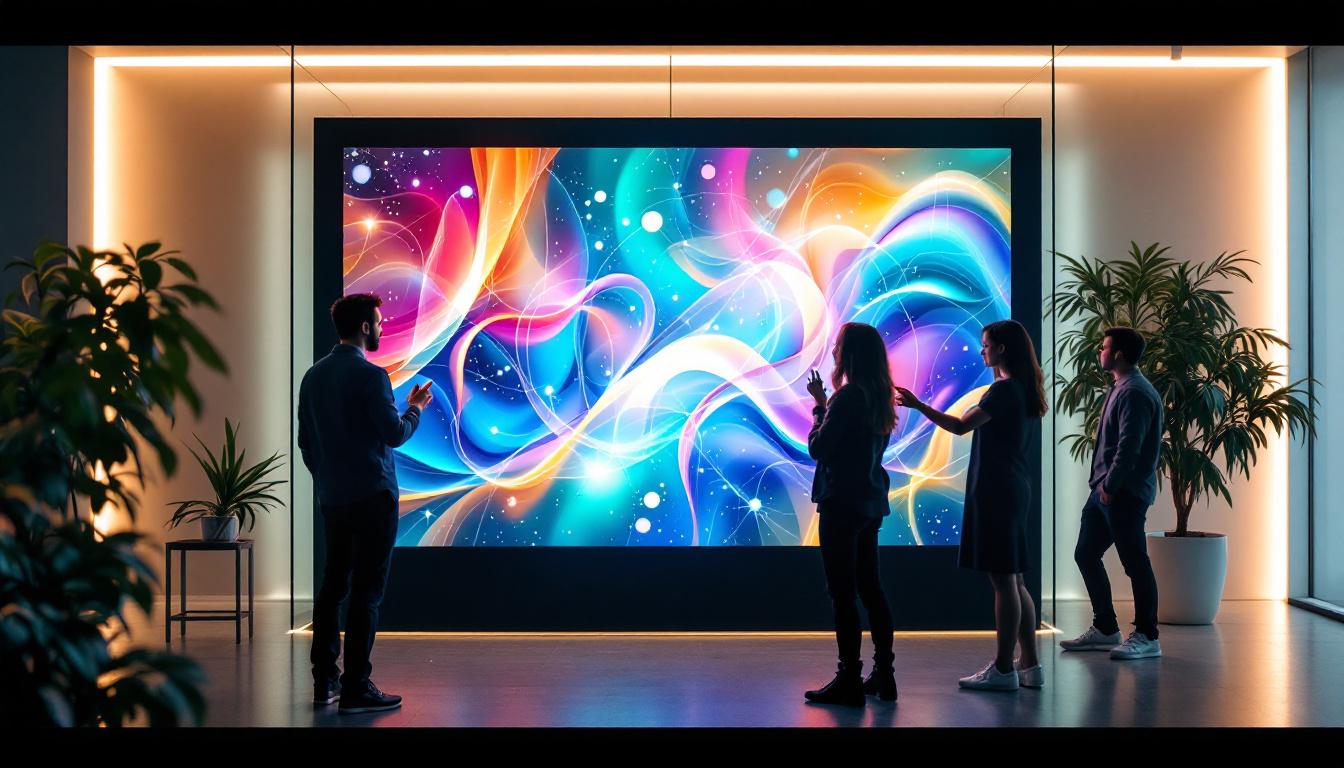
In the evolving landscape of digital signage and display technology, transparent LED screens have emerged as a groundbreaking innovation. Combining the vividness of traditional LED displays with the unique ability to allow light and visibility through the screen, transparent LED technology is transforming how businesses, architects, and advertisers engage their audiences.
This article delves into the fundamentals of transparent LED screens, exploring their technology, applications, benefits, and considerations. Whether you are a business owner, a digital signage professional, or simply curious about the latest in display tech, this comprehensive guide will illuminate the key aspects of transparent LED displays.
What is a Transparent LED Screen?
Defining Transparent LED Technology
A transparent LED screen is a type of digital display that integrates light-emitting diodes (LEDs) into a transparent substrate, such as glass or acrylic. Unlike conventional LED screens that are opaque, these displays allow viewers to see through the screen while still delivering bright, high-resolution images and videos.
This transparency is achieved by spacing the LEDs apart or embedding them on a transparent panel, which enables natural light to pass through. The result is a display that can blend seamlessly into windows, glass walls, or other see-through surfaces, creating a visually striking effect. This innovative technology not only enhances the aesthetic appeal of a space but also opens up new possibilities for advertising and information dissemination in urban environments, where traditional signage might be less effective.
How Transparent LED Screens Work
At the core of transparent LED screens are tiny LEDs arranged in a grid pattern on a transparent panel. The spacing between these LEDs, known as pixel pitch, plays a critical role in determining the screen’s transparency and image quality. A wider pitch increases transparency but reduces resolution, while a narrower pitch enhances image clarity but lowers transparency.
These LEDs emit light directly, which means the display can produce vivid colors and high brightness levels even in brightly lit environments. The transparent substrate supports the LEDs without obstructing the view, allowing the screen to function both as a display and a window. Additionally, many transparent LED screens are designed to be energy-efficient, utilizing advanced technology that minimizes power consumption while maximizing visual impact. This makes them not only an eye-catching solution for modern architecture and retail spaces but also a sustainable choice for businesses looking to reduce their environmental footprint.
Key Features and Benefits of Transparent LED Displays
Exceptional Transparency and Visual Appeal
One of the most compelling advantages of transparent LED screens is their ability to maintain up to 70% transparency, depending on the model and pixel pitch. This feature allows natural light to flow through the display and preserves the visibility of objects behind the screen, creating a futuristic and elegant look. The interplay of light and digital imagery can transform any environment, making it feel more open and inviting.
For retailers and advertisers, this means they can showcase digital content without sacrificing the aesthetic or architectural integrity of storefront windows or glass partitions. The visual appeal of transparent LED displays often captures attention more effectively than traditional opaque screens. Moreover, the ability to blend digital advertising seamlessly with physical products enhances customer engagement, as shoppers are drawn not only to the merchandise but also to the captivating visuals that surround them. This innovative approach to advertising can lead to increased foot traffic and higher conversion rates.
Energy Efficiency and Brightness
Transparent LED screens are energy-efficient compared to LCD or projection-based transparent displays. LEDs consume less power while delivering high brightness levels, often exceeding 1,000 nits, which ensures visibility even in direct sunlight. This brightness capability is crucial for outdoor applications or well-lit indoor environments. Additionally, the reduced energy consumption translates into lower operational costs, making these displays an environmentally friendly choice for businesses looking to minimize their carbon footprint.
Furthermore, the advanced technology behind these displays allows for dynamic content adjustment based on ambient light conditions. This means that the screen can automatically optimize its brightness, ensuring that the visuals remain striking and clear at all times, regardless of the surrounding light. Such adaptability not only enhances the viewer’s experience but also prolongs the lifespan of the display by reducing strain on the LEDs.
Lightweight and Slim Design
These displays are typically lightweight and thin, making them easier to install on glass surfaces without requiring significant structural modifications. Their slim profile also contributes to a sleek, modern appearance that complements contemporary architectural designs. The versatility in installation options means that businesses can creatively integrate these displays into various environments, from upscale retail shops to high-tech corporate offices.
Moreover, the lightweight nature of transparent LED screens allows for innovative mounting solutions, including suspended installations or integration into existing structures. This flexibility not only enhances design possibilities but also makes it easier for businesses to adapt their displays to changing needs or layouts. As a result, transparent LED displays can serve as both functional advertising tools and integral components of a brand’s overall aesthetic strategy.
Durability and Longevity
LED technology is known for its durability and long lifespan, often exceeding 50,000 hours of operation. Transparent LED screens maintain this reliability, offering a robust solution for long-term installations in commercial spaces, malls, airports, and corporate offices. Their resistance to environmental factors such as temperature fluctuations and humidity makes them suitable for a variety of settings, ensuring consistent performance over time.
Additionally, many transparent LED displays come with protective features such as anti-glare coatings and weather-resistant casings, further enhancing their durability. This resilience not only reduces the need for frequent replacements but also minimizes maintenance costs, allowing businesses to focus their resources on other critical areas. With their impressive longevity and low maintenance requirements, transparent LED displays represent a wise investment for any organization looking to elevate its visual communication strategy.
Applications of Transparent LED Screens
Retail and Advertising
Retailers are among the earliest adopters of transparent LED technology. By integrating these displays into storefront windows, brands can deliver dynamic advertisements, promotions, and interactive content without blocking the view into the store. This approach enhances customer engagement and drives foot traffic.
For example, luxury brands often use transparent LED screens to create immersive window displays that attract passersby with vibrant visuals while still showcasing their products behind the screen.
Architectural and Interior Design
Architects and interior designers leverage transparent LED screens to add a digital dimension to glass walls, partitions, and facades. This technology enables the creation of multifunctional spaces where walls can transform into digital canvases without compromising openness or natural light.
Corporate offices use transparent LED displays in meeting rooms or lobbies to present branding, information, or ambient visuals, enhancing the space’s aesthetic and functional appeal.
Transportation Hubs and Public Spaces
Airports, train stations, and other public venues use transparent LED screens for wayfinding, announcements, and advertising. Their transparency ensures that natural light and sightlines remain unobstructed, which is vital in busy, open environments.
Event and Exhibition Displays
Transparent LED screens are increasingly popular in trade shows and exhibitions, where they provide eye-catching backdrops and interactive displays. Their ability to integrate with glass structures allows event organizers to create memorable experiences that stand out.
Technical Considerations When Choosing Transparent LED Screens
Pixel Pitch and Resolution
Choosing the right pixel pitch is essential to balance transparency and image quality. Smaller pixel pitches (e.g., 2.5mm to 5mm) offer sharper images but reduce transparency, while larger pitches (e.g., 10mm or more) increase transparency but lower resolution.
For applications requiring detailed visuals, such as video playback or fine text, a smaller pixel pitch is preferable. Conversely, for ambient or decorative displays, higher transparency with a larger pitch may be sufficient.
Brightness and Contrast Ratio
Brightness is critical for visibility, especially in outdoor or brightly lit indoor environments. Transparent LED screens typically offer brightness levels ranging from 800 to over 1,500 nits. A higher contrast ratio enhances image depth and color vibrancy, improving overall viewing experience.
Installation and Maintenance
Transparent LED screens require careful installation to ensure structural safety and optimal performance. Because they are often mounted on glass surfaces, considerations such as weight, mounting hardware, and environmental exposure must be addressed.
Maintenance is generally straightforward, but accessibility for cleaning and repairs should be planned during installation. Many manufacturers offer modular designs that simplify component replacement.
Control Systems and Content Management
Modern transparent LED displays integrate with advanced control systems that allow real-time content management, remote updates, and synchronization with other digital signage networks. Compatibility with standard media players and software platforms is an important factor for seamless operation.
Comparing Transparent LED Screens with Other Transparent Display Technologies
Transparent OLED Displays
Transparent OLED (Organic Light Emitting Diode) displays also offer see-through capabilities but differ significantly from LED screens. OLEDs provide superior color accuracy and contrast but are generally smaller in size, less bright, and more expensive. They are better suited for smaller applications like retail showcases or consumer electronics.
Projection-Based Transparent Displays
Projection systems can create transparent display effects by projecting images onto glass or acrylic surfaces. However, these require controlled lighting conditions and often lack the brightness and clarity of LED-based solutions. Additionally, they may involve bulky equipment and complex setups.
Advantages of Transparent LED Over Alternatives
Transparent LED screens strike a balance between brightness, size scalability, energy efficiency, and cost-effectiveness. Their modular nature allows for large-format installations that maintain transparency and deliver impactful visuals, making them ideal for commercial and architectural use.
Future Trends and Innovations in Transparent LED Technology
Higher Transparency and Resolution
Ongoing research aims to improve the pixel density of transparent LED screens without sacrificing transparency. Innovations in micro-LED technology promise even finer pixel pitches, enabling ultra-high-definition transparent displays suitable for demanding applications.
Flexible and Curved Transparent LED Screens
Flexible transparent LED panels are emerging, allowing integration onto curved glass surfaces and irregular architectural elements. This flexibility broadens creative possibilities for designers and advertisers.
Integration with Smart Building Systems
Transparent LED screens are increasingly being integrated with smart building technologies, enabling dynamic control based on environmental conditions, occupancy, or user interaction. This synergy enhances energy efficiency and user engagement.
Conclusion
Transparent LED screens represent a significant advancement in display technology, merging digital content delivery with architectural transparency. Their unique ability to offer high brightness, energy efficiency, and see-through capability opens new horizons for advertising, design, and communication.
As pixel pitches shrink and integration with smart systems deepens, transparent LED displays will become even more versatile and impactful. For businesses and designers seeking to captivate audiences while preserving openness and natural light, transparent LED technology offers an innovative and compelling solution.
Understanding the technical nuances, applications, and future potential of transparent LED screens is essential for making informed decisions in this rapidly evolving field. With continued innovation, transparent LED displays are poised to redefine how we experience digital content in physical spaces.
Discover LumenMatrix’s Innovative LED Display Solutions
Ready to elevate your space with the cutting-edge technology of transparent LED screens? LumenMatrix is at the forefront of LED display innovation, offering a wide array of solutions including Indoor and Outdoor LED Wall Displays, Vehicle LED Displays, LED Poster Displays, LED Sports Displays, Floor LED Displays, Custom LED Displays, and All-in-One LED Displays. Embrace the future of visual communication with LumenMatrix’s LED Transparent Displays, designed to captivate your audience and amplify your message with unparalleled clarity and impact. Check out LumenMatrix LED Display Solutions today and transform your business’s digital signage into an unforgettable visual experience.