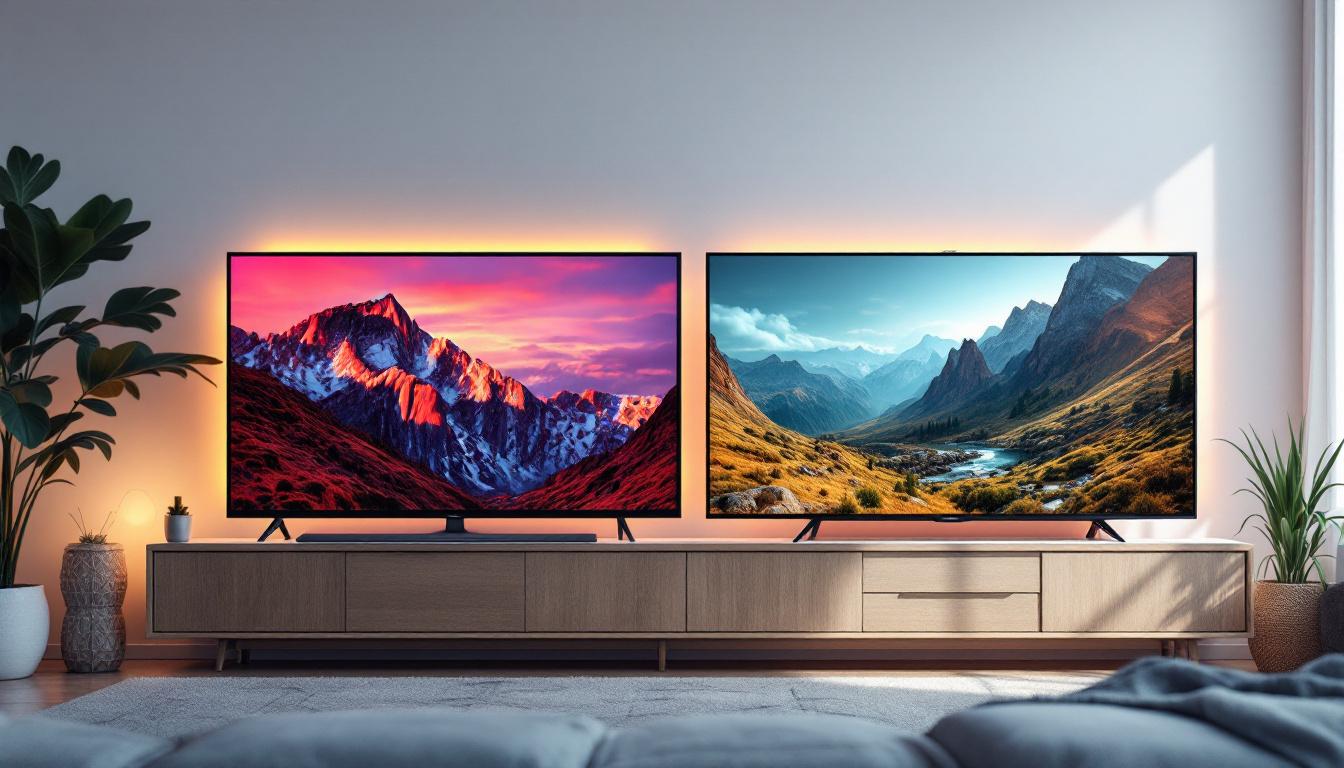
Choosing a new television can be a daunting task, especially with the variety of display technologies available today. Two terms that often cause confusion are “LED TV” and “LCD TV.” While they might sound like completely different devices, the reality is more nuanced. Understanding the differences between LED and LCD TVs, as well as the technology behind LED displays, can help consumers make informed decisions that suit their viewing preferences and budget.
Understanding the Basics: What is LCD Technology?
LCD stands for Liquid Crystal Display, a technology that has been the foundation for flat-panel TVs for over two decades. At its core, an LCD TV uses liquid crystals to modulate light and create images on the screen. However, these crystals do not emit light themselves. Instead, they rely on a backlight to illuminate the display.
The backlight in traditional LCD TVs is typically composed of cold cathode fluorescent lamps (CCFLs). These lamps provide a uniform source of light behind the liquid crystal panel. The liquid crystals then manipulate this light by blocking or allowing it to pass through colored filters, producing the images viewers see.
LCD technology revolutionized television by enabling thinner, lighter, and more energy-efficient sets compared to older cathode ray tube (CRT) models. However, early LCD TVs had limitations in contrast ratios, color accuracy, and viewing angles, which manufacturers have continuously worked to improve.
In recent years, advancements in LCD technology have led to the introduction of LED-backlit displays, which utilize light-emitting diodes (LEDs) instead of traditional CCFLs. This shift not only enhances brightness and contrast but also allows for localized dimming, where specific areas of the screen can be darkened to improve black levels and overall picture quality. As a result, LED-backlit LCDs have become the standard in modern televisions, offering a superior viewing experience with vibrant colors and deeper blacks.
Moreover, the evolution of LCD technology has also paved the way for innovations such as 4K and 8K resolution displays, which provide an unprecedented level of detail and clarity. These ultra-high-definition screens boast millions of pixels, allowing for a more immersive viewing experience, especially when watching high-definition content. Additionally, advancements in color technology, such as Wide Color Gamut (WCG) and High Dynamic Range (HDR), have further enhanced the visual capabilities of LCD TVs, making them a popular choice for home entertainment systems.
What Does LED TV Mean? Clarifying the Misconception
The term “LED TV” is often misunderstood. Many consumers assume that LED TVs use a fundamentally different display technology than LCD TVs. In reality, LED TVs are a subset of LCD TVs that use light-emitting diodes (LEDs) as their backlighting source instead of CCFLs.
This distinction is important because the display panel itself remains an LCD panel in both cases. The difference lies in the backlighting method. LED backlighting offers several advantages over traditional CCFL backlights, including better energy efficiency, thinner panels, and improved picture quality.
Manufacturers began adopting LED backlighting widely around 2010, and today, most LCD TVs on the market are actually LED-backlit LCD TVs. The term “LED TV” has become a marketing shorthand for these models, even though the core display technology is still LCD.
Types of LED Backlighting
LED backlighting comes in two primary configurations: edge-lit and full-array. Edge-lit LED TVs place LEDs around the perimeter of the screen, directing light inward. This design allows for ultra-thin panels but can sometimes result in uneven brightness or “clouding” effects.
Full-array LED TVs have a grid of LEDs placed directly behind the LCD panel, enabling more precise control over brightness and contrast. Many full-array models feature local dimming, which dims or brightens specific zones of LEDs to enhance black levels and improve overall picture quality.
In addition to these two configurations, there are also variations such as mini-LED and micro-LED technologies, which are gaining traction in the market. Mini-LED utilizes smaller LEDs to create a more compact backlighting system, allowing for even finer control over brightness and contrast. This results in improved HDR (High Dynamic Range) performance, with deeper blacks and more vibrant colors. Micro-LED, on the other hand, represents a more revolutionary approach where each pixel emits its own light, eliminating the need for a backlight altogether. This technology promises exceptional picture quality and energy efficiency but is still in the early stages of commercial availability.
As consumers become more aware of these advancements, the distinction between different types of LED technology is likely to influence purchasing decisions. Understanding the nuances of LED backlighting can help buyers make informed choices, ensuring they select a television that best suits their viewing preferences and environment. Whether it’s for binge-watching the latest series or enjoying a cinematic experience at home, knowing the capabilities of each type of LED TV can enhance the overall enjoyment of the viewing experience.
Comparing Picture Quality: LED vs. LCD TVs
When comparing LED and LCD TVs, it’s essential to recognize that LED TVs are essentially an evolution of LCD technology. The use of LED backlighting significantly impacts picture quality, but other factors such as panel type, resolution, and processing also play critical roles.
Brightness and Contrast
LED backlighting generally allows TVs to achieve higher brightness levels compared to CCFL backlights. This is particularly beneficial in brightly lit rooms or when viewing HDR (High Dynamic Range) content, which requires a wide range of luminance to display vivid highlights and deep shadows.
Full-array LED TVs with local dimming excel in contrast performance by selectively dimming dark areas of the screen while keeping bright areas illuminated. This results in deeper blacks and more dynamic images. In contrast, traditional LCD TVs with CCFL backlighting often struggle to produce true blacks, leading to a washed-out appearance in dark scenes.
Color Accuracy and Viewing Angles
Color reproduction depends heavily on the quality of the LCD panel and the backlighting system. LED-backlit TVs tend to offer better color accuracy due to the ability to use more precise and controllable lighting. Additionally, some LED TVs incorporate quantum dot technology, enhancing the color gamut and delivering more vibrant and lifelike colors.
Viewing angles in LCD and LED TVs can vary. Most LCD panels use twisted nematic (TN) or in-plane switching (IPS) technology. IPS panels provide wider viewing angles and better color consistency when viewed from the side, while TN panels may exhibit color shifting and reduced contrast at wider angles.
Energy Efficiency and Environmental Impact
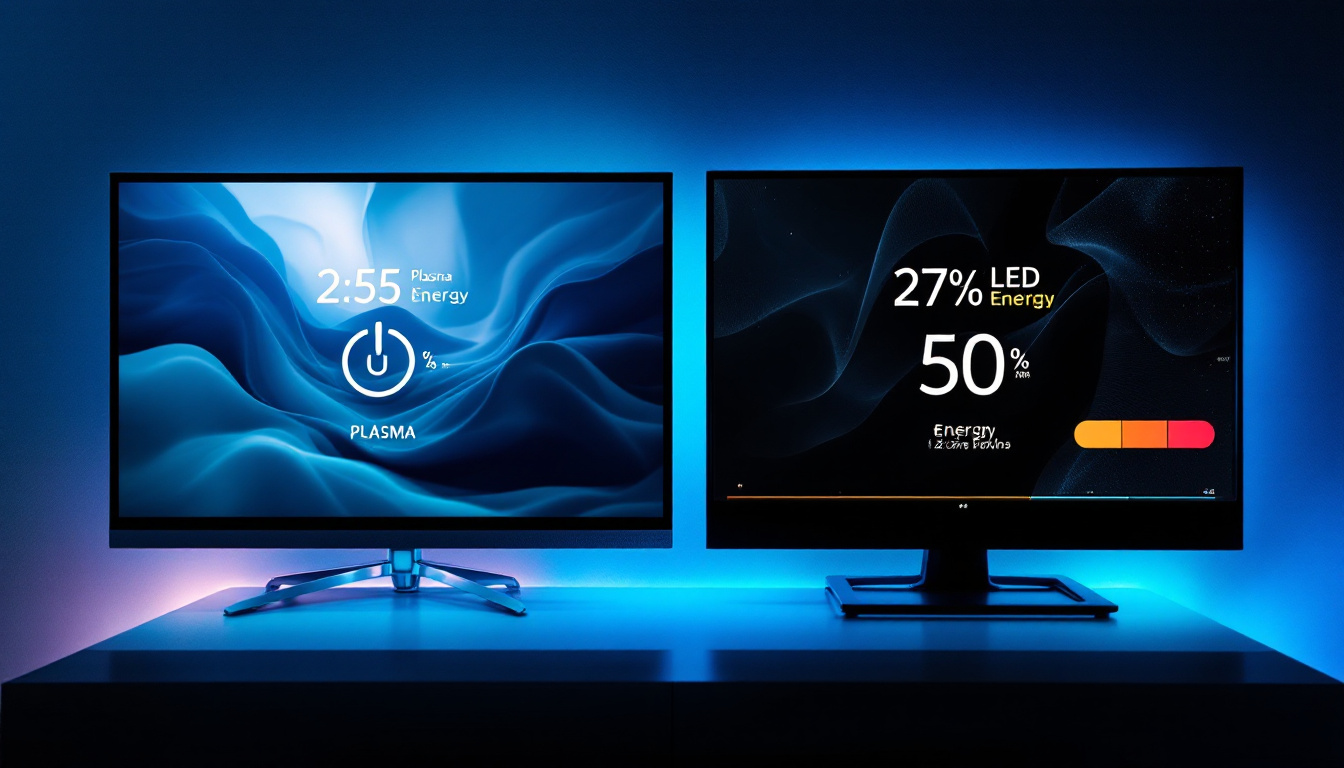
One of the significant advantages of LED-backlit TVs over traditional LCD TVs with CCFL backlights is energy efficiency. LEDs consume less power and generate less heat, contributing to lower electricity bills and reduced environmental impact.
According to the U.S. Department of Energy, LED-backlit TVs can use up to 30% less energy than their CCFL counterparts. This efficiency gain is especially relevant for consumers who use their TVs extensively or have multiple sets in their homes.
Moreover, LEDs do not contain mercury, a hazardous material found in CCFL backlights. This makes LED TVs more environmentally friendly in terms of manufacturing, disposal, and recycling.
Price Considerations and Market Trends
When LED backlighting first entered the market, LED TVs were priced significantly higher than traditional LCD TVs due to the newer technology and manufacturing costs. However, as LED manufacturing has become more widespread and cost-effective, prices have dropped substantially.
Today, LED-backlit LCD TVs dominate the market across all price ranges. Entry-level models offer excellent performance for budget-conscious buyers, while premium LED TVs incorporate advanced features such as 4K resolution, HDR support, wide color gamuts, and smart TV capabilities.
Consumers should be aware that the term “LED TV” alone does not guarantee superior quality. Factors such as panel type, backlight configuration, resolution, and brand reputation should be considered alongside price to ensure the best value.
Emerging Technologies and the Future of TV Displays
While LED-backlit LCD TVs remain the most popular choice for consumers, new display technologies are rapidly evolving. OLED (Organic Light Emitting Diode) and MicroLED are two cutting-edge technologies that offer distinct advantages over traditional LCD and LED-backlit TVs.
OLED TVs use organic compounds that emit light when an electric current passes through them, eliminating the need for a separate backlight. This allows for perfect blacks, infinite contrast ratios, and ultra-thin designs. However, OLEDs tend to be more expensive and can suffer from burn-in issues with static images.
MicroLED technology combines the self-emissive properties of OLED with the durability and brightness of LEDs. Although still in the early stages of commercial availability, MicroLED TVs promise exceptional brightness, color accuracy, and lifespan without burn-in concerns.
Despite these innovations, LED-backlit LCD TVs continue to improve and offer excellent performance for most users. Understanding the strengths and limitations of LED and LCD technologies remains essential for making smart purchasing decisions.
Summary: Making the Right Choice for Your Viewing Needs
In summary, the term “LED TV” refers to an LCD TV that uses LED backlighting instead of traditional CCFLs. This distinction is crucial because it clarifies that LED and LCD TVs are not fundamentally different display technologies but rather different implementations of the same underlying LCD panel technology.
LED-backlit LCD TVs offer improved brightness, contrast, energy efficiency, and environmental benefits compared to older LCD TVs with CCFL backlights. Advances such as full-array local dimming and quantum dot enhancement have further elevated picture quality.
When selecting a TV, consumers should consider factors beyond just the LED or LCD label. Panel type, resolution, HDR support, smart features, and budget all influence the overall viewing experience. Staying informed about emerging technologies like OLED and MicroLED can also help anticipate future upgrades.
Ultimately, understanding LED and LCD technologies empowers consumers to choose a television that delivers excellent picture quality, energy efficiency, and value for their specific needs.
Discover the Future of Visual Experience with LumenMatrix
As you consider upgrading your home entertainment system, embrace the cutting-edge advancements in LED display technology with LumenMatrix. Our commitment to innovation ensures that you get the most vibrant and dynamic viewing experience, whether you’re looking for an Indoor LED Wall Display, an Outdoor LED Wall Display, or specialized solutions like Vehicle LED Displays and LED Sports Displays. Let LumenMatrix transform your visual communication and bring your content to life with unparalleled clarity and impact. Check out LumenMatrix LED Display Solutions today and step into the future of television and digital signage.