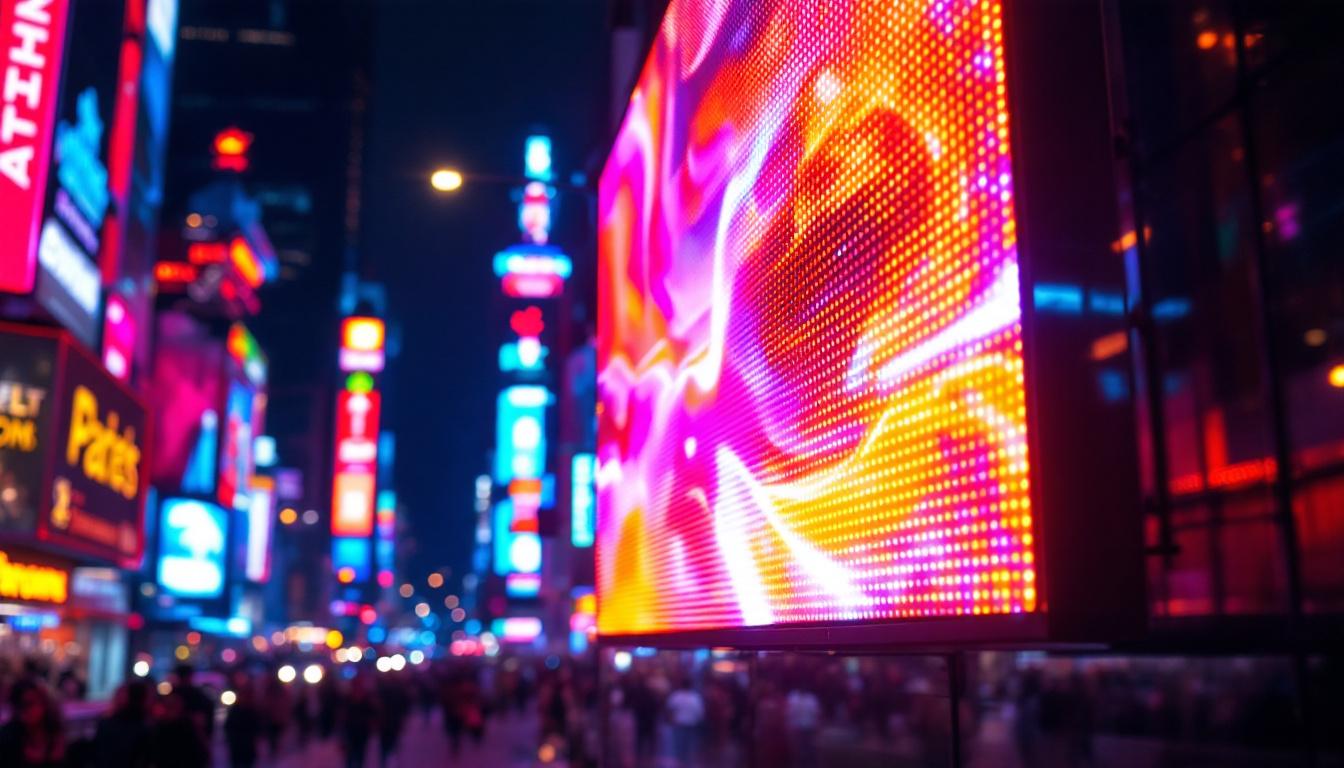
In the rapidly evolving world of display technology, understanding the nuances between different types of screens is essential for consumers, manufacturers, and industry professionals alike. Among these, LED displays have become a dominant force, offering vibrant visuals and energy efficiency. This article explores the fundamentals of LED displays, their relationship with LCD technology, and the key players driving innovation in the industry.
Understanding the Basics: What is an LED Display?
LED stands for Light Emitting Diode, a semiconductor device that emits light when an electric current passes through it. In the context of displays, LED technology is used to illuminate pixels, creating images that range from simple text to complex, high-definition videos.
LED displays come in various forms, including direct-view LED panels and LED-backlit LCD screens. The distinction between these types is crucial for understanding how modern displays function and why certain technologies are favored in different applications.
Direct-View LED vs. LED-Backlit LCD
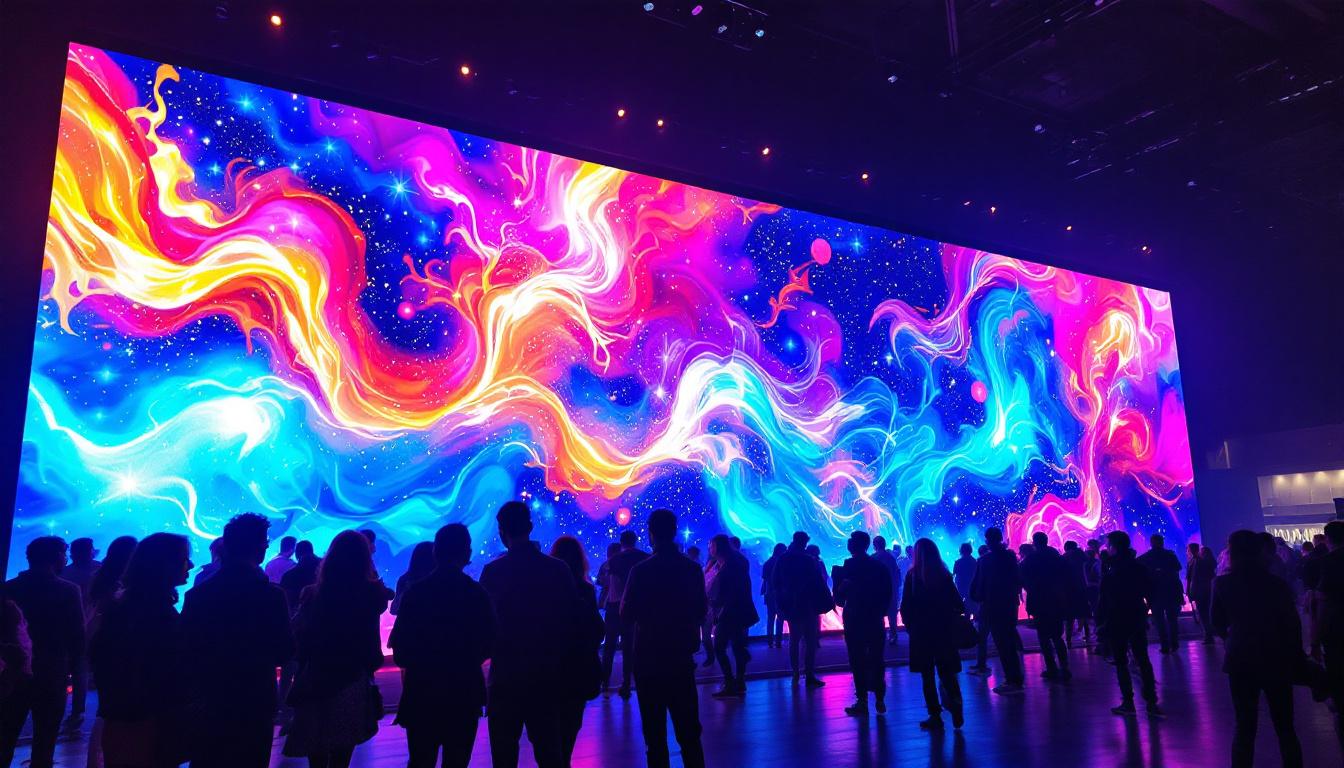
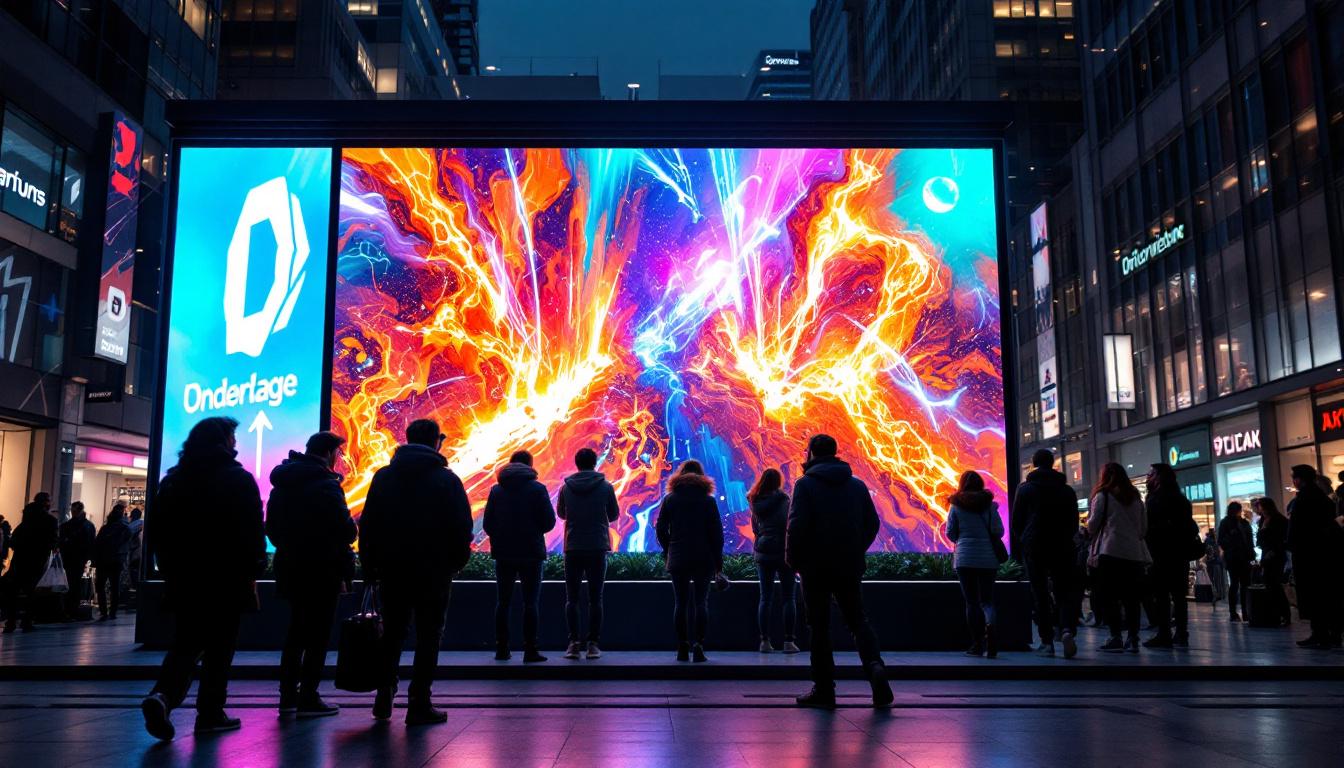
Direct-view LED displays consist of individual LEDs that act as both the light source and the pixel itself. These are commonly used in large-scale applications such as stadium screens, billboards, and digital signage. Their advantages include high brightness, excellent color accuracy, and the ability to create very large, seamless displays. The modular nature of direct-view LED technology allows for creative installations, enabling designers to craft unique shapes and sizes that can adapt to various environments, from outdoor advertising to art installations.
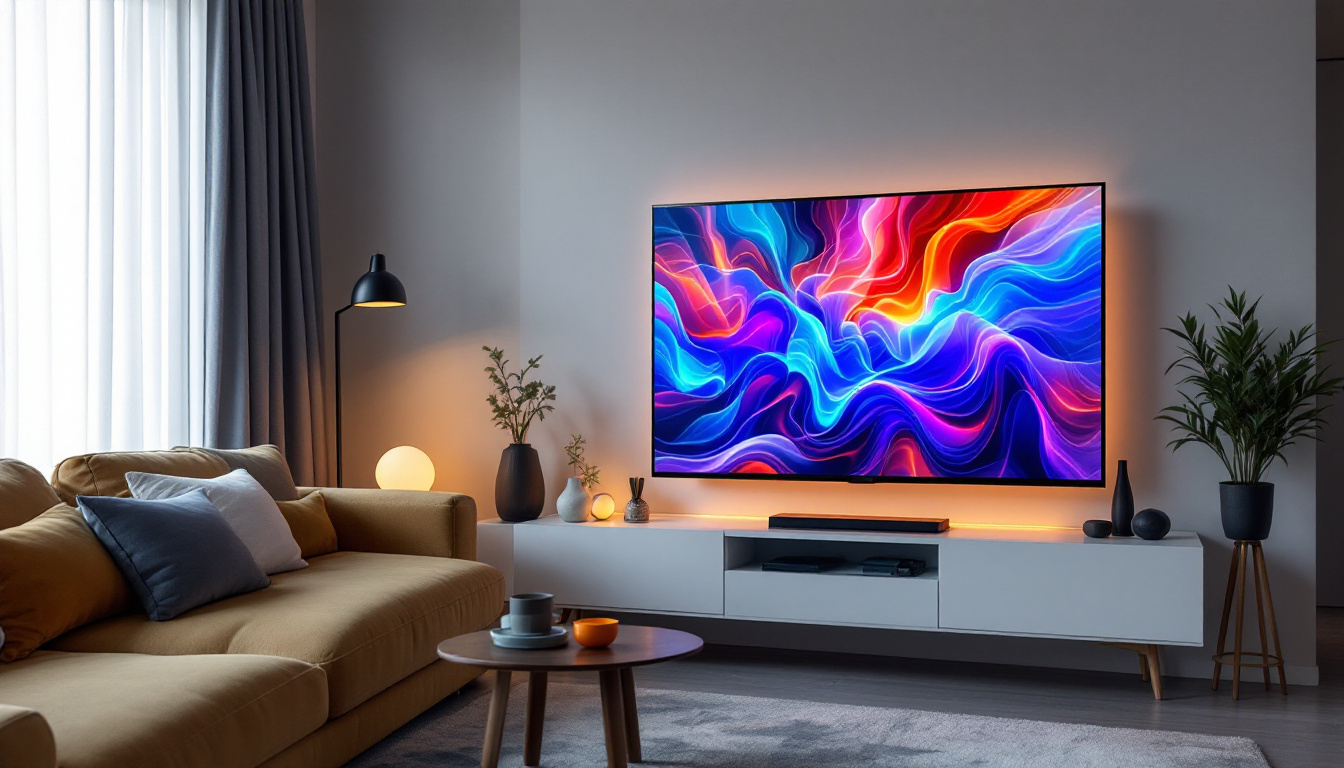
On the other hand, LED-backlit LCDs use an LCD panel to control the image, with LEDs serving as the backlight. This hybrid approach leverages the color control of liquid crystals with the efficiency and brightness of LEDs. It is the most common technology in consumer televisions, computer monitors, and smartphones. The integration of LED backlighting has significantly improved the energy efficiency of LCDs, allowing for thinner designs and longer battery life in portable devices. Additionally, advancements such as local dimming and edge-lit configurations have enhanced contrast ratios and color performance, making LED-backlit LCDs a versatile choice for a wide array of viewing experiences.
One of the most exciting developments in LED technology is the emergence of microLED displays. These utilize microscopic LEDs to create individual pixels, offering even greater brightness and color accuracy than traditional LED displays. MicroLED technology promises to revolutionize the display market by providing ultra-high resolution and improved energy efficiency, making it an attractive option for future applications in everything from virtual reality headsets to large format displays in public spaces. As the technology continues to evolve, we can expect to see even more innovative uses for LED displays across various industries.
The Role of LCD Producers in LED Display Technology
LCD producers have played a pivotal role in the advancement of LED display technology. While LEDs provide the illumination, the liquid crystal display (LCD) panel is responsible for modulating light to form images. This synergy has led to significant improvements in display quality and energy consumption. The collaboration between these technologies has not only enhanced visual experiences but has also paved the way for more sustainable practices in the electronics industry, as energy-efficient displays become increasingly important in a world focused on reducing carbon footprints.
Leading manufacturers such as Samsung Display, LG Display, and BOE Technology Group have invested heavily in refining LCD panels with LED backlighting. Their innovations include local dimming techniques, quantum dot enhancement, and mini-LED backlights, all aimed at improving contrast ratios and color reproduction. These advancements have enabled displays to achieve higher brightness levels and a wider color gamut, making them ideal for various applications, from home entertainment systems to professional graphic design workstations. Furthermore, the integration of smart technologies in these displays has allowed for adaptive brightness and color calibration, ensuring that users experience optimal visuals in diverse lighting conditions.
Mini-LED and Micro-LED: The Next Frontier
Recent developments have introduced mini-LED and micro-LED technologies, which represent the next generation of LED displays. Mini-LEDs are smaller than traditional LEDs and allow for thousands of dimming zones, resulting in better contrast and deeper blacks. This technology is already being integrated into high-end laptops, TVs, and professional monitors. The precision offered by mini-LEDs not only enhances the viewing experience but also contributes to a more immersive environment, particularly in gaming and cinematic applications where visual fidelity is paramount.
Micro-LED technology goes even further by using microscopic LEDs as individual pixels, eliminating the need for an LCD panel altogether. This promises superior brightness, contrast, and energy efficiency. However, manufacturing challenges have so far limited widespread adoption, though companies like Sony and Samsung are actively developing commercial micro-LED products. The potential of micro-LEDs extends beyond traditional displays; they could revolutionize the way we think about screens, enabling flexible, transparent, and even wearable displays that seamlessly integrate with our daily lives. As research continues and production techniques improve, the future of display technology looks increasingly bright, with LCD producers at the forefront of this exciting evolution.
Applications and Market Trends in LED Displays
The versatility of LED display technology has led to its adoption across a wide range of industries. From consumer electronics to advertising and public information systems, LED displays are shaping how information and media are consumed.
Consumer Electronics: TVs, Smartphones, and Beyond
In the consumer market, LED-backlit LCDs dominate the television and monitor segments. According to a 2023 report by Display Supply Chain Consultants, over 80% of global TV shipments use LED-backlit LCD technology, underscoring its market prevalence. Quantum dot technology, often branded as QLED, has further enhanced color performance, making LED-backlit LCD TVs a popular choice among consumers seeking high-quality visuals at reasonable prices.
Smartphones and tablets also leverage LED backlighting in their LCD screens, though OLED technology is increasingly preferred in premium devices for its superior contrast and flexibility.
Commercial and Industrial Displays
Large-format direct-view LED displays are essential in commercial environments such as retail stores, airports, and sports arenas. Their ability to deliver high brightness and visibility in various lighting conditions makes them ideal for outdoor and indoor advertising. The global LED display market size was valued at approximately $12 billion in 2023 and is projected to grow at a compound annual growth rate (CAGR) of around 10% through 2030, driven by increasing demand for digital signage and smart city initiatives.
Emerging Markets: Automotive and Wearables
Automotive manufacturers are incorporating LED display technology into dashboards and infotainment systems to enhance driver experience and safety. Similarly, wearable devices benefit from the energy efficiency and brightness of LED displays, extending battery life while maintaining readability in diverse environments.
Challenges and Innovations in LED Display Production
Despite the advantages, LED display production faces several challenges, including manufacturing complexity, cost, and environmental considerations. LCD producers are continuously innovating to address these issues and improve the sustainability and performance of their products.
Manufacturing Complexity and Cost
Producing high-quality LED and LCD panels requires precision engineering and advanced materials. The integration of mini-LED and micro-LED technologies adds layers of complexity, as these tiny components must be accurately placed and controlled. This drives up production costs, which can be a barrier to widespread adoption, especially in cost-sensitive markets.
Environmental Impact and Sustainability
The display industry is increasingly focused on reducing environmental impact. LED displays consume less power compared to older technologies like CCFL-backlit LCDs, contributing to lower carbon footprints. Additionally, manufacturers are exploring recyclable materials and more efficient production processes. For example, some producers have adopted lead-free soldering and reduced the use of rare earth elements in their panels.
Advancements in Display Quality
Innovations such as local dimming, HDR (High Dynamic Range) support, and quantum dot enhancement have significantly improved the visual experience of LED displays. These technologies enable displays to produce deeper blacks, brighter highlights, and a wider color gamut, making images more lifelike and immersive.
Choosing the Right LED Display: What Consumers and Businesses Should Know
With a plethora of LED display options available, selecting the right technology depends on the intended use, budget, and performance requirements. Understanding the distinctions between direct-view LED, LED-backlit LCD, mini-LED, and micro-LED can guide informed decisions.
Factors to Consider for Consumers
Consumers prioritizing picture quality and energy efficiency should consider LED-backlit LCD TVs with quantum dot technology or mini-LED backlighting. These offer a balance between cost and performance, delivering vibrant colors and good contrast. For those seeking the best possible display, OLED remains a strong competitor, though it is not an LED-based technology.
Business and Commercial Considerations
Businesses looking for digital signage or large-format displays should evaluate direct-view LED panels for their brightness and scalability. Factors such as viewing distance, ambient lighting, and installation environment play critical roles in determining the optimal display type. Additionally, total cost of ownership, including maintenance and energy consumption, should be factored into purchasing decisions.
The Future of LED Displays and LCD Producers
The LED display market continues to evolve, driven by technological advancements and changing consumer preferences. LCD producers are at the forefront of this transformation, pushing the boundaries of what LED technology can achieve.
As mini-LED and micro-LED technologies mature, they are expected to disrupt traditional display markets by offering unprecedented image quality and efficiency. The convergence of LED displays with emerging trends like flexible screens, augmented reality, and smart city infrastructure will open new avenues for innovation.
Furthermore, sustainability will remain a key focus, with manufacturers striving to minimize environmental impact while delivering superior products. Collaboration between LCD producers, LED manufacturers, and technology developers will be essential to realize the full potential of LED display technology in the coming years.
Conclusion
LED displays represent a cornerstone of modern visual technology, seamlessly blending with LCD panels to provide high-quality, energy-efficient screens across diverse applications. Understanding the distinctions between different LED display types, the role of LCD producers, and the latest innovations equips consumers and businesses to make informed choices.
With ongoing advancements like mini-LED and micro-LED, the future promises even more vibrant, efficient, and versatile displays. As the industry continues to grow and evolve, staying informed about these technologies is crucial for anyone engaged with digital displays, whether for entertainment, communication, or commercial purposes.
Discover LumenMatrix LED Display Solutions
As you consider the future of vibrant and efficient visual technology, let LumenMatrix guide you through the landscape of cutting-edge LED displays. With our commitment to innovation and quality, we offer an array of LED display modules designed to elevate your brand’s presence and captivate your audience. From Indoor and Outdoor LED Wall Displays to specialized solutions like Vehicle LED Displays and Custom LED Configurations, our mission is to transform your visual communication strategy. Check out LumenMatrix LED Display Solutions today and experience the power of advanced LED technology tailored to your needs.