In the rapidly evolving world of digital displays, LED walls have emerged as a game-changing technology, transforming how information and visuals are presented in various settings. From massive outdoor billboards to immersive indoor video walls, LED displays offer unparalleled brightness, clarity, and versatility. This article delves into the fundamentals of LED walls, explaining their technology, applications, advantages, and considerations for those looking to invest in or understand this dynamic display solution.
Understanding LED Wall Technology
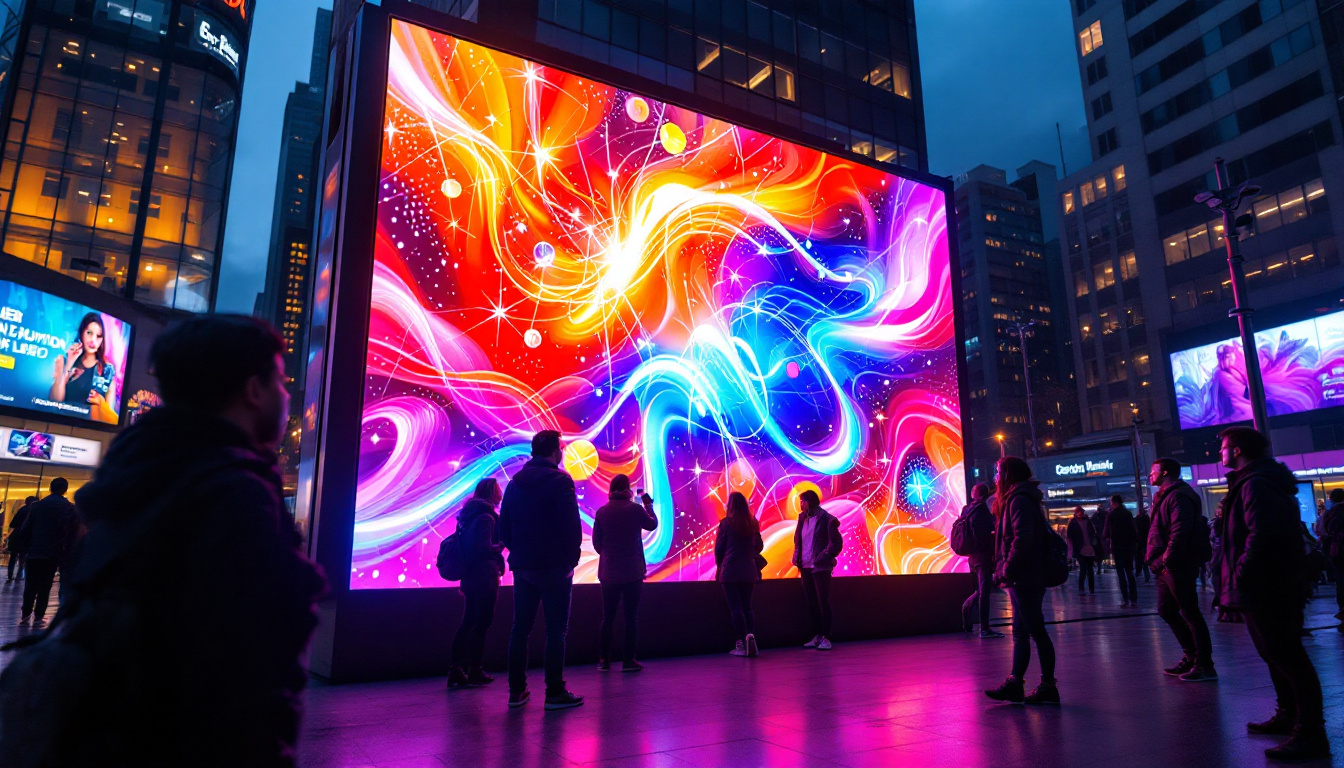
LED walls, often referred to as LED video walls or LED displays, consist of multiple light-emitting diodes (LEDs) arranged in a grid to form a large, seamless screen. Unlike traditional LCD panels that rely on backlighting, LED walls emit their own light, which contributes to their superior brightness and contrast. This self-illuminating property allows for vibrant colors and deep blacks, making LED walls a popular choice for various applications, from advertising to entertainment.
How LED Walls Work
At the core of an LED wall are tiny LEDs that serve as individual pixels. These LEDs can be red, green, and blue (RGB), and by varying their intensity, they produce a full spectrum of colors. The LEDs are mounted on modular panels that can be combined to create displays of virtually any size and shape. This flexibility not only enhances visual storytelling but also allows for creative installations that can fit into unique architectural spaces.
The modular nature of LED walls allows for easy scalability and maintenance. Each panel can be replaced or repaired without dismantling the entire display, making LED walls highly practical for large-scale installations. Furthermore, advancements in technology have led to the development of intelligent LED systems that can automatically adjust brightness and color balance based on ambient light conditions, ensuring optimal viewing experiences at all times.
Types of LED Displays
LED walls come in several variations, primarily differentiated by pixel pitch—the distance between the centers of two adjacent LEDs. Pixel pitch significantly influences the display’s resolution and optimal viewing distance. A smaller pixel pitch means higher resolution, making it suitable for environments where viewers are closer to the screen.
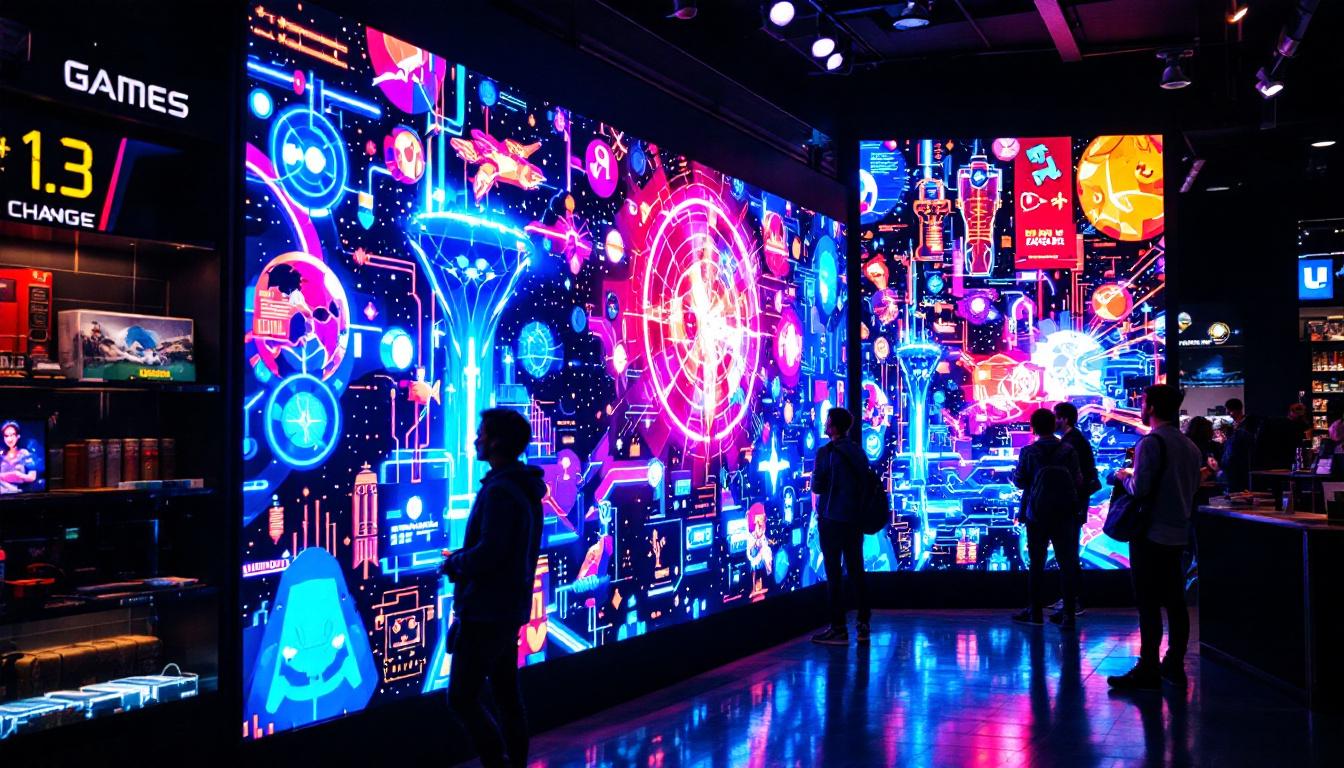
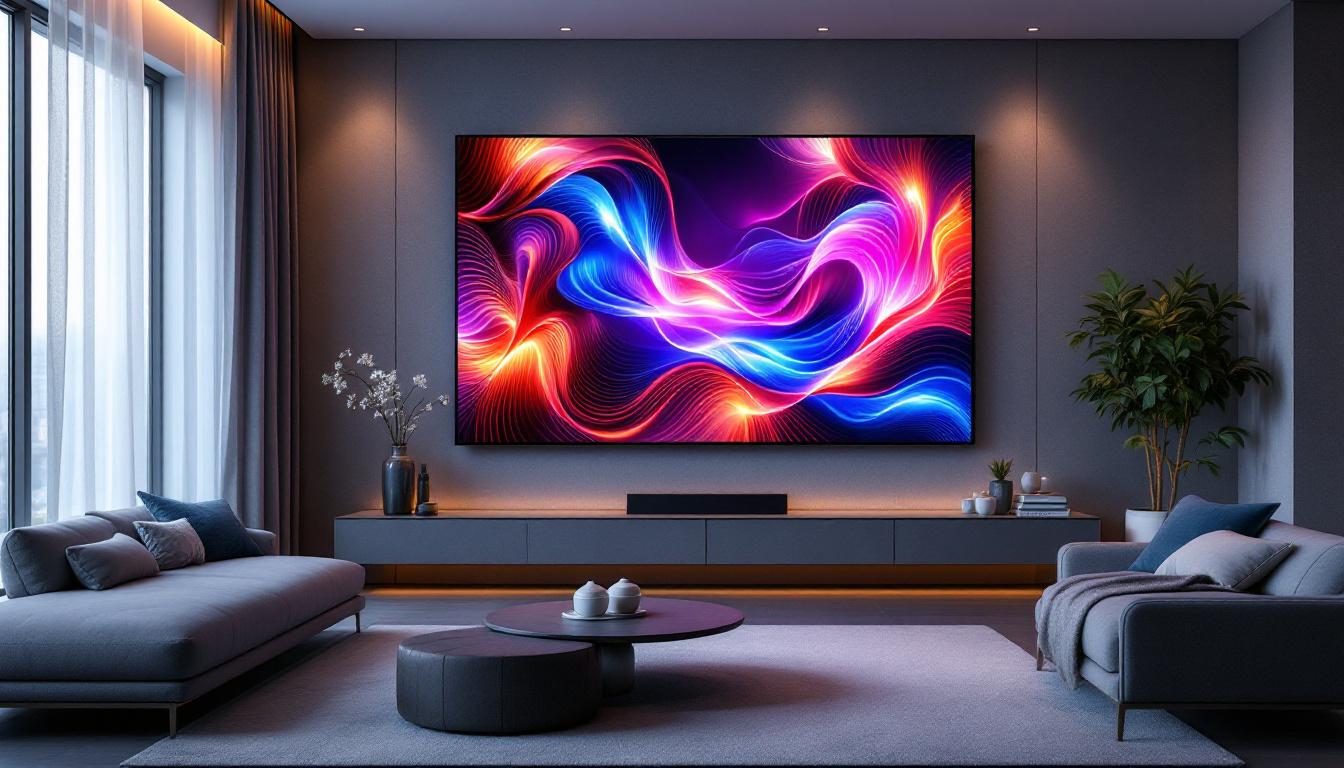
- Indoor LED Walls: These have a smaller pixel pitch, often ranging from 1.2mm to 4mm, delivering high resolution suitable for close viewing distances such as in conference rooms, retail stores, and control rooms. The clarity and detail provided by indoor LED walls can enhance presentations and create immersive shopping experiences.
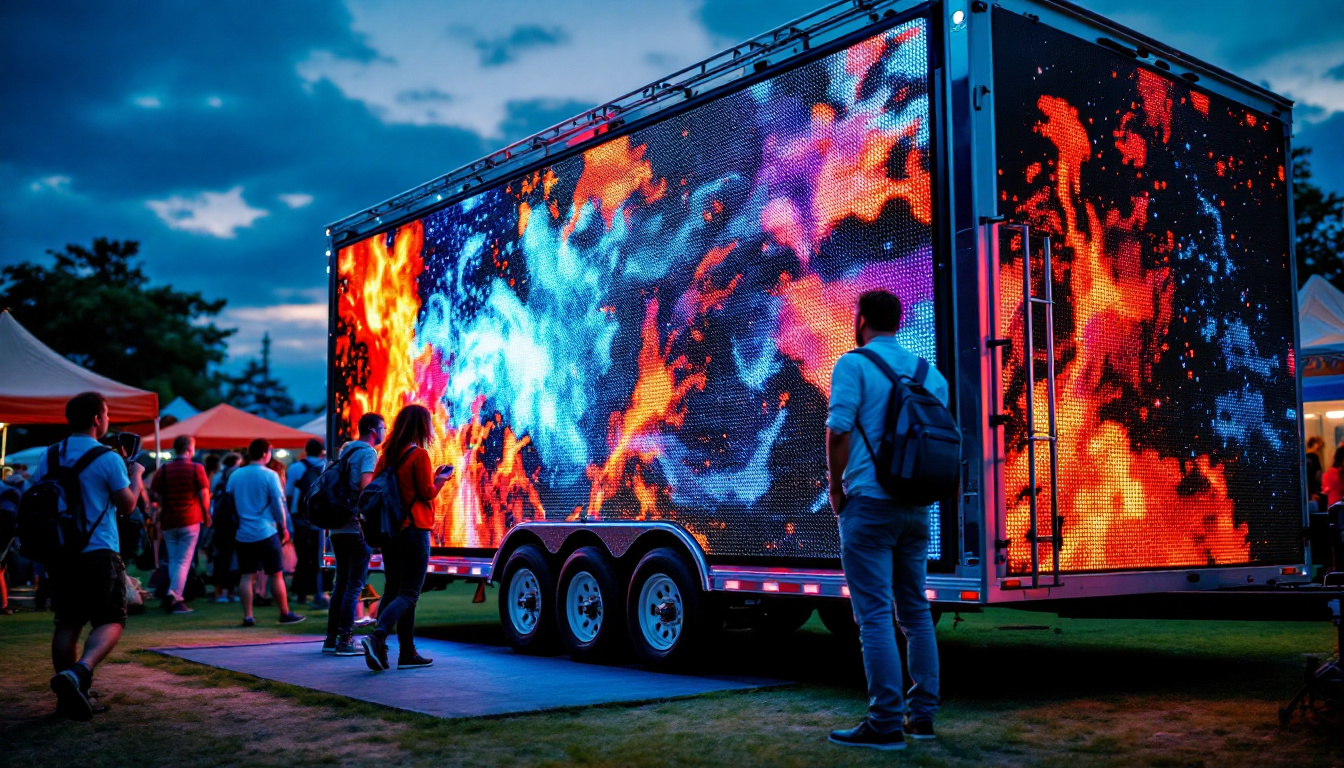
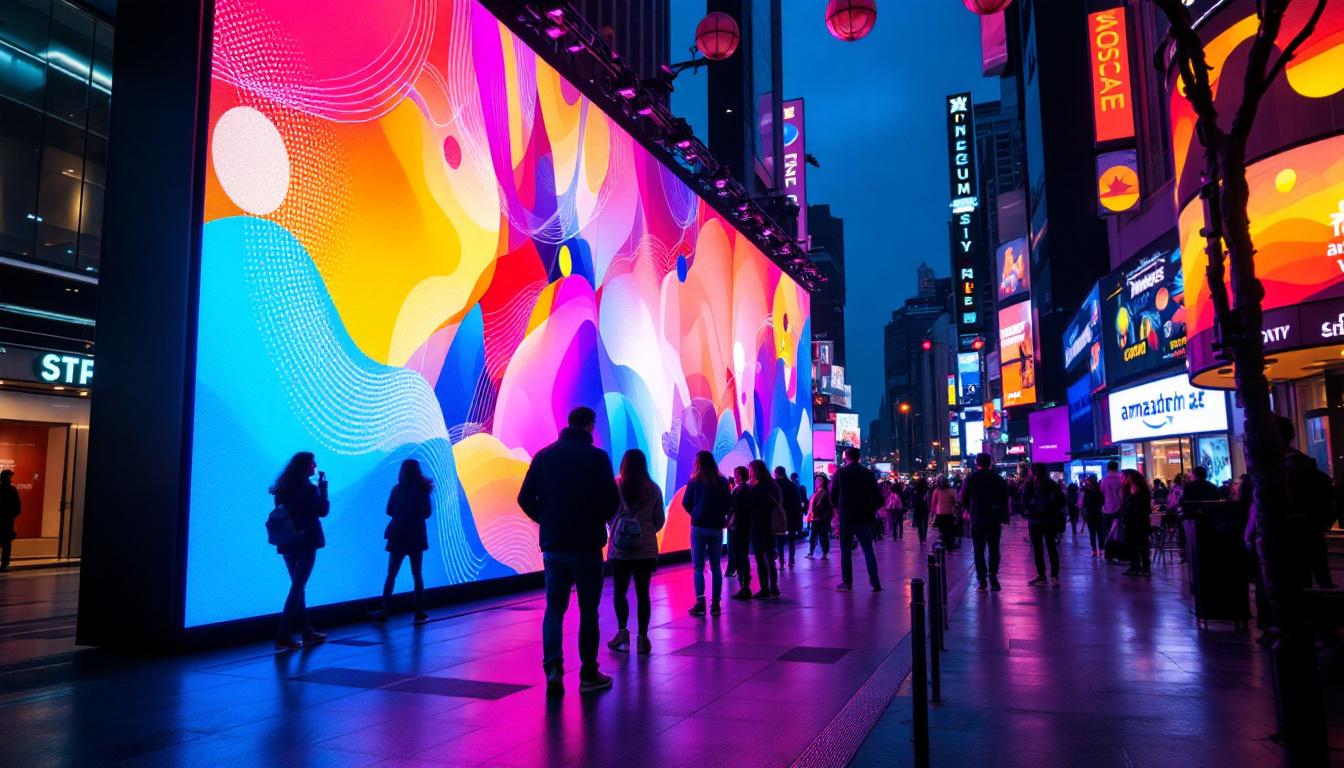
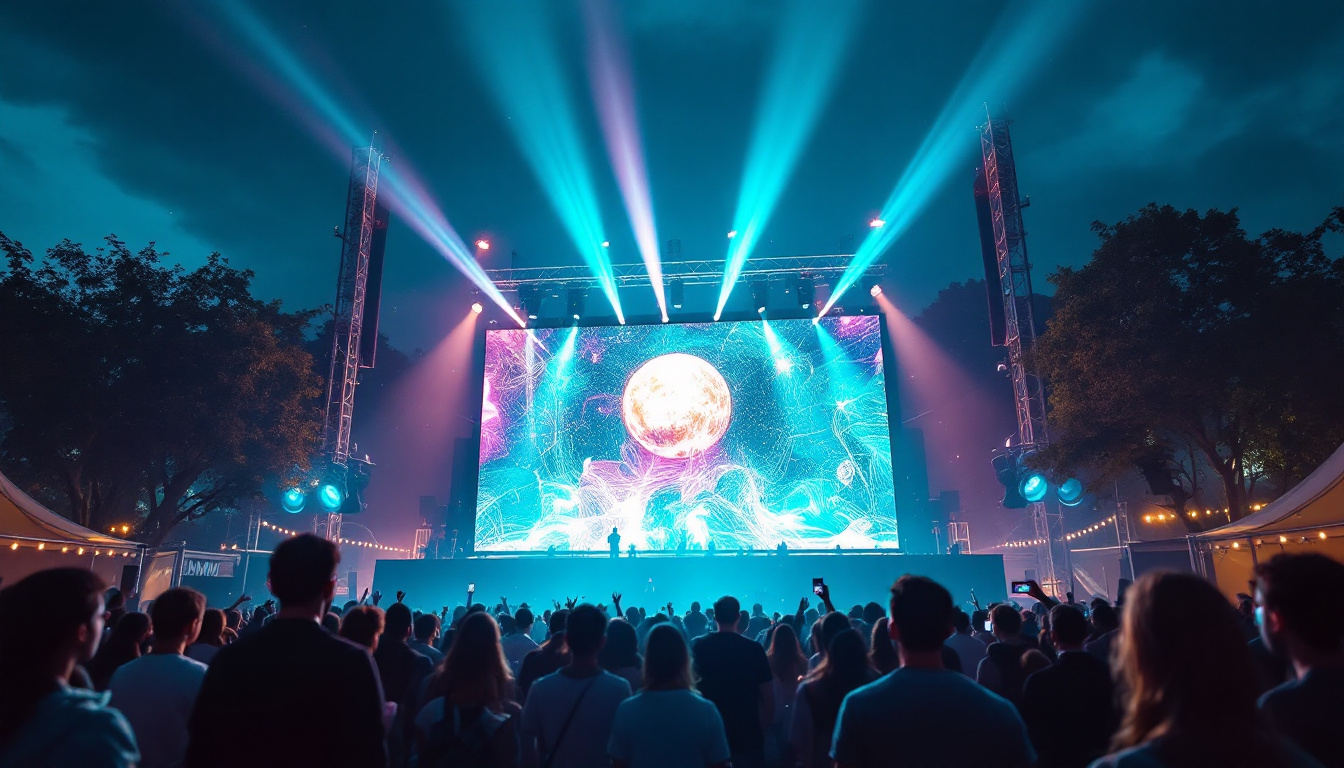
- Outdoor LED Walls: Featuring larger pixel pitches, typically between 6mm and 20mm, these displays are designed to withstand harsh weather conditions and deliver high brightness to combat sunlight glare. Outdoor LED walls are often used for concerts, sporting events, and large public displays, where visibility from a distance is crucial.
- Transparent LED Walls: These innovative displays allow light to pass through, making them ideal for storefronts and architectural applications where visibility from both sides is desired. Transparent LED walls can create stunning visual effects while maintaining the aesthetic of the surrounding environment, allowing for a seamless blend of digital content and physical space.
In addition to these types, there are also flexible LED displays that can be bent and shaped to fit unconventional surfaces. This adaptability opens up new possibilities for creative installations in art exhibitions, museums, and themed environments. As technology continues to evolve, the potential applications of LED walls are expanding, paving the way for more interactive and engaging experiences in various industries.
Applications of LED Walls Across Industries
LED walls have revolutionized visual communication across numerous sectors. Their adaptability and visual impact make them invaluable tools for businesses, entertainment venues, public spaces, and more.
Advertising and Marketing
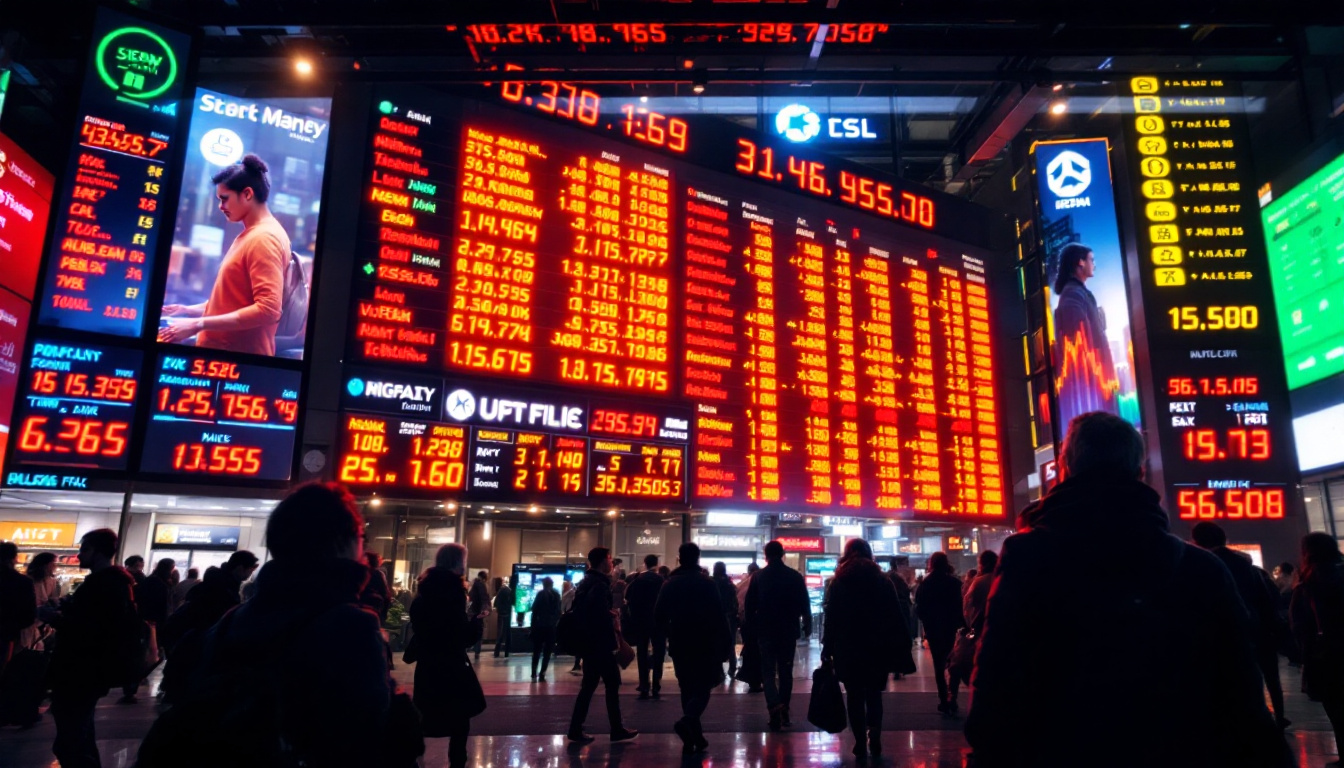
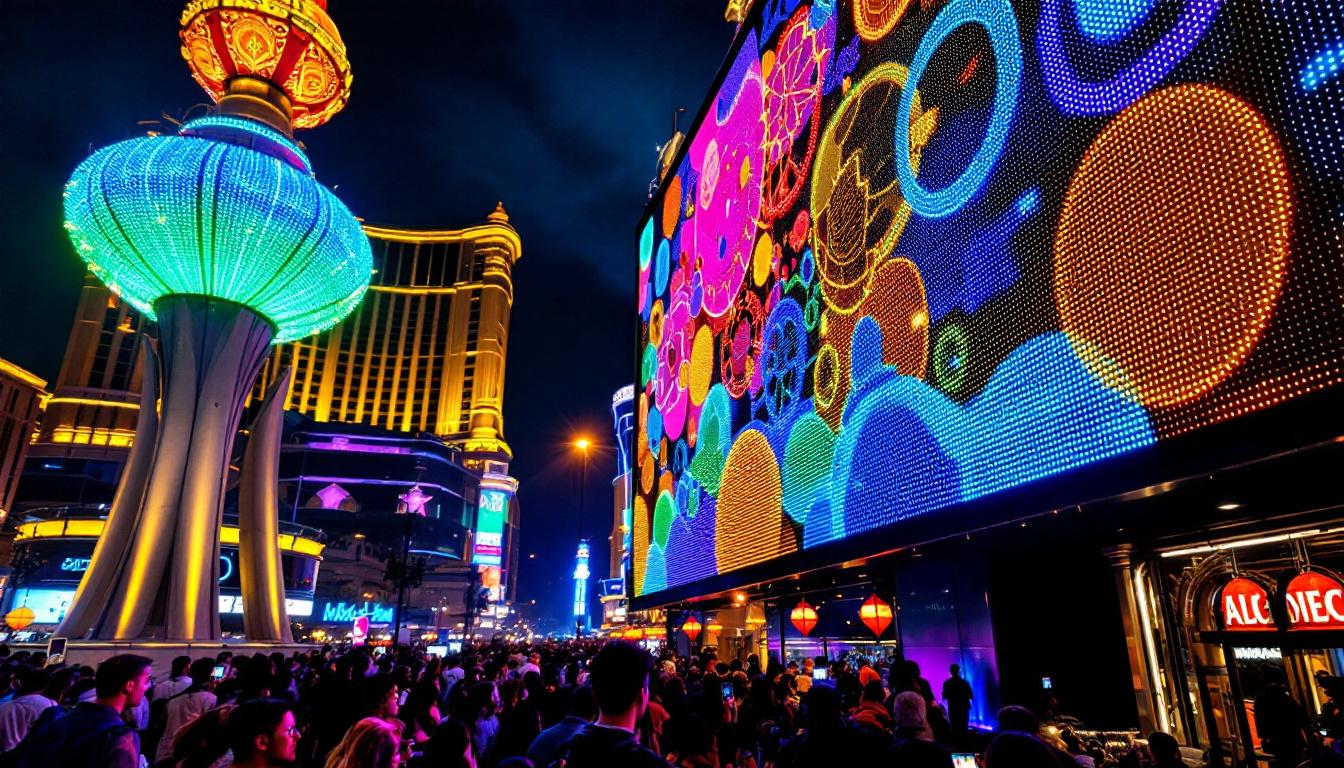
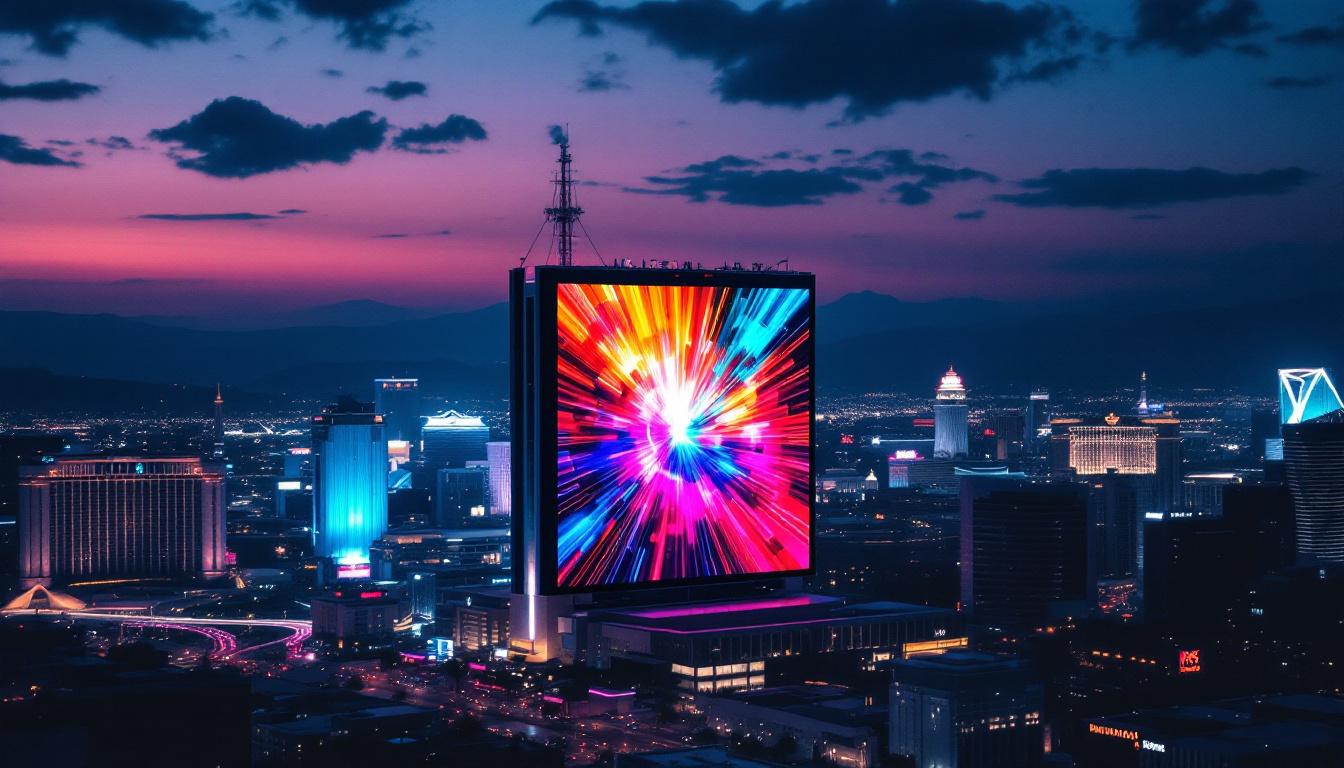
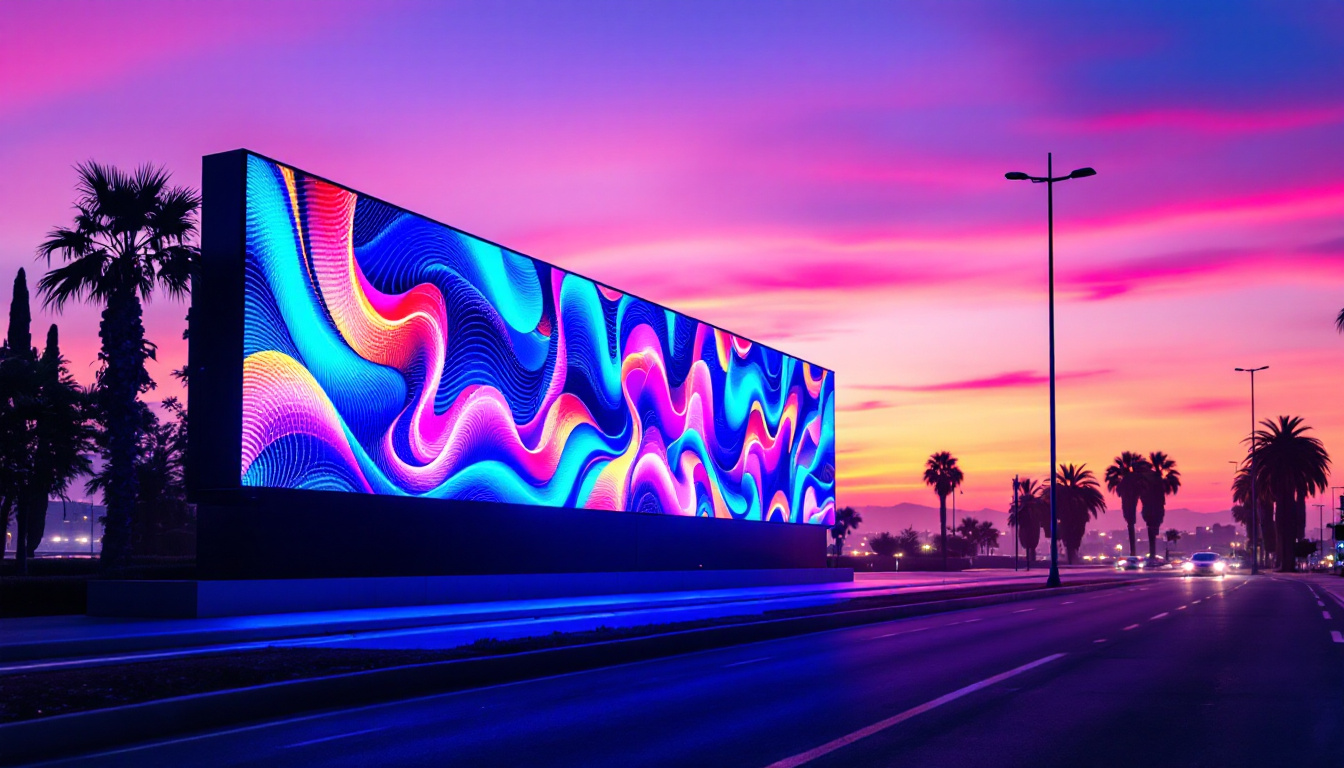
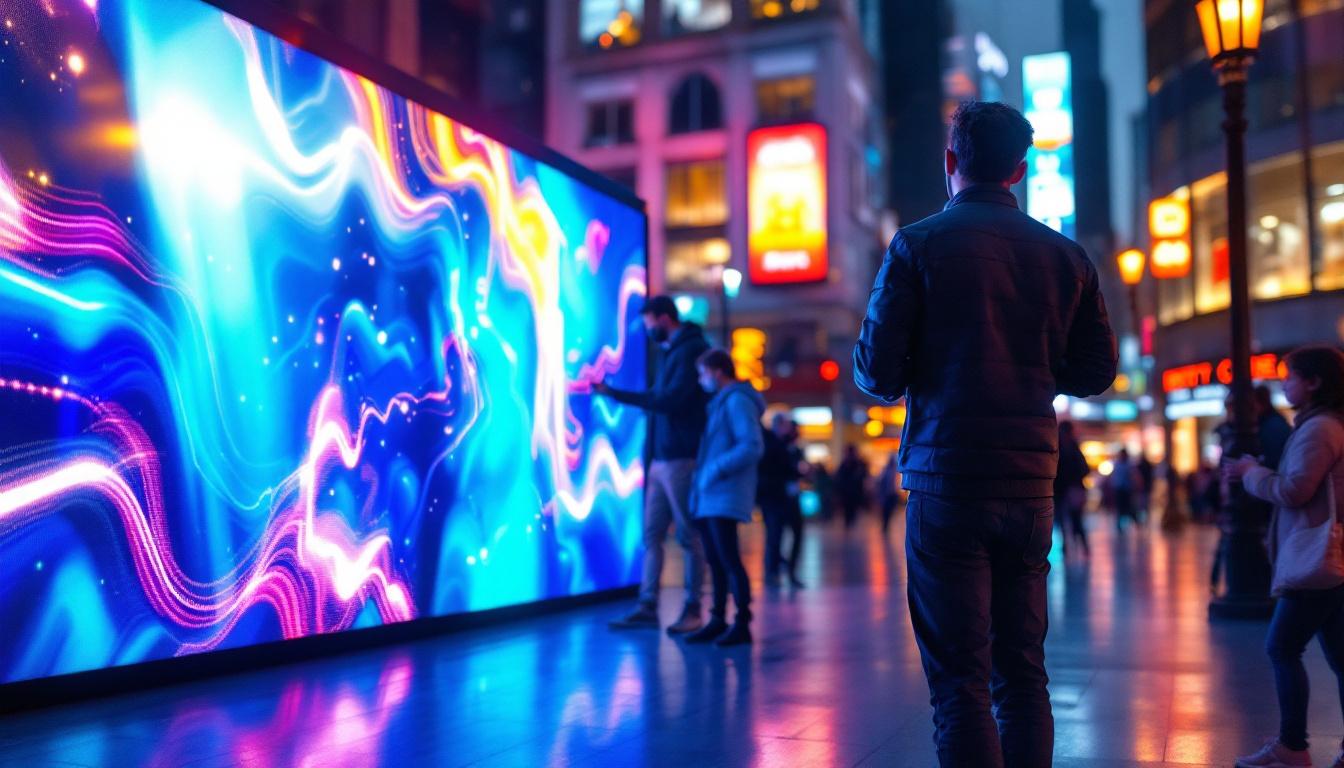
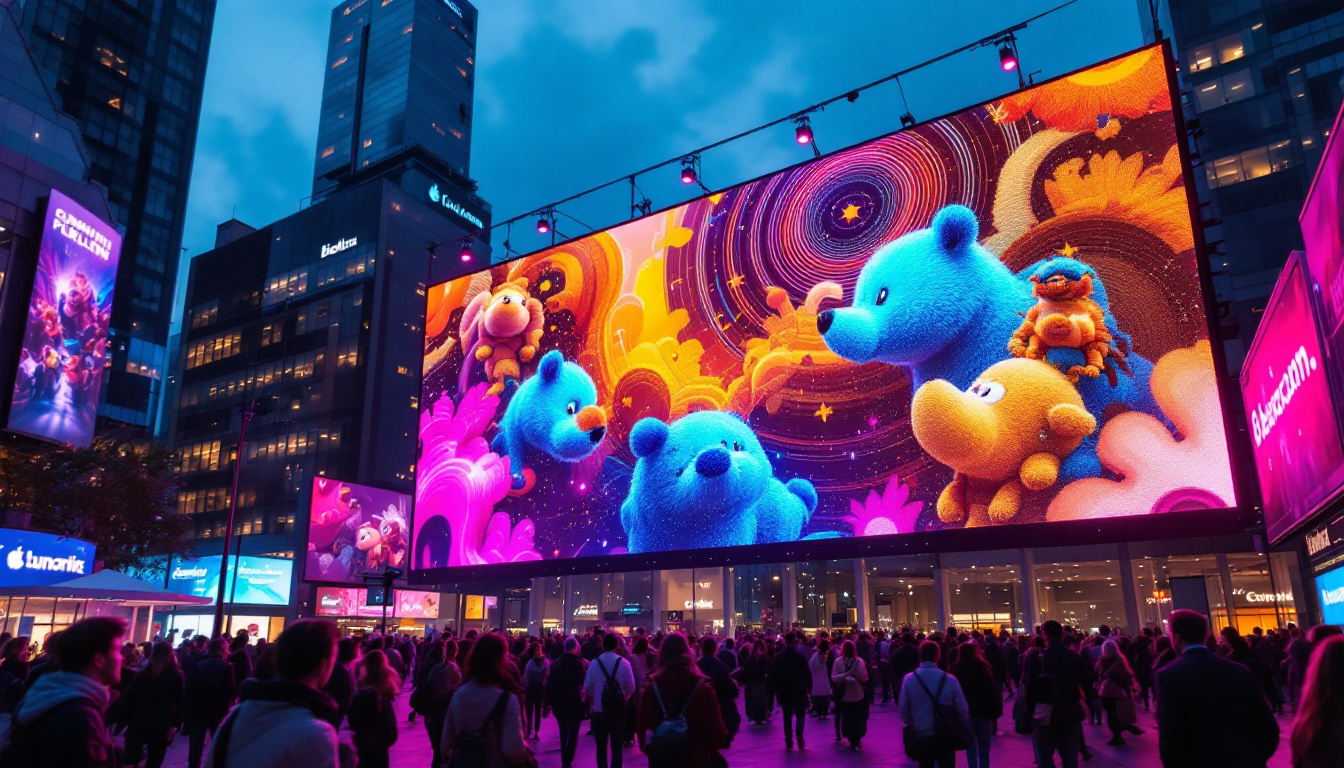
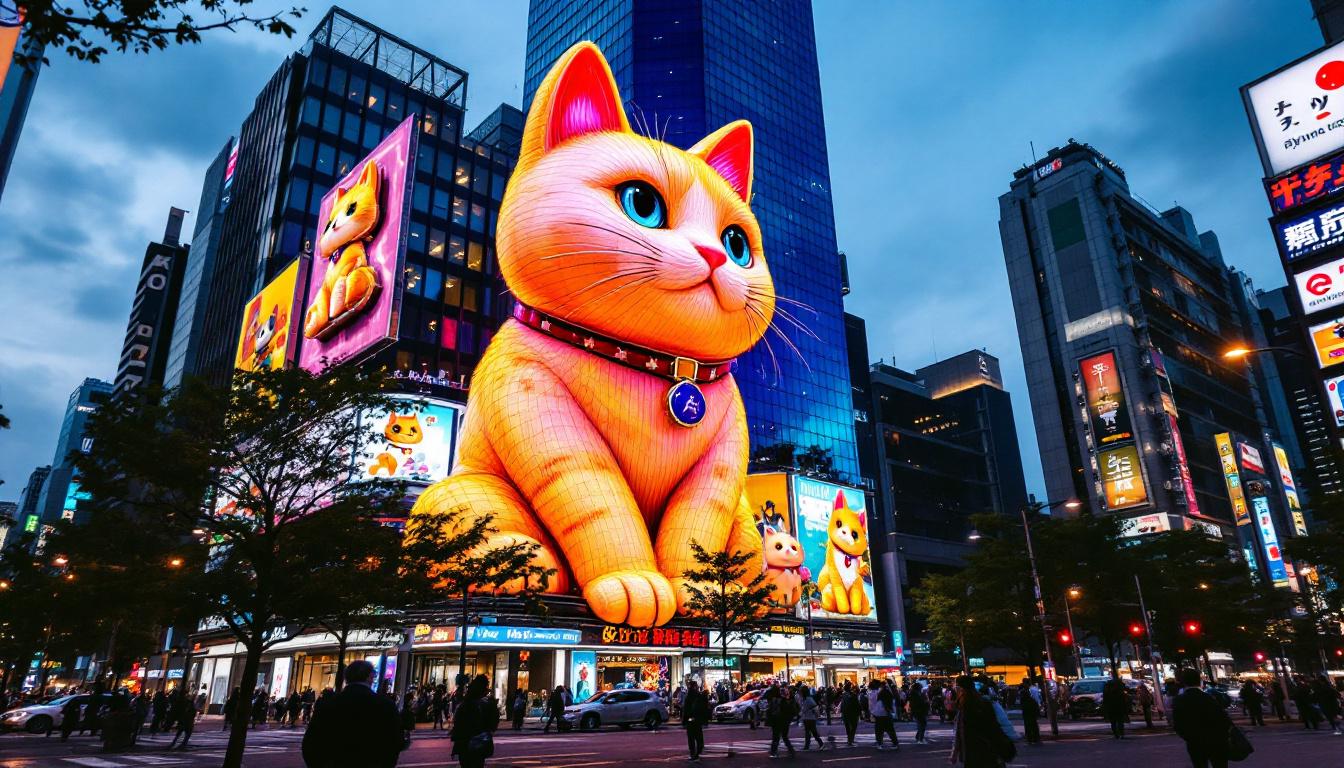
One of the most prominent uses of LED walls is in outdoor advertising. Digital billboards equipped with LED technology can display dynamic, eye-catching content that captures attention far more effectively than static signs. According to recent industry reports, digital out-of-home (DOOH) advertising, which heavily relies on LED walls, is expected to grow at a compound annual growth rate (CAGR) of over 10% through 2027.
Brands leverage LED walls for their ability to deliver real-time updates, interactive campaigns, and high-definition visuals, making them a powerful medium for enhancing brand visibility and engagement. Additionally, the flexibility of LED technology allows for tailored advertising strategies; businesses can change their messaging based on time of day, weather conditions, or even audience demographics, ensuring that their content remains relevant and impactful.
Events and Entertainment
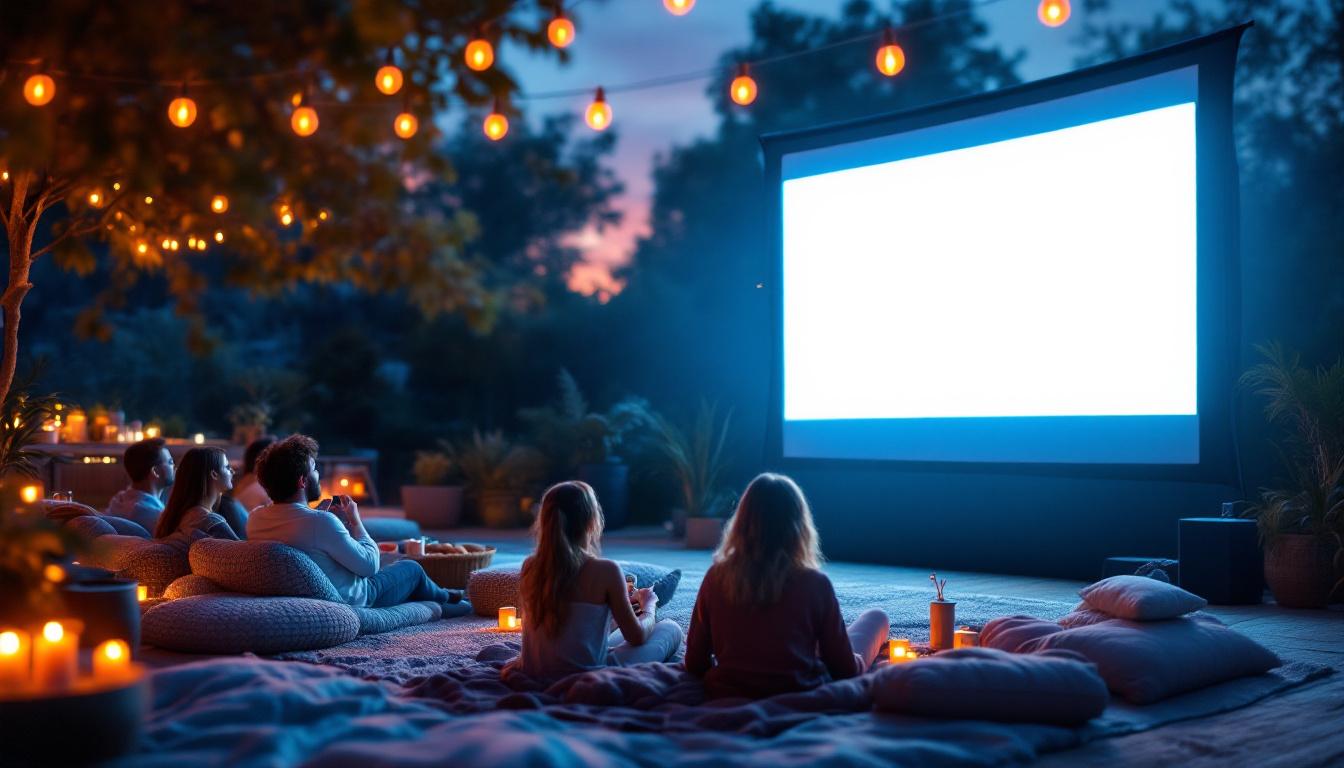
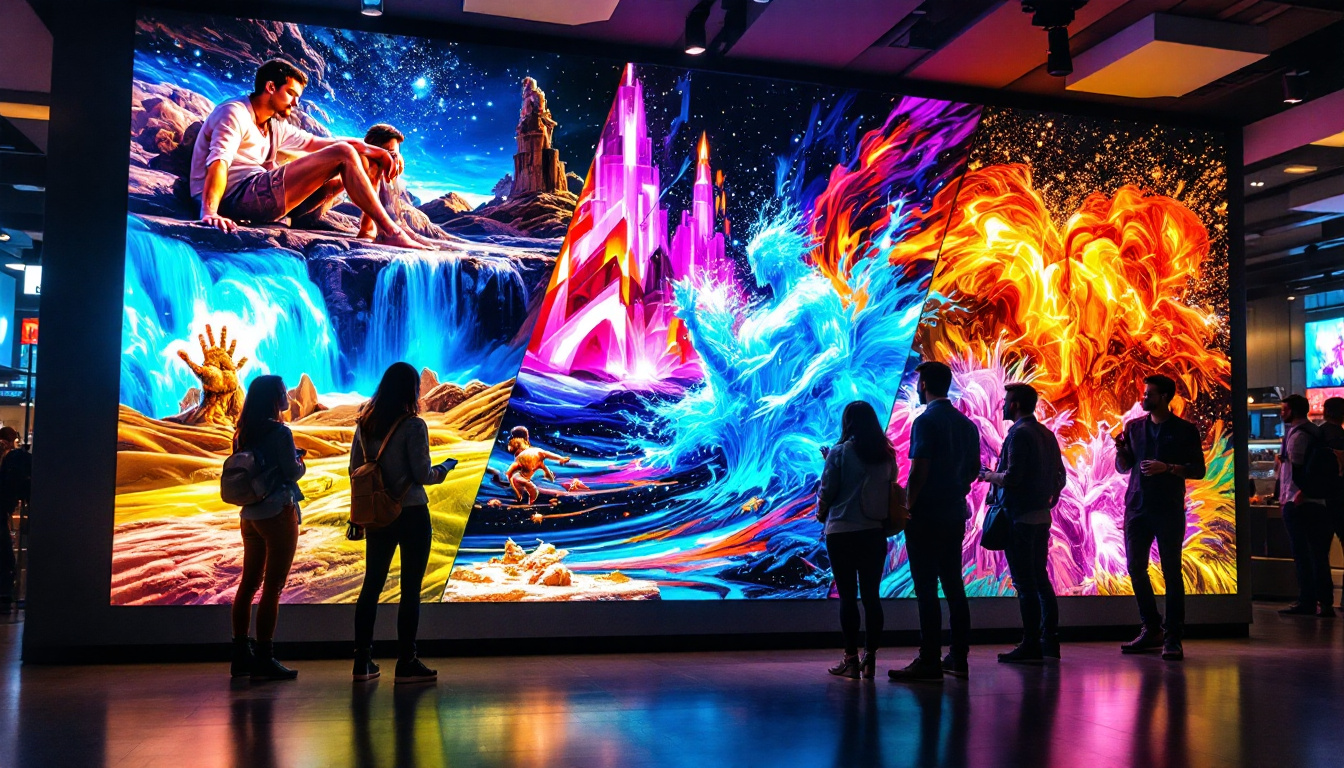
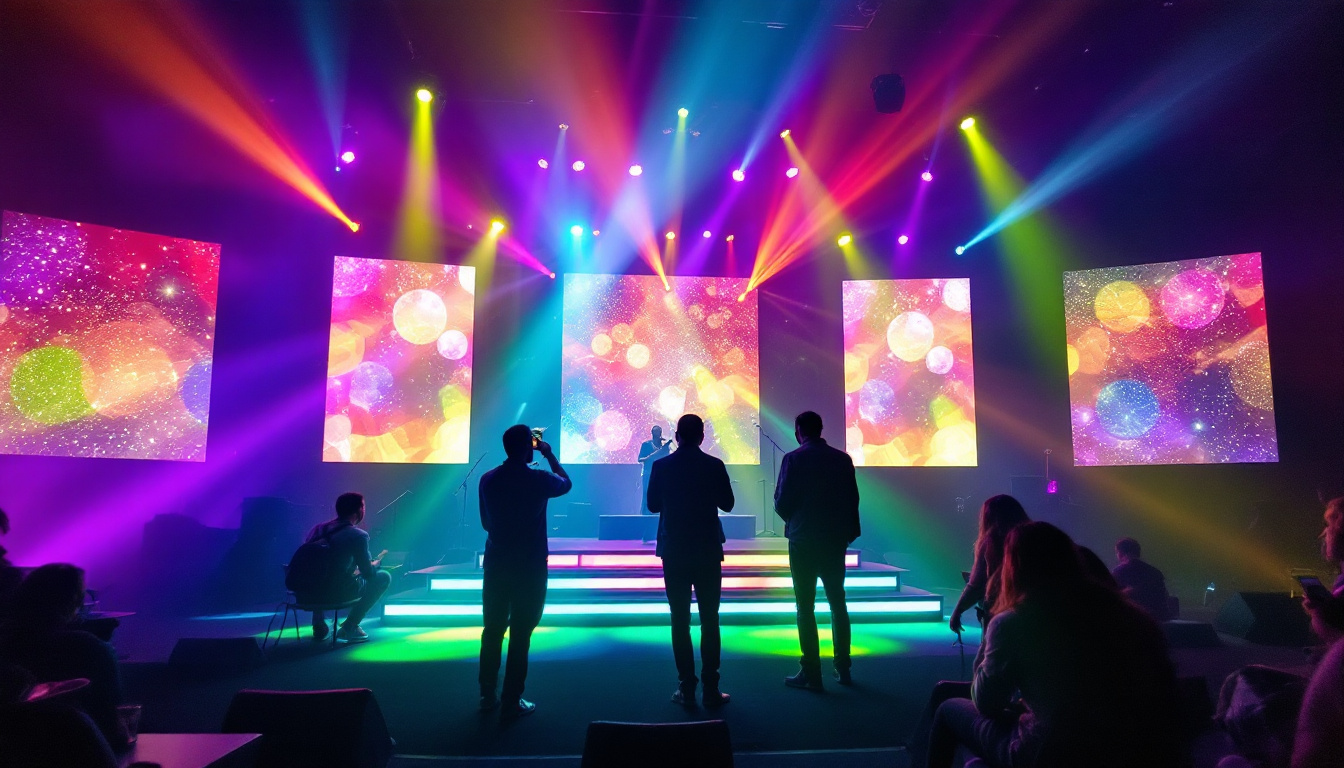
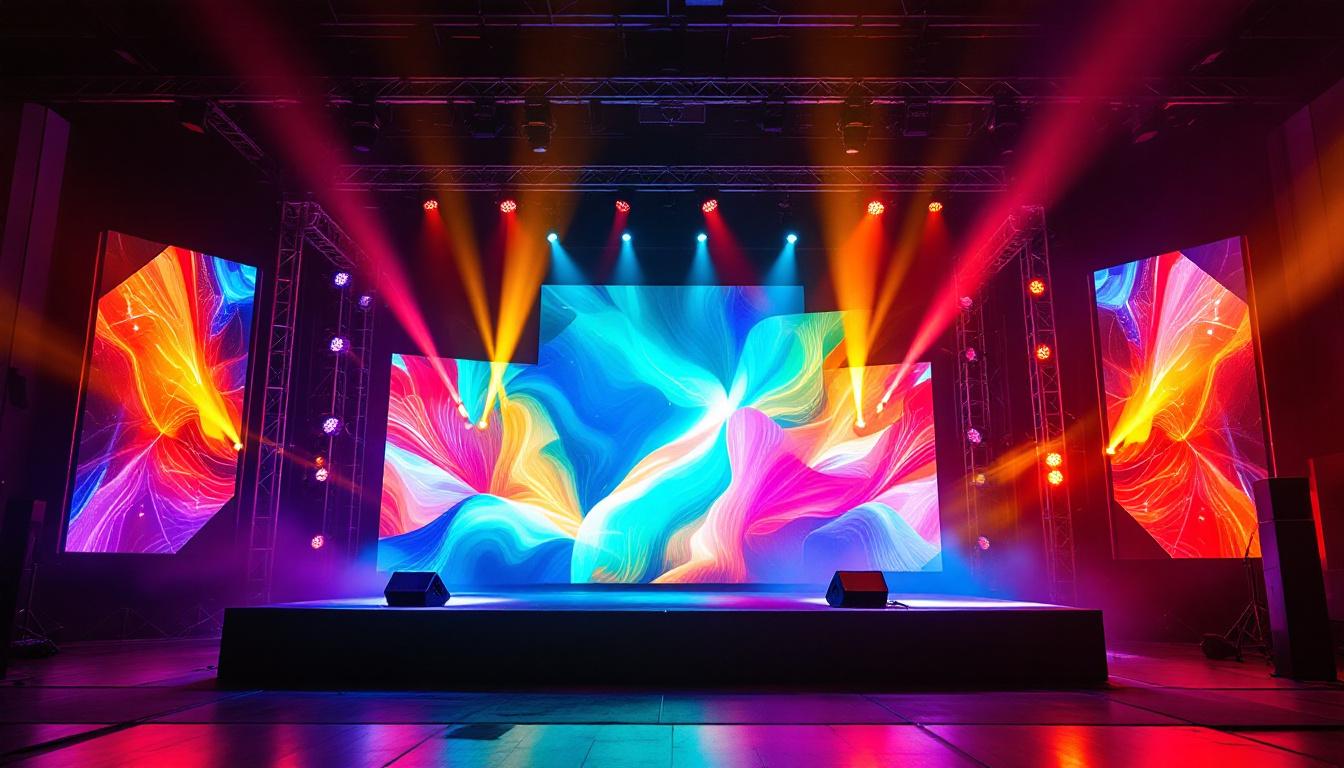
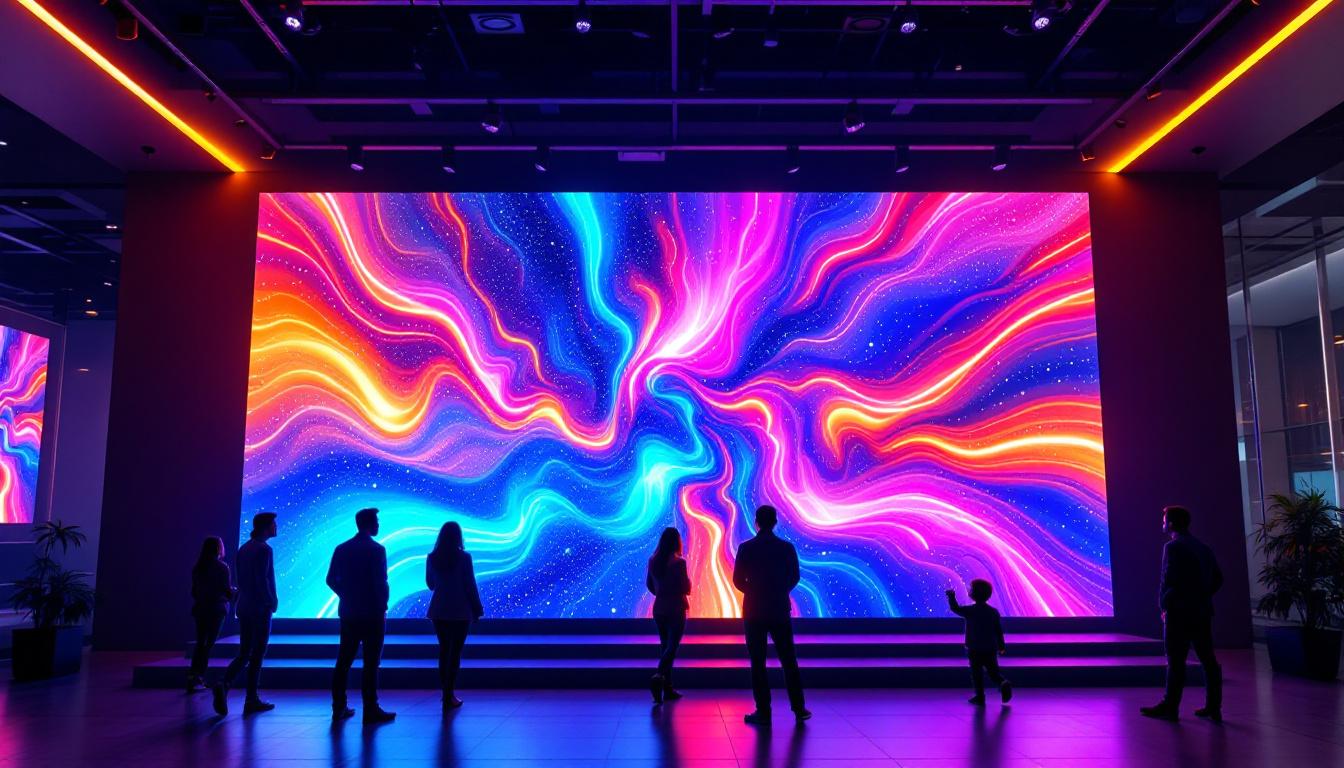
Concerts, sports arenas, and large-scale events frequently use LED walls to create immersive experiences. These displays provide vibrant backdrops, live video feeds, and dynamic content that enhance audience engagement. The versatility of LED walls allows event organizers to customize content quickly and adapt to different venues.
For example, major music festivals often deploy massive LED walls that can span tens of meters, delivering visuals that synchronize perfectly with performances, elevating the overall atmosphere. Beyond music, LED walls are also utilized in theatrical productions and live broadcasts, where they can create stunning visual effects and set designs that transport audiences into different worlds. The integration of augmented reality (AR) with LED technology further enhances these experiences, allowing for interactive elements that captivate viewers and create memorable moments.
Corporate and Control Rooms
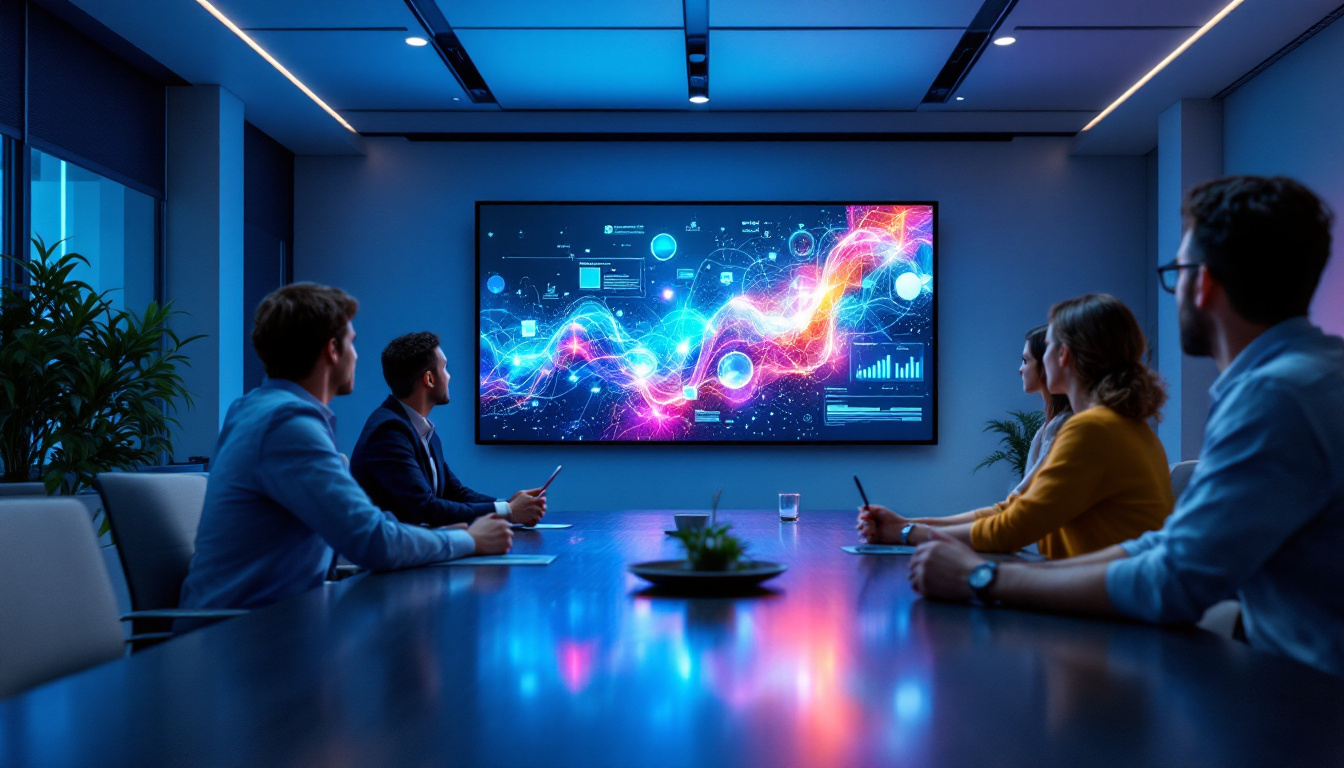
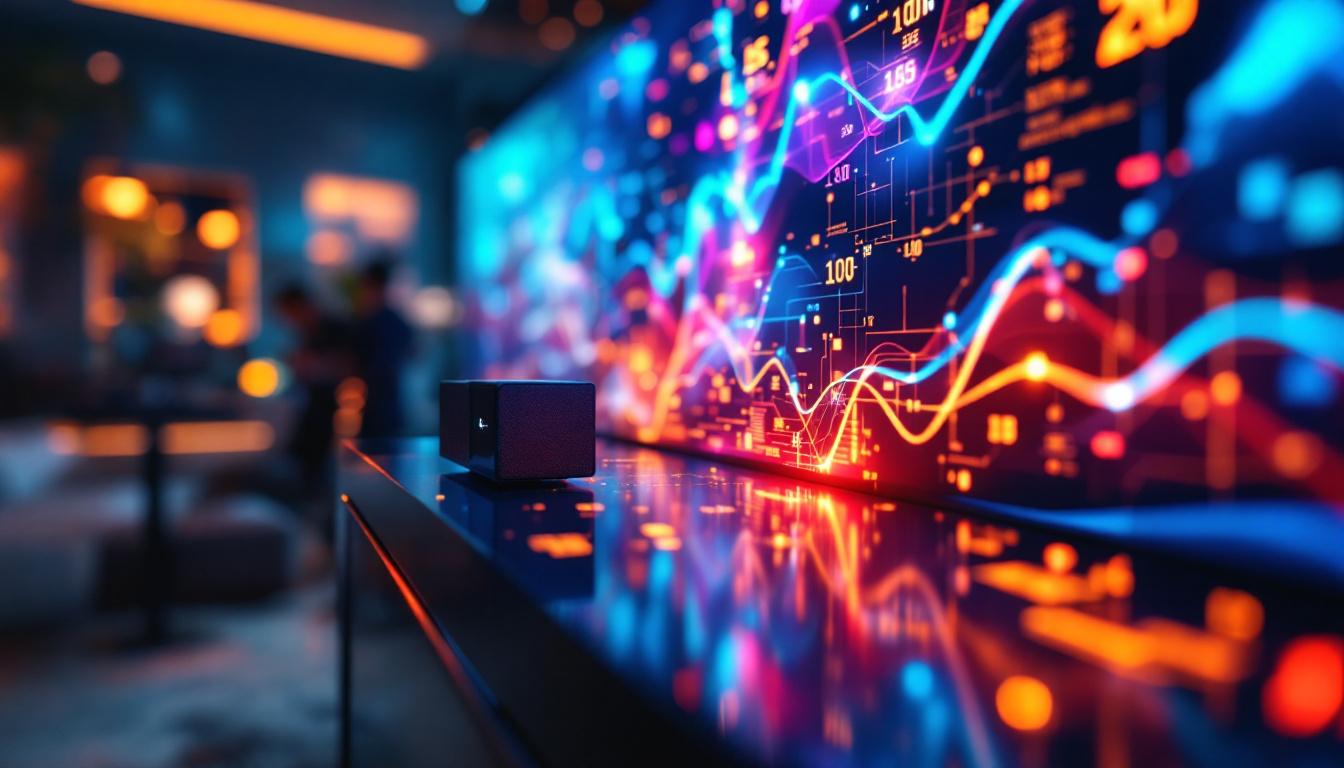
In corporate environments, LED walls serve as powerful communication tools in boardrooms, lobbies, and conference centers. Their high resolution and seamless design make them ideal for presentations, video conferencing, and data visualization. Companies are increasingly adopting LED walls to foster collaboration and innovation, using them to display real-time data analytics and project management updates that keep teams aligned and informed.
Control rooms in industries such as transportation, utilities, and security rely on LED walls for monitoring critical information. The ability to display multiple data streams simultaneously on a large, clear screen enhances situational awareness and decision-making. For instance, in a traffic management center, LED walls can showcase live feeds from various cameras, traffic patterns, and incident reports, allowing operators to respond swiftly to changing conditions. This level of integration not only improves operational efficiency but also contributes to public safety and resource management in urban environments.
Advantages of LED Walls Over Other Display Technologies
LED walls offer several distinct advantages compared to traditional LCD or projection-based displays, making them a preferred choice for many applications.
Brightness and Visibility
Because LEDs emit their own light, LED walls can achieve brightness levels far exceeding those of LCD screens. This makes them highly visible even in direct sunlight, a crucial factor for outdoor installations. Typical LED wall brightness ranges from 1,000 to over 5,000 nits, compared to 300-500 nits for standard LCD monitors.
Durability and Longevity
LED displays are built to endure challenging environments, with many outdoor LED walls featuring weatherproof and dustproof designs. Additionally, LEDs have a long lifespan, often rated at 50,000 to 100,000 hours, reducing maintenance costs and downtime.
Flexibility and Customization
The modular construction of LED walls allows for flexible sizing and aspect ratios. Unlike fixed-size LCD panels, LED modules can be assembled into curved surfaces, irregular shapes, or massive seamless screens, enabling creative and architectural freedom.
Energy Efficiency
Modern LED technology is more energy-efficient than traditional display methods. Advances in LED design and power management have significantly reduced power consumption, making LED walls a more sustainable choice for large-scale digital signage.
Considerations When Choosing an LED Wall
While LED walls offer many benefits, selecting the right solution requires careful consideration of several factors to ensure optimal performance and return on investment.
Pixel Pitch and Viewing Distance
Choosing the appropriate pixel pitch is critical. A smaller pixel pitch results in higher resolution and sharper images but comes at a higher cost. For example, a 1.5mm pixel pitch is ideal for close viewing distances under 3 meters, while a 10mm pitch suits outdoor billboards viewed from tens of meters away.
Installation Environment
The environment where the LED wall will be installed affects the choice of display. Outdoor installations require weatherproof and high-brightness panels, while indoor environments can utilize finer pixel pitches and less rugged designs.
Content Management and Control Systems
Effective content delivery is essential for maximizing the impact of an LED wall. Modern LED displays integrate with advanced control systems that allow real-time content updates, remote management, and synchronization across multiple screens.
Budget and Total Cost of Ownership
While the initial investment in LED walls can be substantial, it is important to consider the total cost of ownership, including installation, maintenance, energy consumption, and potential revenue generation. High-quality LED walls often provide better long-term value due to durability and lower operational costs.
Future Trends in LED Wall Technology
The LED display industry continues to innovate, pushing the boundaries of what is possible with digital walls. Several emerging trends are shaping the future of LED technology.
MicroLED and MiniLED Advancements
MicroLED and MiniLED technologies represent the next generation of LED displays, offering even higher resolution, improved color accuracy, and better energy efficiency. MicroLEDs, in particular, promise to combine the benefits of OLED and LED, delivering exceptional picture quality without the drawbacks of burn-in.
Interactive and Smart LED Walls
Integration of touch and gesture recognition technologies is making LED walls interactive, enabling new applications in retail, education, and corporate environments. Smart LED walls can respond to user input, display personalized content, and connect with IoT devices for enhanced functionality.
Enhanced Integration with Augmented Reality (AR)
Combining LED walls with AR technology is creating immersive environments where digital content seamlessly blends with the physical world. This integration is particularly promising for entertainment, training, and retail experiences.
Conclusion
LED walls have transformed the landscape of digital displays by offering unmatched brightness, flexibility, and visual impact. Their applications span advertising, entertainment, corporate communications, and beyond, making them indispensable tools in today’s visual-centric world.
Understanding the technology behind LED walls, their advantages, and the factors to consider when selecting a display ensures that businesses and organizations can make informed decisions that maximize the benefits of this powerful medium. As LED technology continues to advance, the possibilities for creative and effective visual communication will only expand further.
Discover LumenMatrix’s Innovative LED Display Solutions
Ready to elevate your visual communication with the latest in LED display technology? LumenMatrix is at the forefront of creating immersive and dynamic visual experiences. Whether you’re looking for Indoor LED Wall Displays, Outdoor LED Wall Displays, or specialized solutions like Vehicle, Sports, or Floor LED Displays, LumenMatrix has a tailored solution to meet your needs. Embrace the future of digital signage with our Custom, All-in-One, and Transparent LED Displays, designed to captivate your audience and amplify your message. Check out LumenMatrix LED Display Solutions today and see how we can transform your space into a vibrant canvas for storytelling and engagement.