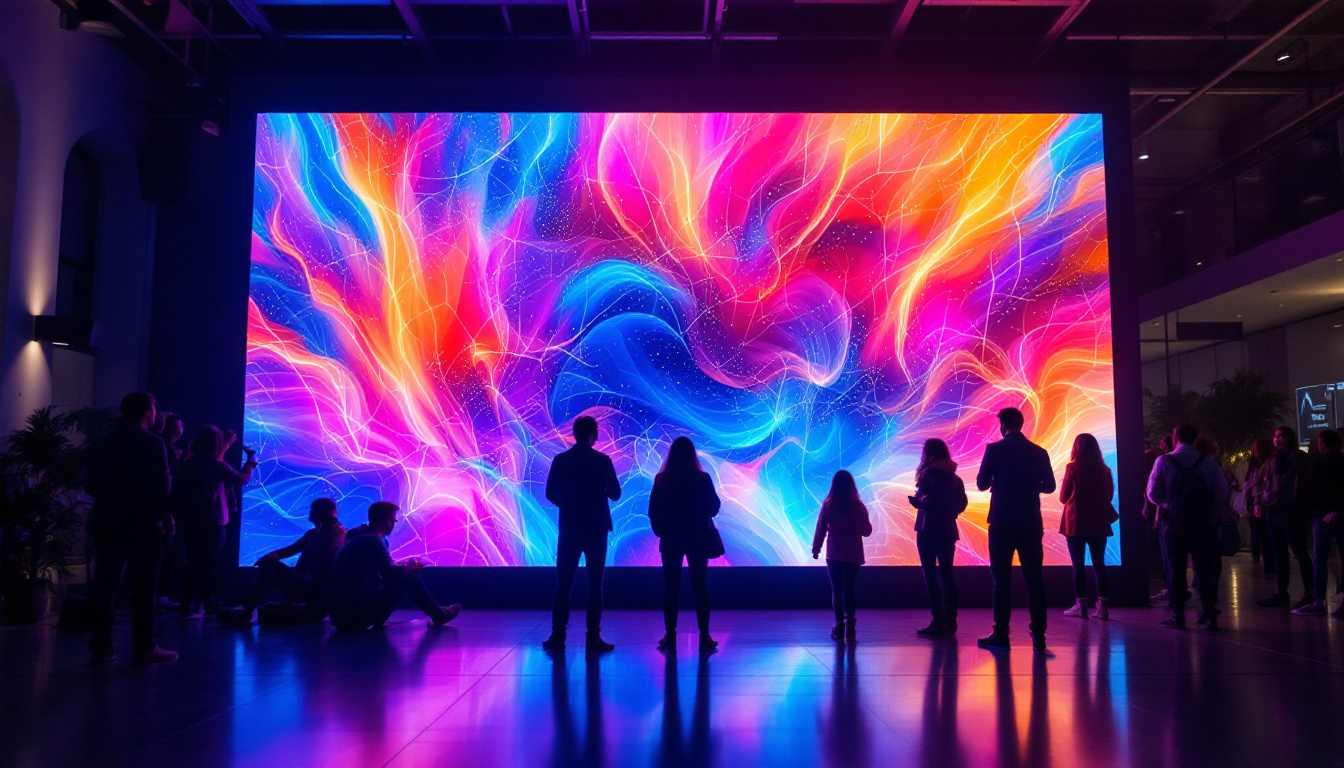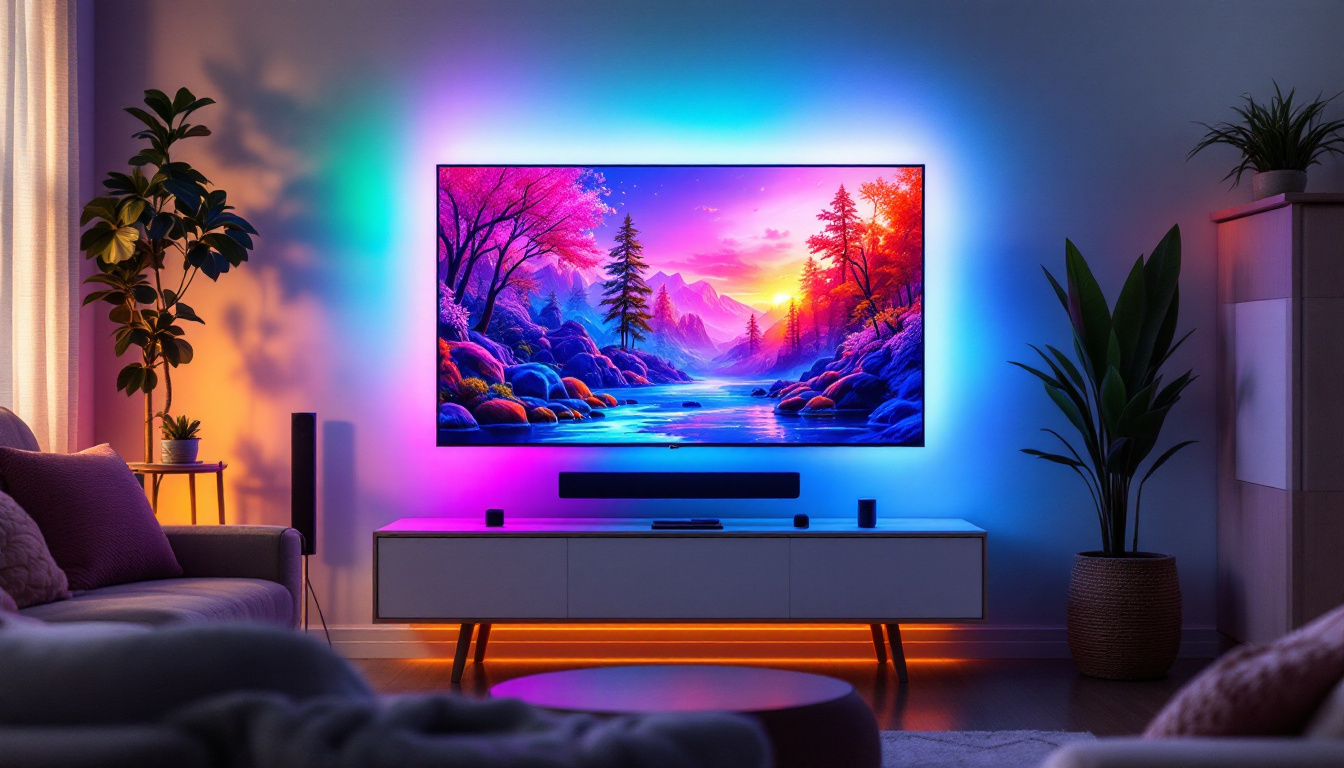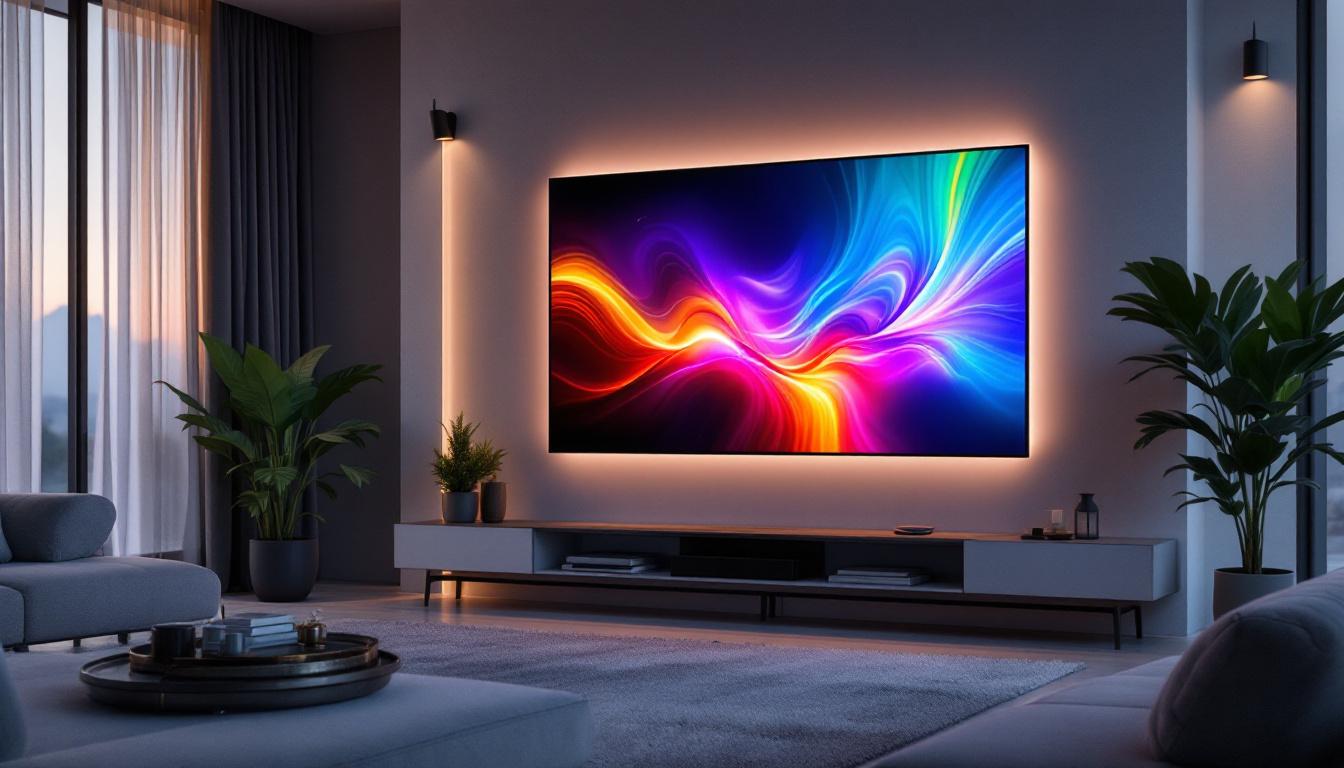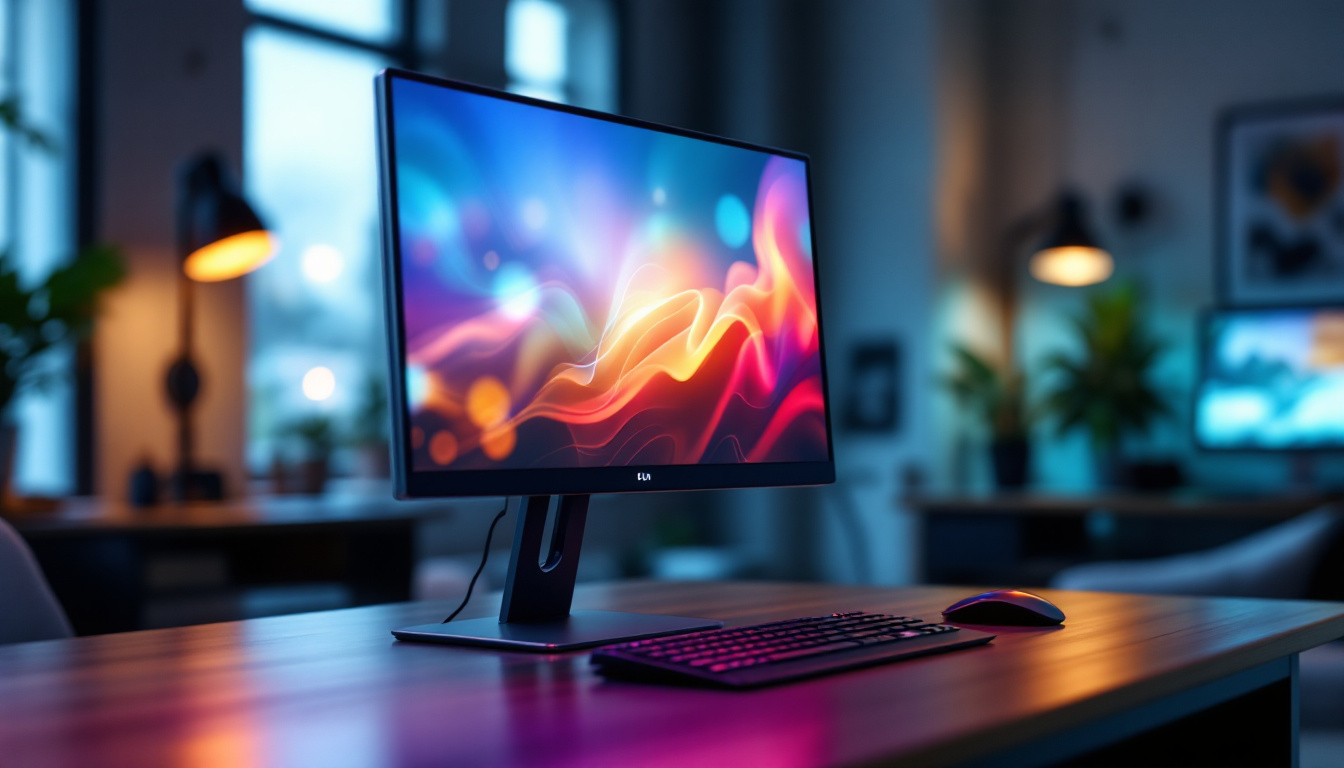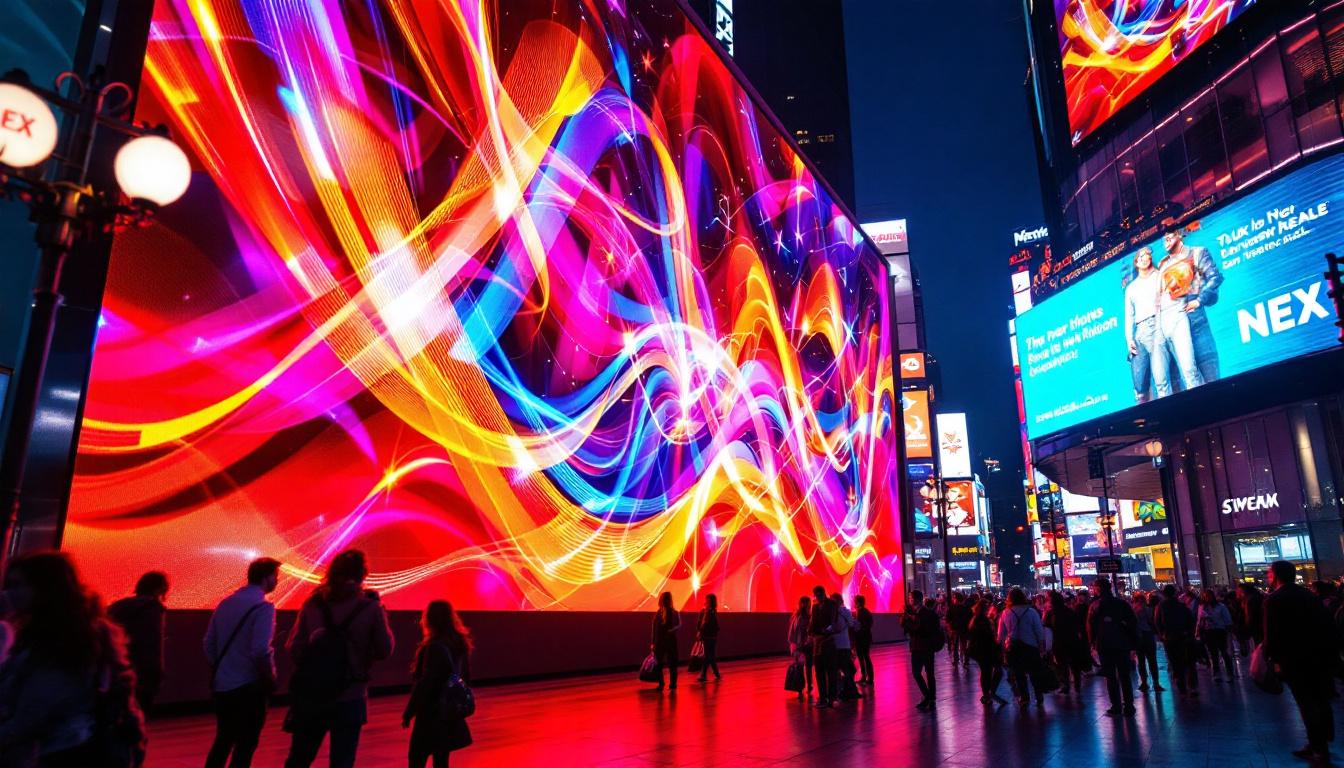
In today’s digital age, LED displays have become an integral part of how businesses, advertisers, and event organizers communicate visually. From vibrant billboards lighting up cityscapes to dynamic screens in sports arenas, LED technology offers unmatched brightness, clarity, and versatility. This article delves deep into the world of LED displays, exploring their technology, types, applications, and the specific role of MGP in advancing LED display solutions.
Understanding LED Display Technology
What is an LED Display?
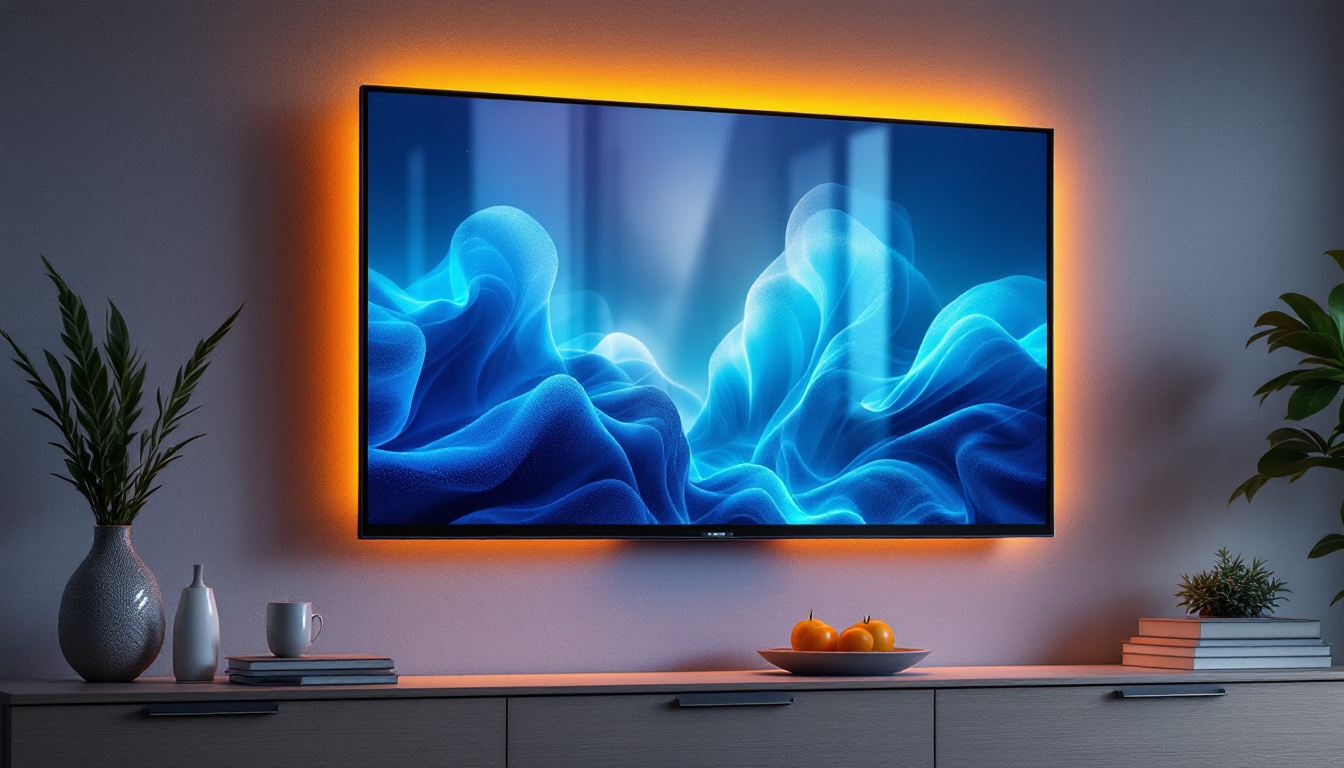
LED stands for Light Emitting Diode, a semiconductor device that emits light when an electric current passes through it. An LED display is essentially a matrix of these tiny diodes arranged in a grid to form images, videos, or text. Unlike traditional display technologies such as LCD or plasma, LED displays produce their own light, which results in higher brightness and better contrast ratios.
The core advantage of LED displays lies in their ability to deliver vivid, high-resolution visuals even in bright outdoor environments. This makes them the preferred choice for outdoor advertising, stadium screens, and public information boards where visibility is crucial regardless of ambient lighting conditions.
How Do LED Displays Work?
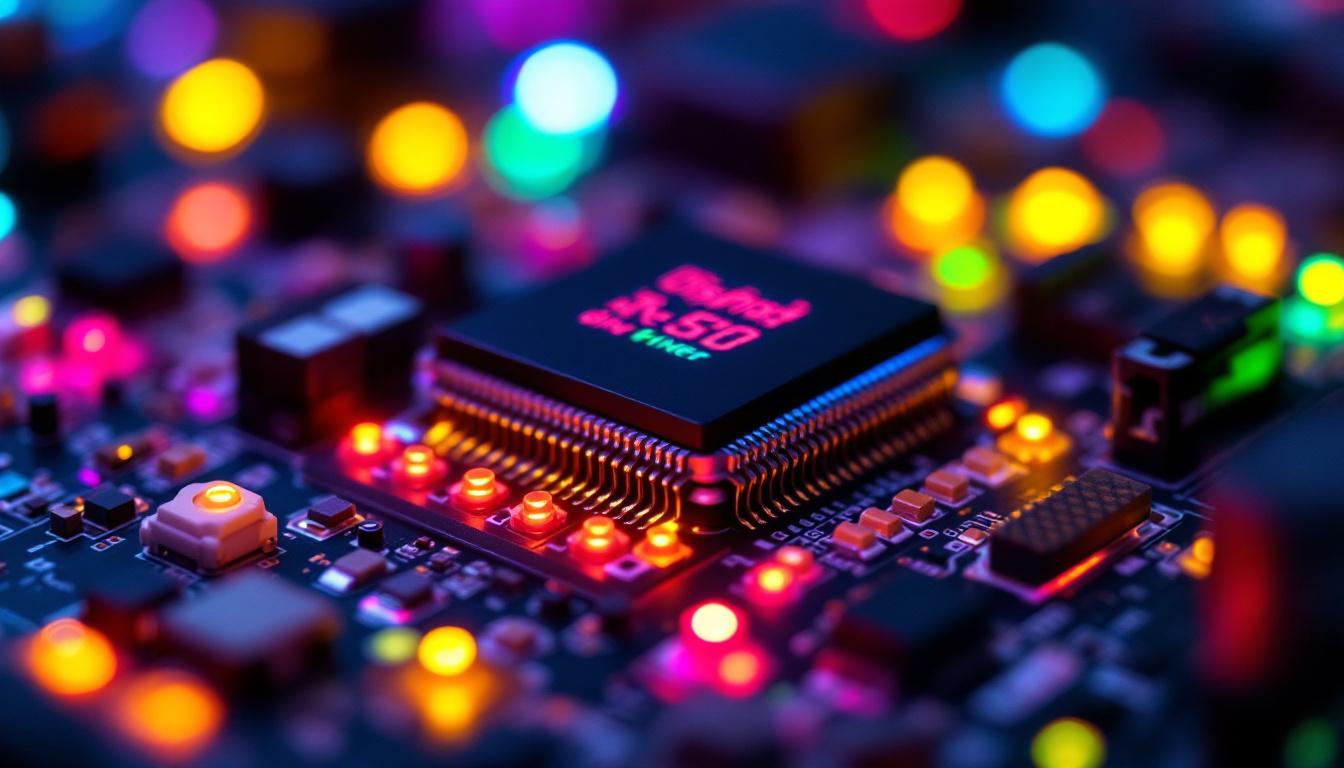
Each pixel on an LED display is composed of one or more LEDs, typically red, green, and blue (RGB). By varying the intensity of these three colors, the display can reproduce a wide spectrum of colors. The pixels are controlled by a driver circuit that processes input signals from video sources, converting them into electrical signals that modulate the brightness of each LED.
Modern LED displays use advanced control systems and software to ensure seamless image quality. These systems manage color calibration, refresh rates, and synchronization, allowing for smooth video playback and sharp images. Additionally, the modular design of LED panels means that displays can be scaled up or down easily, accommodating a variety of sizes and shapes.
The Role of MGP in LED Display Technology
Who is MGP?
MGP is a leading manufacturer and innovator in the field of LED display technology. With decades of experience, MGP has established itself as a trusted provider of high-quality LED display solutions for a wide range of industries. The company is known for integrating cutting-edge technology with robust manufacturing processes to deliver products that meet rigorous performance and durability standards.
MGP’s commitment to research and development has led to several advancements in LED display technology, including improved energy efficiency, enhanced color accuracy, and innovative modular designs. Their products cater to diverse applications, from commercial advertising to transportation hubs and large-scale event venues.
MGP’s Innovations and Product Range
MGP offers a comprehensive range of LED display products, including indoor and outdoor displays, transparent LED screens, and flexible LED panels. One notable innovation is their development of ultra-high-definition (UHD) LED displays, which provide exceptional pixel density and image clarity, rivaling traditional LCD and OLED screens.
Energy efficiency is another area where MGP has made significant strides. Their latest LED modules consume up to 30% less power compared to conventional models, reducing operational costs and environmental impact. Additionally, MGP’s displays are designed with weather-resistant materials and advanced cooling systems to ensure reliable performance in harsh outdoor conditions.
Types of LED Displays and Their Applications
Indoor LED Displays
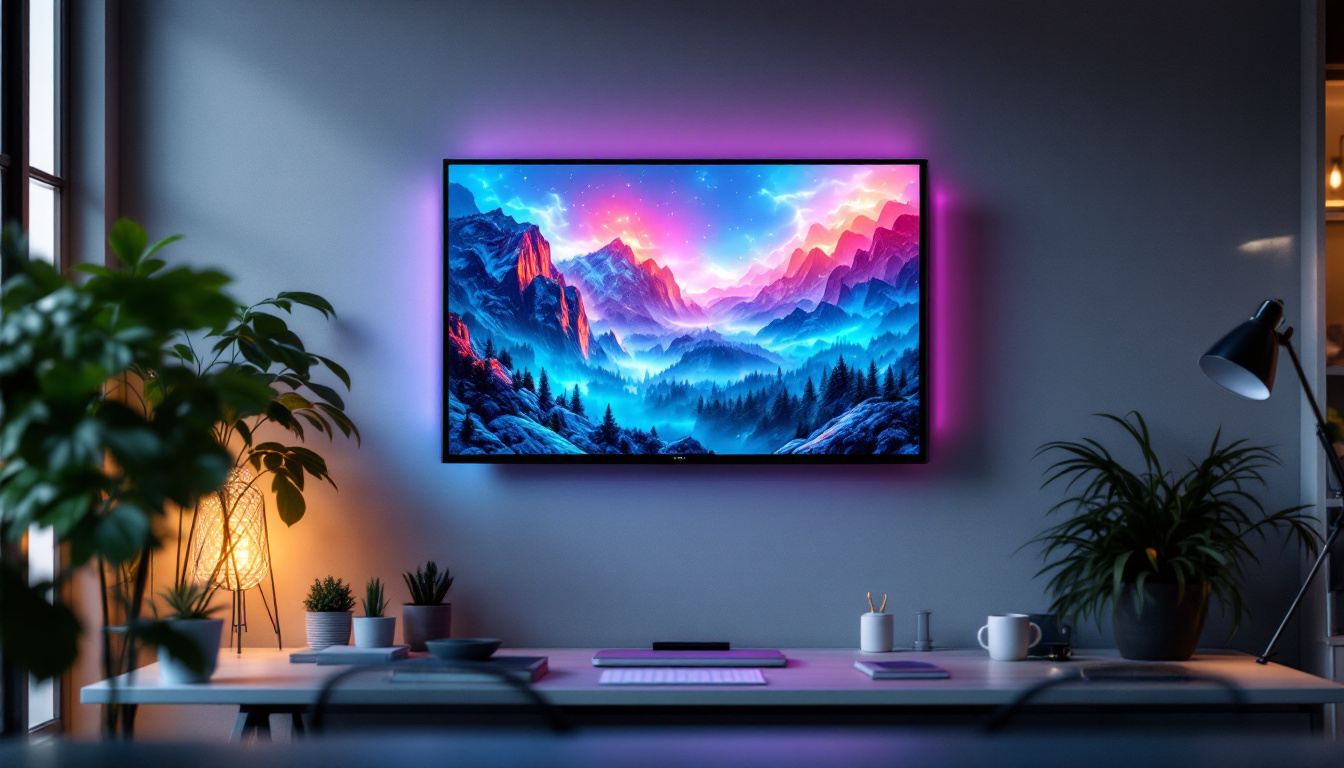
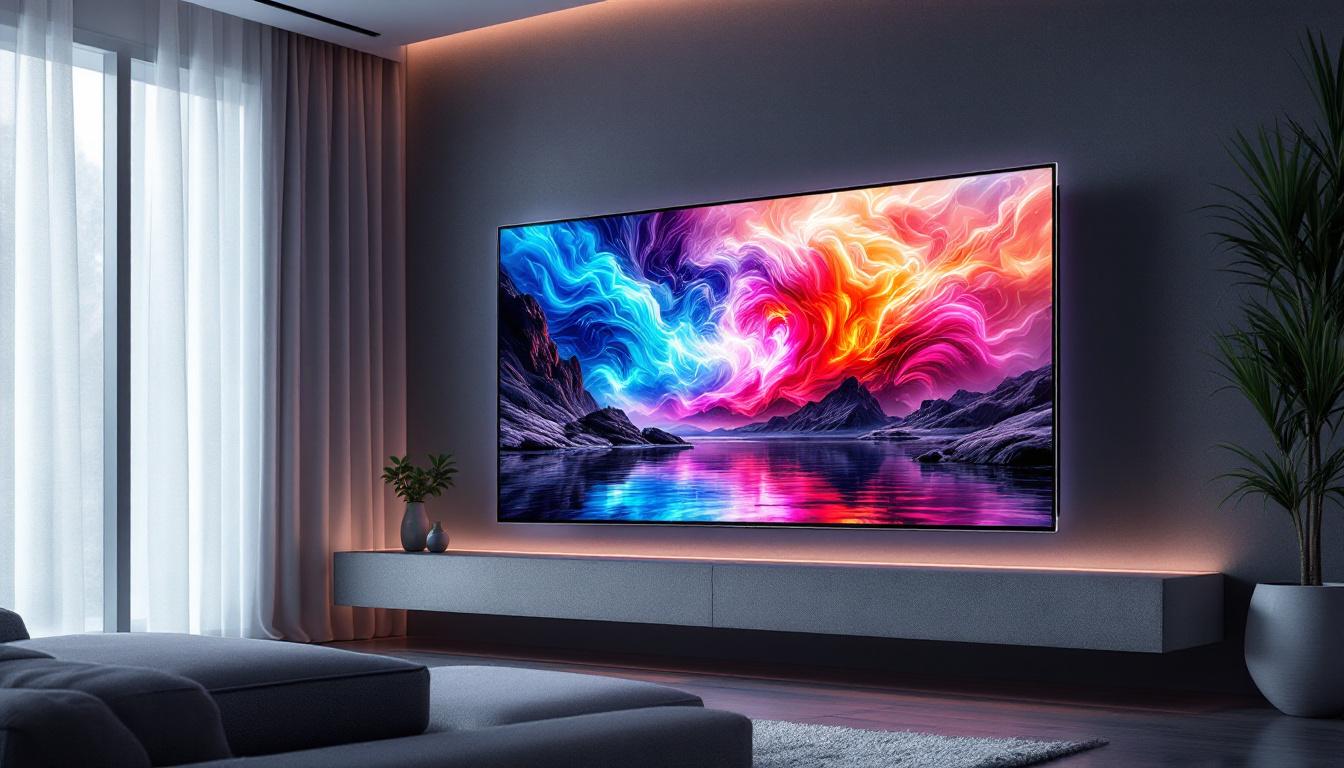
Indoor LED displays are commonly used in retail stores, corporate offices, conference rooms, and entertainment venues. These displays typically feature smaller pixel pitches, ranging from 0.9mm to 4mm, allowing for close viewing distances and high-resolution content.
Applications include digital signage, video walls, interactive kiosks, and control room displays. Indoor LED panels offer excellent color reproduction and uniform brightness, enhancing the visual experience in environments where image quality is paramount.
Outdoor LED Displays
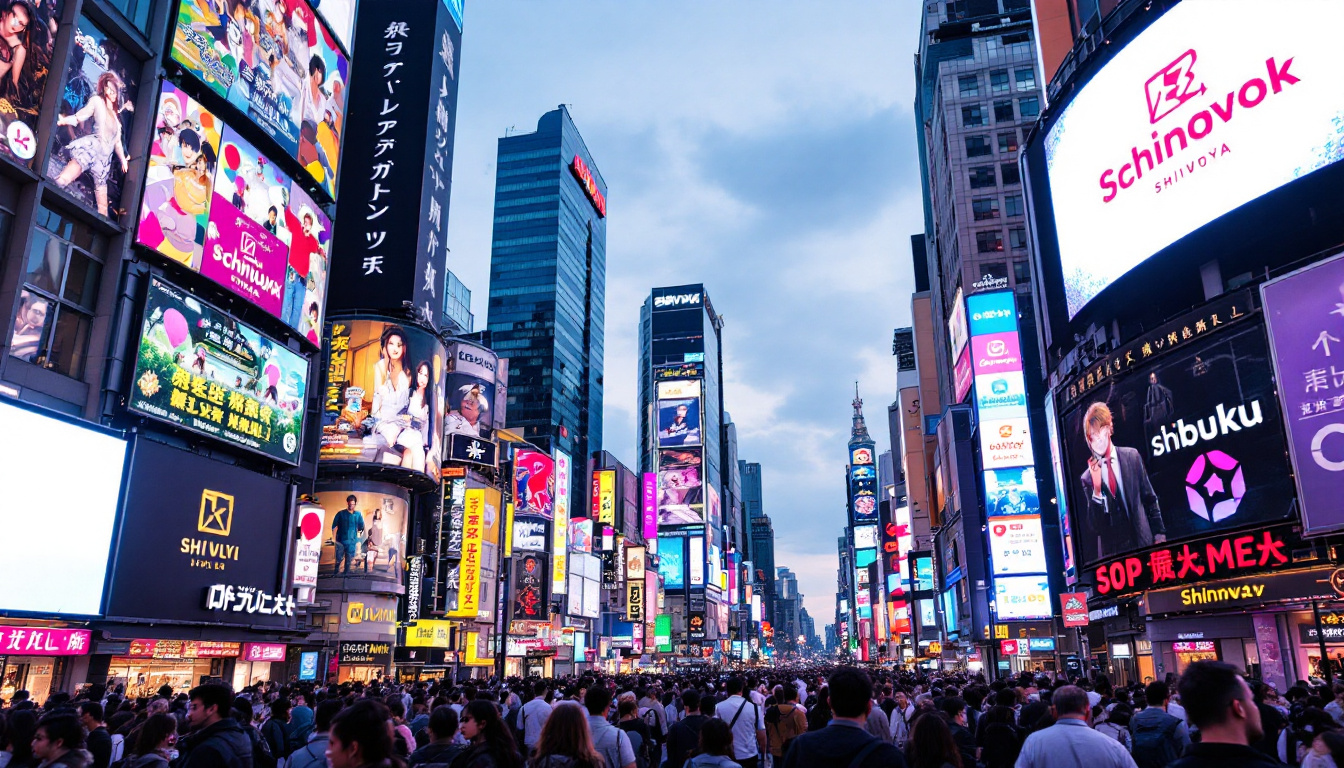
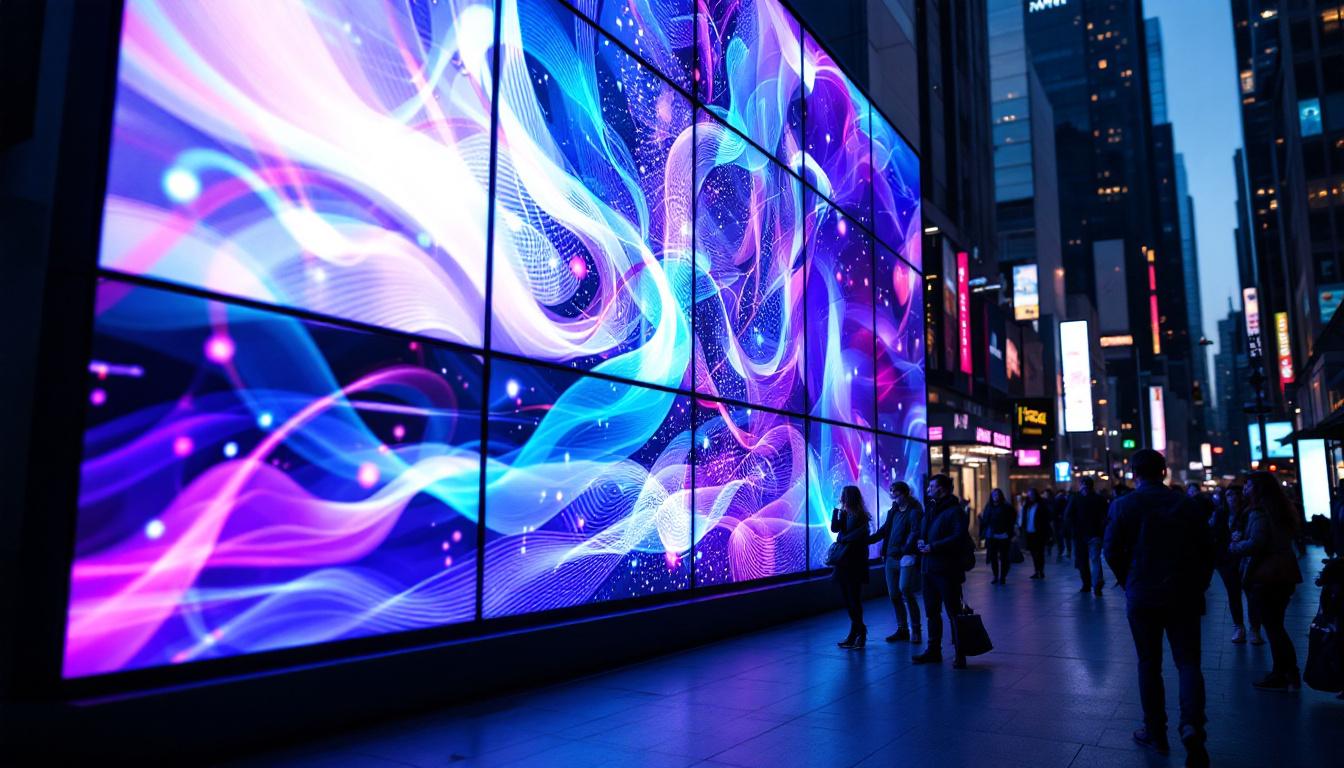
Outdoor LED displays are designed to withstand environmental factors such as rain, dust, and extreme temperatures. They feature larger pixel pitches, often between 4mm and 20mm, to ensure visibility from greater distances. These displays are used for billboards, sports stadiums, transportation signage, and public information systems.
One key challenge for outdoor LED displays is maintaining brightness levels that can compete with direct sunlight. MGP’s outdoor LED products incorporate high-brightness LEDs and specialized coatings to maximize visibility while minimizing glare.
Specialized LED Displays
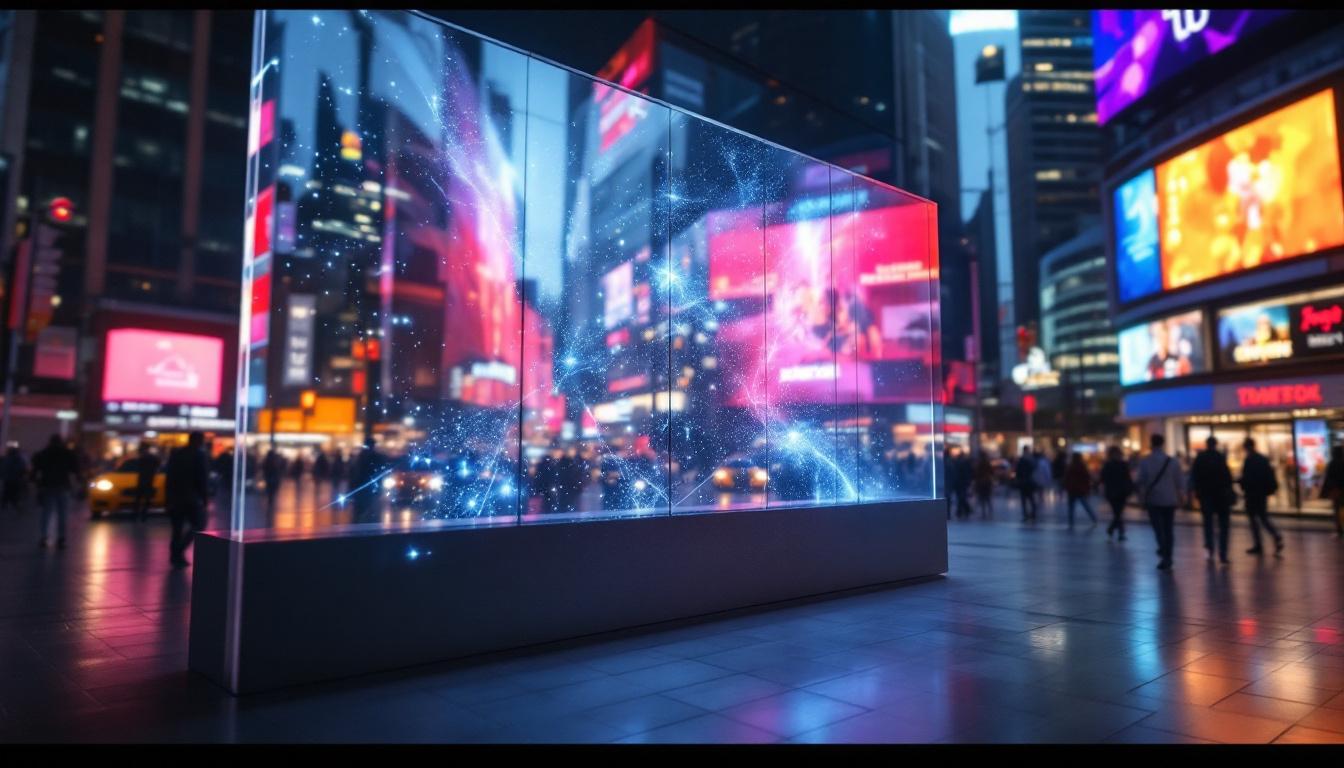
Beyond standard indoor and outdoor screens, there are specialized LED displays designed for unique applications. Transparent LED displays, for example, allow light to pass through the screen, making them ideal for retail storefronts and architectural installations where maintaining visibility through the glass is important.
Flexible LED displays can be bent or curved, enabling creative installations on irregular surfaces or in immersive environments such as museums and themed attractions. MGP’s flexible LED solutions combine durability with high image quality, opening new possibilities for digital design.
Benefits of LED Displays Over Other Technologies
Superior Brightness and Visibility
One of the most significant advantages of LED displays is their superior brightness. LED technology can achieve brightness levels upwards of 5,000 nits, far exceeding the typical 300-500 nits of LCD screens. This makes LED displays highly effective for outdoor and brightly lit indoor environments.
Moreover, LEDs provide excellent contrast ratios, resulting in deeper blacks and more vibrant colors. This enhances the overall viewing experience, making content more engaging and easier to read from a distance.
Energy Efficiency and Longevity
LED displays are more energy-efficient than many other display technologies. They consume less power because each LED emits light directly, eliminating the need for backlighting used in LCDs. This efficiency translates to lower operating costs and a smaller carbon footprint.
In addition, LEDs have a longer lifespan, often rated for 50,000 to 100,000 hours of operation. This durability reduces maintenance requirements and replacement costs, making LED displays a cost-effective investment over time.
Flexibility and Scalability
LED displays are highly modular, allowing for flexible configurations and scalability. Panels can be combined to create screens of virtually any size or shape, from small digital signs to massive video walls spanning thousands of square feet.
This adaptability makes LED displays suitable for a wide range of environments and purposes. Whether it’s a compact indoor display or a sprawling outdoor billboard, LED technology can be tailored to meet specific needs.
Key Considerations When Choosing an LED Display
Pixel Pitch and Resolution
Pixel pitch refers to the distance between the centers of adjacent pixels, measured in millimeters. A smaller pixel pitch means higher resolution and sharper images, which is critical for indoor displays viewed up close. Conversely, outdoor displays typically use larger pixel pitches since viewers are farther away.
Choosing the right pixel pitch depends on the intended viewing distance and content requirements. For example, a retail store might opt for a 1.5mm pitch display for crisp visuals, while a highway billboard could use a 10mm pitch for visibility from hundreds of feet away.
Brightness and Viewing Angle
Brightness is a crucial factor, especially for outdoor applications. Displays must be bright enough to remain visible in direct sunlight without causing glare or eye strain. MGP’s LED displays often feature brightness levels between 5,000 and 7,000 nits for optimal outdoor performance.
The viewing angle is another important consideration. A wide viewing angle ensures that the content is visible and clear from various positions, which is essential in public spaces and large venues.
Durability and Weather Resistance
For outdoor LED displays, durability is paramount. Displays must resist moisture, dust, temperature extremes, and physical impacts. Look for displays with an IP65 or higher rating, indicating protection against water and dust ingress.
MGP’s outdoor LED products incorporate robust materials and protective coatings to ensure longevity and consistent performance in challenging environments.
Future Trends in LED Display Technology
Mini-LED and Micro-LED Innovations
Emerging technologies like mini-LED and micro-LED are pushing the boundaries of LED display performance. Mini-LED uses thousands of tiny LEDs as backlighting for LCD screens, offering improved contrast and brightness. Micro-LED, on the other hand, involves microscopic LEDs that can be individually controlled, enabling ultra-high resolution and superior color accuracy without the need for backlighting.
MGP is actively exploring these technologies to develop next-generation displays that combine the benefits of LED with enhanced image quality and energy efficiency.
Integration with Smart Technologies
LED displays are increasingly being integrated with smart technologies such as IoT (Internet of Things) and AI (Artificial Intelligence). This integration allows for dynamic content management, real-time data display, and interactive features that enhance user engagement.
For instance, smart LED displays can adjust brightness automatically based on ambient light or display personalized advertisements triggered by audience demographics. MGP’s solutions are designed to be compatible with these intelligent systems, enabling more effective and adaptive communication strategies.
Sustainability and Eco-Friendly Design
As environmental concerns grow, manufacturers like MGP are prioritizing sustainability in LED display design. This includes using recyclable materials, reducing power consumption, and implementing manufacturing processes that minimize waste.
Eco-friendly LED displays not only reduce environmental impact but also appeal to businesses and consumers who value corporate social responsibility. The trend toward greener technology is expected to drive innovation and adoption in the LED display market.
Conclusion
LED displays have revolutionized visual communication by offering unparalleled brightness, flexibility, and energy efficiency. With companies like MGP leading the charge in innovation, the future of LED technology looks brighter than ever. Whether for advertising, entertainment, or information dissemination, understanding the fundamentals of LED displays and the advancements spearheaded by industry leaders is essential for making informed decisions.
As LED technology continues to evolve, embracing these advancements will enable businesses and organizations to create more impactful, engaging, and sustainable visual experiences.
Discover LumenMatrix’s Innovative LED Solutions
Ready to elevate your visual communication strategy with cutting-edge LED technology? Explore LumenMatrix’s comprehensive suite of LED display modules, designed to captivate your audience and amplify your brand’s message. From vibrant Indoor and Outdoor LED Wall Displays to dynamic Vehicle and Sports LED Displays, LumenMatrix offers tailored solutions that promise to revolutionize your digital signage experience. Embrace the future of visual engagement with our state-of-the-art LED displays. Check out LumenMatrix LED Display Solutions today and transform your space into a beacon of innovation.