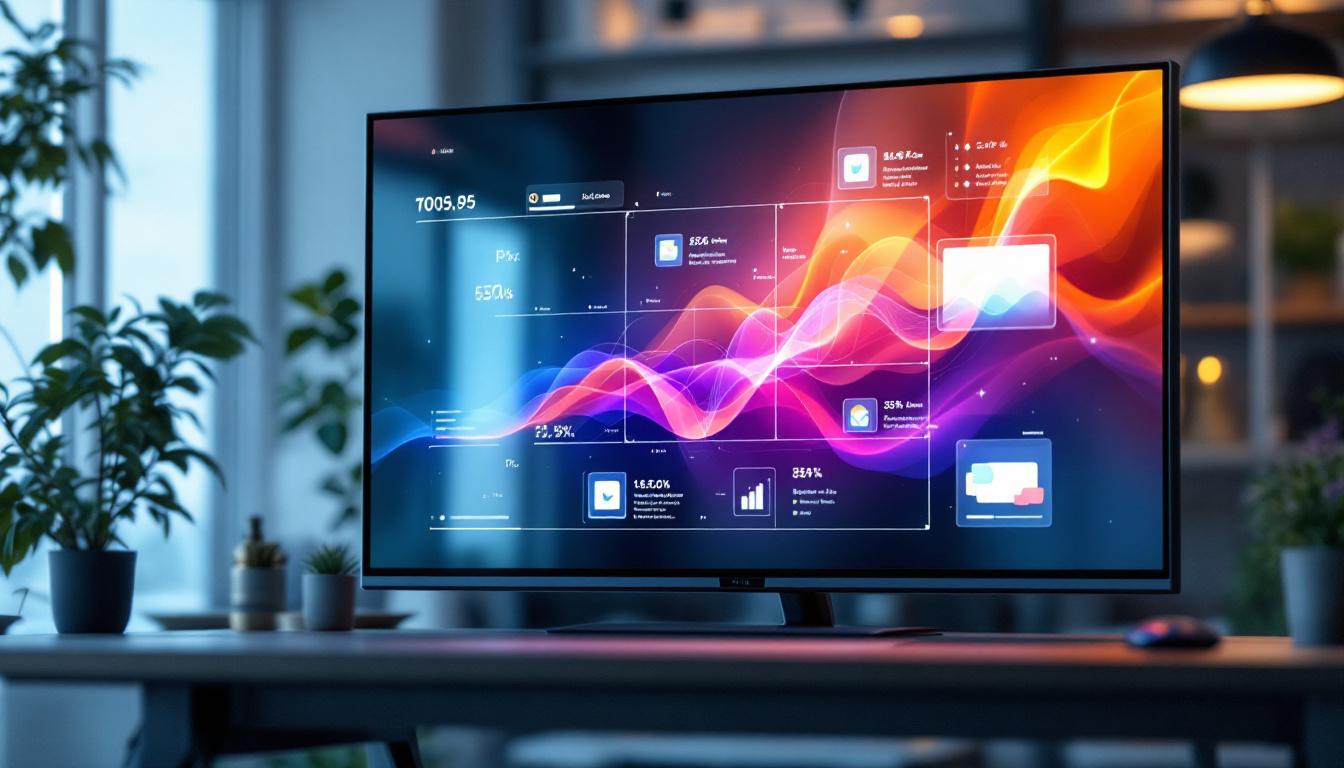
In today’s fast-evolving world of visual technology, interactive projector screens and LED displays have become central tools in education, business, and entertainment. These technologies transform how audiences engage with content, offering dynamic, immersive experiences that go far beyond traditional static displays. This article delves into the intricacies of interactive projector screens and LED displays, explaining their technologies, benefits, and practical applications to help you understand why they are reshaping the way we present and interact with visual information.
Understanding Interactive Projector Screens
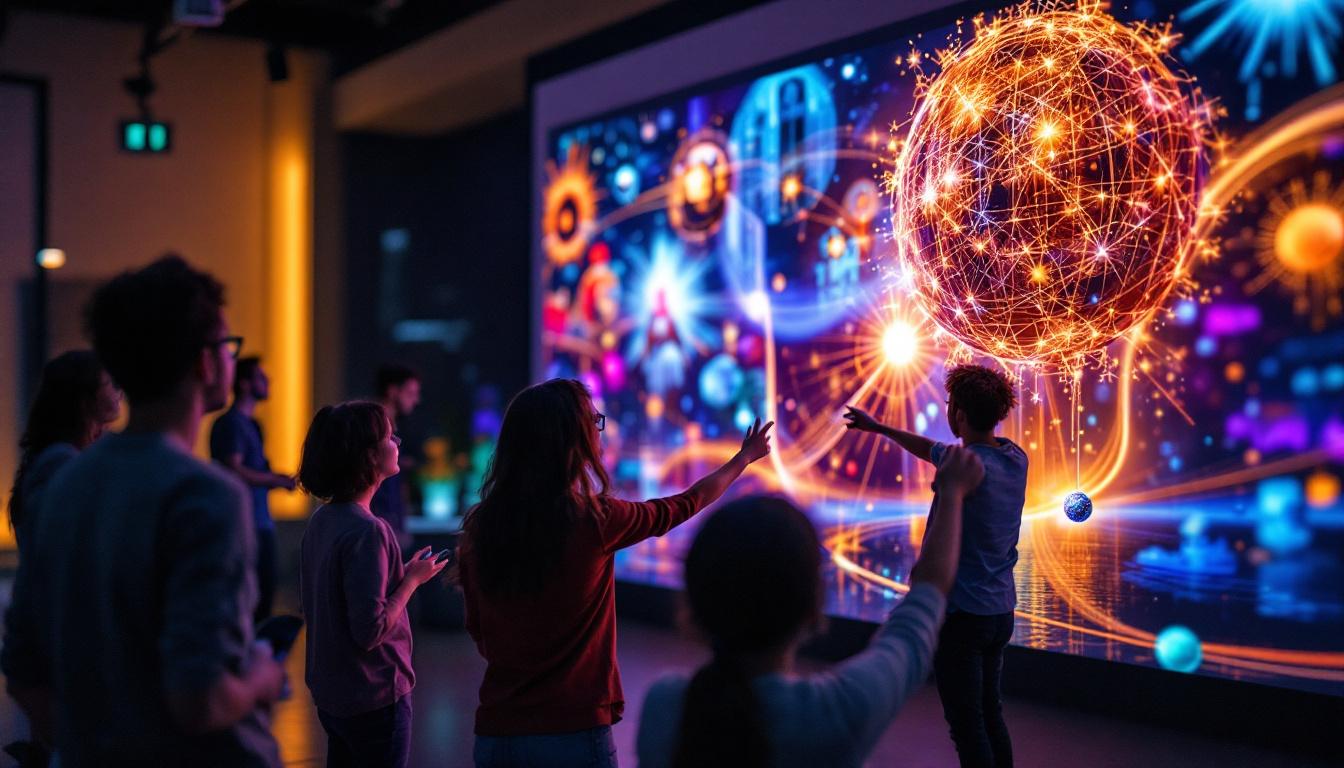
Interactive projector screens are specialized surfaces designed to work in tandem with projectors that have interactive capabilities. Unlike conventional projector screens, these screens allow users to interact directly with the projected image, turning any presentation into a hands-on experience. This interactivity not only enhances engagement but also fosters a collaborative environment, making them particularly popular in educational settings and corporate training sessions.
How Do Interactive Projector Screens Work?
At their core, interactive projector systems combine a digital projector with an interactive surface, which can be a touch-sensitive screen or a specially coated projection surface. The projector casts an image onto the screen, while sensors detect touch, pen, or stylus inputs from users. This input is then translated into commands that manipulate the projected content in real time. The seamless integration of hardware and software allows for a fluid experience where users can annotate, highlight, and navigate through presentations with ease.
There are several technologies behind this interactivity, including infrared sensors, capacitive touch, and optical tracking. For example, infrared-based systems use a grid of invisible IR light beams across the screen surface; when a finger or stylus breaks these beams, the system registers the exact location of the touch. Capacitive touch systems, on the other hand, detect changes in electrical fields, providing a more responsive touch experience similar to that of smartphones and tablets. Optical tracking systems utilize cameras to monitor movements, allowing for gesture-based controls that can enhance the user experience even further.
Types of Interactive Projector Screens
Interactive projector screens come in various forms, tailored to different environments and uses:
- Touch-sensitive screens: These screens respond to finger or stylus touch, ideal for classrooms and collaborative workspaces.
- Interactive whiteboards: Often used in education, these combine a projector with a whiteboard surface, allowing users to write or draw digitally.
- Rear-projection interactive screens: These screens enable interaction from the front without shadows or glare, enhancing visibility in bright rooms.
Choosing the right type depends on factors such as room lighting, user needs, and budget. Additionally, the size and resolution of the screen can significantly impact the effectiveness of the interactive experience. Larger screens are often preferred for group settings, as they allow multiple users to engage simultaneously without crowding. Furthermore, the integration of software solutions that support collaborative tools, such as shared whiteboarding or real-time editing, can elevate the functionality of these screens, making them indispensable in modern educational and professional environments.
LED Displays: The Modern Visual Powerhouse
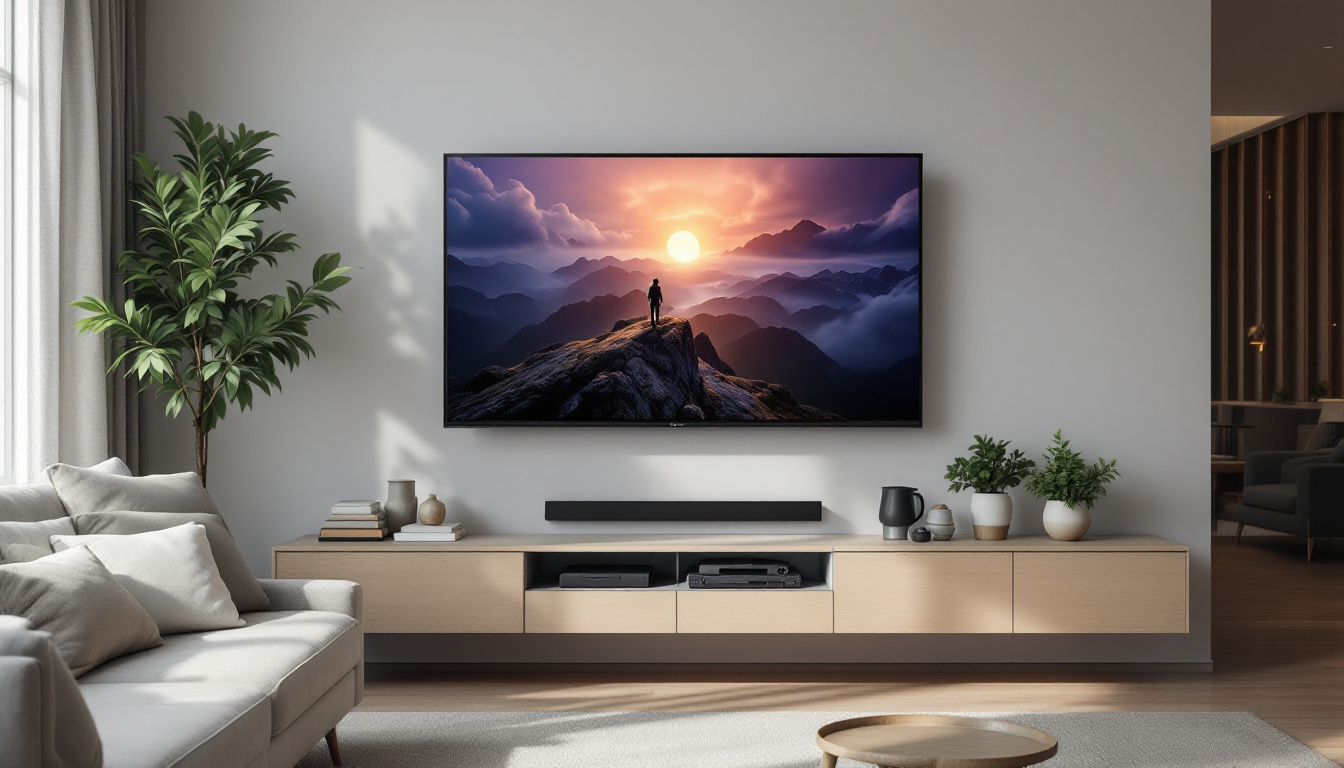
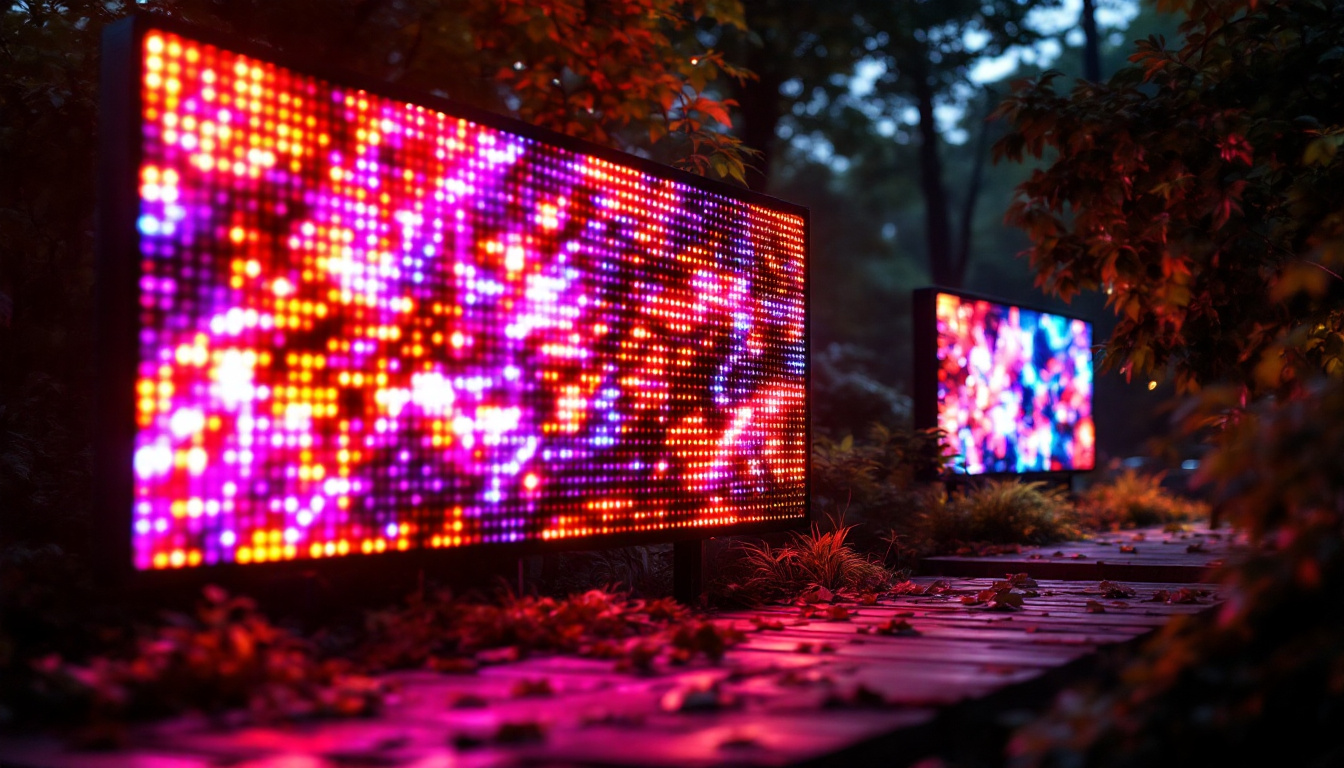
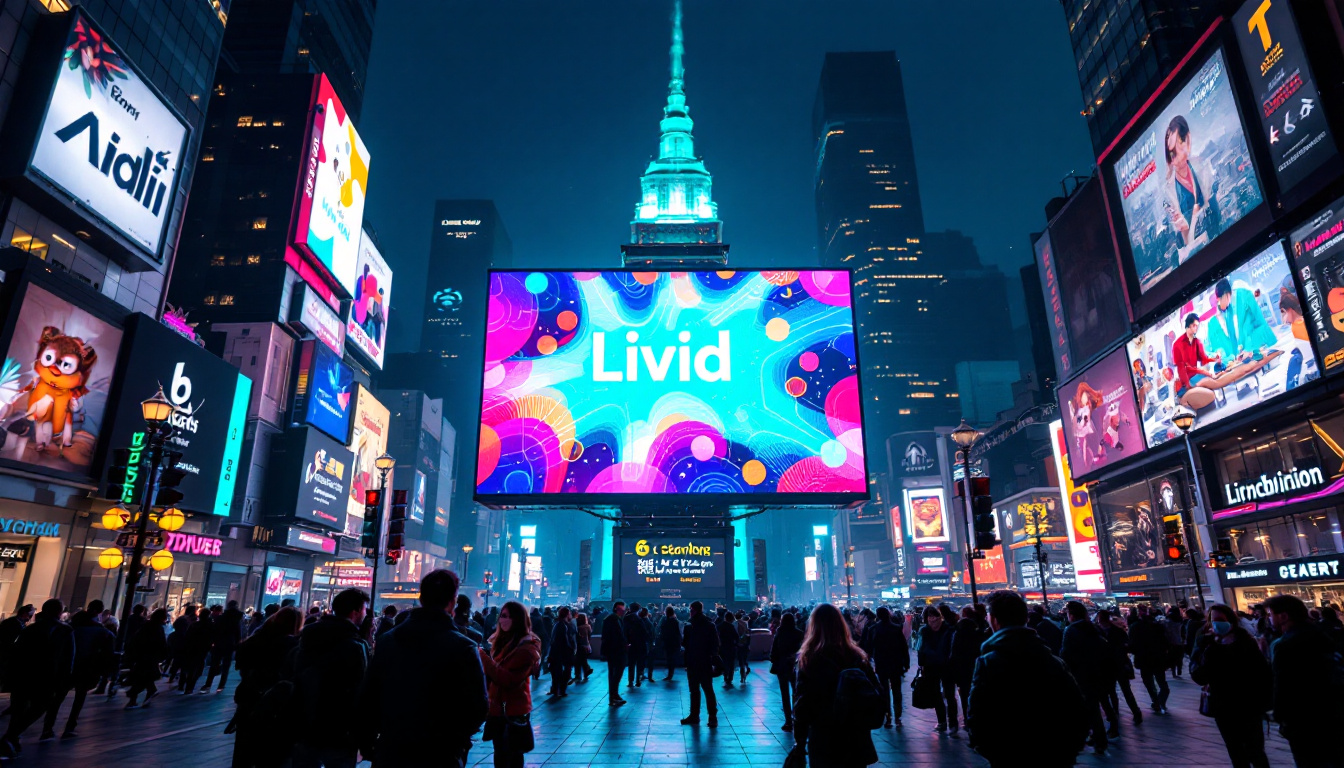
LED (Light Emitting Diode) displays have revolutionized digital signage and large-format displays. Unlike projector-based systems, LED displays use an array of tiny LEDs to produce bright, vivid images directly on the screen surface.
How LED Displays Work
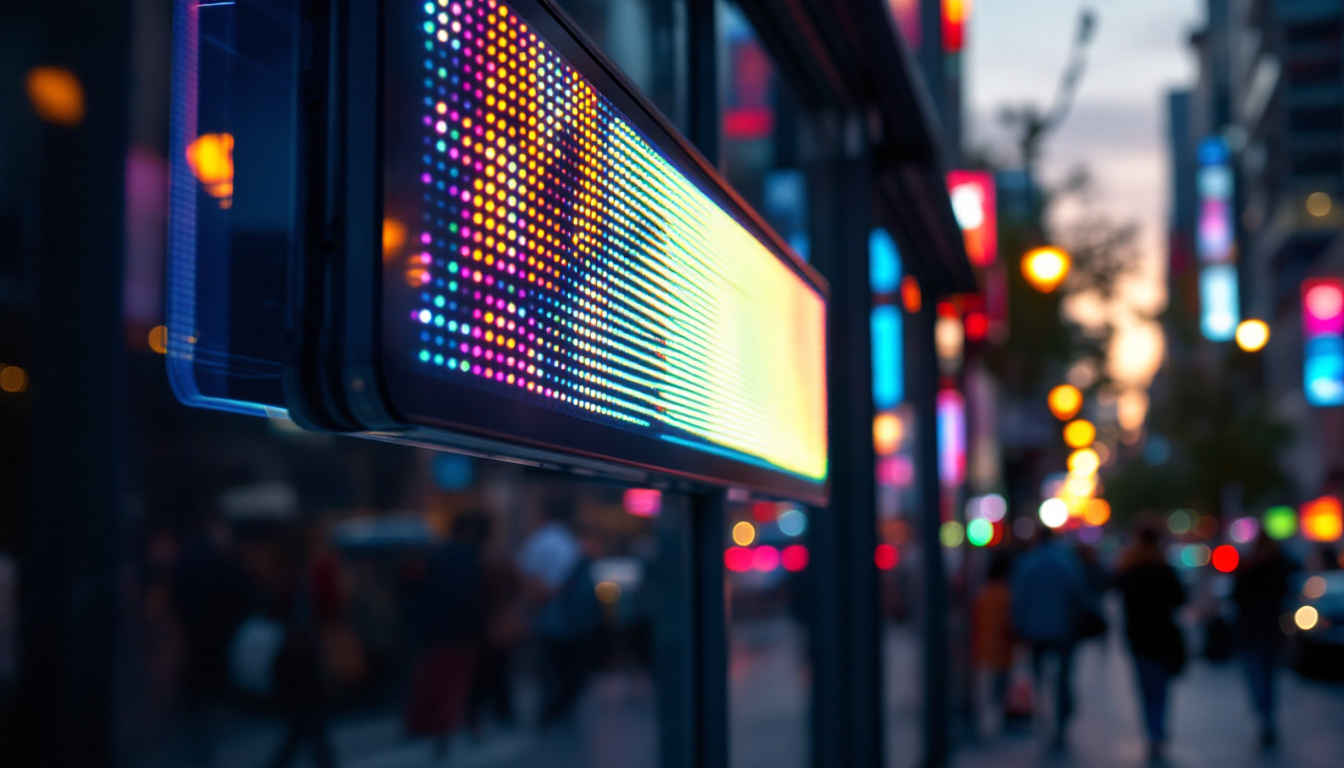
Each pixel on an LED display consists of red, green, and blue diodes that combine to create a full spectrum of colors. By adjusting the brightness of each diode, the display can render detailed images with high contrast and vibrant colors.
LED displays can be configured as:
- Direct-view LED screens: These are composed of modular panels that can be assembled into any size or shape, from small indoor monitors to massive outdoor billboards.
- MicroLED and MiniLED: Advanced forms of LED technology offering higher pixel density and improved brightness, suitable for premium displays.
Advantages of LED Displays Over Traditional Projectors
LED displays offer several significant benefits compared to projector-based systems:
- Brightness and visibility: LED displays can reach brightness levels of over 1,500 nits, making them clearly visible even in direct sunlight or brightly lit rooms.
- Color accuracy and contrast: LEDs provide superior color reproduction and deeper blacks, enhancing image quality.
- Durability and lifespan: With lifespans often exceeding 100,000 hours, LEDs require less maintenance than projectors, which need bulb replacements and regular calibration.
- Flexibility: Modular design allows for custom sizes and shapes, enabling creative installations.
Interactive LED Displays: Combining the Best of Both Worlds
The convergence of interactive technology with LED displays has given rise to interactive LED screens, which combine the brightness and clarity of LED with touch and gesture interactivity. These systems are becoming increasingly popular in corporate environments, retail spaces, and educational institutions.
How Interactive LED Displays Enhance Engagement
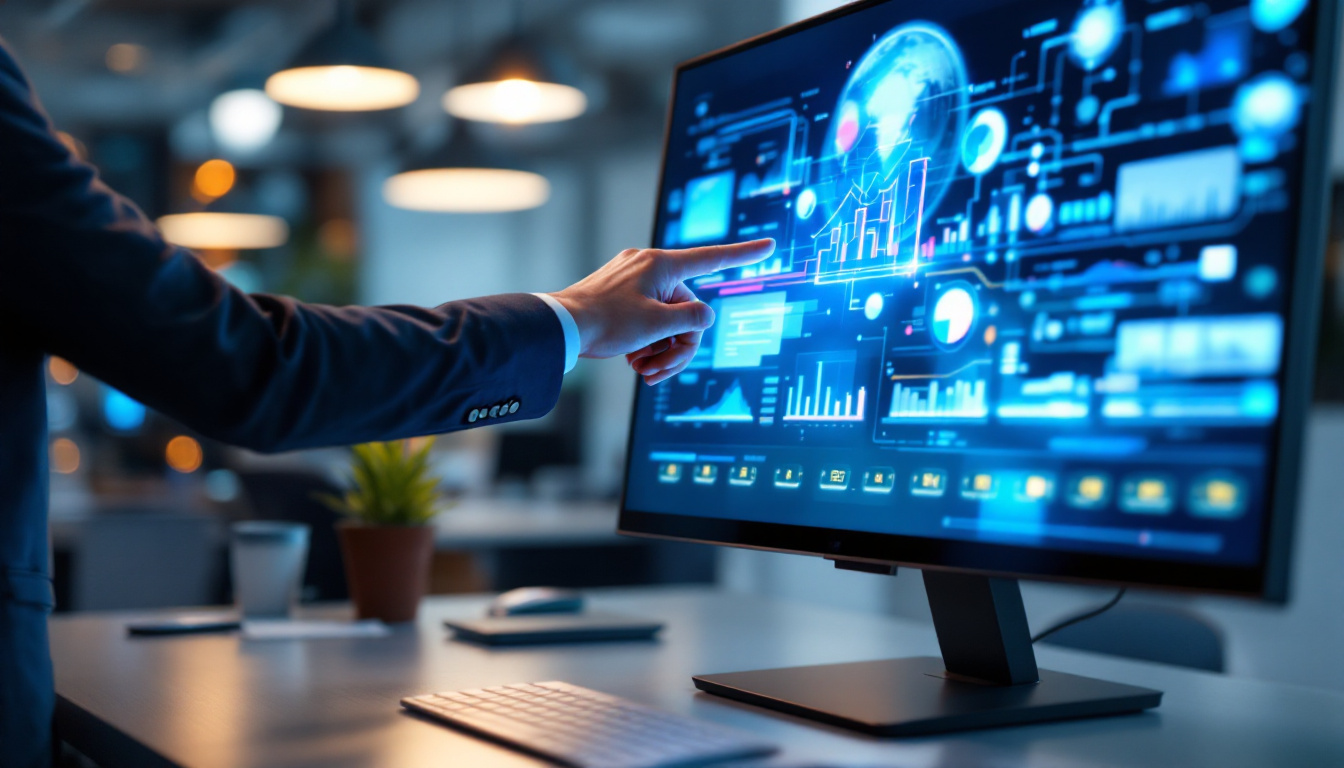
Interactive LED displays allow users to manipulate content directly on the screen using touch, multi-touch gestures, or even motion sensors. This capability transforms passive viewing into active participation, fostering collaboration and deeper understanding.
For example, in retail, interactive LED walls can showcase product catalogs that customers can browse with a simple touch, while in classrooms, teachers can annotate lessons or display interactive quizzes that students answer in real time.
Technical Considerations for Interactive LED Displays
Implementing an interactive LED display involves several technical factors:
- Touch technology: Common options include capacitive touch, infrared touch frames, and camera-based optical touch systems. Each has trade-offs in terms of responsiveness, accuracy, and cost.
- Resolution and pixel pitch: Smaller pixel pitch means higher resolution and sharper images, which is critical for close-up interaction.
- Integration with software: Interactive displays require compatible software platforms that support multi-user input, annotation, and content management.
- Installation environment: Consider ambient lighting, viewing distance, and mounting options to optimize user experience.
Applications of Interactive Projector Screens and LED Displays
The versatility of interactive projector screens and LED displays has led to their adoption across a wide range of sectors. Understanding these applications highlights their transformative potential.
Education
Interactive projector screens have long been staples in classrooms, enabling teachers to present lessons dynamically and engage students through interactive exercises. The addition of LED displays offers even greater clarity and durability, especially in large lecture halls or outdoor learning spaces.
Studies have shown that interactive learning environments can improve student retention by up to 25%, underscoring the value of these technologies in education.
Corporate and Business Environments
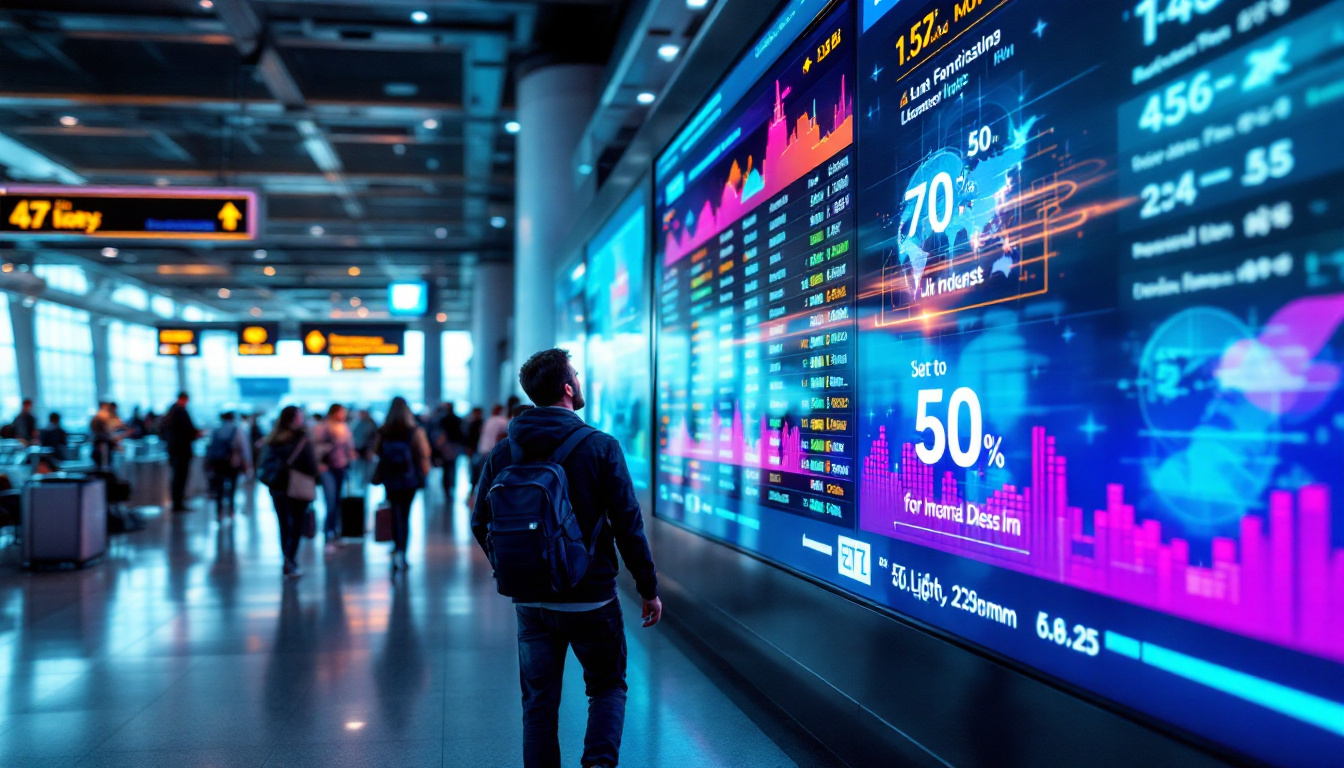
In business settings, interactive displays facilitate collaboration during meetings, brainstorming sessions, and presentations. LED displays provide bright, clear visuals for conference rooms, trade shows, and digital signage, while interactive features empower teams to manipulate data and ideas in real time.
According to a report by Frost & Sullivan, companies that adopt interactive display technology see a 20% increase in meeting productivity and decision-making speed.
Retail and Advertising
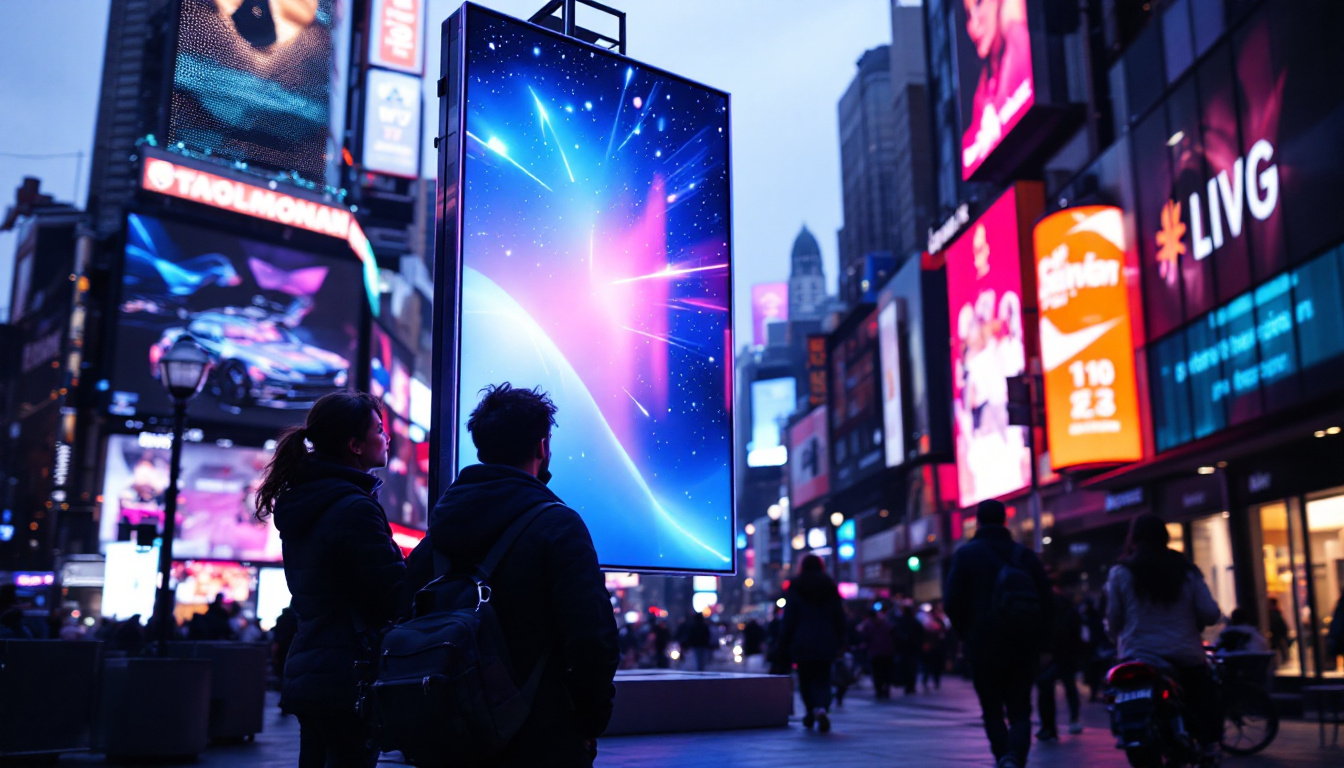
Retailers leverage interactive LED displays to create immersive shopping experiences. Digital signage with touch capabilities allows customers to explore products, customize options, and access promotions instantly. Bright LED screens attract attention even in crowded or brightly lit environments, making them ideal for storefronts and malls.
Entertainment and Events
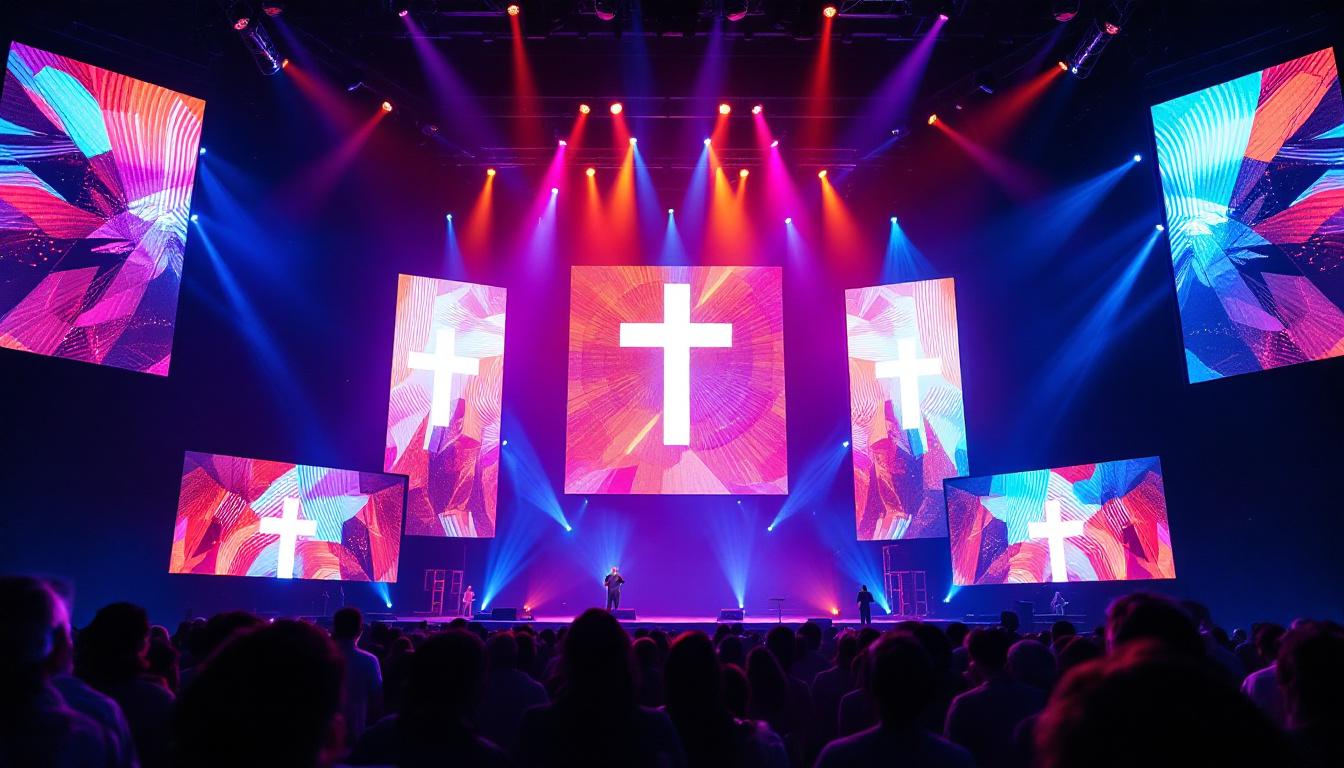
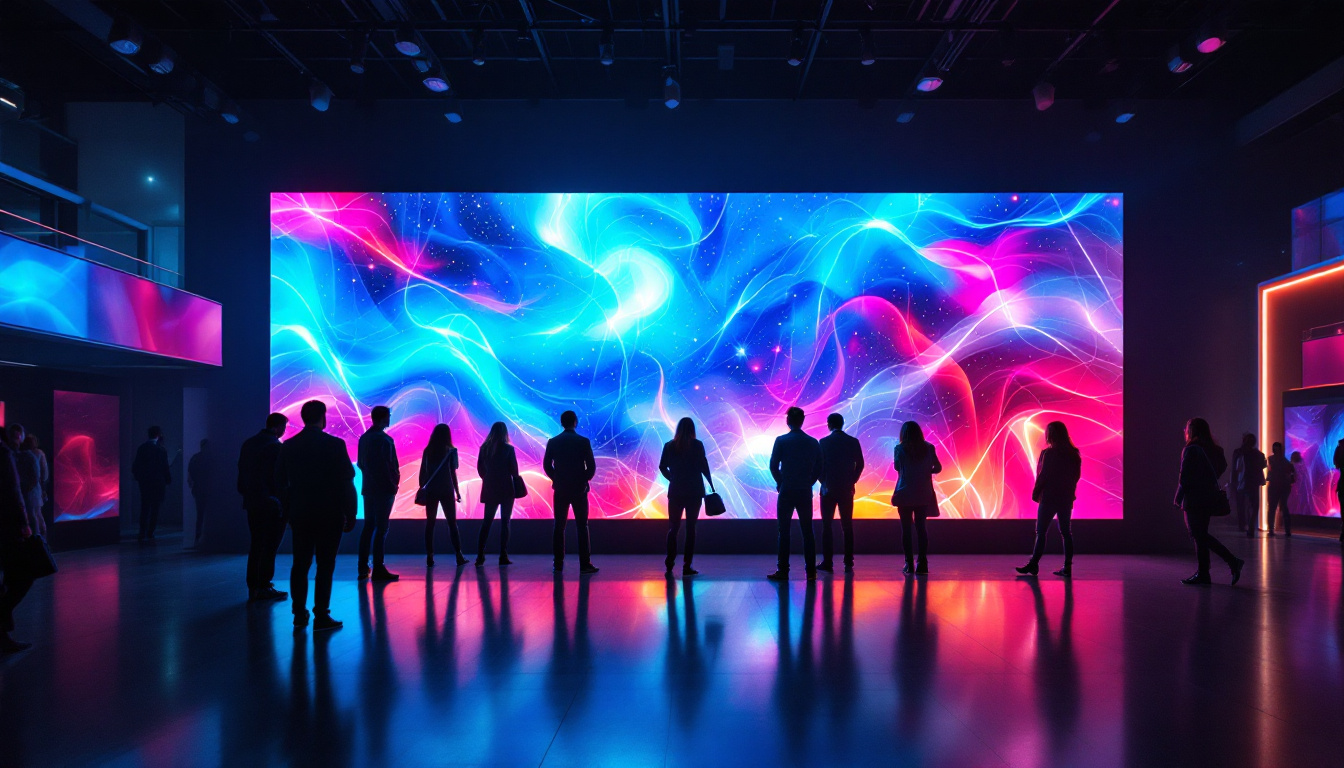
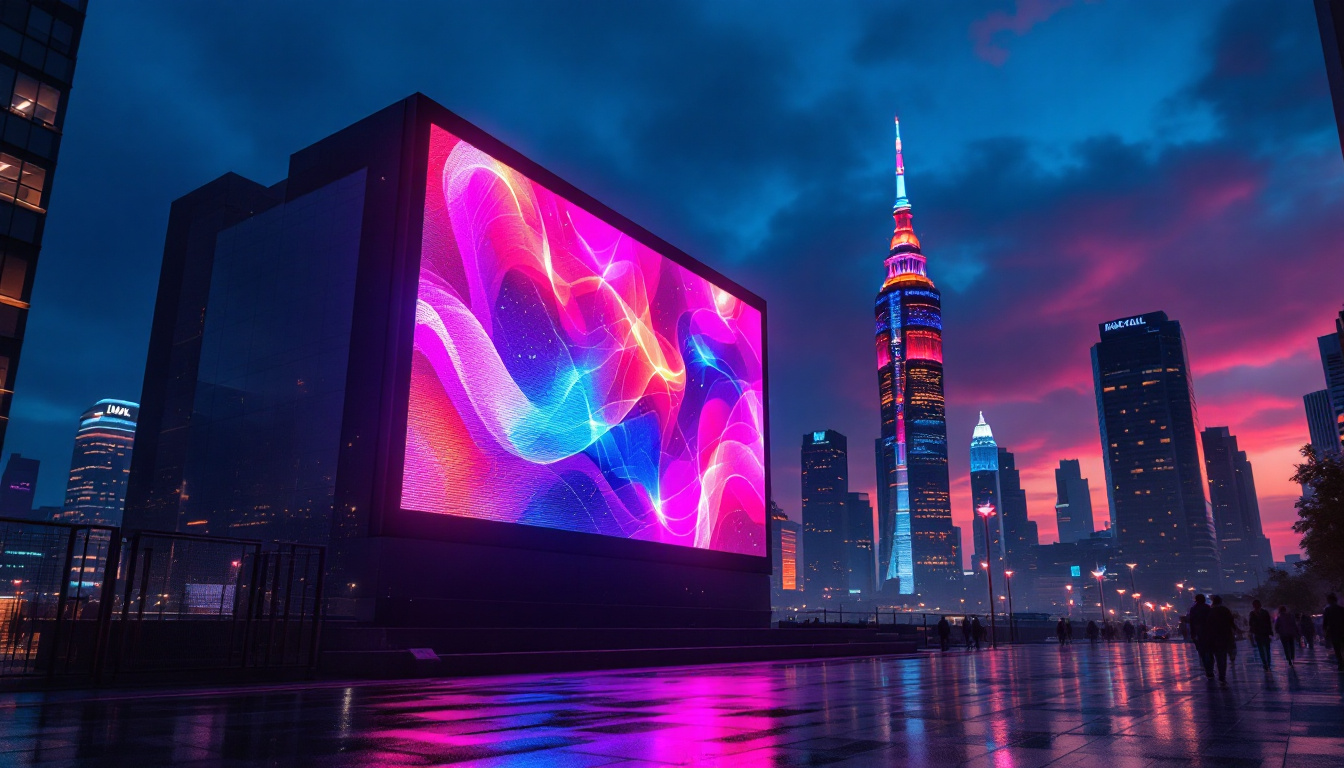
From concerts to sports arenas, large-scale LED displays provide vibrant backdrops and live feeds that enhance audience engagement. Interactive elements, such as gesture-controlled screens or interactive kiosks, add a layer of participation that captivates attendees.
Choosing Between Interactive Projector Screens and LED Displays
Deciding whether to invest in an interactive projector screen or an LED display depends on several factors, including budget, environment, and intended use.
Cost Considerations
Interactive projector systems generally have a lower upfront cost compared to large LED displays. However, projectors require bulb replacements and screen maintenance, which can add to long-term expenses. LED displays, while more expensive initially, offer lower maintenance costs and longer operational lifespans.
Environmental Factors
Lighting conditions play a significant role. Projectors perform best in dim or controlled lighting, while LED displays excel in bright or outdoor environments. Space constraints and installation complexity also influence the choice.
User Interaction Needs
For highly interactive applications requiring multi-touch and gesture recognition, LED displays provide superior responsiveness and image quality. Projector-based systems may suffice for simpler touch interactions or where budget constraints exist.
Future Trends in Interactive Display Technology
The future of interactive projector screens and LED displays is poised for exciting developments. Innovations such as 8K resolution LED panels, flexible and transparent OLED displays, and AI-powered interaction promise to push the boundaries of visual engagement.
Moreover, the integration of augmented reality (AR) and virtual reality (VR) with interactive displays is expected to create immersive environments that blend digital content seamlessly with the physical world.
Sustainability and Energy Efficiency
As environmental concerns grow, manufacturers are focusing on energy-efficient LEDs and recyclable materials. Interactive displays with low power consumption and longer lifespans contribute to greener technology solutions.
Enhanced Connectivity and Collaboration
With the rise of remote work and hybrid learning, interactive displays are increasingly incorporating wireless connectivity, cloud integration, and real-time collaboration tools, enabling seamless interaction across distances.
Conclusion
Interactive projector screens and LED displays represent two powerful approaches to modern visual communication, each with unique strengths and applications. Understanding their technologies, benefits, and limitations helps organizations and individuals make informed decisions tailored to their needs.
As these technologies continue to evolve, they will undoubtedly unlock new possibilities for engagement, collaboration, and creativity across education, business, retail, and entertainment sectors. Investing in the right interactive display solution today is an investment in the future of communication and interaction.
Discover LumenMatrix’s Innovative LED Solutions
Ready to elevate your visual communication and engagement? Explore LumenMatrix’s comprehensive range of LED display modules, designed to bring your content to life with unparalleled brightness and clarity. Whether you need an Indoor LED Wall Display for a corporate setting, an Outdoor LED Wall Display for high-impact advertising, or any of our specialized solutions like Vehicle LED Displays and LED Sports Displays, LumenMatrix has the technology to transform your space. Embrace the future of interactive displays and check out LumenMatrix LED Display Solutions today to create captivating visual experiences that resonate with your audience.