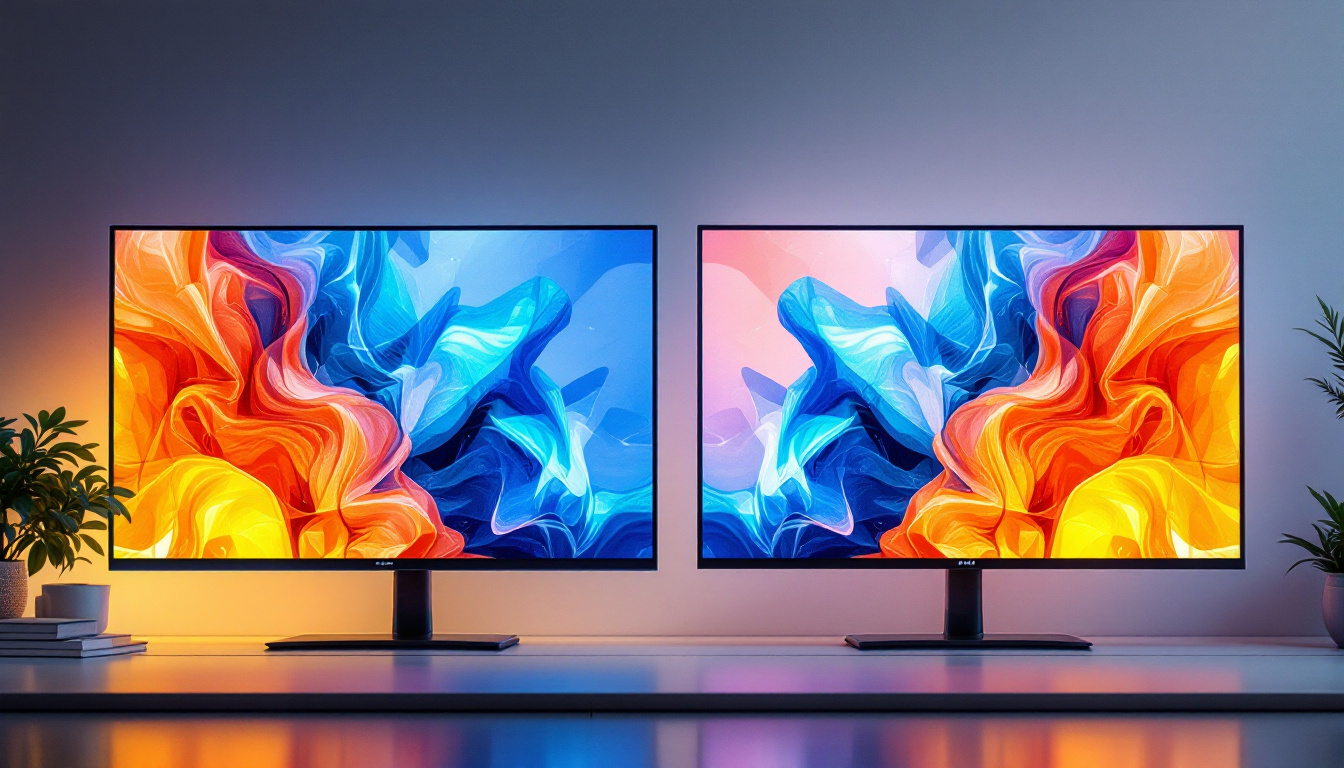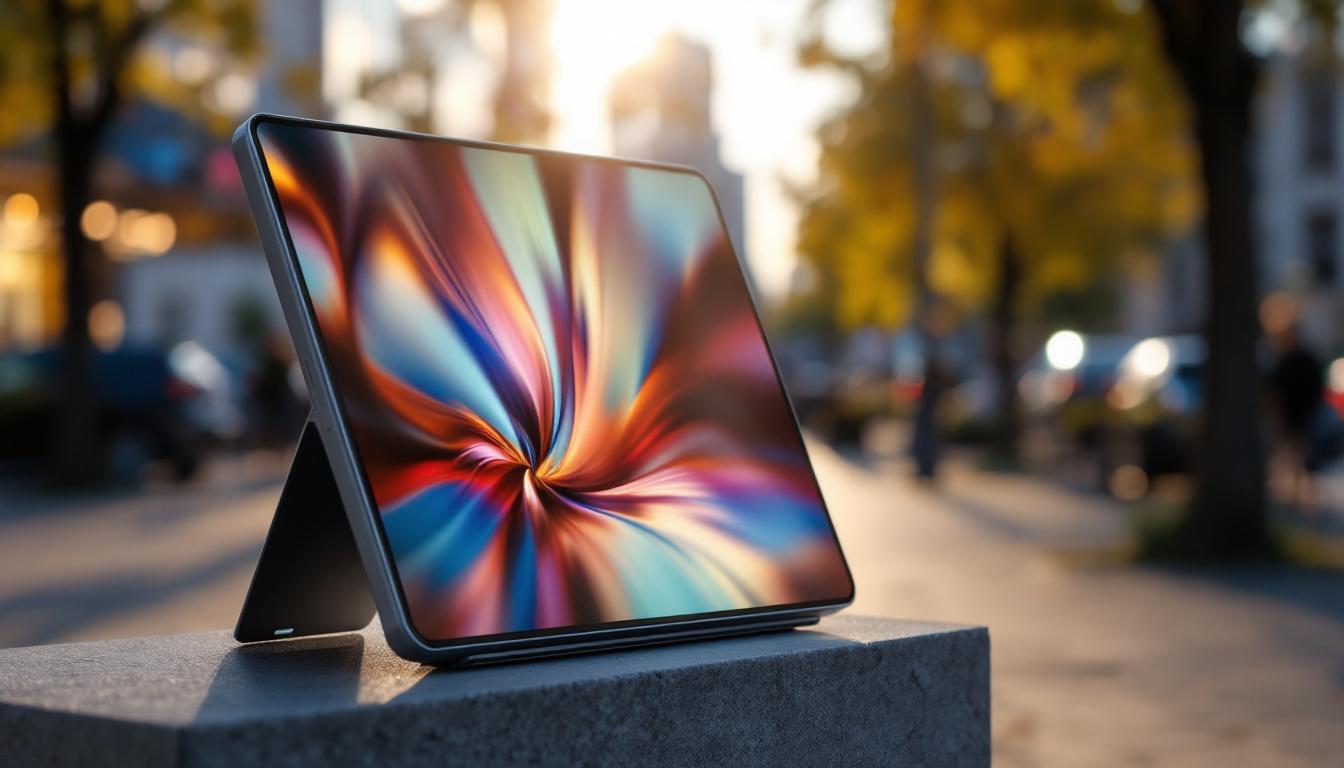
In today’s fast-paced digital world, the demand for versatile and high-quality display technology has never been greater. Portable smart screens equipped with LED displays are rapidly becoming essential tools for professionals, educators, and tech enthusiasts alike. But what exactly makes these devices stand out? This article delves into the technology behind portable smart screens, focusing on LED displays, exploring their benefits, applications, and what to consider when choosing one.
Understanding Portable Smart Screens
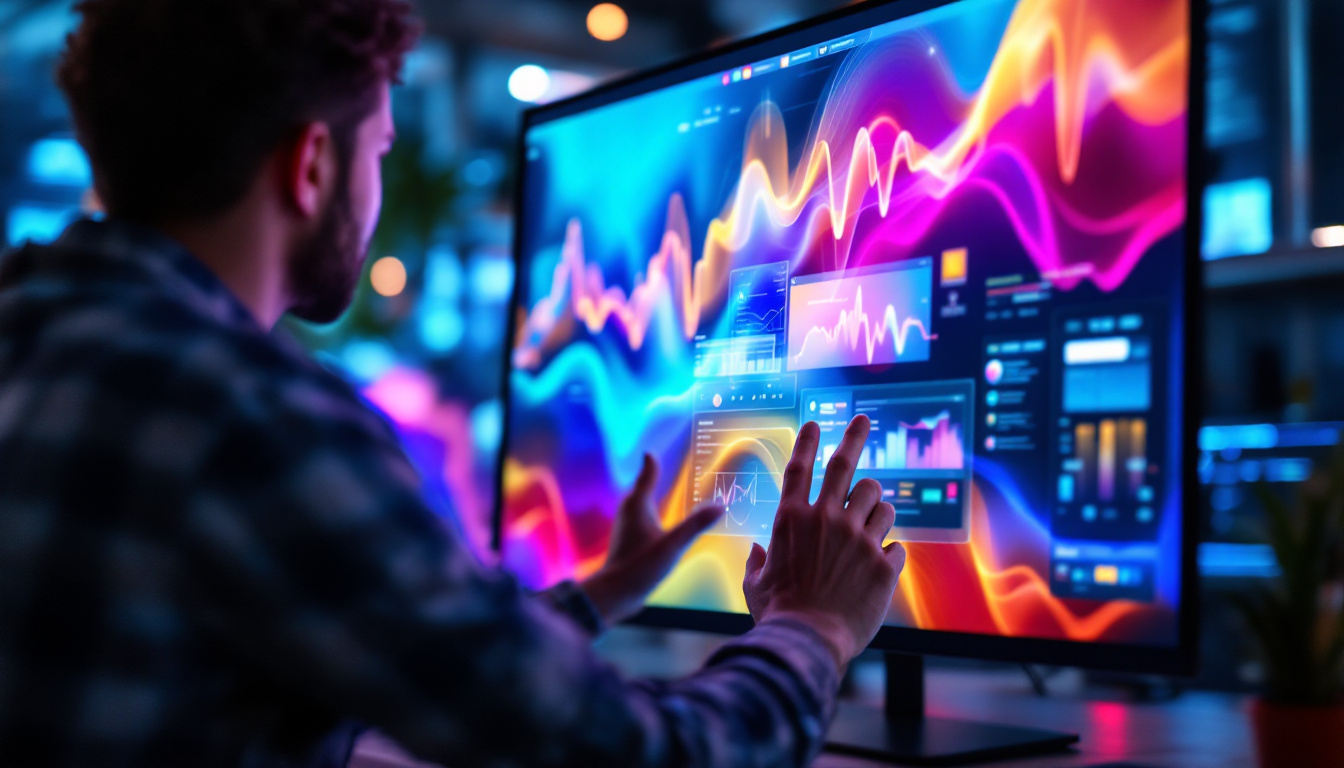
Portable smart screens are compact, lightweight display devices that combine the functionalities of traditional monitors with smart technology features. Unlike conventional monitors, these screens often come with built-in operating systems, wireless connectivity, and touch capabilities, enabling users to interact with content seamlessly on the go.
The portability factor means these screens can be easily transported and set up anywhere—from coffee shops and client meetings to classrooms and outdoor events. This flexibility has made them popular among remote workers, digital nomads, and businesses that require dynamic presentation tools. Moreover, the ability to connect with various devices, such as laptops, smartphones, and tablets, allows users to project their work or entertainment effortlessly, creating an adaptable workspace that can cater to diverse needs.
What Makes a Screen “Smart”?
A smart screen integrates computing capabilities directly into the display. This means it can run apps, connect to the internet, and interact with other smart devices without needing a separate computer. Many portable smart screens run on Android or proprietary operating systems, offering a user-friendly interface and access to a wide range of applications. This integration not only simplifies the user experience but also enhances productivity, as users can multitask with ease, switching between video calls, presentations, and streaming services.
Features such as voice control, screen mirroring, and multi-touch support enhance usability, making these devices more than just a display—they become interactive hubs for productivity and entertainment. Additionally, many models are equipped with high-resolution displays and advanced audio systems, which significantly improve the viewing experience for movies, games, and presentations alike. The incorporation of features like blue light reduction and adjustable brightness settings also ensures that users can enjoy extended viewing sessions without straining their eyes, making portable smart screens an ideal choice for both work and leisure activities.
The Role of LED Technology in Portable Smart Screens
LED (Light Emitting Diode) technology is at the heart of most modern portable smart screens. It has revolutionized display quality and energy efficiency, setting a new standard for visual performance.
How LED Displays Work
LED displays use tiny light-emitting diodes to illuminate pixels on the screen. Each pixel is composed of red, green, and blue diodes that combine to produce a full spectrum of colors. This direct lighting method contrasts with older LCD technologies that rely on backlighting, resulting in sharper images and better contrast ratios.
There are two main types of LED displays used in portable smart screens:
- Edge-lit LED: LEDs are positioned around the edges of the screen, and light is distributed evenly across the display using light guides.
- Direct-lit or Full-array LED: LEDs are placed directly behind the screen, allowing for more precise control of brightness and local dimming, which enhances contrast.
Advantages of LED Displays in Portability
LED technology offers several key benefits that make it ideal for portable smart screens:
- Energy Efficiency: LEDs consume less power than traditional display technologies, which extends battery life—critical for portable use.
- Brightness and Visibility: LED screens can achieve higher brightness levels, making them easily viewable even in brightly lit environments.
- Thin and Lightweight Design: The compact nature of LEDs allows manufacturers to create slim, lightweight screens without sacrificing durability.
- Longevity: LEDs have a longer lifespan compared to other light sources, reducing the need for frequent replacements.
Moreover, the versatility of LED technology extends beyond just the physical attributes of the screens. The color accuracy and vibrancy provided by LED displays enhance the viewing experience, making them particularly appealing for activities such as gaming, video streaming, and graphic design. Users can enjoy rich, lifelike colors that bring images and videos to life, creating an immersive experience that traditional displays often struggle to match.
Additionally, advancements in LED technology have led to the development of features such as HDR (High Dynamic Range), which further improves the contrast and color range of images. This technology allows for deeper blacks and brighter whites, enhancing the overall visual quality. As portable smart screens continue to evolve, the integration of such features ensures that users can enjoy a premium viewing experience, whether they are on the go or at home.
Applications of Portable Smart Screens with LED Displays
The versatility of portable smart screens equipped with LED displays has opened up numerous practical applications across various industries.
Business and Professional Use
In corporate environments, portable smart screens are invaluable for presentations, video conferences, and collaborative work. Their high resolution and vivid colors ensure that charts, graphs, and multimedia content are displayed clearly, enhancing communication and engagement.
For sales teams and consultants, these screens offer a professional way to showcase products and proposals without relying on fixed conference room setups. The ability to connect wirelessly to laptops or mobile devices streamlines the workflow and reduces setup time.
Education and Training
Educators have embraced portable smart screens as interactive teaching tools. The touch capabilities and smart features allow for dynamic lessons, enabling students to engage directly with the material. LED displays ensure that content is bright and legible from all angles, which is particularly important in classroom settings.
Additionally, trainers conducting workshops or seminars benefit from the ease of transporting these screens to different venues, ensuring consistent visual quality regardless of location.
Creative and Entertainment Industries
Artists, designers, and content creators use portable smart screens for digital drawing, video editing, and live demonstrations. The accurate color reproduction and high contrast ratios of LED displays are crucial for tasks that demand visual precision.
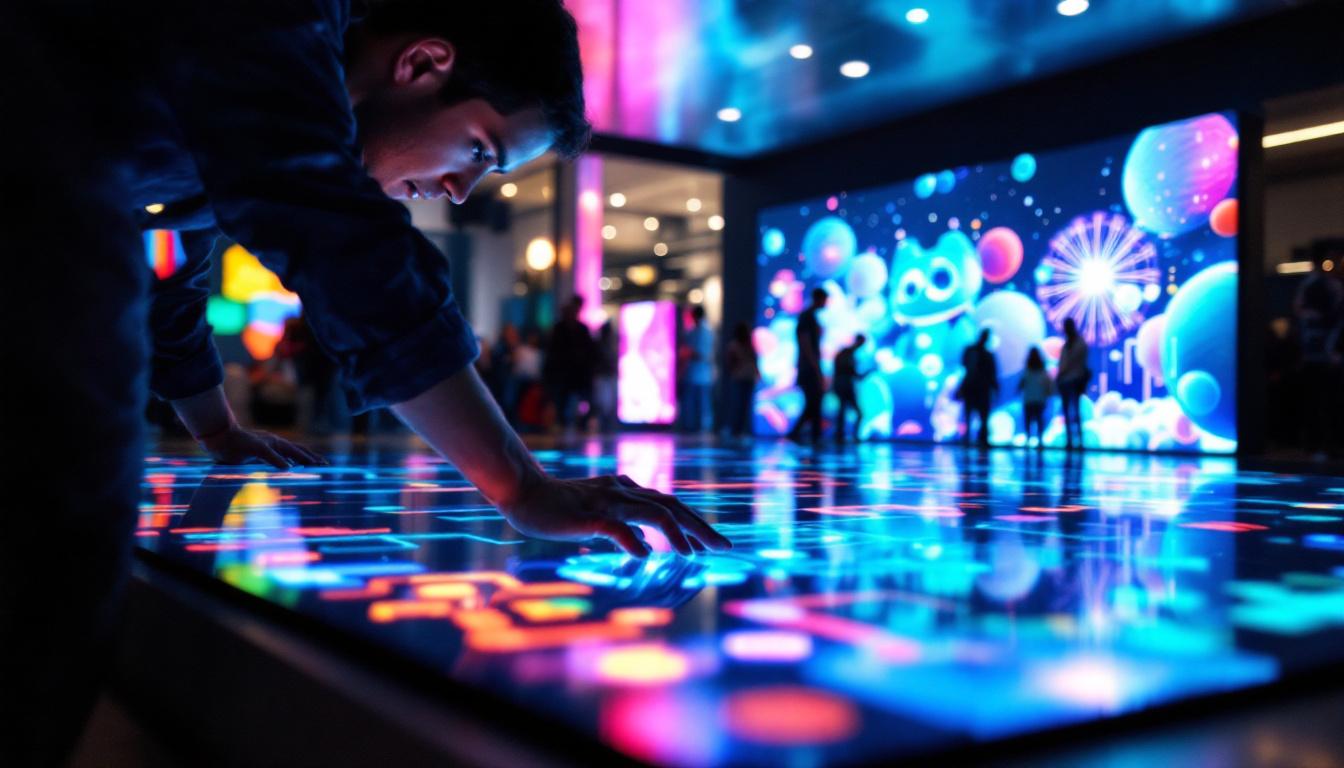
In entertainment, these screens serve as portable media centers, gaming displays, or even digital signage at events. Their ability to deliver crisp visuals in various lighting conditions enhances the audience experience.
Key Features to Consider When Choosing a Portable Smart Screen
With numerous options available on the market, selecting the right portable smart screen can be challenging. Understanding the critical features helps ensure the device meets specific needs and expectations.
Display Quality and Resolution
Resolution directly impacts image sharpness and detail. For most users, Full HD (1920×1080) is the minimum standard, but higher resolutions like 4K (3840×2160) are becoming increasingly accessible. Consider the primary use case—graphic designers and video editors may require higher resolutions, whereas casual users might prioritize portability over pixel density.
Color accuracy and brightness levels are equally important. Look for screens that offer wide color gamuts (such as sRGB or AdobeRGB coverage) and brightness ratings above 300 nits for comfortable viewing in various environments.
Connectivity Options
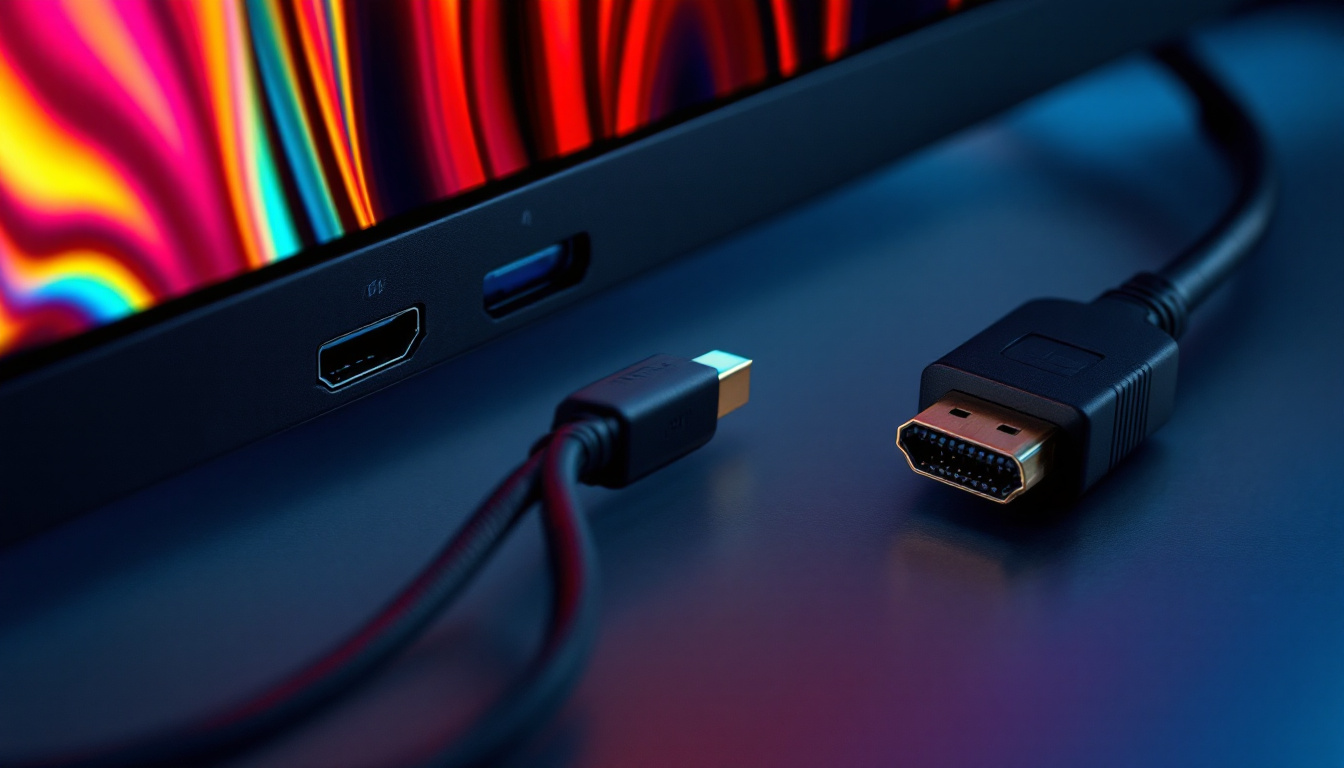
A versatile portable smart screen should support multiple input methods. Common interfaces include USB-C, HDMI, and wireless options like Wi-Fi and Bluetooth. USB-C is particularly valuable as it can transmit power, video, and data through a single cable, simplifying connections.
Wireless connectivity enables screen mirroring from smartphones, tablets, and laptops, enhancing flexibility. Some models also support casting protocols such as Miracast or AirPlay.
Battery Life and Power Management
Battery longevity is a critical factor for truly portable use. Depending on the screen size and brightness, battery life can range from 4 to 10 hours or more. Devices with power-saving features and efficient LED backlighting tend to perform better in this regard.
Consider whether the device supports fast charging or can be powered via external battery packs, which can extend usage time during travel or outdoor activities.
Operating System and Smart Features
The choice of operating system affects the available apps and user interface. Android-based screens offer access to the Google Play Store, enabling a wide range of productivity and entertainment apps. Proprietary systems may be optimized for specific tasks but could limit app availability.
Additional smart features such as voice assistants, multi-touch support, and built-in cameras can enhance usability, particularly for video conferencing and interactive presentations.
Future Trends in Portable Smart Screen Technology
The portable smart screen market is evolving rapidly, driven by advances in display technology and user demands for greater functionality and convenience.
Mini-LED and Micro-LED Innovations
Emerging display technologies like Mini-LED and Micro-LED promise to push the boundaries of brightness, contrast, and energy efficiency even further. Mini-LED uses thousands of tiny LEDs to provide more precise local dimming, resulting in deeper blacks and improved HDR performance.
Micro-LED, still in early stages of commercialization, offers the potential for even thinner, brighter, and more durable screens with superior color accuracy. These advancements could redefine the capabilities of portable smart screens in the near future.
Integration with AI and IoT
Artificial intelligence (AI) is beginning to play a role in enhancing user experience on smart screens. Features like adaptive brightness, voice recognition, and personalized content recommendations are becoming more common.
Furthermore, integration with the Internet of Things (IoT) ecosystem allows portable smart screens to act as control hubs for smart home devices, office automation, and other connected technologies, increasing their utility beyond simple displays.
Flexible and Foldable Displays
Flexible OLED and foldable display technologies are making their way into portable devices, offering unprecedented portability without compromising screen size. Imagine a smart screen that folds to fit into a backpack but unfolds into a large, high-resolution display when needed.
While still premium and niche, these innovations hint at a future where portability and screen real estate are no longer trade-offs.
Conclusion
Portable smart screens with LED displays represent a significant leap forward in display technology, combining portability, smart functionality, and superior visual quality. Whether for business, education, creative work, or entertainment, these devices offer unmatched flexibility and convenience.
Understanding the underlying LED technology, key features, and emerging trends can help consumers and professionals make informed decisions, ensuring they select a device that aligns with their needs and maximizes productivity and enjoyment.
As technology continues to advance, the role of portable smart screens in our daily lives is poised to grow, making them indispensable tools in the digital age.
Discover LumenMatrix LED Display Solutions
Ready to experience the future of portable smart screens and LED display technology? LumenMatrix is at the forefront of innovation, offering a wide array of LED display modules tailored to your needs. From Indoor and Outdoor LED Walls to specialized solutions like Vehicle Displays, LED Posters, and even Custom LED Displays, our mission is to transform your visual communication. Elevate your brand’s presence, engage your audience, and convey your message with unparalleled clarity. Check out LumenMatrix LED Display Solutions today and bring your visual experiences to life.