In the world of visual displays, choosing the right medium to project images and videos is crucial for both quality and viewer experience. Whether for home theaters, corporate presentations, or large-scale events, the debate between projecting on a wall versus using a dedicated screen remains relevant. Additionally, the rise of LED display technology has introduced new options that challenge traditional projection methods.
This article explores the differences between projecting on walls and screens, delves into the advantages and limitations of each method, and explains how LED displays fit into the modern landscape of visual presentation technologies.
Understanding Projection: Wall vs. Screen
The Basics of Projection
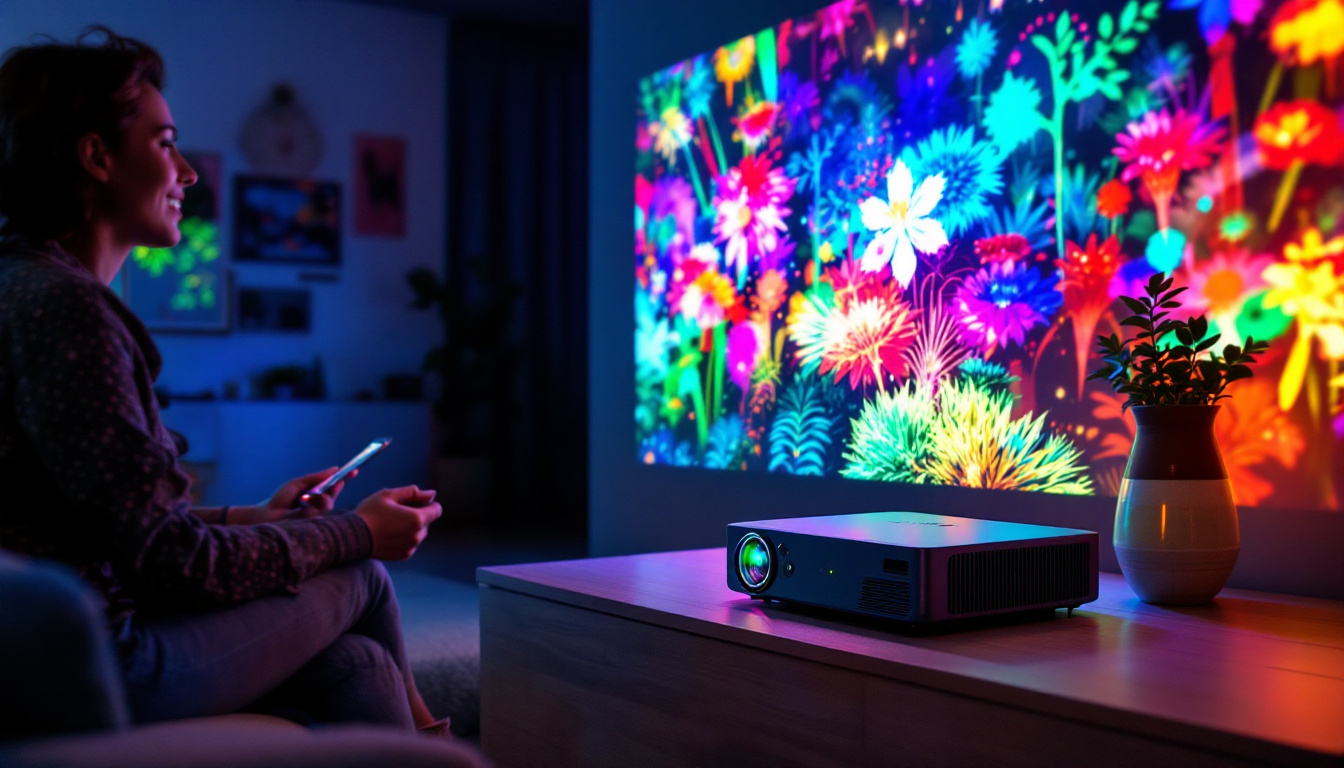
Projection technology involves casting light through a lens system to display images onto a surface. Traditionally, projectors are used to display content onto a flat surface that reflects the light back to the viewer. The quality of the projected image depends heavily on the surface’s texture, color, and reflectivity.
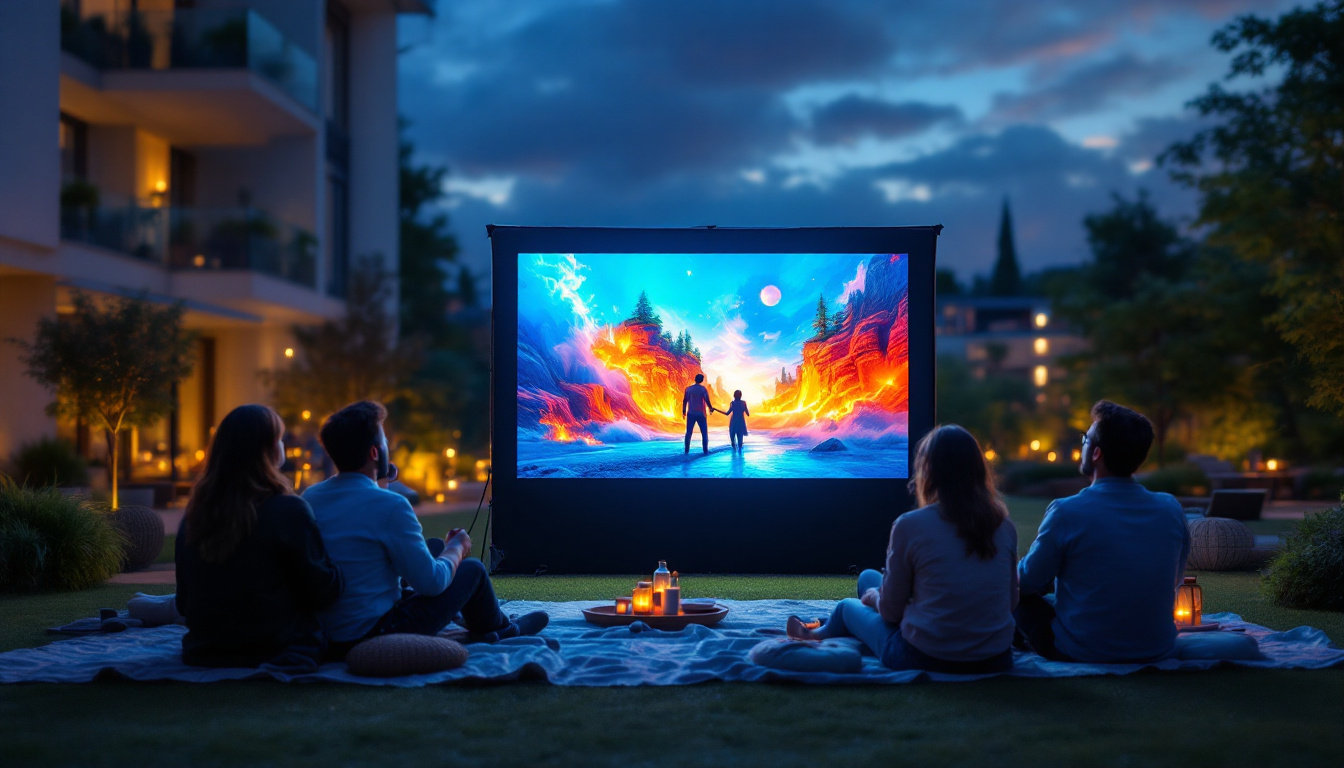
Two common surfaces are used for projection: walls and dedicated projection screens. Each has distinct characteristics that affect the final image quality. The choice between these surfaces can significantly impact the viewing experience, especially in settings such as home theaters, classrooms, and business presentations.
Projecting on Walls: Pros and Cons
Projecting directly onto a wall is often seen as a convenient and cost-effective solution. Many people opt for this method in home settings or informal environments because it eliminates the need for additional equipment like screens. However, the results can vary widely based on the wall’s characteristics.
Advantages:
- Cost-Effective: No need to purchase or install a screen.
- Space-Saving: Walls are typically always available and don’t require extra space.
- Flexibility: Can project on various wall sizes and locations.
Limitations:
- Surface Quality: Walls are rarely perfectly smooth or uniformly colored, which can distort image clarity and color accuracy.
- Ambient Light Sensitivity: Walls often reflect ambient light unevenly, reducing contrast and brightness.
- Permanent Markings: Projecting on painted or textured walls may show imperfections or cause wear over time.
Moreover, the color of the wall can have a profound effect on the projected image. For instance, a white wall may provide a neutral backdrop, but a colored wall can alter the hues of the projected content, leading to unexpected results. Additionally, if the wall has a texture, such as a stucco finish, it can scatter light in various directions, further diminishing the clarity of the image. Therefore, while projecting onto a wall can be a practical option, it is essential to consider these factors to ensure an optimal viewing experience.
Projecting on Screens: Why It’s Often Preferred
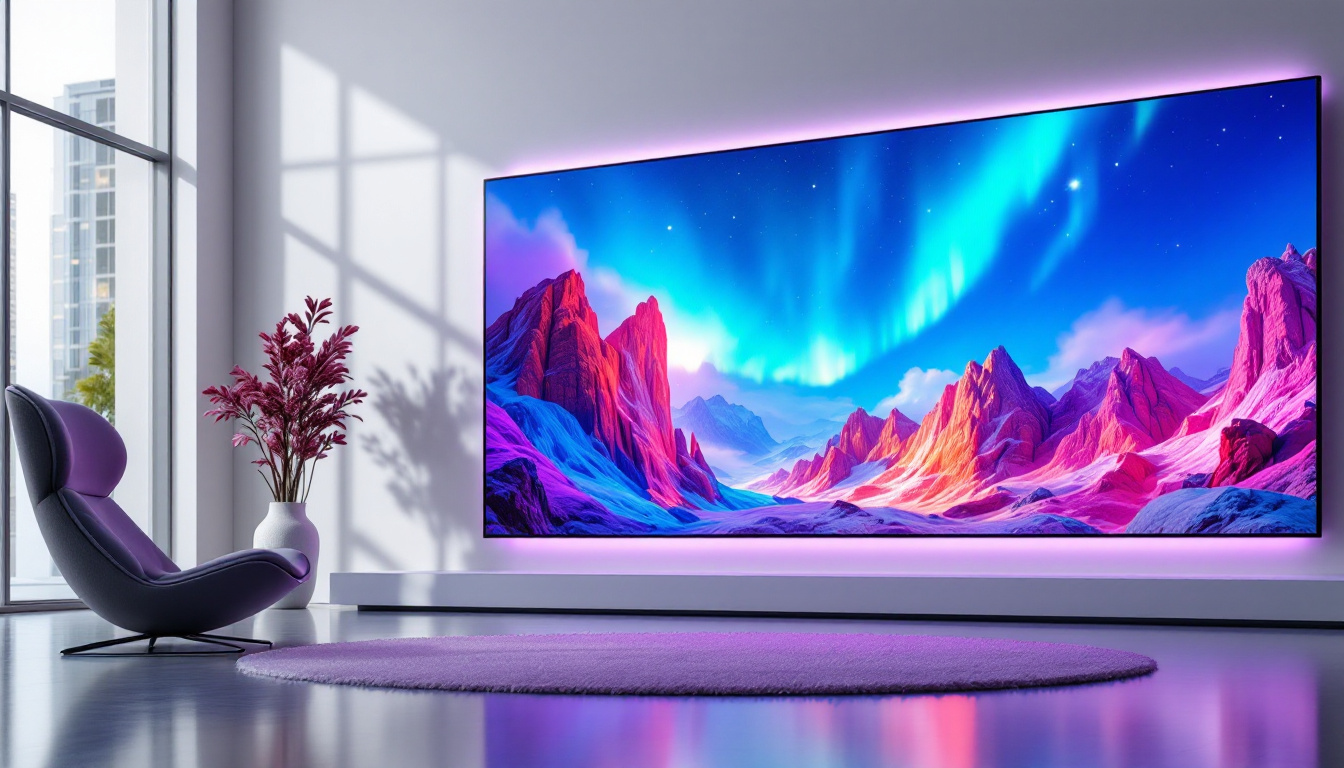
Dedicated projection screens are designed specifically to optimize image quality. They come in various materials and finishes, such as matte white, high gain, or ambient light rejecting (ALR) surfaces, each tailored to different environments and projector types. The right screen can enhance the overall viewing experience significantly, making it a popular choice for serious movie enthusiasts and professional presentations alike.
Advantages:
- Enhanced Image Quality: Screens provide uniform reflectivity and color neutrality, resulting in sharper images and better contrast.
- Improved Brightness: Many screens are engineered to maximize brightness, which is especially important in rooms with ambient light.
- Durability and Maintenance: Screens are designed to resist wear and are easier to clean compared to walls.
Limitations:
- Cost: High-quality screens can be expensive.
- Installation: Screens require space and sometimes professional installation.
- Portability: Fixed screens are less portable, although retractable and portable options exist.
In addition to the material and design, the aspect ratio of the screen is another critical factor to consider. Different content types, such as movies, presentations, or video games, may require different aspect ratios for optimal viewing. For example, a widescreen format is ideal for cinematic experiences, while a 4:3 ratio might be more suitable for traditional presentations. Furthermore, the installation height and angle of the screen can also influence the viewer’s experience, making it essential to plan carefully for the best results. As such, while projection screens may require a more significant investment upfront, they often deliver a superior viewing experience that can be well worth the cost for dedicated users.
LED Displays: A Modern Alternative to Projection
What Are LED Displays?
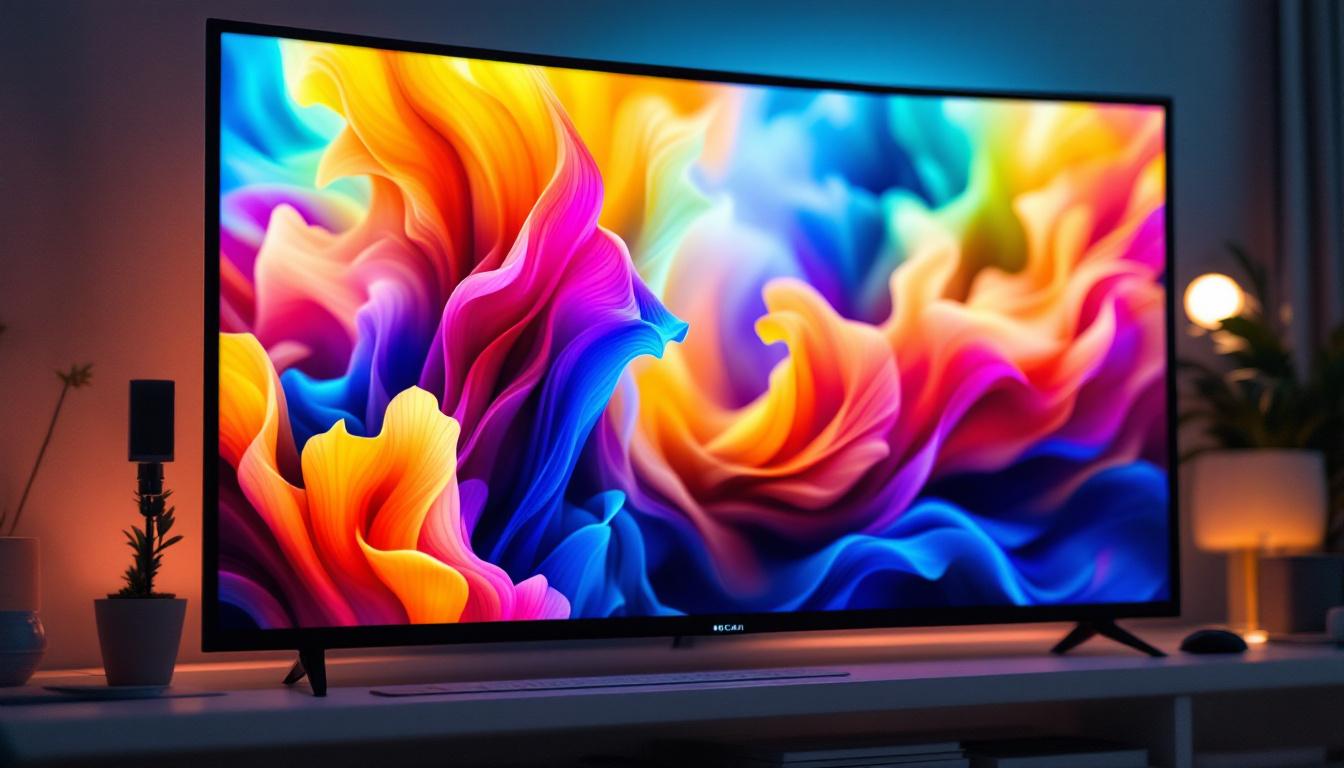
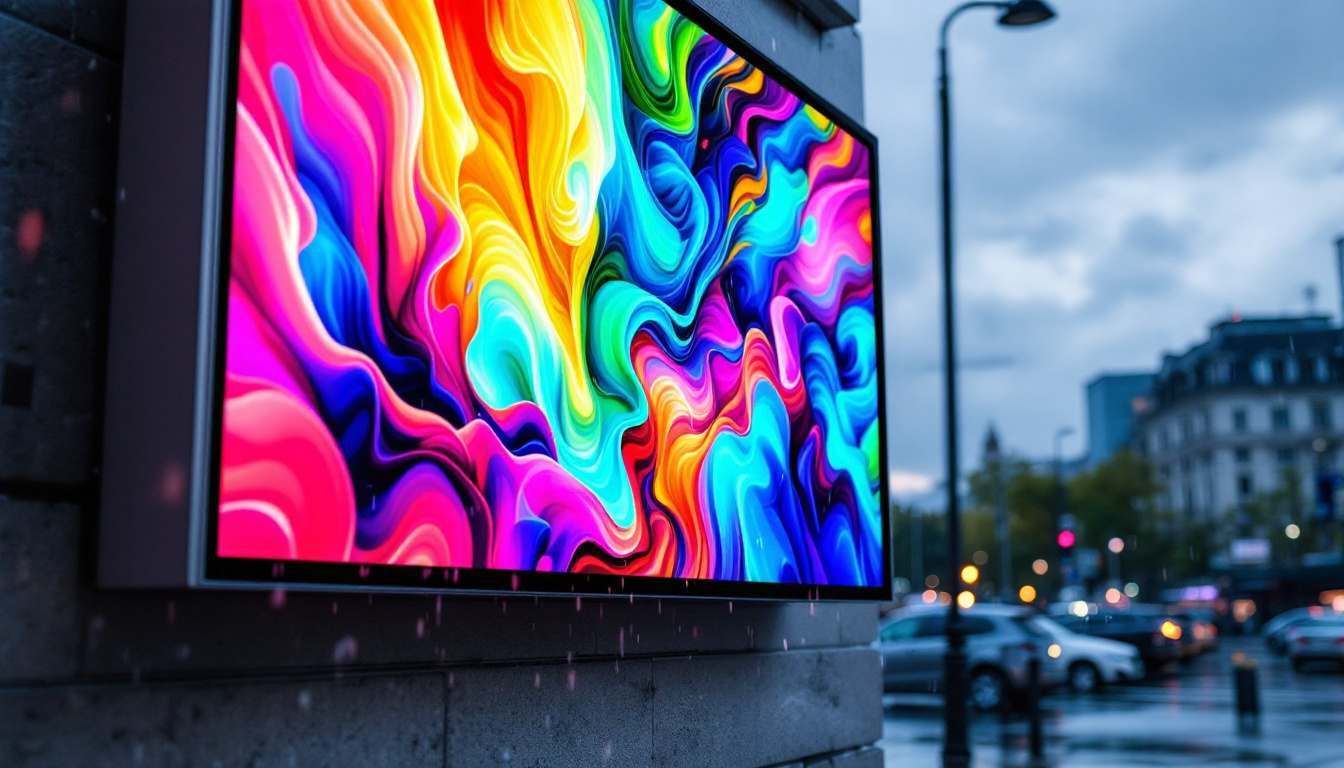
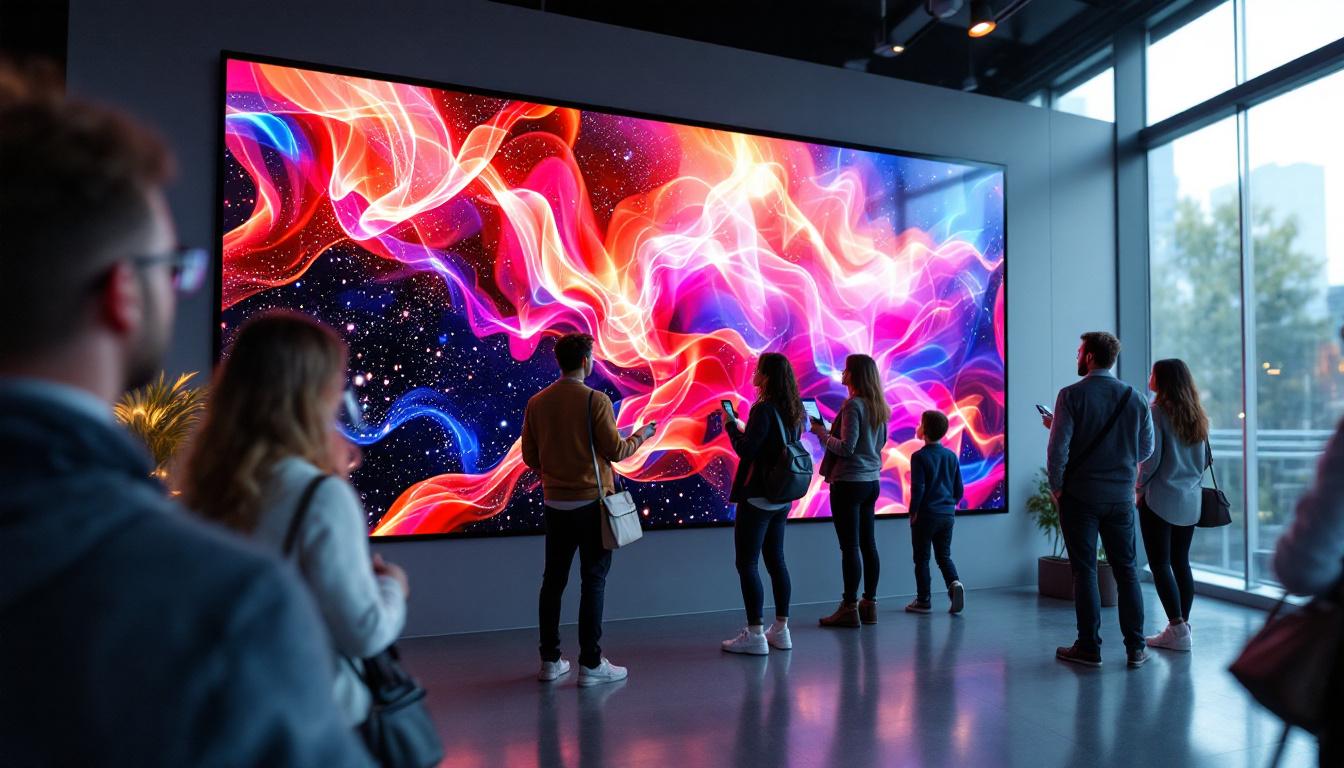
LED (Light Emitting Diode) displays are composed of thousands to millions of tiny diodes that emit light individually to create images. Unlike projection, which relies on reflecting light off a surface, LED displays generate their own light, making them self-illuminating. This self-illuminating feature allows for a more vibrant and dynamic visual experience, as each diode can be controlled independently to produce a wide range of colors and brightness levels.
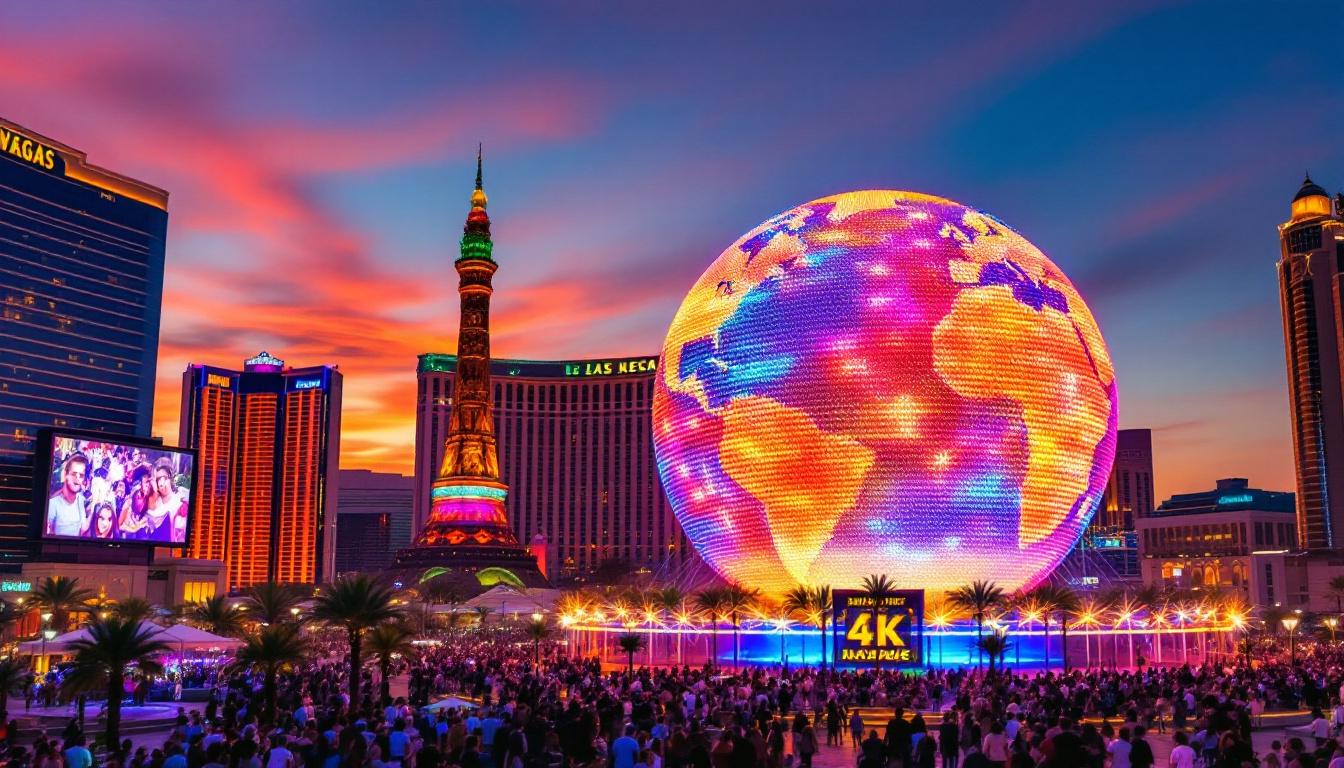
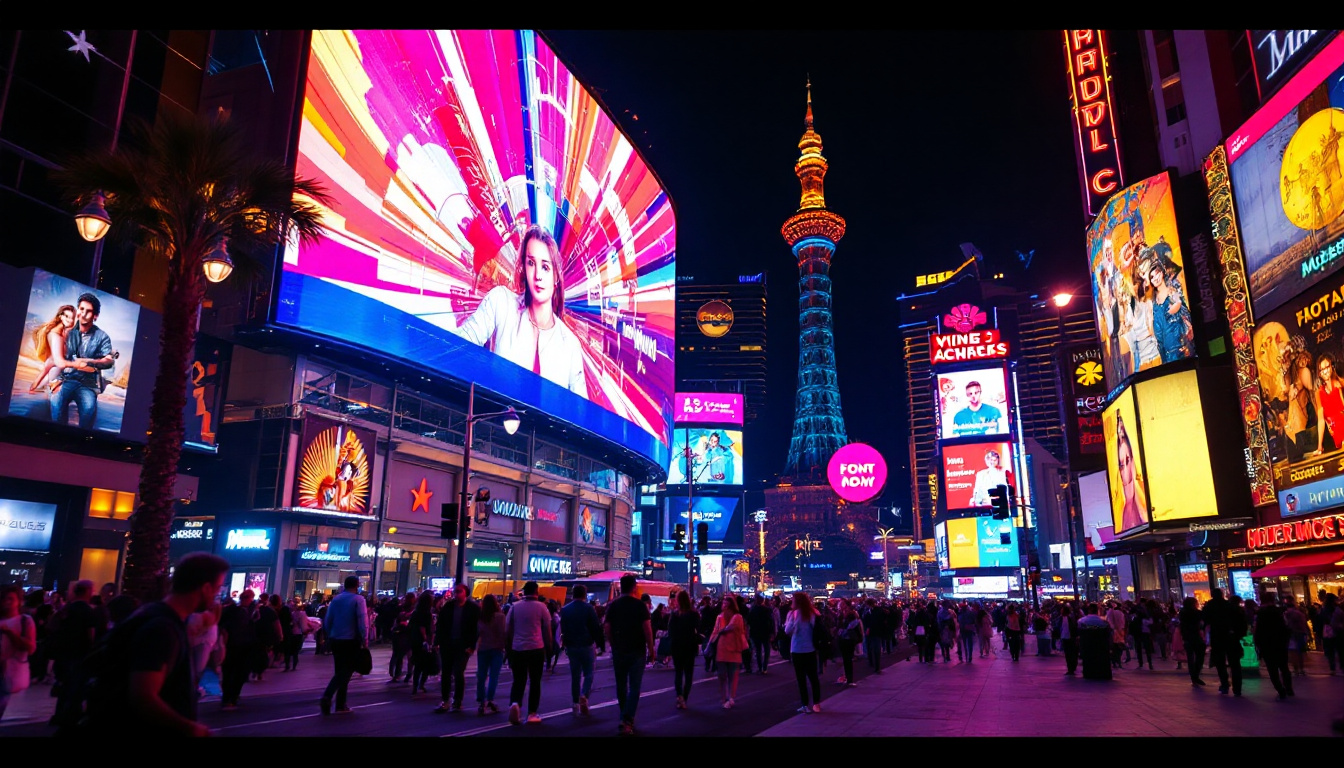
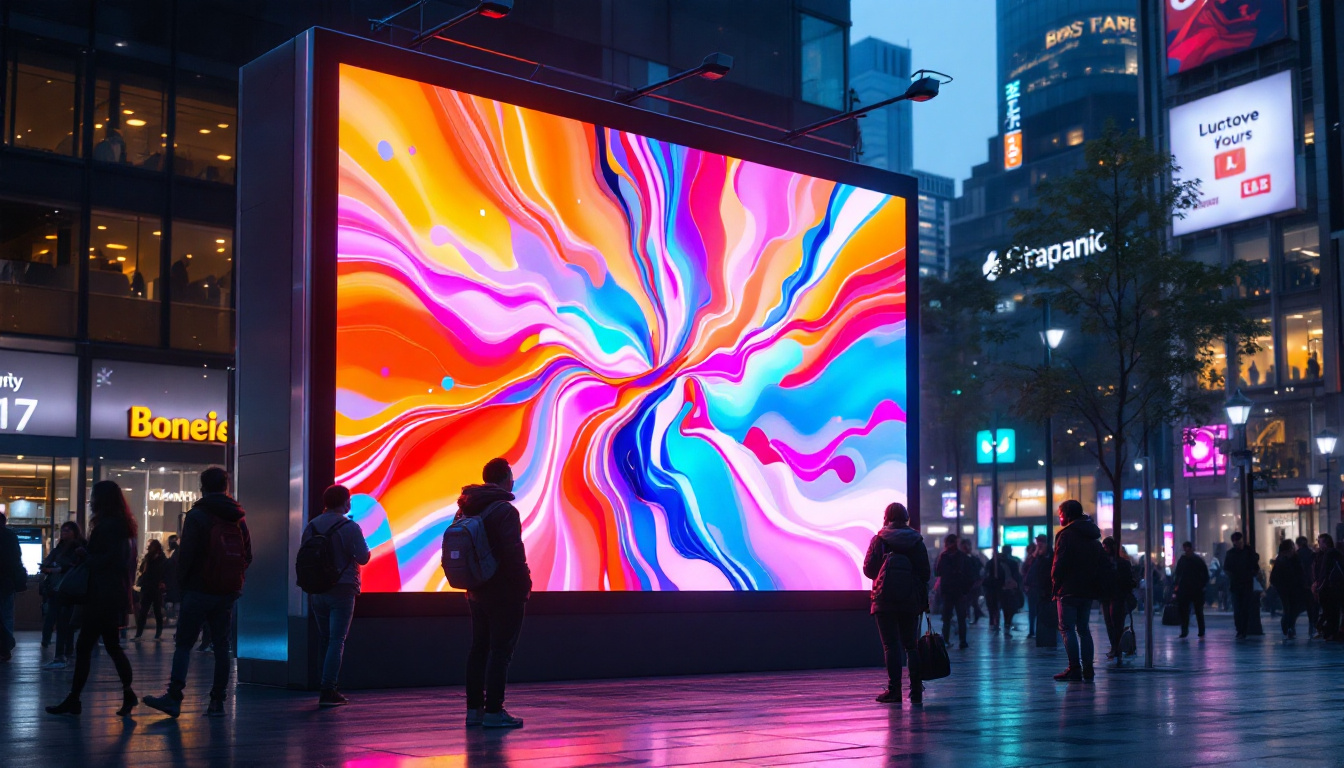
LED technology has evolved rapidly, leading to the widespread use of LED panels in advertising, sports arenas, concert venues, and increasingly, home entertainment systems. The versatility of LED displays means they can be used for everything from large-scale billboards to intimate home theater setups. Their ability to deliver high-definition visuals with minimal distortion has made them a preferred choice for both commercial and personal applications, revolutionizing the way we experience visual content.
Advantages of LED Displays Over Projection
LED displays offer several benefits that make them an attractive alternative to traditional projection methods:
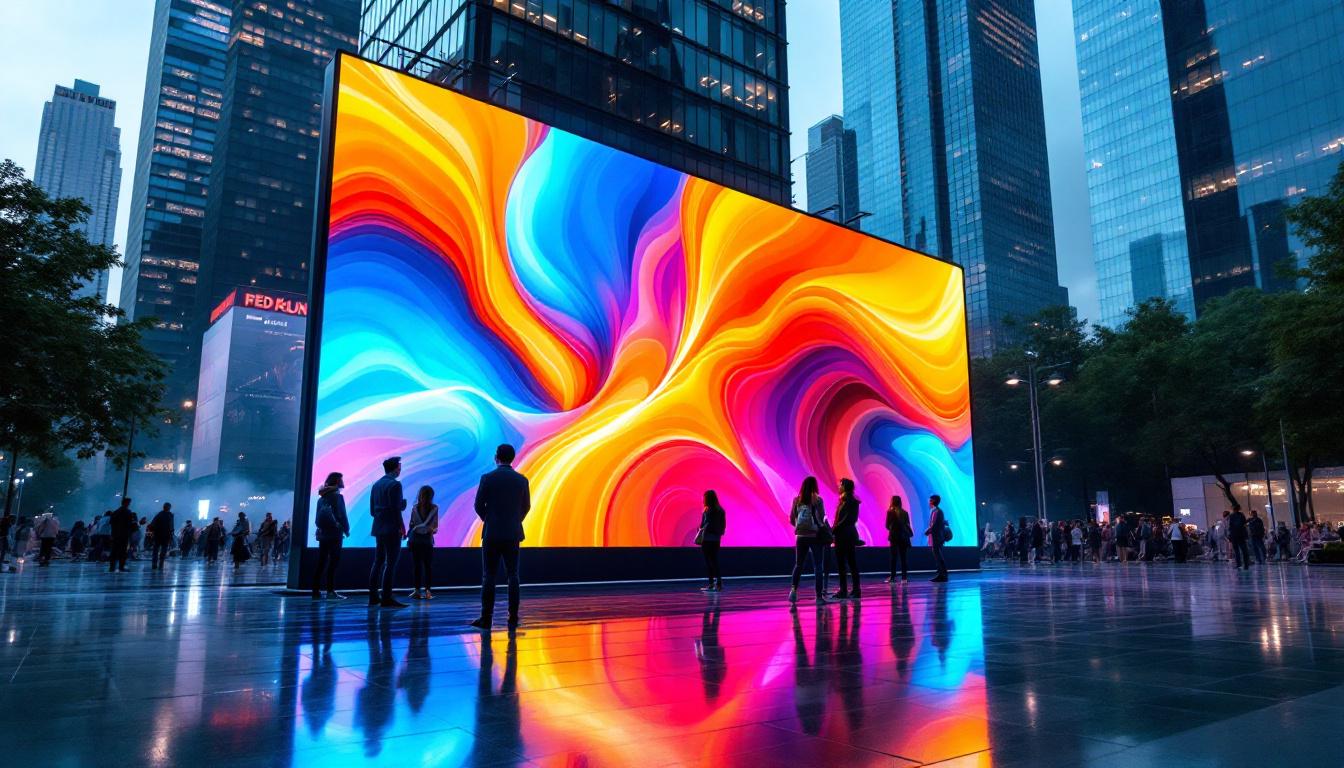
- Superior Brightness and Contrast: Since LED displays emit their own light, they maintain vivid colors and high contrast even in brightly lit environments. This makes them ideal for outdoor advertising and venues where ambient light is a challenge.
- Consistent Image Quality: The image quality does not depend on ambient light or surface texture, ensuring uniformity across the display. This consistency is crucial for applications such as live events, where fluctuating lighting conditions can impact the viewer’s experience.
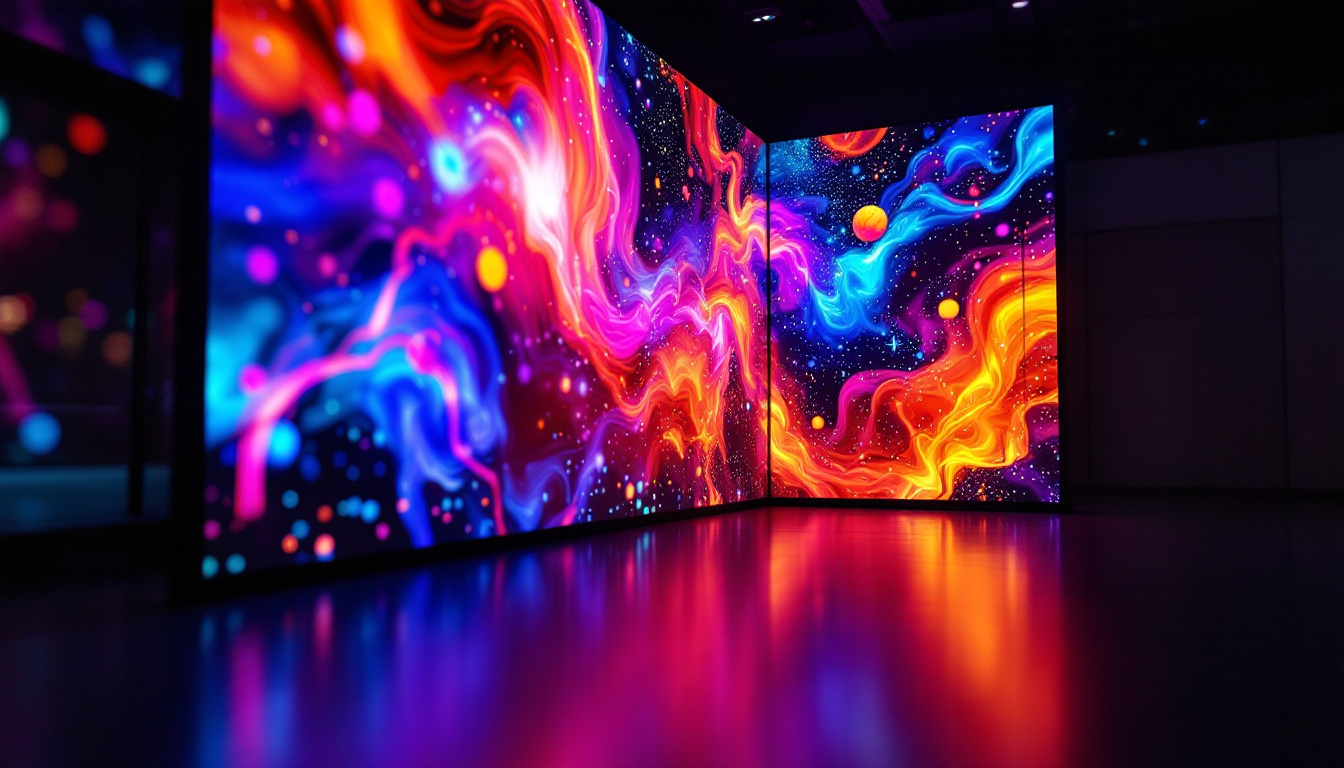
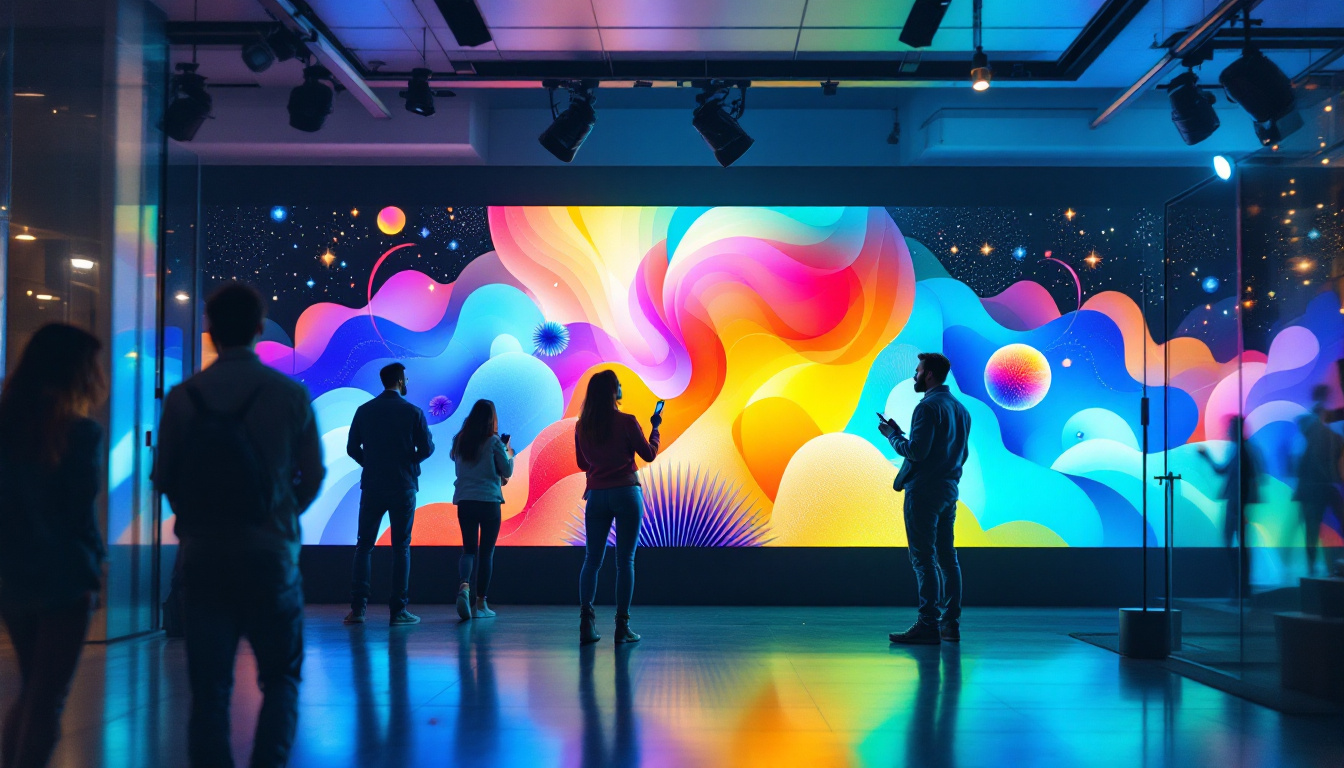
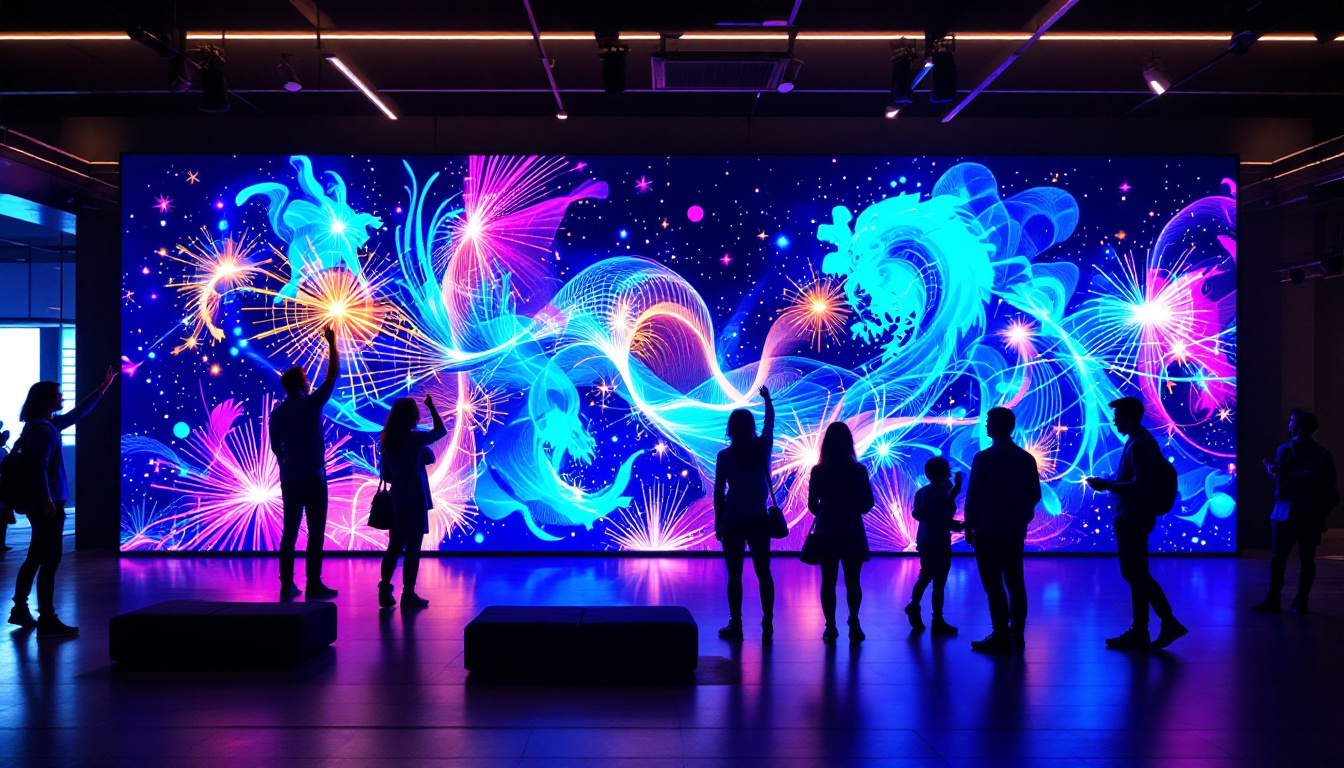
- Flexibility in Size and Shape: LED panels can be configured into various sizes and shapes, including curved or irregular forms. This adaptability allows designers to create unique installations that can fit any space, enhancing the aesthetic appeal of environments like museums and galleries.
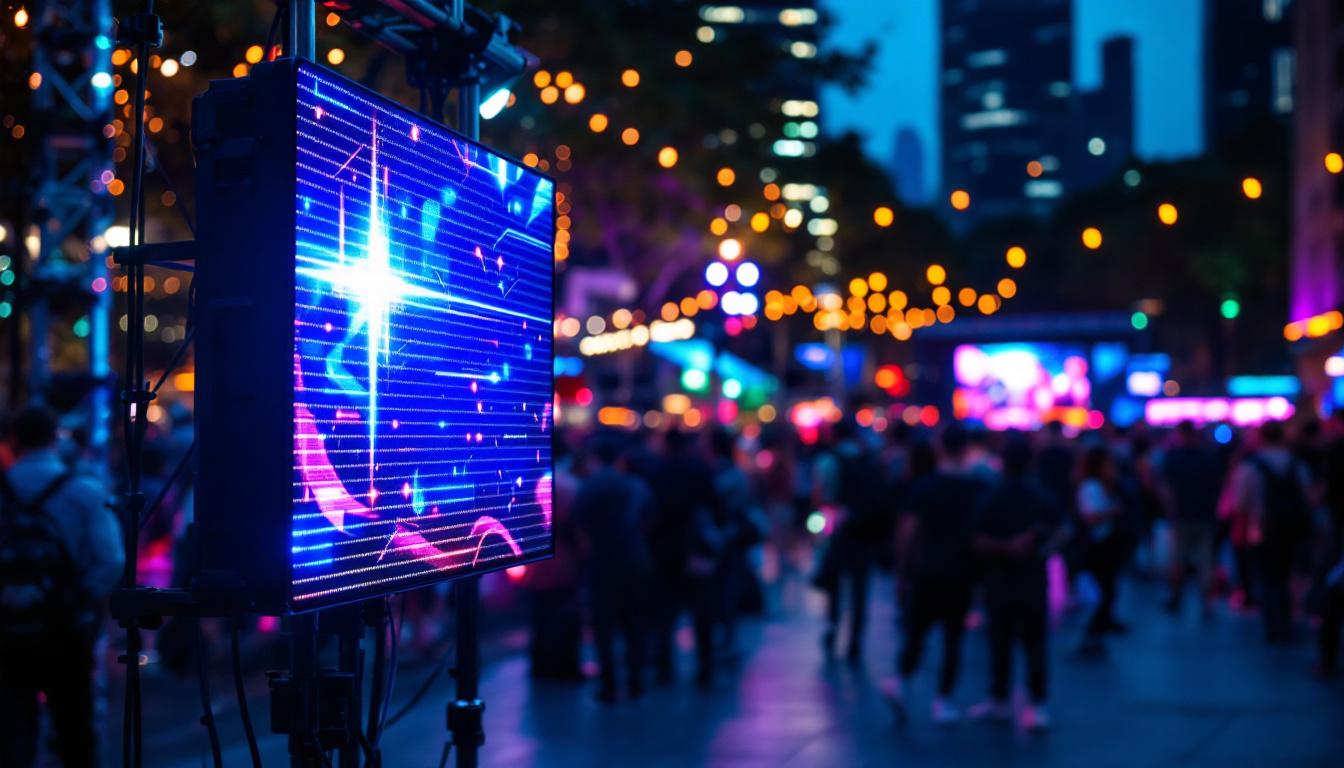
- Durability: LED displays are robust and can withstand environmental factors better than projection screens. They are often designed to be weather-resistant, making them suitable for outdoor use in various climates.
Limitations and Considerations for LED Displays
Despite their advantages, LED displays also have some drawbacks that need consideration:
- Cost: High-quality LED displays are generally more expensive upfront than projectors and screens. While the initial investment may be higher, many users find that the long-term benefits, such as lower maintenance costs and longer lifespan, can offset this expense.
- Installation Complexity: LED walls require professional installation and maintenance. This complexity can lead to additional costs and necessitates careful planning to ensure optimal performance and safety.
- Pixel Pitch and Resolution: For close viewing distances, LED displays need a fine pixel pitch to avoid visible pixelation, which can increase costs. Choosing the right pixel pitch is essential for achieving the desired image quality, particularly in settings like control rooms or high-end retail displays.
- Power Consumption: LED displays typically consume more power compared to projectors. However, advancements in technology are leading to more energy-efficient models, which can help mitigate this concern over time.
Moreover, the rapid advancement of LED technology has led to innovations such as transparent LED displays and flexible LED screens, further expanding their application possibilities. Transparent displays, for instance, can be integrated into windows or storefronts, allowing for a seamless blend of digital content with the physical environment. This opens up new avenues for advertising and interactive experiences, captivating audiences in ways that traditional projection cannot. As the market continues to evolve, we can expect even more groundbreaking developments that will redefine how we engage with visual media.
Comparative Analysis: Projection on Wall, Screen, and LED Display
Image Quality and Viewing Experience
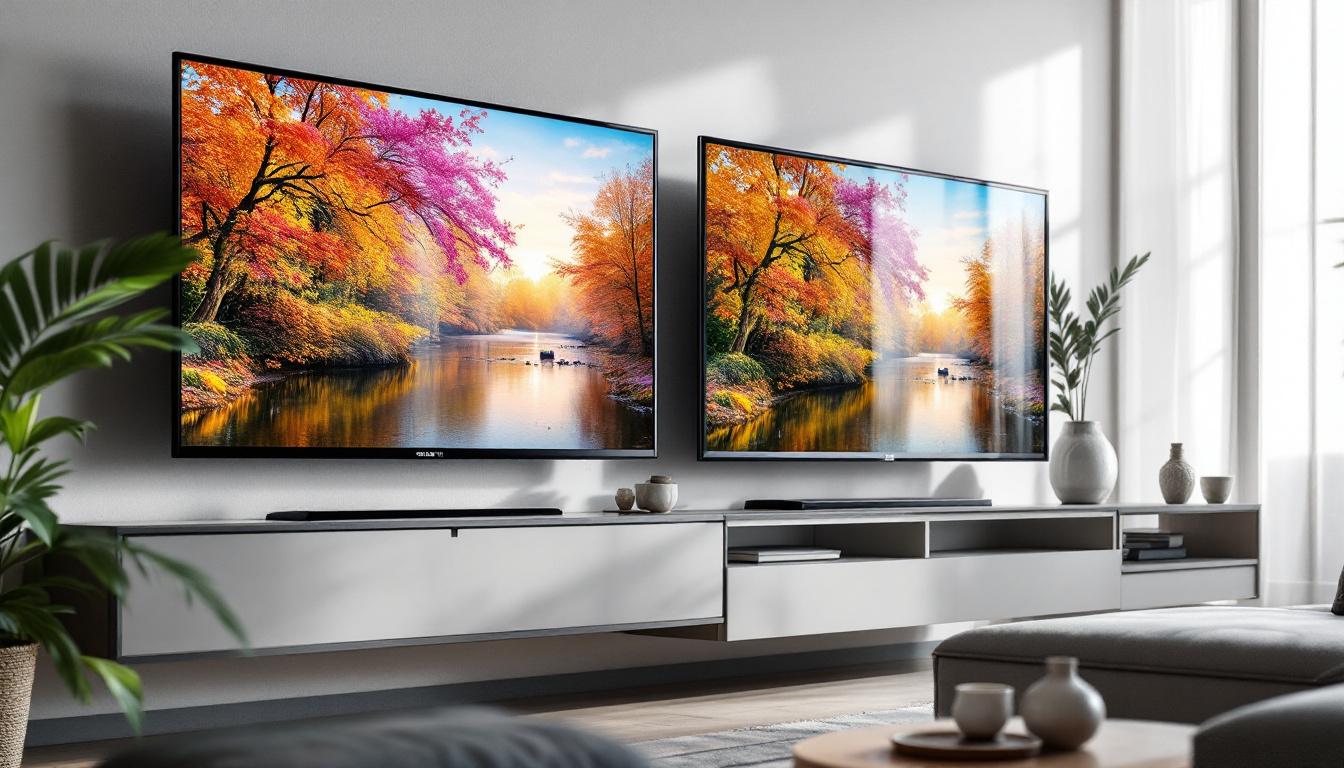
When comparing image quality, dedicated projection screens outperform walls due to their optimized reflective properties. However, LED displays surpass both by providing self-illuminated images with superior brightness, contrast, and color accuracy.
For example, a 2023 study by the Display Technology Institute found that LED displays maintain up to 40% higher brightness levels in ambient light conditions compared to high-end projection screens. This makes LED displays particularly suited for environments where controlling lighting is challenging.
Cost Considerations
For budget-conscious users, projecting on a wall is the most affordable option, requiring only a projector. Projection screens add additional costs but improve image quality significantly. LED displays represent the highest initial investment but can offer lower total cost of ownership in commercial settings due to their durability and reduced maintenance needs.
Installation and Space Requirements
Projecting on walls requires minimal installation but sacrifices image quality. Screens need dedicated space and mounting, which can be a constraint in smaller rooms. LED displays, while space-efficient in terms of thickness, require professional setup and infrastructure, especially for large-scale installations.
Use Cases and Suitability
Each option suits different scenarios:
- Wall Projection: Casual home use, temporary setups, or where budget is limited.
- Projection Screens: Home theaters, classrooms, conference rooms, and venues where ambient light can be controlled.
- LED Displays: Large venues, outdoor advertising, corporate lobbies, and any environment demanding high brightness and durability.
Emerging Technologies and Future Trends
MicroLED and MiniLED Innovations
Recent advancements in MicroLED and MiniLED technologies promise to bridge the gap between traditional LED displays and projection systems by offering higher resolution, better energy efficiency, and thinner form factors. These technologies are expected to become more affordable and widespread over the next five years, potentially transforming home and commercial display markets.
Hybrid Systems
Some manufacturers are exploring hybrid systems that combine projection with LED backdrops to enhance brightness and color performance. These systems aim to leverage the strengths of both technologies to create immersive visual experiences.
Environmental and Energy Considerations
With increasing emphasis on sustainability, energy consumption and material recyclability are becoming important factors in choosing display technologies. LED displays, while more power-hungry than projectors, often have longer lifespans and can be more energy-efficient when used continuously in commercial settings.
Conclusion: Making the Right Choice
Choosing between projecting on a wall, a screen, or investing in an LED display depends on multiple factors including budget, environment, intended use, and desired image quality. Walls offer convenience and affordability but compromise on quality. Screens provide a balanced solution with improved visuals and moderate cost. LED displays represent the cutting edge, delivering unmatched brightness and clarity at a higher price point.
For homeowners seeking a simple setup, a quality projection screen paired with a capable projector often delivers the best value. Businesses and event organizers requiring large, bright, and durable displays may find LED technology to be the superior choice.
As display technologies continue to evolve, understanding the strengths and limitations of each option is essential for making informed decisions that enhance viewer experience and meet specific needs.
Discover LumenMatrix’s Advanced LED Display Solutions
Ready to elevate your visual experience with the latest in LED display technology? LumenMatrix offers a comprehensive range of innovative solutions tailored to your needs. From vibrant Indoor and Outdoor LED Wall Displays to dynamic Vehicle and Sports LED Displays, our products are designed to captivate and engage. Explore our LED Poster Displays, Floor LED Displays, and Custom LED solutions that promise to revolutionize visual communication. For a seamless integration of technology and design, consider our All-in-One and Transparent LED Displays. Experience the future of digital signage with LumenMatrix and Check out LumenMatrix LED Display Solutions today to see how we can help you share your message with impact and clarity.