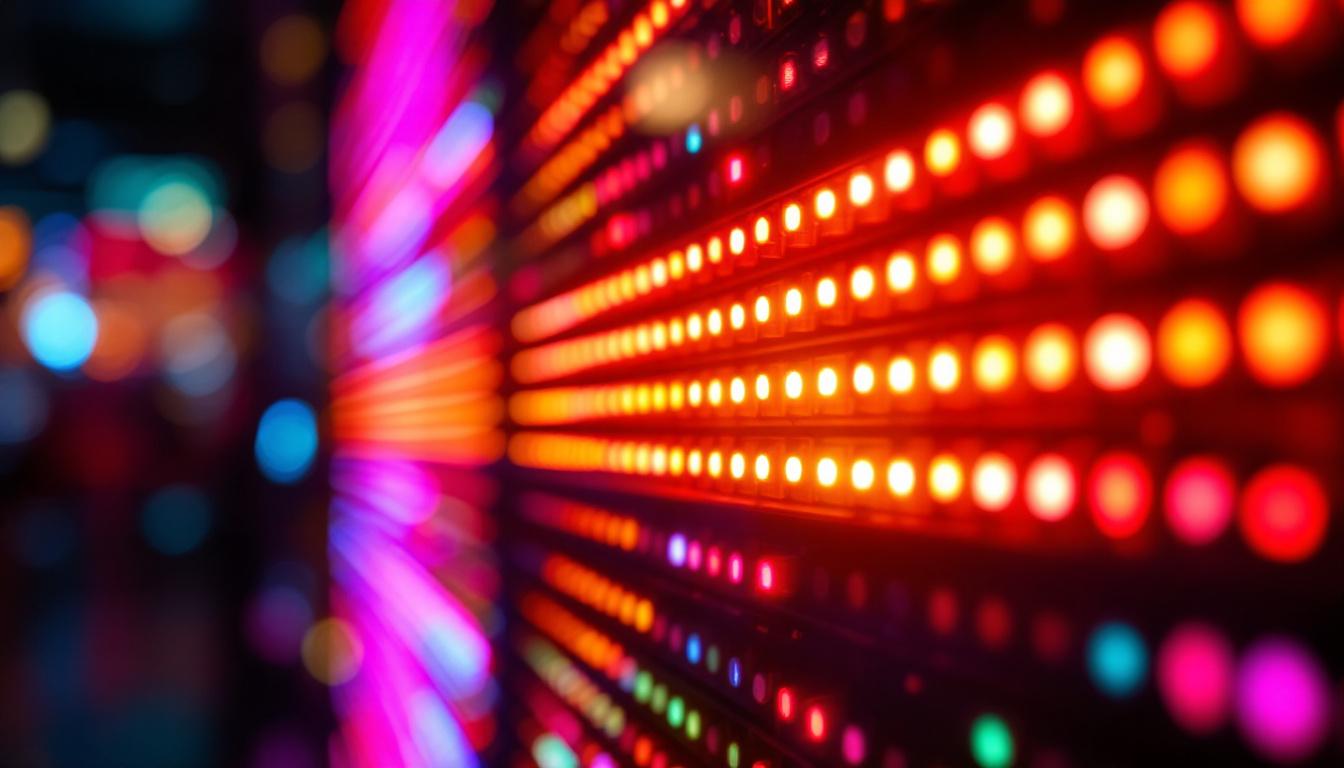
In an era where digital displays dominate advertising, entertainment, and information dissemination, LED technology has become a cornerstone of modern visual communication. Among the many variations of LED displays, the “Led Light Small” or small-pitch LED displays have garnered significant attention for their ability to deliver stunning image quality in compact formats. This article delves into the intricacies of small-pitch LED displays, exploring their technology, applications, benefits, and future trends.
Understanding LED Display Technology
LED, or Light Emitting Diode, technology revolutionized the display industry by offering brighter, more energy-efficient, and longer-lasting alternatives to traditional display technologies such as LCD and plasma. At its core, an LED display consists of thousands to millions of tiny LEDs arranged in a matrix to form images and videos.
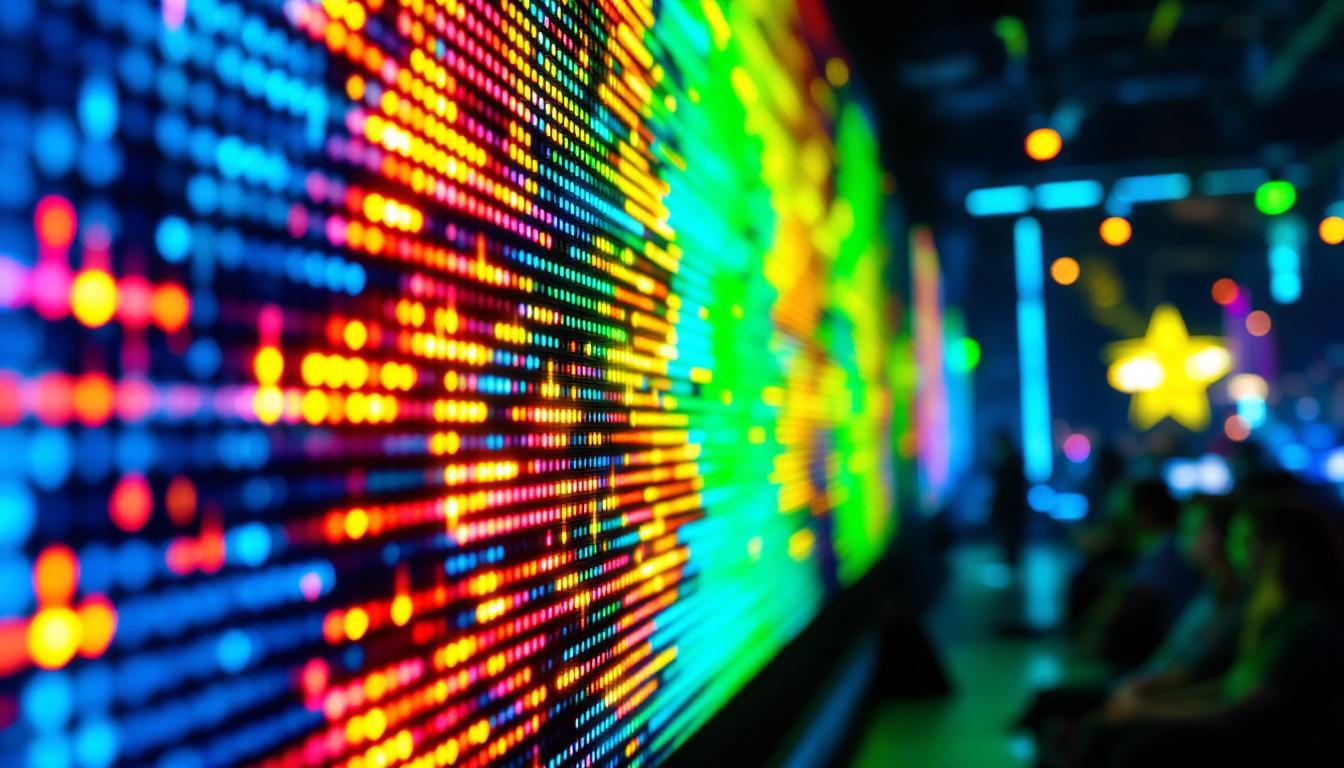
Each LED functions as a pixel or part of a pixel, emitting light when an electric current passes through it. The color and brightness of each pixel can be precisely controlled, allowing for vivid and dynamic visuals. The resolution and clarity of an LED display largely depend on the pixel pitch, which is the distance between the centers of two adjacent LEDs.
What is Pixel Pitch and Why Does It Matter?
Pixel pitch is measured in millimeters and is a critical factor in determining the display’s resolution and viewing distance. Smaller pixel pitches mean LEDs are packed closer together, resulting in higher resolution and sharper images. Conversely, larger pixel pitches are suitable for displays viewed from greater distances, such as stadium screens or billboards.
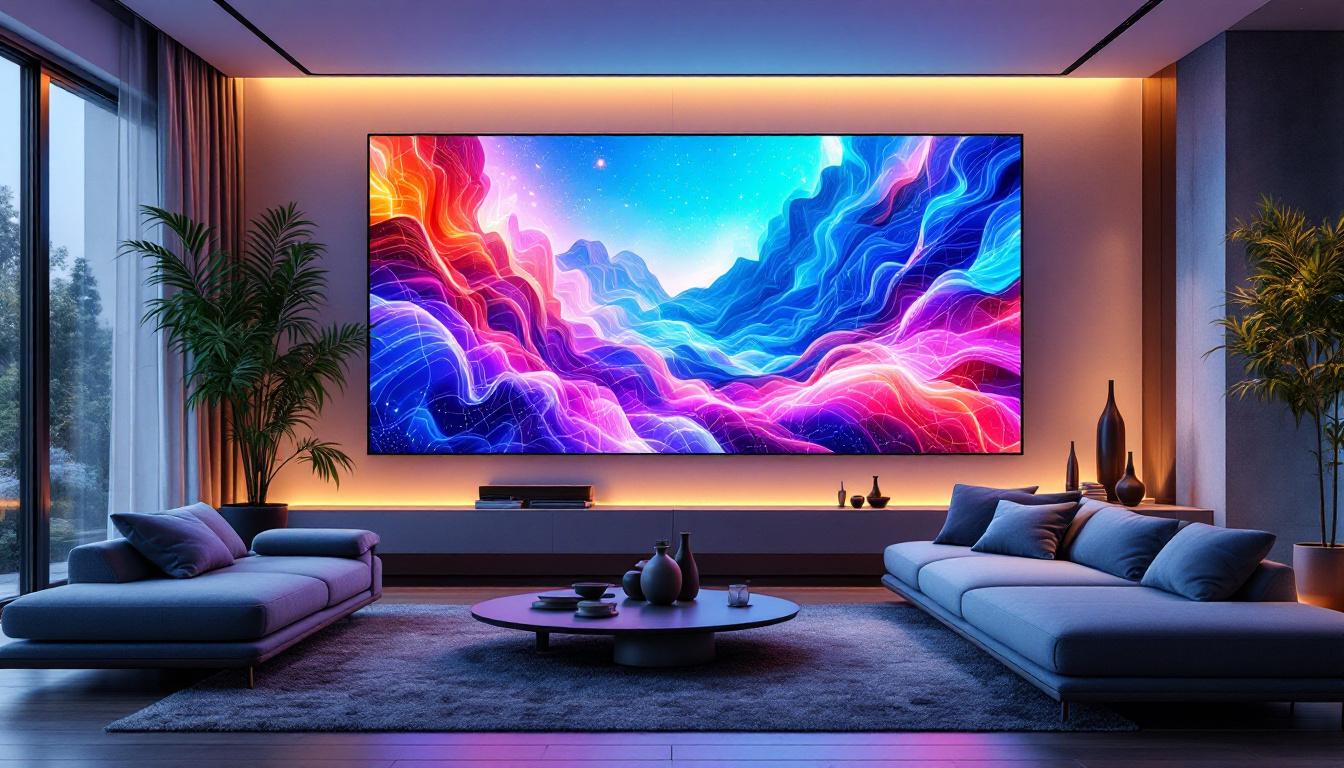
Small-pitch LED displays typically feature pixel pitches ranging from 0.7mm to 2.5mm, making them ideal for indoor applications where viewers are close to the screen. This tight LED spacing allows for ultra-high-definition content with exceptional detail and smooth gradients.
In addition to pixel pitch, the overall design and technology behind LED displays have evolved significantly. Modern LED displays often incorporate advanced technologies such as HDR (High Dynamic Range) and wide color gamut, which enhance the viewing experience by providing deeper blacks and brighter whites, as well as a broader spectrum of colors. These features are particularly beneficial for applications in entertainment, advertising, and broadcasting, where visual impact is paramount. Furthermore, the integration of smart technology into LED displays allows for real-time content updates and interactivity, making them versatile tools for engaging audiences in various settings, from retail environments to corporate presentations.
Moreover, the durability and resilience of LED displays make them suitable for a variety of environments. Unlike traditional displays that can be fragile and susceptible to damage, LED screens are often designed to withstand harsh conditions, including extreme temperatures and moisture. This robustness extends their lifespan and reduces maintenance costs, making them a preferred choice for outdoor installations, such as digital billboards and public information displays. As technology continues to advance, we can expect even more innovations in LED display technology, pushing the boundaries of what is possible in visual communication.
Key Features of Small-Pitch LED Displays
Small-pitch LED displays combine the inherent advantages of LED technology with the benefits of high pixel density. These features make them particularly attractive for a variety of professional and commercial uses.
High Resolution and Image Quality
With pixel pitches as low as 0.7mm, small-pitch LED displays can rival or even surpass the resolution of 4K LCD screens. This makes them perfect for applications requiring fine detail, such as control rooms, broadcast studios, and corporate environments. The high pixel density ensures smooth images without visible pixelation, even at close viewing distances. Furthermore, the ability to seamlessly tile multiple panels allows for the creation of expansive video walls that can adapt to any space, providing a stunning visual experience that captivates audiences and enhances presentations.
Brightness and Color Accuracy
LED displays are known for their superior brightness levels compared to LCDs, often exceeding 1,000 nits, which makes them easily visible in well-lit environments. Small-pitch LEDs maintain this brightness while delivering precise color reproduction, thanks to advances in LED chip technology and calibration techniques. This results in vibrant, true-to-life images that enhance viewer engagement. Additionally, the ability to adjust brightness and color settings dynamically allows for optimal performance in varying ambient light conditions, ensuring that the display remains effective whether used in a dimly lit conference room or a brightly lit exhibition hall.
Durability and Energy Efficiency
LEDs are solid-state devices, which means they are more durable and less prone to damage than traditional display components. Small-pitch LED displays also consume less power than comparable LCD or plasma displays, making them cost-effective over time. Their long lifespan, often exceeding 100,000 hours, reduces maintenance and replacement costs. This durability is further enhanced by their resistance to environmental factors such as humidity and temperature fluctuations, making them suitable for both indoor and outdoor applications. As businesses increasingly prioritize sustainability, the energy-efficient nature of small-pitch LED displays aligns well with eco-friendly initiatives, contributing to lower carbon footprints and operational costs.
Applications of Small-Pitch LED Displays
The versatility of small-pitch LED displays has led to their adoption across multiple industries. Their ability to deliver high-resolution content in compact spaces opens up numerous possibilities.
Corporate and Conference Environments
In corporate settings, clear and crisp displays are essential for presentations, video conferencing, and data visualization. Small-pitch LED walls offer seamless, bezel-free screens that enhance communication and collaboration. Their modular design allows for custom sizes and shapes, fitting perfectly into boardrooms and auditoriums. Furthermore, these displays can be integrated with advanced video conferencing tools, enabling remote participants to feel as though they are part of the in-person meeting. This level of engagement is crucial in today’s global business landscape, where teams often span multiple time zones and locations.
Broadcast and Control Rooms
Broadcast studios require displays that can render high-definition content with accurate colors and minimal latency. Small-pitch LED screens provide broadcasters with the flexibility to create dynamic backgrounds and real-time data displays. Similarly, control rooms benefit from the high resolution and reliability of these displays for monitoring critical systems. The ability to customize layouts and integrate various data feeds allows operators to maintain situational awareness, which is vital in emergency response scenarios. Additionally, the low power consumption of these displays contributes to more sustainable broadcasting practices, aligning with the industry’s growing focus on environmental responsibility.
Retail and Digital Signage
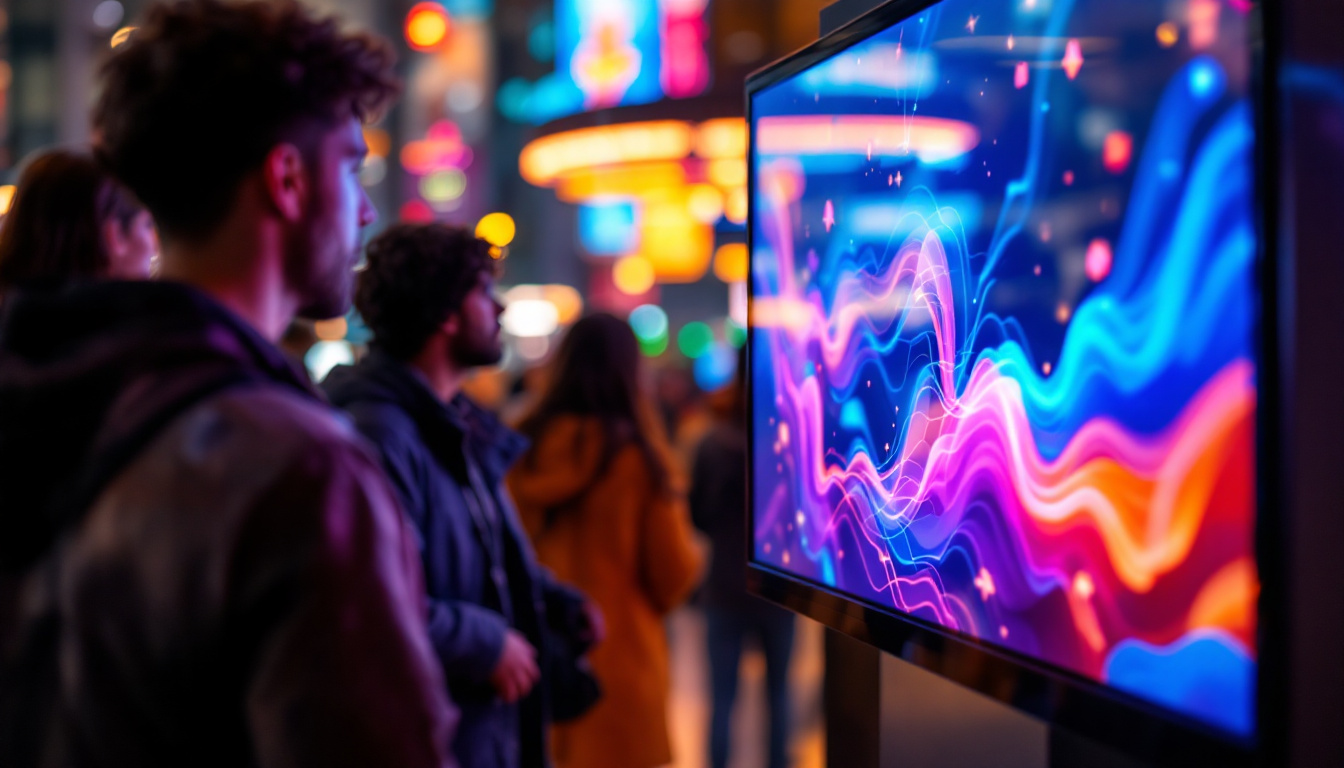
Retailers use small-pitch LED displays to attract customers with eye-catching advertisements and interactive content. Their brightness and color fidelity ensure visibility even under strong indoor lighting. Additionally, the ability to display high-resolution videos and animations helps brands deliver compelling messages and promotions. Interactive features, such as touch capabilities or QR code integration, can further enhance customer engagement, allowing shoppers to access additional information or exclusive offers. This interactivity not only drives sales but also fosters a memorable shopping experience that encourages repeat visits.
Healthcare and Education
In healthcare, small-pitch LED displays facilitate detailed medical imaging and telemedicine applications. Educational institutions use these displays for interactive learning environments, where clarity and engagement are paramount. The seamless visuals support a wide range of multimedia content, enhancing the learning experience. In classrooms, teachers can utilize these displays to present complex information, such as 3D models or live demonstrations, making abstract concepts more tangible for students. Moreover, in healthcare settings, the ability to display real-time patient data and imaging results on large screens can significantly improve decision-making processes, ultimately leading to better patient outcomes.
Installation and Maintenance Considerations
While small-pitch LED displays offer numerous advantages, their installation and upkeep require careful planning to maximize performance and longevity.
Installation Challenges
Due to the high density of LEDs, small-pitch displays demand precise alignment and calibration during installation. Any misalignment can result in visual inconsistencies or color shifts. Additionally, these displays often involve modular panels that must be securely mounted and interconnected to form a seamless image.
Professional installation teams use specialized tools and software to ensure optimal setup. Environmental factors such as ambient temperature, humidity, and ventilation also need to be considered to prevent overheating and extend the display’s lifespan.
Maintenance and Calibration
Routine maintenance is essential to keep small-pitch LED displays performing at their best. This includes cleaning the surface to remove dust and debris, checking for dead or malfunctioning LEDs, and recalibrating color and brightness settings periodically. Advanced LED displays come with built-in diagnostics and remote monitoring capabilities, simplifying maintenance tasks.
Future Trends in Small-Pitch LED Technology
The LED display industry continues to evolve rapidly, with innovations aimed at improving resolution, efficiency, and versatility.
MicroLED and MiniLED Advancements
Emerging technologies like MicroLED and MiniLED are pushing the boundaries of small-pitch displays. MicroLEDs, which are even smaller than traditional LEDs, promise unparalleled brightness, contrast, and energy efficiency. These displays can achieve pixel pitches below 0.5mm, enabling true 8K resolution and beyond in relatively compact sizes.
Flexible and Transparent LED Displays
Another exciting development is the advent of flexible and transparent LED panels. These innovations allow displays to be integrated into unconventional surfaces such as curved walls, windows, and wearable devices. Small-pitch flexible LEDs open new possibilities for immersive environments and creative digital signage solutions.
AI and Smart Display Integration
Artificial intelligence is increasingly being integrated into LED display systems to optimize content delivery and maintenance. Smart displays can adapt brightness and color based on ambient conditions, analyze viewer engagement, and even predict component failures before they occur. This enhances user experience and reduces operational costs.
Conclusion
Small-pitch LED displays represent a significant leap forward in digital display technology, offering unmatched resolution, brightness, and versatility. Their ability to deliver high-quality visuals in compact formats makes them indispensable across a wide range of industries, from corporate environments to retail and healthcare. As technology advances, these displays will become even more sophisticated, flexible, and intelligent, continuing to transform how information and entertainment are presented.
For businesses and organizations seeking to invest in cutting-edge display solutions, understanding the capabilities and benefits of small-pitch LED technology is crucial. With proper installation and maintenance, these displays promise to deliver exceptional performance and value for years to come.
Discover LumenMatrix’s Advanced LED Display Solutions
Ready to elevate your visual communication with the latest in LED display technology? LumenMatrix is at the forefront of innovation, offering a diverse range of LED display modules designed to captivate and engage. From Indoor and Outdoor LED Wall Displays to specialized solutions like Vehicle LED Displays, LED Sports Displays, and even Custom LED Displays, we have the technology to bring your vision to life. Experience the future of digital signage with our All-in-One and Transparent LED Displays, and see how our commitment to cutting-edge solutions can transform your space. Check out LumenMatrix LED Display Solutions today and join the revolution in visual storytelling.