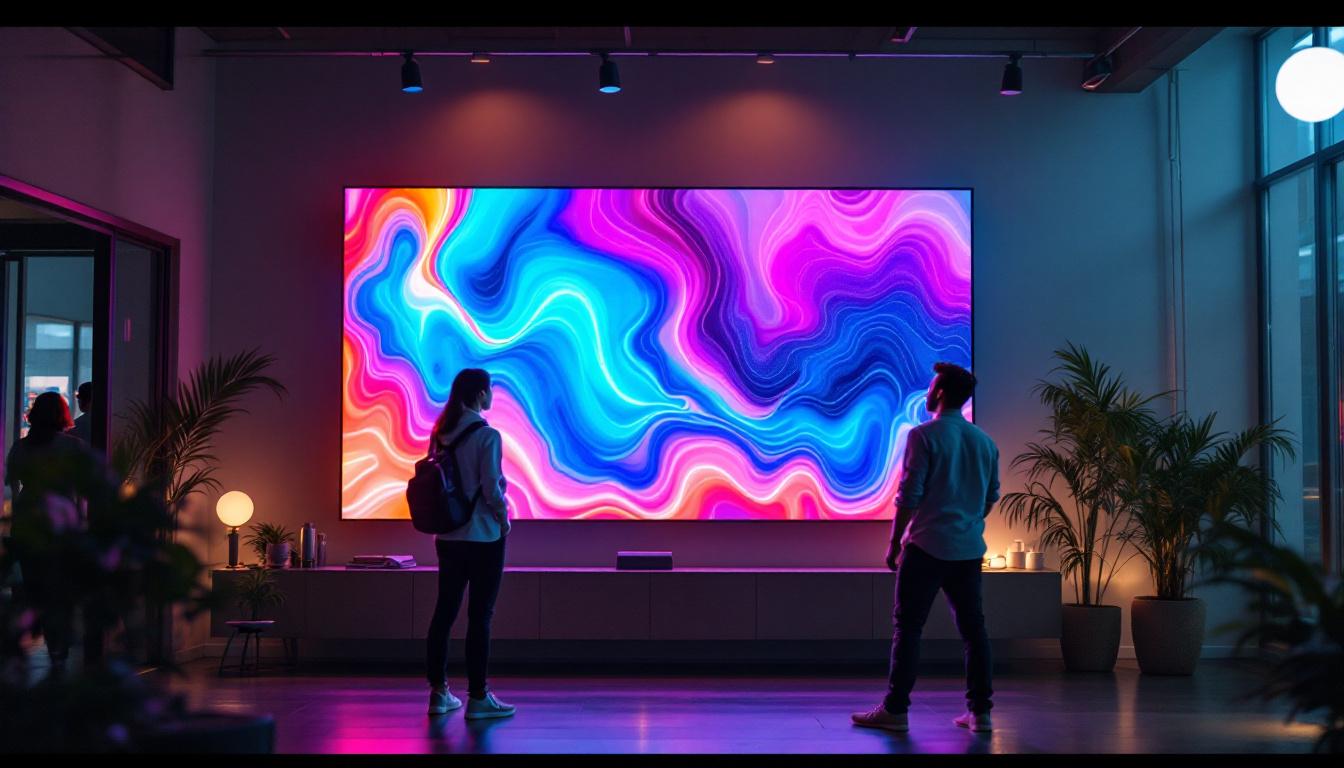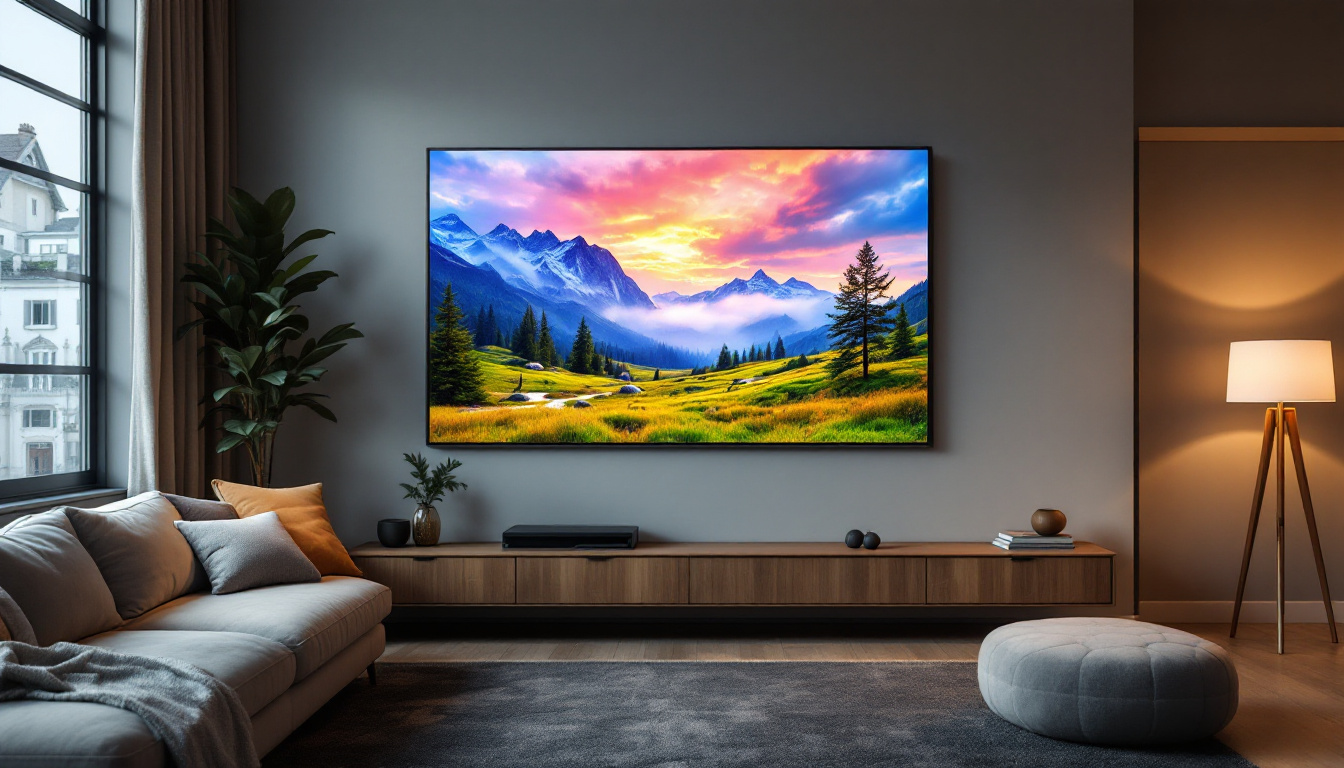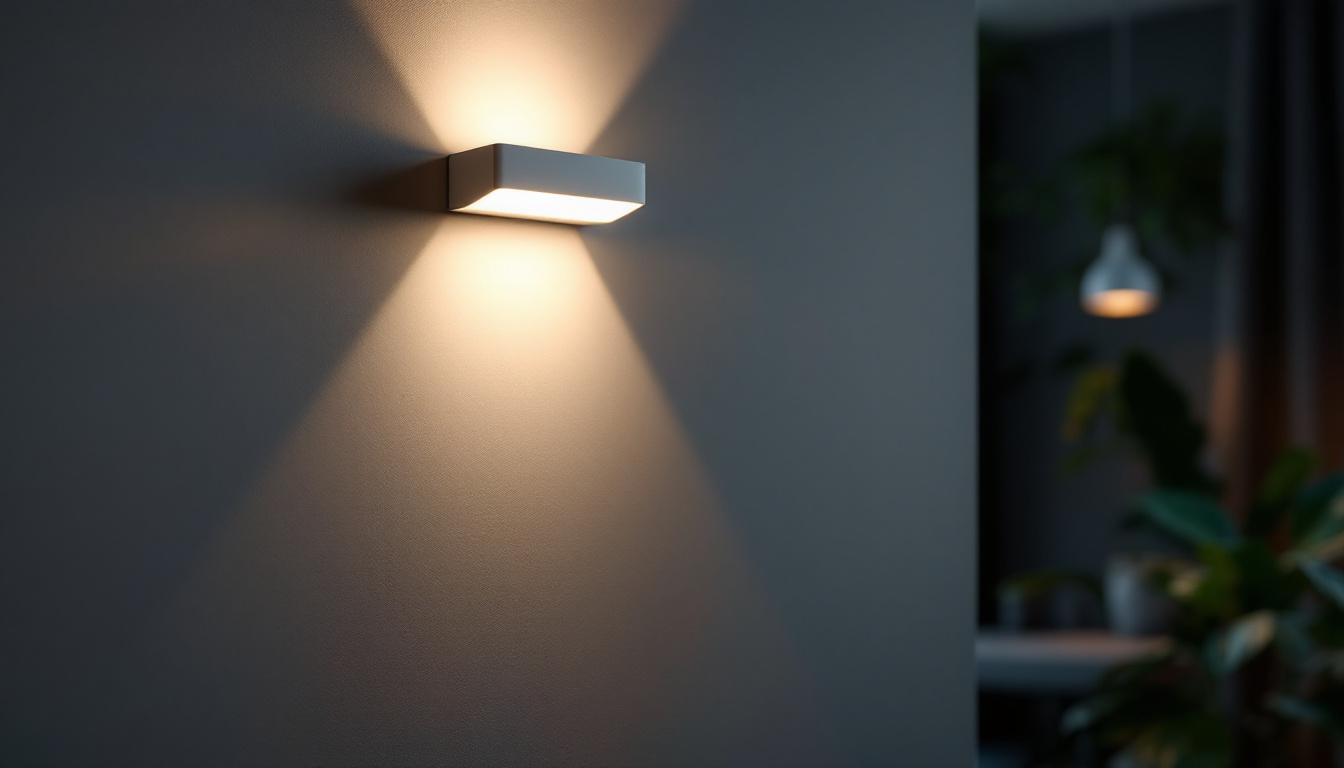
LED wall lights and LED displays have become ubiquitous in both commercial and residential settings, transforming how we illuminate and communicate visually. From vibrant advertising billboards to sleek architectural lighting, LED technology offers unparalleled versatility, efficiency, and visual impact. This article delves into the fundamentals of LED wall lights and LED displays, explaining their technology, applications, and benefits, while offering insight into why they have become a cornerstone of modern lighting and digital signage.
Understanding LED Technology
What is an LED?
LED stands for Light Emitting Diode, a semiconductor device that emits light when an electric current passes through it. Unlike traditional incandescent bulbs, LEDs do not rely on heating a filament to produce light. This fundamental difference makes LEDs more energy-efficient, longer-lasting, and capable of producing brighter and more focused light.
The invention of the LED dates back to the early 1960s, but it wasn’t until recent decades that advancements in materials and manufacturing have made LEDs practical for widespread use. Today, LED technology powers everything from indicator lights on electronics to large-scale digital displays and architectural lighting. The versatility of LEDs has also led to their adoption in various applications, including automotive lighting, street lamps, and even horticultural lighting, where specific wavelengths can promote plant growth.
How LED Wall Lights Work
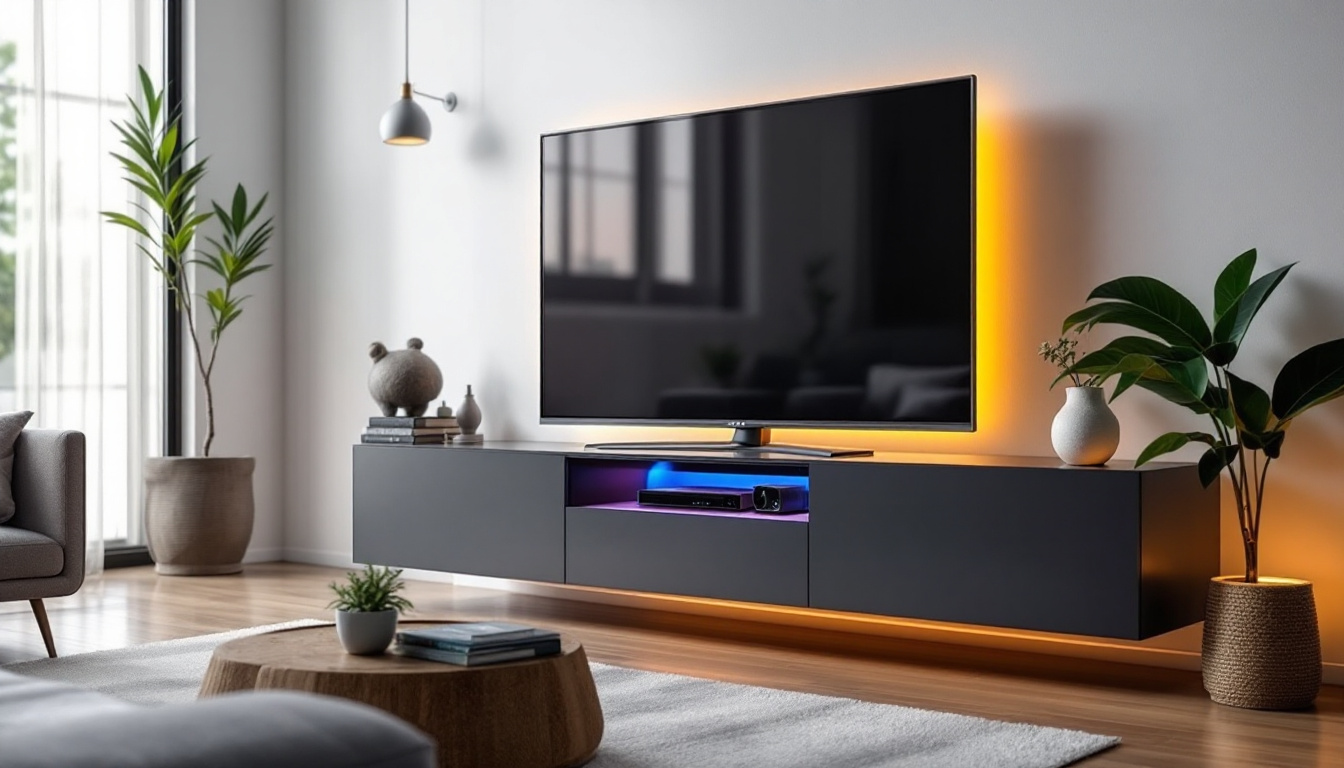
LED wall lights are fixtures designed to be mounted on walls, providing illumination either for functional purposes or decorative effects. These lights use arrays of LEDs embedded in compact units, often paired with lenses or diffusers to control the direction and quality of light.
One of the key advantages of LED wall lights is their ability to produce consistent, bright light while consuming significantly less power compared to traditional lighting options. Additionally, LED wall lights generate less heat, which improves safety and longevity. Many modern LED wall lights also come with adjustable brightness settings and color temperature options, allowing users to customize the ambiance of their space. This adaptability makes them ideal for various environments, from cozy residential settings to professional office spaces, where different lighting moods can enhance productivity and comfort.
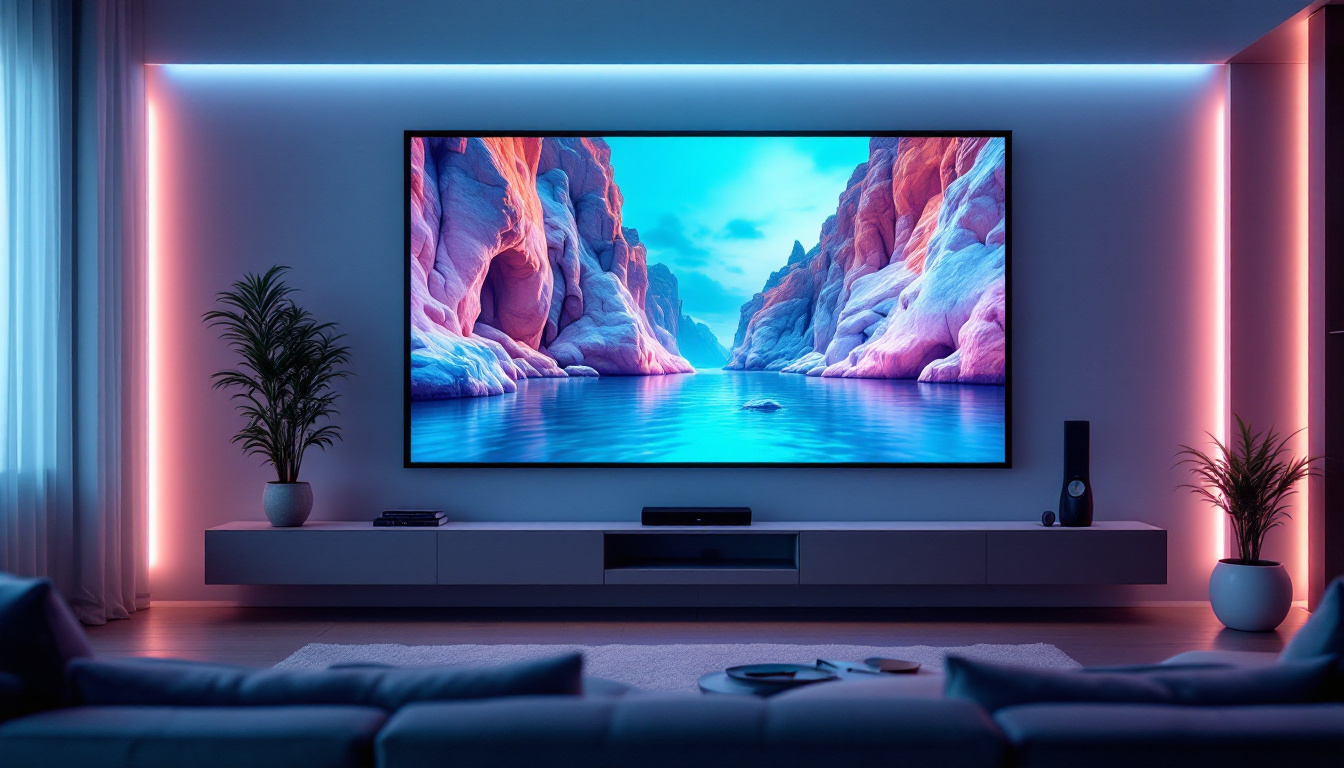
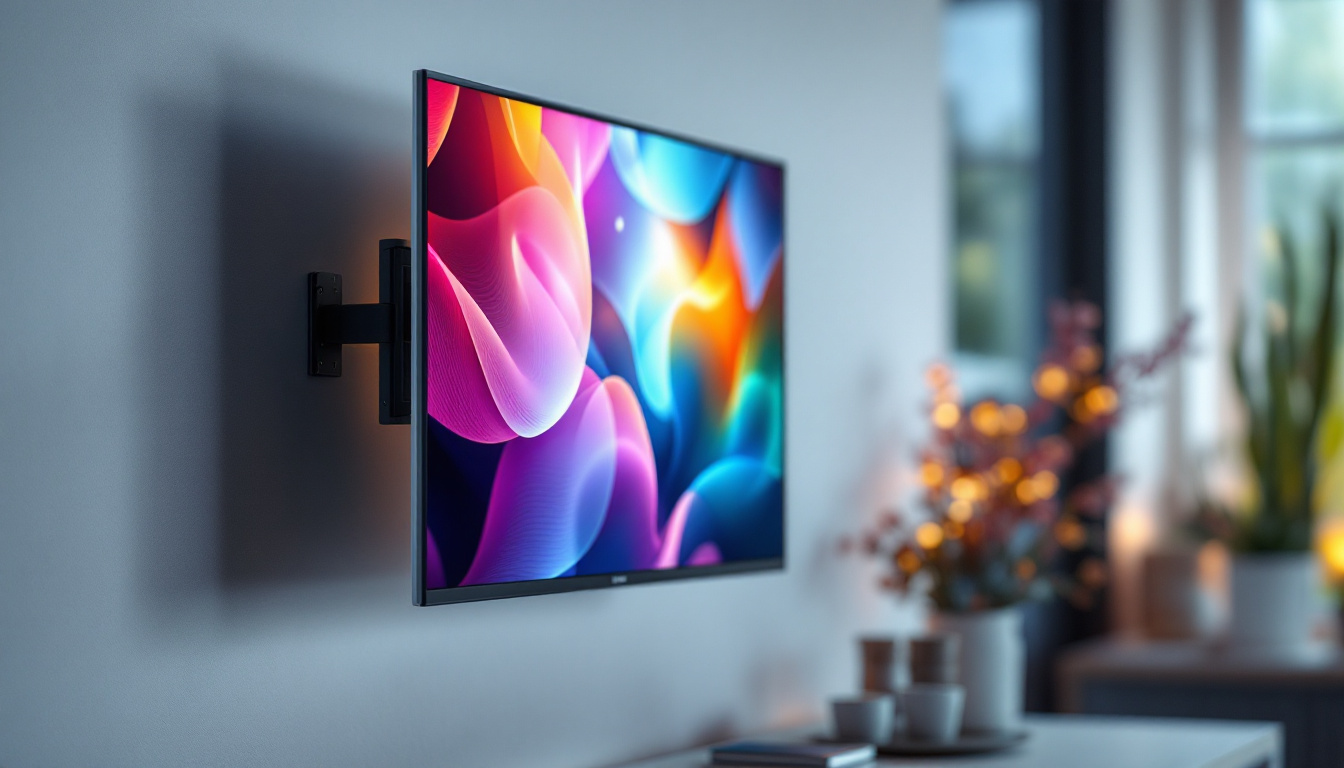
Furthermore, the design of LED wall lights has evolved to incorporate aesthetic elements that complement contemporary interior design trends. With sleek profiles and a variety of finishes, these fixtures can serve as statement pieces or blend seamlessly into the background. Some models even feature smart technology, enabling users to control lighting through mobile apps or voice commands, further integrating them into the modern smart home ecosystem. This combination of functionality and style makes LED wall lights a popular choice for both homeowners and designers alike.
The Evolution of LED Displays
From Simple Indicators to Complex Displays
LED displays have evolved from simple numeric or alphanumeric indicators to complex, full-color video walls capable of displaying high-resolution images and videos. This transformation has been driven by advances in LED miniaturization, color mixing techniques, and control electronics. In the early days, LED technology was primarily used for basic applications such as clocks, calculators, and simple signage. However, as technology progressed, the demand for more dynamic and visually appealing displays grew, leading to innovations that have reshaped the landscape of visual communication.
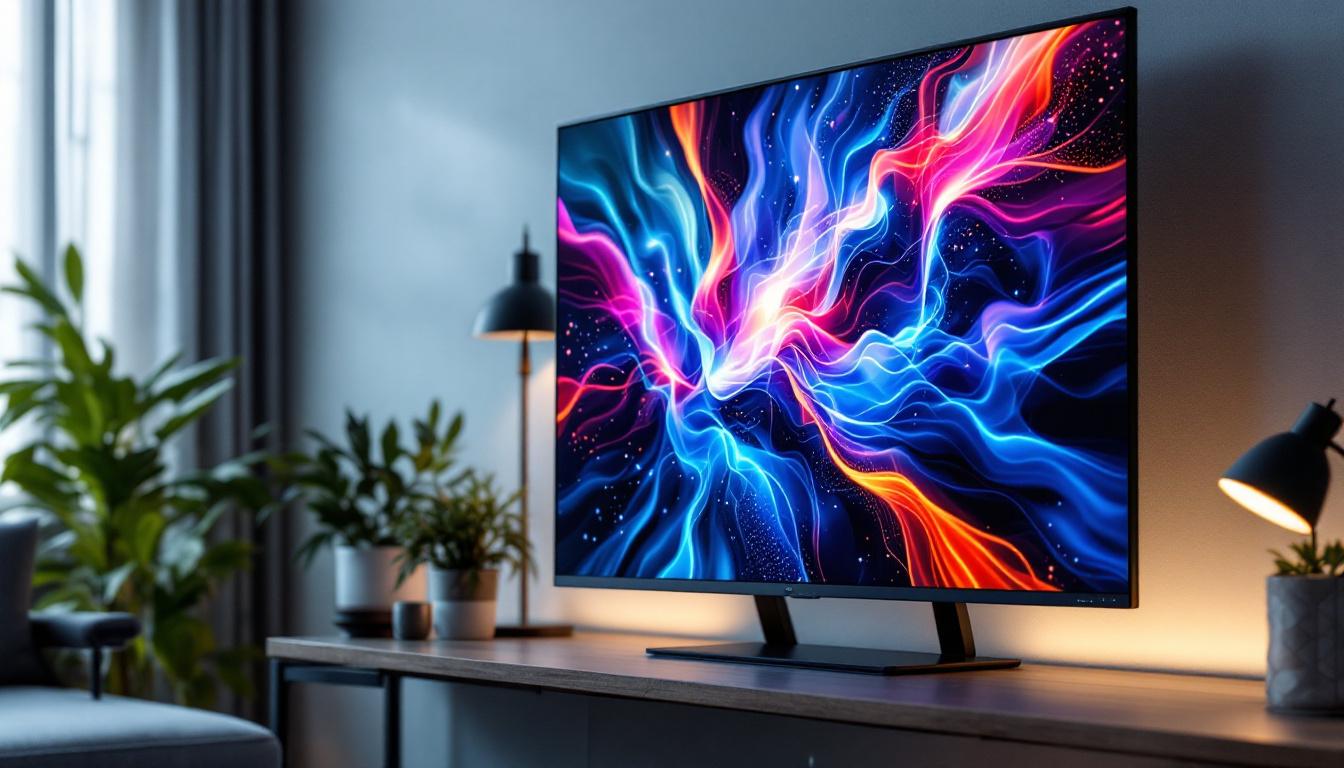
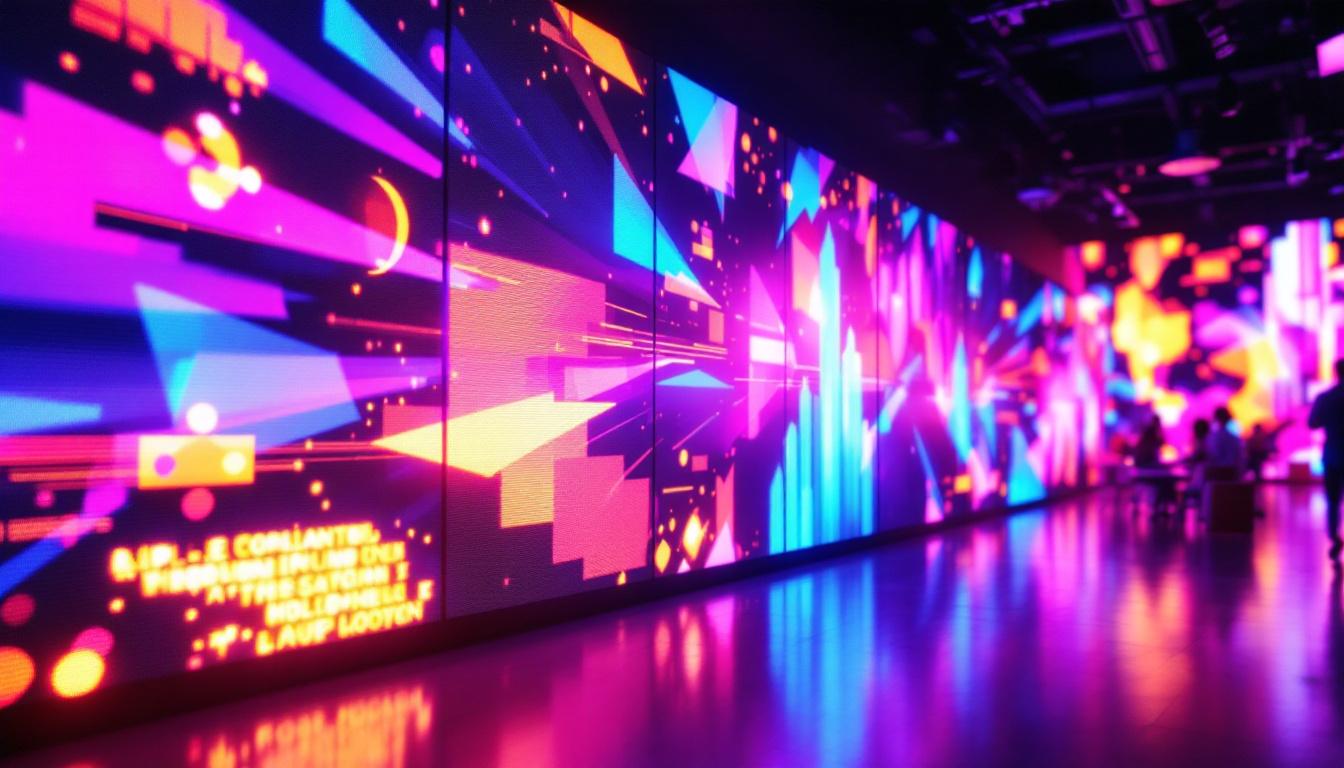
Modern LED displays consist of thousands to millions of tiny LEDs arranged in a grid or matrix. Each LED acts as a pixel, and by varying the intensity and color of individual LEDs, the display can render detailed graphics, animations, and videos. These displays are widely used in advertising, sports arenas, public transportation hubs, and entertainment venues. The ability to create vibrant and engaging content has made LED displays a preferred choice for marketers and event organizers, allowing them to capture the attention of audiences in ways that static displays simply cannot. Furthermore, the integration of smart technology has enabled features such as interactivity and real-time content updates, enhancing user engagement.
Types of LED Displays
LED displays come in various types based on their pixel pitch, brightness, and intended use:
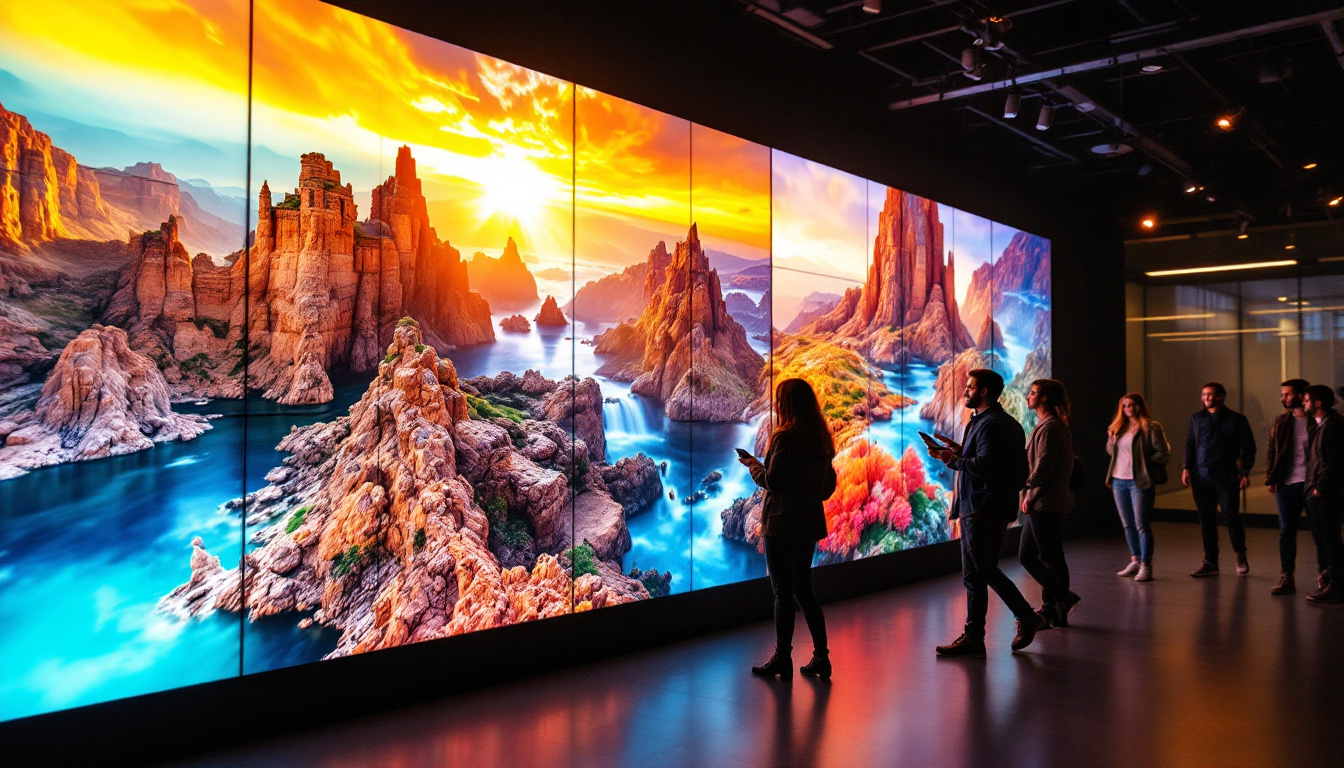
- Indoor LED Displays: Designed for close viewing distances, these displays have a small pixel pitch (often less than 2mm) to ensure high resolution and sharp images. They are commonly found in conference rooms, retail environments, and control centers, where clarity and detail are paramount.
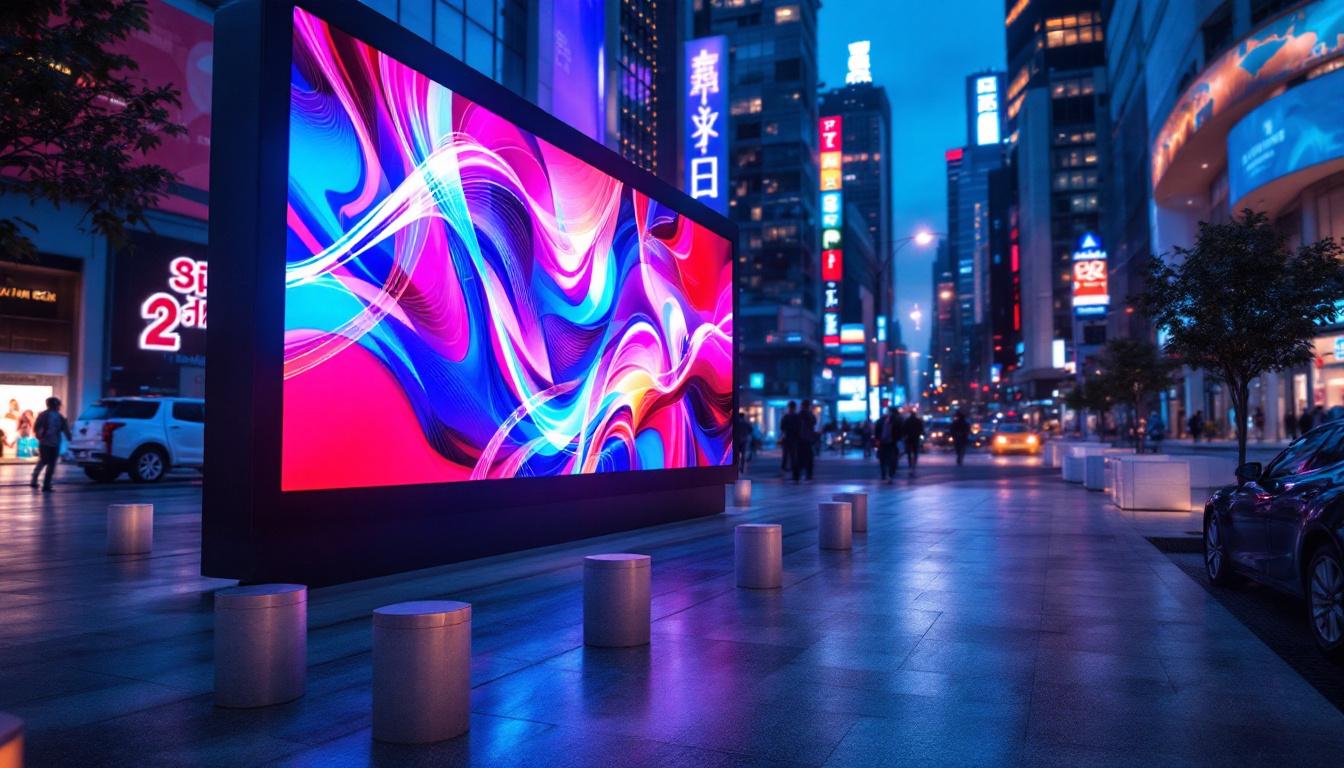
- Outdoor LED Displays: Built to withstand weather conditions, these have higher brightness levels (sometimes exceeding 5,000 nits) to remain visible in direct sunlight and larger pixel pitches to balance cost and viewing distance. They are frequently used in billboards, stadiums, and public events, where they can reach large audiences and convey messages effectively.
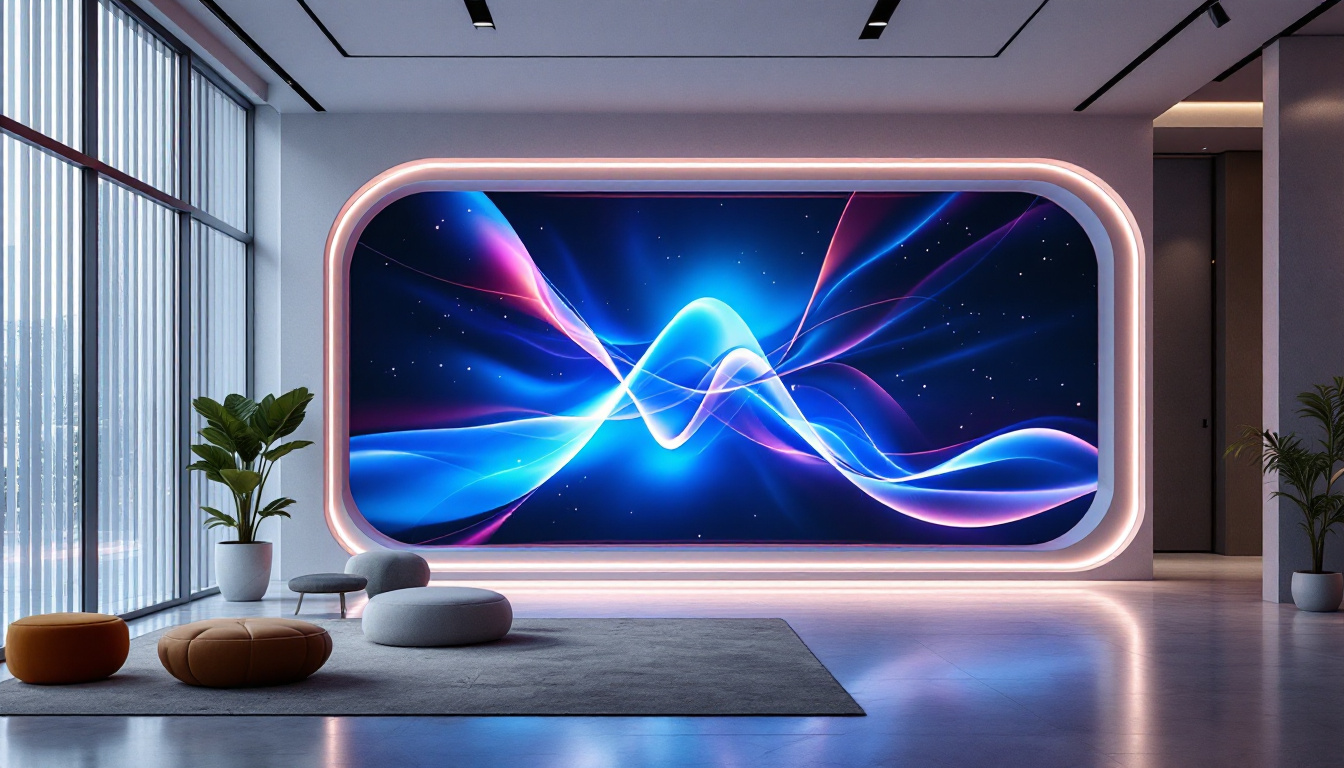
- Flexible and Curved LED Displays: These innovative displays can bend or curve, allowing for creative installations on irregular surfaces or architectural features. Their versatility opens up new possibilities for artistic expression and branding, enabling designers to create immersive environments that captivate viewers.
Additionally, there are specialized LED displays such as transparent LED screens, which allow for visibility through the display while still showcasing content, making them ideal for retail storefronts and exhibitions. Another emerging category is the microLED display, which offers even finer pixel pitch and superior color accuracy, paving the way for next-generation televisions and personal devices. As the technology continues to advance, we can expect to see even more innovative applications and enhancements in the LED display market, further blurring the lines between digital and physical spaces.
Applications of LED Wall Lights and Displays
Architectural and Ambient Lighting
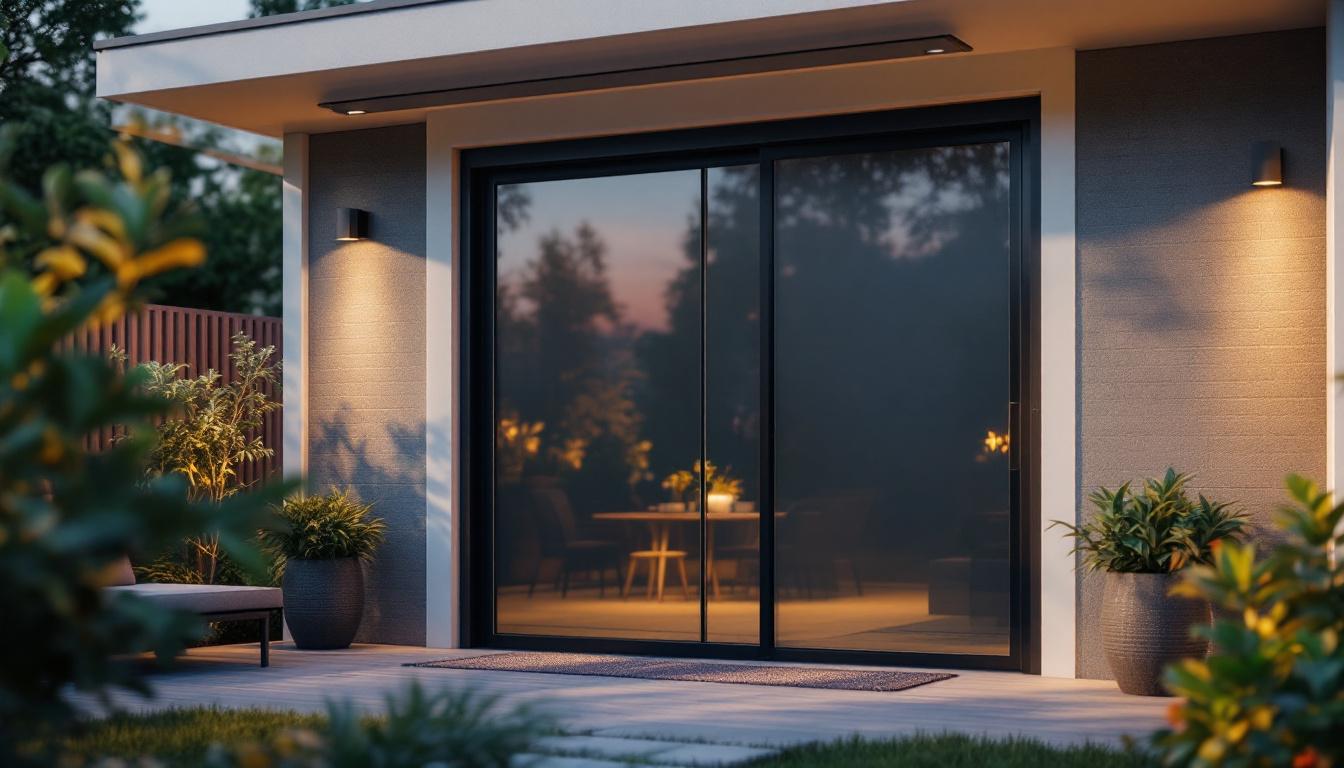
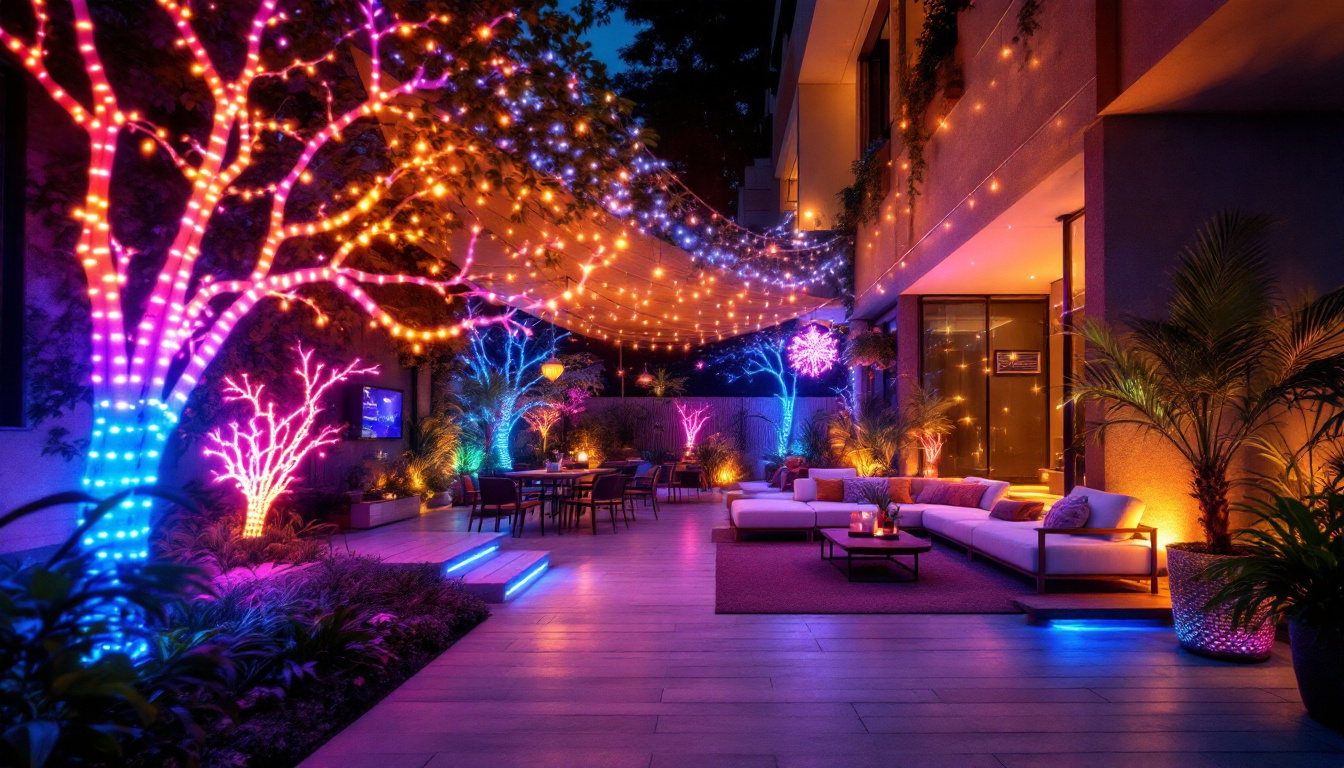
LED wall lights are extensively used in architectural lighting to highlight building facades, interior walls, and landscape elements. Their ability to produce a wide range of colors and adjustable brightness makes them ideal for creating mood lighting or accentuating design features.
For example, hotels and restaurants often use LED wall lights to create inviting atmospheres, while museums employ them to subtly illuminate exhibits without causing damage from heat or UV radiation.
Digital Signage and Advertising
LED displays have revolutionized advertising by enabling dynamic, eye-catching content that can be updated in real-time. Billboards, retail storefronts, and public transit stations leverage LED displays to deliver targeted messages, promotions, and interactive content.
According to a 2023 report by Grand View Research, the global digital signage market is expected to reach $31.71 billion by 2030, growing at a compound annual growth rate (CAGR) of 7.5%. This growth is largely driven by the adoption of LED displays due to their brightness, durability, and energy efficiency.
Entertainment and Events
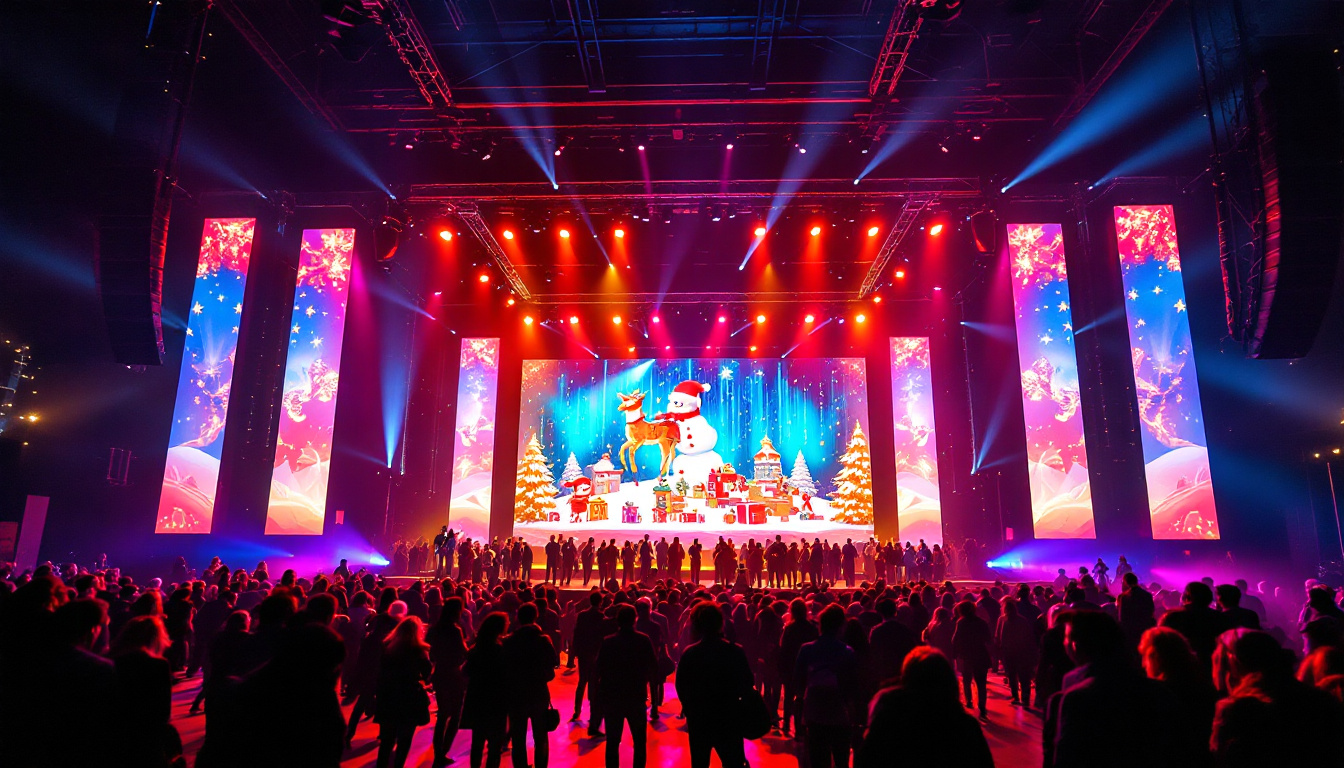
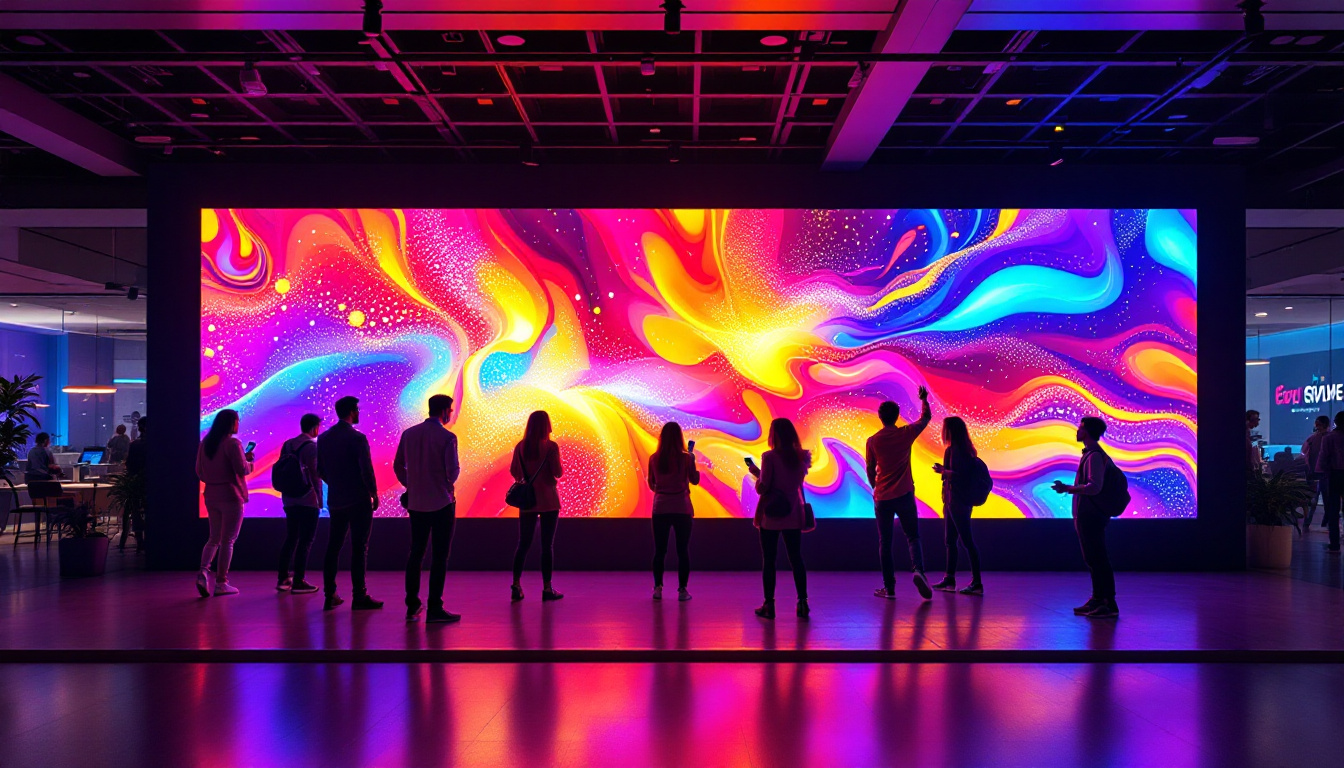
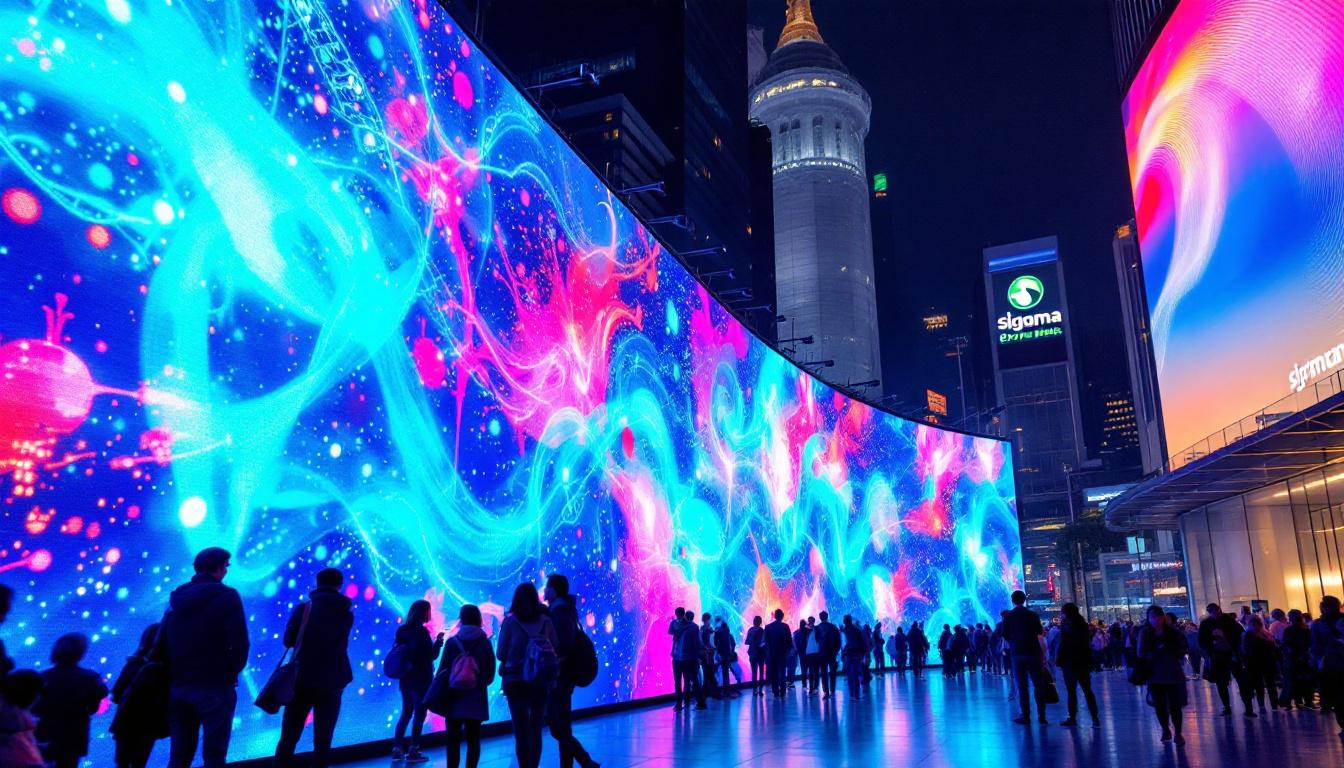
Concerts, sports events, and festivals frequently use large LED video walls to enhance the audience experience. These displays provide live video feeds, graphics, and interactive elements that engage attendees and improve visibility from all angles.
LED walls can be assembled in modular panels, allowing for scalable and flexible setups that fit various venue sizes and configurations. Their lightweight design also facilitates quick installation and teardown, which is essential for touring events.
Advantages of LED Wall Lights and Displays
Energy Efficiency and Sustainability
One of the most significant benefits of LED technology is its energy efficiency. LEDs consume up to 80% less energy than incandescent bulbs and approximately 50% less than fluorescent lighting. This efficiency translates into lower electricity bills and a reduced environmental footprint.
Moreover, LEDs have a longer lifespan—often exceeding 50,000 hours—reducing the frequency of replacements and associated waste. Many LED products are also recyclable, further contributing to sustainability efforts.
Superior Visual Quality
LED wall lights offer superior color rendering and brightness control compared to traditional lighting. This capability allows designers to create vibrant, visually appealing environments with precise control over light intensity and color temperature.
Similarly, LED displays provide high contrast ratios, wide viewing angles, and excellent color accuracy. These features ensure that images remain clear and vivid even in challenging lighting conditions, such as bright sunlight or dim indoor settings.
Durability and Low Maintenance
LEDs are solid-state devices, meaning they are more resistant to shock, vibration, and external impacts than fragile incandescent or fluorescent bulbs. This durability makes LED wall lights and displays suitable for both indoor and outdoor applications where environmental stressors are a concern.
Additionally, LED systems require minimal maintenance due to their long lifespan and robust construction. This reliability is especially valuable for large-scale installations where maintenance costs and downtime can be significant.
Choosing the Right LED Wall Light or Display
Factors to Consider
Selecting the appropriate LED wall light or display depends on several factors, including:
- Purpose: Is the lighting intended for ambiance, task lighting, or decorative effects? For displays, is the goal advertising, information dissemination, or entertainment?
- Location: Indoor or outdoor use will influence the choice of brightness, weatherproofing, and durability.
- Viewing Distance: For LED displays, pixel pitch must be matched to the typical viewing distance to ensure optimal image clarity.
- Budget: Initial cost, energy consumption, and maintenance expenses all factor into the total cost of ownership.
Installation and Integration
Proper installation is critical to maximizing the performance and lifespan of LED wall lights and displays. This includes ensuring adequate power supply, ventilation, and structural support. For LED displays, integration with control systems and content management software is also essential for dynamic content delivery.
Working with experienced professionals can help avoid common pitfalls such as uneven lighting, color inconsistencies, or premature component failure.
The Future of LED Wall Lights and Displays
Technological Innovations
LED technology continues to advance rapidly. Emerging trends include microLED displays, which offer even higher resolution and brightness with lower power consumption, and smart LED lighting systems that integrate with IoT (Internet of Things) platforms for automated control and energy management.
Additionally, developments in flexible and transparent LED displays are opening new possibilities for creative architectural applications and augmented reality experiences.
Environmental and Economic Impact
As sustainability becomes a priority worldwide, the adoption of LED lighting and displays is expected to accelerate. Governments and organizations are increasingly incentivizing energy-efficient technologies, making LEDs a smart choice both economically and environmentally.
The global push for smart cities and digital infrastructure will also drive demand for LED-based solutions that combine lighting, communication, and data visualization.
Conclusion
LED wall lights and LED displays represent a convergence of lighting innovation and digital technology, offering versatile solutions for illumination and visual communication. Their energy efficiency, durability, and superior visual quality have made them indispensable across industries ranging from architecture and advertising to entertainment and public information.
Understanding the underlying technology and application considerations is essential for selecting the right LED solution and maximizing its benefits. As LED technology continues to evolve, it promises to further transform how spaces are lit and messages are conveyed, contributing to more sustainable and engaging environments worldwide.
Illuminate Your Space with LumenMatrix
Ready to elevate your environment with the latest in LED technology? LumenMatrix is at the forefront of LED innovation, offering a wide array of display solutions that bring your spaces to life. Whether you’re looking to enhance your brand’s visibility with an Outdoor LED Wall Display, captivate passersby with a Transparent LED Display, or create a dynamic atmosphere with a Custom LED Display, LumenMatrix has the expertise to make it happen. Experience the future of visual communication and make a lasting impression. Check out LumenMatrix LED Display Solutions today and transform your message into a visual masterpiece.