In the rapidly evolving world of visual display technology, the term “projector wall” has become increasingly popular, especially in corporate, entertainment, and public spaces. However, with the rise of LED displays as a dominant alternative, understanding the differences, advantages, and applications of projector walls versus LED displays is essential for making informed decisions. This article delves into the technology behind projector walls and LED displays, explores their respective strengths and limitations, and provides insights into choosing the right display solution for various environments.
Understanding Projector Walls
What Is a Projector Wall?
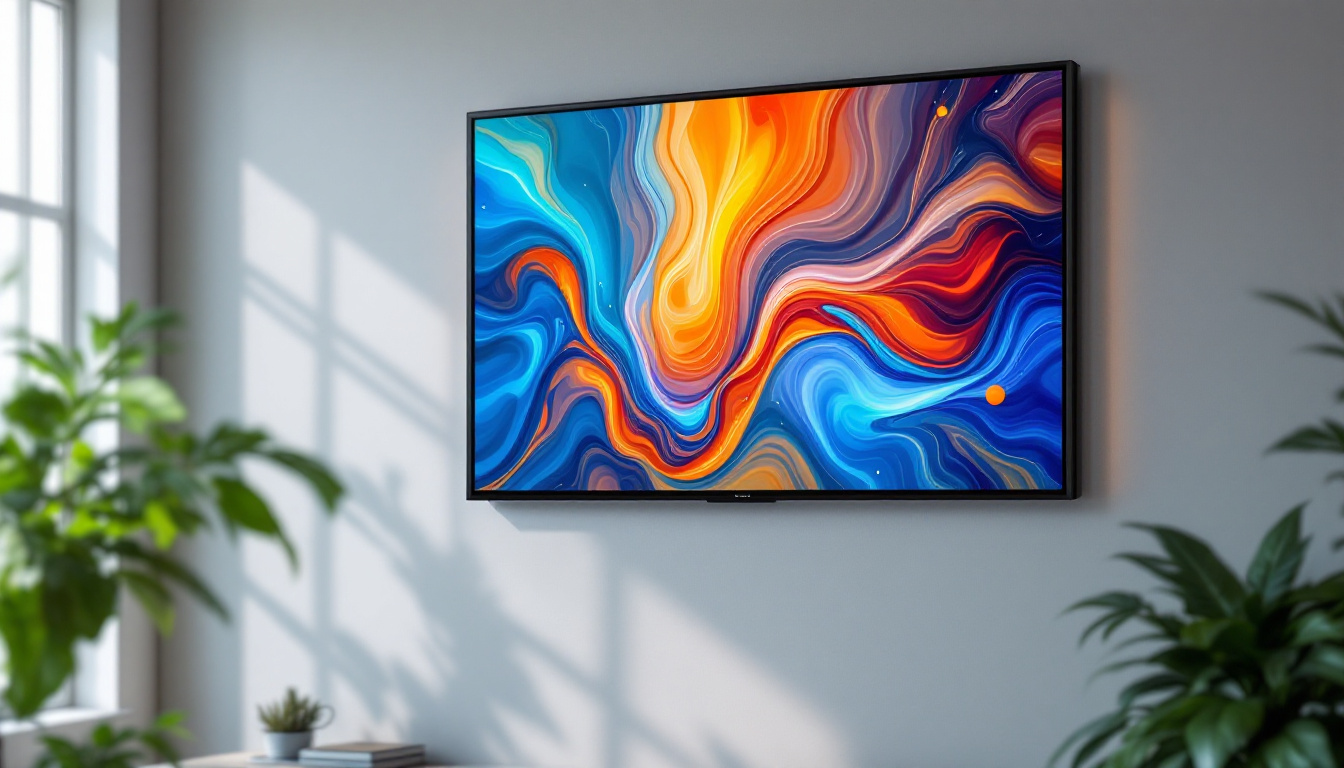
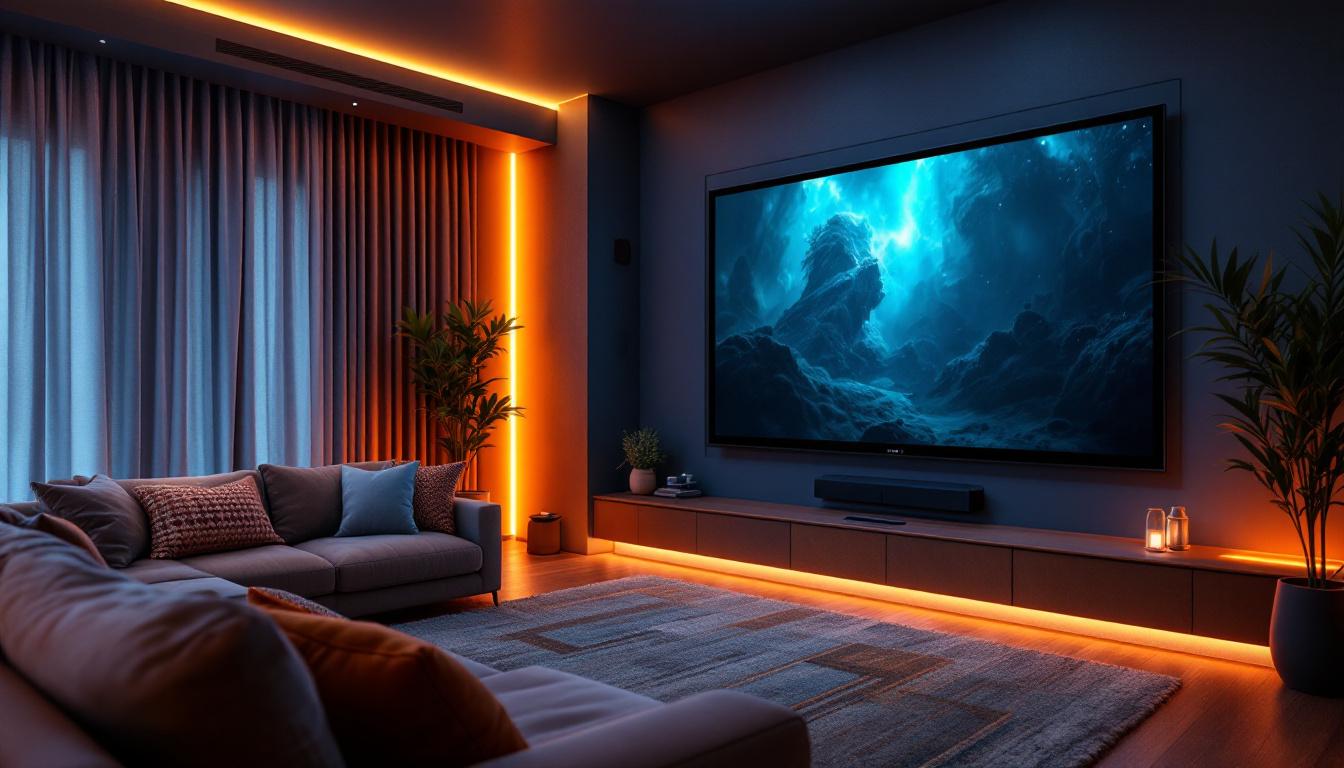
A projector wall typically refers to a large-scale display created by projecting images or videos onto a flat surface, such as a wall or screen, using one or multiple projectors. This setup can range from a single projector casting a large image to complex multi-projector arrays that seamlessly blend images to create expansive, high-resolution visuals.
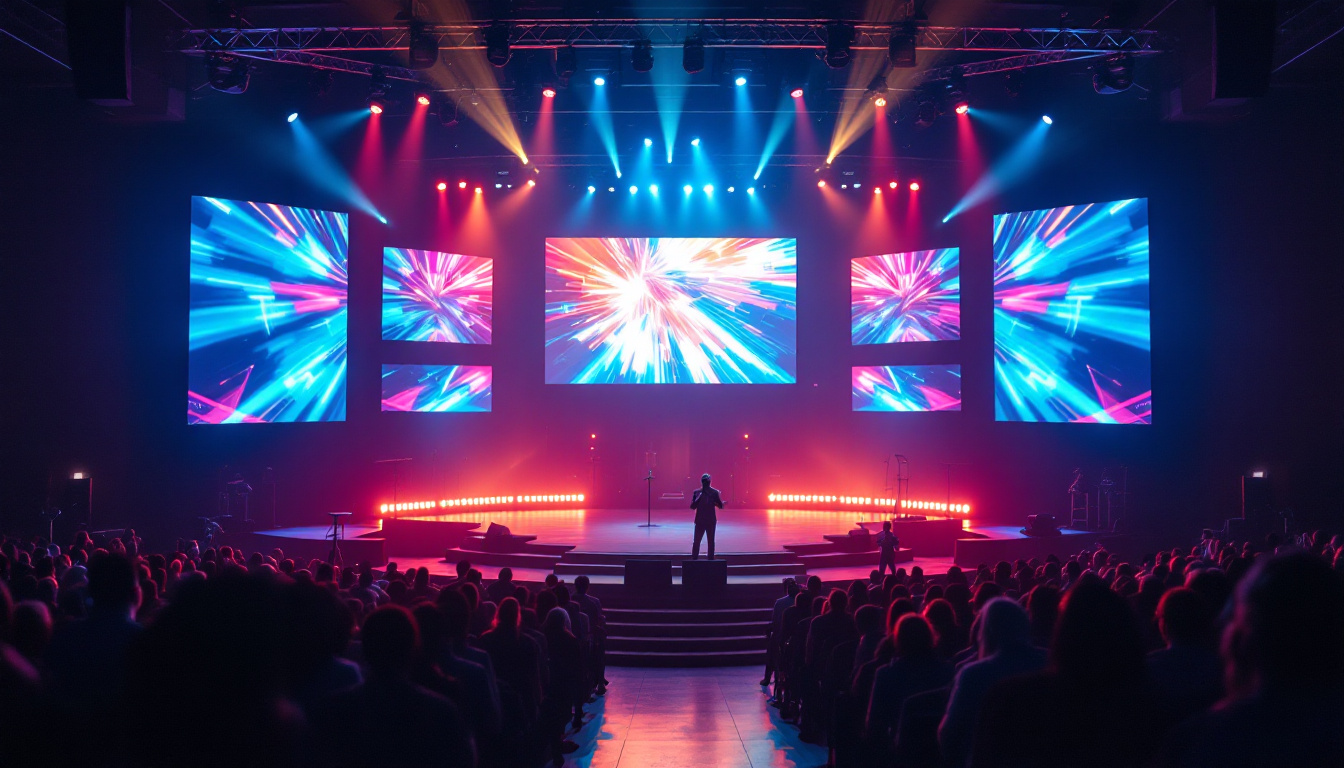
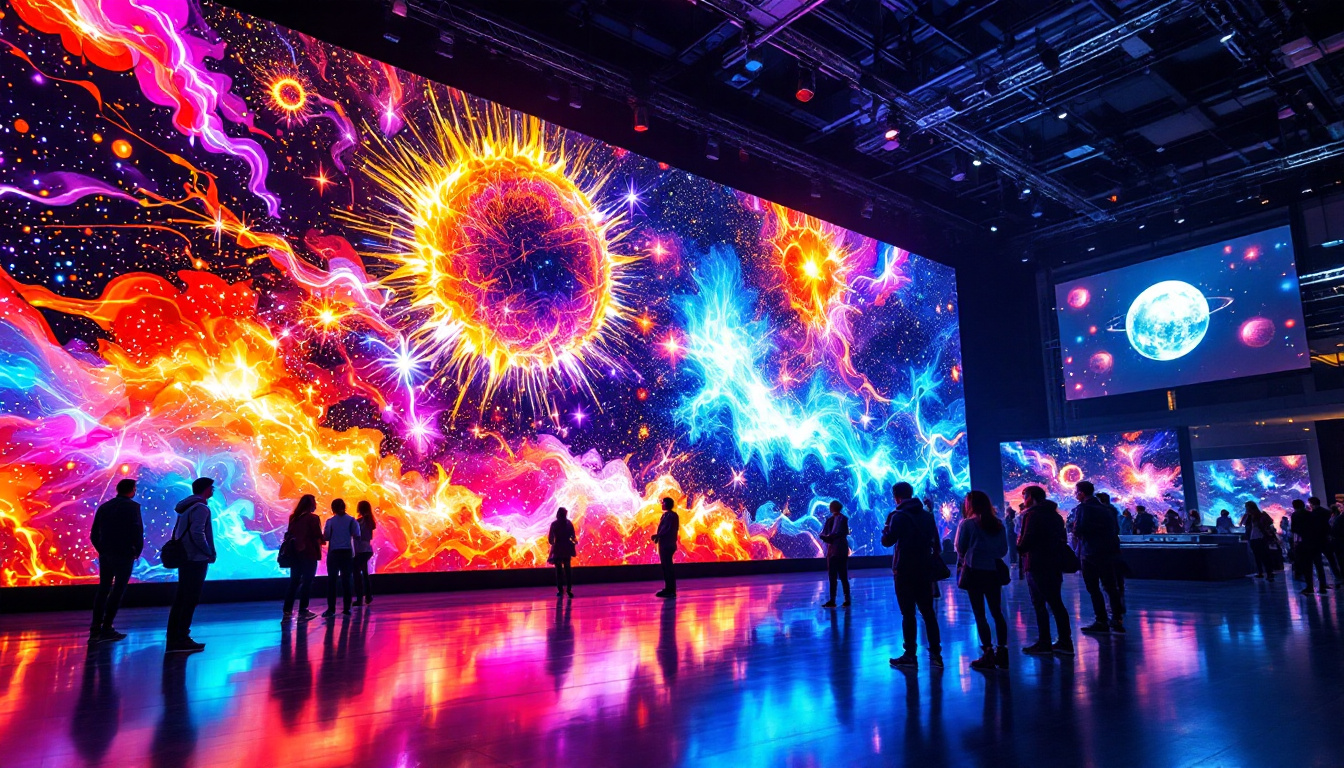
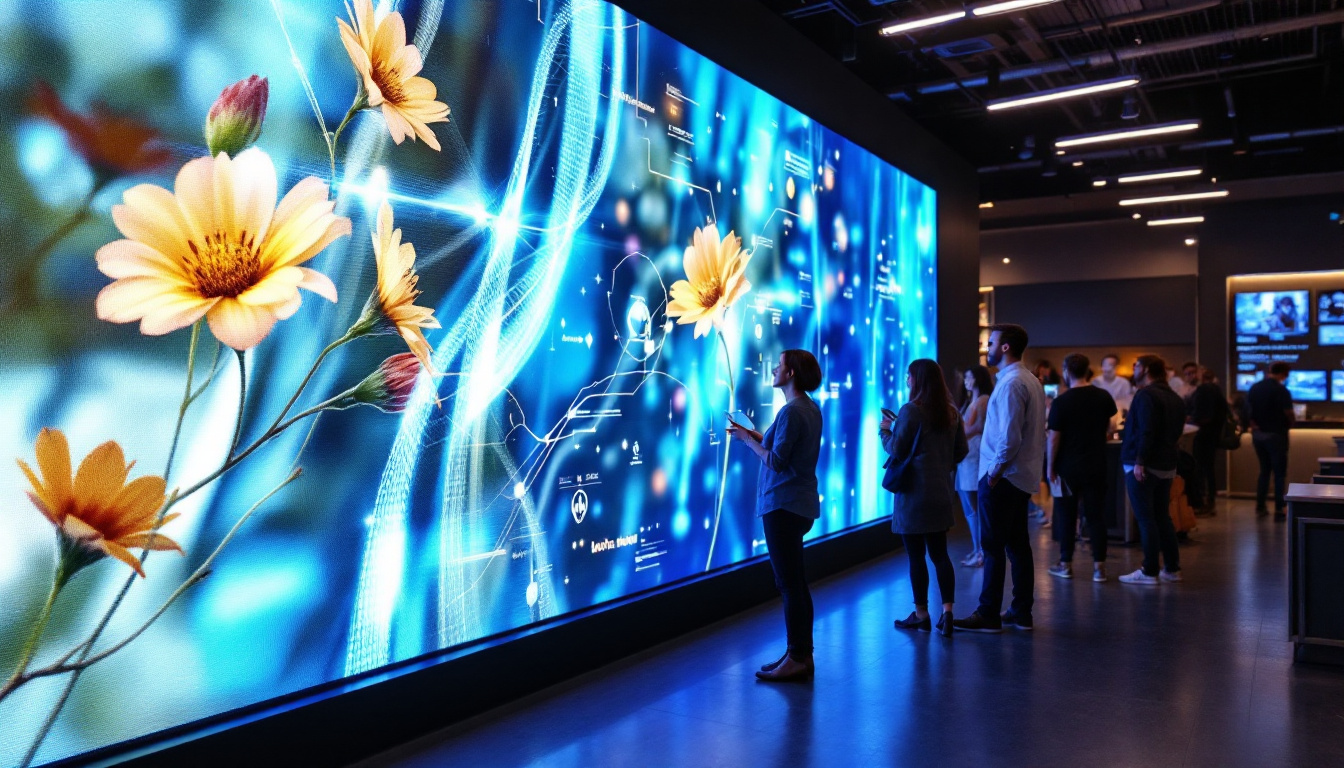
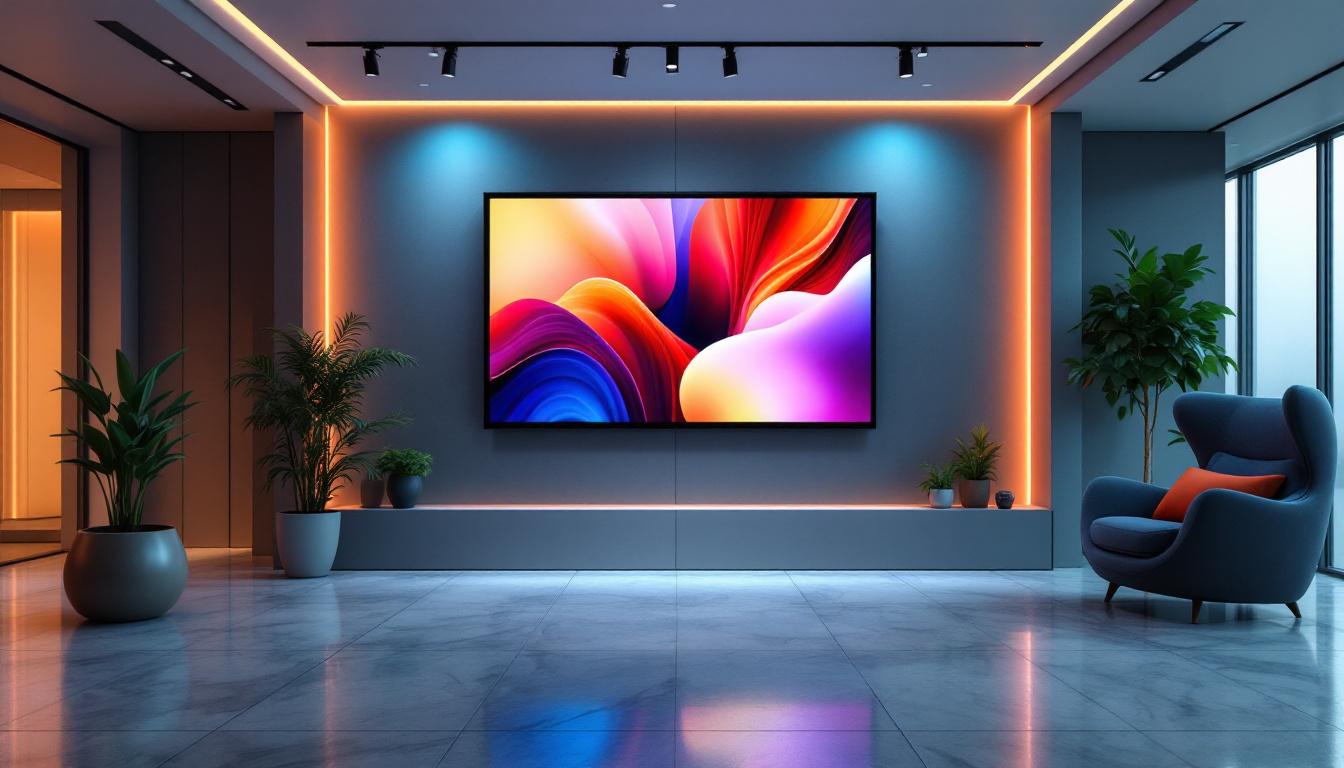
Projector walls are commonly used in conference rooms, auditoriums, museums, and event venues where large, immersive visuals are needed. They offer flexibility in size and can be adapted to various surfaces, making them a versatile choice for many applications. In educational settings, for instance, projector walls can transform a classroom into an interactive learning environment, allowing educators to present dynamic content that engages students in ways traditional methods cannot. This adaptability is also seen in art installations, where artists utilize projector walls to create captivating visual narratives that can change based on the audience’s interaction.
How Projector Walls Work
Projector walls rely on light projection technology. A projector emits light through a lens system, which magnifies and focuses the image onto a surface. When multiple projectors are used, advanced software blends the overlapping images to create a uniform display, a process known as edge blending.
The quality of the projected image depends on several factors, including projector brightness (measured in lumens), resolution, contrast ratio, and the ambient lighting conditions of the environment. The surface onto which the image is projected also plays a critical role; specialized projection screens can enhance image clarity and color accuracy. Additionally, modern projectors often come equipped with features like keystone correction and lens shift, which allow for greater flexibility in installation and help maintain image integrity even when the projector is not perfectly aligned with the screen. This technology ensures that users can achieve optimal viewing experiences, regardless of the setup constraints.
Advantages of Projector Walls
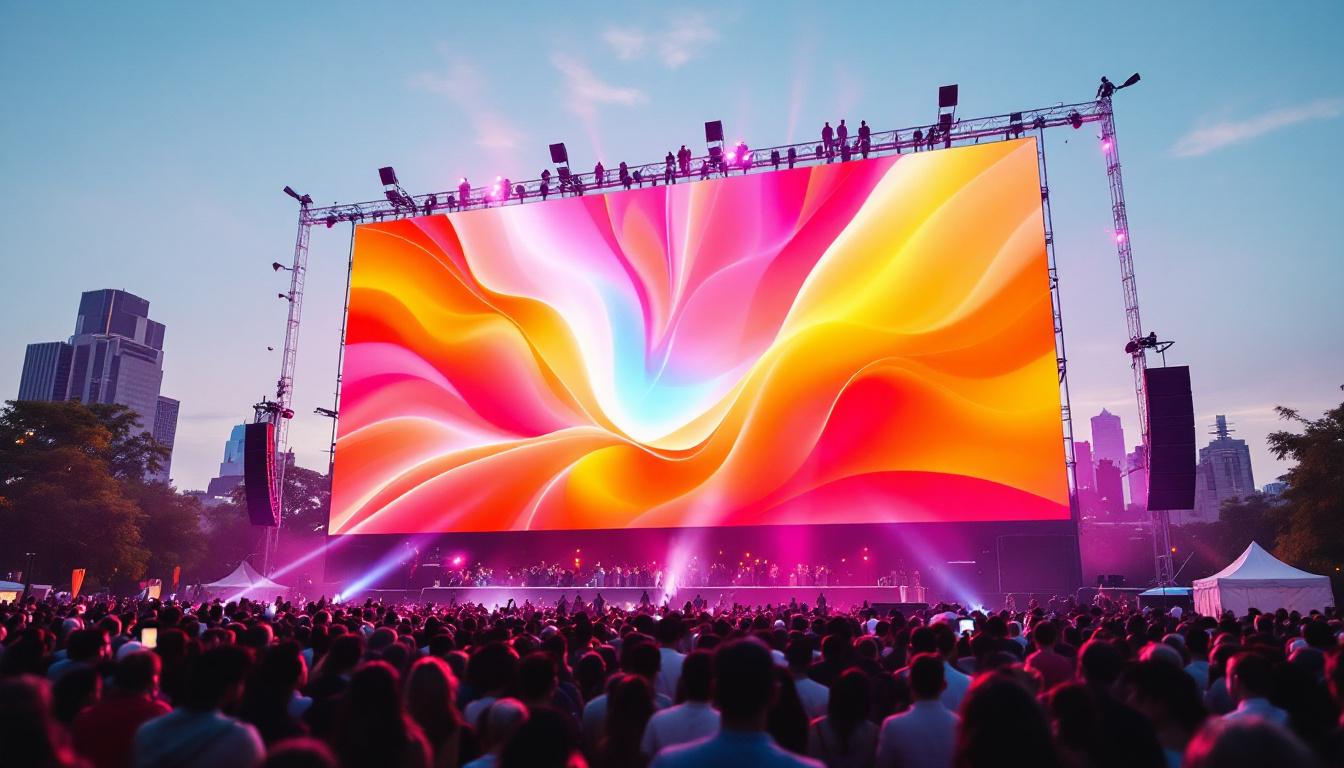
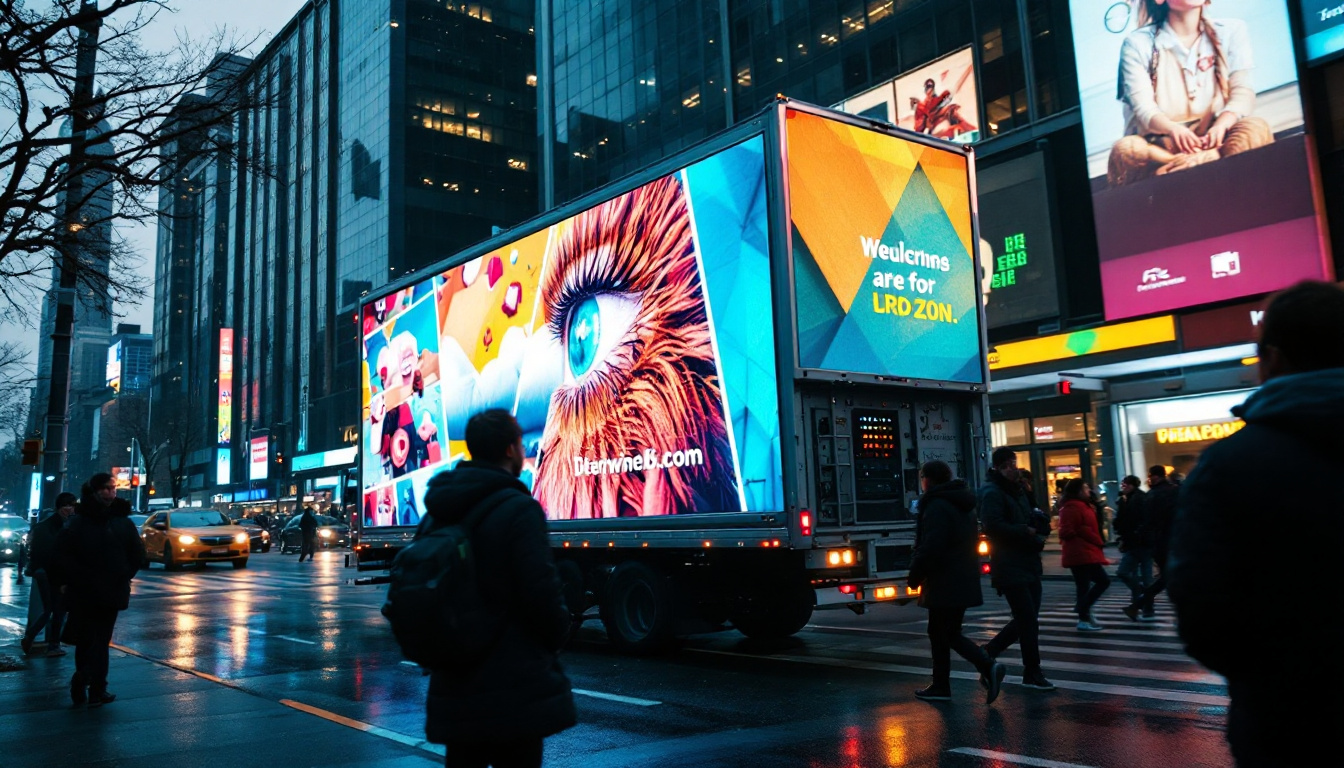
One of the key advantages of projector walls is their scalability. They can produce very large images without the need for physically large display panels. This makes them ideal for venues requiring massive visuals, such as stadiums or outdoor advertising.
Additionally, projector walls can be cost-effective for very large displays compared to tiled LED walls. They also offer flexibility in terms of installation and can be used on irregular surfaces or curved walls, providing creative freedom for designers and architects. The ability to easily update or change content is another significant benefit; digital images and videos can be swapped out with minimal effort, allowing for dynamic presentations that can adapt to different audiences or events. This feature is particularly advantageous for businesses that frequently change marketing materials or for exhibitions that showcase a variety of artworks over time.
Limitations of Projector Walls
Despite their benefits, projector walls have some drawbacks. Ambient light can significantly affect image quality, making them less suitable for brightly lit environments unless high-lumen projectors and specialized screens are used. Maintenance can also be more intensive, as projectors require periodic lamp replacements and calibration.
Moreover, the depth of the projector setup can be a constraint in smaller rooms, and the image quality may degrade over time due to dust accumulation and lamp aging. Additionally, the need for precise alignment and calibration can pose challenges during setup, particularly in multi-projector configurations where even slight misalignments can lead to noticeable seams in the projected image. This aspect necessitates skilled technicians who can ensure that the system operates at its best, which can add to the overall cost and complexity of installation.
LED Displays: The Modern Visual Solution
What Is an LED Display?
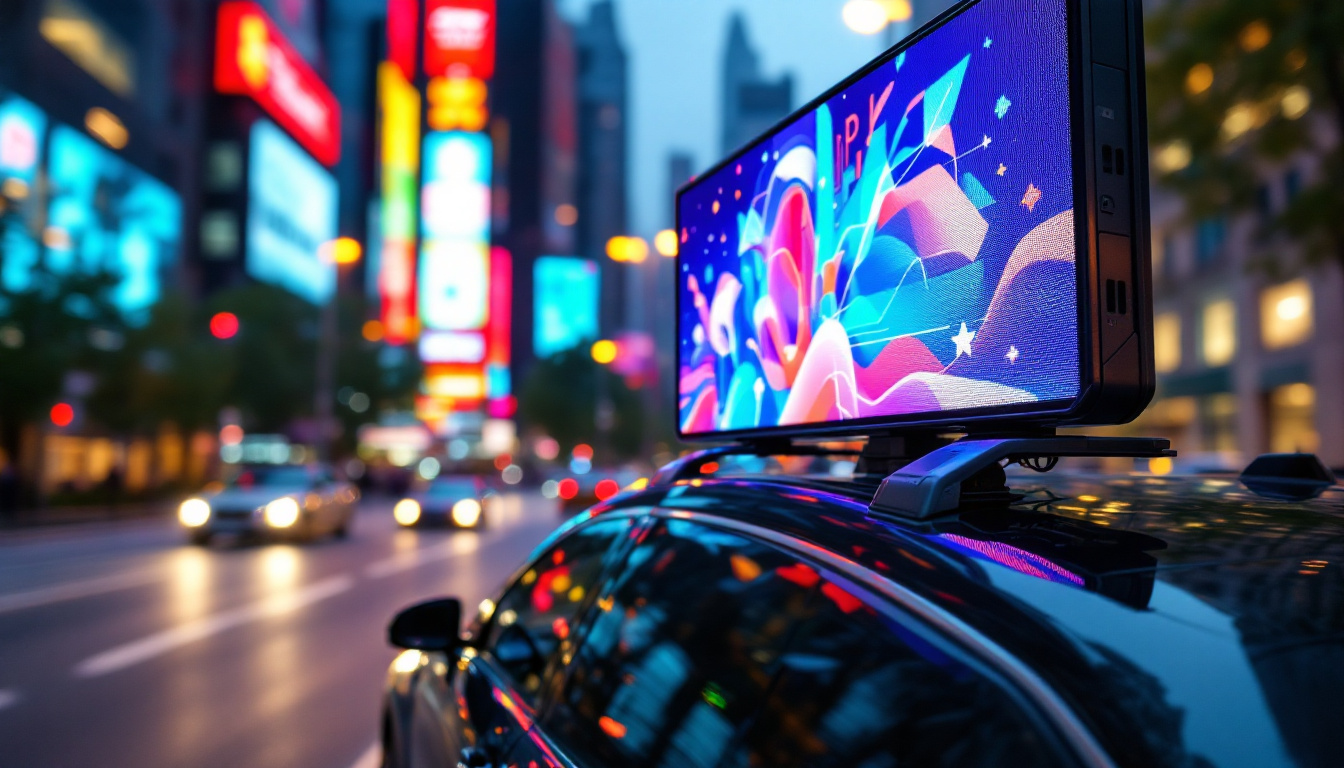
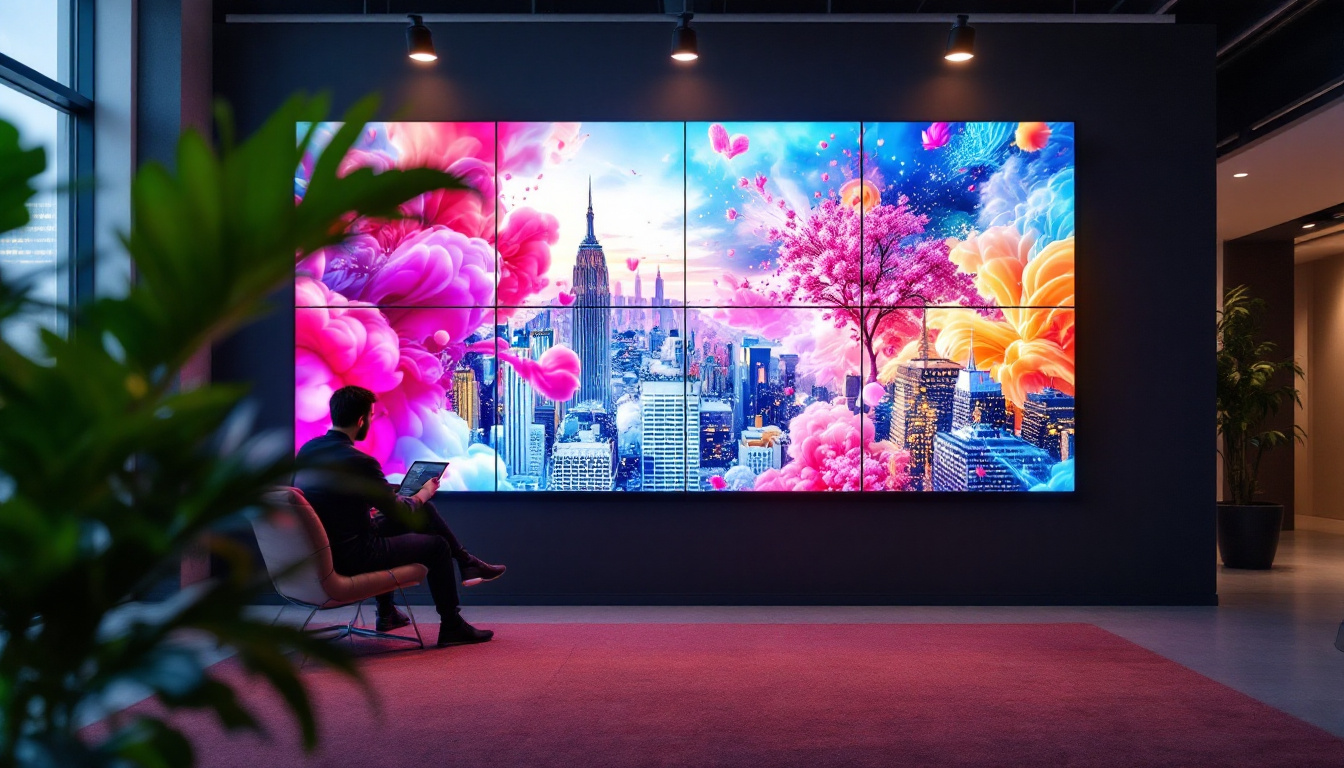
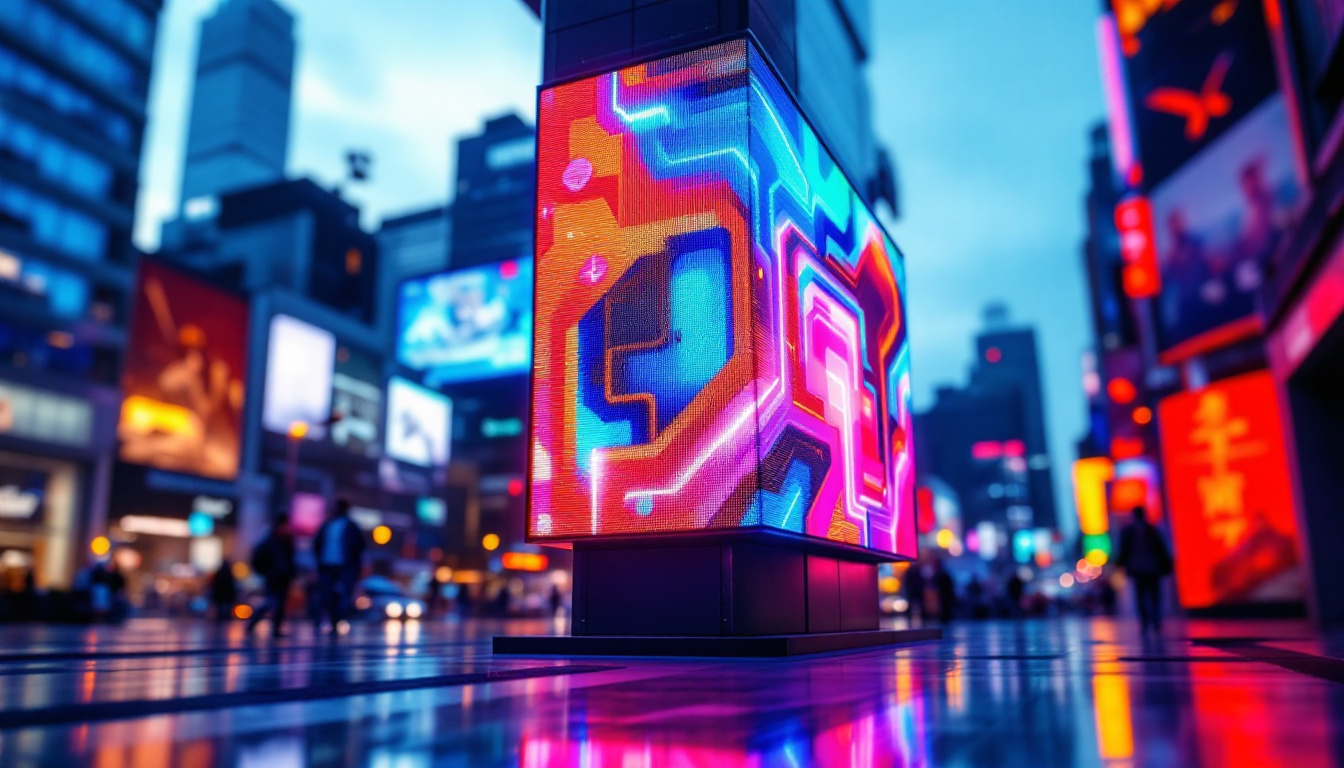
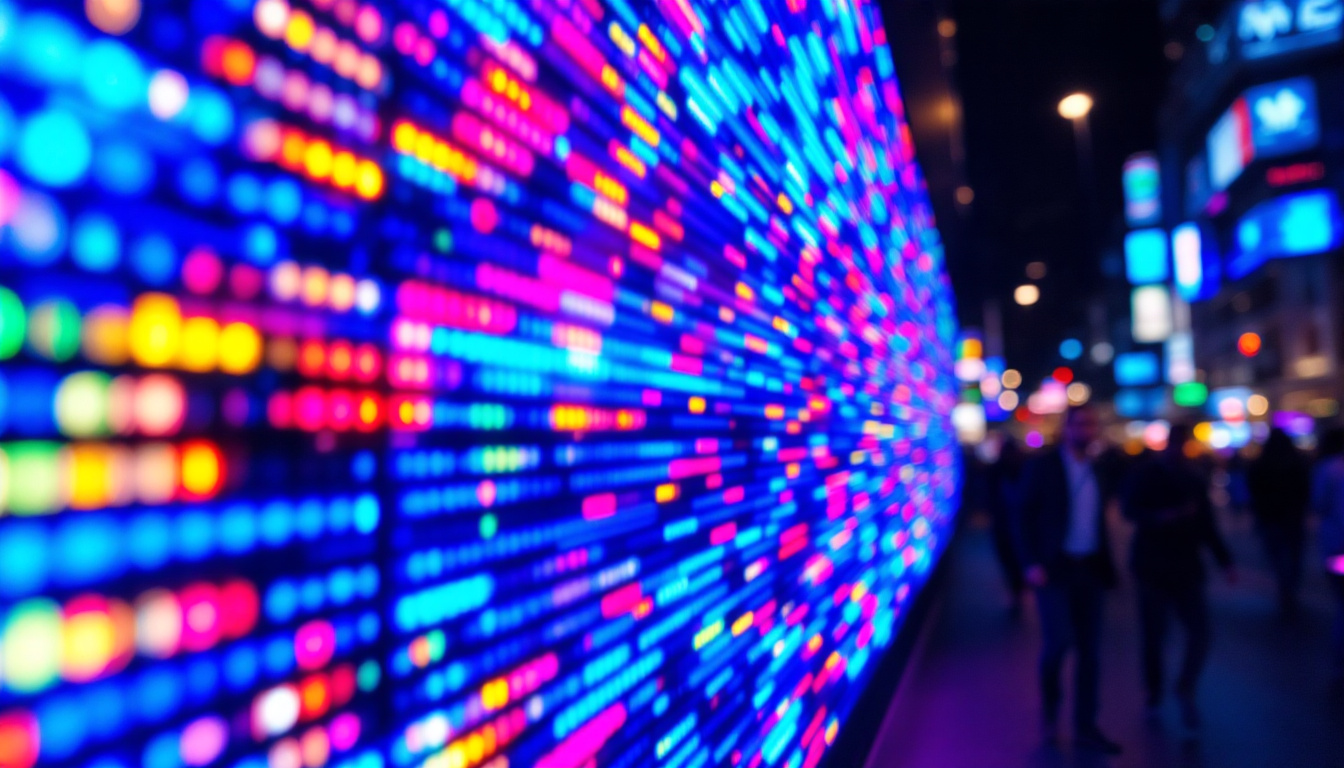
LED (Light Emitting Diode) displays consist of numerous tiny LEDs arranged in a grid to form pixels. These pixels emit light individually, creating bright, vivid images without the need for external light sources. LED displays are commonly used for digital signage, video walls, sports arenas, retail environments, and more.
Unlike projector walls, LED displays are self-illuminating, which means they can deliver high brightness and contrast even in well-lit environments.
Types of LED Displays
LED displays come in various forms, including:
- Indoor LED Displays: Designed for controlled lighting environments, these displays have smaller pixel pitches (the distance between LEDs), resulting in higher resolution and sharper images.
- Outdoor LED Displays: Built to withstand harsh weather conditions, these displays feature higher brightness levels to combat sunlight and are typically larger in pixel pitch.
- Transparent LED Displays: These innovative displays allow light to pass through, enabling them to be installed on glass surfaces without obstructing views.
Benefits of LED Displays
LED displays offer several compelling advantages. Their brightness levels can exceed 5,000 nits, making them visible even in direct sunlight. The color accuracy and contrast ratios are superior to many other display technologies, providing vibrant and lifelike images.
LED displays are also modular, allowing for flexible sizing and aspect ratios. They have a long lifespan, often exceeding 100,000 hours, and require minimal maintenance compared to projectors. Additionally, LED walls can support high refresh rates, making them ideal for dynamic content such as live sports or interactive installations.
Challenges and Considerations
Despite their advantages, LED displays can be costly upfront, especially for very high-resolution indoor installations. The pixel pitch directly influences cost and image quality; smaller pitches mean higher resolution but increased expense.
Installation complexity and power consumption are other factors to consider. LED walls require robust structural support and adequate cooling systems to maintain optimal performance.
Projector Walls vs. LED Displays: A Comparative Analysis
Image Quality and Brightness
LED displays generally outperform projector walls in terms of brightness and image clarity, especially in environments with high ambient light. While projectors can struggle to maintain vividness in well-lit rooms, LED walls maintain consistent brightness and contrast regardless of external lighting.
Resolution is another critical factor. High-end projectors can deliver 4K or even 8K resolutions, but achieving this over large surfaces requires multiple projectors and precise calibration. LED walls can be built with pixel pitches as low as 0.9mm, enabling ultra-high-definition displays suitable for close viewing distances.
Installation and Space Requirements
Projector walls typically require significant throw distance—the space between the projector and the projection surface. This can limit their use in smaller rooms. In contrast, LED walls are mounted directly on walls or frames, saving space and offering cleaner installation.
However, LED walls require careful structural planning due to their weight and power needs. Projector walls, while needing space for the projector itself, tend to be lighter in terms of wall load.
Cost Considerations
Initial costs for projector walls can be lower, especially for very large displays, but ongoing maintenance and lamp replacements add to lifetime expenses. LED displays have higher upfront costs but benefit from lower maintenance and longer operational lifespans.
Energy consumption also differs; projectors can consume less power during operation but may require additional cooling. LED walls consume more power but are more energy-efficient per unit of brightness.
Flexibility and Use Cases
Projector walls excel in applications requiring large, flexible display surfaces, such as immersive art installations or curved surfaces. They are also advantageous where budget constraints limit the feasibility of LED walls.
LED displays are preferred for high-impact advertising, sports arenas, control rooms, and retail environments where brightness, durability, and image quality are paramount.
Emerging Trends and Future Outlook
Hybrid Solutions
The future of large-scale displays may lie in hybrid solutions that combine the strengths of projector and LED technologies. For example, integrating LED panels with projection mapping techniques can create dynamic and immersive environments that leverage the best of both worlds.
Advances in LED Technology
Ongoing innovations in microLED and miniLED technologies promise even higher resolution, improved energy efficiency, and thinner, lighter display panels. These advancements could further expand the applications of LED walls, making them more accessible and versatile.
Sustainability Considerations
As environmental concerns grow, energy efficiency and recyclability of display technologies are becoming critical factors. LED displays are generally more energy-efficient and have longer lifespans, contributing to reduced environmental impact over time.
Choosing the Right Display for Your Needs
Assessing Environment and Lighting
Understanding the ambient lighting of the installation environment is crucial. For brightly lit spaces, LED displays are often the better choice. In darker environments or where large, flexible surfaces are needed, projector walls may be more suitable.
Budget and Maintenance
Consider both upfront costs and long-term maintenance expenses. Projector walls may have lower initial costs but higher maintenance, while LED walls require more investment upfront but less upkeep.
Viewing Distance and Resolution Requirements
The pixel pitch of LED displays determines how close viewers can be without noticing individual pixels. For close viewing distances, smaller pixel pitches are essential but increase cost. Projector walls can cover large areas but may not offer the same pixel density.
Installation Constraints
Evaluate the physical space available for installation. Projector walls require throw distance and unobstructed projection paths, while LED walls need structural support and power infrastructure.
Conclusion
Both projector walls and LED displays offer unique advantages and challenges. Projector walls provide scalable, flexible solutions ideal for large, immersive environments, while LED displays deliver superior brightness, image quality, and durability suited for a wide range of applications.
By carefully considering factors such as environment, budget, installation requirements, and desired image quality, organizations can select the display technology that best meets their needs. As technology continues to advance, the lines between these display methods may blur, offering even more innovative and engaging visual experiences in the future.
Discover LumenMatrix’s Advanced LED Display Solutions
Ready to elevate your visual display capabilities? LumenMatrix, a pioneer in LED display technology, offers an extensive array of solutions tailored to your unique needs. From vibrant Indoor and Outdoor LED Wall Displays to innovative Transparent and Custom LED Displays, our products are designed to make your brand stand out and engage your audience like never before. Embrace the future of visual communication with LumenMatrix’s LED displays and transform your space into a dynamic and immersive environment. Check out LumenMatrix LED Display Solutions today and experience the power of cutting-edge digital signage.