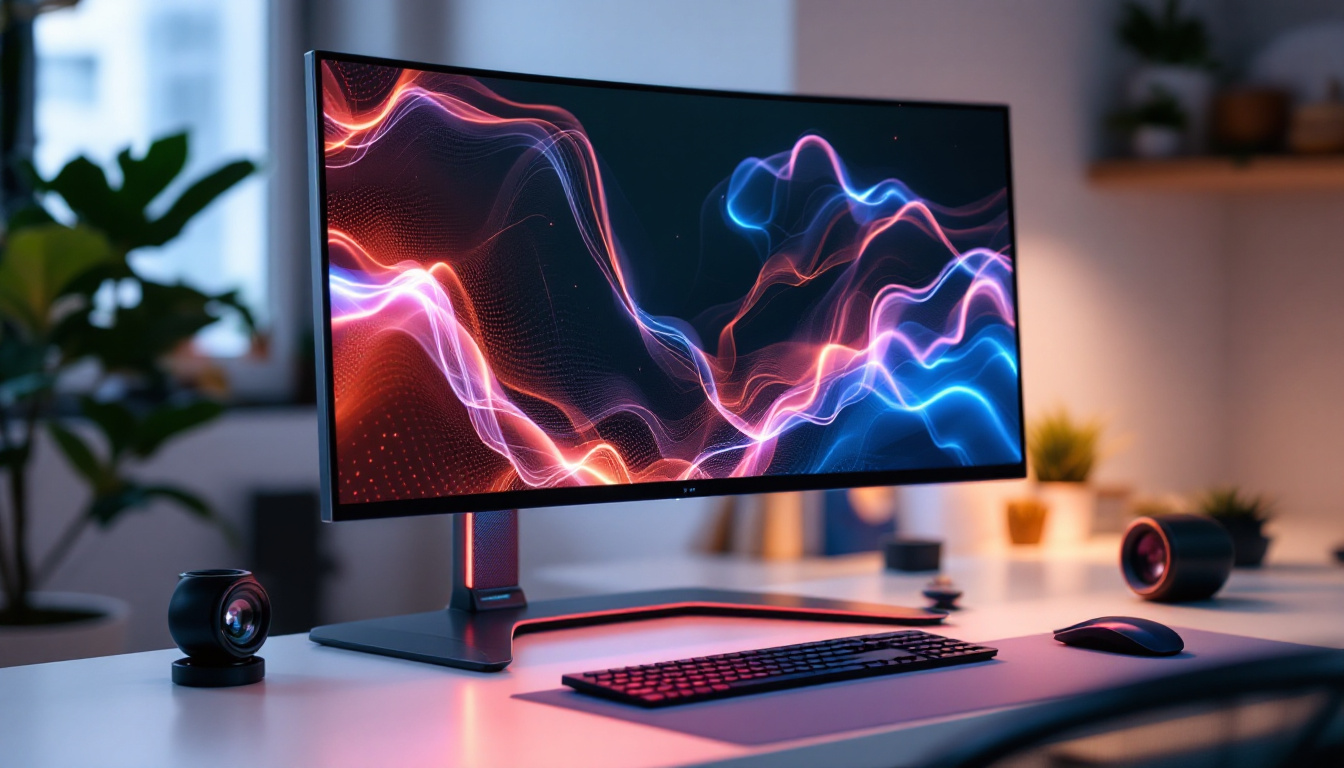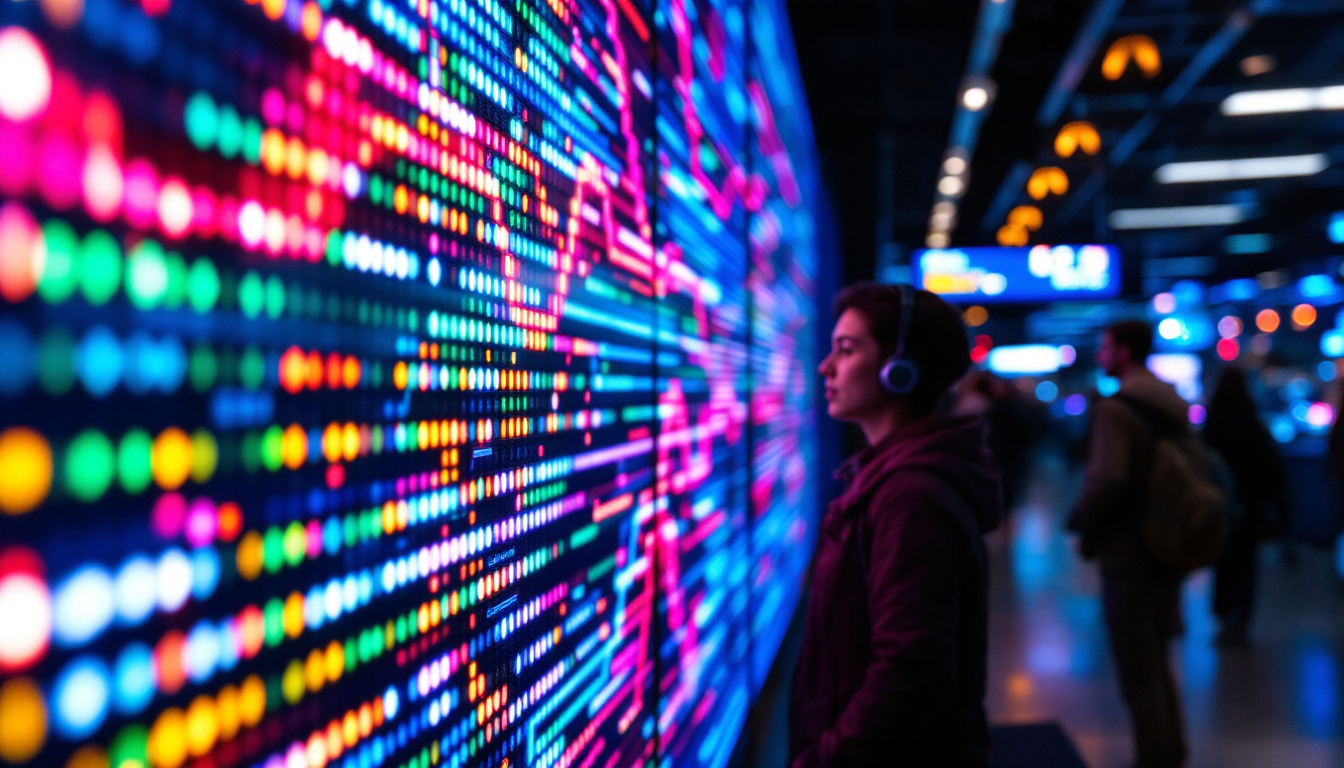
In the rapidly evolving world of digital signage and display technology, LED displays have become a cornerstone for vibrant, dynamic visual communication. Whether it’s outdoor billboards, indoor advertising screens, or massive stadium displays, LED technology provides unparalleled brightness, flexibility, and energy efficiency. This article delves into the fundamentals of LED displays, focusing on the role of pixels and PNG (Portable Network Graphics) images in creating crisp, clear visuals. Understanding these elements is crucial for marketers, designers, and technology enthusiasts aiming to harness the full potential of LED display systems.
Understanding LED Displays: The Basics
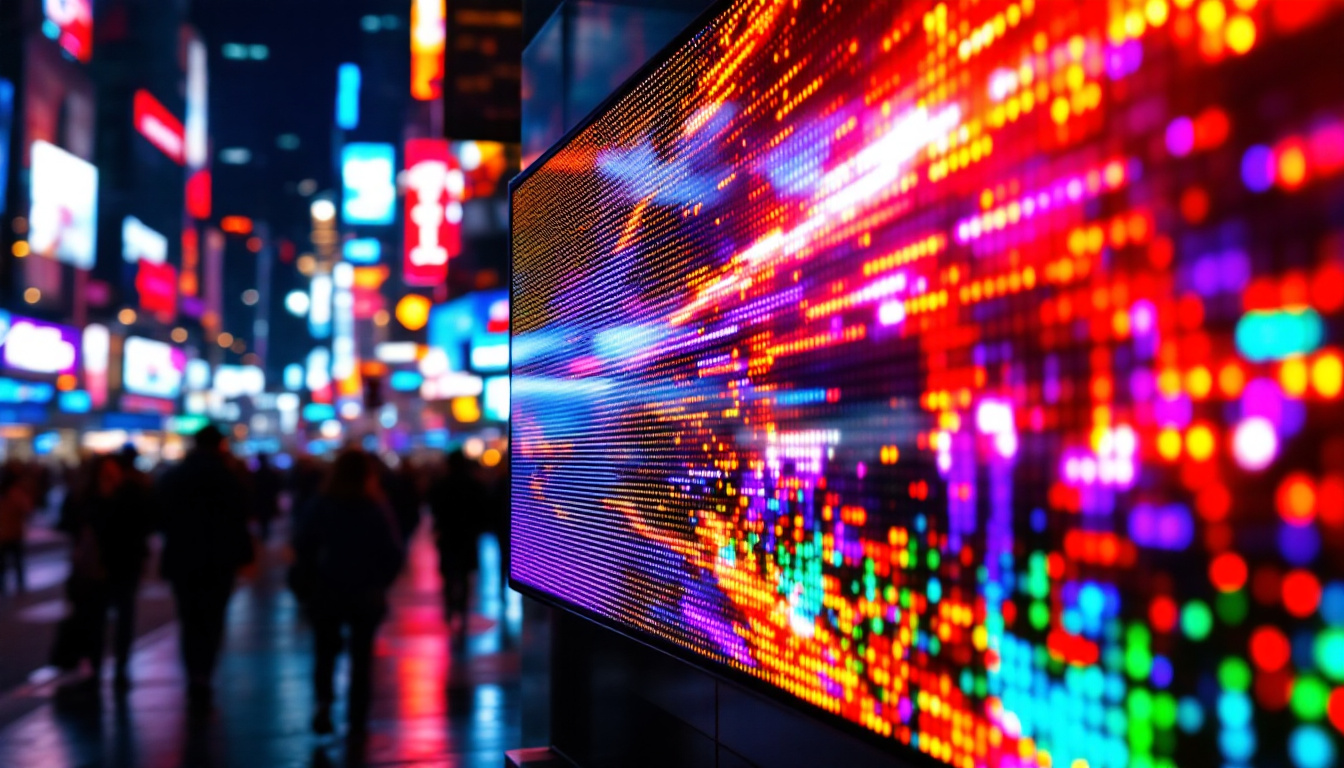
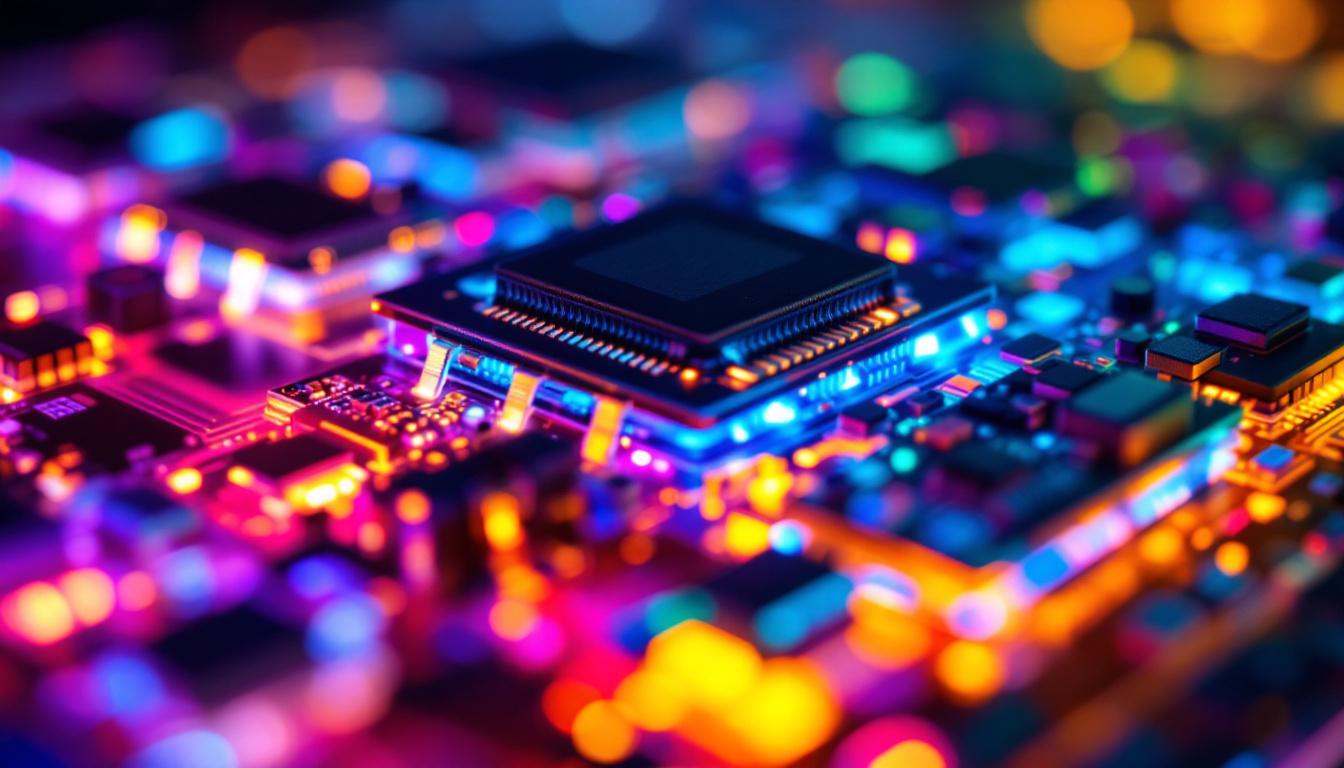
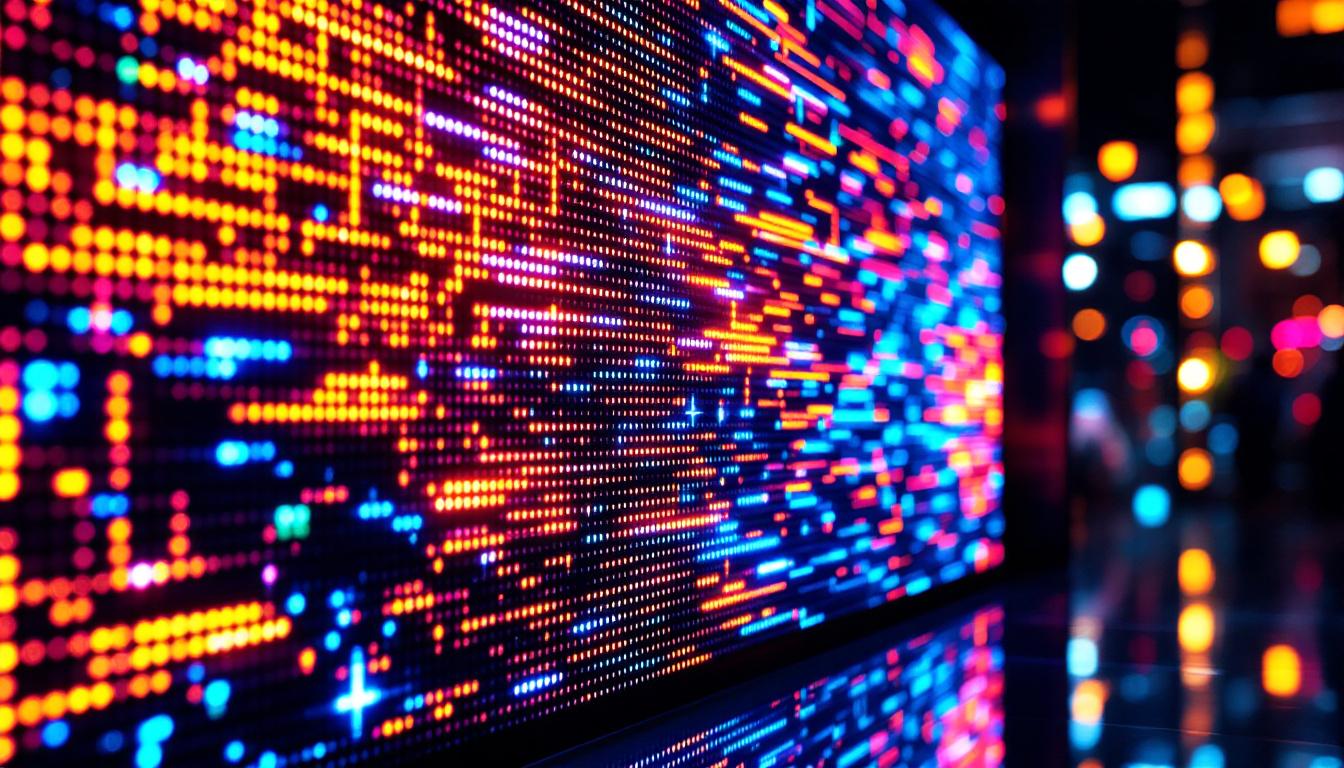
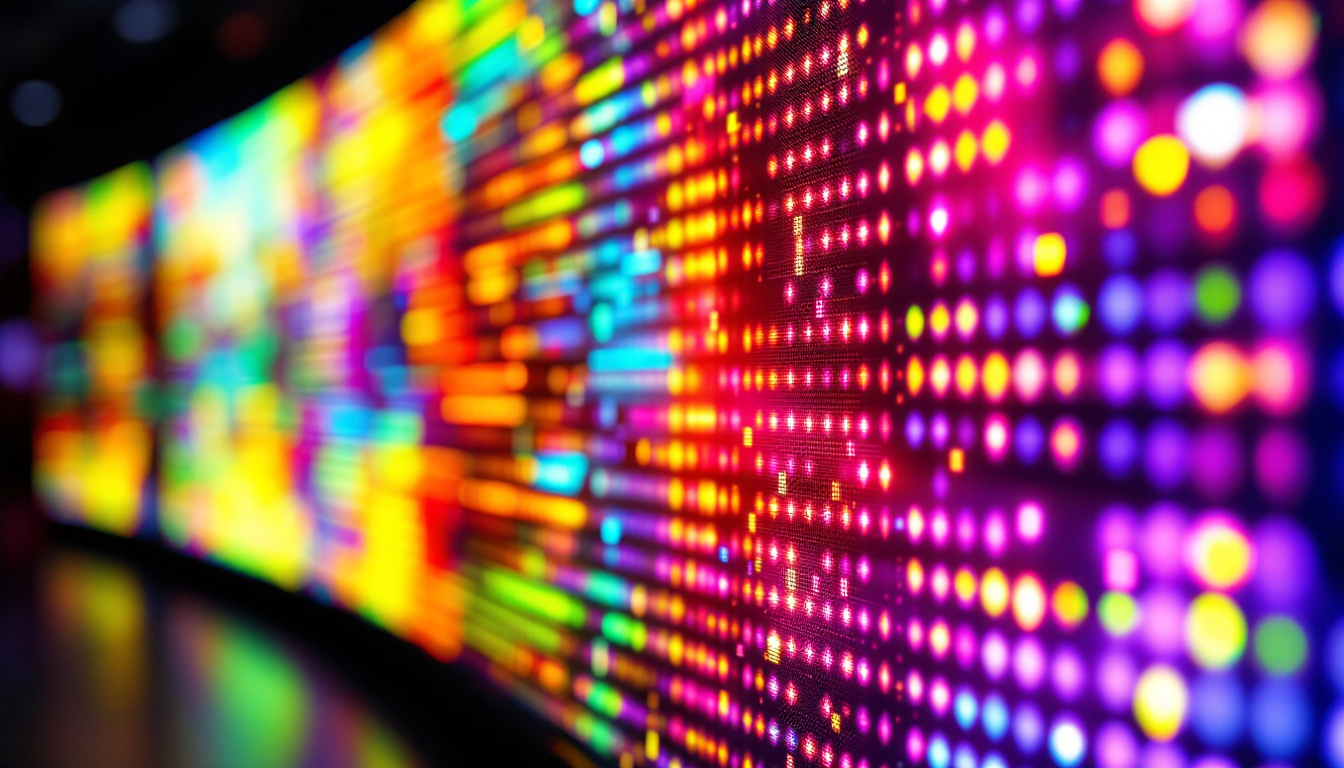
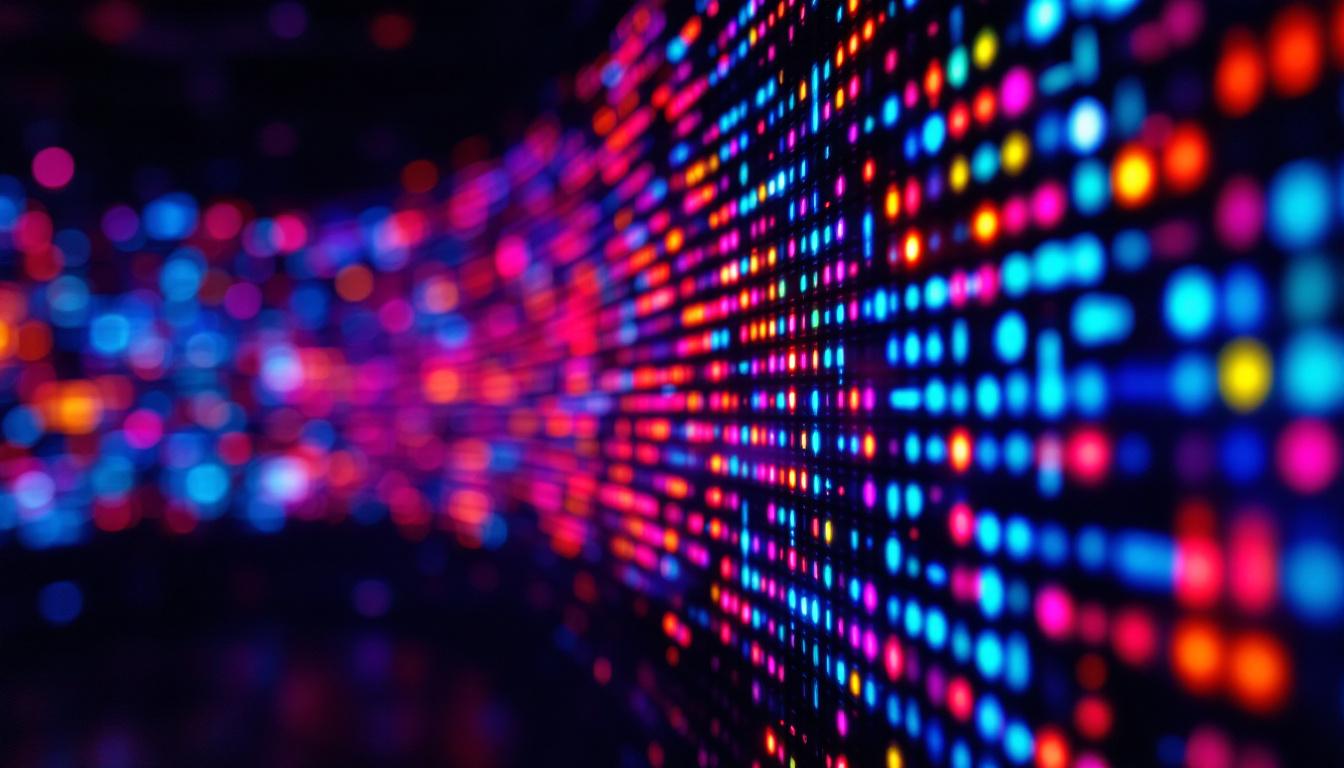
LED, or Light Emitting Diode, displays consist of numerous tiny light sources called pixels. Each pixel is made up of individual LEDs that emit red, green, and blue light, the primary colors used to create a wide spectrum of colors through additive color mixing. The combination of these colored LEDs at varying intensities produces the images and videos seen on the screen.
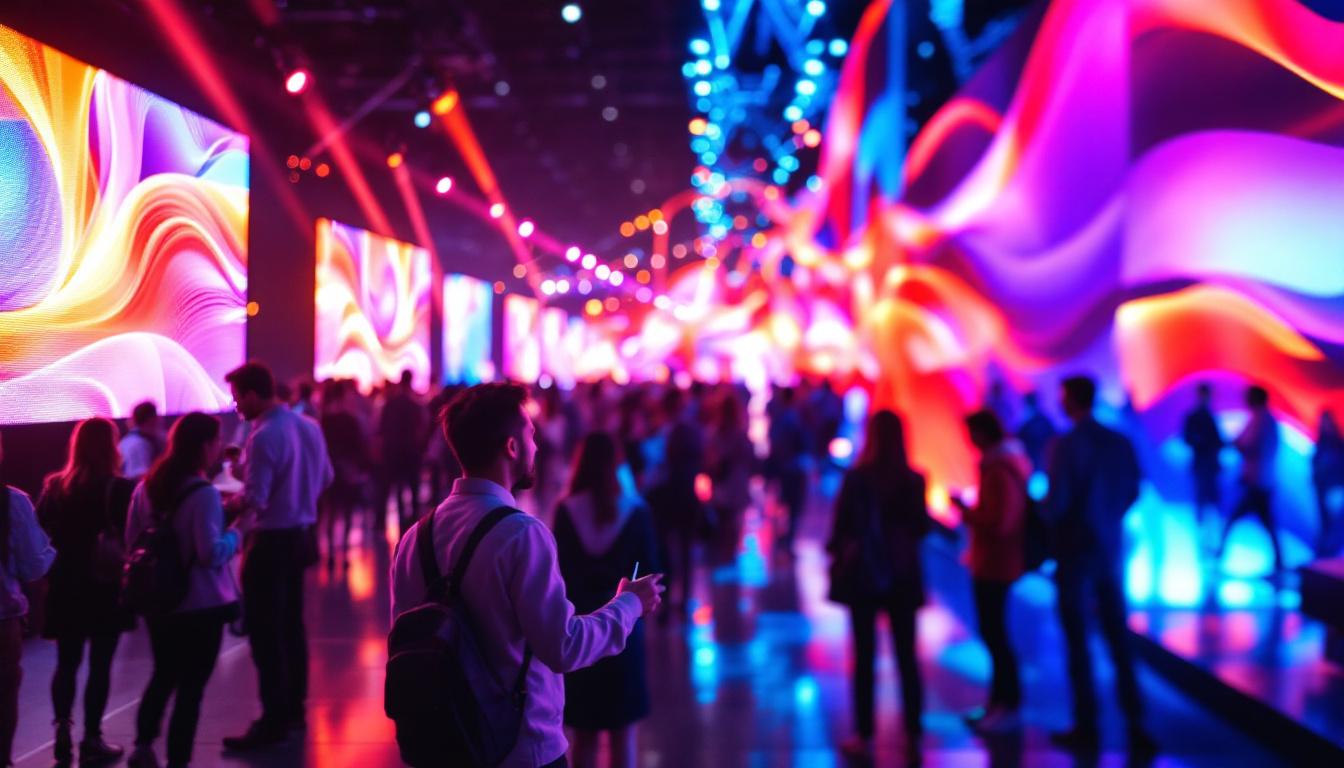
Modern LED displays can range from small indoor panels to massive outdoor installations spanning thousands of square feet. Their modular design allows for scalability and customization, making them ideal for various applications such as advertising, entertainment, information dissemination, and more. The versatility of LED technology has led to its adoption in numerous fields, from retail environments showcasing dynamic advertisements to stadiums displaying live events and scores. This adaptability has transformed the way information is conveyed and has enhanced audience engagement in diverse settings.
The Role of Pixels in LED Displays
Pixels are the fundamental building blocks of any digital display. In LED screens, each pixel contains multiple LEDs that work together to produce color and brightness. The resolution of an LED display is determined by the number of pixels it contains — more pixels mean higher resolution and sharper images. This is particularly important in environments where clarity is crucial, such as in control rooms or broadcasting studios, where details can make a significant difference in the overall effectiveness of the visual communication.
Pixel pitch, the distance between the centers of two adjacent pixels, is a key specification in LED displays. A smaller pixel pitch results in a higher pixel density, which improves image clarity, especially at close viewing distances. For example, a pixel pitch of 1.2mm is common in high-resolution indoor displays, while outdoor screens might have pixel pitches ranging from 4mm to 20mm or more, depending on viewing distance requirements. Additionally, advancements in technology have led to the development of fine-pitch LED displays, which allow for seamless integration into environments where space is limited, such as in retail displays or corporate lobbies. These fine-pitch screens not only enhance the visual experience but also contribute to energy efficiency, as they require less power to operate while delivering vibrant colors and sharp images.
What is PNG and Why is it Important for LED Displays?
PNG, or Portable Network Graphics, is a popular raster image format known for its lossless compression and support for transparency. Unlike JPEGs, which compress images with some loss of quality, PNG files retain all image data, making them ideal for high-quality graphics.
For LED displays, especially those used in advertising and branding, image quality is paramount. PNG images ensure that logos, text, and graphics appear crisp and clear without unwanted artifacts. Additionally, the transparency feature allows designers to overlay images seamlessly onto different backgrounds, enhancing visual appeal.
Advantages of Using PNG Images on LED Screens
One of the main advantages of PNG images is their ability to maintain sharp edges and fine details, which is crucial when displaying text or intricate logos on LED screens. This clarity helps maintain brand integrity and viewer engagement.
Moreover, PNG supports alpha channels, enabling varying degrees of transparency. This feature allows for creative effects such as shadows, glows, and overlays without compromising image quality. For LED displays that often feature dynamic content, these effects can significantly enhance the visual experience.
In addition to their visual benefits, PNG images are also versatile in terms of color depth. They can support a wide range of colors, from simple monochrome images to complex graphics with millions of colors. This flexibility is particularly beneficial for LED displays that need to showcase vibrant and detailed images, making them suitable for everything from intricate artwork to colorful advertisements. Furthermore, the ability to handle indexed colors allows for smaller file sizes without sacrificing quality, which is essential for quick loading times in fast-paced environments.
Another significant advantage of PNG is its widespread compatibility across various platforms and devices. Whether viewed on a smartphone, tablet, or large LED screen, PNG images maintain their integrity, ensuring that the intended message is conveyed effectively. This universal compatibility is crucial in a world where content is often viewed on multiple devices, allowing brands to maintain a consistent visual identity across all mediums. As a result, PNG has become a go-to format for digital signage and advertising, where clarity and consistency are key to capturing audience attention.
How Pixels and PNG Work Together in LED Displays
The interplay between pixels and PNG images is essential for delivering high-quality visuals on LED screens. When a PNG image is displayed, the LED screen’s controller interprets the image’s pixel data and translates it into signals that control the brightness and color of each LED pixel.
This process ensures that the colors and details in the PNG image are accurately reproduced on the LED display. Because PNG files preserve image quality, the resulting display is sharp and vibrant, even when viewed from various angles or under different lighting conditions.
Furthermore, the lossless compression of PNG files means that intricate details, such as gradients and transparency, are maintained without degradation. This is particularly beneficial for graphics that require a high level of detail, such as logos and intricate designs, making PNG a preferred format for many digital artists and designers. The ability to handle transparency also allows for creative layering of images, enhancing the overall visual experience on LED displays.
Color Accuracy and Calibration
Color accuracy is critical in LED displays, especially for brand-sensitive content. The RGB LEDs within each pixel must be precisely calibrated to reproduce the colors defined in the PNG image accurately. This calibration involves adjusting the intensity of each LED to match the desired color profile.
Advanced LED display systems use color management software to ensure consistency across the entire screen, compensating for variations in LED performance and environmental factors such as ambient light. This calibration guarantees that the colors seen on the LED display closely match the original PNG image, preserving the intended visual impact. Additionally, some systems incorporate hardware calibration tools that allow for real-time adjustments, ensuring that any shifts in color accuracy due to aging components or temperature changes are promptly corrected. This level of precision is crucial for applications in advertising, art installations, and broadcasting, where every pixel counts in delivering a flawless visual narrative.
Applications of LED Displays Using PNG Images
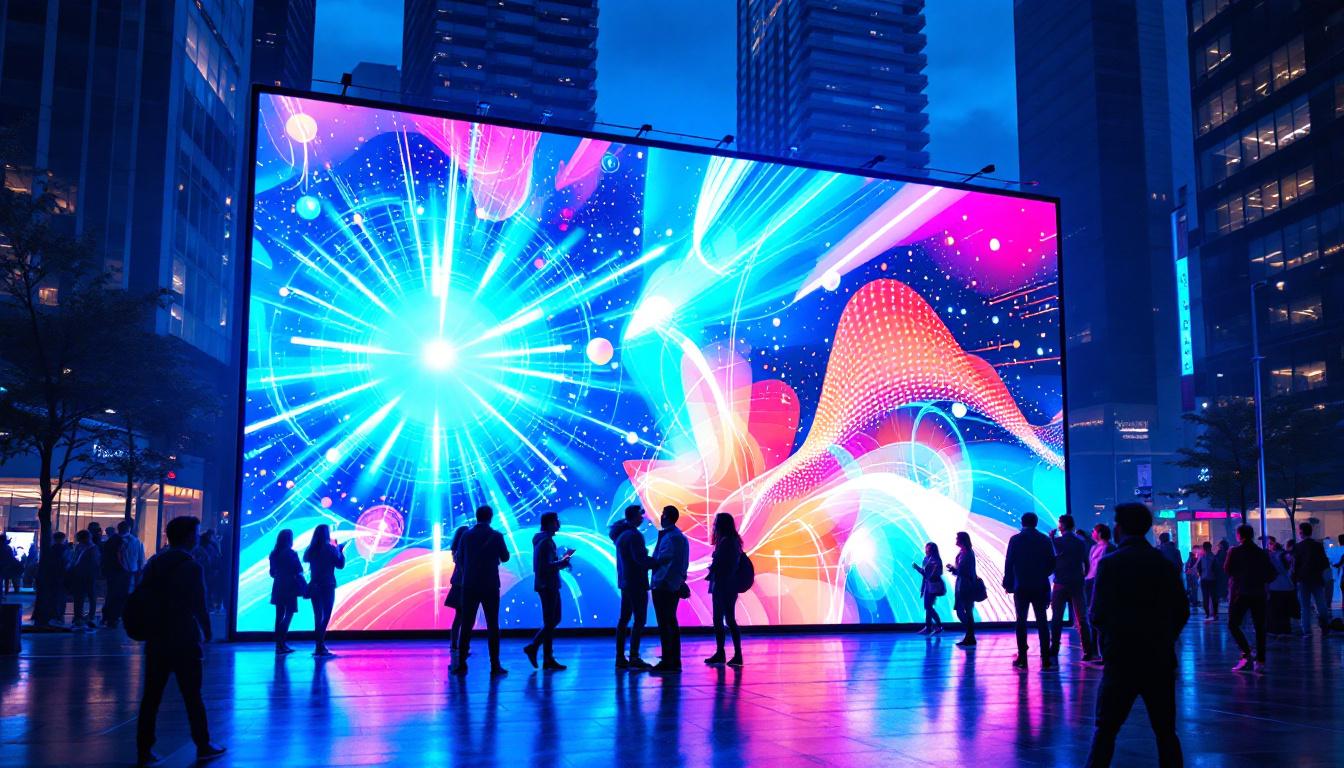
LED displays are ubiquitous in today’s visual landscape, from retail environments and public transportation hubs to sports arenas and concert venues. The use of PNG images enhances these applications by providing high-quality, versatile graphics that can adapt to different content needs.
Advertising and Branding
In advertising, brand recognition depends heavily on clear, consistent visuals. PNG images with transparent backgrounds allow advertisers to place logos and promotional graphics over dynamic video content or changing backgrounds without visual disruption. This flexibility helps create eye-catching campaigns that attract and retain viewer attention.
Event and Entertainment Displays
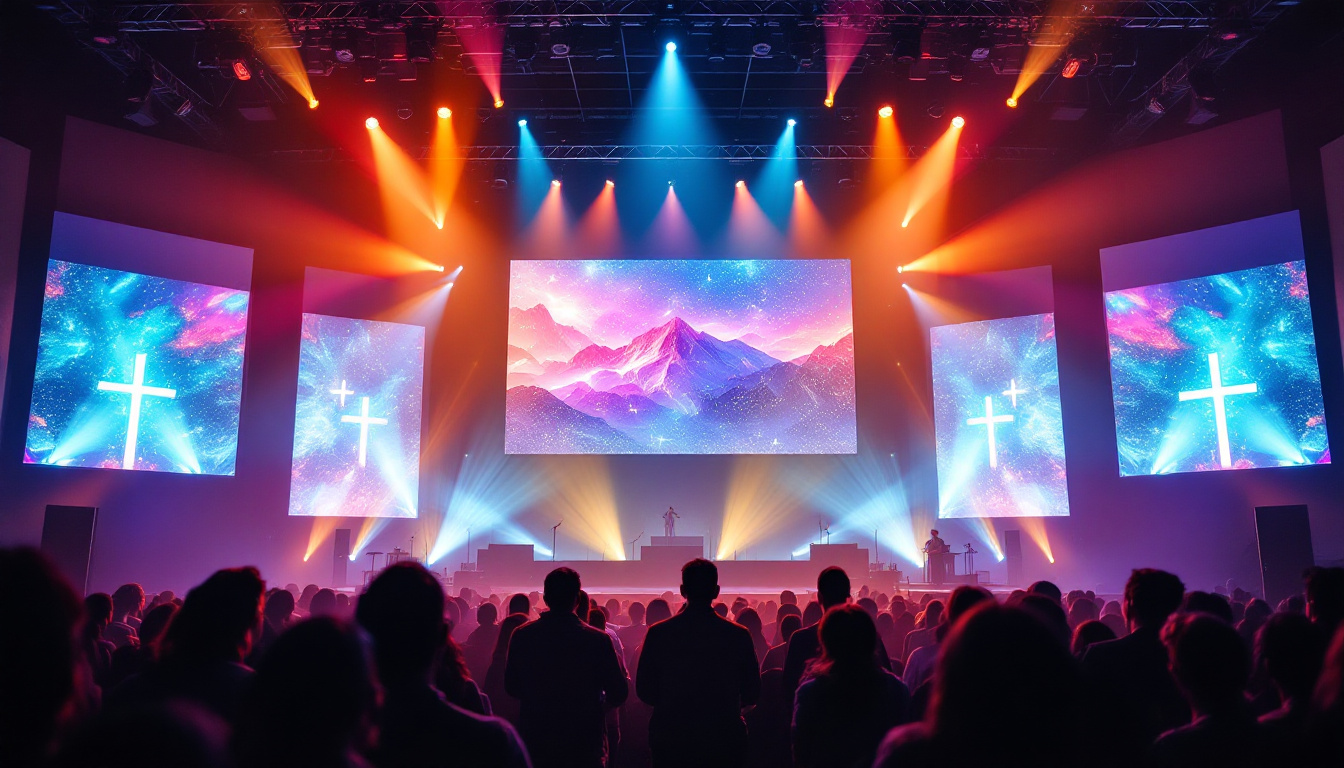
Concerts, festivals, and sports events often rely on large LED screens to engage audiences. PNG images are used for displaying sponsor logos, event information, and interactive graphics. Their high quality ensures that even viewers far from the screen can see detailed visuals clearly.
Information and Wayfinding
In airports, train stations, and shopping malls, LED displays provide real-time information and directions. Using PNG images for icons, maps, and text ensures that these visuals are legible and professional, improving user experience and operational efficiency.
Future Trends in LED Display Technology
The LED display industry continues to innovate, with advancements that promise even better image quality, energy efficiency, and interactivity. Understanding how pixels and image formats like PNG fit into this evolving landscape is essential for staying ahead.
MicroLED and MiniLED Technologies
Emerging technologies such as MicroLED and MiniLED offer higher pixel densities and improved brightness compared to traditional LEDs. These advancements enable ultra-high-resolution displays suitable for close-up viewing, expanding the potential applications of LED screens.
Enhanced Image Processing and AI Integration
Artificial intelligence and advanced image processing algorithms are being integrated into LED display controllers to optimize color calibration, brightness adjustment, and content adaptation in real time. This technology ensures that PNG images and other content types are displayed with optimal clarity and visual appeal under varying conditions.
Interactive and Flexible Displays
Flexible LED panels and touch-enabled displays are becoming more common, allowing for innovative installations that engage audiences in new ways. High-quality PNG graphics play a vital role in these applications by providing adaptable, crisp visuals that enhance interactivity and user engagement.
Conclusion
LED displays represent a powerful medium for visual communication, combining cutting-edge technology with creative flexibility. Pixels form the foundation of these displays, determining resolution and image clarity, while PNG images ensure that graphics maintain their quality and vibrancy. Together, they enable dynamic, impactful visuals across a wide range of applications.
As LED technology advances, the synergy between pixel precision and high-quality image formats like PNG will continue to drive innovation, offering richer experiences for viewers and more effective tools for content creators. Understanding these components is essential for anyone involved in digital display design, marketing, or technology deployment.
Explore Cutting-Edge LED Display Solutions with LumenMatrix
Ready to elevate your visual communication with the latest in LED display technology? LumenMatrix is at the forefront of innovation, offering a diverse range of LED display solutions tailored to your needs. From captivating Indoor LED Wall Displays to versatile Outdoor LED Wall Displays, and from dynamic Vehicle LED Displays to sleek LED Poster Displays, our products are designed to make your brand stand out. Discover the transformative power of LED Sports Displays, interactive Floor LED Displays, and the stunning clarity of LED Transparent Displays. Embrace the future of digital signage with LumenMatrix and create experiences that resonate with your audience. Check out LumenMatrix LED Display Solutions today and see how we can help you share your message with unparalleled impact and precision.