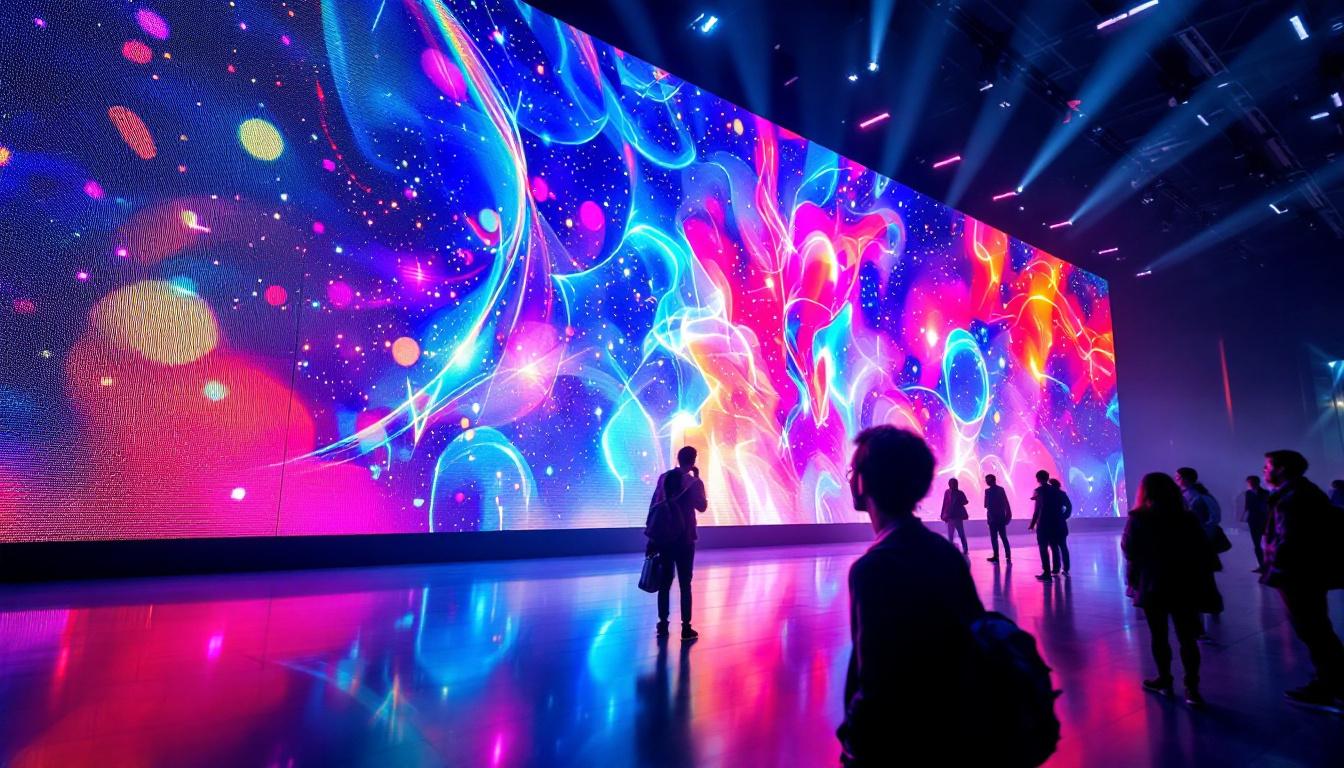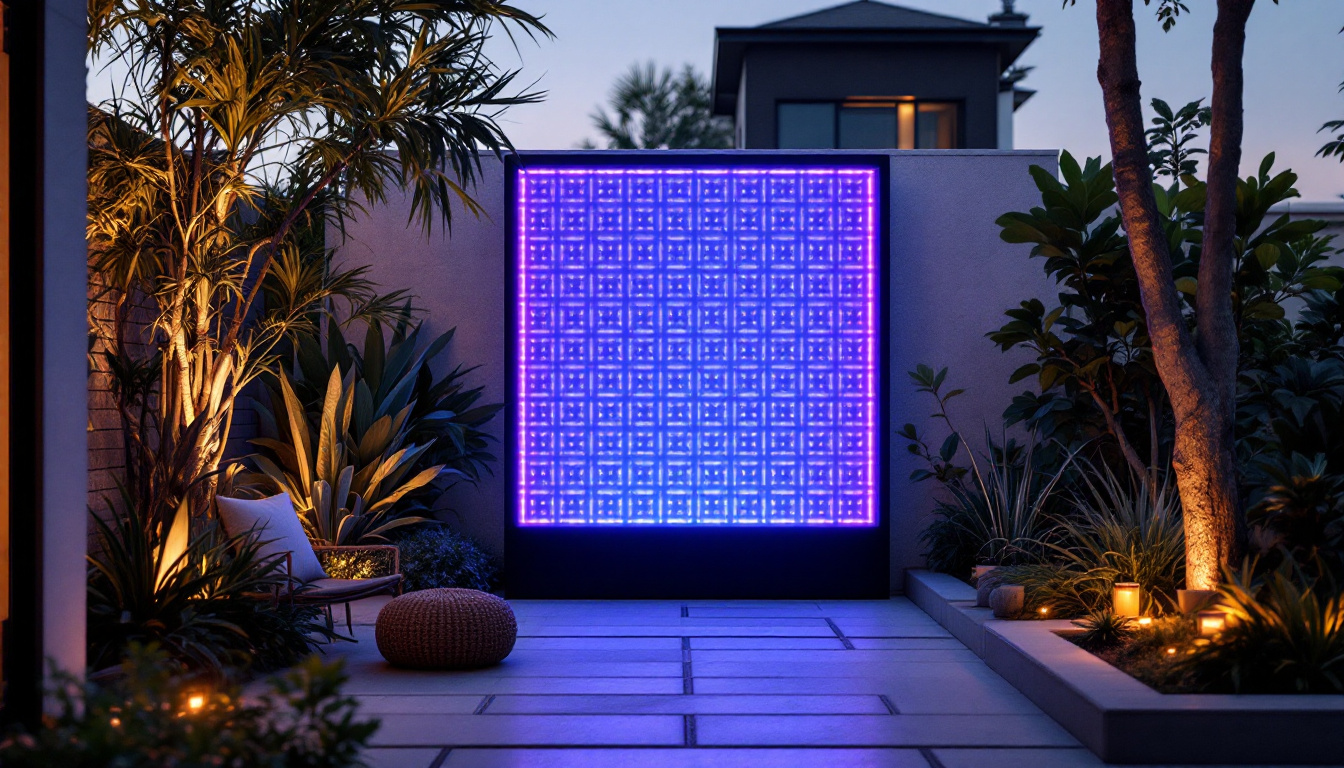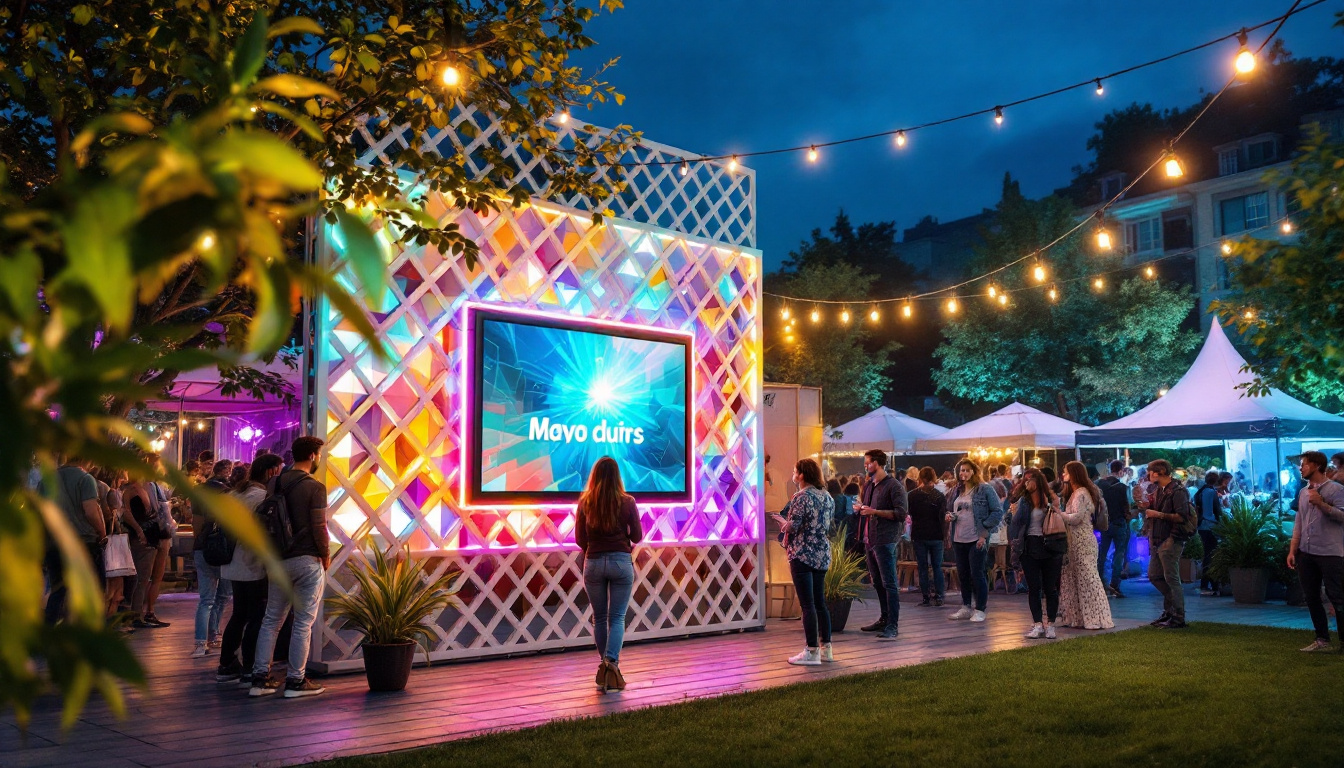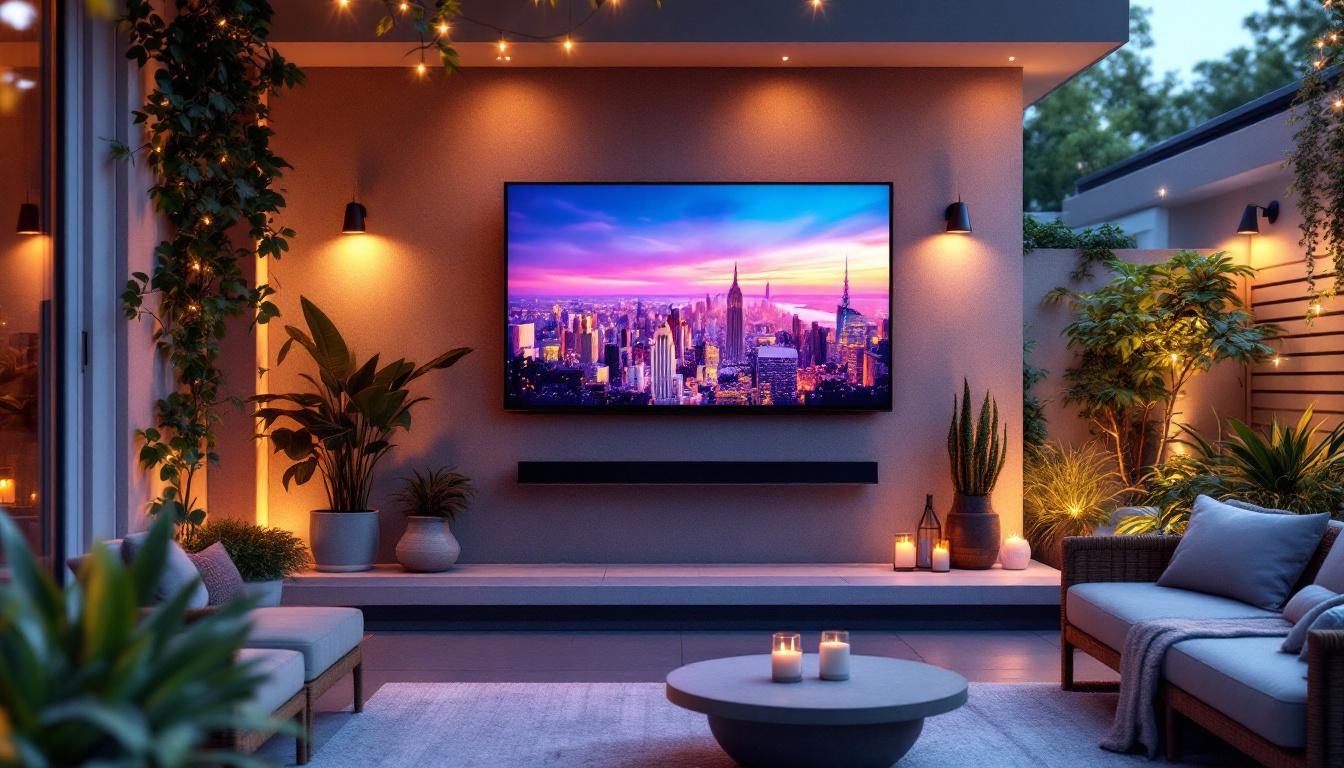
In recent years, LED lighting has transformed the way art and photographs are displayed, bringing a new dimension of visual appeal and functionality to picture frames. Whether in galleries, homes, or commercial spaces, LED lights for picture frames have become a popular choice for enhancing artwork presentation. This article explores the technology behind LED displays, their benefits, types, and practical considerations for choosing the right LED lighting for your picture frames.
Understanding LED Technology in Picture Frames
Light Emitting Diodes (LEDs) are semiconductor devices that emit light when an electric current passes through them. Unlike traditional incandescent or fluorescent bulbs, LEDs are highly energy-efficient, long-lasting, and produce minimal heat, making them ideal for delicate artwork and photographs.
LEDs used in picture frames are typically low-voltage and designed to provide uniform illumination without causing damage to the framed item. Their small size allows for discreet installation, ensuring that the lighting complements rather than distracts from the artwork.
How LED Displays Work in Picture Frames
LED lighting in picture frames can be integrated in various ways, such as edge lighting, backlighting, or spot lighting. Edge lighting involves placing LEDs along the frame’s edges, which then diffuse light evenly across the surface of the artwork. Backlighting, on the other hand, positions LEDs behind translucent or transparent images, creating a glowing effect that enhances colors and details.
Some advanced LED picture frames incorporate digital displays, allowing users to showcase multiple images or dynamic content. These digital LED frames use high-resolution screens combined with LED backlighting to deliver vivid, lifelike visuals.
Benefits of Using LED Lights for Picture Frames
LED lighting offers several advantages over traditional lighting solutions, making it an excellent choice for picture frames. These benefits range from aesthetic improvements to practical considerations such as energy efficiency and preservation of artwork.
Enhanced Visual Appeal
One of the primary reasons to use LED lights in picture frames is the enhancement of visual appeal. LEDs provide bright, consistent illumination that can highlight colors, textures, and details in artwork or photographs. This lighting can transform a simple picture into a captivating focal point within a room.
Moreover, LEDs offer customizable color temperatures, ranging from warm white to cool daylight. This flexibility allows users to select lighting that best complements the tones of the artwork and the surrounding environment.
Energy Efficiency and Longevity
LEDs consume significantly less energy compared to incandescent or halogen bulbs. According to the U.S. Department of Energy, LEDs use at least 75% less energy and last 25 times longer than traditional lighting. This efficiency translates to lower electricity bills and fewer replacements, making LED-lit picture frames a cost-effective and environmentally friendly option.
Preservation of Artwork
Traditional lighting sources often emit ultraviolet (UV) rays and heat, which can cause fading, discoloration, or damage to delicate artworks and photographs over time. LEDs emit negligible UV radiation and minimal heat, reducing the risk of deterioration. This characteristic is particularly important for museums, galleries, and collectors who need to preserve valuable or sensitive pieces.
Types of LED Lighting for Picture Frames
Choosing the right type of LED lighting depends on the desired effect, the type of artwork, and the frame design. Below are the most common LED lighting options used in picture frames.
Edge-Lit LED Frames
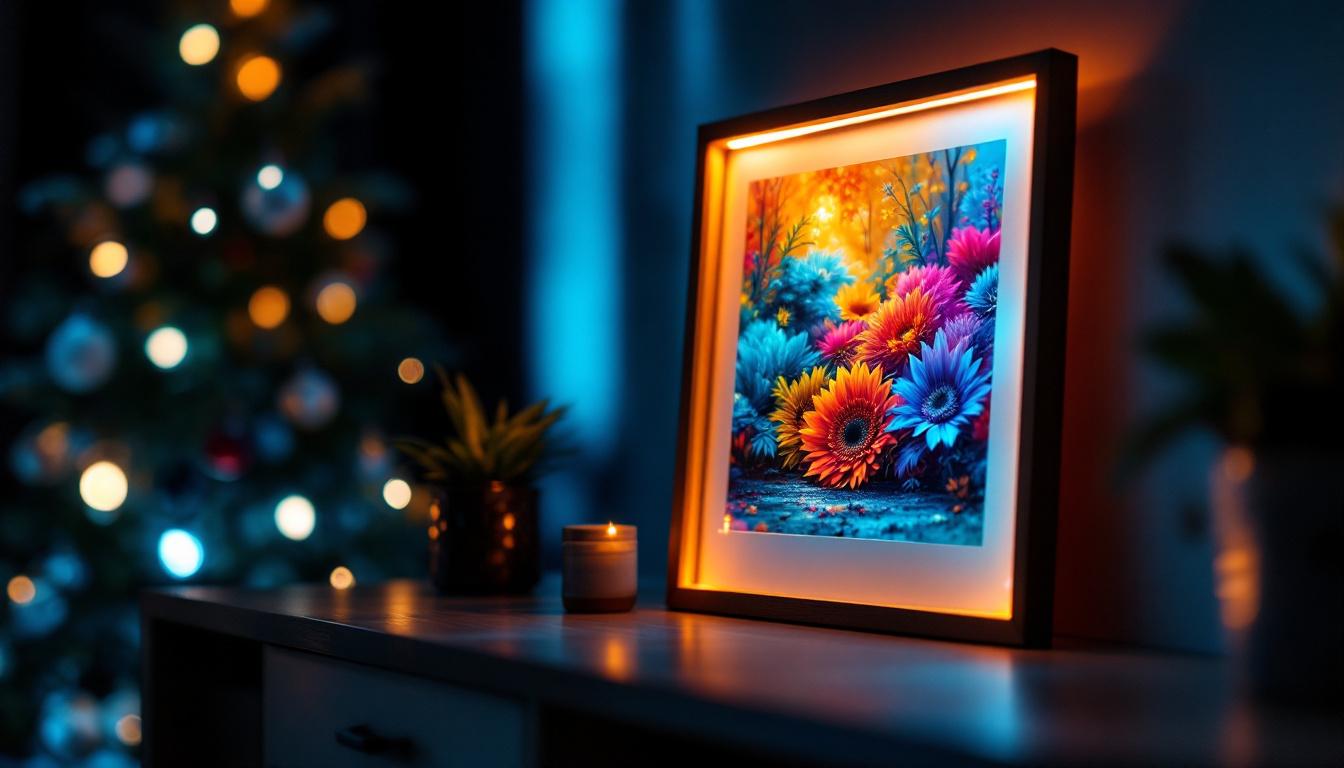
Edge-lit LED frames feature LEDs installed along the perimeter of the frame. A light guide panel or diffuser evenly distributes the light across the artwork’s surface. This method provides uniform brightness and a sleek, modern look without visible bulbs or fixtures.
Edge lighting is especially effective for thin frames and digital displays, where maintaining a slim profile is essential. It’s also energy-efficient and produces minimal heat, preserving the integrity of the artwork.
Backlit LED Frames
Backlit LED frames place the light source behind the artwork, which must be printed on a translucent or semi-transparent medium. This setup creates a luminous effect, making colors appear more vibrant and adding depth to the image.
Backlighting is popular for advertising displays, illuminated signage, and photographic art where a glowing effect enhances the visual impact. However, it requires specialized materials and framing techniques to ensure even light distribution and prevent hotspots.
Spot or Accent LED Lighting
Spot LEDs are small, directional lights that focus on specific areas of the artwork. They can be integrated into the frame or mounted externally to create highlights and shadows, adding dimension and drama.
This type of lighting is often used in galleries or exhibitions where curators want to draw attention to particular features or textures in a piece. While less common for home picture frames, spot lighting can be an effective artistic tool.
Practical Considerations When Choosing LED Lights for Picture Frames
Selecting the appropriate LED lighting involves several factors beyond just the type of LEDs. Understanding these considerations ensures optimal results and longevity.
Color Temperature and Color Rendering Index (CRI)
Color temperature, measured in Kelvins (K), affects the mood and tone of the illuminated artwork. Warm white light (2700K-3000K) offers a cozy, inviting ambiance, while cool white light (5000K-6500K) mimics daylight and brings out crisp details.
The Color Rendering Index (CRI) indicates how accurately a light source reveals colors compared to natural light. A CRI of 80 or above is generally recommended for artwork to ensure true-to-life color representation.
Brightness and Dimming Capabilities
Brightness, measured in lumens, should be sufficient to illuminate the artwork without causing glare or reflections. Adjustable brightness or dimming features allow users to tailor the lighting based on ambient conditions and personal preference.
Many modern LED picture frames include dimmable LEDs controlled via remote or smartphone apps, providing convenience and customization.
Power Source and Installation
LED picture frames can be powered by batteries, USB connections, or direct AC power. Battery-powered frames offer portability and ease of installation but require periodic battery replacement or recharging. USB-powered frames are convenient for desk or shelf displays, while AC-powered frames are suitable for permanent wall installations.
Installation methods vary from simple plug-and-play designs to more complex setups requiring professional mounting and wiring. Consider the location, accessibility, and aesthetic preferences when choosing the power source and installation type.
Frame Material and Design Compatibility
The frame material can affect heat dissipation and light diffusion. Metal frames conduct heat better than wood or plastic, which can be beneficial for LED longevity. Additionally, the frame’s depth and style influence the type of LED lighting that can be integrated effectively.
For example, slim frames are better suited to edge-lit LEDs, while deeper frames can accommodate backlighting or spotlights. Matching the frame design with the lighting technology ensures both functional and aesthetic harmony.
Applications and Trends in LED-Lit Picture Frames
LED-lit picture frames are no longer limited to traditional art display. Their versatility has led to innovative applications and emerging trends across various sectors.
Digital Photo Frames with LED Backlighting
Digital photo frames equipped with LED backlighting have surged in popularity, offering dynamic displays of multiple images, videos, and even interactive content. These frames often feature high-resolution LCD or OLED screens illuminated by LEDs, providing vibrant, eye-catching presentations.
Smart features such as Wi-Fi connectivity, cloud storage, and remote control enable users to update content effortlessly, making these frames ideal for personal use, corporate environments, and retail displays.
Gallery and Museum Lighting Solutions
Professional galleries and museums increasingly rely on LED lighting to showcase their collections. Custom LED picture frames with precise color temperature control and high CRI ensure artworks are presented in the best possible light while preserving their condition.
Advanced lighting control systems allow curators to adjust illumination based on time of day, exhibition themes, or visitor flow, enhancing the overall experience and engagement.
Home Décor and Interior Design
In residential settings, LED-lit picture frames contribute to ambiance and style. Designers use LED lighting to create focal points, complement room lighting schemes, and add a modern touch to traditional décor.
Smart home integration allows homeowners to synchronize LED picture frame lighting with other smart devices, adjusting brightness and color temperature to suit different moods or activities.
Maintaining and Caring for LED-Lit Picture Frames
Proper maintenance ensures that LED-lit picture frames continue to perform well and protect the artwork.
Cleaning and Dusting
Regular cleaning of the frame and LED components prevents dust buildup, which can affect light quality and appearance. Use a soft, dry cloth or a microfiber duster to gently clean surfaces. Avoid harsh chemicals or abrasive materials that could damage the frame or LED lenses.
Monitoring Heat and Electrical Safety
Although LEDs generate minimal heat, it is important to ensure adequate ventilation around the frame, especially for enclosed designs. Periodically check wiring and power sources for signs of wear or damage to prevent electrical hazards.
Replacing LEDs and Components
LEDs have long lifespans, often exceeding 25,000 hours, but replacements may eventually be necessary. Choose frames with accessible LED modules or consult professionals for repairs to maintain optimal lighting quality.
Conclusion
LED lights for picture frames represent a significant advancement in art and photo display technology. Their energy efficiency, longevity, and ability to enhance visual appeal make them an excellent choice for a wide range of applications, from personal home décor to professional galleries.
Understanding the types of LED lighting, practical considerations, and emerging trends enables consumers and professionals alike to select the best solutions for their needs. As LED technology continues to evolve, picture frames illuminated by LEDs will likely become even more versatile and integral to how visual art is experienced.
Illuminate Your Art with LumenMatrix
Ready to elevate your artwork with the cutting-edge brilliance of LED lighting? LumenMatrix, a pioneer in LED display technology, offers an array of innovative solutions tailored to bring your visual displays to life. From the cozy corners of your home to the grand stages of professional galleries, our Indoor and Outdoor LED Wall Displays, along with specialized options like Vehicle, Poster, Sports, Floor, Custom, All-in-One, and Transparent LED Displays, are designed to transform your space and captivate your audience. Experience the future of art and photo presentation. Check out LumenMatrix LED Display Solutions today and witness how we’re revolutionizing visual communication one frame at a time.