In the rapidly evolving world of television technology, LED displays have become a cornerstone for delivering vibrant visuals and immersive viewing experiences. The TV show “Touch” captivated audiences not only with its compelling storyline but also through its use of cutting-edge LED display technology that enhanced the visual storytelling in unprecedented ways. This article delves into the intricacies of LED displays, exploring how they work, their advantages, and their impact on modern television production, with a particular focus on how “Touch” utilized this technology to bring its narrative to life.
Understanding LED Display Technology
LED, or Light Emitting Diode, technology has revolutionized the way screens are designed and function. Unlike traditional LCD screens that rely on fluorescent backlighting, LED displays use tiny light-emitting diodes to illuminate the screen, resulting in brighter images, better contrast ratios, and improved energy efficiency.
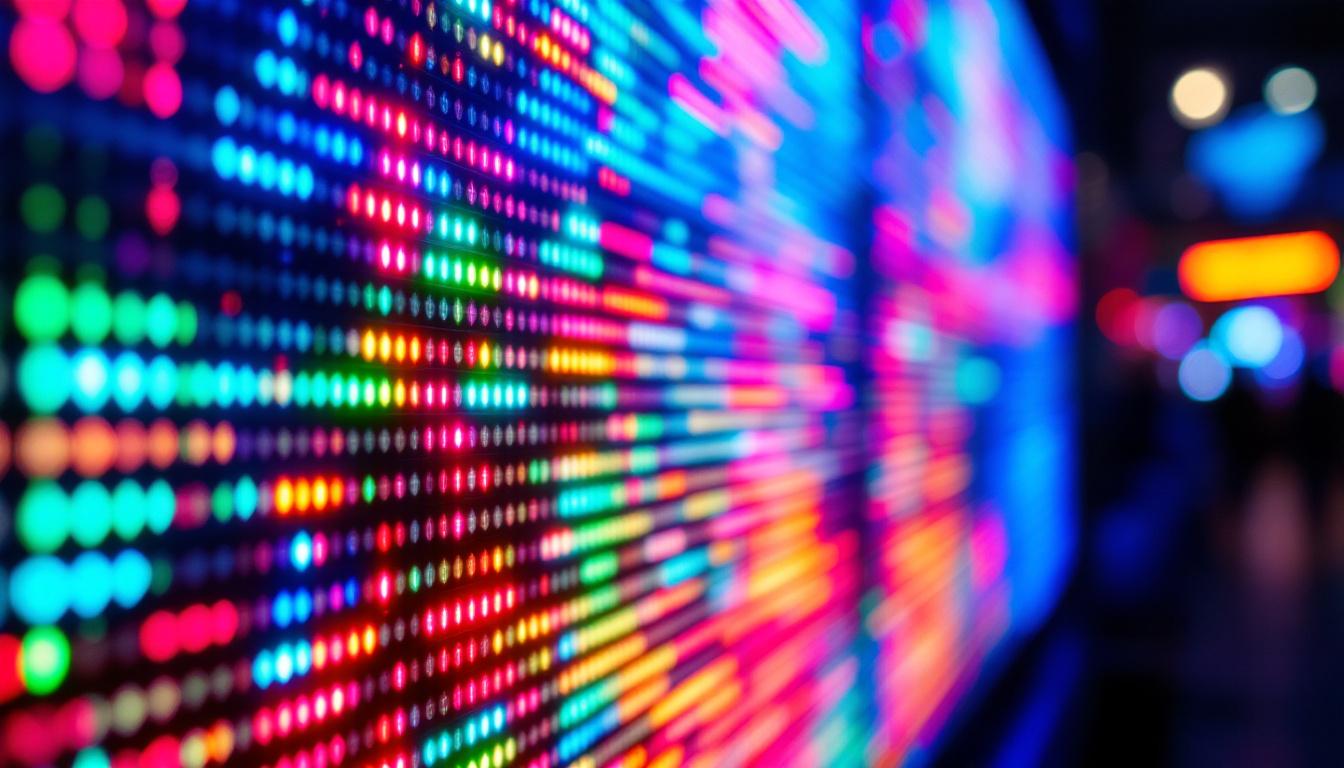
At its core, an LED display is composed of millions of individual diodes that emit light when an electric current passes through them. These diodes can be arranged in various configurations, including edge-lit and direct-lit designs, each offering different benefits in terms of brightness and uniformity. This versatility allows manufacturers to create displays that are not only visually stunning but also adaptable to various environments, from dimly lit rooms to brightly lit outdoor settings.
How LED Displays Work
The operation of an LED display hinges on the principle of electroluminescence, where semiconductors emit light in response to electric current. In television screens, these LEDs can either serve as the primary light source or as pixels themselves, as seen in OLED (Organic LED) technology. The ability of LEDs to turn on and off rapidly allows for dynamic content to be displayed with remarkable clarity, making them ideal for everything from high-action sports broadcasts to cinematic experiences.
In standard LED TVs, the LEDs provide backlighting for an LCD panel, controlling brightness and color by varying the intensity of the light passing through liquid crystals. This combination allows for precise control over image quality, enabling deeper blacks and more vivid colors. Additionally, advancements in color calibration and processing technology have further enhanced the viewing experience, allowing for more accurate color reproduction and a wider color gamut that brings images to life in ways previously unattainable.
Types of LED Displays
There are mainly three types of LED displays used in television technology:
- Edge-Lit LED: LEDs are positioned along the edges of the screen, and light is diffused across the panel. This design allows for thinner TVs but can sometimes lead to uneven brightness.
- Direct-Lit LED: LEDs are placed directly behind the LCD panel, providing more uniform brightness and better contrast.
- Full-Array LED with Local Dimming: A more advanced form of direct-lit LED where LEDs are grouped into zones that can be dimmed or brightened independently, enhancing contrast and reducing light bleed.
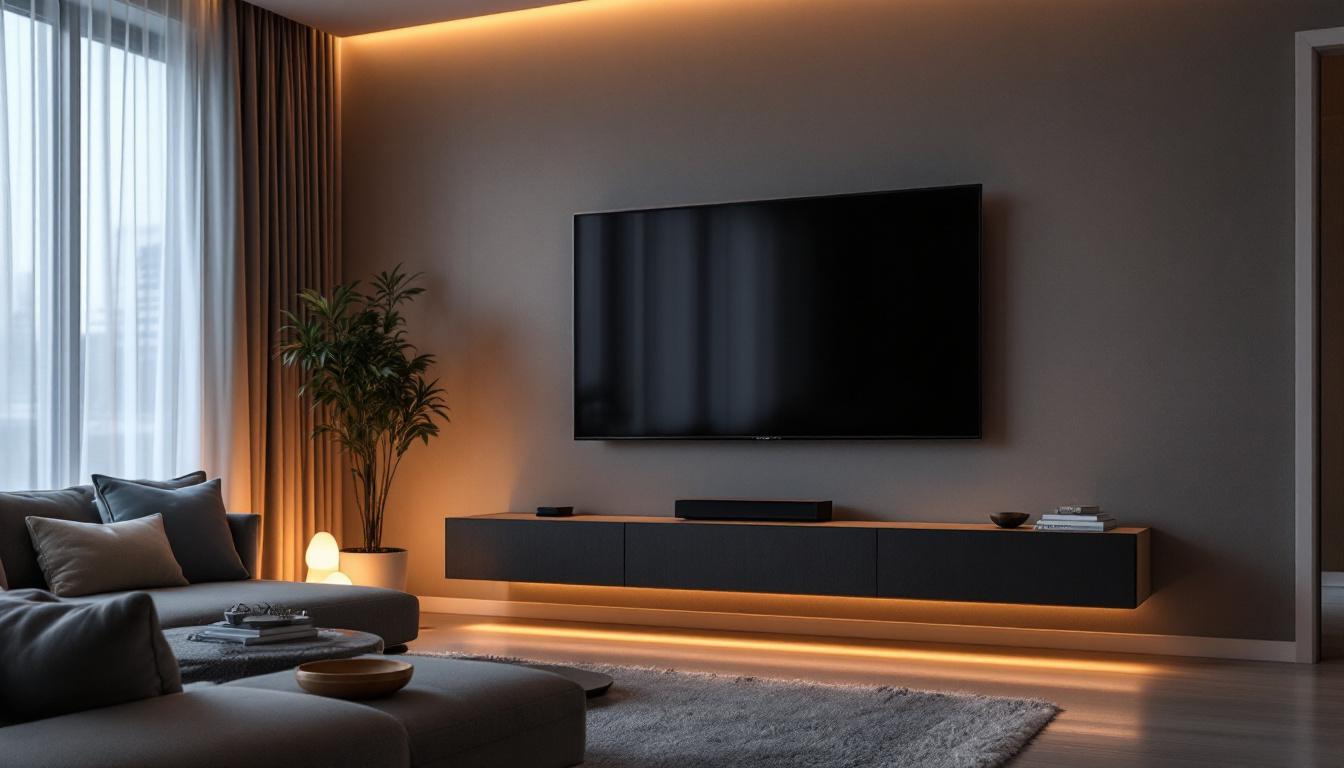
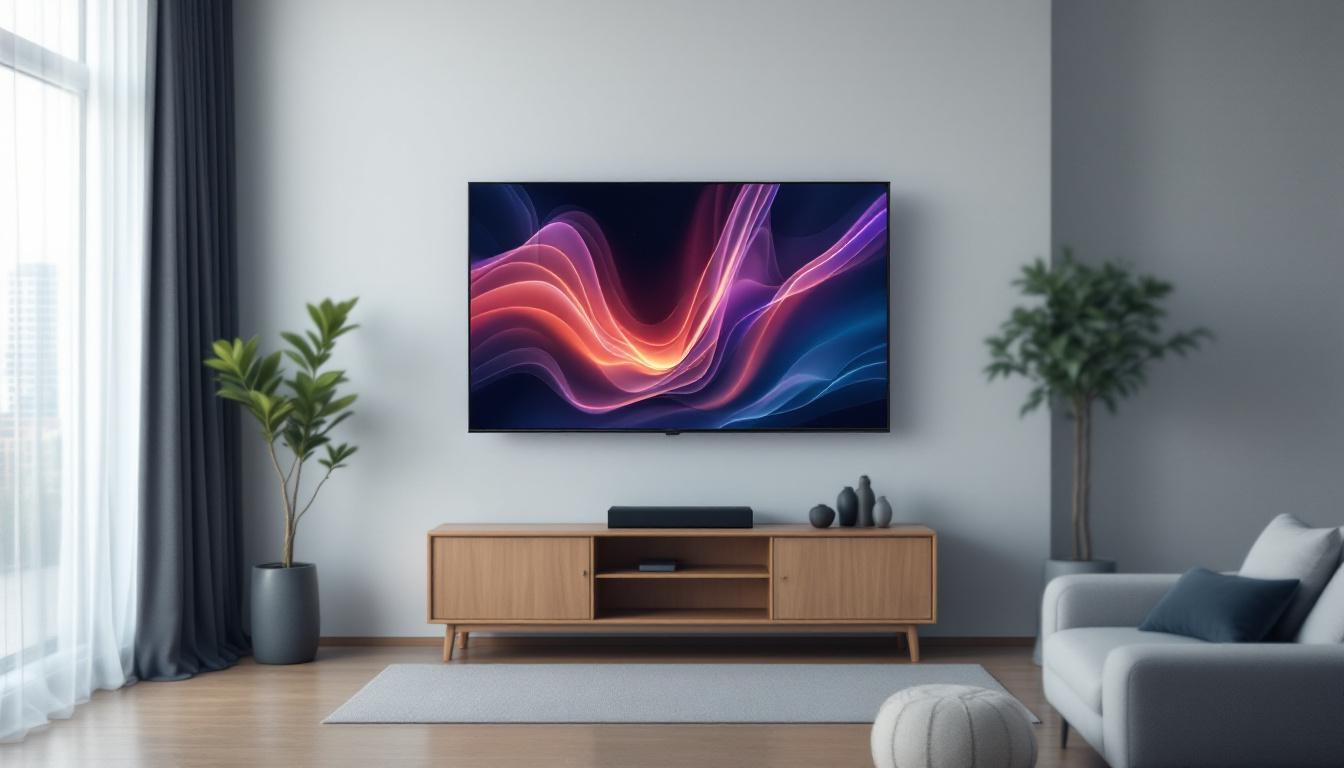
Each type of LED display has its unique advantages and is suited for different applications. For instance, edge-lit displays are often favored for their slim profiles, making them ideal for wall-mounted installations in modern homes. On the other hand, full-array displays with local dimming are increasingly popular among videophiles and gamers who demand the highest fidelity in their viewing experience. Furthermore, as technology continues to evolve, we are witnessing the emergence of microLED displays, which promise to combine the best features of OLED and traditional LED technologies, offering even greater brightness, efficiency, and flexibility in screen design.
The Role of LED Displays in Television Production
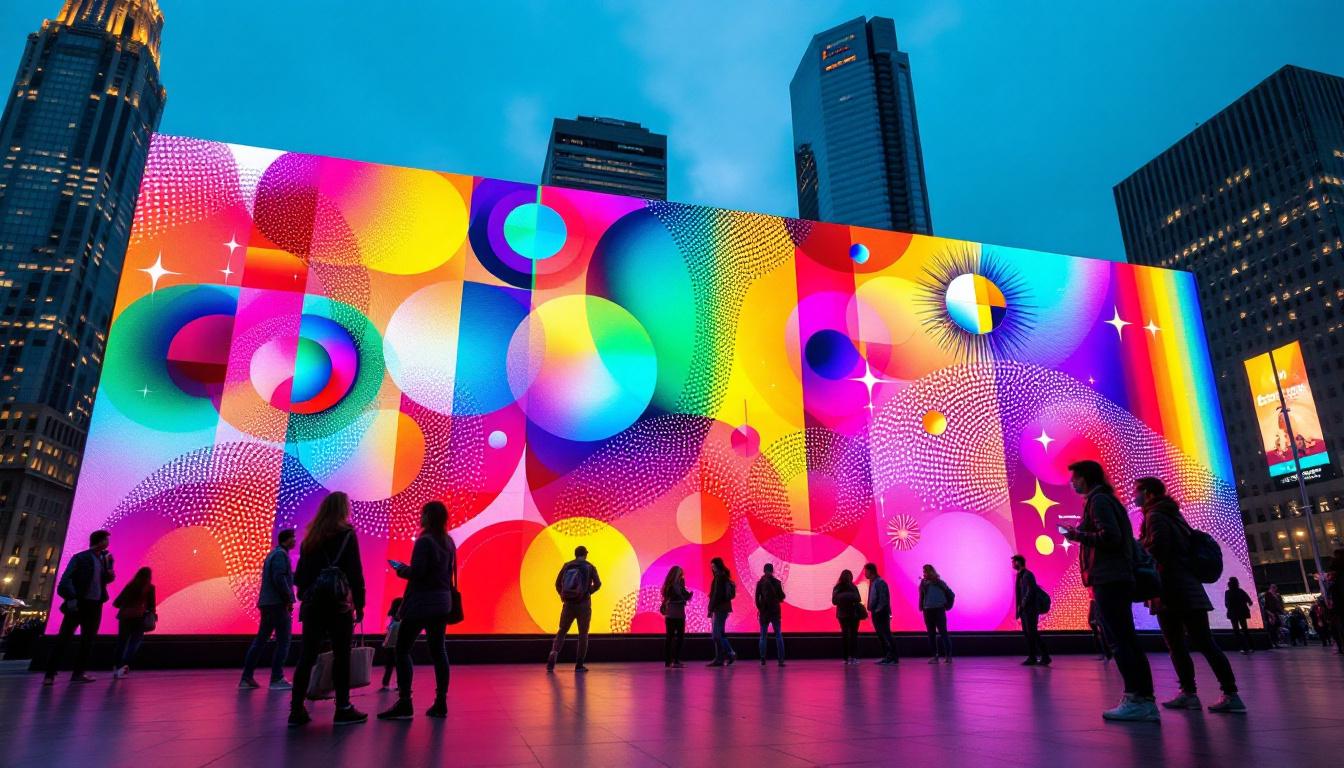
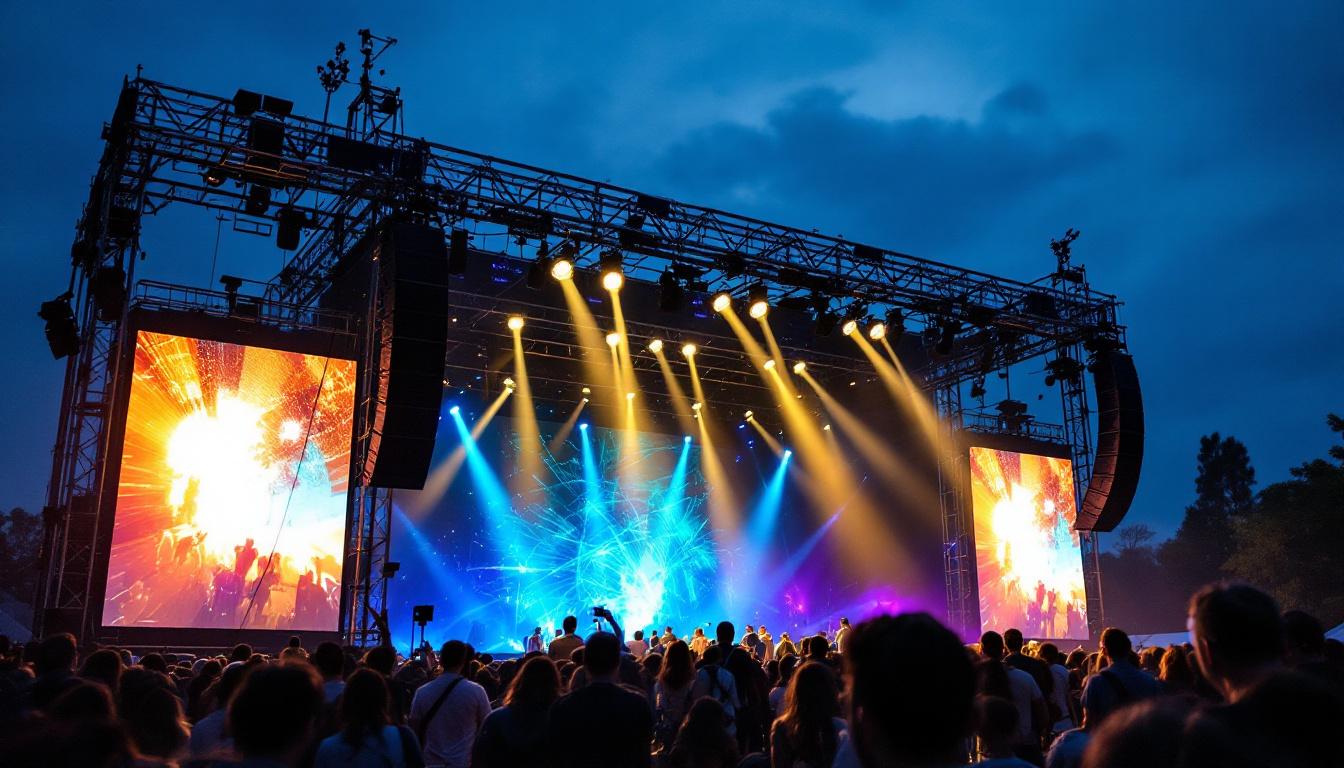
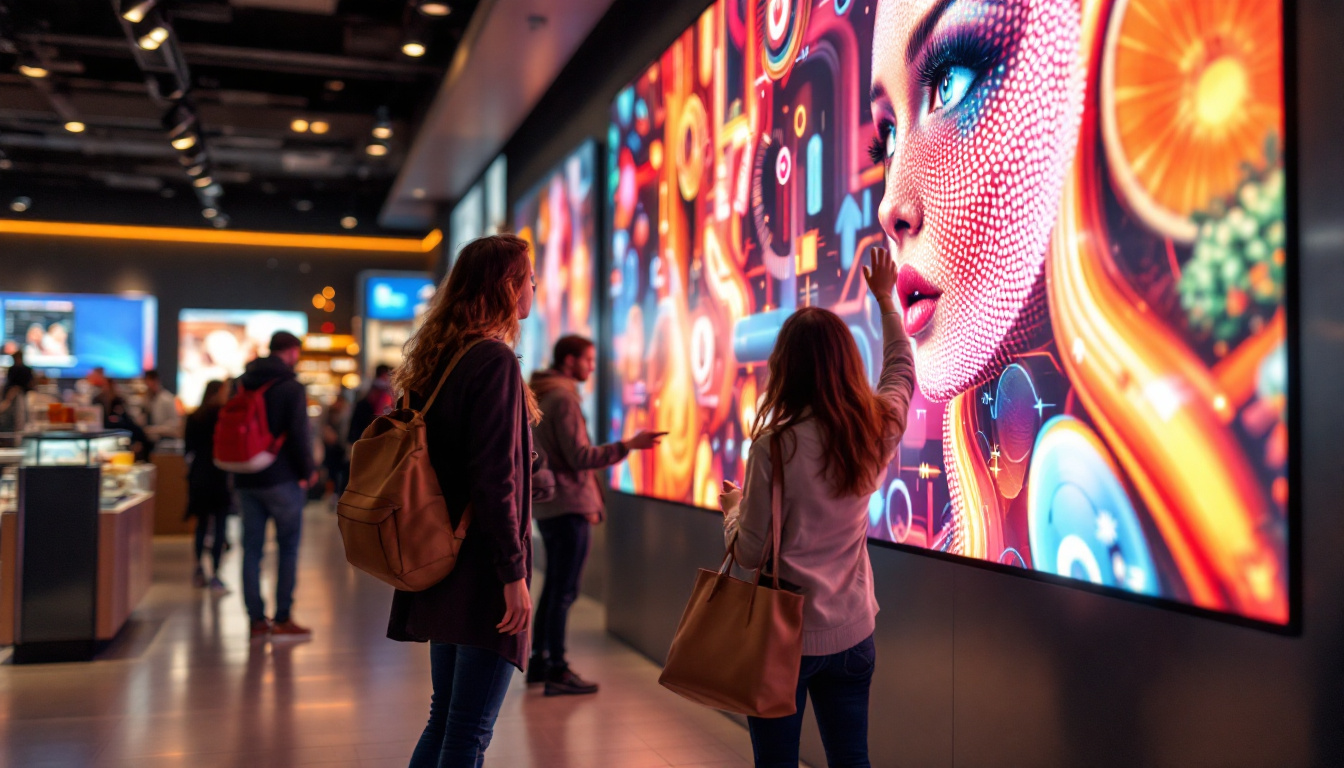
LED displays are not only crucial for consumer TVs but have also found significant applications in television production environments. From on-set monitors to large-scale video walls, LED technology facilitates real-time visualization that is essential for directors, cinematographers, and production teams.
Enhancing Visual Storytelling with LED Technology
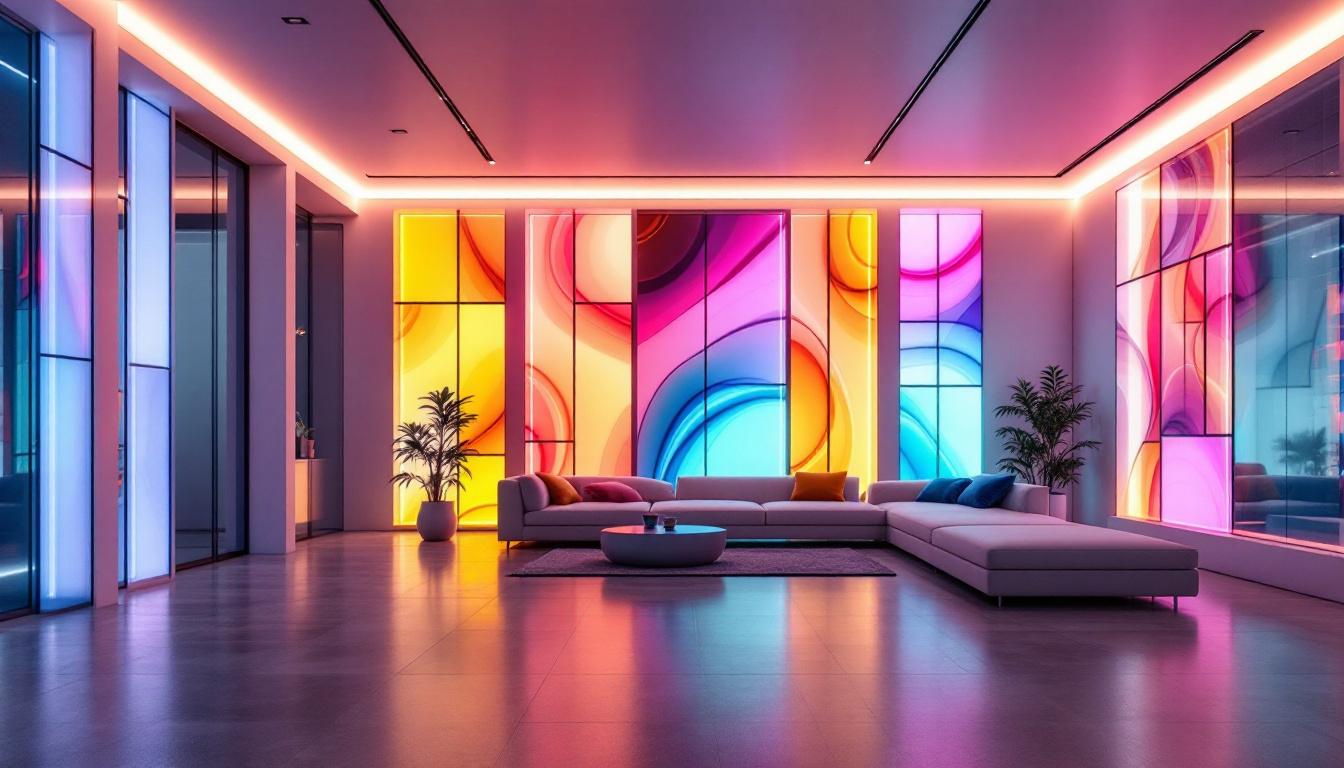
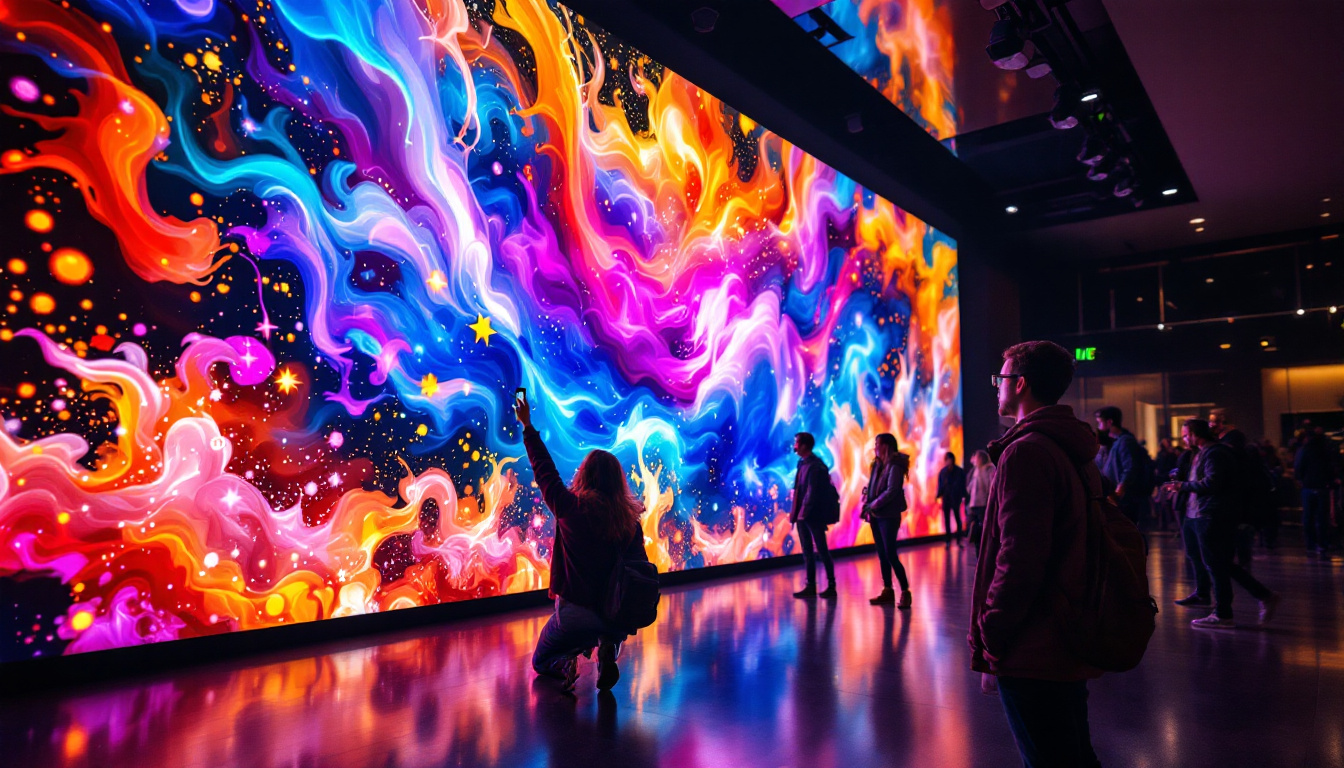
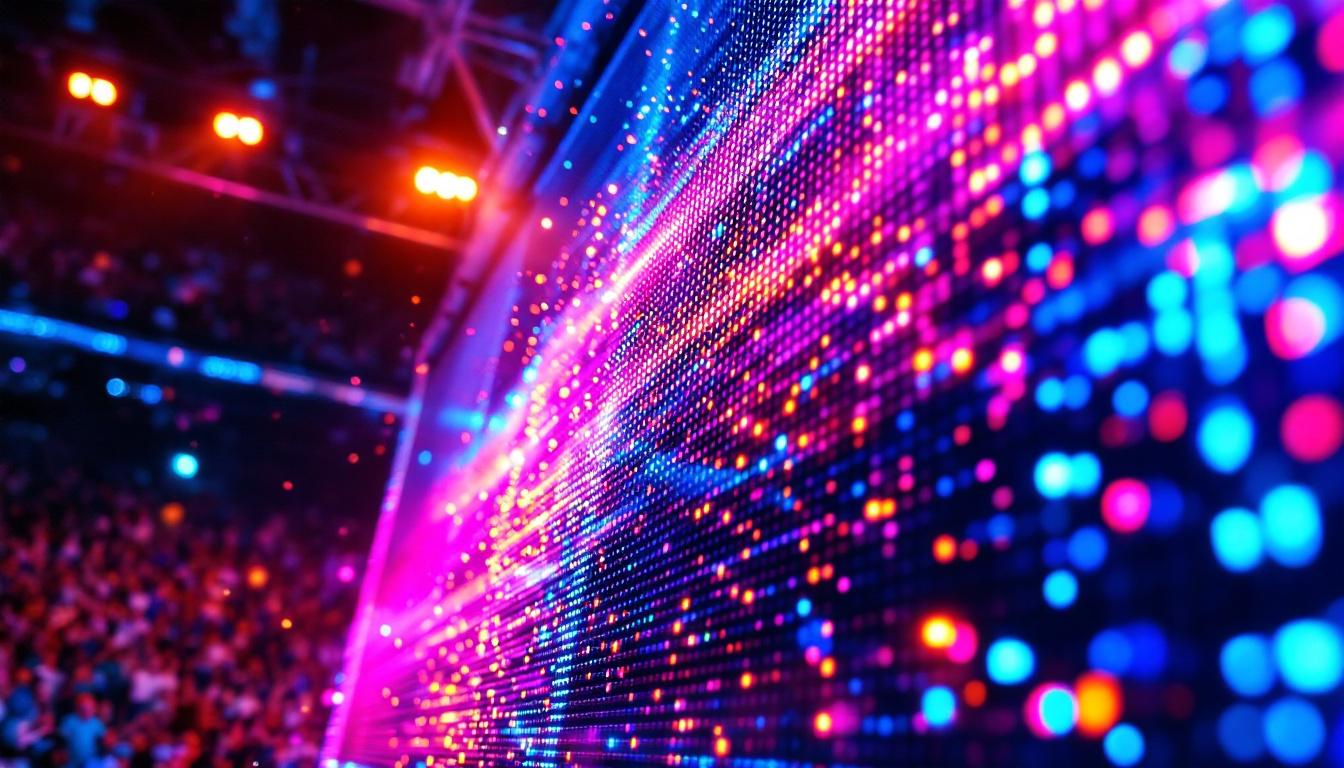
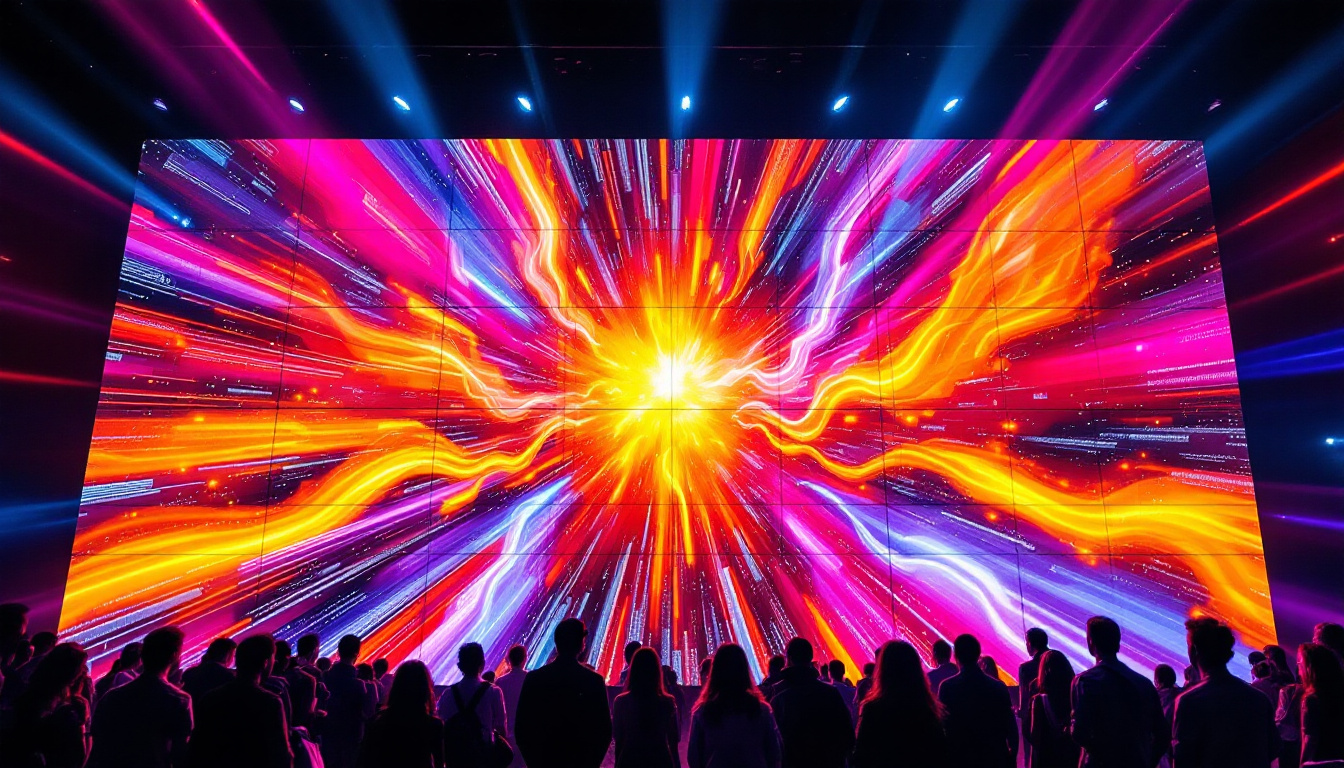
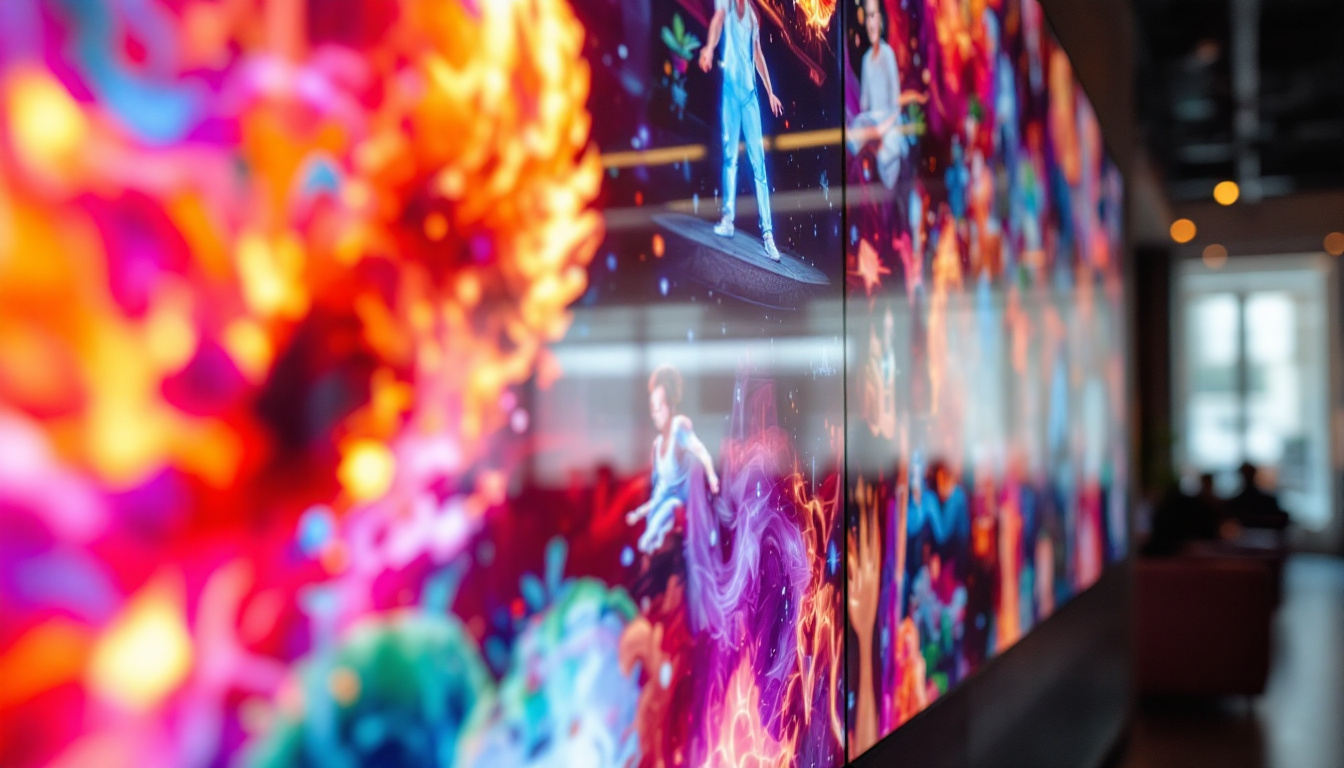
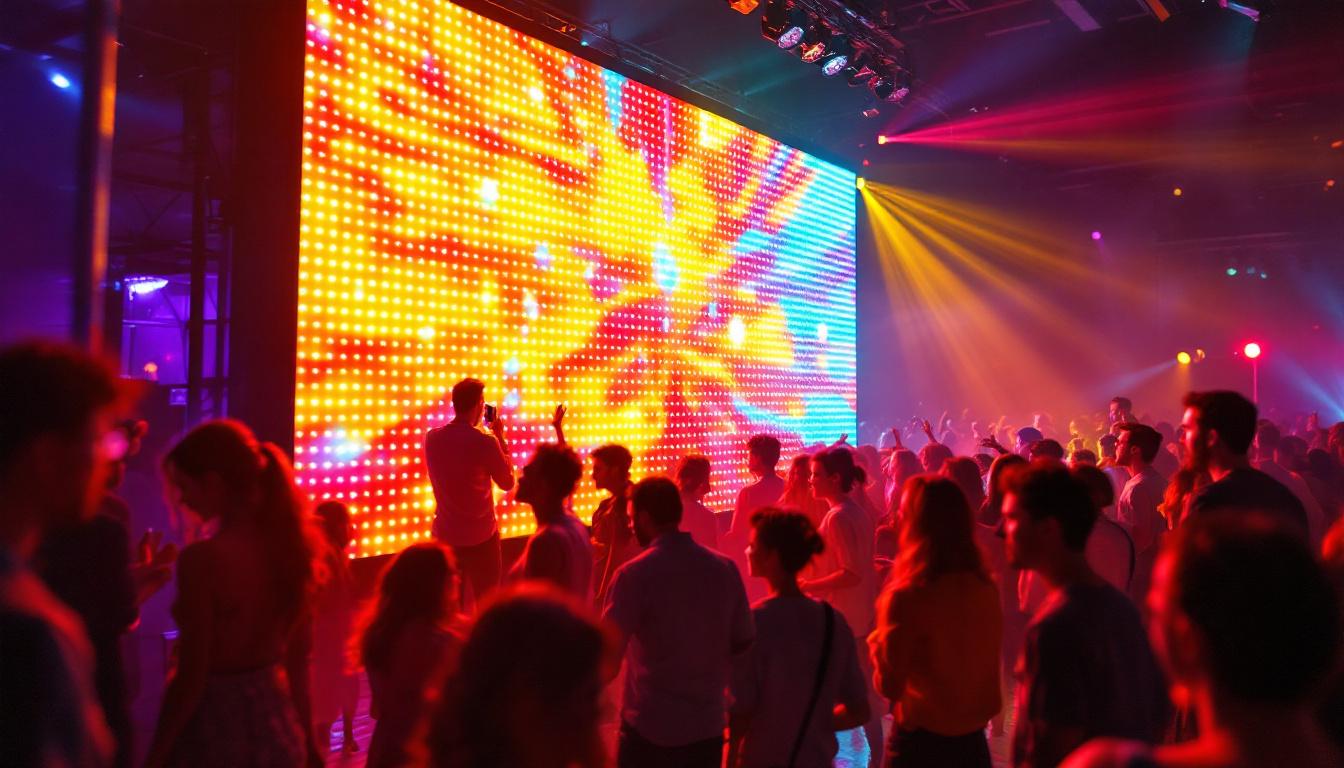
In the production of “Touch,” LED displays were employed to create dynamic backgrounds and interactive environments that responded to the narrative’s emotional beats. This use of LED video walls allowed for seamless integration of live-action footage with digital effects, reducing the need for post-production compositing and enabling actors to engage more naturally with their surroundings.
Such immersive environments help storytellers convey complex themes and moods more effectively. For instance, scenes depicting interconnectedness and digital communication in “Touch” were visually represented through vibrant LED backdrops, symbolizing the invisible threads linking characters. The ability to manipulate these backgrounds in real-time not only enhances the visual experience but also allows actors to immerse themselves fully in the scene, fostering more authentic performances.
Moreover, the versatility of LED technology extends beyond just aesthetics. It can also be programmed to change throughout a scene, reflecting shifts in tone or time of day, which adds a layer of depth to the storytelling. For example, a serene morning scene can transition into a chaotic evening backdrop, visually mirroring the characters’ emotional journeys and heightening audience engagement.
Real-Time Feedback and On-Set Adjustments
One of the advantages of LED displays in production is the ability to provide real-time feedback. Directors and cinematographers can adjust lighting, colors, and visual effects on the fly, ensuring that the final footage aligns with the creative vision. This flexibility is invaluable in fast-paced shooting schedules where time is of the essence.
Additionally, the integration of LED displays allows for collaborative creativity among the production team. With the ability to visualize changes instantly, departments such as art direction, lighting, and camera work can communicate more effectively, ensuring that everyone is aligned with the artistic direction. This synergy not only streamlines the production process but also fosters a more innovative environment where ideas can be rapidly tested and executed, ultimately leading to a more polished final product.
Furthermore, the use of LED technology can significantly reduce the logistical challenges associated with traditional green screen setups. By eliminating the need for extensive post-production keying and color correction, productions can save both time and resources, allowing for more focus on the creative aspects of filmmaking. As LED technology continues to evolve, its role in television production is likely to expand, paving the way for even more groundbreaking storytelling techniques.
Advantages of LED Displays Over Traditional Technologies
LED technology offers several advantages that have made it the preferred choice for both consumers and professionals in the television industry.
Superior Picture Quality
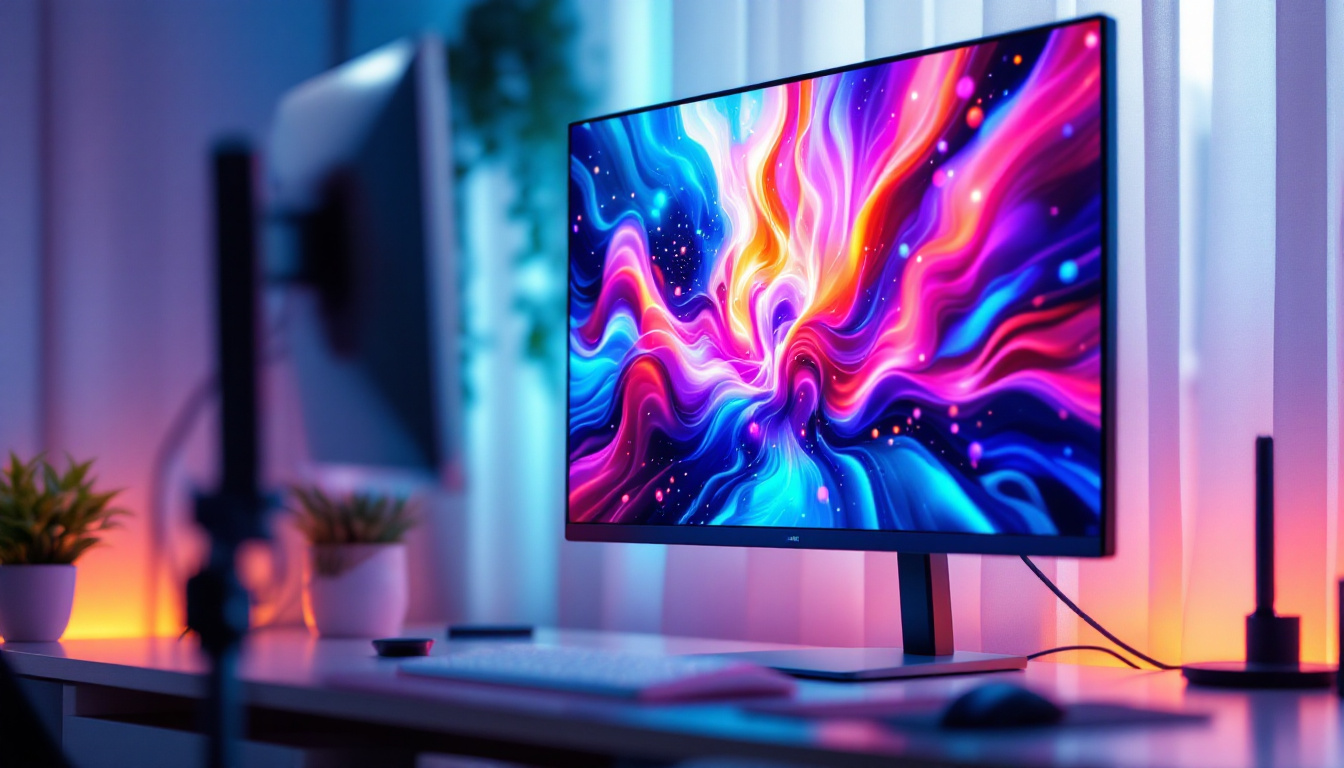
LED displays provide higher brightness levels compared to traditional LCDs, making them ideal for viewing in well-lit environments. Their ability to produce deeper blacks and more accurate colors results in a more lifelike and immersive image.
According to a 2023 report by DisplayMate Technologies, the latest full-array LED TVs can achieve peak brightness levels exceeding 1,500 nits, significantly outperforming older LCD models that typically max out around 400-500 nits.
Energy Efficiency and Longevity
LEDs consume less power than fluorescent backlights, contributing to lower energy bills and a smaller environmental footprint. Additionally, LED displays tend to have longer lifespans, often exceeding 100,000 hours of use before noticeable degradation occurs.
Design Flexibility
The compact size of LEDs allows manufacturers to create ultra-thin and lightweight TVs that are aesthetically pleasing and easy to mount. This design flexibility also enables the production of curved and flexible screens, expanding creative possibilities for both consumers and content creators.
Challenges and Considerations in LED Display Technology
Despite their many advantages, LED displays come with certain challenges that manufacturers and users should be aware of.
Cost Implications
High-end LED TVs, especially those featuring full-array local dimming and advanced color technologies like Quantum Dots, can be significantly more expensive than standard LCD models. However, prices have been steadily decreasing as the technology matures and production scales up.
Potential for Light Bleed and Uniformity Issues
Edge-lit LED TVs may suffer from uneven brightness, known as light bleed, where edges appear brighter than the center. This can detract from the viewing experience, particularly in dark scenes. Choosing models with direct-lit or full-array backlighting can mitigate this issue.
Blue Light Emission
LED displays emit blue light, which has been linked to eye strain and potential disruption of circadian rhythms. Many modern TVs include blue light reduction modes or filters to address these concerns, making it important for users to select models with such features if they watch TV for extended periods.
Future Trends in LED Display Technology
The evolution of LED technology continues to push the boundaries of what is possible in television displays. Several emerging trends promise to further enhance the viewing experience in the coming years.
MicroLED and MiniLED Innovations
MicroLED technology involves using microscopic LEDs as individual pixels, combining the brightness and color accuracy of OLEDs with the durability and efficiency of traditional LEDs. This technology offers exceptional contrast ratios and energy efficiency, with prototypes already demonstrating impressive performance.
MiniLED, a more immediate advancement, uses thousands of tiny LEDs for backlighting, enabling even more precise local dimming and improved contrast. Many premium TVs released in 2024 incorporate MiniLED backlighting, bringing near-OLED quality to a broader market.
Integration with Smart Technologies
LED displays are increasingly integrated with artificial intelligence and smart home ecosystems. Features such as adaptive brightness, voice control, and personalized content recommendations enhance user convenience and engagement.
Environmental Sustainability
Manufacturers are focusing on eco-friendly materials and energy-saving technologies to reduce the environmental impact of LED TVs. Recycling programs and the use of biodegradable components are becoming more common as part of corporate responsibility initiatives.
Conclusion: The Impact of LED Displays on “Touch” and Beyond
The TV show “Touch” exemplifies how LED display technology can transform visual storytelling, creating immersive and emotionally resonant experiences for viewers. By harnessing the power of LED video walls and advanced display techniques, the production was able to visually articulate complex themes and enhance narrative depth.
As LED technology continues to advance, its influence on television production and consumer viewing experiences will only grow. Understanding the fundamentals of LED displays, their benefits, and challenges equips viewers and industry professionals alike to appreciate and leverage this technology’s full potential.
Whether it’s the captivating visuals on a show like “Touch” or the stunning clarity of the latest home TV, LED displays remain at the forefront of the television revolution, illuminating stories in ways never before possible.
Explore the Future of Visual Storytelling with LumenMatrix
Ready to experience the next level of visual engagement? LumenMatrix invites you to discover how our innovative LED display solutions can transform your storytelling and visual communication. From the immersive Indoor LED Wall Display to the dynamic Outdoor LED Wall Display, and from the versatile Vehicle LED Display to the sleek LED Poster Display, our range of products is designed to captivate and resonate with audiences. Embrace the revolution in digital signage with LumenMatrix’s cutting-edge technology, and let us help you illuminate your story with clarity and impact. Check out LumenMatrix LED Display Solutions today and see the difference for yourself.