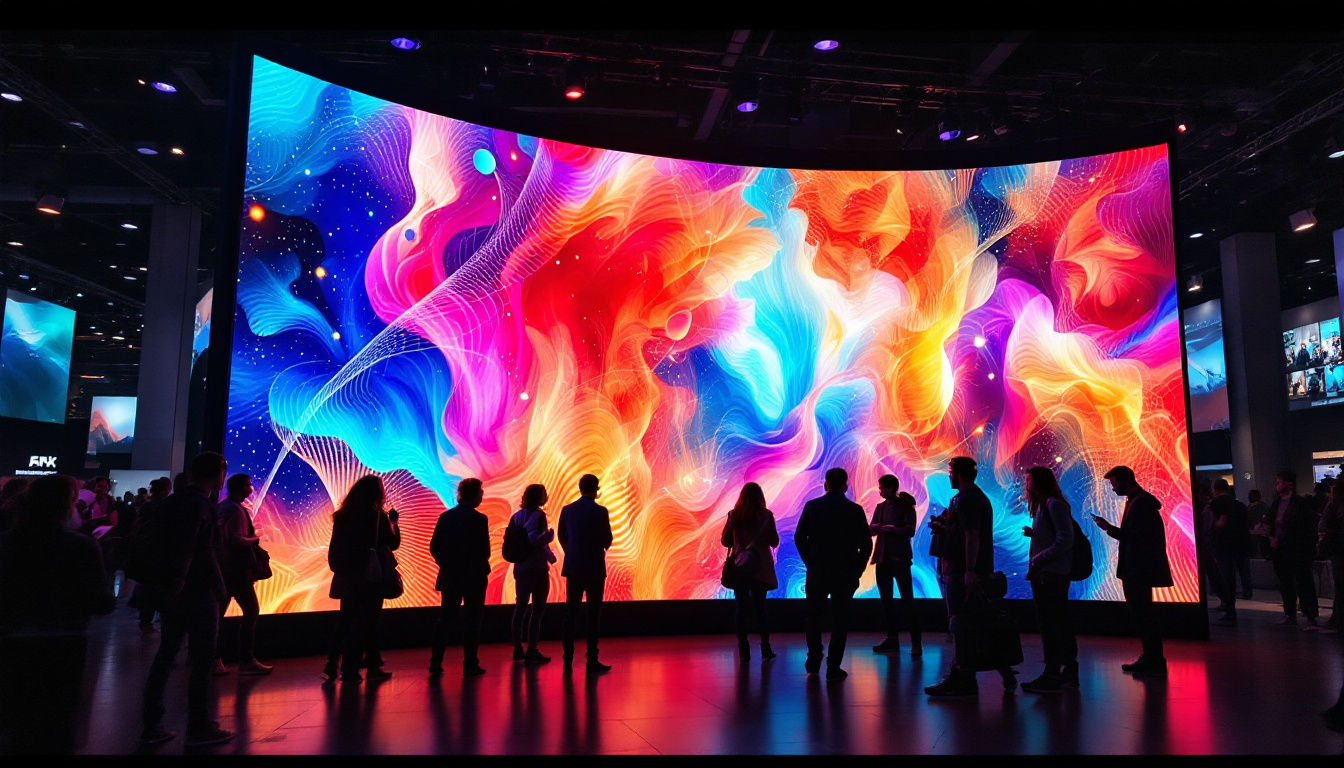
With the rapid advancement of display technology, 4K resolution has become the new standard for televisions, monitors, and LED displays. Offering four times the pixel count of Full HD, 4K delivers stunning image clarity and detail. However, to fully appreciate the benefits of 4K resolution, understanding the optimal viewing distance is crucial. This article explores the relationship between 4K resolution, viewing distance, and LED display technology to help you make the most of your visual experience.
What is 4K Resolution and Why Does It Matter?
4K resolution, also known as Ultra High Definition (UHD), refers to a display resolution of approximately 3840 x 2160 pixels. This translates to about 8.3 million pixels on the screen, which is four times the pixel count of the 1920 x 1080 Full HD standard. The increased pixel density allows for sharper images, finer details, and more immersive visuals.
The importance of 4K resolution extends beyond just higher pixel counts. It enhances color depth, contrast, and dynamic range when paired with technologies like High Dynamic Range (HDR). This combination results in more lifelike images that bring content to life, whether it’s a cinematic movie, a video game, or a professional graphic design project.
However, the human eye has limits in perceiving detail based on distance and screen size. This is where understanding the optimal viewing distance becomes essential to truly benefit from 4K resolution.
In addition to the technical specifications, the rise of 4K resolution has significantly influenced the way content is produced and consumed. Filmmakers and game developers are increasingly adopting 4K as the new standard, leading to a richer storytelling experience. For instance, many streaming services now offer a growing library of 4K content, allowing viewers to enjoy their favorite shows and movies in stunning clarity. This shift not only enhances the viewing experience but also sets a higher benchmark for content quality, pushing creators to invest in better production techniques and technologies.
Moreover, the impact of 4K resolution is not limited to entertainment alone. In fields such as medical imaging, architecture, and virtual reality, the precision offered by 4K can be crucial. Surgeons can benefit from clearer images during operations, architects can present more detailed visualizations of their designs, and VR experiences can become more immersive with higher resolutions. As the technology continues to evolve, we can expect 4K resolution to play an integral role in various industries, transforming how we interact with digital content across the board.
Understanding Viewing Distance: The Key to Maximizing 4K Benefits
What is Viewing Distance?
Viewing distance refers to the space between the viewer’s eyes and the display screen. It significantly impacts the perceived image quality and sharpness. If you sit too far away from a 4K screen, the eye cannot resolve the increased pixel density, making the extra detail indistinguishable from a lower resolution display. Conversely, sitting too close can cause discomfort or strain, especially if the screen size is large.
How Viewing Distance Affects Perceived Resolution
The human eye can resolve details only up to a certain angular resolution, typically measured in arcminutes. For most people with 20/20 vision, this is about 1 arcminute, meaning the eye can distinguish two points separated by 1/60th of a degree. The closer you are to the screen, the easier it is to perceive finer details.
With 4K resolution, the pixel density is high enough that, at an optimal distance, the pixels blend seamlessly, creating a smooth and detailed image. However, if you sit beyond this distance, the eye can no longer differentiate individual pixels, making the difference between 4K and 1080p negligible.
Calculating Optimal Viewing Distance for 4K Displays
A widely accepted guideline for optimal viewing distance is based on the display’s diagonal size and resolution. For 4K UHD, the ideal distance is roughly 1 to 1.5 times the screen’s diagonal measurement. For example, for a 55-inch 4K TV, the optimal viewing distance ranges from approximately 4.5 to 6.5 feet (1.4 to 2 meters).
This range allows viewers to perceive the enhanced detail without noticing individual pixels or experiencing eye strain. Sitting closer than this range may reveal pixels or cause discomfort, while sitting farther away reduces the perceived benefits of 4K resolution.
LED Display Technology and Its Role in 4K Viewing Distance
What Makes LED Displays Popular for 4K?
LED (Light Emitting Diode) displays have become the dominant technology for 4K screens due to their energy efficiency, brightness, and color accuracy. Unlike older LCDs that use fluorescent backlighting, LED displays employ LED backlights or are made entirely of LEDs (in the case of microLED or OLED technologies), offering better contrast ratios and thinner designs.
LED displays are available in various forms, including traditional LED-backlit LCD TVs, OLEDs, and large-scale LED video walls. Each has unique characteristics affecting viewing experience and distance.
Pixel Pitch and Its Impact on Viewing Distance
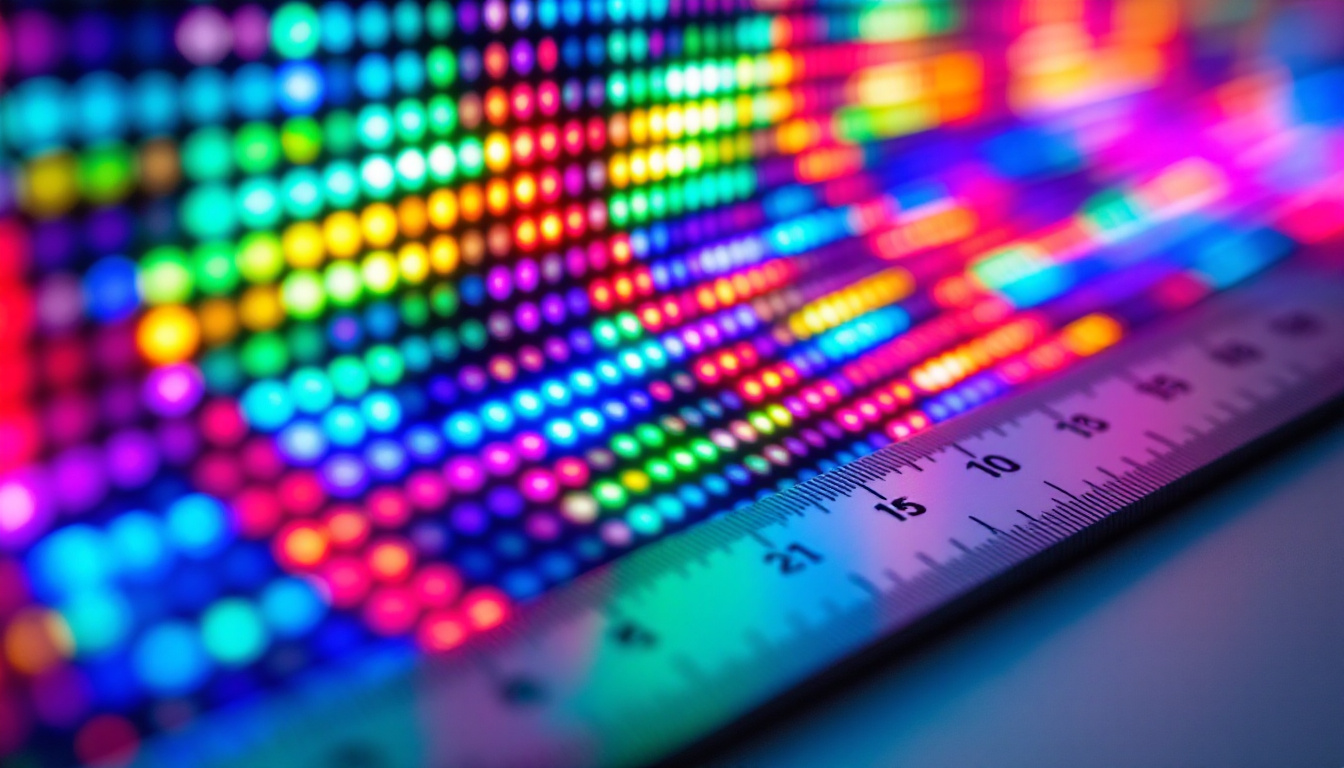
Pixel pitch is a critical factor in LED displays, especially for large-format screens. It refers to the distance between the centers of two adjacent pixels, usually measured in millimeters. A smaller pixel pitch means higher pixel density, resulting in sharper images at closer distances.
For indoor LED displays, pixel pitches typically range from 0.9 mm to 2.5 mm, allowing viewers to sit just a few feet away without noticing pixelation. Outdoor LED displays have larger pixel pitches (4 mm and above) because they are viewed from greater distances, where individual pixels are less discernible.
In the context of 4K resolution, a smaller pixel pitch enables the display to maintain image clarity at closer viewing distances, maximizing the benefits of UHD content.
LED Display Size and Viewing Environment
The size of the LED display and the environment in which it is used also influence optimal viewing distance. For example, a 4K LED TV in a living room will have different viewing distance recommendations compared to a large LED video wall in a stadium or conference hall.
In controlled environments like home theaters, viewers can position themselves optimally to enjoy 4K content fully. In public or commercial spaces, designers must consider typical viewer distances and adjust pixel pitch and screen size accordingly to ensure image quality remains high.
Practical Recommendations for 4K Viewing Distance with LED Displays
Home Use: TVs and Monitors
For home entertainment, the goal is to balance immersion with comfort. As a rule of thumb, the Society of Motion Picture and Television Engineers (SMPTE) recommends a viewing angle of about 30 degrees for a cinematic experience. For 4K TVs, this translates to sitting closer than you would for 1080p TVs to notice the increased detail.
Here are some practical guidelines for common screen sizes:
- 43-inch 4K TV: Optimal viewing distance is about 3.5 to 5 feet (1.1 to 1.5 meters).
- 55-inch 4K TV: Optimal viewing distance is about 4.5 to 6.5 feet (1.4 to 2 meters).
- 65-inch 4K TV: Optimal viewing distance is about 5.5 to 8 feet (1.7 to 2.4 meters).
- 27-inch 4K monitor: Optimal viewing distance is about 1.5 to 2 feet (0.5 to 0.6 meters).
Adjusting your seating within these ranges ensures you can appreciate the sharpness and detail of 4K content without discomfort.
Commercial and Large-Scale LED Displays
For commercial applications such as digital signage, billboards, or event screens, viewing distances vary widely. The key is to select an LED display with an appropriate pixel pitch to match expected viewer distances.
For example, a retail store might use an indoor LED display with a pixel pitch of 1.2 mm to 1.5 mm, allowing customers to view content clearly from a few feet away. Conversely, a stadium LED scoreboard with a pixel pitch of 10 mm or more is designed to be viewed from tens or hundreds of feet.
Designers often use formulas to calculate the minimum viewing distance based on pixel pitch. A common rule is that the minimum viewing distance (in meters) should be at least 1.5 times the pixel pitch (in millimeters). For instance, a 2 mm pixel pitch display should be viewed from at least 3 meters (about 10 feet) to avoid visible pixelation.
Adjusting for Visual Acuity and Content Type
Individual differences in visual acuity also affect optimal viewing distance. People with better than 20/20 vision may benefit from sitting slightly closer to 4K displays to discern finer details, while those with lower acuity may not perceive the difference as clearly.
Content type matters as well. Fast-moving action scenes or sports may require slightly greater distances to reduce eye strain, while static or detailed content like photography or design work benefits from closer viewing.
Future Trends: Beyond 4K and Viewing Distance Considerations
As display technology continues to evolve, 8K resolution and beyond are becoming more accessible. These higher resolutions further increase pixel density, pushing optimal viewing distances even closer. For example, an 8K 65-inch TV’s ideal viewing distance is around 3 feet (1 meter), allowing for an ultra-immersive experience.
Emerging LED technologies like microLED and OLED offer even finer pixel pitches and improved contrast, enabling larger displays to be viewed comfortably at closer distances. This will expand the possibilities for home theaters, commercial displays, and virtual reality applications.
However, the fundamental principle remains: matching screen size, resolution, and viewing distance is essential to maximize image quality and viewer comfort.
Conclusion
Understanding the relationship between 4K resolution and viewing distance is key to unlocking the full potential of LED displays. While 4K offers remarkable detail and clarity, these benefits are only perceptible when viewed at an appropriate distance relative to screen size and pixel density.
Whether setting up a home theater, selecting a monitor for professional work, or designing a commercial LED installation, considering optimal viewing distance ensures the best visual experience. By balancing screen size, resolution, pixel pitch, and viewing environment, viewers can enjoy the stunning visuals that 4K LED displays provide without compromise.
As display technologies advance, staying informed about these factors will help consumers and professionals alike make smart choices that enhance viewing pleasure and reduce eye strain.
Explore the Future of Visual Experience with LumenMatrix
Ready to elevate your visual experience with the clarity and detail that only 4K LED displays can provide? LumenMatrix is at the forefront of LED display technology, offering a wide array of solutions tailored to your needs. From immersive Indoor LED Wall Displays to dynamic Outdoor LED Wall Displays, and from versatile Vehicle LED Displays to innovative LED Transparent Displays, our mission is to transform your visual communication. Experience the difference in engagement and brand visibility with our cutting-edge displays. Check out LumenMatrix LED Display Solutions today and step into the future of captivating visual experiences.