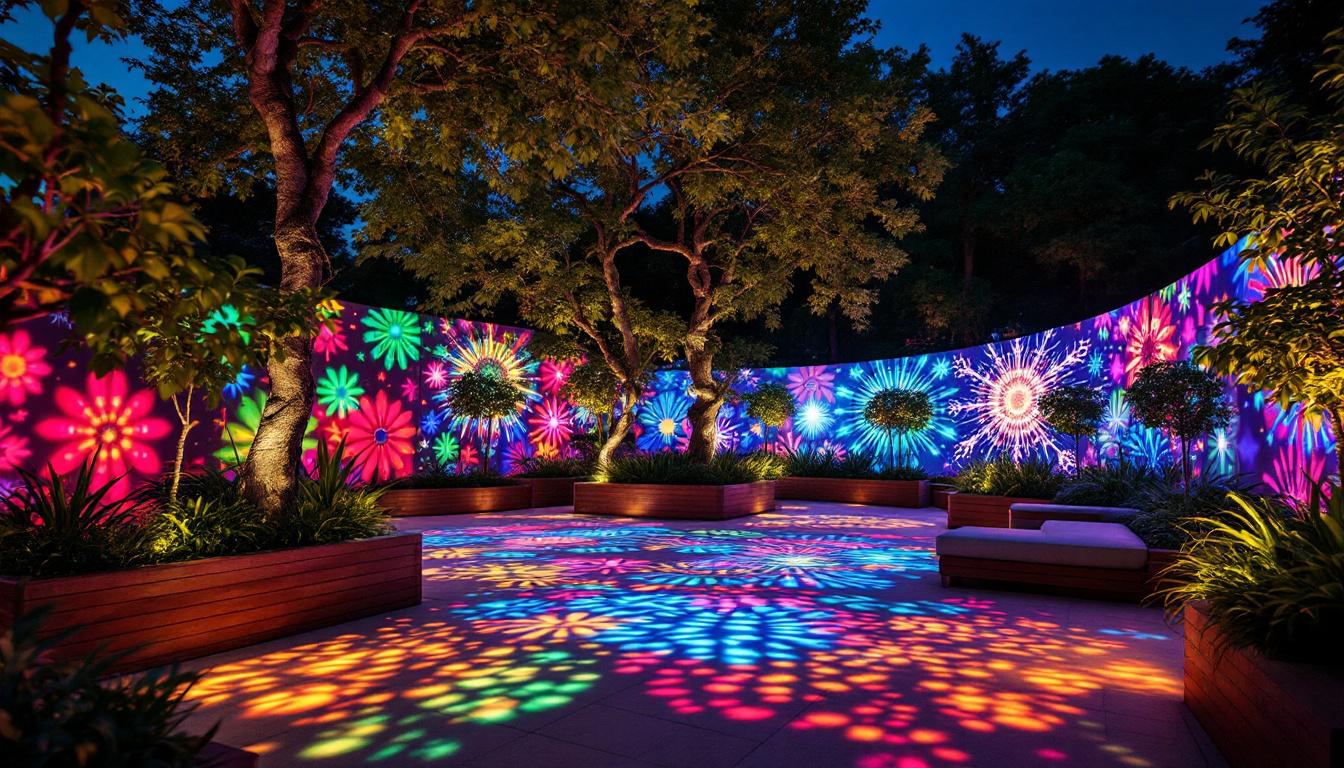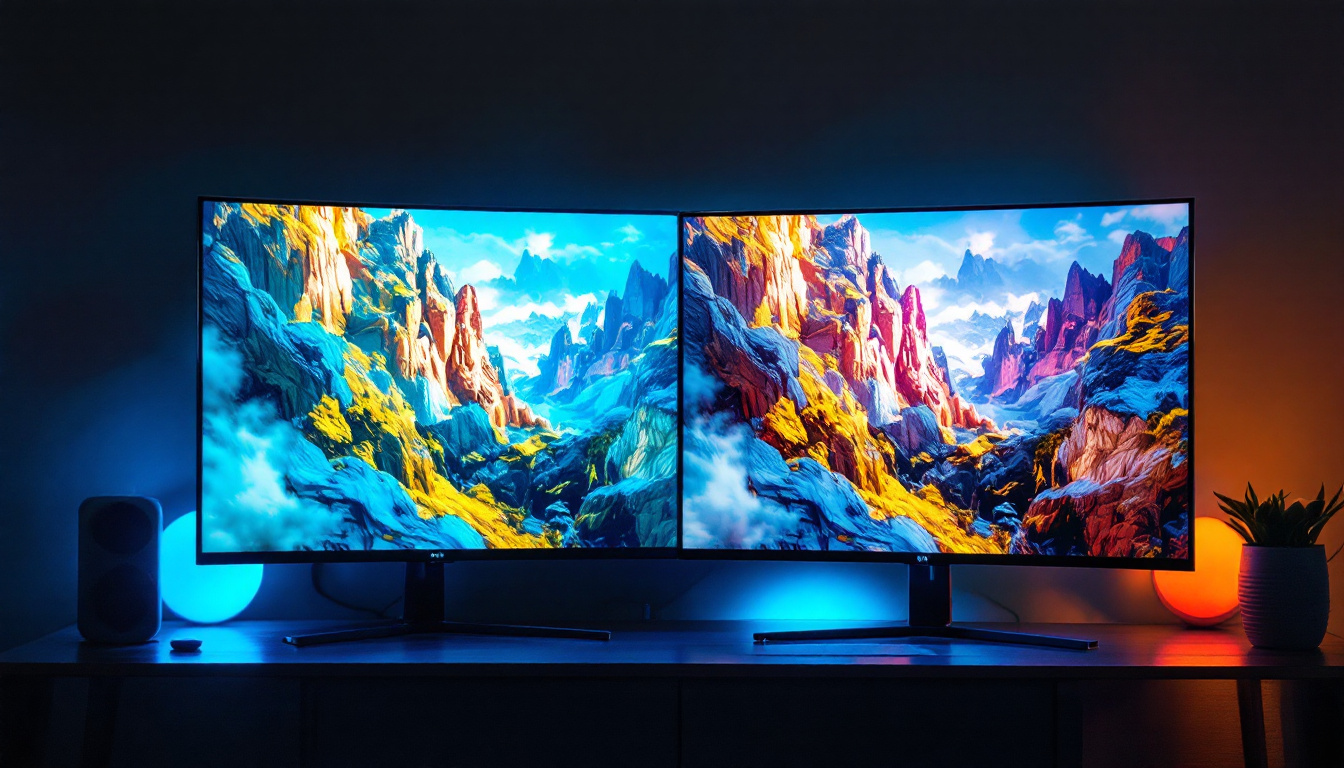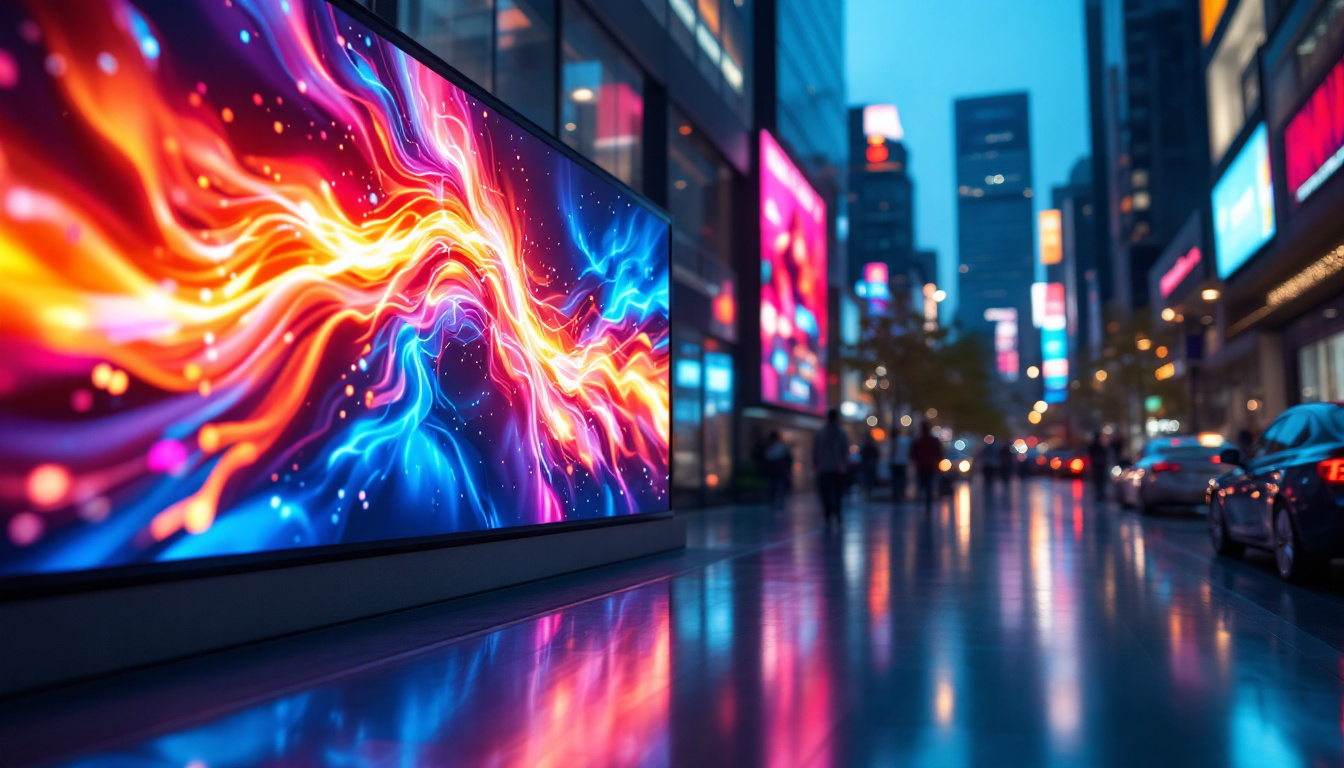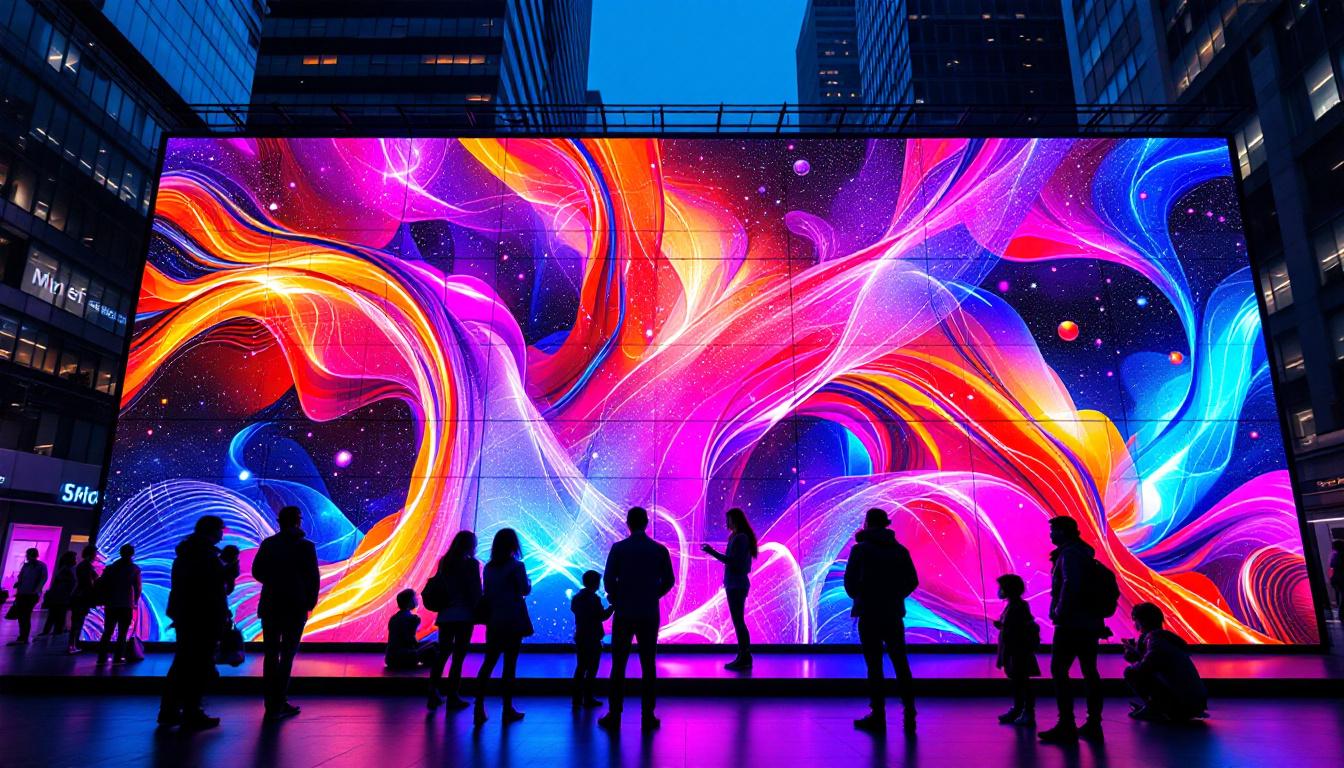
In the rapidly evolving world of digital signage and display technology, the concept of screen block walling has emerged as a transformative approach to creating immersive visual experiences. LED displays, known for their brightness, versatility, and energy efficiency, play a pivotal role in this innovation. This article delves into the fundamentals of screen block walling using LED technology, exploring its design principles, applications, benefits, and future trends.
Understanding Screen Block Walling
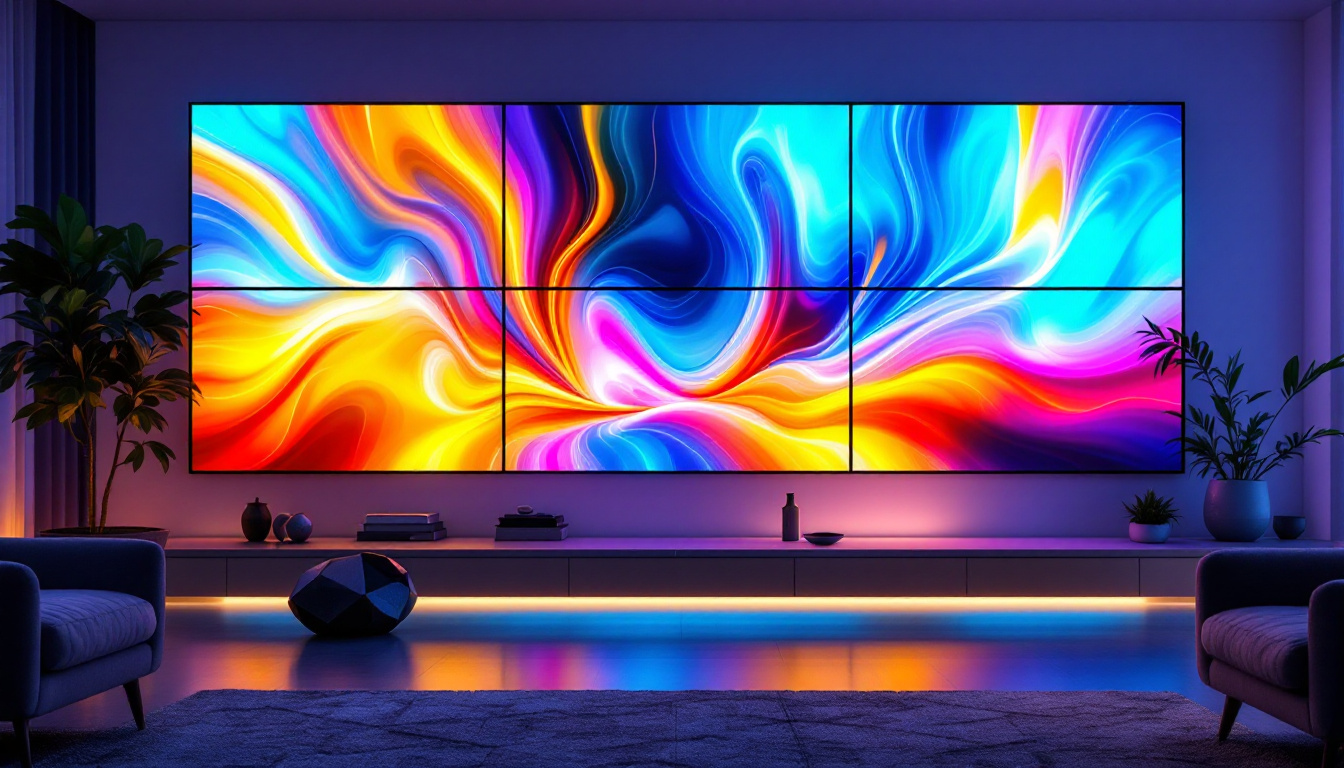
Screen block walling refers to the assembly of multiple LED display panels or modules into a unified, large-scale wall that functions as a single screen. Unlike traditional flat screens or projectors, these walls can be customized in size, shape, and resolution to fit diverse environments and purposes. The modular nature of LED panels allows for seamless integration, creating a continuous visual surface without visible gaps or distortions.
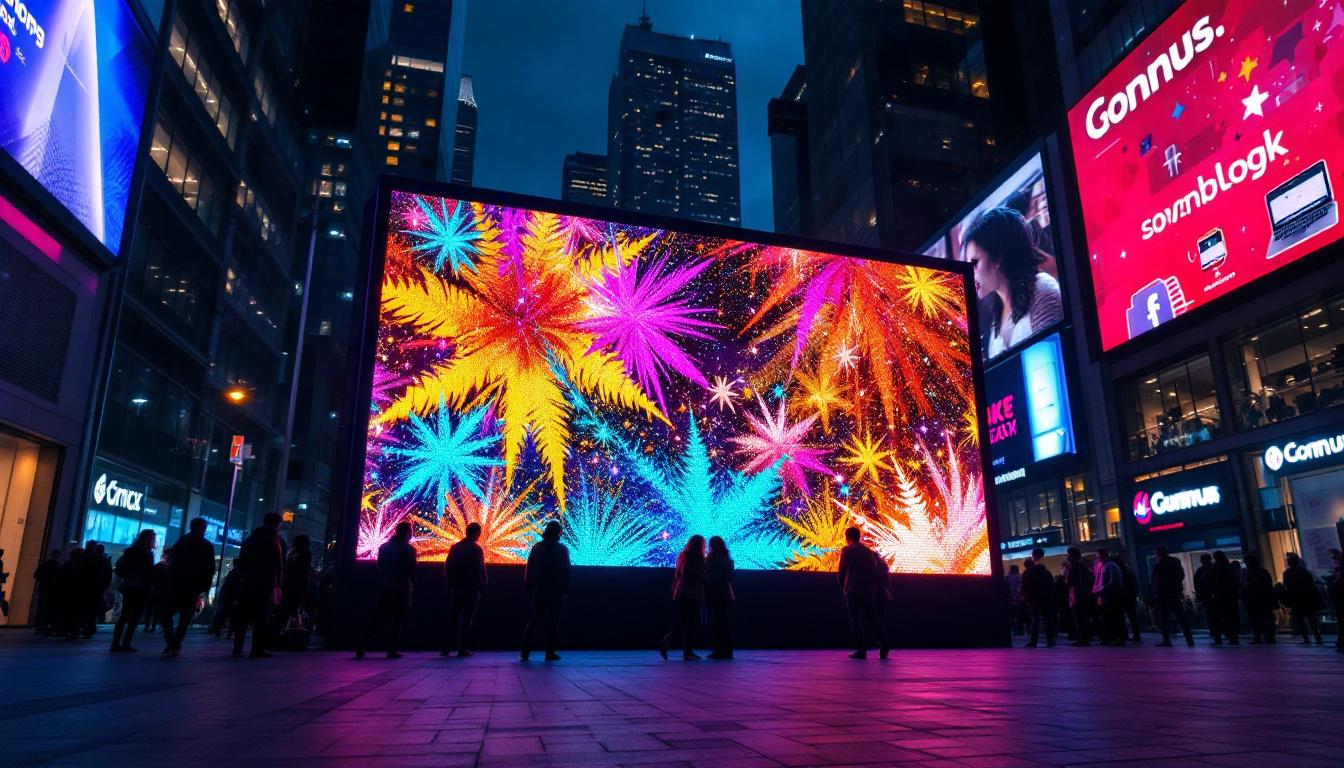
This technique is increasingly popular in public spaces, retail environments, corporate settings, and entertainment venues, where impactful visual communication is essential. By combining individual LED blocks, businesses and event organizers can deliver dynamic content that captures attention and enhances user engagement. The ability to display high-definition videos, animations, and real-time data makes screen block walling an invaluable tool for marketing and information dissemination, transforming the way brands interact with their audiences.
The Technical Foundation of LED Screen Blocks
At the core of screen block walling are the LED modules themselves. Each module consists of a matrix of light-emitting diodes (LEDs) arranged in a grid pattern. These LEDs emit light when an electrical current passes through them, producing vivid colors and high brightness levels. The modules are designed to be lightweight, durable, and easy to connect, making them ideal for building large display walls. Additionally, advancements in LED technology have led to improved energy efficiency, allowing for longer operational hours without excessive power consumption, which is a crucial consideration for large installations.
Modern LED modules typically feature pixel pitches ranging from 0.9mm to 10mm or more, where pixel pitch refers to the distance between the centers of two adjacent pixels. A smaller pixel pitch results in higher resolution and image clarity, especially important for close viewing distances. Conversely, larger pixel pitches are suitable for displays viewed from afar, such as stadium screens or outdoor billboards. Furthermore, many of these modules are equipped with advanced features such as automatic brightness adjustment and color calibration, ensuring optimal viewing experiences under varying lighting conditions. This level of sophistication not only enhances visual appeal but also contributes to the longevity and reliability of the display, making screen block walling a smart investment for any organization looking to elevate their visual communication strategy.
Key Components and Construction of LED Screen Walls
Constructing a screen block wall involves several key components that work in harmony to deliver a seamless visual experience.
LED Panels and Modules
The building blocks of the wall are the LED panels or modules. These units contain the LEDs, driver circuits, and sometimes integrated processing chips. Panels are typically standardized in size, such as 500mm x 500mm or 640mm x 640mm, allowing for flexible configurations. High-quality panels ensure uniform brightness and color reproduction across the entire display.
Mounting and Structural Framework
To assemble the panels into a wall, a robust and precise mounting framework is essential. This structure supports the weight of the panels and maintains alignment to prevent gaps or misalignments that could disrupt the image. Advanced mounting systems allow for quick installation and maintenance, which is critical for large-scale or temporary installations.
Control Systems and Processing Units
Behind the scenes, control systems manage the content displayed on the wall. These systems receive video signals from media players or computers and distribute them to the individual LED modules. Sophisticated processing units handle tasks such as color calibration, synchronization, and scaling to ensure the image is consistent and high-quality across the entire surface.
Power Supply and Cooling
LED walls require stable power supplies to maintain brightness and performance. Efficient power distribution systems prevent voltage drops and protect against electrical faults. Additionally, cooling mechanisms, such as fans or heat sinks, are integrated to dissipate heat generated by the LEDs and electronics, prolonging the lifespan of the display.
Applications of Screen Block Walling with LED Displays
The versatility of LED screen block walls has led to widespread adoption across various sectors. Their ability to deliver large, bright, and dynamic visuals makes them ideal for numerous applications.
Advertising and Retail Environments
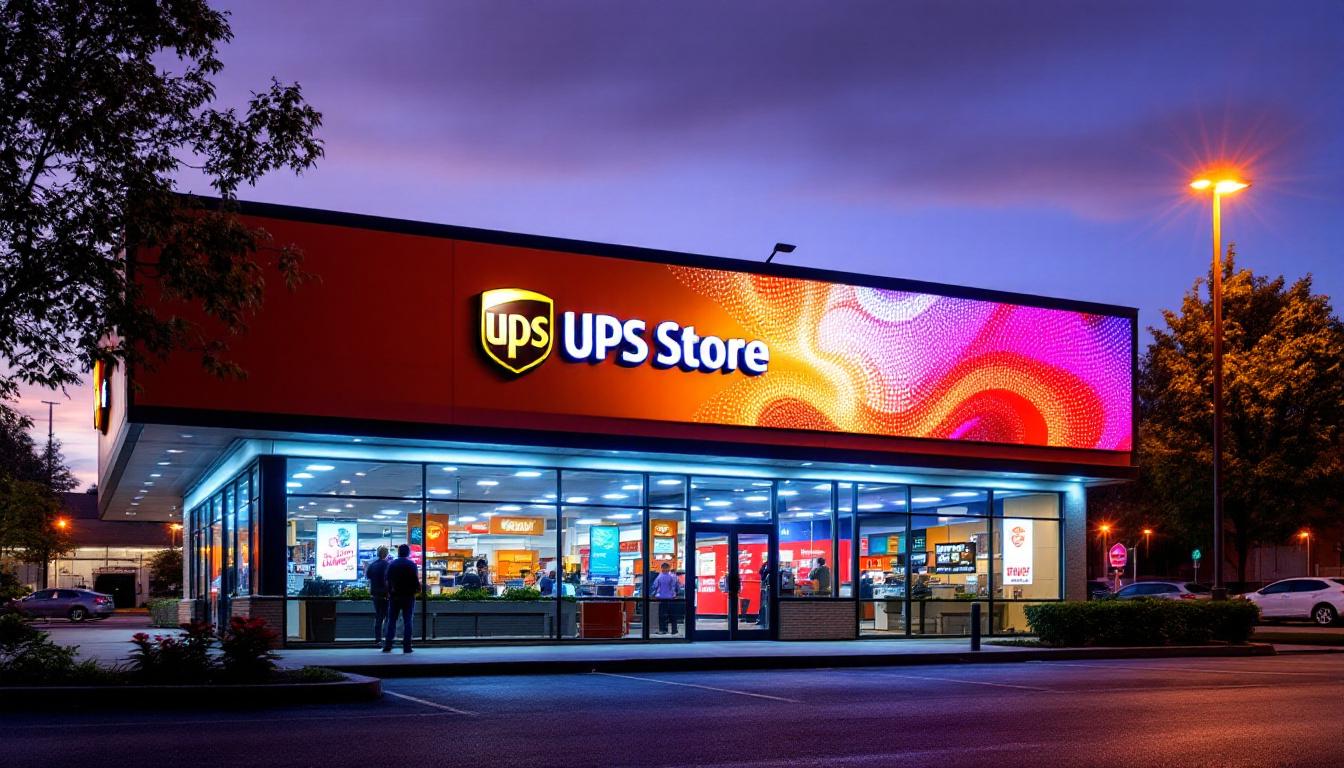
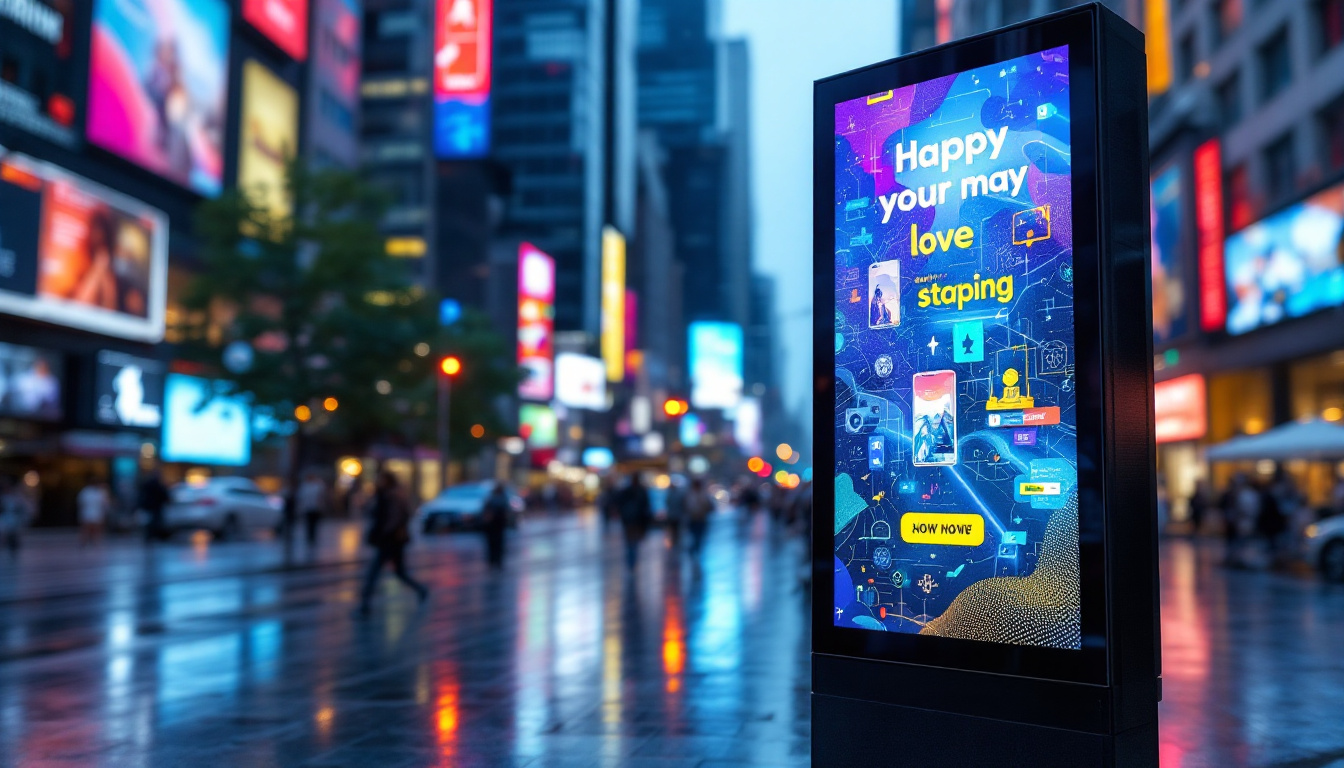
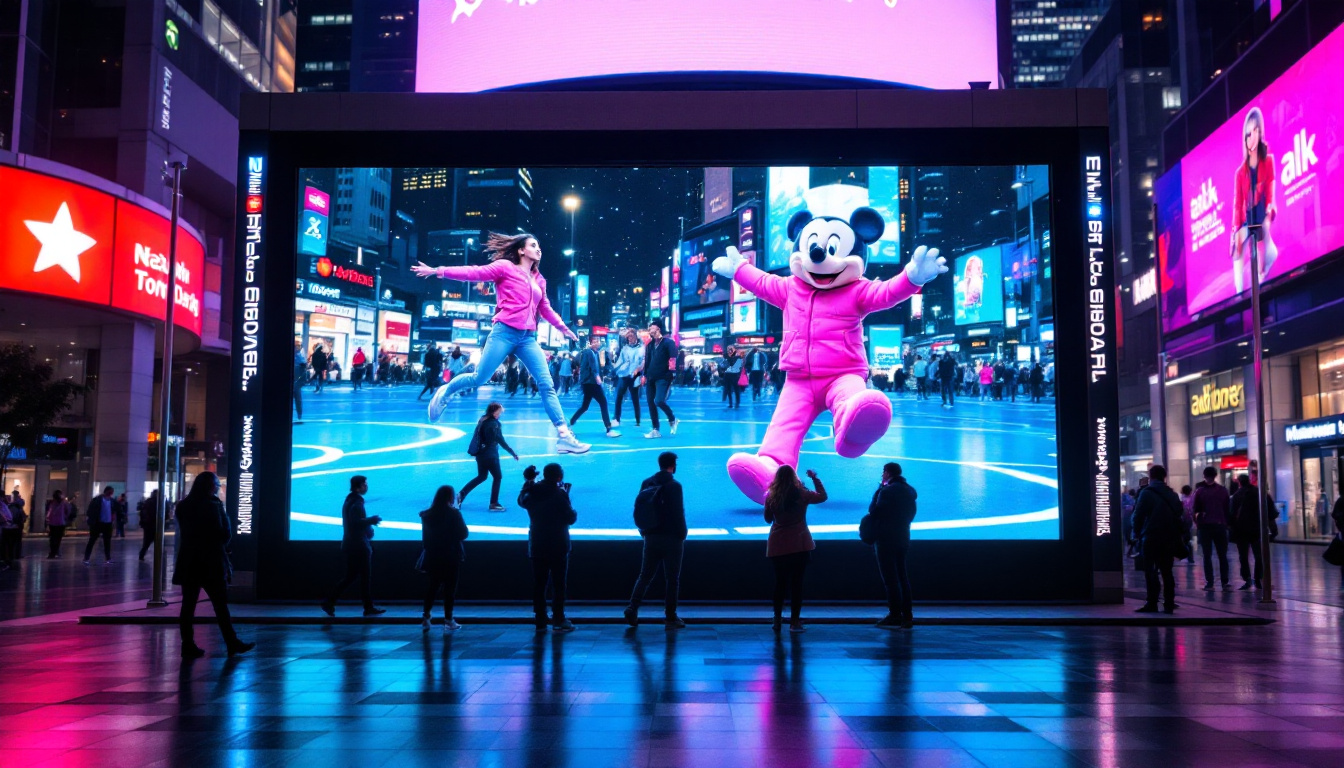
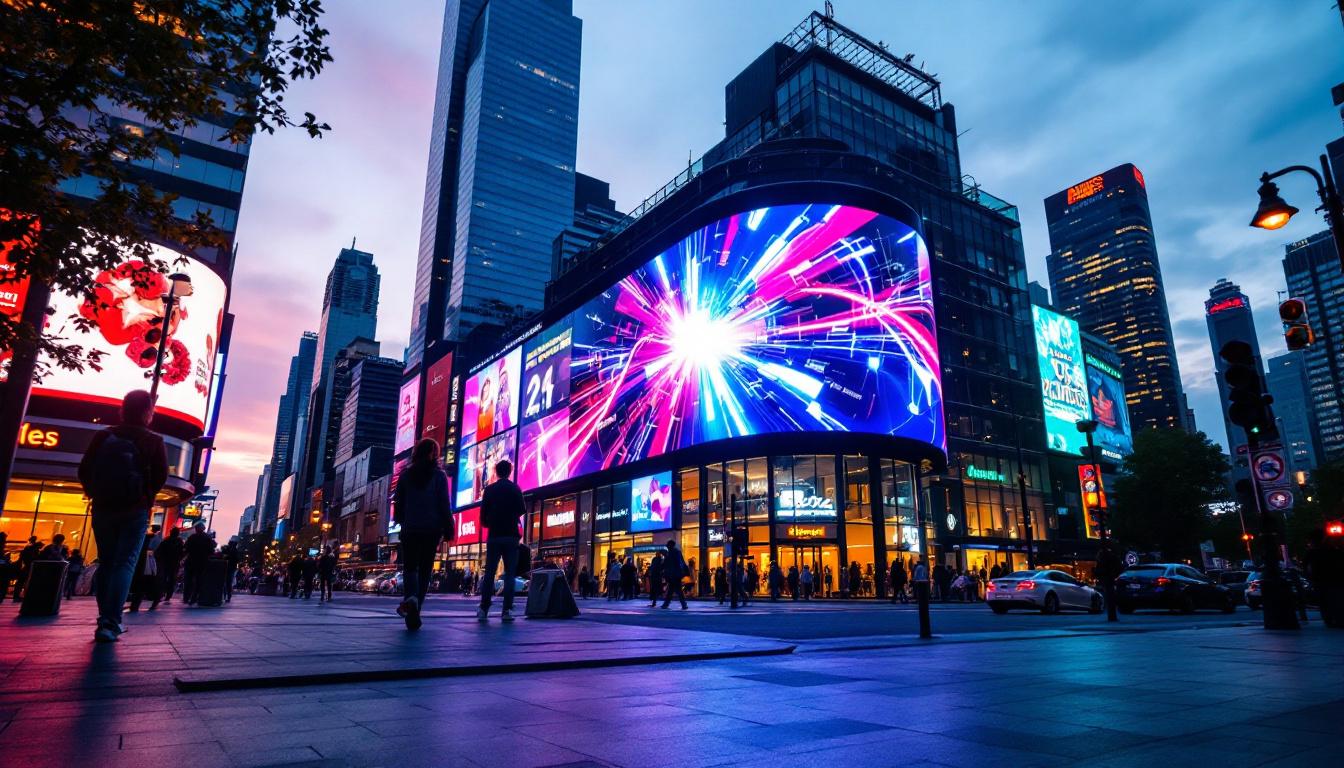
Retailers and advertisers leverage LED walls to create eye-catching displays that attract customers and promote products. For example, flagship stores in major cities frequently use massive LED walls as storefronts or interior features to showcase promotional content, seasonal campaigns, and interactive experiences. According to a 2023 report by Grand View Research, the global digital signage market is expected to reach $32.84 billion by 2028, with LED displays playing a significant role in this growth.
Corporate and Conference Settings
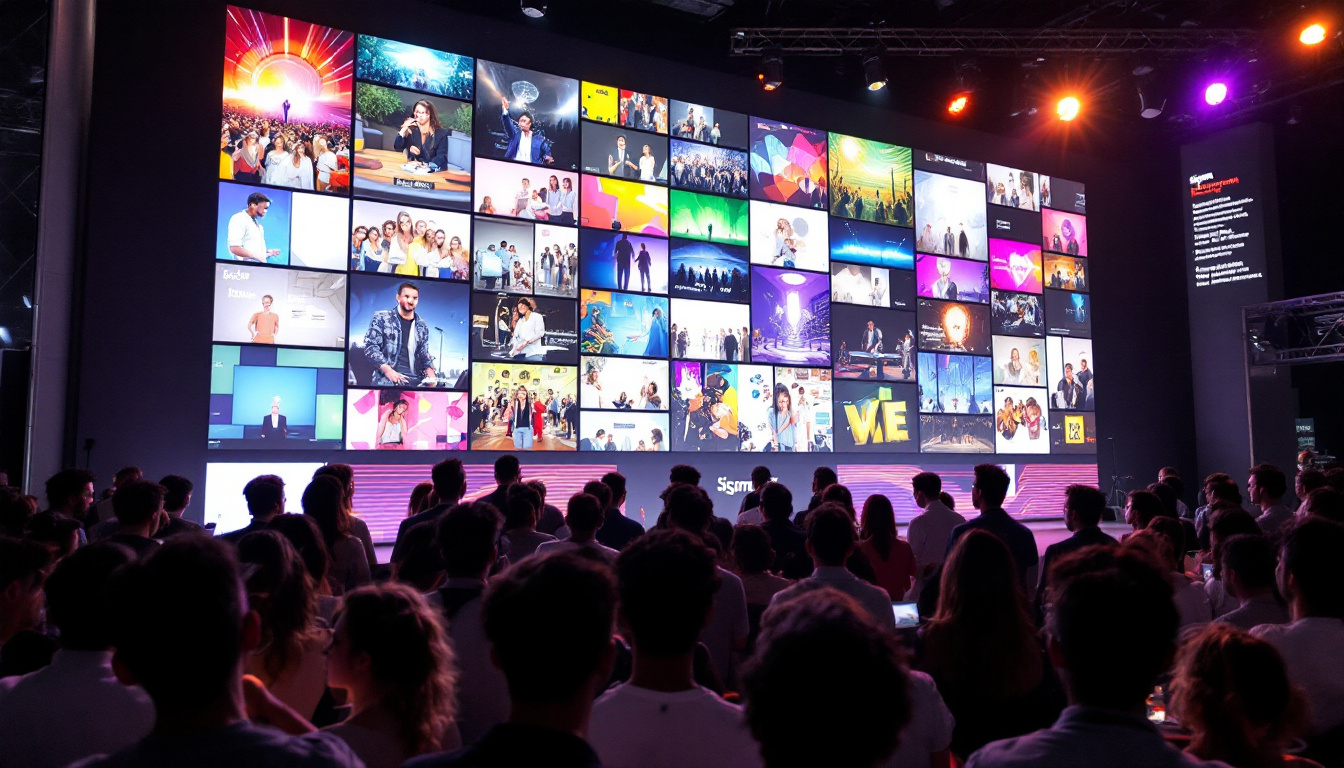
In corporate environments, LED walls enhance presentations, video conferencing, and branding. Large LED screens in conference rooms or auditoriums allow for clear visibility of data, video feeds, and speaker content, improving communication and engagement during meetings and events.
Entertainment and Sports Venues
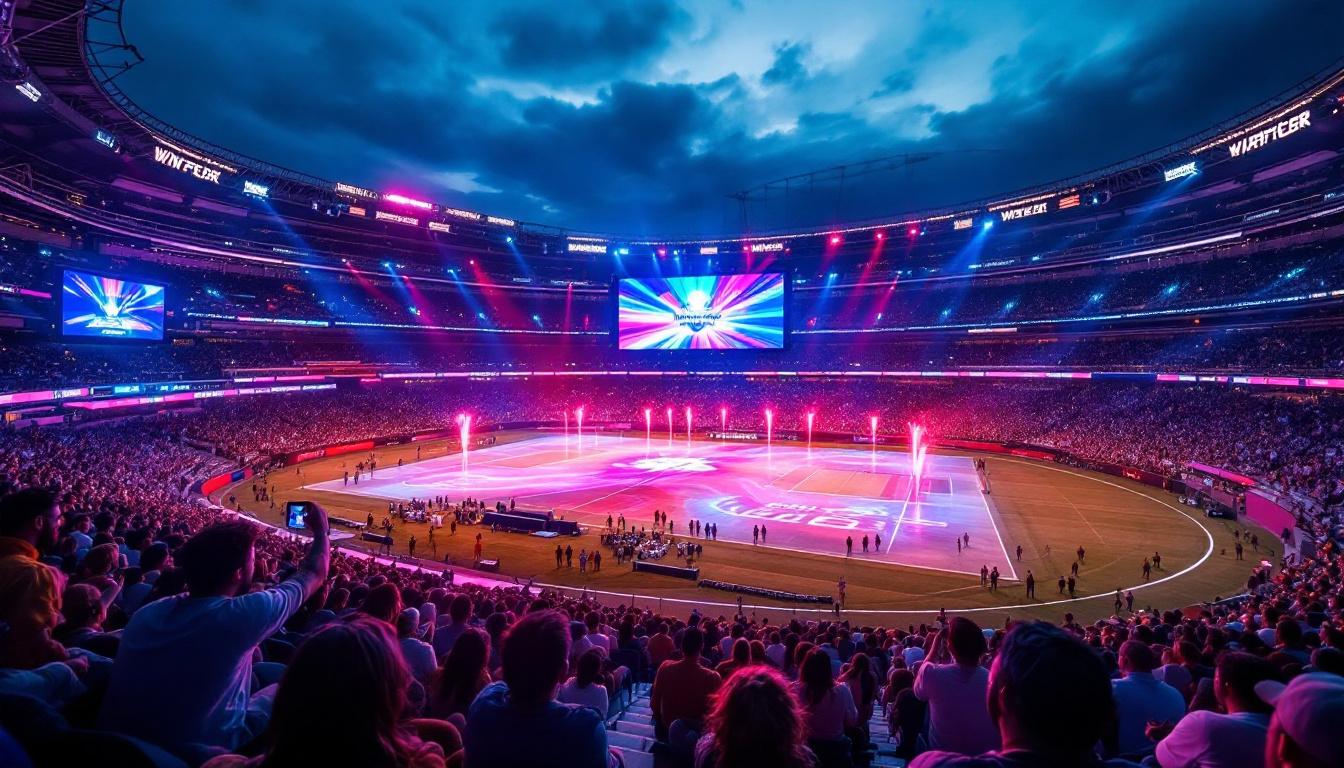
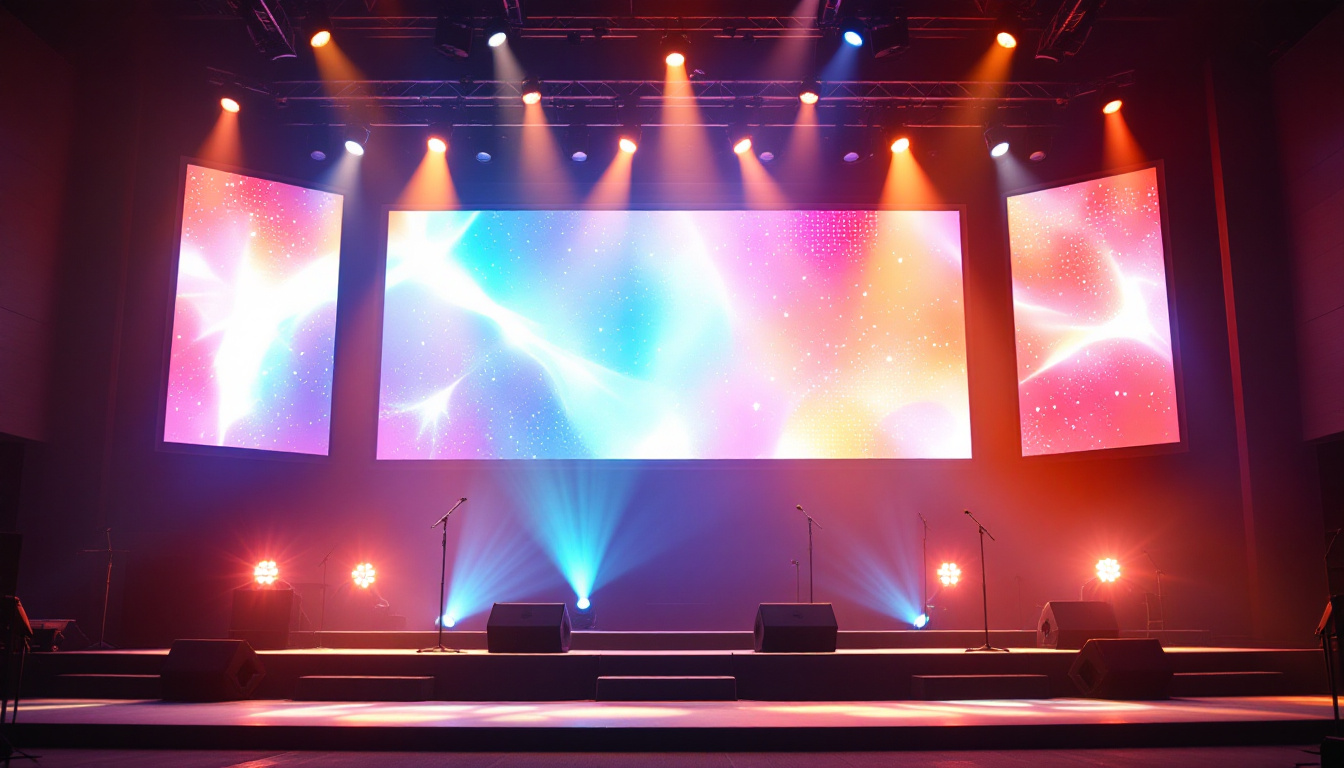
Stadiums, concert halls, and theaters utilize LED screen walls to provide audiences with immersive visual experiences. These walls display live video feeds, replays, advertisements, and artistic visuals that complement performances and sporting events. The ability to customize the shape and size of the wall allows for creative installations that enhance the venue’s atmosphere.
Public Spaces and Transportation Hubs
Airports, train stations, and urban centers employ LED walls for wayfinding, information dissemination, and public art. The high brightness and weather resistance of outdoor LED displays make them suitable for these environments, ensuring visibility even in direct sunlight or adverse weather conditions.
Benefits of Using LED Screen Block Walls
Choosing LED screen block walls over traditional display technologies offers numerous advantages that contribute to their growing popularity.
Superior Image Quality and Brightness
LED walls deliver exceptional brightness levels, often exceeding 1,000 nits, making them visible in a wide range of lighting conditions, including direct sunlight. Their color accuracy and contrast ratios provide vibrant and sharp images that captivate viewers.
Scalability and Flexibility
The modular design allows for easy scaling of the display size, from small walls to massive installations spanning hundreds of square meters. Additionally, LED walls can be configured into various shapes, including curved or angled surfaces, enabling creative architectural integration.
Energy Efficiency and Longevity
Compared to traditional lighting and projection systems, LED technology consumes less power and generates less heat. Modern LED modules can operate for tens of thousands of hours, reducing maintenance costs and downtime.
Durability and Weather Resistance
LED screen blocks designed for outdoor use feature protective coatings and sealed enclosures that guard against moisture, dust, and temperature fluctuations. This robustness ensures reliable operation in challenging environments.
Ease of Maintenance
Many LED panels are designed for front or rear servicing, allowing technicians to perform repairs or replacements without dismantling the entire wall. This feature minimizes operational disruptions and maintenance costs.
Challenges and Considerations in LED Screen Block Walling
While LED screen block walls offer many benefits, there are challenges and factors to consider to ensure successful implementation.
Initial Investment and Cost
The upfront cost of purchasing and installing LED screen walls can be significant, especially for high-resolution or large-scale projects. However, the long-term benefits in terms of durability and energy savings often justify the investment.
Installation Complexity
Building a seamless LED wall requires precise alignment and calibration. Professional installation teams with experience in LED technology are essential to avoid issues such as color inconsistencies or structural weaknesses.
Content Management
Effective content creation and management are critical to maximizing the impact of LED walls. Organizations must invest in software and skilled personnel to design, schedule, and update dynamic content that engages audiences.
Environmental Impact
While LED technology is more energy-efficient than alternatives, large-scale installations still consume considerable power. Incorporating energy-saving features and sustainable practices can mitigate environmental impacts.
Future Trends in LED Screen Block Walling
The LED display industry continues to innovate, promising exciting developments for screen block walling.
MicroLED and MiniLED Technologies
Emerging microLED and miniLED technologies offer even higher resolutions and improved energy efficiency. These advances enable thinner, lighter panels with enhanced image quality, expanding possibilities for indoor and outdoor walls.
Flexible and Transparent LED Displays
Flexible LED panels allow for curved or irregularly shaped walls that conform to architectural features. Transparent LED displays enable screens that maintain visibility through glass surfaces, ideal for retail windows and building facades.
Integration with Interactive Technologies
Combining LED walls with touch sensors, motion detection, and augmented reality creates interactive experiences that engage users on a deeper level. Such integrations are gaining traction in retail, museums, and public installations.
Artificial Intelligence and Content Automation
AI-driven content management systems can analyze audience behavior and environmental conditions to optimize displayed content in real time. This personalization enhances relevance and effectiveness.
Conclusion
Screen block walling using LED displays represents a powerful solution for creating large-scale, high-impact visual installations. Its modularity, brightness, and versatility make it suitable for a wide range of applications, from advertising and corporate communications to entertainment and public information. As technology advances, LED screen walls will continue to evolve, offering even more creative and interactive possibilities. For businesses and organizations seeking to captivate audiences and communicate effectively, investing in LED screen block walls is a forward-thinking strategy that combines innovation with proven performance.
Discover LumenMatrix LED Display Solutions
Ready to elevate your visual communication and create an unforgettable impact? LumenMatrix is at the forefront of LED display innovation, offering a diverse range of solutions tailored to your needs. From Indoor and Outdoor LED Wall Displays to specialized options like Vehicle, Sports, and Floor LED Displays, we have the technology to bring your vision to life. Embrace the future with our Custom, All-in-One, and Transparent LED Displays, designed to captivate and engage your audience like never before. Check out LumenMatrix LED Display Solutions today and transform your space into a dynamic visual experience.