In today’s fast-paced digital world, display technology plays a crucial role in how information is presented and consumed. Among various display types, LED displays have become a popular choice across multiple industries due to their vibrant colors, energy efficiency, and versatility. One specific application of LED technology is the stand by monitor, a device essential for monitoring systems in critical environments such as broadcasting, security, and control rooms.
This article delves into the intricacies of stand by monitors with LED displays, explaining their technology, benefits, and practical applications. Whether you are a professional in the audiovisual industry, a systems integrator, or simply curious about display technologies, understanding how LED stand by monitors work can help you make informed decisions when selecting and using these devices.
Understanding LED Display Technology
What is an LED Display?
LED stands for Light Emitting Diode, a semiconductor device that emits light when an electric current passes through it. LED displays use an array of these tiny diodes to produce images, text, and video. Unlike traditional LCD screens that rely on backlighting, LED displays generate their own light, which results in higher contrast ratios and more vibrant colors. This capability allows for deeper blacks and brighter whites, enhancing the overall viewing experience, especially in dynamic content such as movies or video games.
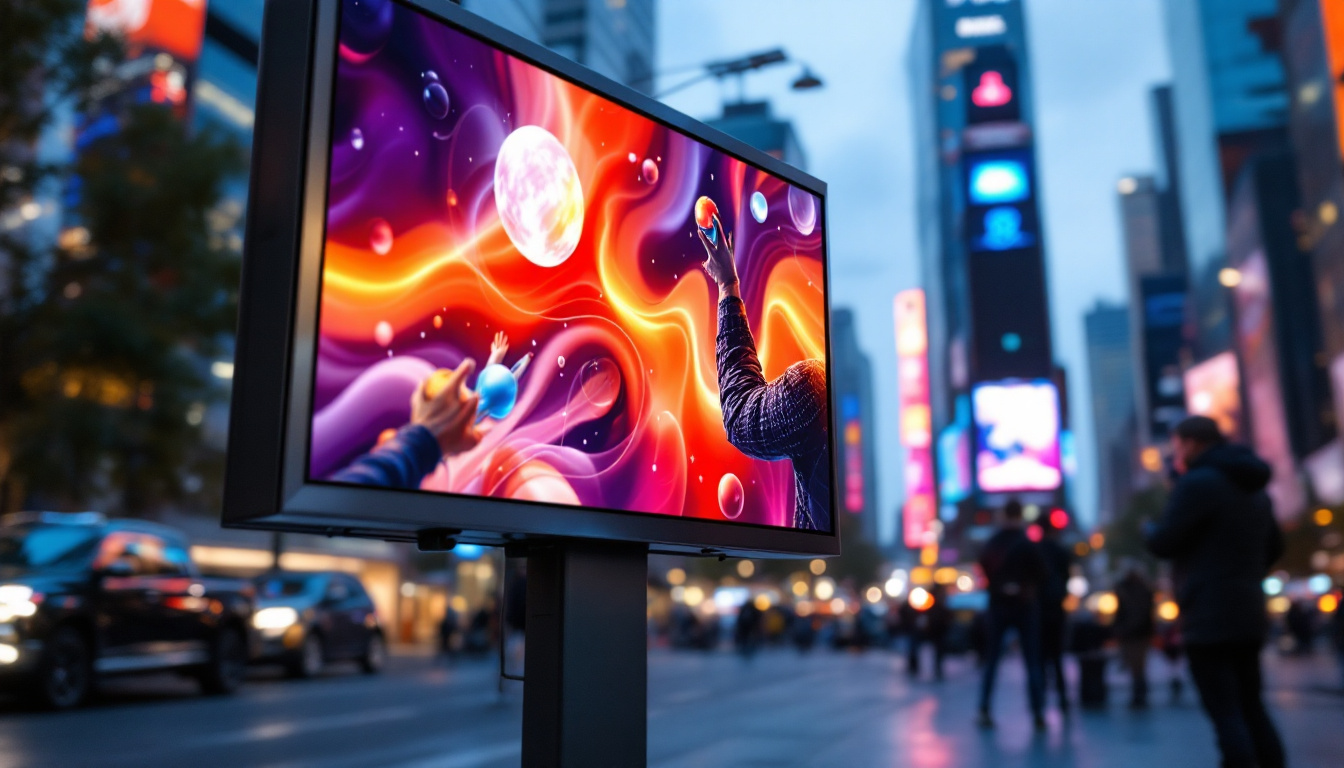
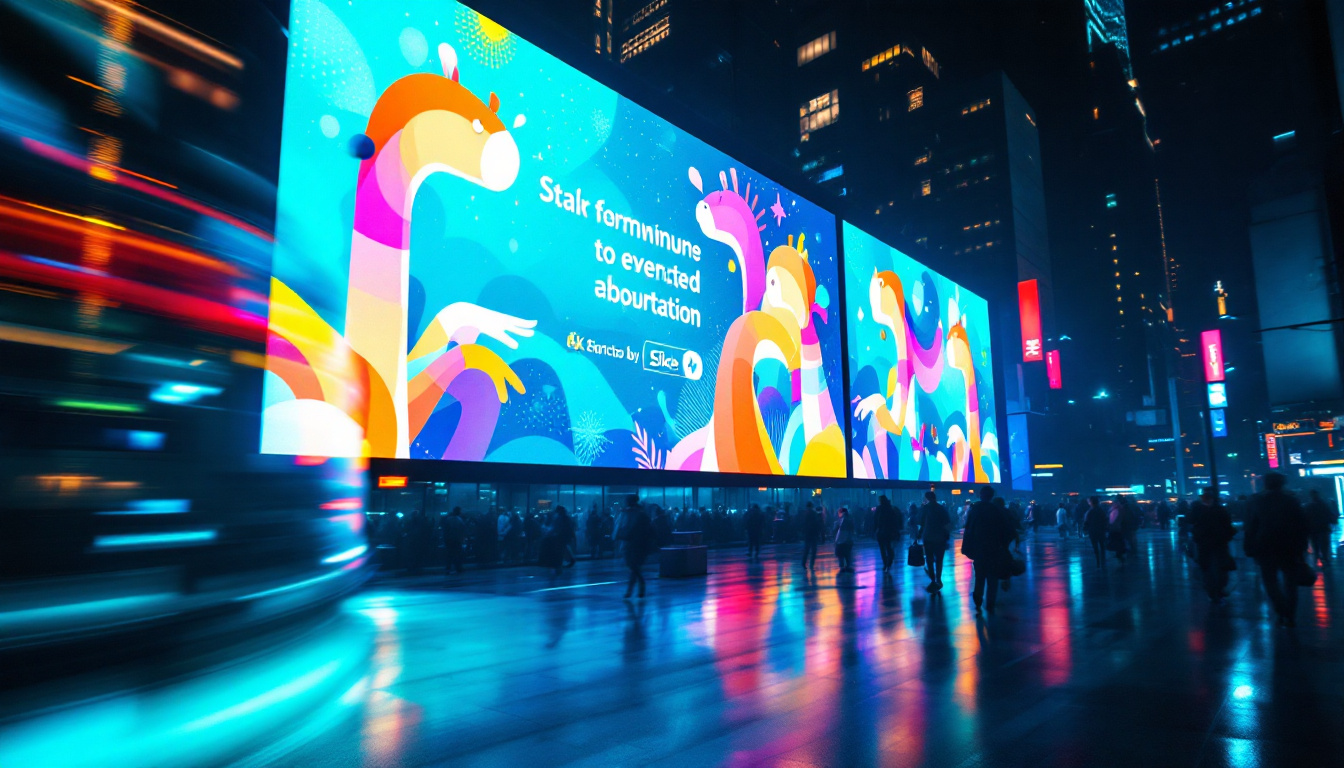
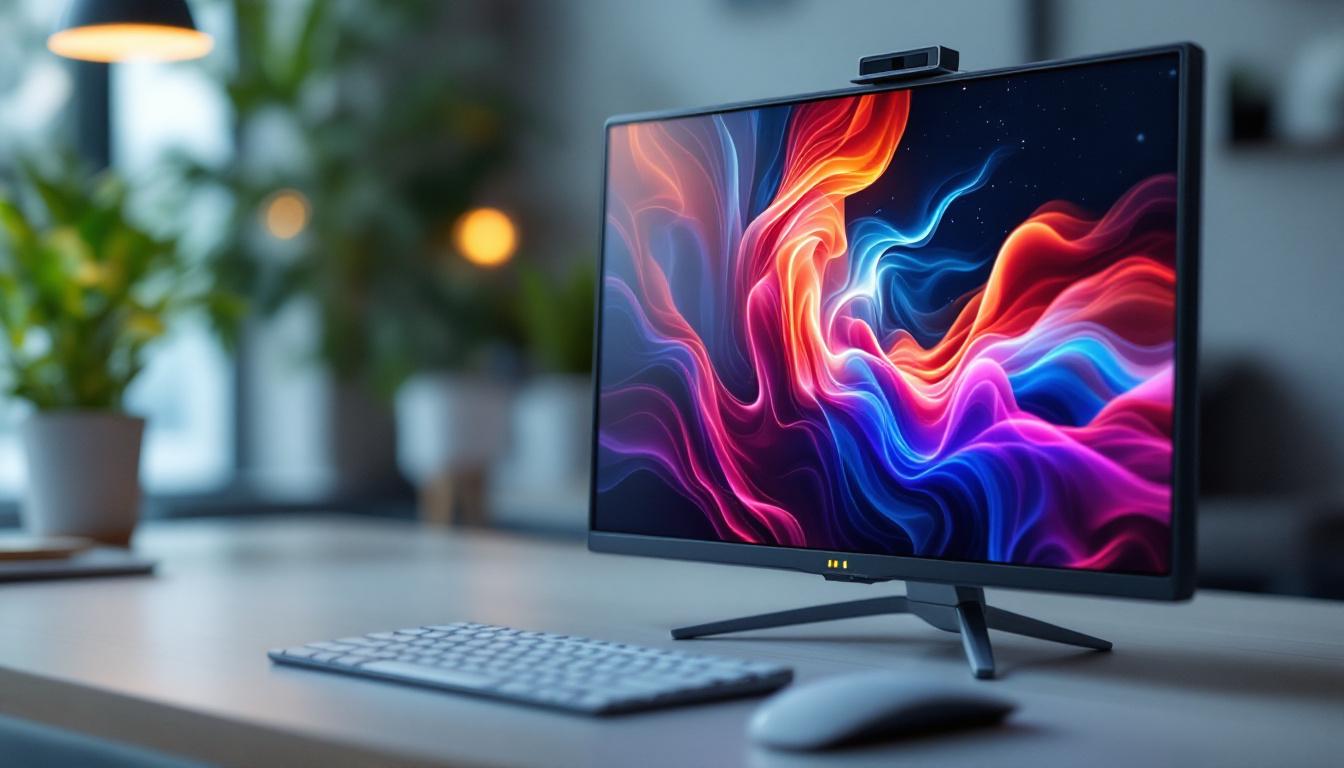
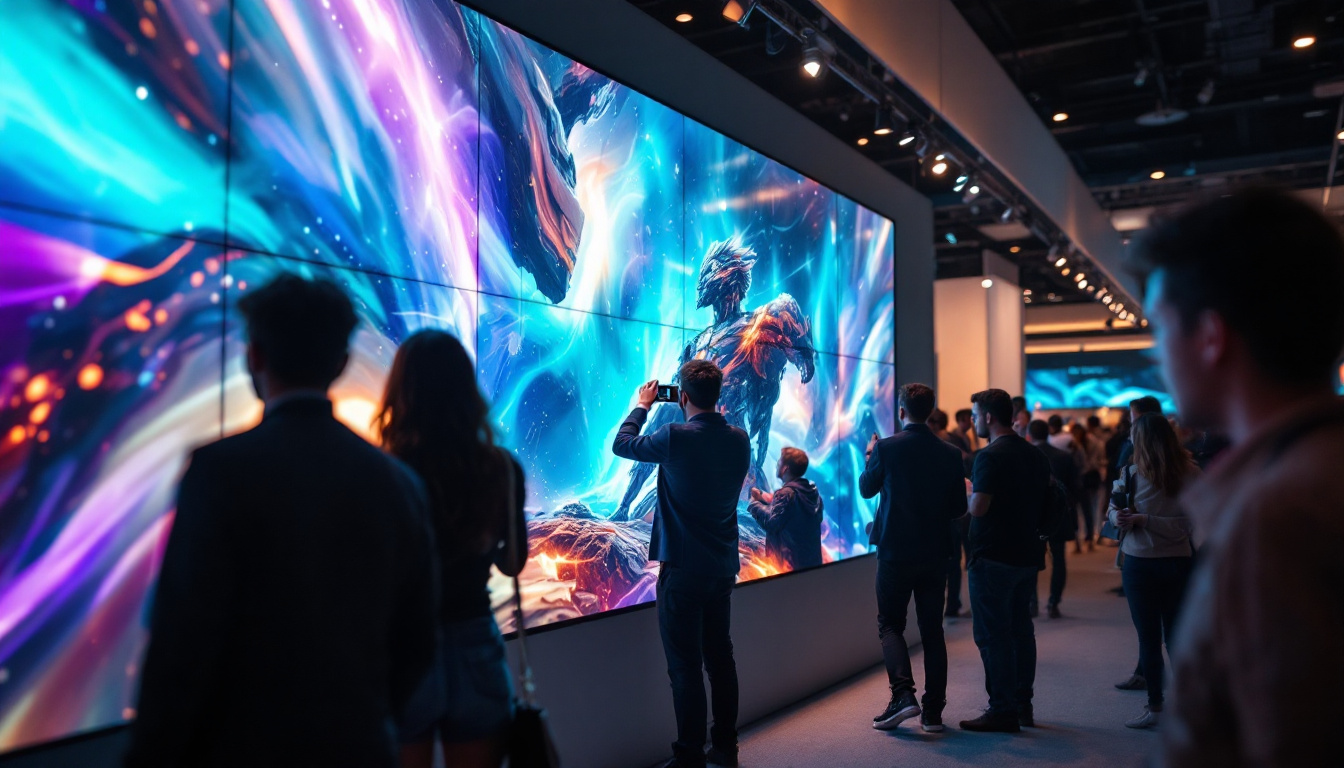
LED displays are categorized into two main types: direct-view LED and LED-backlit LCD. Direct-view LED displays consist of individual LEDs arranged to form pixels, making them ideal for large-scale screens such as digital billboards and stadium displays. LED-backlit LCDs, on the other hand, use LEDs as a backlight source behind an LCD panel, common in consumer monitors and televisions. The versatility of LED technology means it can be found in various applications, from small handheld devices to massive outdoor screens, showcasing its adaptability to different environments and requirements.
How LED Displays Work in Stand By Monitors
Stand by monitors equipped with LED displays utilize the direct-view LED technology to ensure high visibility and reliability. These monitors are often used as backup or secondary screens that remain on standby, ready to display critical information instantly when needed. The LED technology ensures that the screen remains bright and clear even in varying lighting conditions, which is essential for environments where quick decisions are made based on the displayed data. Moreover, the energy efficiency of LED displays means that they consume less power while providing superior brightness, making them an environmentally friendly choice for organizations looking to reduce their carbon footprint.
Additionally, LED displays in stand by monitors offer faster response times and longer lifespans compared to other display technologies. This reliability is crucial in professional settings such as broadcast control rooms, where downtime can lead to significant operational disruptions. The durability of LED displays also means they can withstand the rigors of constant use, which is particularly important in high-traffic areas like airports or shopping malls where information needs to be displayed continuously. Furthermore, advancements in LED technology have led to the development of features like adaptive brightness and color calibration, allowing these monitors to automatically adjust to their surroundings, ensuring optimal visibility at all times.
Key Benefits of LED Stand By Monitors
Superior Image Quality and Visibility
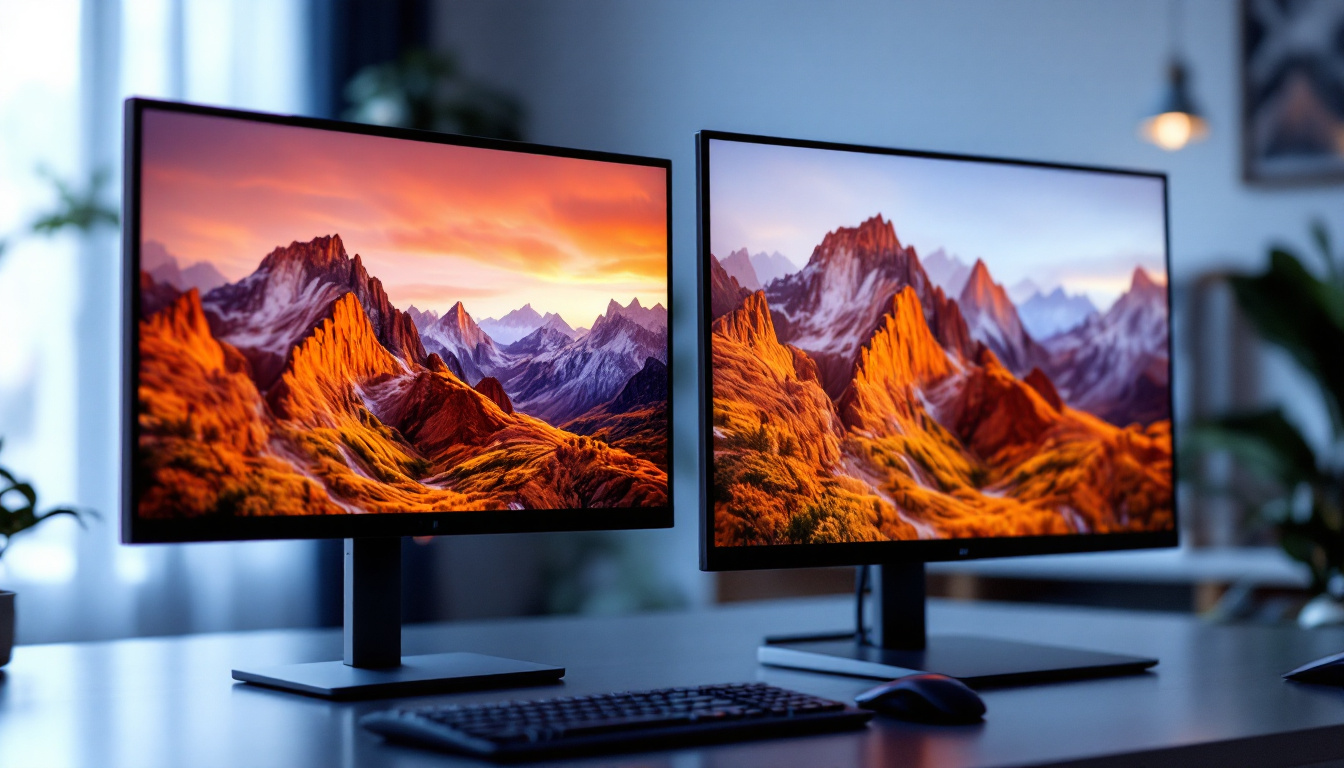
One of the most significant advantages of LED displays in stand by monitors is their superior image quality. LEDs produce deeper blacks and brighter whites, resulting in a higher contrast ratio that enhances readability. This feature is particularly important in control rooms or security monitoring centers where operators must quickly interpret visual data under various lighting conditions.
Moreover, LED displays maintain consistent brightness over time, unlike some other technologies that may dim or degrade. This consistency ensures that the monitor remains reliable for long-term use without frequent recalibration or replacement.
Energy Efficiency and Longevity
Energy consumption is a critical consideration for facilities operating multiple monitors continuously. LED displays are known for their energy efficiency, consuming significantly less power than traditional LCD or plasma screens. This efficiency translates into lower operating costs and a reduced environmental footprint.
In addition to energy savings, LED displays boast longer operational lifespans, often exceeding 50,000 hours of use. This durability reduces maintenance costs and downtime, making LED stand by monitors a cost-effective solution for mission-critical applications.
Compact Design and Flexibility
LED technology allows for thinner and lighter monitor designs, which can be advantageous in space-constrained environments. Stand by monitors with LED displays can be easily integrated into existing setups without requiring extensive modifications.
Furthermore, LED displays offer flexibility in terms of size and resolution. From small desktop monitors to large video walls, LED technology can be scaled to meet specific requirements, ensuring optimal performance regardless of the application.
Applications of LED Stand By Monitors
Broadcast and Media Production
In broadcast environments, stand by monitors serve as essential tools for quality control and signal monitoring. LED displays provide broadcasters with accurate color representation and high resolution, enabling precise video editing and live production monitoring. The reliability of LED technology ensures that these monitors can operate continuously without failure, a critical factor during live broadcasts.
Additionally, the fast response time of LED displays minimizes latency, which is vital when synchronizing multiple video feeds or switching between camera angles.
Security and Surveillance
Security control rooms rely heavily on stand by monitors to display real-time surveillance footage. LED displays enhance the clarity of video streams, making it easier for security personnel to detect anomalies or suspicious activity. The wide viewing angles of LED monitors also allow multiple operators to view the screen simultaneously without distortion.
Moreover, the durability and energy efficiency of LED displays make them suitable for 24/7 operation, ensuring continuous monitoring without interruption.
Industrial and Control Systems
In industrial settings, stand by monitors with LED displays are used to monitor machinery, production lines, and system statuses. The high brightness and contrast of LED screens improve visibility in environments that may have variable lighting conditions, such as factories or outdoor control stations.
These monitors also support a range of input signals and resolutions, allowing seamless integration with various control systems and data sources.
Choosing the Right LED Stand By Monitor
Factors to Consider
Selecting the appropriate LED stand by monitor involves evaluating several factors to ensure it meets operational needs:
- Resolution and Size: Higher resolution monitors provide clearer images, which is essential for detailed monitoring tasks. The size should fit the available space and viewing distance.
- Brightness and Contrast: Consider the ambient lighting conditions where the monitor will be used. Higher brightness levels are necessary for well-lit environments.
- Connectivity: Ensure the monitor supports the required input types such as HDMI, DisplayPort, or SDI for compatibility with existing equipment.
- Durability and Warranty: Look for monitors with robust build quality and manufacturer warranties that cover long-term use.
- Energy Efficiency: Opt for models with low power consumption to reduce operational costs.
Top Brands and Models
Several manufacturers specialize in professional-grade LED stand by monitors. Brands such as Sony, Panasonic, and Eizo are renowned for their high-quality displays tailored for broadcast and industrial applications. Models like the Sony BVM-X300 and Panasonic BT-4LH310 offer excellent color accuracy, 4K resolution, and reliable performance.
For security and surveillance, companies like Dell and LG provide monitors optimized for multi-screen setups with wide viewing angles and durable designs. Choosing the right model depends on the specific requirements of the application and budget considerations.
Maintaining and Troubleshooting LED Stand By Monitors
Best Practices for Maintenance
Proper maintenance extends the lifespan and performance of LED stand by monitors. Regular cleaning of the screen surface with appropriate materials prevents dust and smudges from affecting image quality. It is also important to ensure adequate ventilation around the monitor to avoid overheating.
Periodic firmware updates from the manufacturer can improve functionality and fix known issues. Additionally, operators should perform routine checks on connectivity and calibration to maintain optimal display settings.
Common Issues and Solutions
Despite their reliability, LED stand by monitors can encounter issues such as flickering, dead pixels, or color inconsistencies. Flickering may result from loose cables or incompatible refresh rates, which can often be resolved by checking connections and adjusting settings.
Dead pixels, though rare in high-quality displays, may require professional repair or replacement if they affect critical monitoring functions. Color calibration tools can help correct inconsistencies, ensuring accurate color representation.
The Future of LED Stand By Monitors
Emerging Technologies and Trends
The LED display industry continues to evolve with advancements such as mini-LED and micro-LED technologies. These innovations offer even higher brightness, better contrast, and improved energy efficiency. Micro-LED, in particular, promises to revolutionize display quality by combining the benefits of OLED with the durability of LED.
Integration with smart technologies and AI-driven analytics is also shaping the future of stand by monitors. Intelligent displays capable of adjusting brightness and contrast automatically based on ambient conditions or user preferences enhance usability and reduce eye strain.
Impact on Professional Environments
As LED technology advances, stand by monitors will become more adaptable and efficient, supporting increasingly complex monitoring needs. Enhanced image quality and reliability will improve decision-making in critical environments, from emergency response centers to live event productions.
Moreover, the trend toward sustainable technology will encourage the adoption of energy-efficient LED displays, aligning operational goals with environmental responsibility.
Conclusion
LED stand by monitors represent a vital component in various professional settings where reliable, high-quality visual monitoring is essential. Their superior image quality, energy efficiency, and durability make them an ideal choice for broadcast, security, industrial, and control room applications.
Understanding the technology behind LED displays and the factors to consider when selecting a stand by monitor can help organizations optimize their monitoring infrastructure. As LED technology continues to advance, these monitors will offer even greater performance and versatility, ensuring they remain indispensable tools in mission-critical environments.
Explore Cutting-Edge LED Display Solutions
Ready to elevate your professional environment with the latest in LED display technology? Discover LumenMatrix’s innovative range of LED display solutions, meticulously designed to meet the diverse needs of any application. From captivating Indoor LED Wall Displays to robust Outdoor LED Wall Displays, and from dynamic Vehicle LED Displays to sleek LED Poster Displays, LumenMatrix is at the forefront of revolutionizing visual communication. Experience the transformative power of LED Sports Displays, interactive Floor LED Displays, and the versatility of Custom and All-in-One LED Display options. Don’t forget to see through a new lens with LED Transparent Displays. Check out LumenMatrix LED Display Solutions today and witness how our commitment to excellence can help you share your message with unparalleled impact and clarity.