In the rapidly evolving world of film and television production, virtual production has emerged as a game-changing technology. At the heart of this innovation lies the use of LED displays, which have transformed how studios create immersive environments and streamline production workflows. This article explores the role of LED displays in virtual production, explaining their technology, benefits, and impact on the entertainment industry.
Understanding Virtual Production and LED Displays
Virtual production is a filmmaking technique that blends physical and digital elements in real time. It allows filmmakers to visualize and capture computer-generated environments live on set, rather than relying solely on green screens or post-production visual effects. This approach enhances creative control, reduces costs, and accelerates production timelines. By utilizing virtual production, filmmakers can make instantaneous adjustments to the environment, ensuring that the final product aligns closely with their vision without the need for extensive reshoots or costly alterations in post-production.
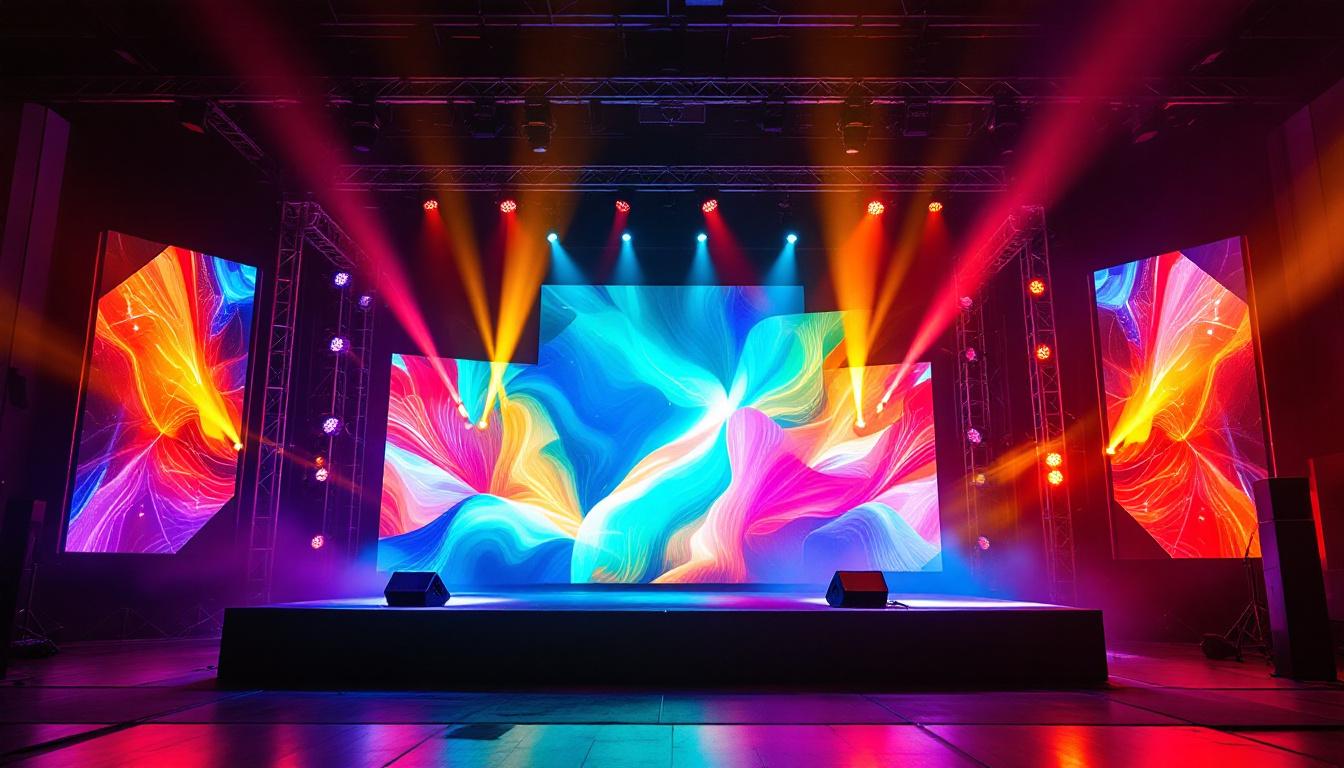
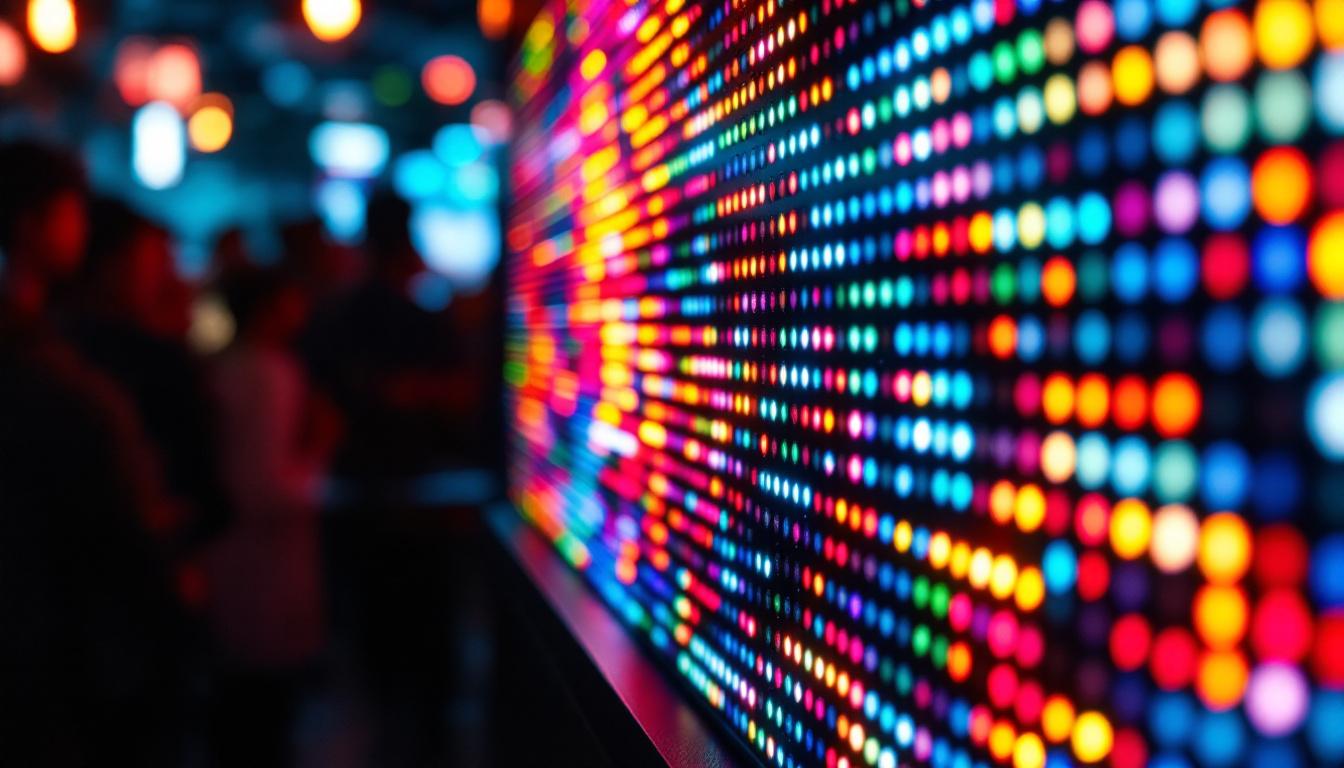
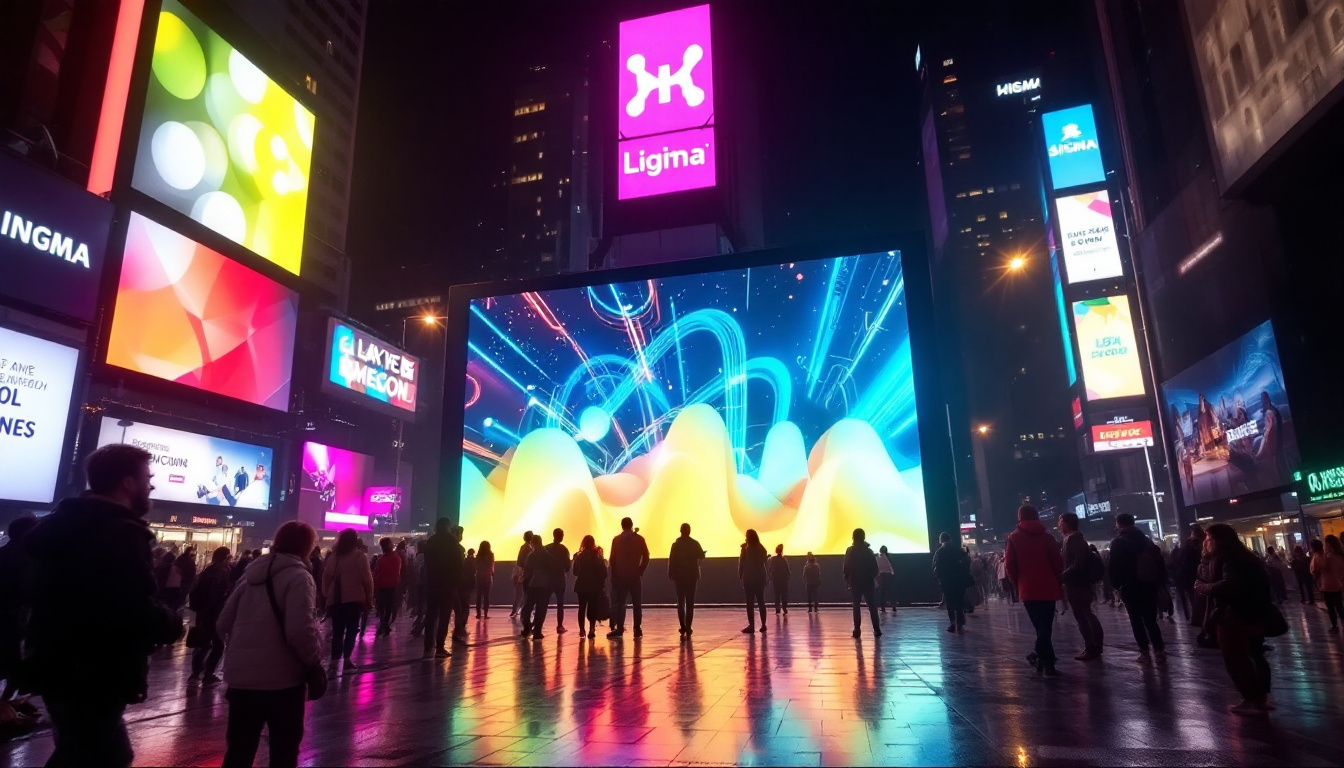
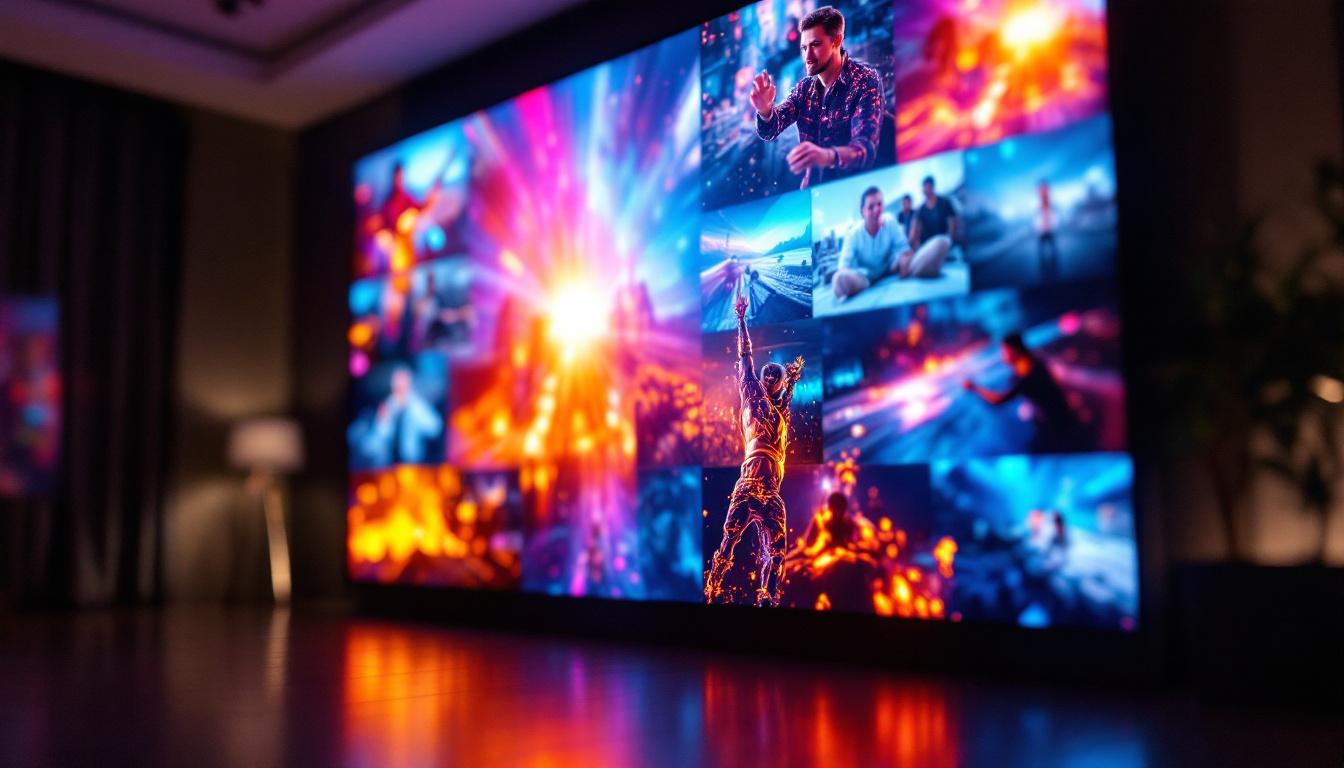
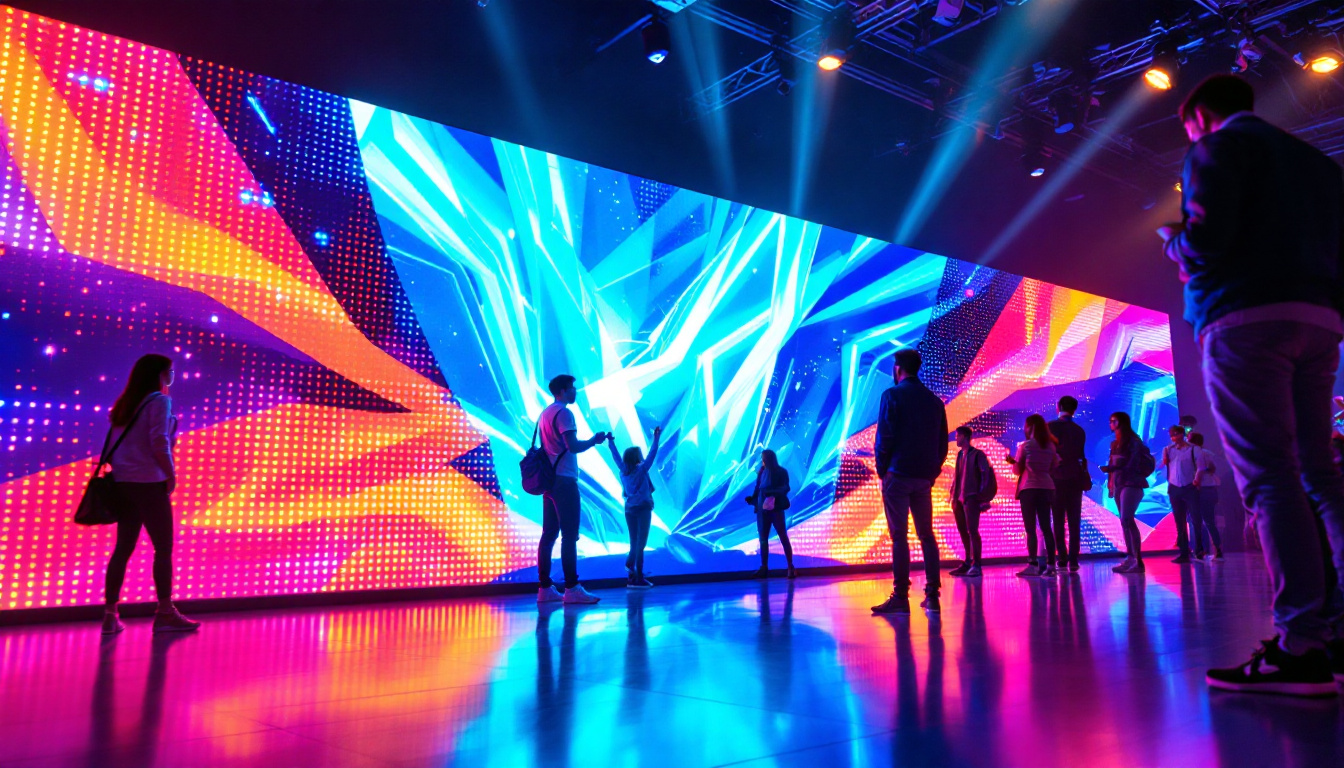
LED displays are a critical component in this process. Unlike traditional projection systems, LED walls provide bright, high-resolution images that serve as dynamic backgrounds or interactive set pieces. These displays consist of numerous light-emitting diodes arranged in panels, which can be combined to create large-scale video walls with seamless images. The versatility of LED technology allows for a wide range of applications, from creating expansive landscapes to intricate cityscapes, all of which can be tailored to fit the narrative needs of a film.
The Technology Behind LED Displays
Modern LED displays used in virtual production are designed with fine pixel pitch, meaning the distance between individual LEDs is minimal. This results in crisp, detailed images even when viewed up close by cameras. The panels are modular, allowing for flexible configurations tailored to the specific needs of a production. This modularity not only facilitates the creation of various shapes and sizes but also enables quick assembly and disassembly, making it an ideal solution for fast-paced filming environments.
One of the key technological advancements is the integration of real-time rendering engines, such as Unreal Engine, with LED walls. This integration enables the background imagery to respond dynamically to camera movements, creating realistic parallax effects and lighting that matches the physical set and actors. Furthermore, the ability to incorporate live-action footage with computer-generated elements in real time opens up new avenues for storytelling. Filmmakers can experiment with lighting, shadows, and reflections during the shoot, allowing for a more immersive experience that enhances the believability of the scenes being captured. As a result, virtual production not only streamlines the filmmaking process but also elevates the overall quality of the visual narrative, pushing the boundaries of what is possible in contemporary cinema.
Advantages of Using LED Displays in Virtual Production
The adoption of LED displays in virtual production offers numerous benefits that have revolutionized traditional filmmaking methods.
Realistic Lighting and Reflections
One of the most significant advantages is the natural lighting and reflections that LED walls provide. Because the digital environment is displayed physically on the LED screen, it casts accurate light and reflections onto actors and set pieces. This contrasts with green screen setups, where lighting must be simulated or added in post-production, often leading to less convincing results.
This realism enhances the immersion for both the cast and the audience, improving performance and visual authenticity. For example, in productions like “The Mandalorian,” LED walls have been used extensively to create expansive, believable worlds without leaving the studio. The actors can interact with their surroundings in a way that feels organic, as they are not merely acting against a flat green backdrop but are instead engaging with a dynamic environment that responds to their movements and actions. This level of interaction can lead to more nuanced performances, as actors can draw on the visual stimuli around them to inform their character’s emotional responses.
Efficiency and Cost Savings
LED-based virtual production reduces the need for location shoots, elaborate set builds, and extensive post-production visual effects. By capturing final or near-final images in-camera, productions save time and money. According to industry reports, virtual production workflows can cut shooting schedules by up to 30%, a significant advantage in an industry where time is money.
Moreover, the ability to make real-time adjustments to backgrounds and lighting on set increases creative flexibility and reduces costly reshoots. Directors and cinematographers can experiment with different environments and lighting conditions instantly, fostering a more collaborative and iterative creative process. This adaptability not only streamlines production but also opens the door for innovative storytelling techniques, allowing filmmakers to push the boundaries of their narratives. With the ability to visualize scenes in real-time, creative teams can make informed decisions on the fly, ensuring that the final product aligns closely with their artistic vision.
Environmental Impact
Reducing physical travel and on-location shoots also contributes to a smaller carbon footprint. Virtual production with LED displays aligns with the growing emphasis on sustainability in the entertainment industry. By minimizing the need for transportation, construction, and material waste, studios can produce content more responsibly.
Key Components of LED Displays in Virtual Production
To fully appreciate how LED displays function within virtual production, it is essential to understand their main components and how they interact.
LED Panels and Pixel Pitch
LED panels are the building blocks of the display. Each panel contains thousands of tiny LEDs that emit light in red, green, and blue wavelengths. The pixel pitch, measured in millimeters, determines the resolution and image clarity. For virtual production, pixel pitches typically range from 1.2mm to 2.5mm, balancing image quality with cost and scalability.
Video Processing and Synchronization
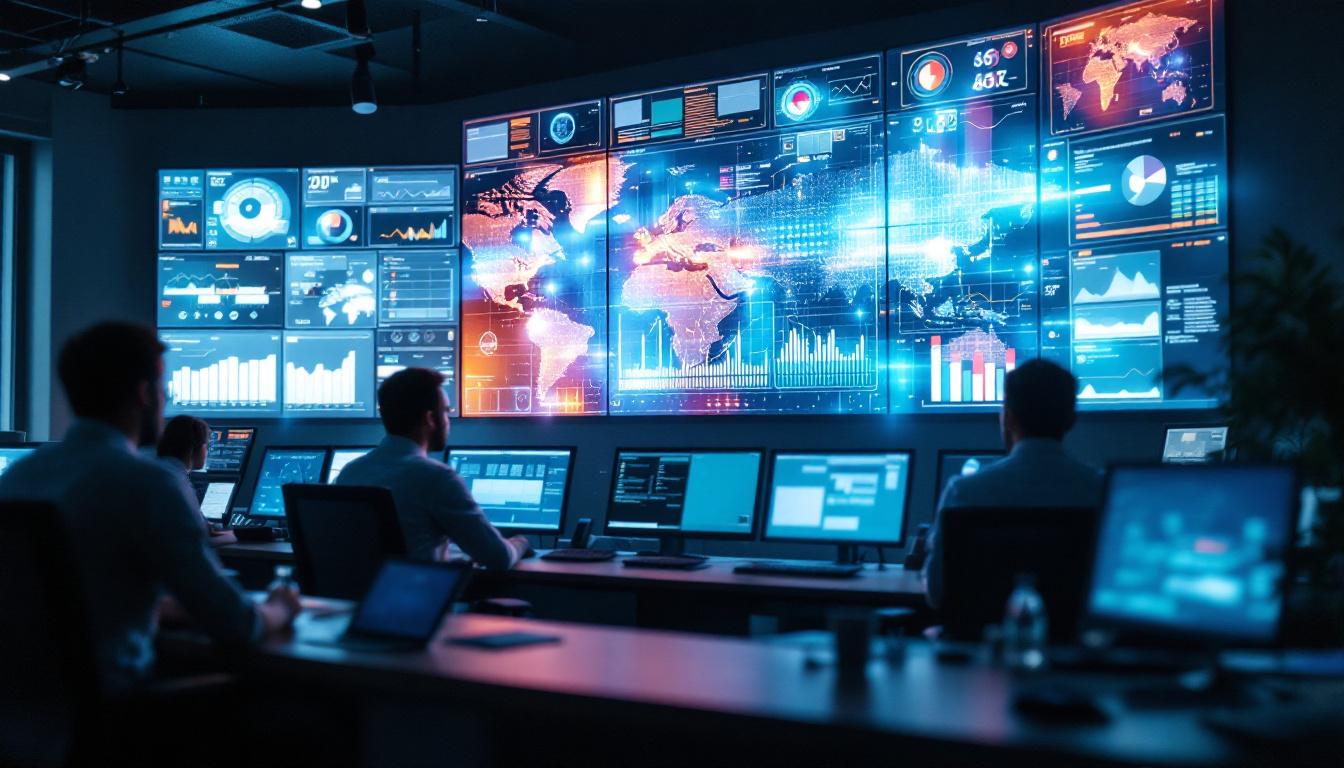
High-performance video processors manage the content displayed on the LED walls, ensuring synchronization across all panels. This is crucial to avoid image tearing or latency, which can disrupt the immersive experience. Advanced processors also handle color calibration and brightness uniformity to maintain consistent visual quality.
Real-Time Rendering Engines
Software such as Unreal Engine or Unity powers the dynamic content displayed on LED walls. These engines render 3D environments in real time, adjusting perspectives based on camera tracking data. This integration creates the illusion that the physical camera is moving within a digital world, a key feature of virtual production.
Camera Tracking Systems
Camera tracking technology captures the position and orientation of the physical camera on set. This data feeds into the rendering engine, allowing the LED background to shift perspective accordingly. The result is a seamless blend between physical and virtual elements, enhancing depth and realism.
Applications of LED Displays in Virtual Production
LED displays have found diverse applications across various types of productions, from blockbuster films to commercials and live broadcasts.
Feature Films and Television
Major studios have embraced LED walls for creating complex environments without the logistical challenges of location shooting. For instance, “The Mandalorian” famously used a 360-degree LED volume to simulate alien landscapes, enabling actors to perform within the actual environment rather than imagining it against a green screen.
This technique has expanded to other high-profile productions, allowing filmmakers to push creative boundaries while maintaining control over lighting and visual effects.
Commercials and Music Videos
LED displays offer a versatile solution for commercials and music videos, where rapid turnaround and visual impact are critical. Brands can create visually stunning backgrounds that can be modified instantly, accommodating last-minute creative changes without costly reshoots.
Live Events and Broadcasts
Beyond pre-recorded content, LED walls enhance live broadcasts and events by providing dynamic, engaging backdrops. Virtual sets powered by LED displays allow for quick scene changes and interactive graphics, elevating the viewer experience.
Challenges and Considerations in Using LED Displays
While LED displays offer numerous advantages, there are challenges and considerations that virtual production companies must address to maximize their effectiveness.
Initial Investment and Maintenance
The upfront cost of high-quality LED walls and associated hardware can be substantial. Additionally, maintenance and calibration require specialized skills to ensure optimal performance. However, many studios view this as a long-term investment given the savings in production time and post-production costs.
Technical Complexity
Integrating LED displays with real-time rendering and camera tracking systems demands technical expertise and careful planning. Teams must coordinate hardware and software components seamlessly to avoid technical glitches during shooting.
Lighting and Color Matching
Despite the natural lighting benefits, achieving perfect color matching between LED backgrounds and physical set elements can be challenging. Continuous calibration and color grading are essential to maintain visual consistency.
The Future of LED Displays in Virtual Production
The use of LED displays in virtual production is poised for continued growth and innovation. Advances in LED technology, such as microLED and miniLED, promise even higher resolution and energy efficiency. Additionally, improvements in real-time rendering and artificial intelligence will further enhance the realism and interactivity of virtual environments.
As more studios adopt virtual production workflows, the technology will become more accessible, driving creative possibilities across the entertainment industry. The convergence of LED displays, real-time graphics, and immersive storytelling signals a new era in content creation.
Conclusion
LED displays have revolutionized virtual production by providing filmmakers with unprecedented control over their environments, enhancing realism, and streamlining workflows. Their integration with real-time rendering and camera tracking technologies enables the creation of immersive worlds that were once impossible or prohibitively expensive to produce.
For virtual production companies, understanding the capabilities and challenges of LED displays is essential to harnessing their full potential. As the technology evolves, it will continue to shape the future of filmmaking, offering exciting opportunities for creativity and efficiency in the entertainment industry.
Explore Cutting-Edge LED Display Solutions with LumenMatrix
Ready to elevate your production with the latest in LED display technology? Discover LumenMatrix’s comprehensive range of innovative solutions tailored to meet the demands of modern filmmaking and content creation. From Indoor and Outdoor LED Wall Displays to specialized options like Vehicle, Sports, and Floor LED Displays, LumenMatrix is at the forefront of revolutionizing visual communication. Enhance your brand’s visibility and captivate your audience with Custom, All-in-One, and Transparent LED Displays designed for impact and clarity. Check out LumenMatrix LED Display Solutions today and transform the way you share your message with the world.