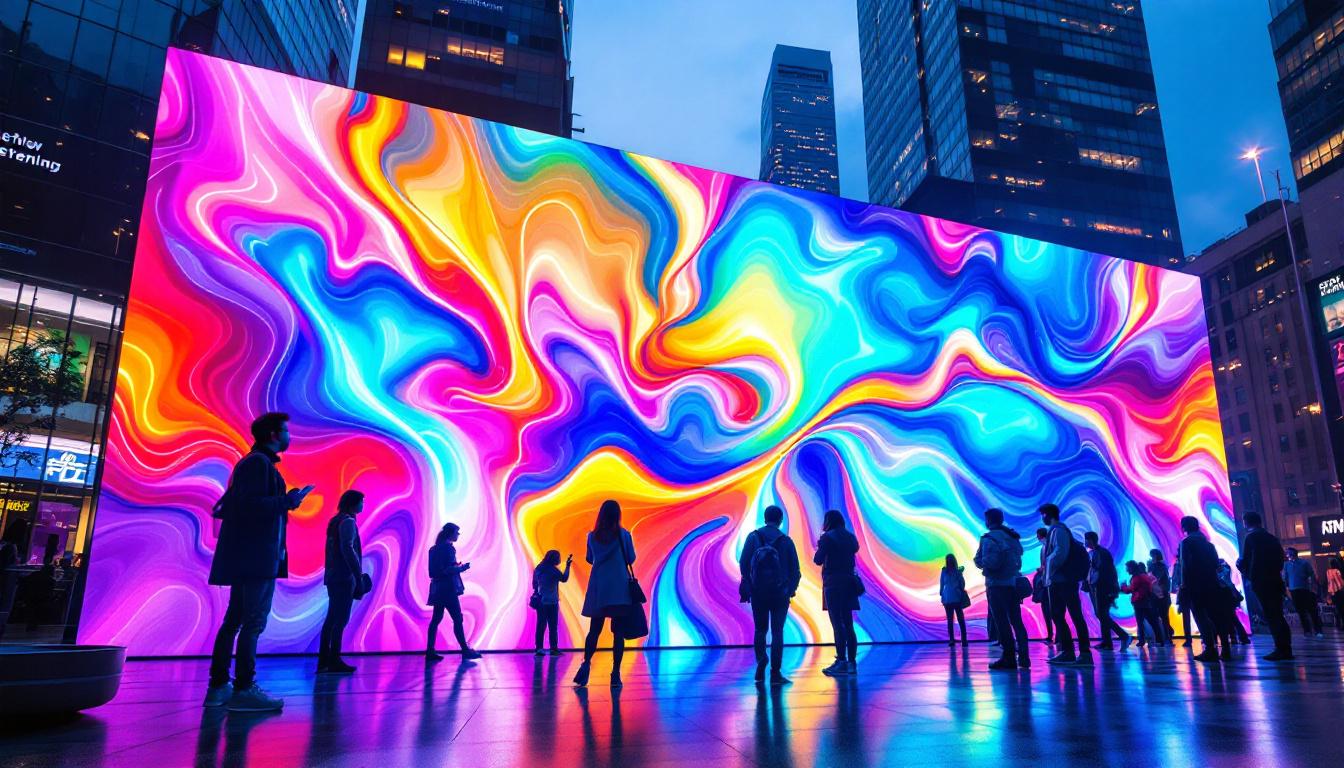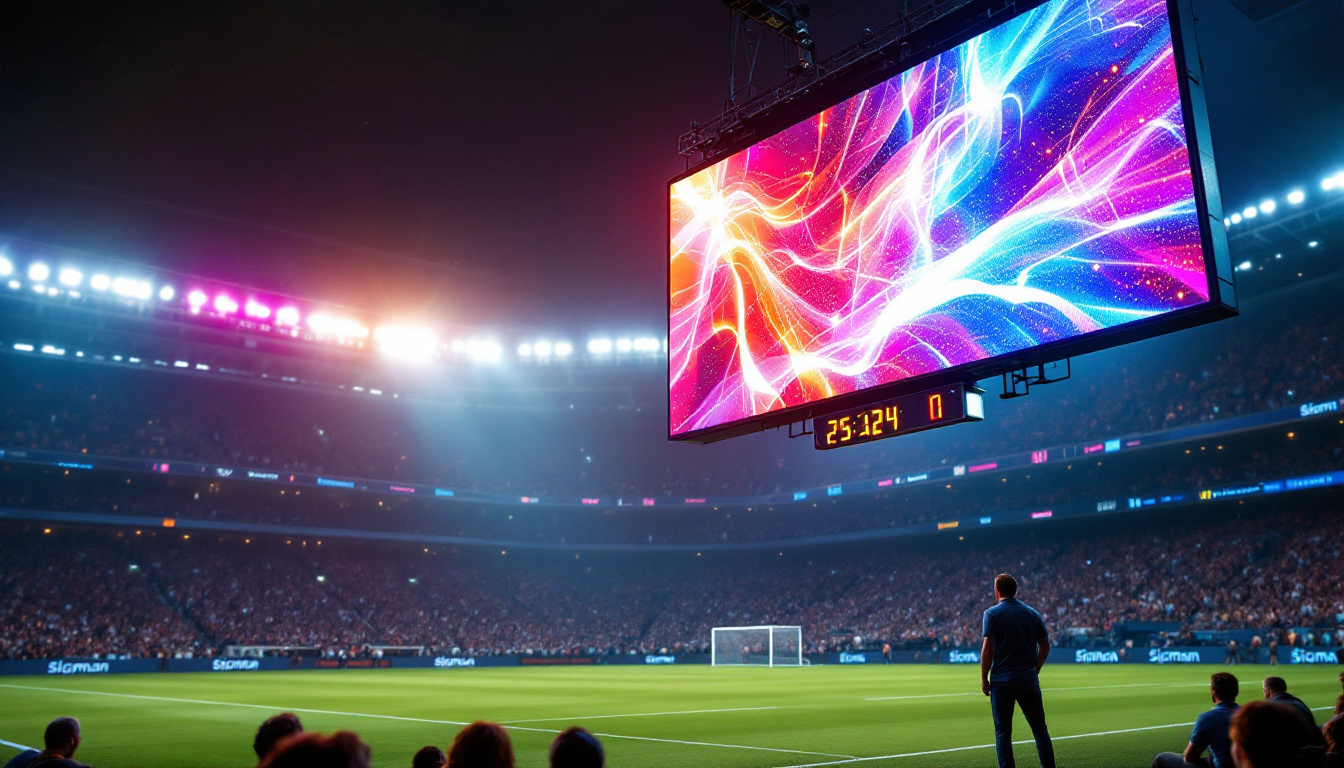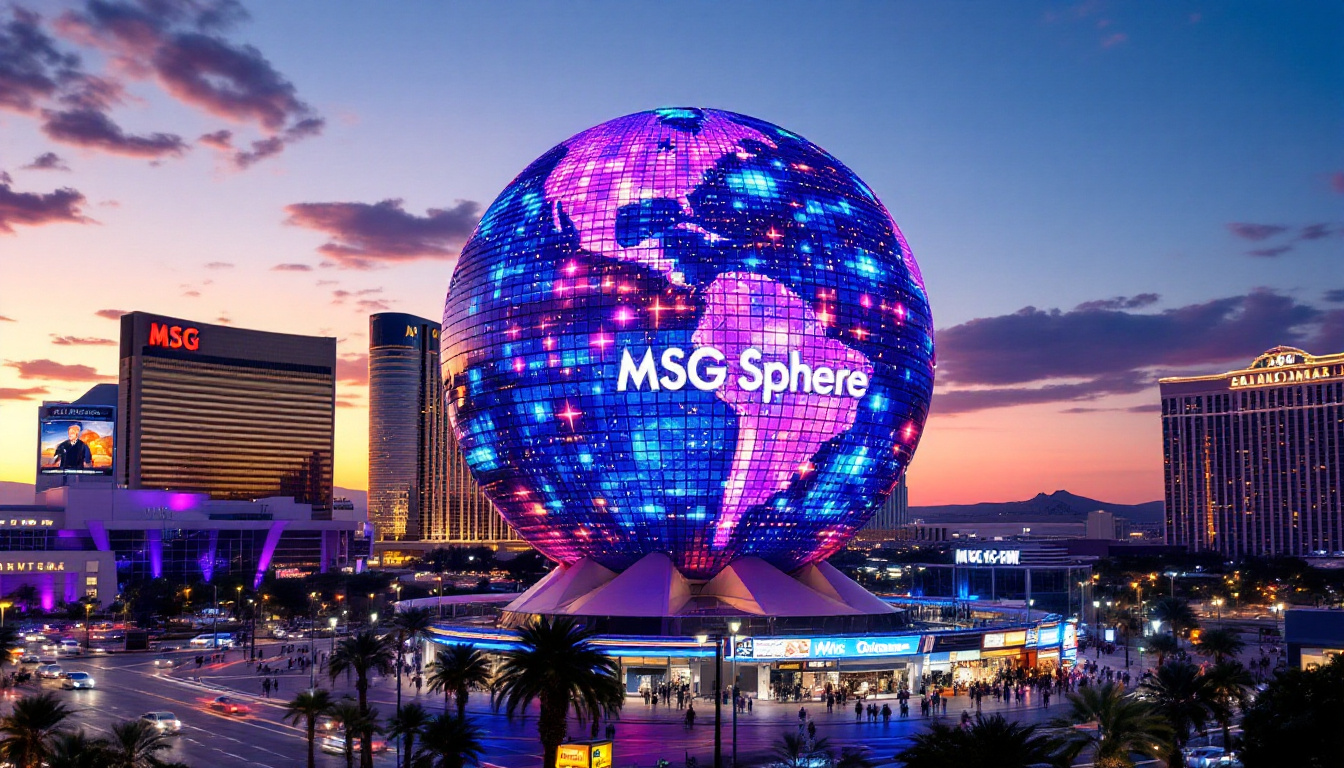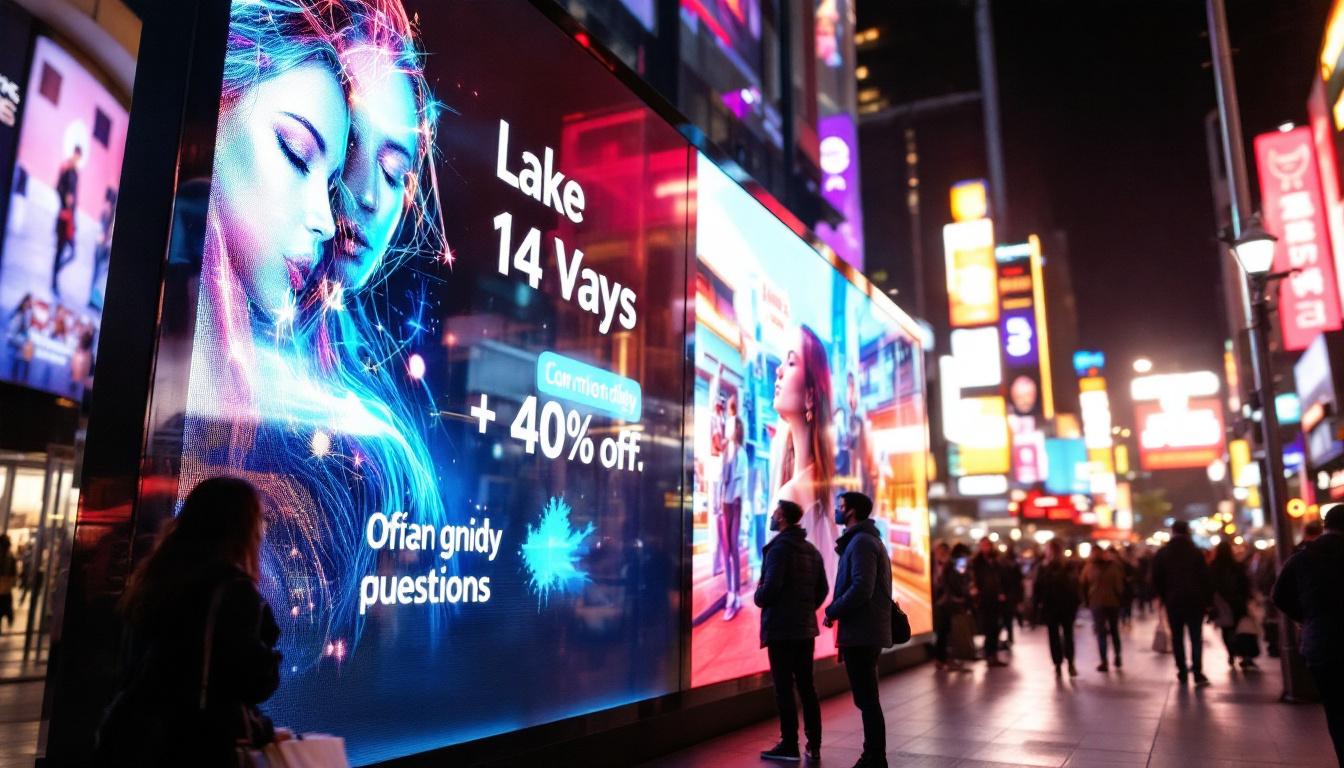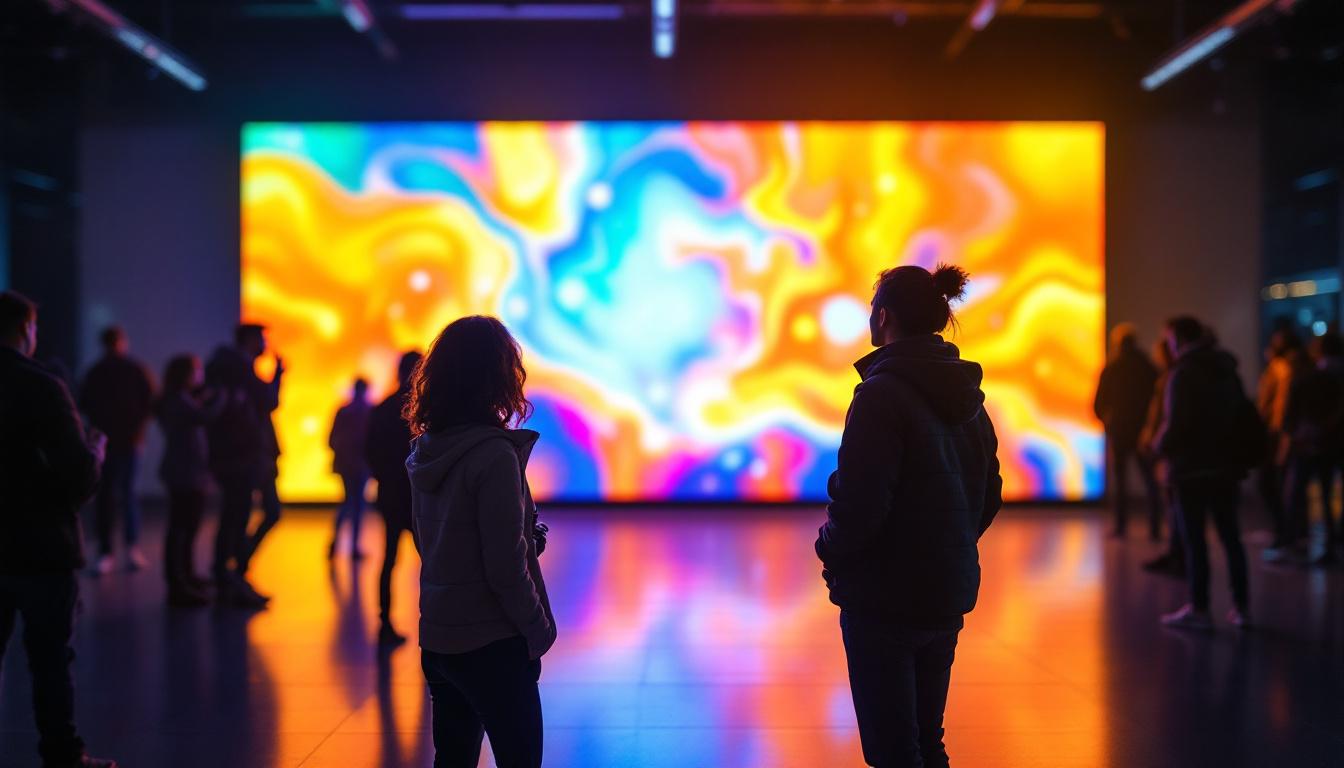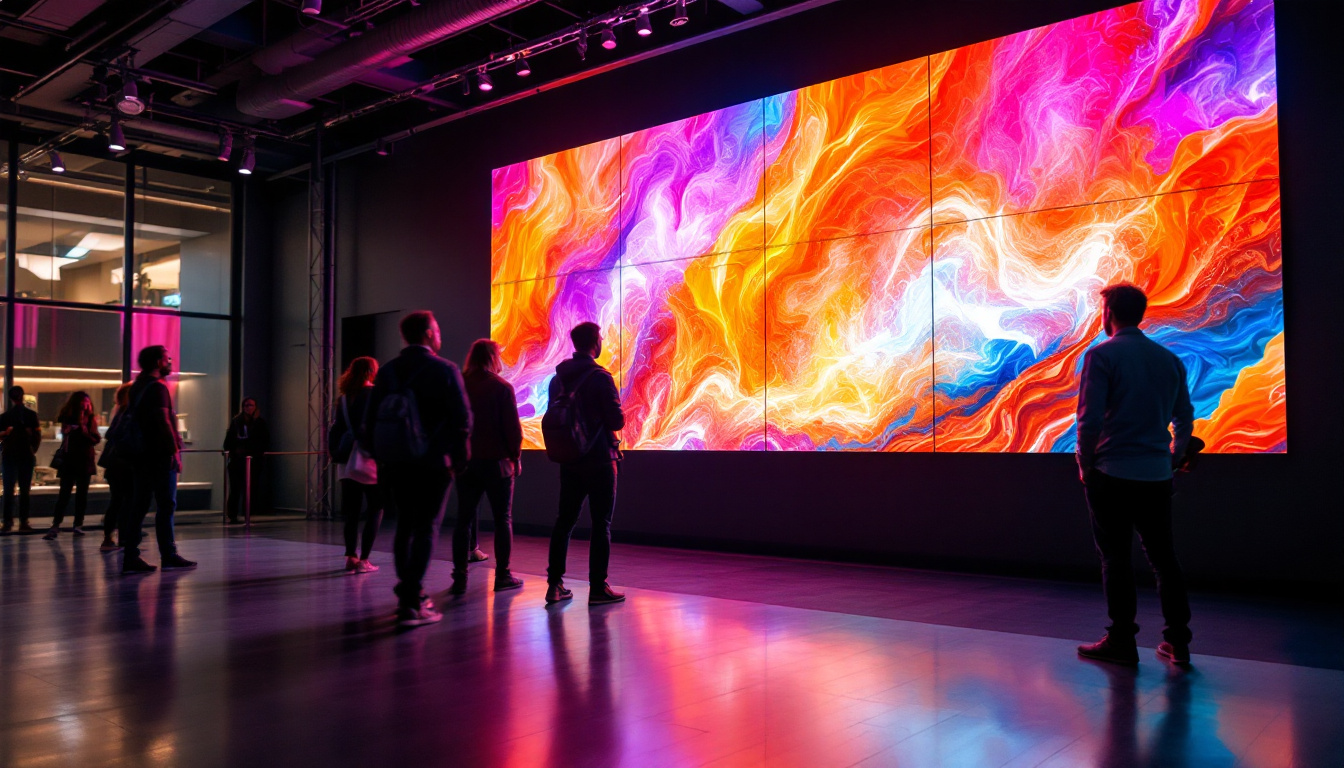
In today’s fast-paced digital world, LED display boards have become an essential medium for communication, advertising, and information dissemination. From vibrant billboards in city centers to dynamic scoreboards in sports arenas, LED displays are everywhere. But what exactly are LED display boards, and how do they work? This article dives deep into the technology behind LED displays, their types, applications, and the advantages they offer over traditional display methods.
Understanding LED Display Technology
LED stands for Light Emitting Diode, a semiconductor device that emits light when an electric current passes through it. Unlike traditional incandescent bulbs, LEDs are highly energy-efficient, durable, and capable of producing bright, vivid colors. LED display boards utilize an array of these tiny diodes to create images, text, and videos that can be seen clearly even in direct sunlight. This technology has revolutionized the way visual information is presented, making it an essential component in modern advertising, entertainment, and information dissemination.
How LED Displays Work
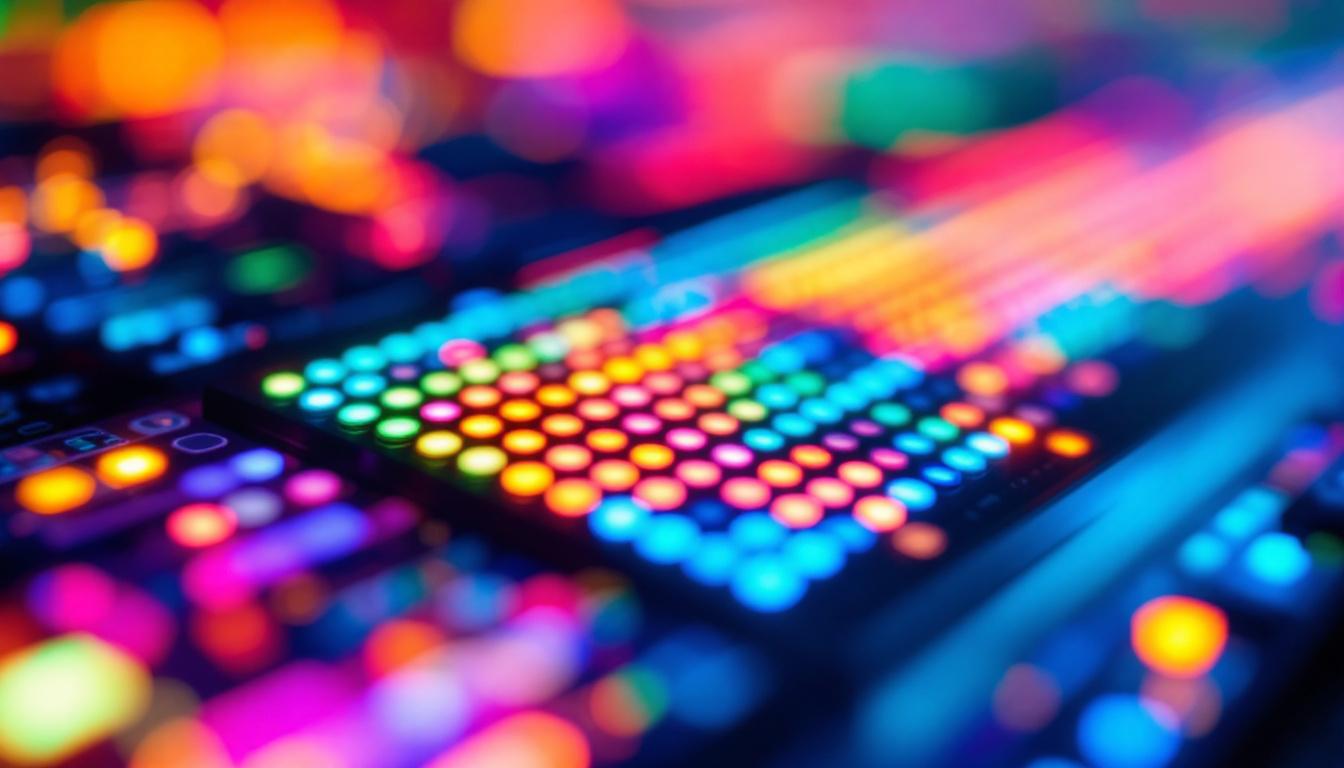
An LED display board is essentially a matrix of thousands, sometimes millions, of individual LEDs arranged in a grid. Each LED acts as a single pixel. By controlling the brightness and color of each pixel, the display can render complex images and animations. The control system sends signals to the LEDs, telling them when to light up and in what color, enabling the creation of dynamic content. This intricate process allows for real-time updates, making LED displays ideal for applications that require immediate information, such as stock tickers, news feeds, and live event announcements.
The LEDs are often grouped into clusters called pixels, which can be monochrome (single color) or full-color (red, green, and blue diodes combined). Full-color LEDs use a process called additive color mixing to produce a wide range of colors by varying the intensity of each primary color. This capability not only enhances the visual experience but also allows for the display of intricate graphics and videos that can captivate audiences. Furthermore, advancements in LED technology have led to improved color accuracy and brightness, making displays more appealing and effective in conveying messages.
Types of LED Display Boards
LED display boards come in various forms depending on their intended use, size, and resolution. Some of the most common types include:
- Indoor LED Displays: Designed for environments with controlled lighting, these displays have higher pixel density for sharper images and are often used in conference rooms, retail stores, and exhibitions. Their ability to present high-resolution content makes them perfect for showcasing products and engaging customers in a visually stimulating manner.
- Outdoor LED Displays: Built to withstand weather conditions and direct sunlight, these displays are brighter and more robust, commonly seen in stadiums, billboards, and public transport stations. Their resilience ensures that messages remain clear and visible, even in adverse weather, making them a reliable choice for outdoor advertising and public information.
- Transparent LED Displays: These innovative displays allow light to pass through, making them ideal for storefront windows and architectural installations without blocking the view. This feature not only enhances aesthetics but also allows businesses to display advertisements while maintaining an open and inviting atmosphere.
- Flexible LED Displays: Made with bendable materials, these displays can wrap around curved surfaces, opening new possibilities for creative advertising and design. Their versatility enables designers to create unique installations that capture attention and engage viewers in ways traditional displays cannot.
In addition to these types, LED technology continues to evolve, with developments such as microLED and miniLED displays gaining traction. These newer technologies promise even greater resolution and efficiency, paving the way for applications in high-end televisions, smartphones, and immersive environments like virtual reality. As the demand for high-quality visual content grows, LED displays are poised to play an increasingly vital role in our daily lives, transforming how we interact with information and entertainment.
Applications of LED Display Boards
LED display boards have transformed how information is shared across various sectors. Their versatility and visual impact make them a preferred choice for many applications.
Advertising and Marketing
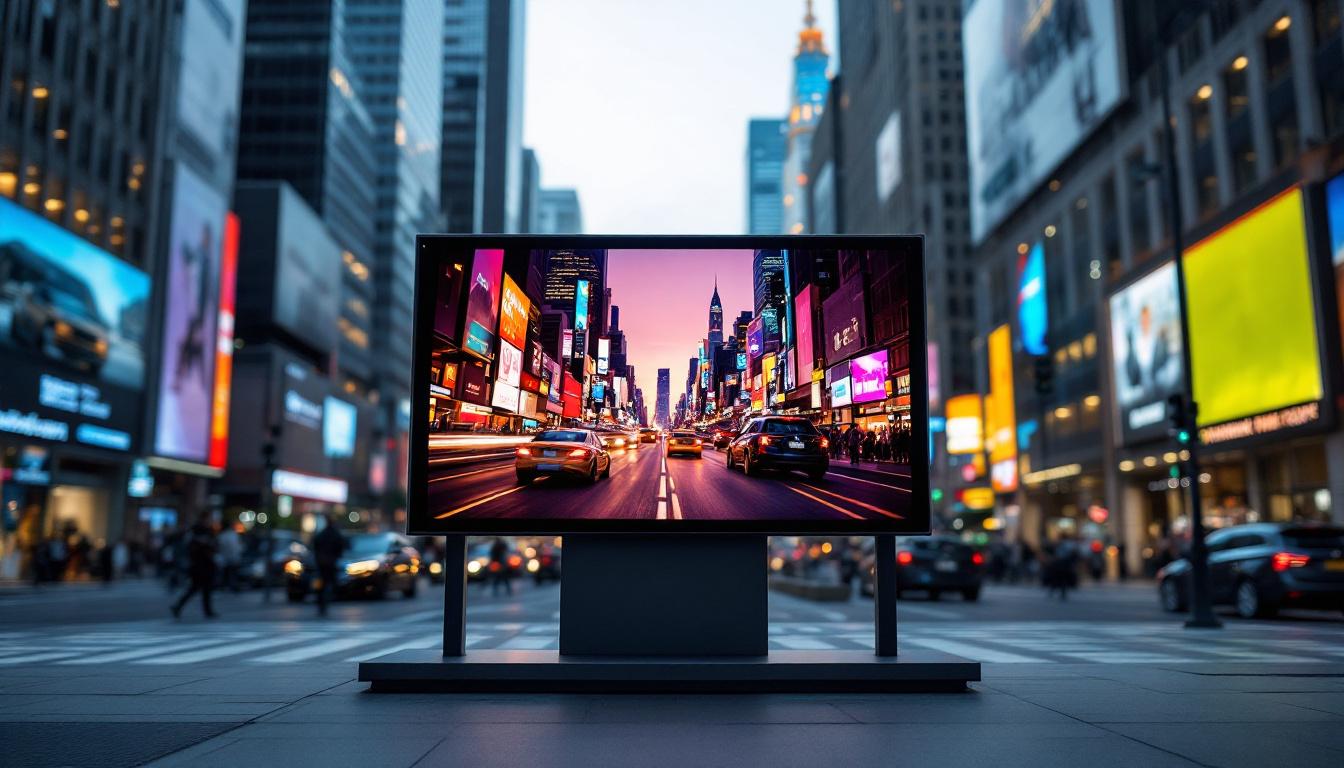
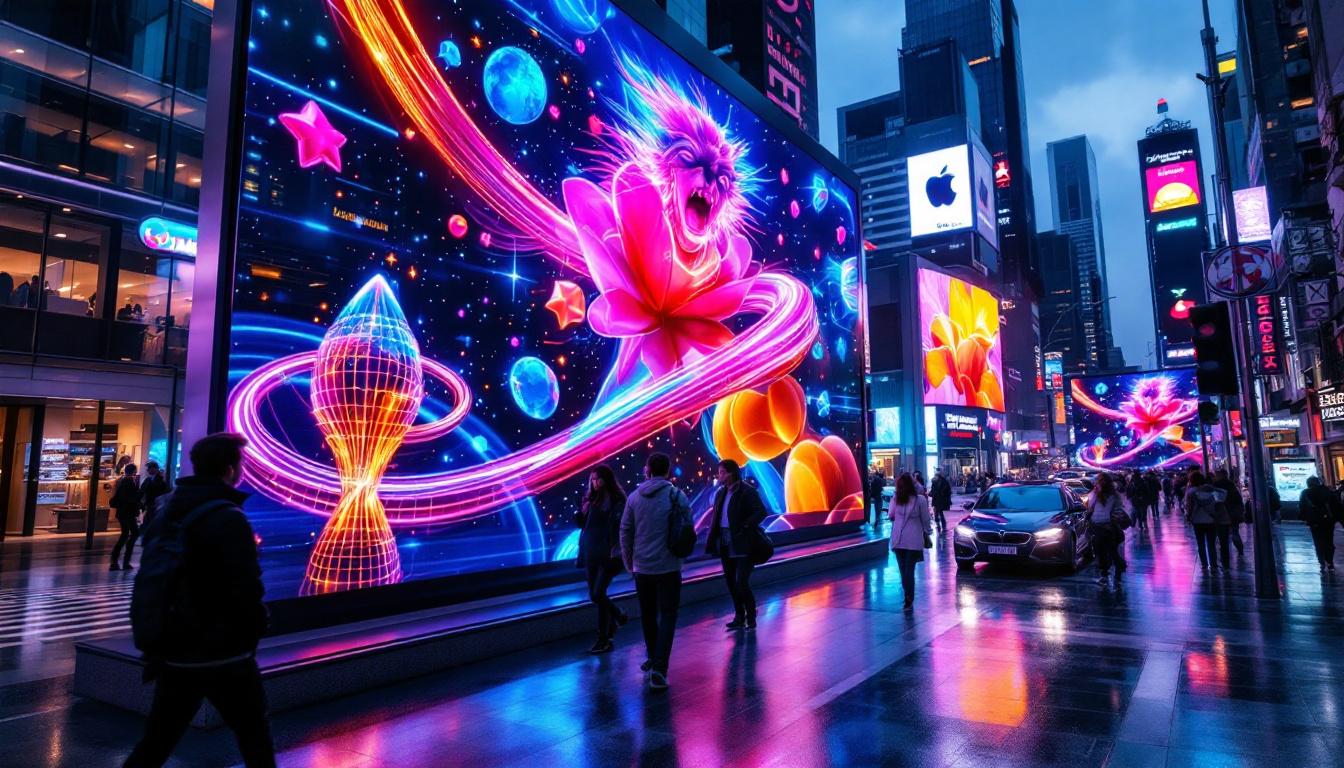
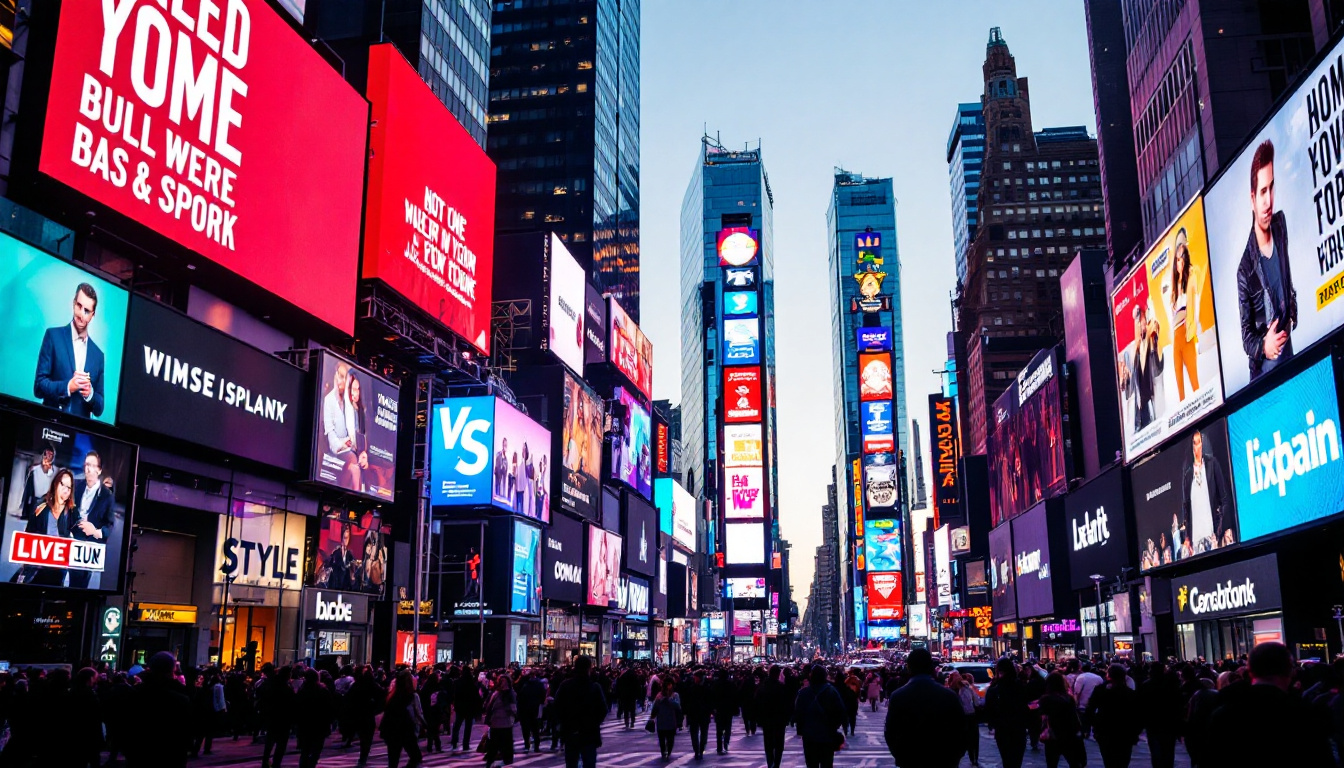
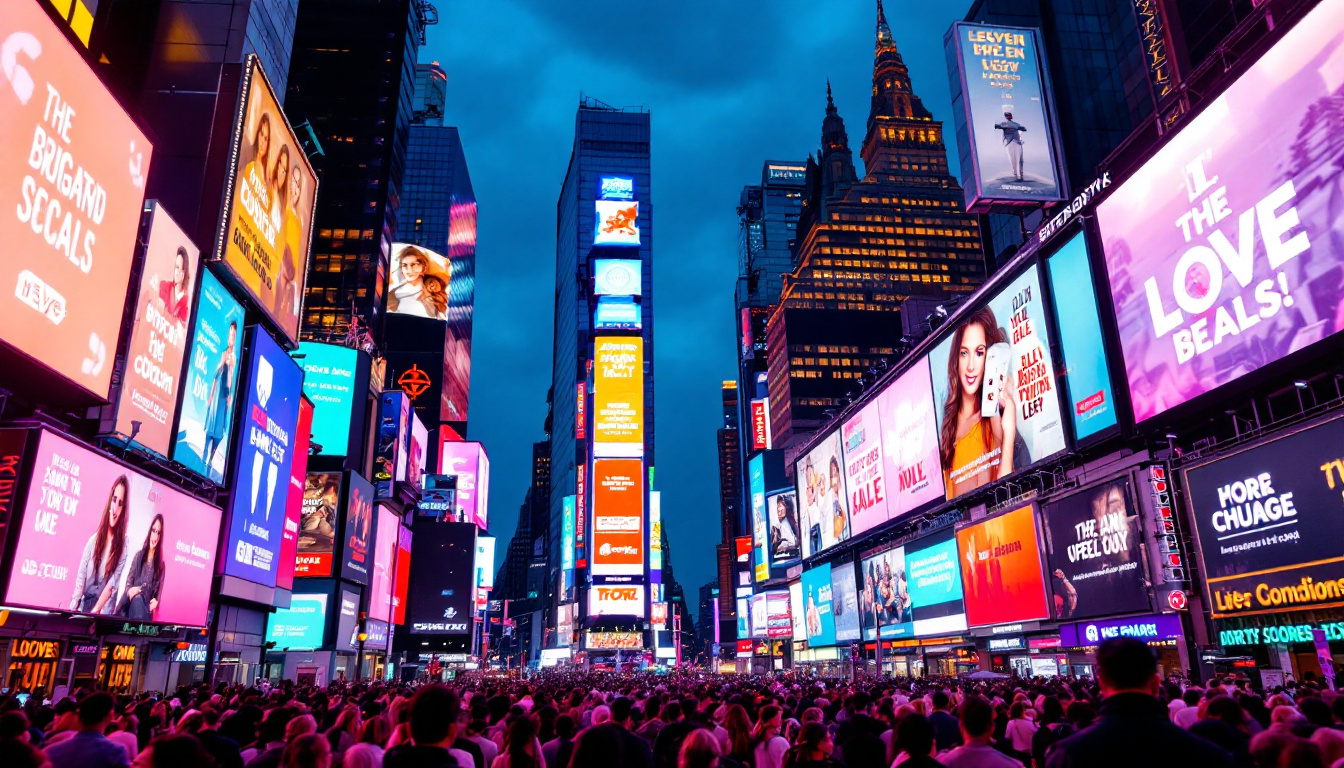
One of the most prominent uses of LED displays is in advertising. Digital billboards equipped with LED technology can showcase multiple ads in rotation, incorporate animations, and update content remotely in real-time. This flexibility allows businesses to target specific audiences more effectively and adapt campaigns quickly.
According to a study by the Outdoor Advertising Association of America (OAAA), digital billboards have increased consumer engagement by up to 30% compared to static signs. This boost in attention translates into higher brand recall and increased sales. Moreover, the ability to analyze data from these displays, such as viewer demographics and engagement rates, enables advertisers to refine their strategies and maximize their return on investment.
Public Information and Transportation
LED display boards are widely used in public transportation hubs such as airports, train stations, and bus terminals. These displays provide real-time updates on schedules, delays, and emergency announcements. Their high visibility ensures that passengers receive timely information, improving overall travel experience and safety. Additionally, many cities are integrating LED displays into their traffic management systems to relay important information about road conditions, accidents, and detours, further enhancing public safety and efficiency.
Sports and Entertainment
In stadiums and arenas, massive LED screens display live scores, replays, and advertisements. These displays enhance the spectator experience by providing clear visuals from any seat. Additionally, concert venues and theaters use LED walls to create immersive backdrops and special effects. The dynamic nature of LED technology allows for vibrant colors and sharp images, which can be synchronized with performances to elevate the overall atmosphere. This integration not only captivates audiences but also provides sponsors with a unique platform for brand visibility during high-profile events.
Corporate and Educational Uses
Many corporations utilize LED displays in lobbies and conference rooms for branding and presentations. Educational institutions employ LED boards for digital signage, event promotion, and interactive learning tools, contributing to a more engaging environment. Furthermore, the use of LED displays in classrooms can facilitate collaborative learning experiences, allowing students to interact with content in real-time. This technology can also be leveraged for remote learning, where educators can broadcast lessons and engage with students from different locations, making education more accessible than ever.
Advantages of LED Display Boards
The widespread adoption of LED display boards is driven by several key benefits that make them superior to traditional display technologies.
Energy Efficiency and Longevity
LEDs consume significantly less power than incandescent or fluorescent lighting. This energy efficiency reduces operational costs, especially for large-scale installations that run continuously. Additionally, LEDs have a longer lifespan, often exceeding 50,000 hours, which minimizes maintenance and replacement expenses.
Brightness and Visibility
LED displays offer exceptional brightness levels, making them easily visible in various lighting conditions, including direct sunlight. This attribute is crucial for outdoor advertising and public information systems where visibility can directly impact effectiveness.
Dynamic and Flexible Content
Unlike static signs, LED display boards can show dynamic content such as videos, animations, and live feeds. This capability allows for more engaging and versatile messaging. Content can be updated remotely and instantly, enabling timely communication and reducing the need for physical replacements.
Durability and Weather Resistance
Outdoor LED displays are designed to withstand harsh environmental conditions, including rain, wind, and temperature extremes. Their robust construction ensures reliable performance over time, even in challenging settings.
Key Considerations When Choosing an LED Display Board
Selecting the right LED display board involves evaluating several factors to ensure it meets specific needs and maximizes return on investment.
Resolution and Pixel Pitch
Resolution refers to the number of pixels in the display, while pixel pitch is the distance between the centers of adjacent pixels. A smaller pixel pitch results in higher resolution and sharper images, which is especially important for indoor displays viewed up close. For outdoor displays, a larger pixel pitch is acceptable due to greater viewing distances.
Brightness and Contrast Ratio
Brightness is measured in nits, and higher values are necessary for displays exposed to sunlight. Contrast ratio affects the clarity and depth of images, enhancing the viewing experience.
Size and Viewing Distance
The physical size of the display should correspond to the intended viewing distance. Larger displays with appropriate resolution ensure that content remains clear and legible from afar.
Installation and Maintenance
Considerations include the ease of installation, accessibility for maintenance, and the availability of technical support. Modular designs can simplify repairs and upgrades.
Budget and Total Cost of Ownership
While initial costs vary, it’s important to factor in energy consumption, maintenance, and potential downtime. Investing in quality components can lead to long-term savings.
Future Trends in LED Display Technology
The LED display industry continues to evolve, driven by advancements in materials, design, and software integration.
MicroLED and MiniLED Innovations
Emerging technologies like MicroLED and MiniLED promise even higher resolution, better color accuracy, and improved energy efficiency. These tiny LEDs enable thinner, lighter displays with enhanced performance.
Integration with IoT and AI
Smart LED displays connected to the Internet of Things (IoT) can adapt content based on real-time data such as weather, traffic, or audience demographics. Artificial intelligence can optimize messaging for maximum impact.
Flexible and Transparent Displays
Advances in flexible and transparent LED technology expand creative possibilities, allowing displays to blend seamlessly into architecture and everyday objects.
Conclusion
LED display boards have revolutionized visual communication by offering bright, dynamic, and energy-efficient solutions across diverse applications. Understanding the technology, types, and key considerations helps businesses and organizations make informed decisions to leverage these powerful tools effectively. As LED technology continues to advance, its role in shaping the future of digital displays looks brighter than ever.
Discover LumenMatrix’s Innovative LED Solutions
Ready to elevate your visual communication with cutting-edge LED technology? LumenMatrix is at the forefront of LED display innovation, offering a wide range of solutions tailored to your needs. From Indoor and Outdoor LED Wall Displays to specialized options like Vehicle, Sports, and Floor LED Displays, our products are designed to captivate your audience and amplify your message. Experience the transformative power of our Custom, All-in-One, and Transparent LED Displays. Check out LumenMatrix LED Display Solutions today and join the revolution in digital signage and visual storytelling.