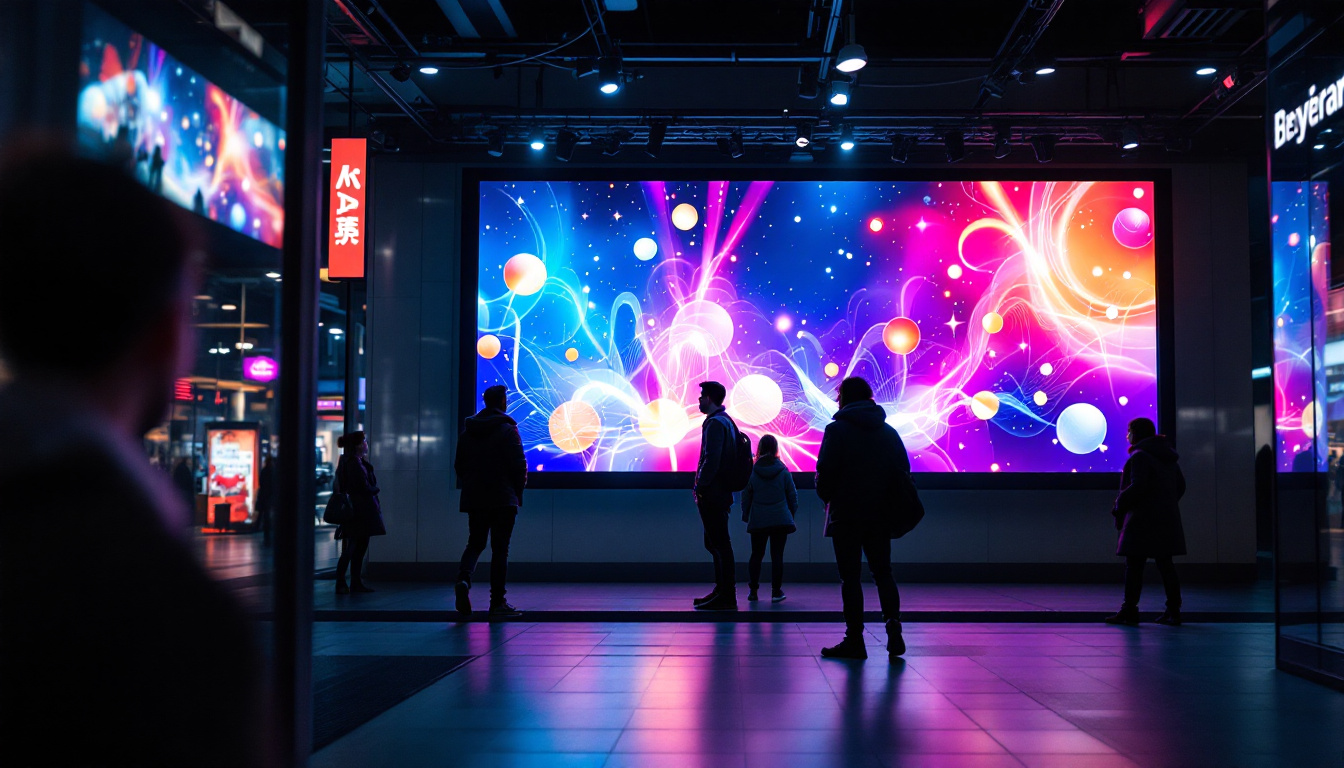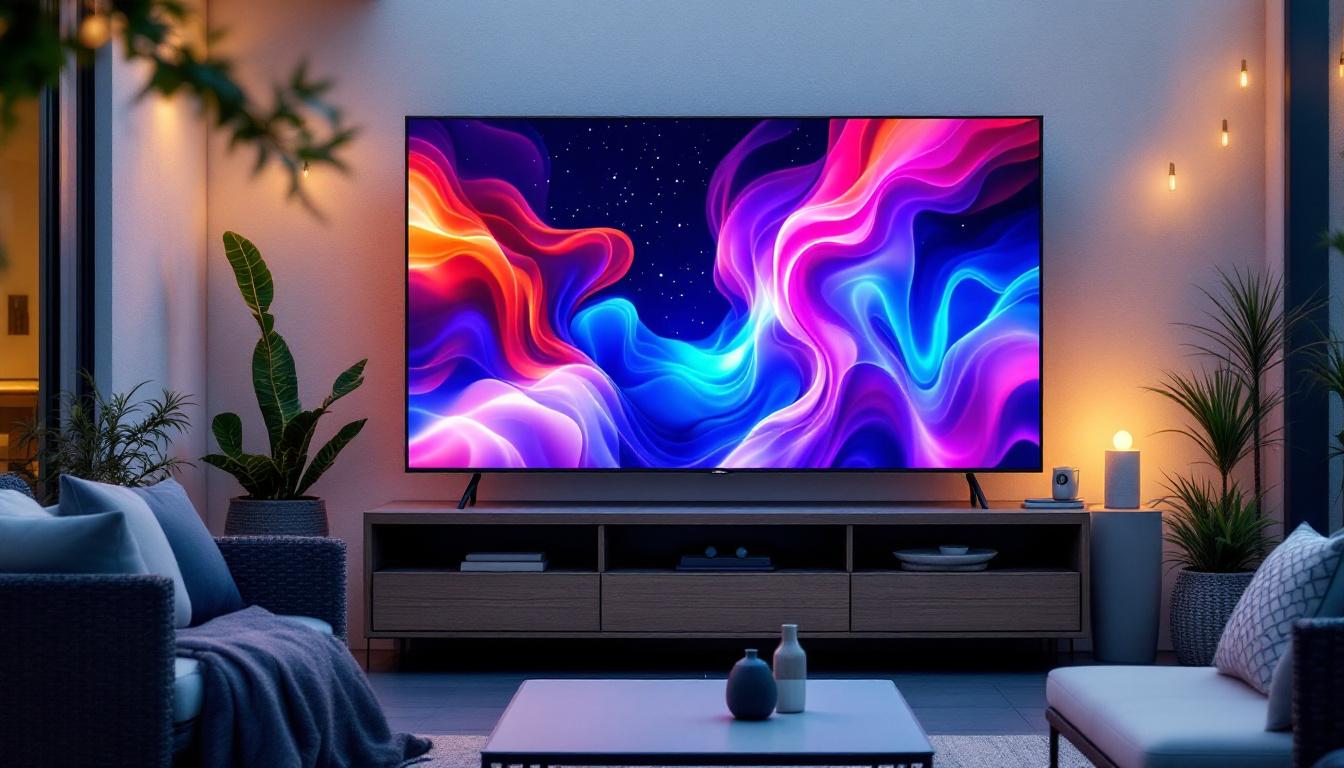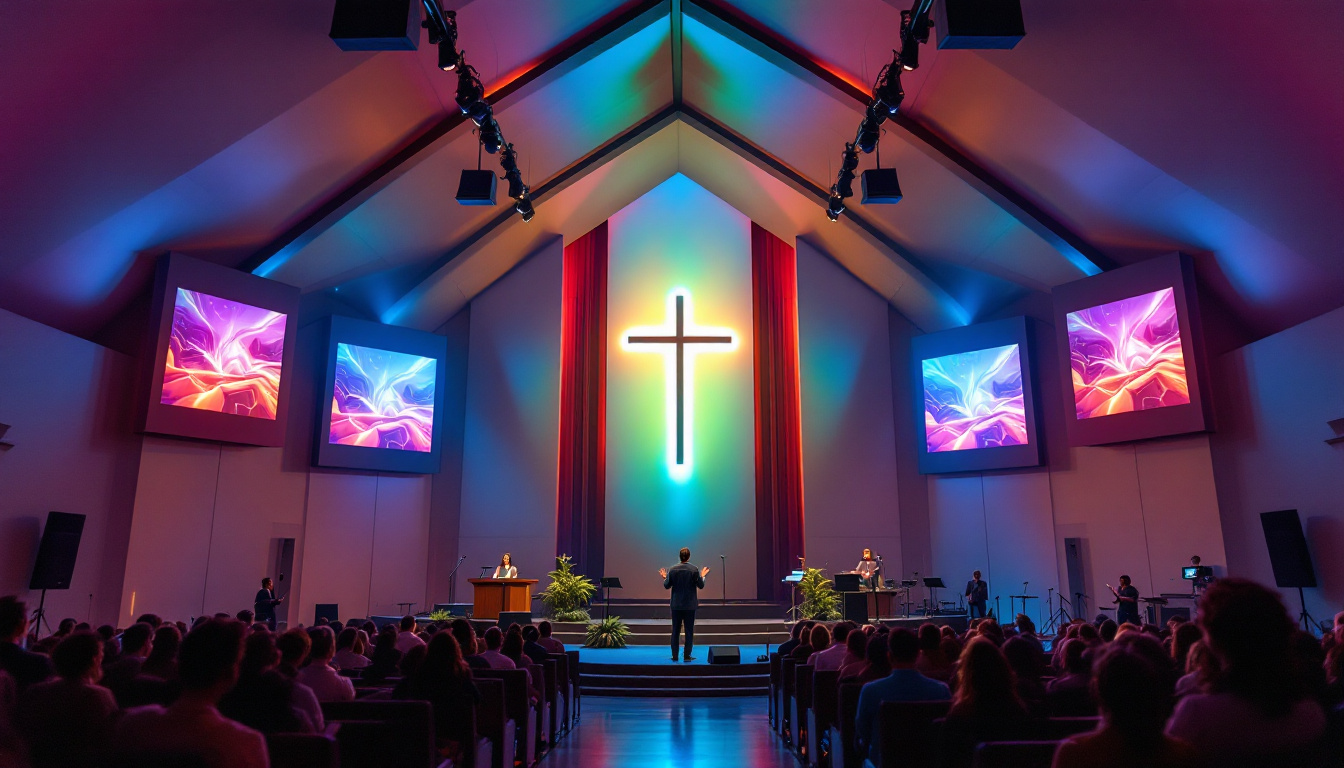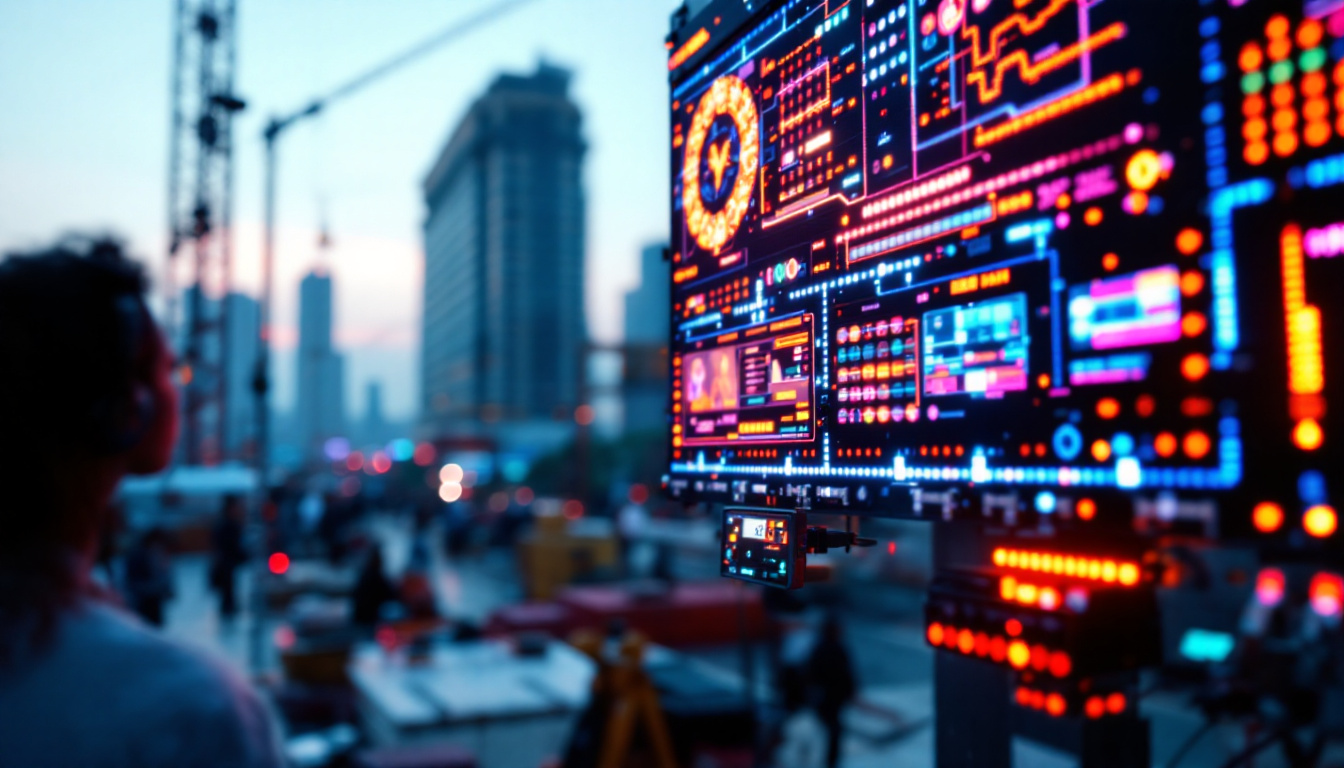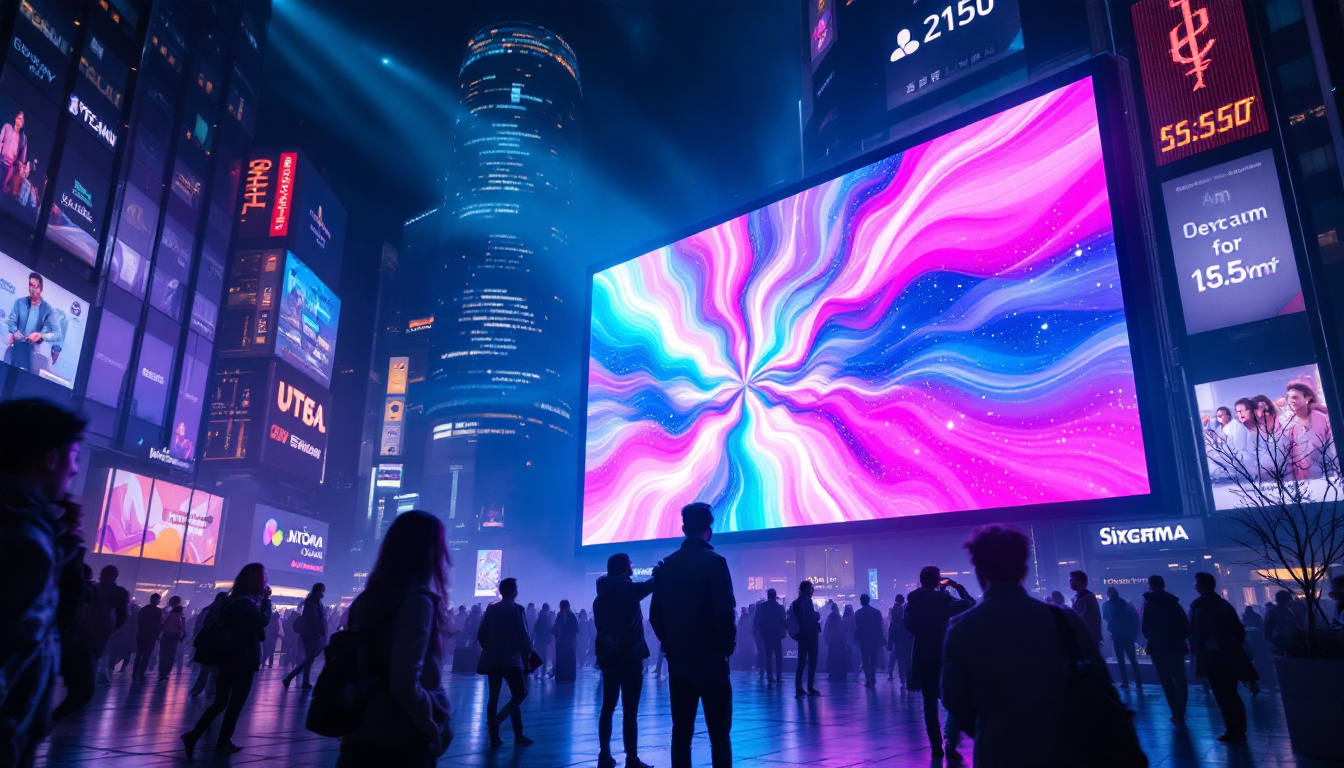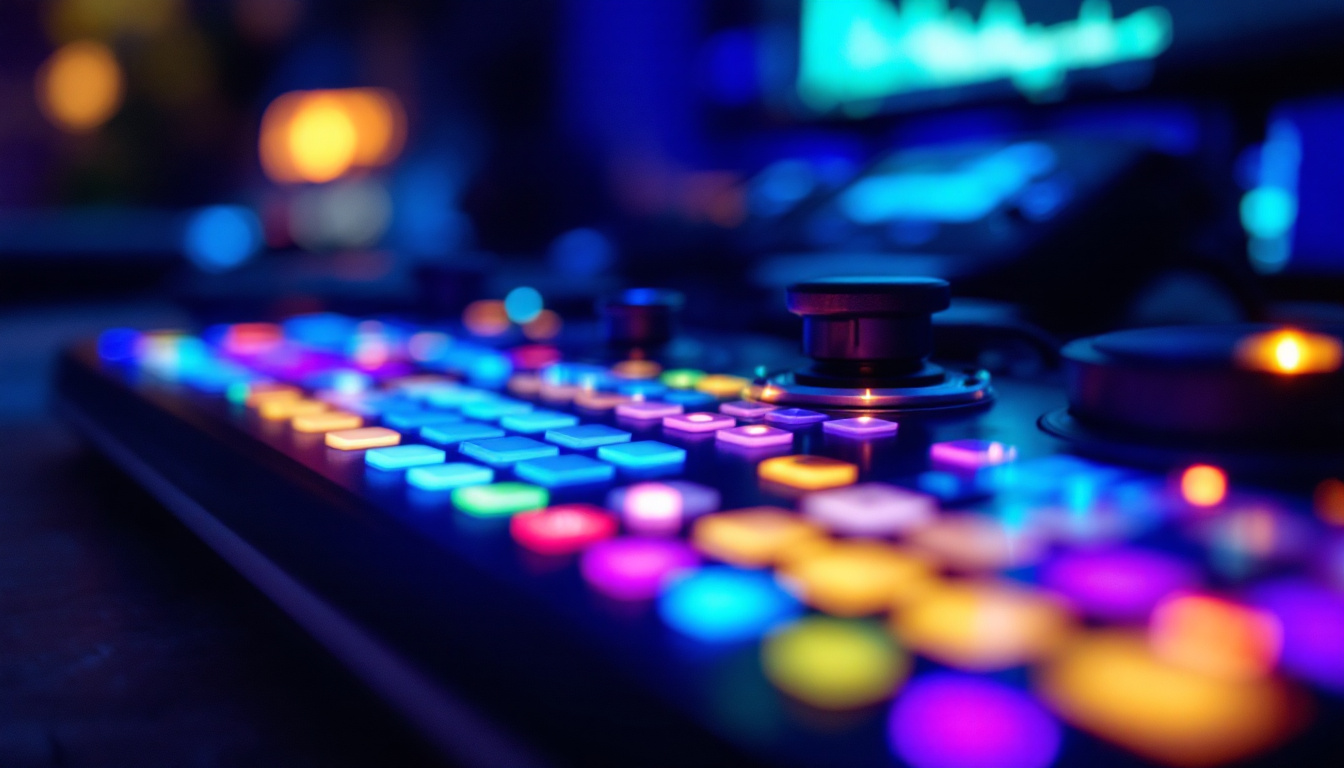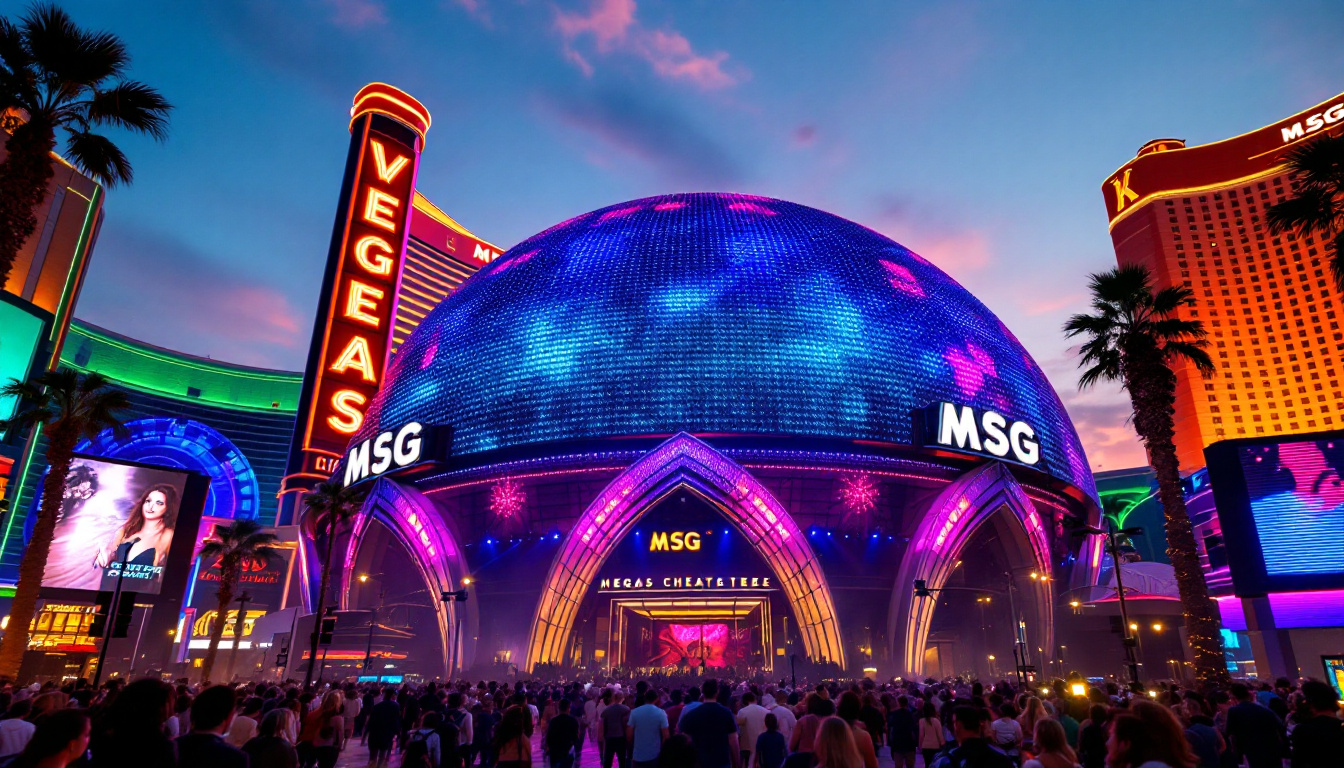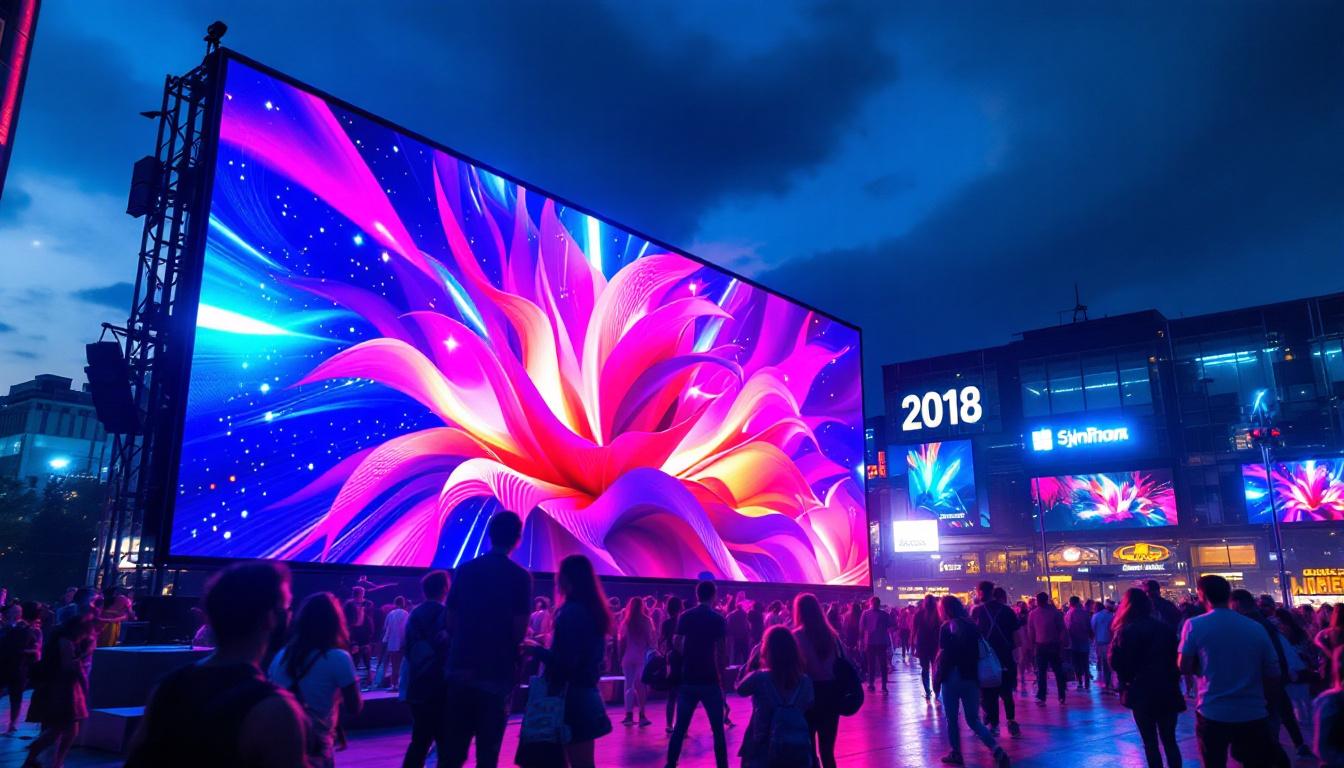
In the world of large-scale digital advertising and event production, jumbotron images have become an iconic visual staple. These massive LED displays captivate audiences with their vibrant colors, sharp images, and dynamic content. But what exactly makes a jumbotron image so impactful? This article delves into the technology behind LED displays, how jumbotron images are created and optimized, and why they continue to dominate public spaces and live events.
Understanding LED Display Technology
At the heart of every jumbotron is an LED display, a technology that has revolutionized large-format screens in recent years. LED stands for Light Emitting Diode, a semiconductor device that emits light when an electric current passes through it. Unlike traditional LCD or projection screens, LED displays produce their own light, which results in brighter images and better contrast, especially in outdoor environments. This self-illuminating feature not only enhances visibility but also allows for energy efficiency, making LED displays a popular choice for both commercial and entertainment applications.
How LED Displays Work
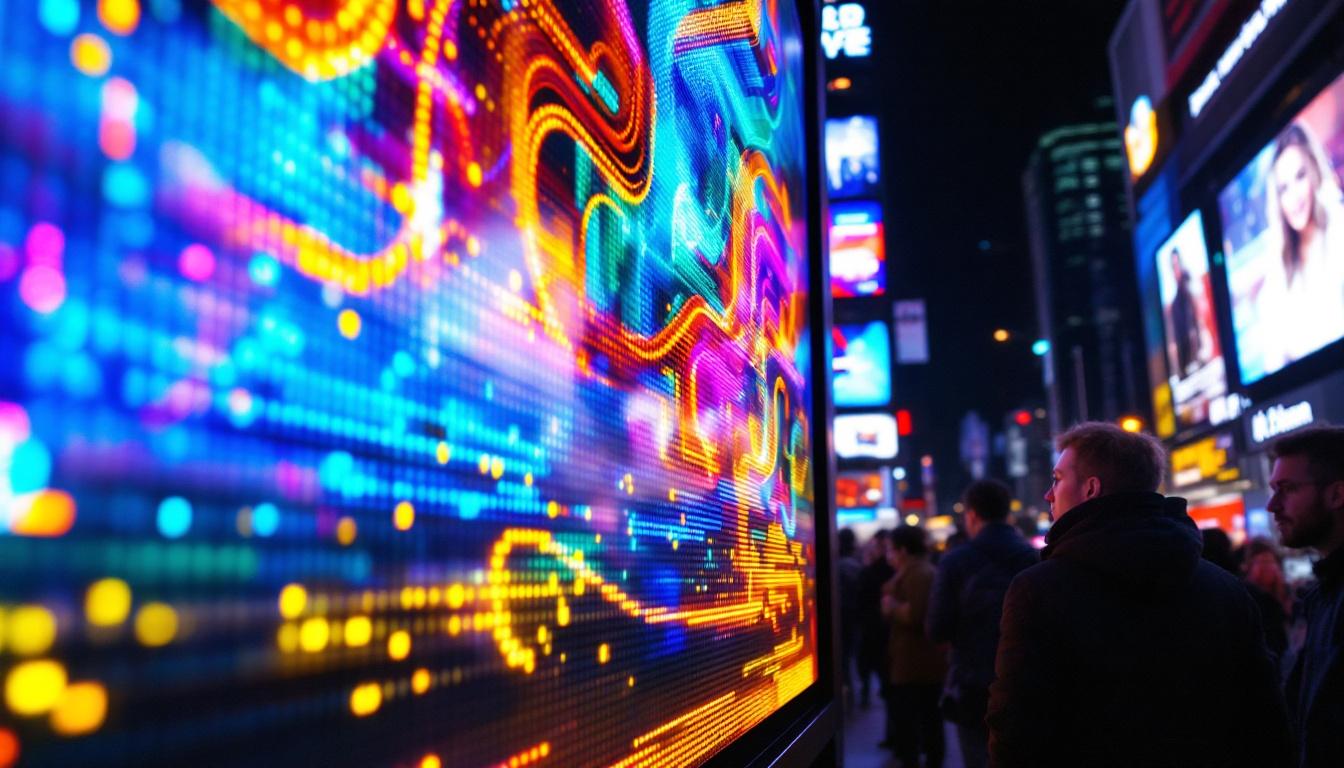
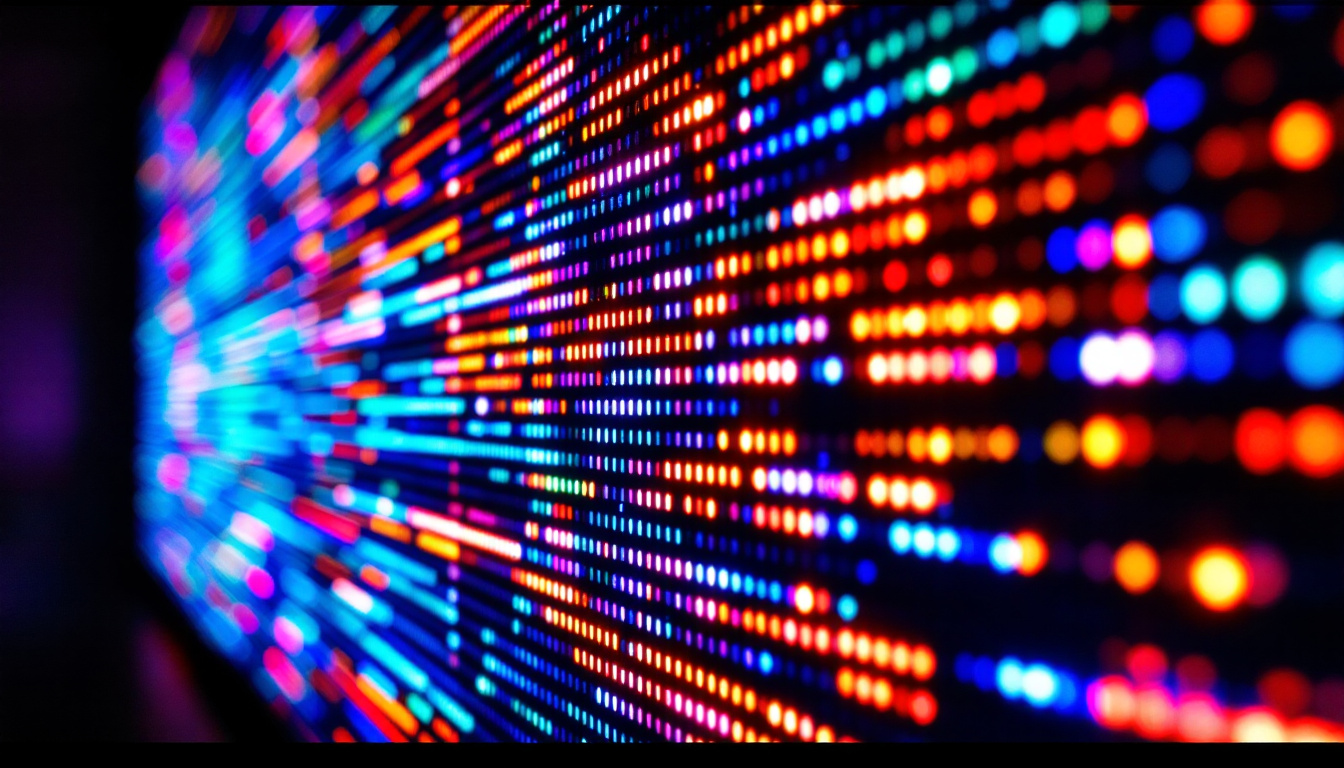
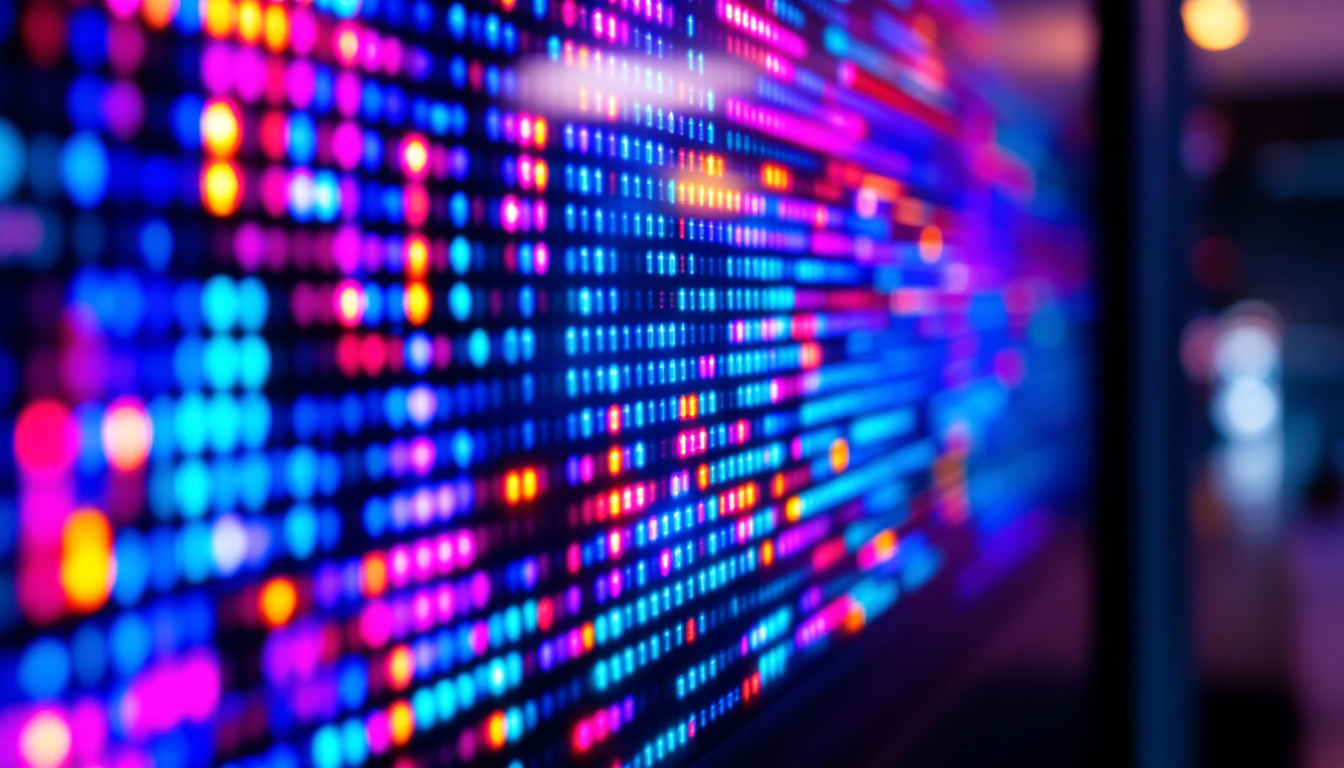
LED displays consist of thousands, sometimes millions, of tiny LEDs arranged in a grid pattern. Each LED acts as a pixel, capable of emitting red, green, and blue light. By adjusting the intensity of these primary colors, the display can produce a full spectrum of colors. This RGB color mixing is fundamental to creating vivid and lifelike images on jumbotrons. The precision in color reproduction is further enhanced by advanced calibration techniques that ensure color accuracy across different viewing angles, making the experience immersive for audiences regardless of their position.
Modern LED displays use surface-mount technology (SMT) to place LEDs precisely on circuit boards, allowing for higher pixel density and improved image quality. The pixel pitch—the distance between the centers of two adjacent LEDs—determines the resolution and clarity of the display. Smaller pixel pitches yield sharper images but require more LEDs, increasing cost and complexity. Furthermore, advancements in LED technology, such as the introduction of microLEDs, are pushing the boundaries of display resolution and performance, promising even more detailed visuals that can captivate viewers.
Types of LED Displays Used in Jumbotrons
There are two primary types of LED displays used for jumbotron screens: indoor and outdoor LEDs. Outdoor LED displays are built to withstand harsh weather conditions, including rain, dust, and extreme temperatures. They typically have higher brightness levels, often exceeding 5,000 nits, to remain visible under direct sunlight. Indoor LED displays prioritize higher resolution and finer pixel pitch since ambient lighting is controlled. This distinction is crucial for venues like theaters or arenas, where the quality of the viewing experience can significantly impact audience engagement.
Additionally, some jumbotrons use modular LED panels that can be assembled in various sizes and shapes, offering flexibility for different venues and events. These panels are designed for quick installation and maintenance, which is crucial for temporary setups like concerts and sports events. The modular design not only allows for creative configurations but also facilitates easy upgrades and repairs, ensuring that the display can adapt to evolving technological standards and audience expectations. As a result, event organizers can create dynamic visual experiences that enhance the overall atmosphere and excitement of live performances.
The Making of a Jumbotron Image
Creating an effective jumbotron image involves more than just displaying a high-resolution picture. It requires careful consideration of image composition, resolution, color calibration, and content timing to ensure maximum impact on large audiences.
Image Resolution and Pixel Pitch
One of the most critical factors in jumbotron image quality is resolution. Given the large physical size of jumbotrons—often measuring several meters wide and tall—the image must be designed to look crisp from a distance. Unlike traditional screens where pixel density is measured in pixels per inch (PPI), jumbotrons are viewed from much farther away, so pixel pitch becomes the more relevant metric.
For example, a jumbotron with a 10mm pixel pitch means each pixel is spaced 10 millimeters apart. This might sound low compared to a smartphone screen, but when viewed from 50 feet or more, the image appears seamless and detailed. Graphic designers and content creators must tailor their images to match the jumbotron’s pixel pitch and viewing distance to avoid pixelation or blurriness.
Color Calibration and Brightness
Color accuracy is paramount for jumbotron images, especially for branding and advertising purposes. LED displays can sometimes exhibit color shifts due to temperature changes or aging LEDs. To counter this, professional calibration tools and software are used to adjust color balance, gamma, and brightness levels.
Brightness is another crucial aspect. Outdoor jumbotrons must maintain visibility even under direct sunlight, which requires extremely high brightness levels. However, excessive brightness can cause glare and discomfort for viewers, so adaptive brightness controls are often implemented. These systems adjust the display’s luminance based on ambient light conditions, ensuring optimal visibility without overwhelming the audience.
Content Creation and Dynamic Imagery
Jumbotron images are rarely static. Dynamic content—such as videos, animations, live feeds, and interactive graphics—enhances audience engagement. Content creators use specialized software to design sequences that take advantage of the jumbotron’s size and resolution, incorporating motion and transitions that capture attention.
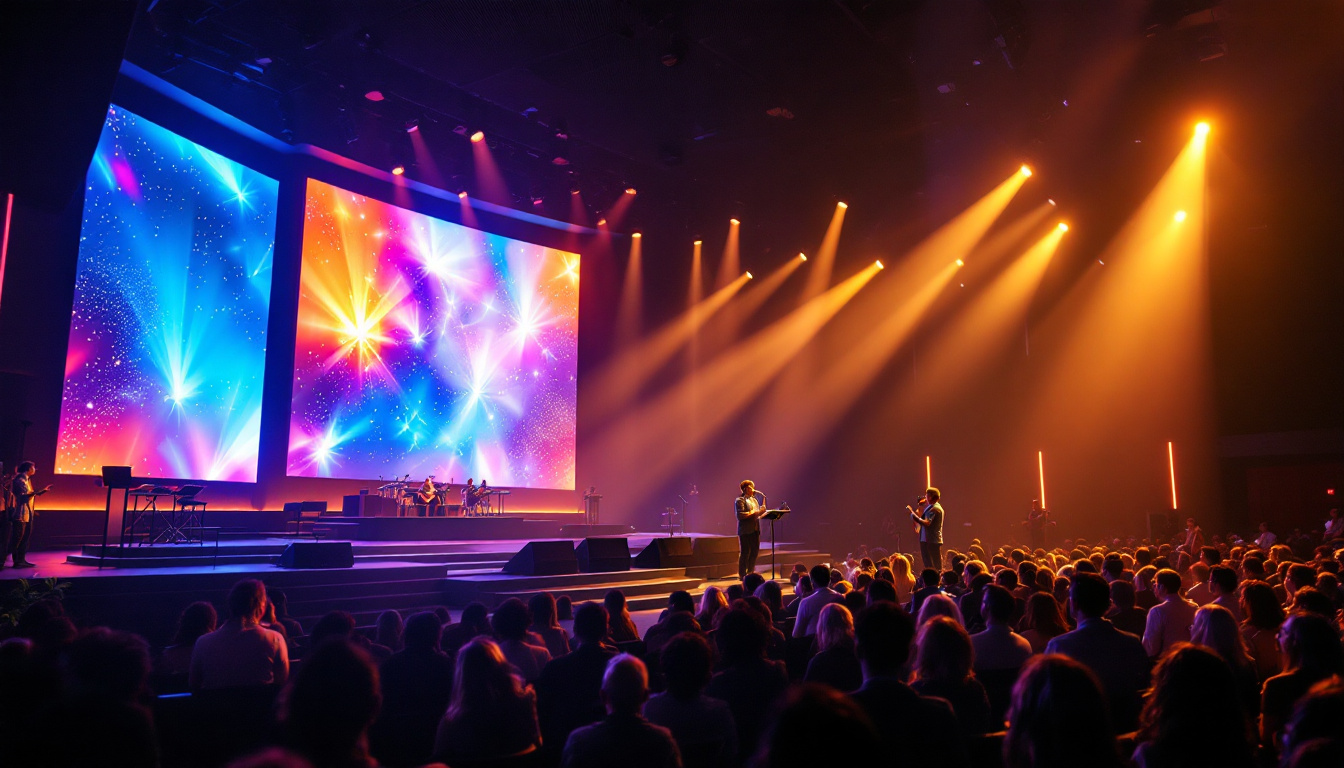
For sports events, jumbotrons often display instant replays, player statistics, and crowd interactions. In concerts, they project live video of performers, synchronized light shows, and visual effects that complement the music. Advertisers leverage the large format to showcase bold, memorable campaigns that can be seen by thousands of people simultaneously.
Applications and Benefits of Jumbotron LED Displays
Jumbotron LED displays have become ubiquitous in various sectors, from sports arenas and concert venues to public squares and transportation hubs. Their versatility and visual impact make them a preferred choice for large-scale digital communication.
Sports and Entertainment Venues
One of the most common applications of jumbotron images is in sports stadiums. These massive screens enhance the spectator experience by displaying live action, replays, scores, and interactive content. For example, the AT&T Stadium in Texas features a center-hung jumbotron that measures 160 feet wide and 72 feet tall, providing crystal-clear visuals to over 100,000 fans.
Concerts and festivals also utilize jumbotron LED displays to ensure that even those far from the stage can enjoy close-up views of performers. The ability to display dynamic content synchronized with music and lighting effects creates immersive experiences that elevate live performances.
Advertising and Public Information
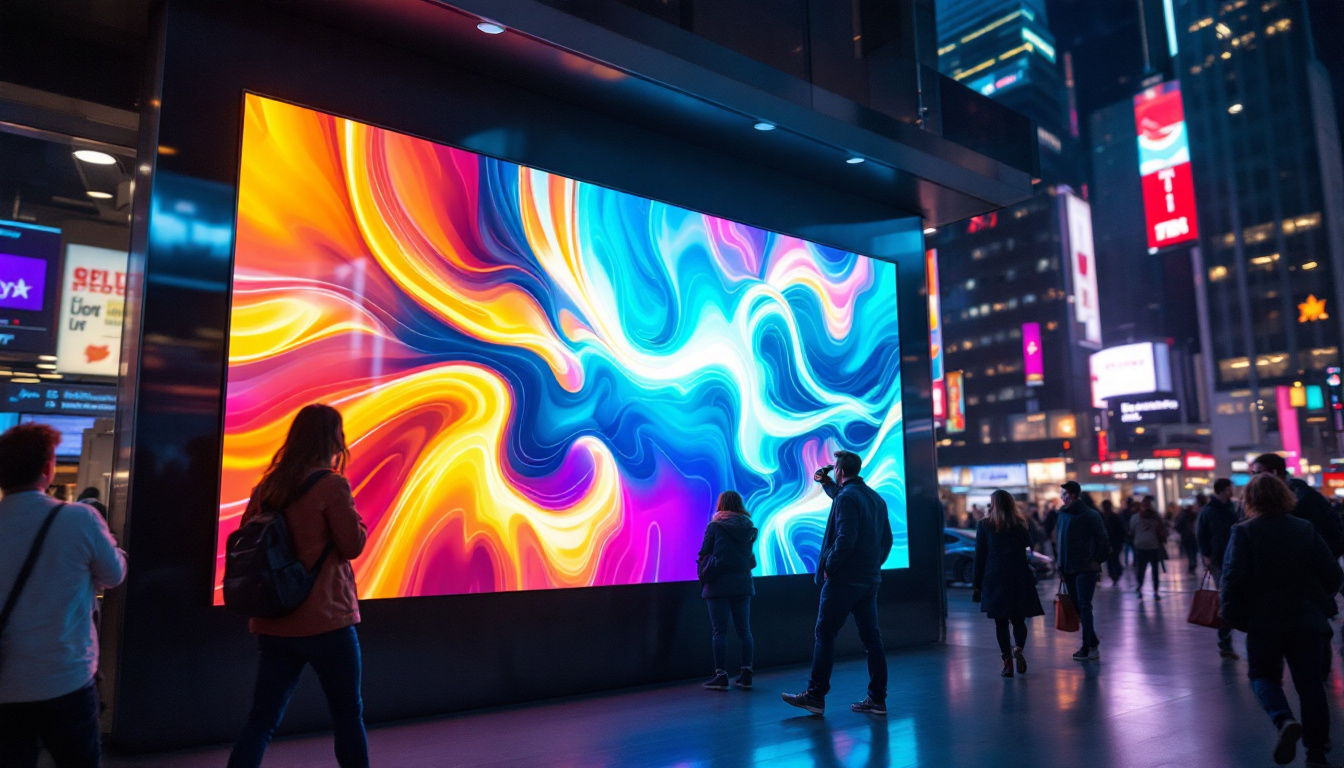
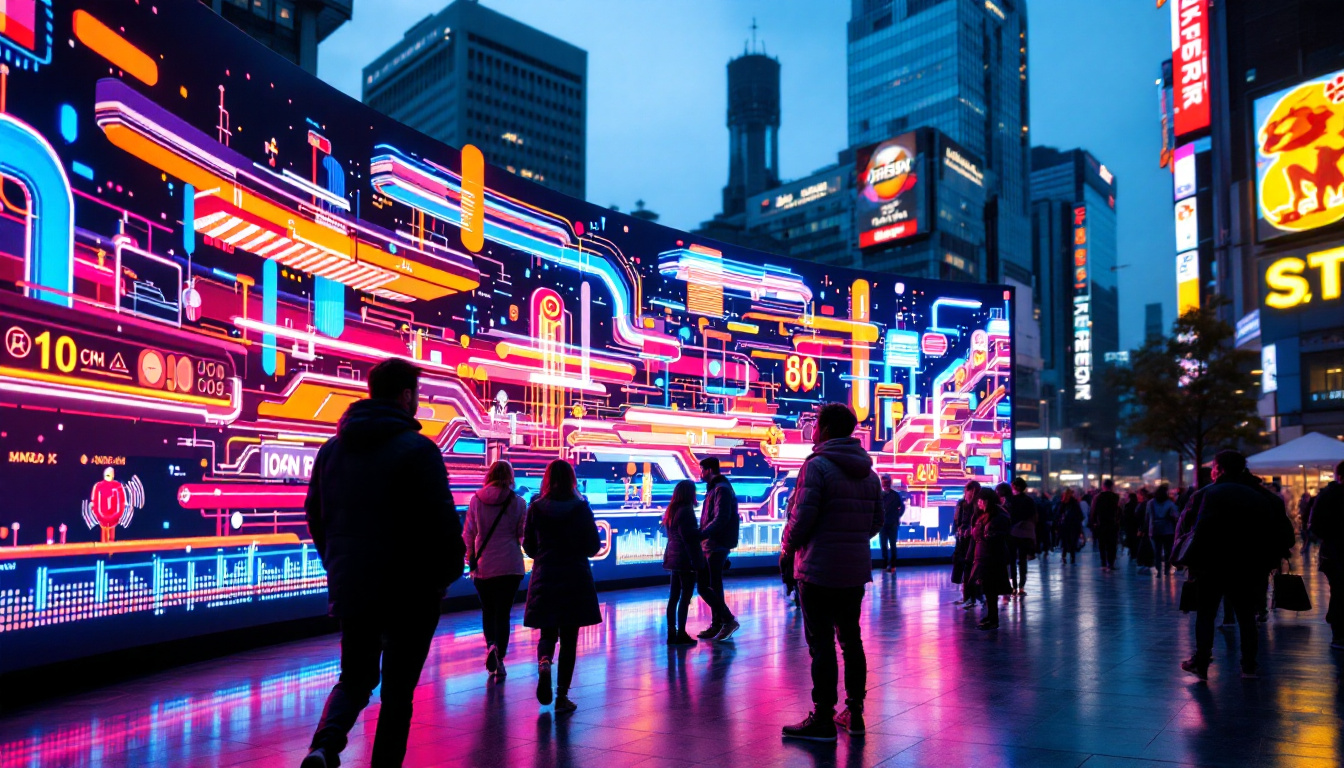
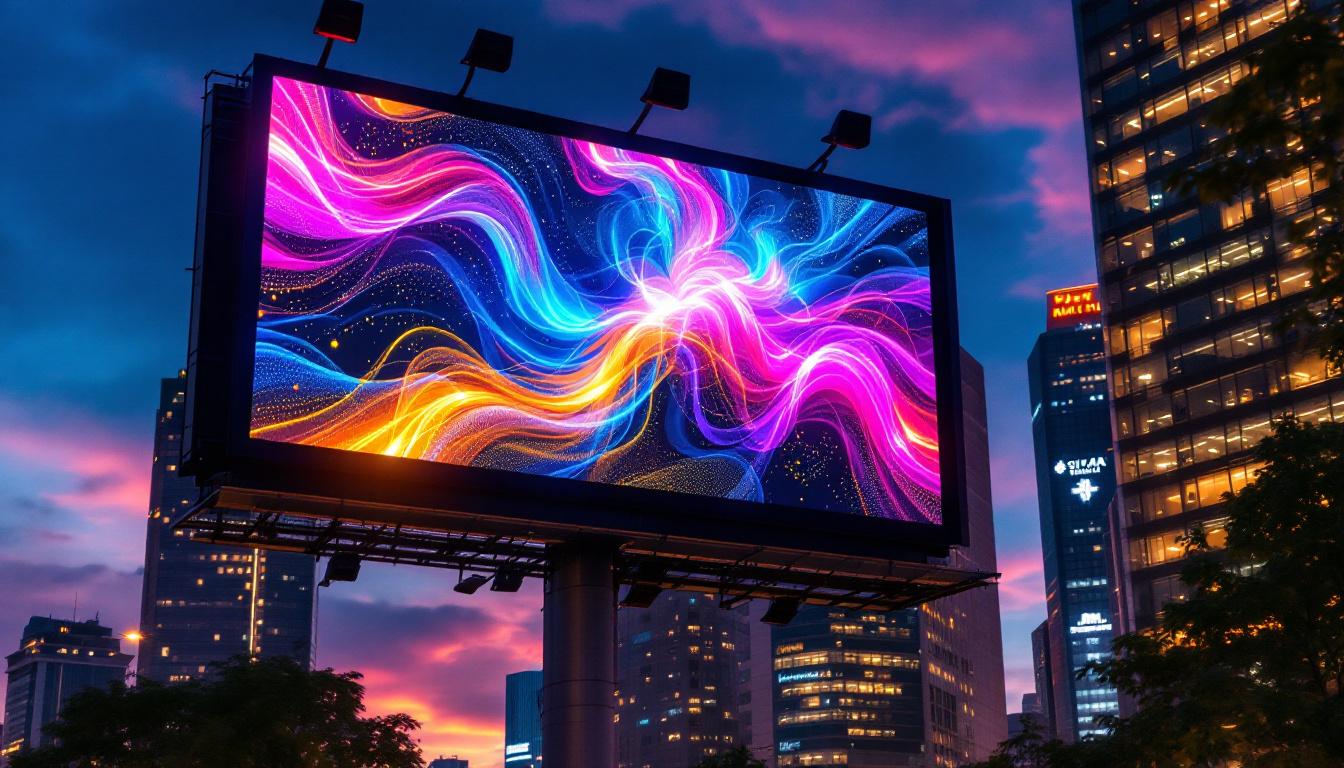
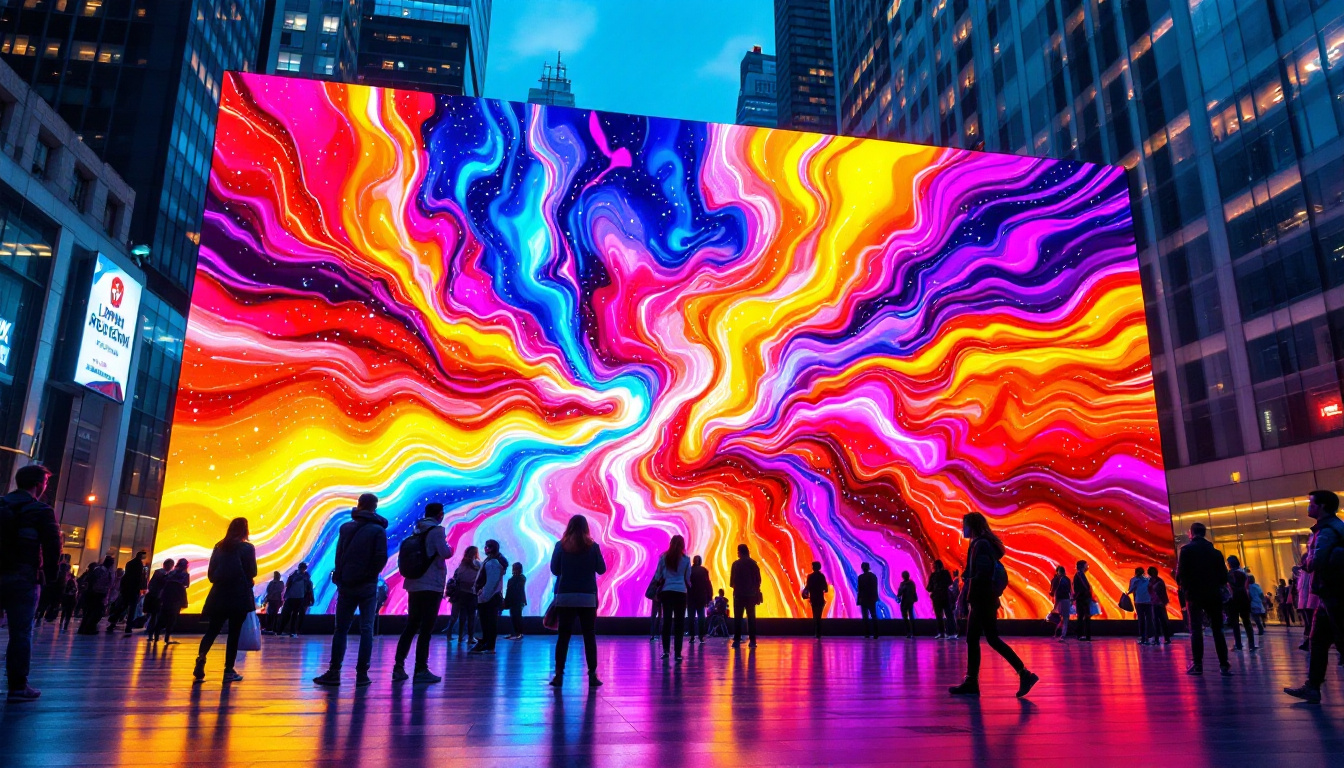
Jumbotrons are powerful advertising platforms, capable of reaching large audiences in high-traffic areas. Times Square in New York City is a prime example, where dozens of LED billboards and jumbotron screens display colorful, animated advertisements 24/7. This continuous exposure drives brand awareness and consumer engagement on an unprecedented scale.
Beyond advertising, jumbotrons serve public information purposes, such as displaying emergency alerts, event schedules, and community messages. Their visibility and adaptability make them effective tools for communication in urban environments.
Corporate and Event Use
Corporate events, trade shows, and product launches increasingly incorporate jumbotron LED displays to create impactful presentations. The ability to showcase high-definition videos, slideshows, and interactive content helps companies convey their messages more effectively and leave lasting impressions on attendees.
Temporary jumbotron installations are also popular for outdoor festivals, parades, and political rallies, where organizers need to reach large crowds with clear visual messaging.
Challenges and Considerations in Jumbotron Image Deployment
Despite their many advantages, deploying jumbotron LED displays and images involves several challenges that must be addressed to ensure success.
Cost and Maintenance
High-quality LED jumbotron displays represent a significant investment. The cost includes not only the initial purchase and installation but also ongoing maintenance and energy consumption. LEDs have a long lifespan—often exceeding 100,000 hours—but individual modules may require replacement over time due to wear or damage.
Regular maintenance is essential to preserve image quality and prevent issues such as dead pixels, color inconsistencies, or brightness degradation. This requires skilled technicians and can add to operational expenses.
Content Management and Scheduling
Managing content for jumbotron displays involves logistical and technical complexities. Content must be optimized for the specific display’s resolution and pixel pitch, and scheduled to run at appropriate times. For venues hosting multiple events, content management systems (CMS) are used to automate playback and ensure seamless transitions.
Additionally, content creators must consider copyright and licensing issues, especially when displaying live broadcasts or third-party media.
Environmental and Regulatory Factors
Outdoor jumbotron installations must comply with local regulations concerning brightness levels, light pollution, and structural safety. Excessive brightness can disturb nearby residents or drivers, leading to complaints or legal restrictions. Environmental factors such as weather, humidity, and temperature fluctuations also impact the durability and performance of LED displays.
Proper site assessment and adherence to regulatory guidelines are critical steps before installation.
The Future of Jumbotron LED Displays
As LED technology continues to evolve, the future of jumbotron images looks promising. Advances in mini-LED and micro-LED technologies are pushing pixel pitches even smaller, enabling ultra-high-resolution displays that rival traditional screens in clarity and color fidelity.
Higher Resolution and Flexibility
Emerging micro-LED displays feature pixel pitches as low as 0.5mm, which could bring unprecedented sharpness to large-format screens. This will open new possibilities for indoor jumbotrons in museums, corporate lobbies, and retail environments where viewers are closer to the display.
Flexible and transparent LED panels are also gaining traction, allowing for innovative installations on curved surfaces, windows, and even clothing. This flexibility will expand the creative potential of jumbotron images beyond traditional rectangular screens.
Integration with AI and Interactive Technologies
Artificial intelligence (AI) and machine learning are beginning to influence content creation and display management. AI-driven analytics can optimize content based on audience demographics, weather conditions, and time of day, enhancing relevance and engagement.
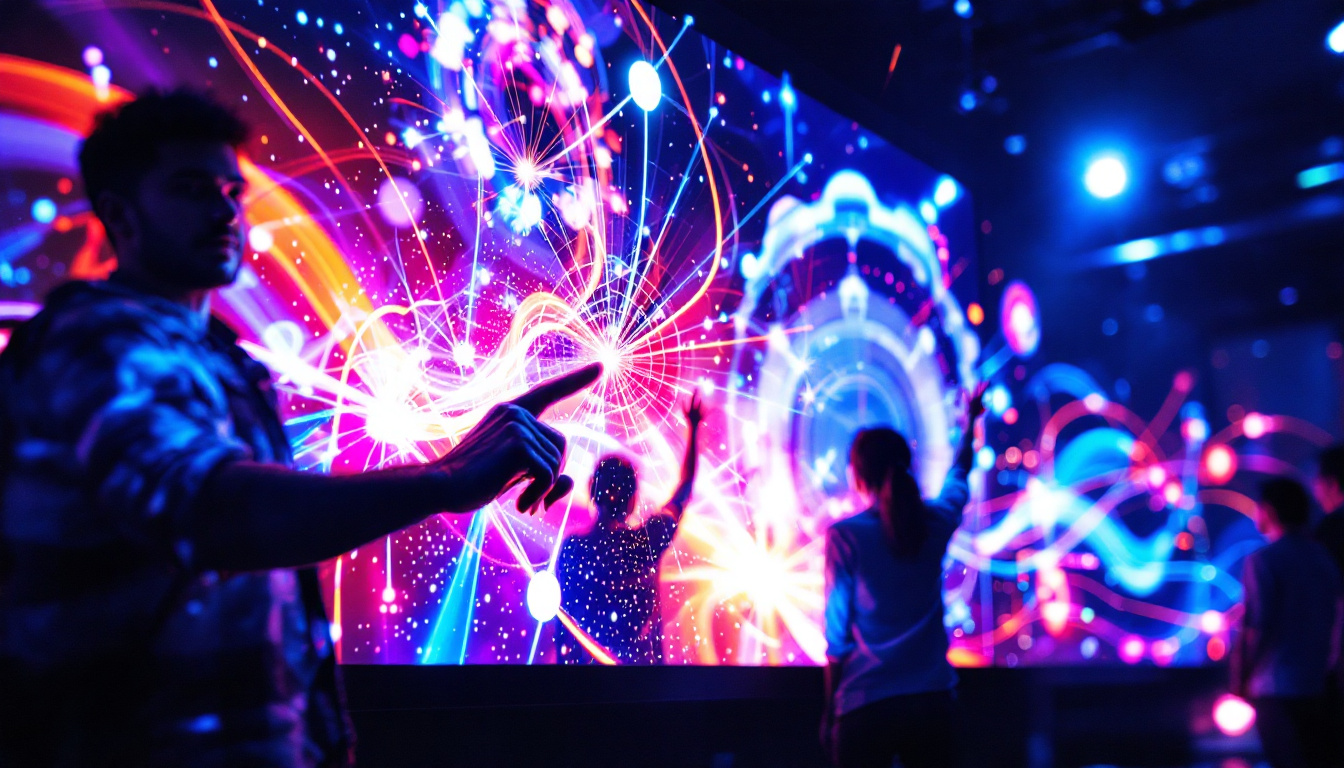
Interactive jumbotron displays that respond to gestures, mobile devices, or environmental cues are also emerging. These technologies promise to transform passive viewing into active participation, creating more memorable and personalized experiences.
Conclusion
Jumbotron images powered by LED display technology have transformed the way large audiences experience visual content. Their brightness, scale, and versatility make them indispensable tools for sports arenas, concerts, advertising, and public communication. Understanding the technology behind LED displays, the art of creating impactful jumbotron images, and the practical considerations involved helps stakeholders maximize their effectiveness.
As LED technology advances and integrates with new digital tools, jumbotron images will continue to evolve, offering richer, more immersive experiences for audiences worldwide.
Discover LumenMatrix LED Display Solutions
Ready to elevate your visual experience with the latest in LED display technology? LumenMatrix is at the forefront of innovation, offering a diverse range of LED display modules designed to bring your brand to life. From Indoor and Outdoor LED Wall Displays to specialized solutions like Vehicle, Sports, and Floor LED Displays, we have everything you need to create a truly captivating visual experience. Embrace the future of visual communication with our Custom, All-in-One, and Transparent LED Displays. Check out LumenMatrix LED Display Solutions today and see how we can help you make a lasting impression on your audience.