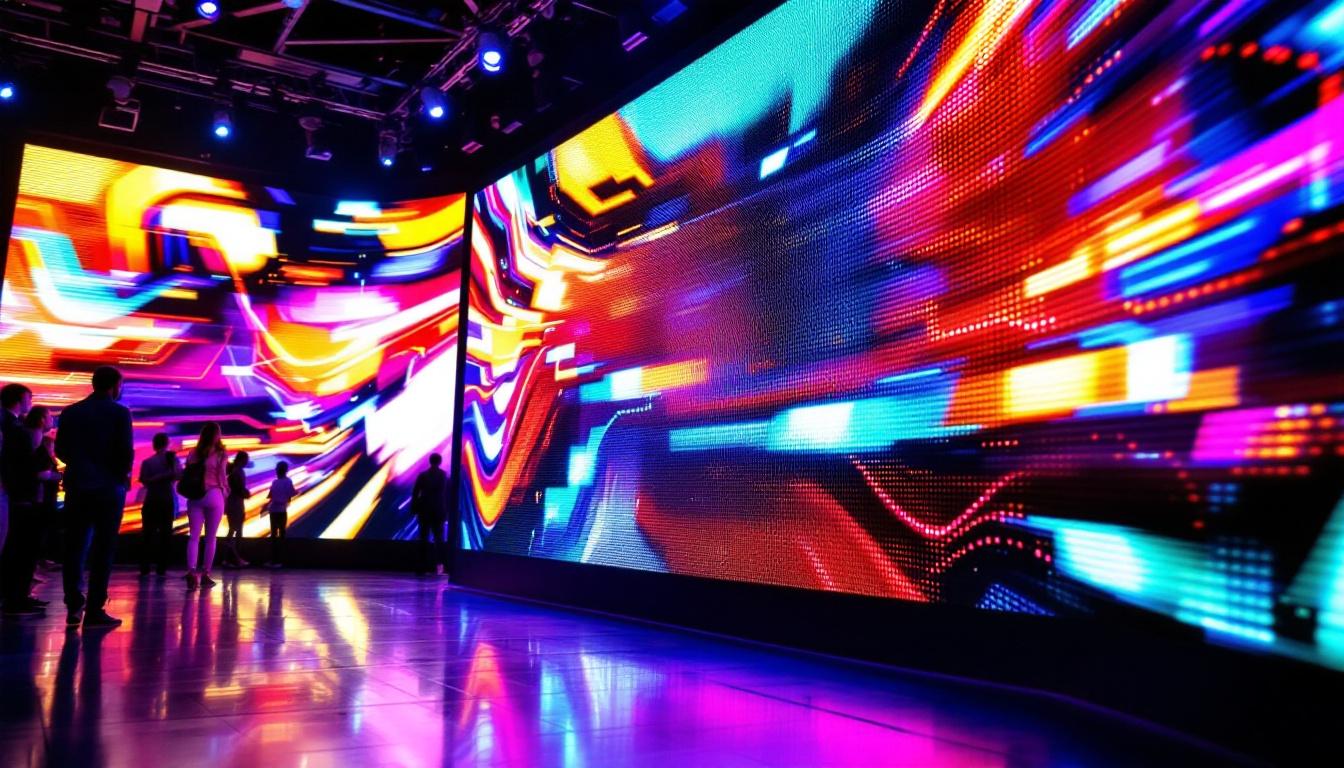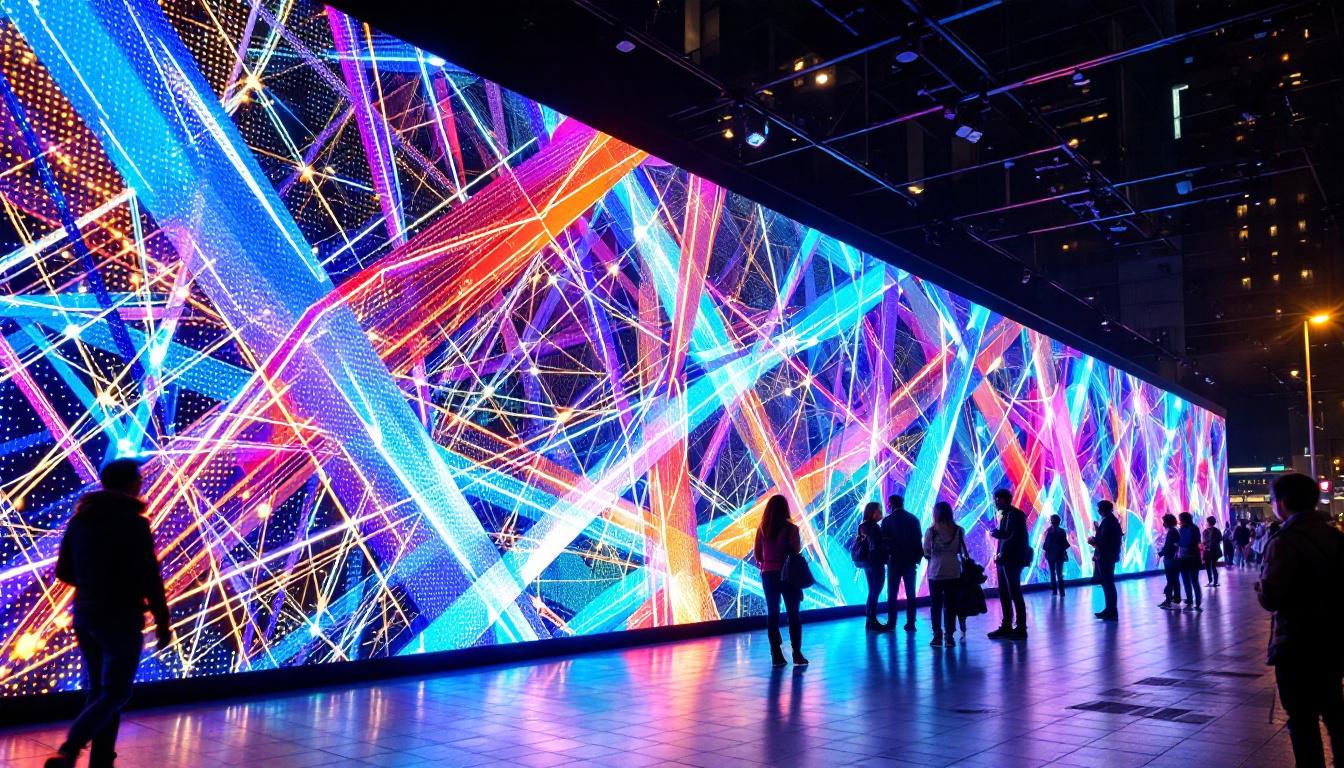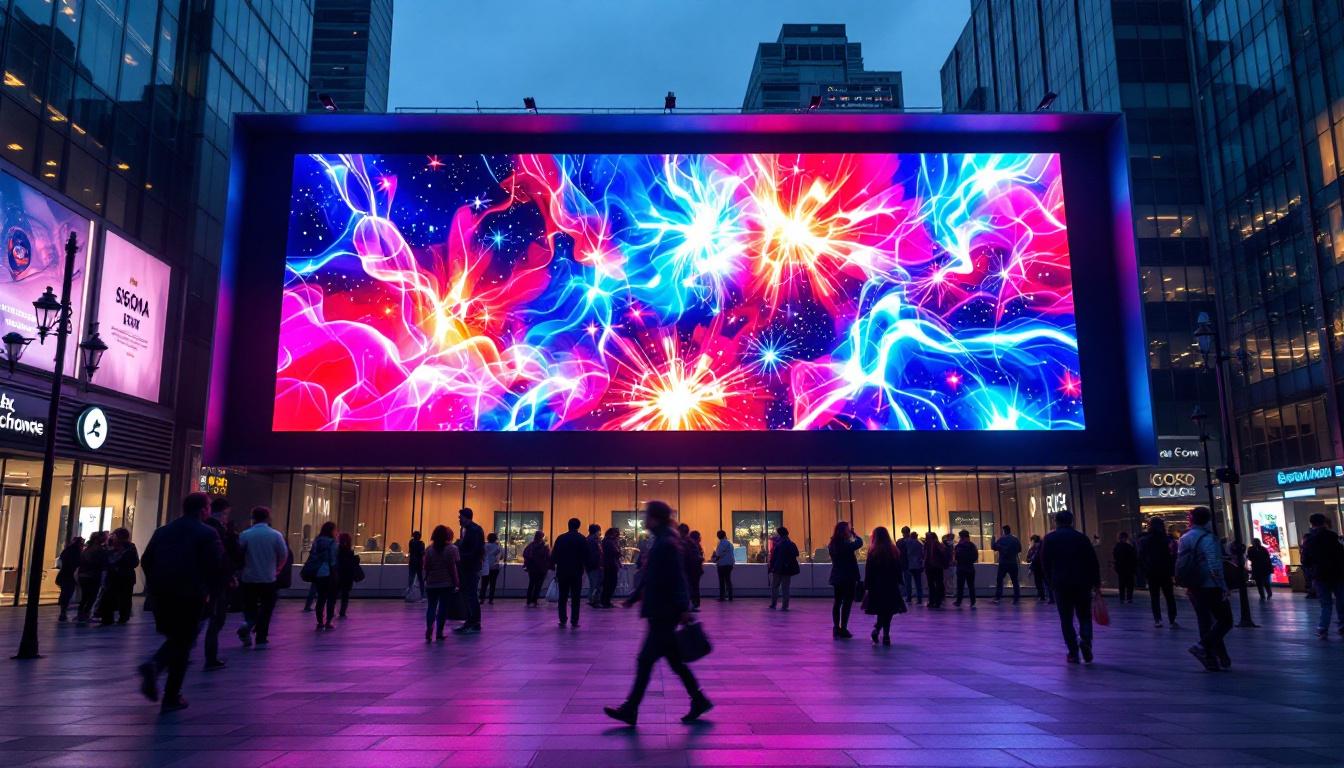
In the rapidly evolving world of digital signage and display technology, LED displays have emerged as a dominant force, transforming how businesses, advertisers, and public spaces communicate visually. The term “Digital Slp” often refers to digital signage and large panel displays that utilize LED technology to deliver vibrant, dynamic content. This comprehensive guide delves into the fundamentals of LED displays, their types, advantages, and applications, providing a clear understanding of why they have become the preferred choice for digital signage solutions worldwide.
Understanding LED Display Technology
LED, or Light Emitting Diode, technology is at the heart of modern digital displays. Unlike traditional LCD or plasma screens, LED displays use tiny diodes that emit light when an electric current passes through them. This fundamental difference allows LED displays to offer superior brightness, contrast, and energy efficiency. The ability of LEDs to turn on and off rapidly also contributes to their effectiveness in displaying dynamic content, making them ideal for environments where motion graphics and real-time information are crucial.
The core component of an LED display is the individual LED pixel, which can be a single color (red, green, or blue) or a combination of these to produce a full-color spectrum. By controlling the intensity of these LEDs, the display can render images, videos, and text with remarkable clarity and vibrancy. This pixel-level control not only enhances the visual experience but also allows for more intricate designs and animations, which can captivate audiences in various settings, from concerts to corporate events.
Types of LED Displays
LED displays come in various forms, each suited to different environments and purposes. The two primary categories are:
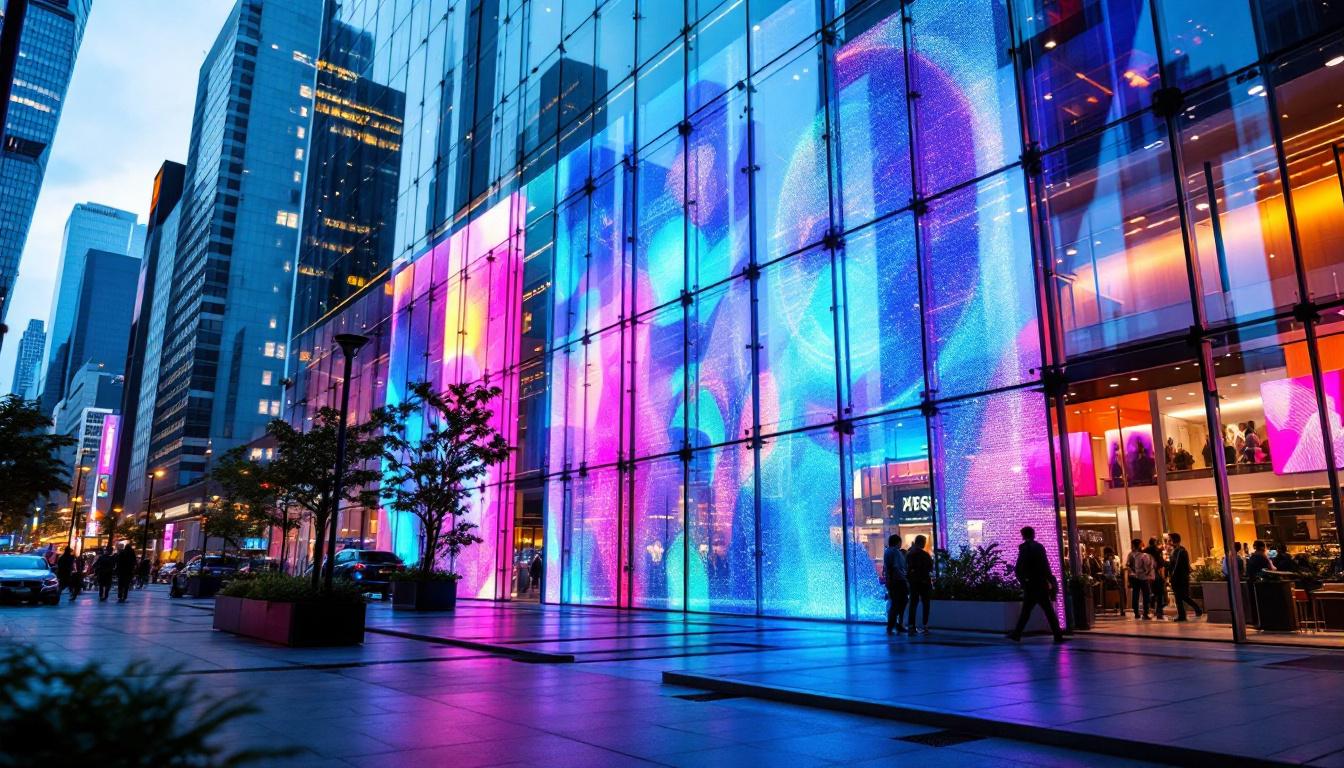
- Direct View LED Displays: These are composed of individual LEDs arranged in a grid, viewed directly by the audience. They are commonly used for large outdoor billboards, stadium screens, and indoor video walls. Their modular design allows for easy scaling, making it possible to create displays of virtually any size, from small screens in retail environments to massive installations in public spaces.
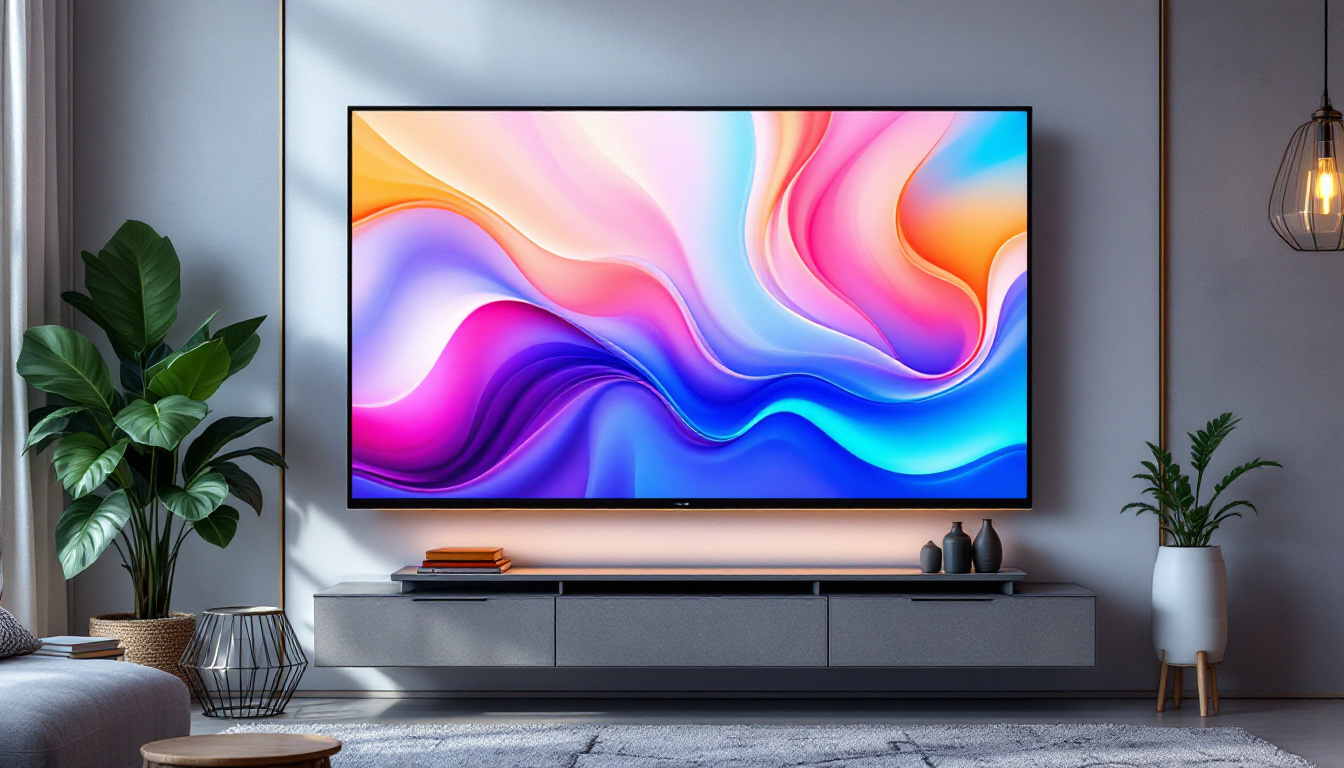
- LED-Backlit LCD Displays: These use LEDs as a backlight source behind an LCD panel. While not true LED displays, they benefit from LED technology’s energy efficiency and brightness improvements and are widely used in consumer electronics. The combination of LCD technology with LED backlighting results in thinner screens and improved color accuracy, making them a popular choice for televisions and computer monitors.
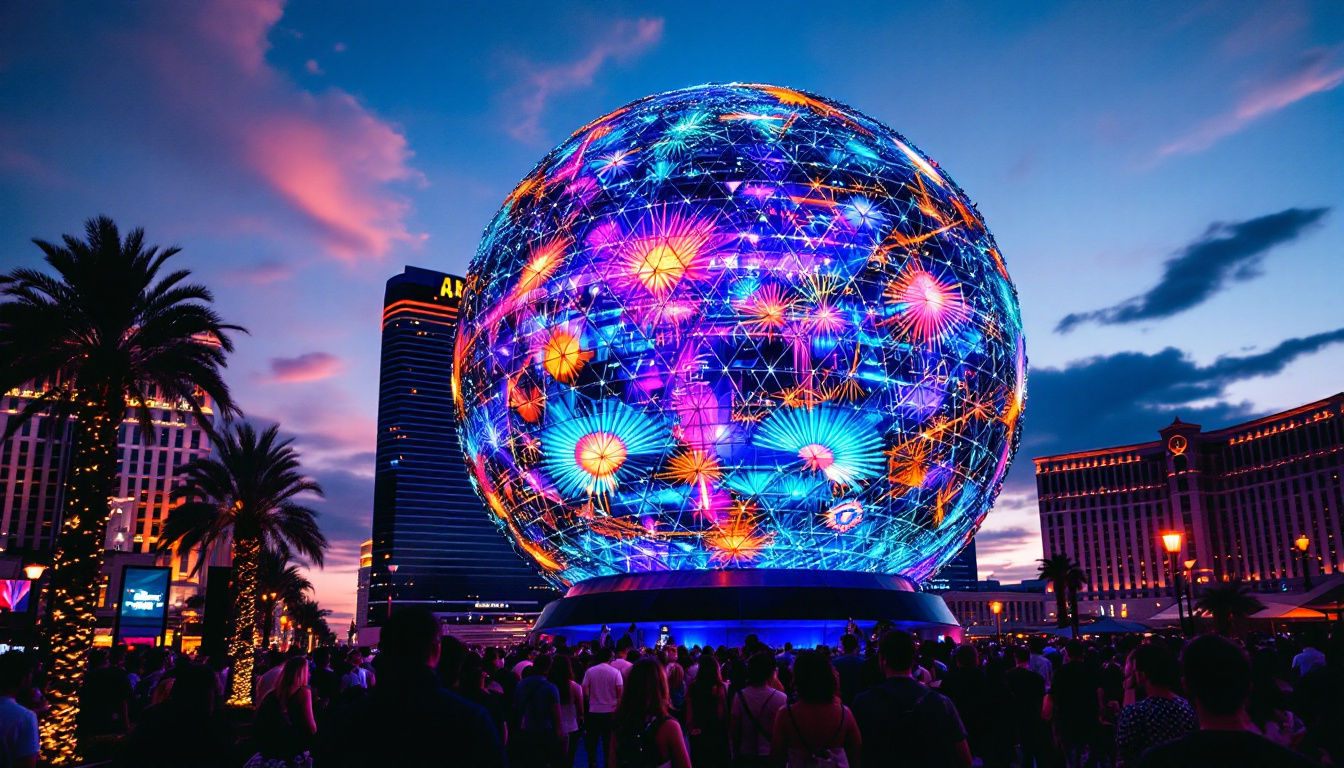
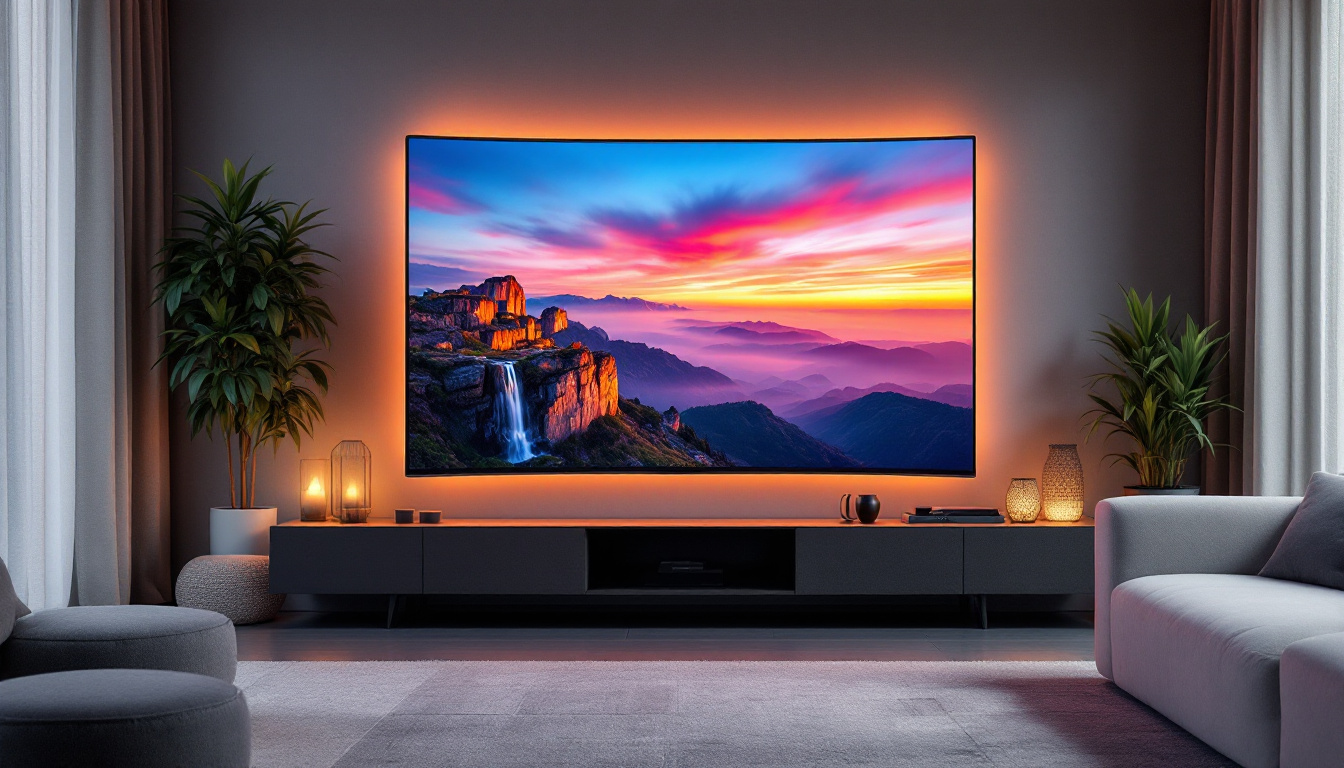
Direct View LED displays are particularly relevant in digital signage due to their scalability and ability to produce high brightness levels suitable for both indoor and outdoor use. They can be seen in a variety of applications, from advertising in bustling urban centers to information displays in transportation hubs. Additionally, advancements in LED technology have led to the development of flexible LED panels, which can be curved or shaped to fit unique architectural designs, further expanding their versatility in creative installations.
Moreover, the evolution of LED technology has also introduced features such as high dynamic range (HDR) and improved refresh rates, enhancing the viewing experience even further. HDR allows for a wider range of colors and contrasts, making images appear more lifelike, while higher refresh rates ensure smoother motion, which is particularly beneficial for video content. As a result, LED displays are becoming increasingly popular in entertainment, retail, and even educational environments, where engaging visuals can significantly impact audience interaction and retention.
Key Features and Advantages of LED Displays
LED displays offer several compelling advantages that make them ideal for digital signage applications. Understanding these features helps businesses and organizations make informed decisions when selecting display technology.
Brightness and Visibility
One of the standout features of LED displays is their exceptional brightness. Unlike LCD screens that rely on backlighting, LEDs emit their own light, allowing for much higher brightness levels. This makes LED displays highly visible even in direct sunlight, an essential attribute for outdoor advertising and public information displays.
For example, outdoor LED billboards can reach brightness levels exceeding 5,000 nits, ensuring clear visibility in various weather conditions and times of day. This level of brightness is critical in capturing the attention of passersby and delivering messages effectively.
Energy Efficiency and Longevity
LED technology is renowned for its energy efficiency. LEDs consume significantly less power compared to traditional lighting and display technologies, reducing operational costs over time. This efficiency is especially important for large-scale displays that operate continuously.
Additionally, LED displays have a longer lifespan, often rated between 50,000 to 100,000 hours of operation. This durability translates to lower maintenance costs and less frequent replacements, making LED displays a cost-effective investment.
Color Accuracy and Contrast
LED displays provide superior color accuracy and contrast ratios. Since each pixel emits its own light, LEDs can achieve true blacks by turning off individual diodes, unlike LCDs that rely on backlighting and struggle with black levels.
This capability results in vivid images with deep contrast, enhancing the overall viewing experience. For digital signage, this means clearer branding, sharper text, and more engaging visuals that resonate with audiences.
Flexibility and Scalability
LED displays are highly flexible in terms of size and shape. They can be configured into large video walls, curved surfaces, or even transparent displays, allowing for creative and impactful installations.
Scalability is another advantage; multiple LED panels can be seamlessly connected to create enormous displays without compromising image quality. This makes LED technology suitable for venues ranging from small retail stores to massive sports arenas.
Applications of LED Displays in Digital Signage
The versatility of LED displays has led to widespread adoption across various industries and settings. Their ability to deliver dynamic, eye-catching content makes them invaluable for communication and advertising.
Outdoor Advertising and Billboards
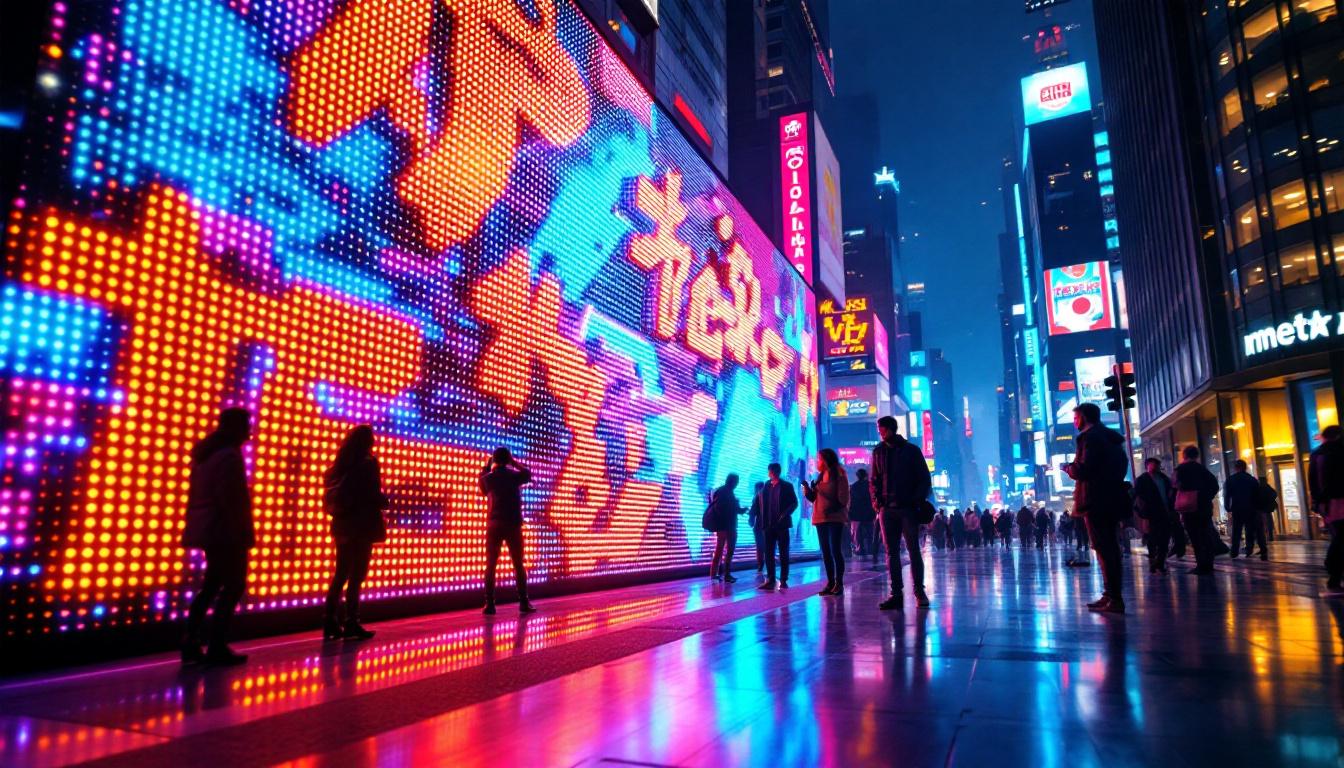
Outdoor LED billboards are among the most common applications, revolutionizing traditional static advertising. These digital billboards can display multiple ads in rotation, incorporate animations, and update content remotely in real time.
According to recent industry reports, the global digital billboard market is projected to grow at a CAGR of over 10% through 2027, driven largely by the adoption of LED technology. This growth underscores the importance of LED displays in modern advertising strategies.
Retail and Shopping Centers
Retail environments leverage LED displays to enhance customer engagement and promote products. From large video walls showcasing promotions to interactive LED kiosks, these displays create immersive shopping experiences.
Studies indicate that digital signage in retail can increase customer dwell time by up to 30%, which often correlates with higher sales. LED displays’ brightness and clarity make them ideal for brightly lit store environments.
Transportation Hubs and Public Spaces
Airports, train stations, and bus terminals utilize LED displays for real-time information dissemination, wayfinding, and advertising. Their high visibility ensures that critical information reaches travelers effectively, improving overall user experience.
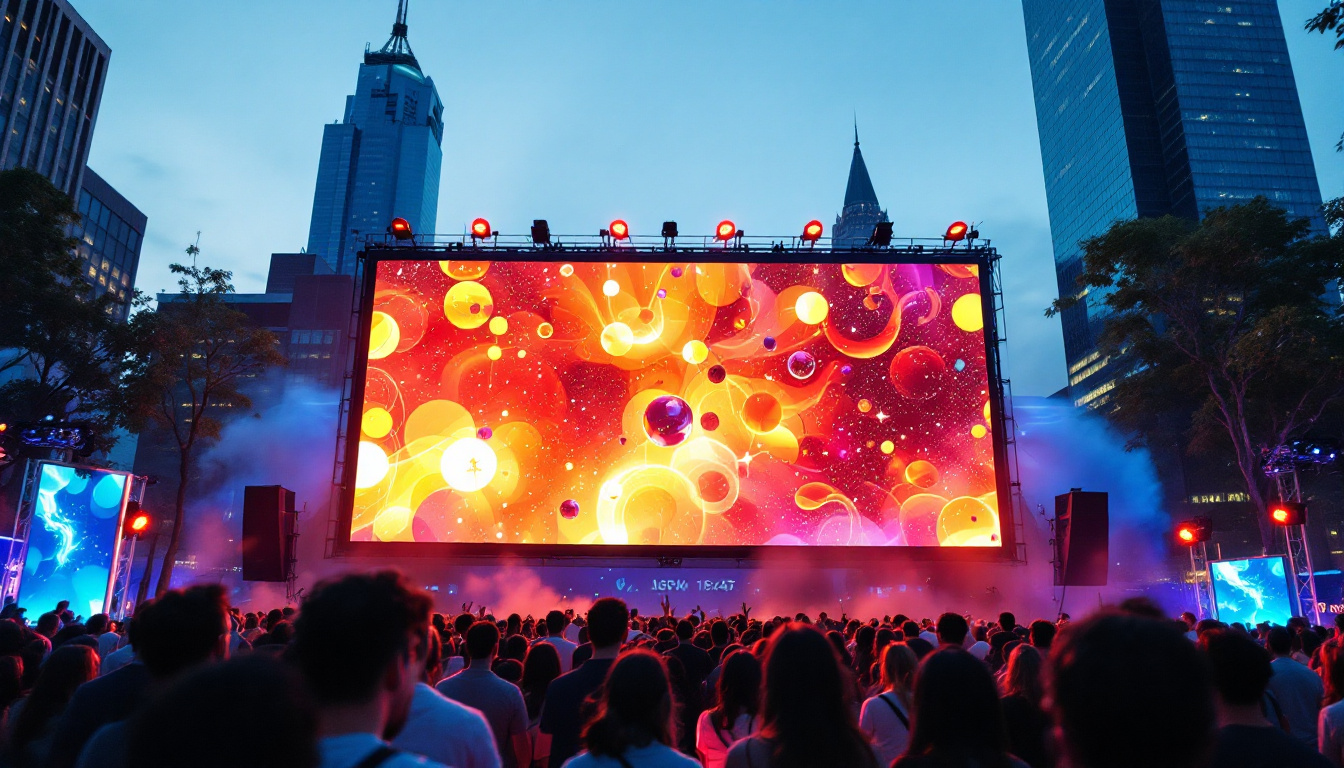
In public spaces, LED displays also serve as platforms for community messaging, event promotion, and emergency alerts, demonstrating their multifunctional role.
Sports and Entertainment Venues
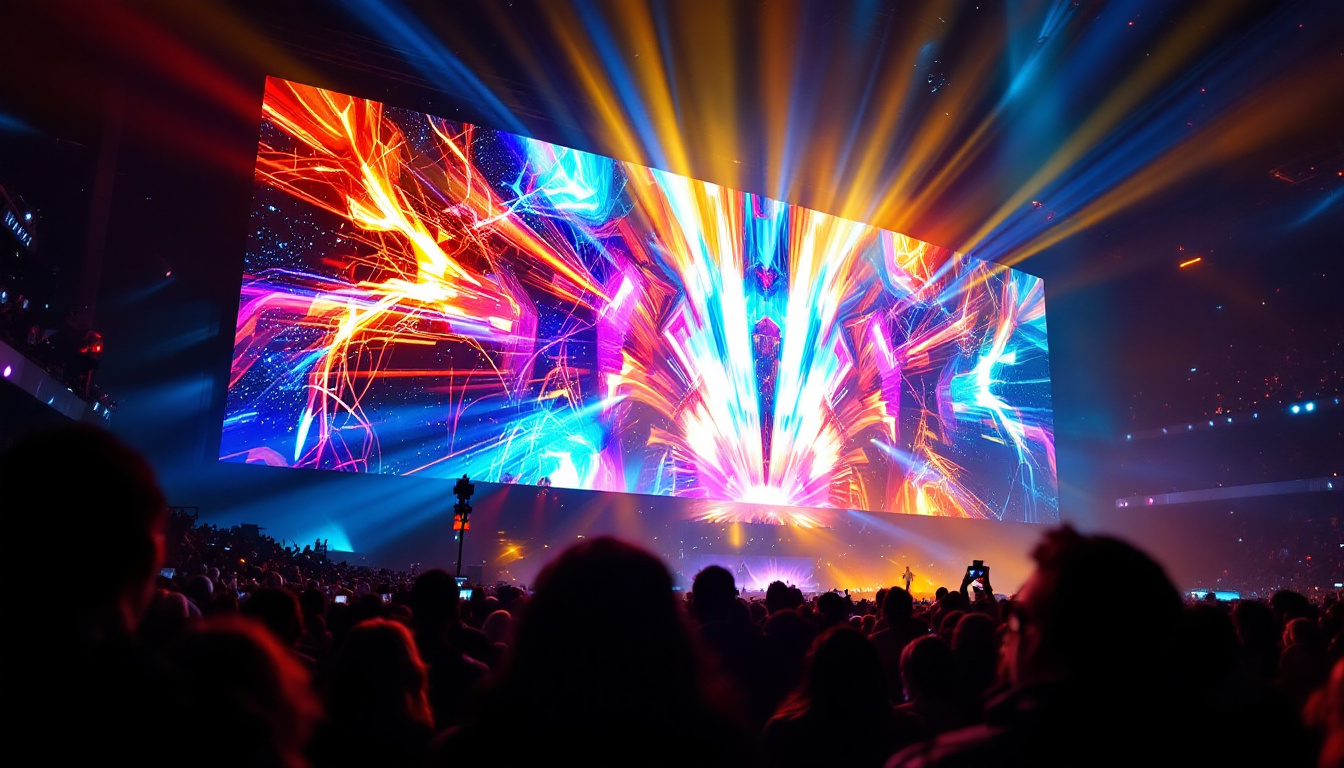
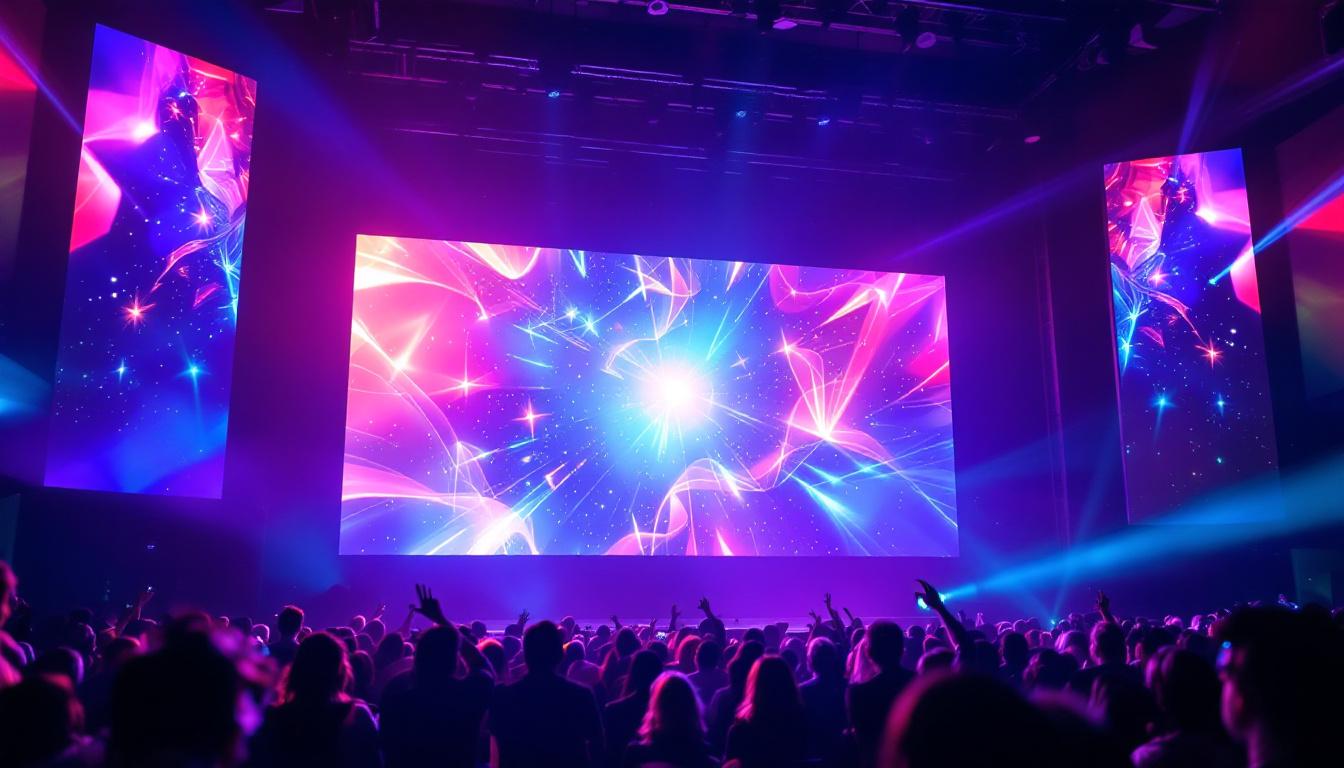
LED video walls and scoreboards are staples in stadiums and arenas. Their ability to deliver high-resolution live feeds, replays, and advertisements enhances spectator engagement and generates additional revenue streams.
Technological advancements have enabled ultra-high-definition LED displays with refresh rates suitable for fast-paced sports, ensuring smooth and clear visuals.
Choosing the Right LED Display: Factors to Consider
Selecting an LED display that aligns with specific needs requires careful evaluation of several factors. Understanding these considerations ensures optimal performance and return on investment.
Pixel Pitch and Resolution
Pixel pitch refers to the distance between the centers of two adjacent pixels and is measured in millimeters. It directly impacts the display’s resolution and viewing distance.
A smaller pixel pitch means higher resolution and sharper images, suitable for close viewing distances such as indoor retail displays. Conversely, larger pixel pitches are acceptable for outdoor billboards viewed from afar.
Brightness and Environmental Suitability
Assessing the typical ambient light conditions where the display will be installed is crucial. Outdoor displays require higher brightness levels to combat sunlight glare, while indoor displays can operate effectively at lower brightness, conserving energy.
Durability and Weather Resistance
For outdoor installations, LED displays must be weatherproof, with protection against rain, dust, and temperature extremes. Look for displays with appropriate IP (Ingress Protection) ratings to ensure longevity and reliability.
Content Management and Connectivity
Modern LED displays often come with integrated content management systems (CMS) that allow users to schedule, update, and manage content remotely. Connectivity options such as Wi-Fi, Ethernet, and even 5G support are important for seamless operation.
The Future of LED Displays in Digital Signage
As LED technology continues to advance, the future of digital signage looks increasingly dynamic and interactive. Innovations such as microLED and miniLED promise even higher resolution, better energy efficiency, and thinner displays.
Moreover, the integration of AI and IoT technologies is enabling smarter signage solutions that can adapt content based on audience demographics, weather conditions, or real-time analytics. This level of personalization enhances engagement and effectiveness.
Additionally, sustainability is becoming a priority, with manufacturers focusing on eco-friendly materials and energy-saving features to reduce the environmental impact of large-scale LED installations.
Conclusion
LED displays have revolutionized the digital signage landscape by offering unparalleled brightness, color accuracy, energy efficiency, and versatility. From towering outdoor billboards to intricate indoor video walls, LED technology enables compelling visual communication that captures attention and drives engagement.
For businesses and organizations seeking impactful digital display solutions, understanding the nuances of LED technology—from pixel pitch to environmental suitability—is essential. As the technology evolves, LED displays will continue to shape the future of digital communication, offering innovative ways to connect with audiences worldwide.
Discover LumenMatrix’s Innovative LED Display Solutions
Ready to elevate your visual communication strategy with the latest in LED display technology? LumenMatrix is at the forefront of creating immersive and dynamic visual experiences that captivate and engage. Whether you’re interested in Indoor LED Wall Displays, Outdoor LED Wall Displays, or specialized solutions like Vehicle LED Displays and LED Sports Displays, LumenMatrix has a tailored solution to meet your needs. Embrace the future of digital signage with our cutting-edge LED display modules and transform how your audience connects with your brand. Check out LumenMatrix LED Display Solutions today and step into a world of vivid imagery and impactful messaging.