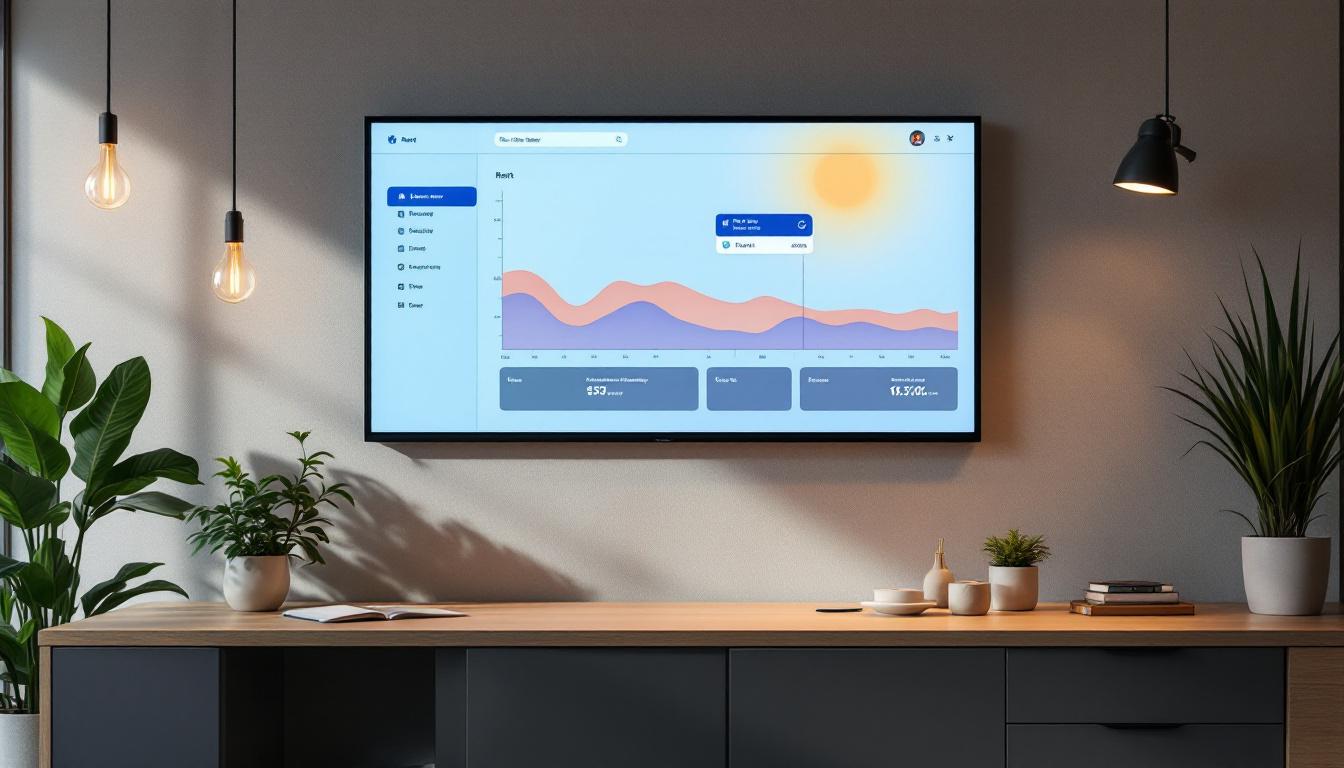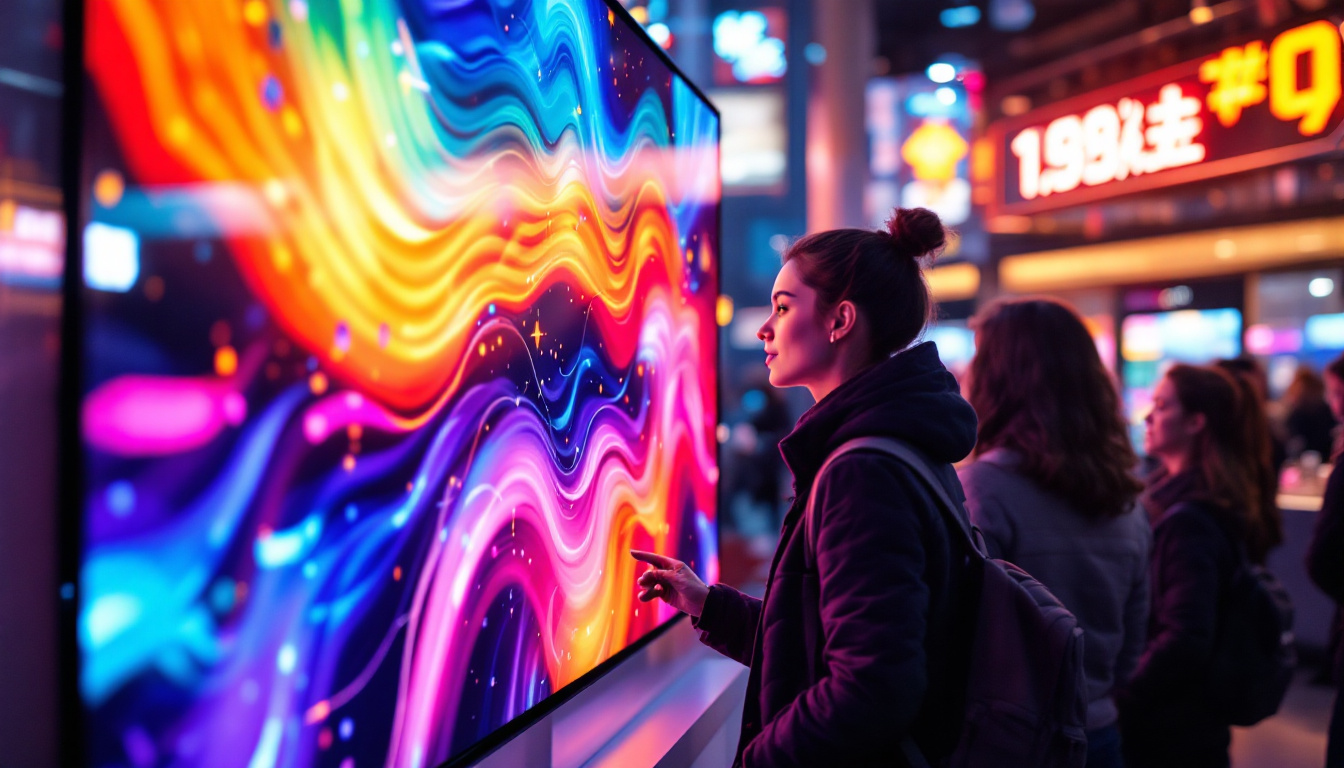
In the rapidly evolving world of technology, the interface between humans and machines is becoming more intuitive and immersive. One of the most significant advancements in this realm is the integration of touch capabilities with LED displays, giving rise to what is often referred to as “touchable computers.” These devices combine the vibrant visual experience of LED screens with the tactile responsiveness of touch technology, creating seamless and interactive user experiences.
This article delves deep into the technology behind LED displays, explores how touch functionality is integrated, and discusses the implications and applications of touchable computers in various industries. Whether you are a tech enthusiast, a professional in the display industry, or simply curious about how these devices work, this comprehensive guide will provide valuable insights.
Understanding LED Displays: The Foundation of Touchable Computers
What is an LED Display?
LED stands for Light Emitting Diode, a semiconductor device that emits light when an electric current passes through it. An LED display is a flat panel display that uses an array of LEDs as pixels for displaying images, videos, and other visual content. Unlike traditional LCDs that rely on backlighting, LED displays use these tiny diodes to produce light directly, resulting in brighter images, better contrast, and more vivid colors.
LED displays come in various forms, including:
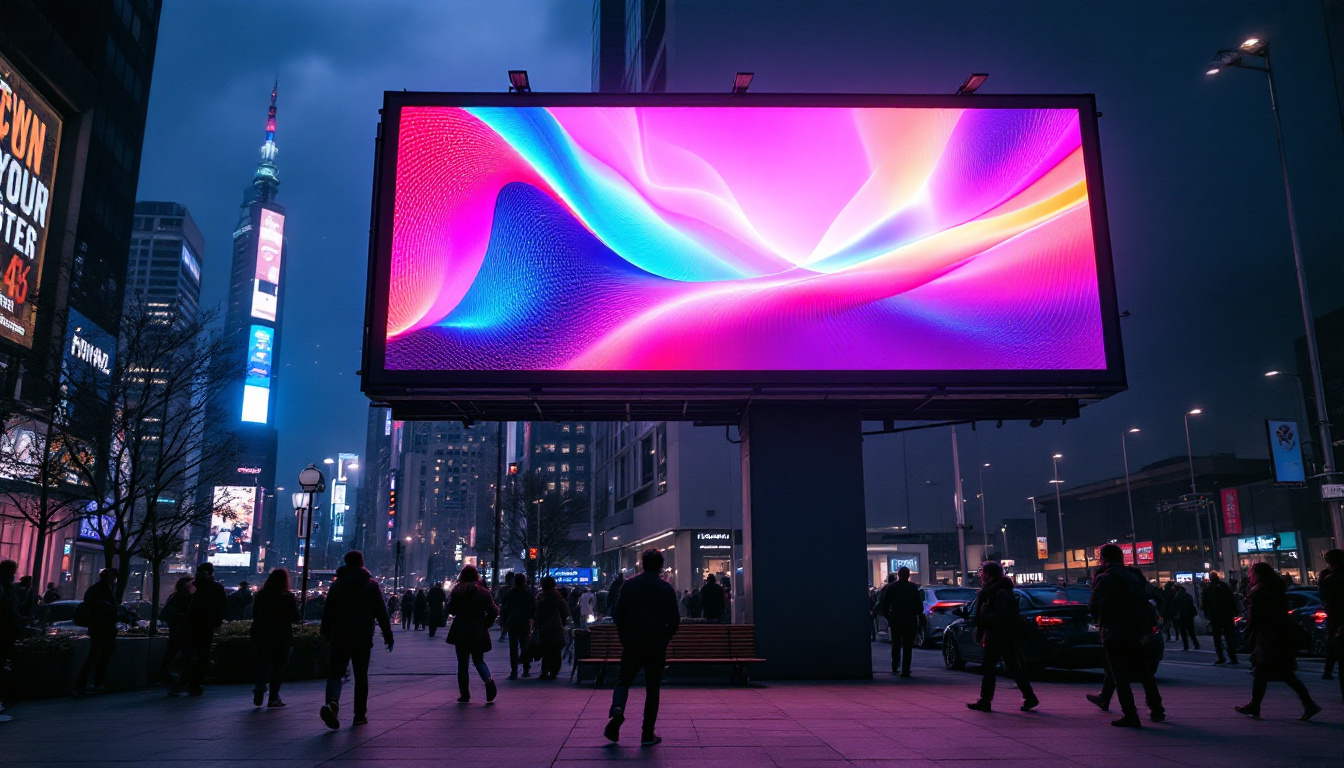
- Direct View LED (DV-LED): Typically used for large outdoor screens and billboards, where each pixel is an individual LED or cluster of LEDs.
- LED-backlit LCD: The most common type in consumer electronics, where LEDs provide the backlight for an LCD panel.
For touchable computers, the focus is primarily on LED-backlit LCDs and increasingly on OLED (Organic LED) displays, which offer superior color accuracy and flexibility. OLED technology, in particular, allows for screens that can be incredibly thin and even flexible, paving the way for innovative designs in devices that can bend or fold without sacrificing display quality.
In addition to their visual capabilities, LED displays are also known for their durability, making them ideal for environments where traditional screens might fail. The solid-state nature of LEDs means they are less susceptible to shock and vibration, which is particularly beneficial for mobile devices used in rugged conditions or by professionals in the field.
Advantages of LED Displays in Computing
LED displays have become the standard in computing devices due to several compelling advantages:
- Brightness and Visibility: LED displays can achieve higher brightness levels, making screens easier to view in various lighting conditions, including direct sunlight.
- Energy Efficiency: LEDs consume less power compared to older display technologies, contributing to longer battery life in portable devices.
- Thin and Lightweight: The compact nature of LEDs allows manufacturers to produce thinner and lighter devices, which is crucial for laptops, tablets, and all-in-one computers.
- Color Accuracy and Contrast: LED displays offer a wider color gamut and better contrast ratios, enhancing visual fidelity for multimedia applications.
Moreover, the rapid advancements in LED technology have led to the development of features such as adaptive brightness, which automatically adjusts the screen’s luminosity based on ambient light conditions. This not only enhances user comfort but also contributes to energy savings. Furthermore, the integration of LED displays with touch technology has transformed user interaction, allowing for more intuitive and engaging experiences. Touch-enabled LED displays are now commonplace in various applications, from smartphones to interactive kiosks, enabling users to interact directly with the content on their screens.
As we continue to explore the capabilities of LED displays, innovations such as microLED technology are on the horizon. MicroLEDs promise even greater pixel density and efficiency, potentially revolutionizing how we perceive digital content. This technology could lead to displays that are not only brighter and more vibrant but also more versatile, capable of being used in a wider array of applications, from virtual reality environments to large-scale digital art installations.
Integrating Touch Technology with LED Displays
How Touchscreens Work
Touchscreens enable users to interact directly with what is displayed, eliminating the need for peripheral input devices like a mouse or keyboard. There are several types of touch technologies, but the most prevalent in touchable computers are capacitive and resistive touchscreens.
- Resistive Touchscreens: These consist of two flexible layers separated by a gap. When pressure is applied, the layers touch, registering the location of the touch. While cost-effective, resistive screens are less sensitive and do not support multi-touch gestures.
- Capacitive Touchscreens: These use the electrical properties of the human body to detect touch. A capacitive screen is coated with a transparent conductor, and when a finger touches the screen, it changes the screen’s electrostatic field, allowing the device to pinpoint the exact location. Capacitive screens support multi-touch, gestures, and offer higher sensitivity and durability.
Modern touchable computers predominantly use capacitive touchscreens due to their superior performance and user experience.
Combining LED Displays with Touch Sensors
Integrating touch sensors with LED displays requires careful engineering to maintain display quality while enabling touch responsiveness. The touch sensor layer is typically added on top of the LED display panel. This integration can be achieved through:
- On-Cell Technology: The touch sensor is embedded within the LCD cell itself, reducing thickness and improving optical clarity.
- In-Cell Technology: The touch sensor is integrated directly into the display’s liquid crystal layer, allowing for even thinner displays and better touch accuracy.
- External Touch Panels: A separate touch-sensitive layer is placed over the display. While easier to manufacture and repair, this method can add thickness and reduce optical quality.
Each method has trade-offs in terms of cost, durability, and display performance, but advances in manufacturing have made in-cell and on-cell technologies increasingly popular in high-end touchable computers.
Applications and Impact of Touchable Computers
Consumer Electronics
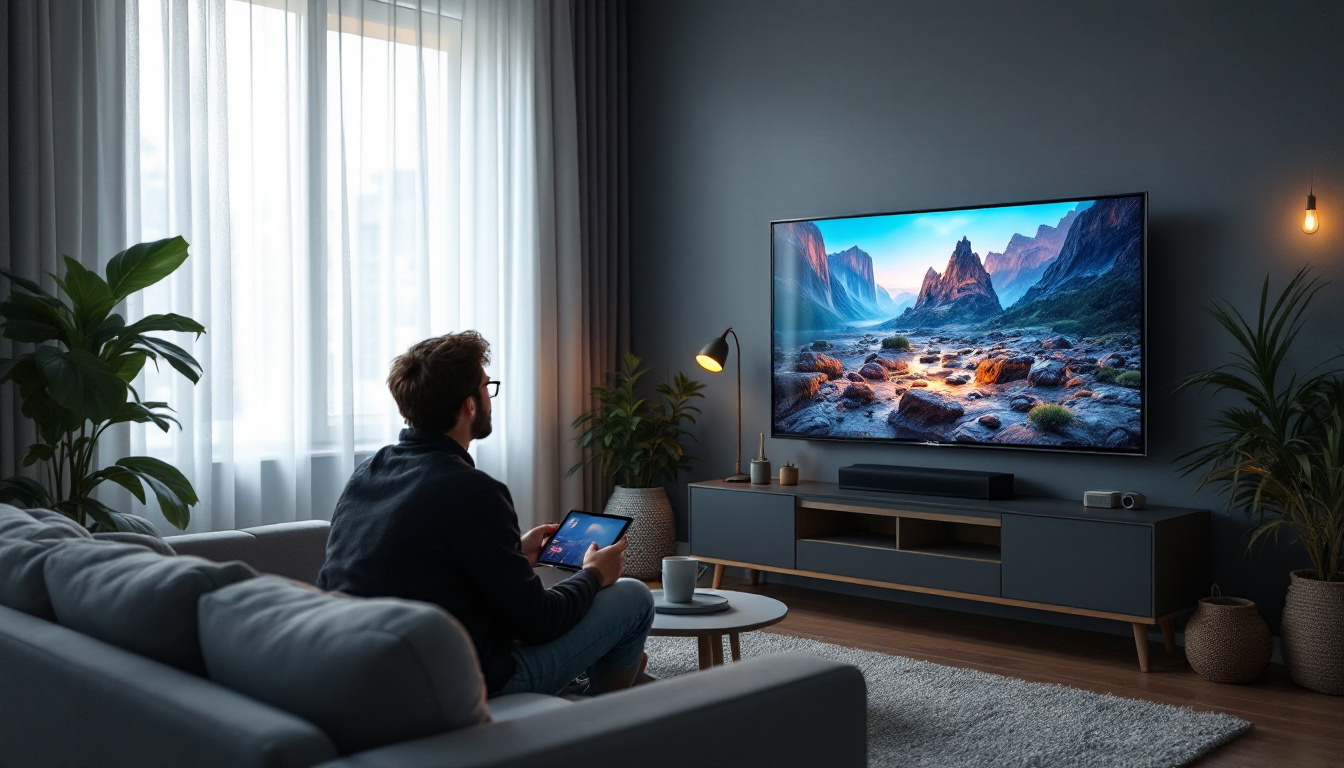
Touchable computers have revolutionized consumer electronics, especially laptops, tablets, and all-in-one PCs. Devices like Microsoft’s Surface line and Apple’s iPad Pro showcase how combining high-quality LED displays with responsive touchscreens can enhance productivity and creativity. Users can interact naturally through touch, stylus input, or gestures, enabling tasks such as drawing, note-taking, and multi-window management.
According to a 2023 report by Statista, the global touchscreen market is projected to reach $20 billion by 2027, driven largely by demand for touch-enabled laptops and tablets. This growth underscores the increasing consumer preference for touchable computing devices.
Education and Training
In educational settings, touchable computers facilitate interactive learning. Large touch-enabled LED displays allow teachers and students to engage collaboratively with digital content. These displays support multi-touch gestures, enabling multiple users to interact simultaneously, which is ideal for group projects and interactive lessons.
Furthermore, touchable computers are used in training simulations across industries such as healthcare, aviation, and manufacturing. The combination of vivid LED visuals and intuitive touch controls creates immersive environments that enhance skill acquisition and retention.
Business and Professional Use
In professional environments, touchable computers improve workflows and presentations. For example, architects and designers use touch-enabled LED displays to manipulate 3D models directly on screen. Sales teams leverage interactive displays for dynamic presentations that engage clients more effectively.
Retail and hospitality sectors also benefit from touchable computers through self-service kiosks and interactive digital signage. These applications rely on the durability and brightness of LED displays to operate reliably in high-traffic areas.
Technical Challenges and Future Trends
Challenges in Touch and LED Integration
Despite their advantages, integrating touch technology with LED displays presents several challenges:
- Durability: The touch layer must withstand repeated use without degrading display quality or responsiveness.
- Optical Clarity: Adding touch sensors can sometimes reduce brightness or introduce glare, affecting the user experience.
- Latency: Ensuring that touch input is registered instantly without lag is critical for usability, especially in creative applications.
Manufacturers continuously innovate to address these issues by developing new materials, refining sensor placement, and improving software algorithms.
Emerging Technologies Enhancing Touchable Computers
Several cutting-edge technologies are shaping the future of touchable computers:
- MicroLED Displays: Offering even higher brightness, contrast, and energy efficiency than traditional LEDs, MicroLEDs promise to revolutionize display quality in touchable devices.
- Flexible and Foldable Screens: Enabled by advances in OLED and MicroLED technology, these displays allow for new form factors such as foldable laptops and tablets, expanding the possibilities for touch interaction.
- Haptic Feedback Integration: Combining tactile feedback with touchscreens enhances the sensory experience, making interactions feel more natural and responsive.
- Advanced Stylus Technologies: Improvements in stylus precision and pressure sensitivity are enabling professional-grade digital drawing and note-taking on touchable computers.
Conclusion: The Future of Touchable Computing
Touchable computers, powered by LED display technology and sophisticated touch sensors, are transforming how people interact with digital content. The synergy between vibrant, high-resolution visuals and intuitive touch input creates devices that are not only functional but also engaging and accessible.
As technology continues to advance, the integration of new materials and innovative designs will further enhance the capabilities and applications of touchable computers. From education and business to entertainment and creative arts, these devices are poised to become central tools in everyday life.
Understanding the underlying LED display technology and the intricacies of touch integration provides a clearer picture of the remarkable engineering efforts that make these seamless user experiences possible. For anyone interested in the future of human-computer interaction, the evolution of touchable computers is a fascinating journey worth following.
Explore the Future with LumenMatrix LED Displays
Ready to experience the future of touchable computing? LumenMatrix is at the forefront of LED display innovation, offering a wide range of solutions that bring your digital interactions to life. From captivating Indoor and Outdoor LED Wall Displays to dynamic Vehicle and Sports LED Displays, our technology is designed to elevate your brand and engage your audience. Discover the power of intuitive touch interfaces combined with high-resolution visuals. Check out LumenMatrix LED Display Solutions today and transform the way you communicate visually.