In today’s digital age, LED displays have become ubiquitous, from the giant billboards towering over Times Square to the sleek screens in smartphones and televisions. However, understanding how these displays work, especially the relationship between physical size measured in inches and resolution measured in pixels, is essential for professionals and consumers alike. This article delves into the intricacies of LED displays, explaining key concepts such as pixel pitch, resolution, and viewing distance, and how these factors influence the quality and application of LED screens.
Understanding LED Displays: The Basics
LED, or Light Emitting Diode, technology has revolutionized the way images and videos are displayed. Unlike traditional LCD or plasma screens, LED displays use tiny diodes that emit light directly, resulting in brighter images, better contrast, and improved energy efficiency. But to truly grasp how these displays work, it’s important to understand the fundamental components that define their performance.
What Is Pixel Pitch?
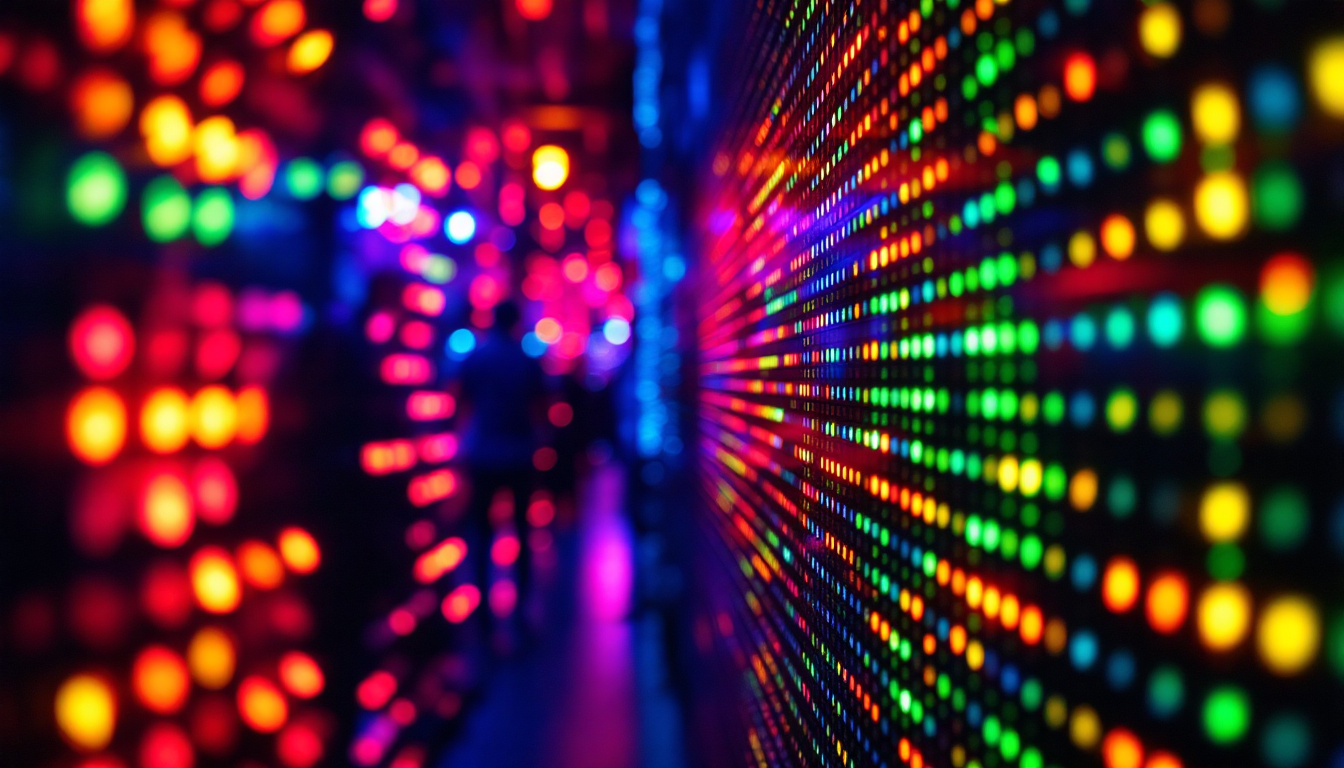
Pixel pitch is one of the most critical specifications when evaluating an LED display. It refers to the distance between the centers of two adjacent pixels, typically measured in millimeters (mm). For instance, a pixel pitch of 2.5mm means that the center-to-center distance between pixels is 2.5mm.
This measurement directly affects the display’s resolution and clarity. A smaller pixel pitch means pixels are packed more tightly together, resulting in higher resolution and sharper images. Conversely, a larger pixel pitch means fewer pixels per unit area, which can lead to a grainier image when viewed up close. Additionally, the choice of pixel pitch can significantly influence the viewing distance; displays with smaller pixel pitches are ideal for close-up viewing, such as in retail environments, while larger pixel pitches are more suitable for larger venues where viewers are positioned farther away.
Pixels and Inches: How They Relate
While pixel pitch is measured in millimeters, the physical size of an LED display is often expressed in inches. To understand how many pixels fit into a certain number of inches, it’s necessary to convert pixel pitch into pixels per inch (PPI).
The formula to calculate PPI is:
PPI = 25.4 mm / Pixel Pitch (mm)
For example, a pixel pitch of 2.5mm translates to approximately 10.16 pixels per inch (25.4 / 2.5 = 10.16). This means that for every inch of the display, there are roughly 10 pixels lined up horizontally and vertically.
Knowing the PPI helps determine the total resolution of the display based on its physical dimensions. For a 100-inch wide LED screen with a pixel pitch of 2.5mm, the horizontal pixel count would be approximately 100 inches × 10.16 PPI = 1,016 pixels. This calculation is crucial for designers and engineers who need to ensure that the display meets the visual requirements of the intended application, whether it be for digital signage, sports arenas, or high-definition video walls. Furthermore, understanding the relationship between pixel pitch, PPI, and resolution can help consumers make informed choices when selecting an LED display that best fits their needs, ensuring that they achieve the desired balance between image quality and cost-effectiveness.
Resolution and Image Quality: Why Size Isn’t Everything
Many people assume that the larger the screen, the better the image quality. However, resolution and pixel density play a far more significant role in determining how crisp and clear an image appears.
High Resolution vs. Large Size
Resolution refers to the total number of pixels displayed on a screen, typically expressed as width × height (e.g., 1920×1080). A screen with a higher resolution can display more detail, but if the pixel pitch is large, the image may still appear pixelated when viewed up close.
For example, a 50-inch LED display with a pixel pitch of 1.5mm will have a much higher pixel density and sharper image than a 100-inch display with a pixel pitch of 5mm. This is why LED displays designed for indoor use, where viewers are closer, often have smaller pixel pitches compared to outdoor displays, which prioritize size and brightness over ultra-high resolution.
Moreover, the technology behind the display also plays a vital role in image quality. For instance, OLED displays offer superior contrast ratios and color accuracy compared to traditional LCDs. This means that even at lower resolutions, an OLED screen can produce vibrant colors and deep blacks, enhancing the overall viewing experience. As a result, consumers are often faced with the dilemma of choosing between larger screens and superior display technologies, each offering distinct advantages that cater to different viewing preferences.
Viewing Distance and Optimal Pixel Pitch
Viewing distance is a crucial factor in determining the appropriate pixel pitch for an LED display. The general rule of thumb is that the optimal viewing distance (in meters) should be roughly equal to the pixel pitch (in millimeters) multiplied by 1,000.
For instance, a display with a 3mm pixel pitch is best viewed from about 3 meters away. If viewers are closer than this, the image may appear pixelated; if they are farther away, the extra resolution may be unnecessary.
This relationship helps manufacturers and designers select the right LED display specifications for different environments, whether it’s a massive outdoor billboard or a digital menu board inside a restaurant. Additionally, factors like ambient lighting and the content being displayed can also influence the perceived quality of the image. For example, bright environments may require displays with higher brightness levels and contrast ratios to ensure that the content remains legible and visually appealing. This is particularly important in settings like retail spaces or public venues, where capturing the attention of passersby is essential for effective communication.
Types of LED Displays and Their Applications
Not all LED displays are created equal. Depending on the intended use, LED technology is tailored to meet specific requirements regarding size, resolution, brightness, and durability.
Indoor LED Displays
Indoor LED displays typically feature smaller pixel pitches, often ranging from 0.9mm to 4mm. These displays are designed for close viewing distances, such as in conference rooms, retail stores, or control centers. The high pixel density ensures sharp images and smooth video playback, even when viewers are just a few feet away.
For example, a 2mm pixel pitch indoor LED screen measuring 100 inches diagonally can deliver Full HD resolution (1920×1080 pixels) with excellent image clarity, making it ideal for presentations, advertising, and entertainment.
Outdoor LED Displays
Outdoor LED screens prioritize brightness and durability to withstand harsh weather conditions and direct sunlight. Pixel pitches for outdoor displays typically range from 4mm to 20mm or more, depending on the viewing distance.
Because these screens are viewed from farther away, the larger pixel pitch does not significantly impact perceived image quality. Instead, the focus is on ensuring the display is visible even in bright daylight. For instance, a 10mm pixel pitch LED billboard viewed from 30 meters away will appear crisp and vibrant.
Flexible and Transparent LED Displays
Recent advancements have introduced flexible and transparent LED displays, expanding the possibilities for creative installations. Flexible LED panels can curve around surfaces, while transparent LED screens allow light to pass through, making them suitable for glass facades and retail windows.
These displays often have pixel pitches similar to indoor models but require specialized design considerations to balance transparency, brightness, and resolution.
Calculating Pixel Density and Resolution for LED Displays
For professionals involved in the design, installation, or purchase of LED displays, understanding how to calculate pixel density and resolution is essential to ensure the display meets the intended purpose.
Step-by-Step Calculation Example
Consider a 120-inch wide LED display with a pixel pitch of 3mm. To calculate the horizontal pixel count:
- Convert the width from inches to millimeters: 120 inches × 25.4 = 3,048 mm
- Divide the width in millimeters by the pixel pitch: 3,048 mm / 3 mm = 1,016 pixels
Assuming the display’s aspect ratio is 16:9, the height in pixels can be calculated as:
Height pixels = (9 / 16) × 1,016 ≈ 572 pixels
Therefore, the total resolution is approximately 1,016 × 572 pixels.
Determining Suitable Pixel Pitch
To select an appropriate pixel pitch, consider the typical viewing distance. For example, if the average viewer stands 5 meters away, the pixel pitch should be around 5mm for optimal clarity.
Choosing a pixel pitch smaller than necessary increases cost without improving perceived image quality, while a larger pixel pitch may result in a pixelated image for close viewers.
Future Trends in LED Display Technology
LED display technology continues to evolve rapidly, driven by demand for higher resolutions, improved energy efficiency, and innovative form factors.
MicroLED and MiniLED Advances
MicroLED and MiniLED technologies represent the next generation of LED displays. MicroLEDs are tiny LEDs measuring less than 100 micrometers, enabling ultra-high pixel densities and exceptional brightness. MiniLEDs, slightly larger, are used as backlighting in LCD displays to improve contrast and color accuracy.
These technologies promise to deliver displays with better performance than OLEDs, including longer lifespan and higher brightness, making them ideal for future TVs, smartphones, and large-scale digital signage.
Higher Refresh Rates and HDR Support
Modern LED displays increasingly support higher refresh rates (120Hz and above) and High Dynamic Range (HDR), enhancing motion smoothness and color depth. These features are especially important for applications like gaming, live events, and immersive advertising.
Integration with AI and IoT
Smart LED displays are integrating with artificial intelligence (AI) and the Internet of Things (IoT) to enable dynamic content adaptation based on audience demographics, environmental conditions, and real-time analytics. This trend is transforming LED displays from static signage into interactive communication platforms.
Conclusion: Making Informed Choices in LED Displays
Understanding the relationship between inches and pixels in LED displays is fundamental to selecting the right screen for any application. Pixel pitch, resolution, and viewing distance are interdependent factors that collectively determine image quality and viewer experience.
Whether installing a massive outdoor billboard or a high-resolution indoor video wall, careful consideration of these parameters ensures optimal performance and value. As LED technology advances, staying informed about new developments will help businesses and consumers make the most of this versatile and powerful display medium.
Explore Cutting-Edge LED Display Solutions with LumenMatrix
Ready to elevate your visual communication with the latest in LED technology? LumenMatrix offers a comprehensive range of LED display solutions tailored to meet your specific needs. From vibrant Indoor LED Wall Displays to robust Outdoor LED Wall Displays, and from dynamic Vehicle LED Displays to sleek LED Poster Displays, our products are designed to captivate and engage your audience. Discover how our LED Sports Displays, Floor LED Displays, Custom LED Displays, All-in-One LED Displays, and LED Transparent Displays can transform your space and message. Experience the future of digital signage with LumenMatrix and Check out LumenMatrix LED Display Solutions today to see how we can help you make a lasting impression.