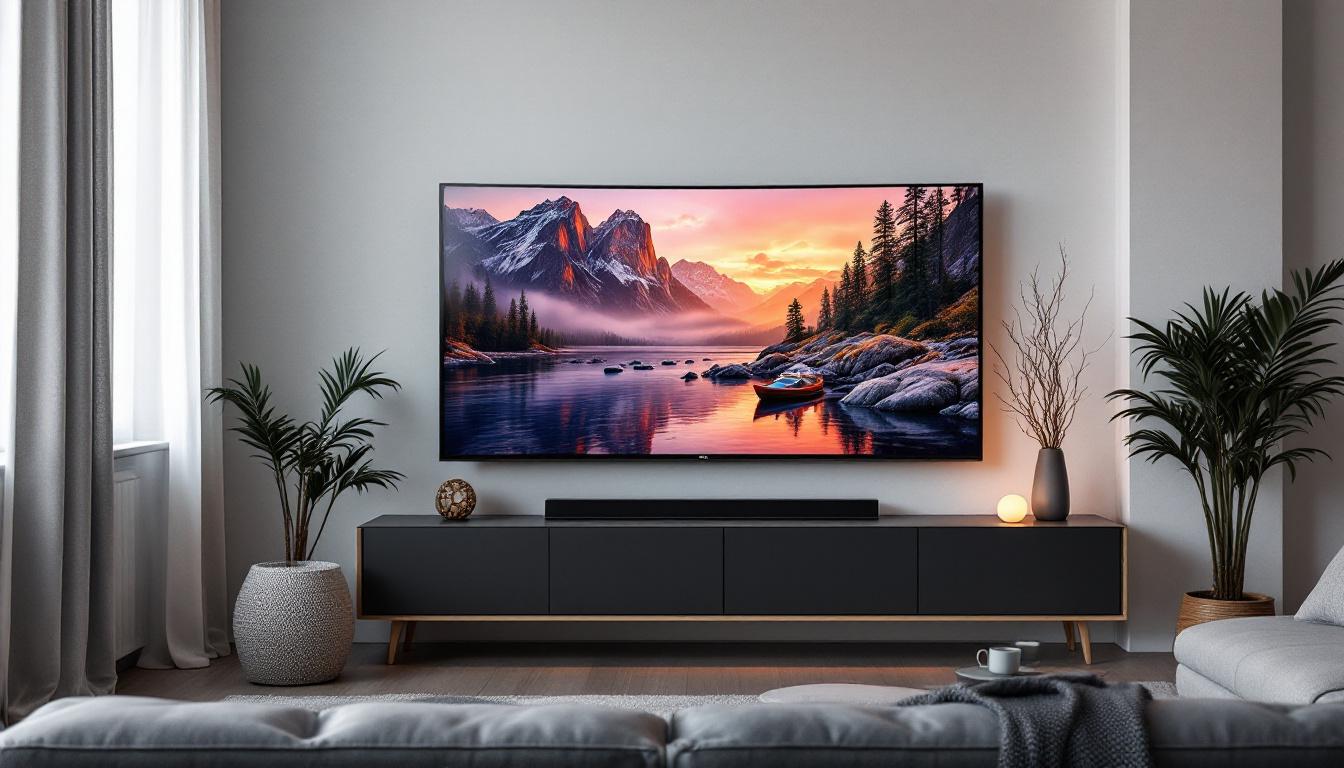
Flat screen TVs, especially those featuring LED displays, have become the centerpiece of modern home entertainment. Their sleek designs, vibrant colors, and energy efficiency make them a popular choice for consumers worldwide. However, one common question among buyers and users alike is: How long will my LED flat screen TV last? Understanding the life expectancy of these devices is crucial for making informed purchasing decisions and managing expectations over time.
This article delves into the factors influencing the lifespan of LED flat screen TVs, explores the technology behind LED displays, and offers practical tips on how to maximize your TV’s longevity.
Understanding LED Display Technology
What is an LED TV?
LED TVs are essentially LCD (Liquid Crystal Display) TVs that use Light Emitting Diodes (LEDs) as the backlight source instead of the older Cold Cathode Fluorescent Lamps (CCFLs). This shift to LED backlighting has significantly improved picture quality, energy efficiency, and the overall design of flat screen TVs. The advancements in LED technology have also led to a wider color gamut, allowing viewers to experience more vibrant and lifelike images, which is particularly noticeable when watching high-definition content or films that utilize rich color palettes.
LED backlighting allows for thinner panels and better control of brightness and contrast. There are two primary types of LED backlighting: edge-lit and full-array. Edge-lit LEDs position the diodes around the edges of the screen, while full-array LEDs place them directly behind the screen, often with local dimming capabilities for enhanced contrast. Full-array backlighting, in particular, enables deeper blacks and brighter whites, making it an ideal choice for movie enthusiasts who appreciate the nuances of shadow and light in cinematic presentations. Additionally, some modern LED TVs incorporate advanced technologies such as Quantum Dot and OLED, further enhancing the viewing experience by improving color accuracy and contrast ratios.
How LED Displays Work
The LED backlight shines through a layer of liquid crystals that modulate the light to form images. The liquid crystals themselves do not emit light; they control the passage of light from the LEDs to create the colors and images seen on the screen. This combination of LED backlighting and LCD technology results in bright, sharp, and energy-efficient displays. The precise control of liquid crystals allows for faster refresh rates, which is particularly beneficial for fast-paced action scenes in movies and sports broadcasts, reducing motion blur and enhancing clarity.
Because LEDs are solid-state devices with no filaments or gases, they tend to be more durable and longer-lasting than older lighting technologies, contributing to the overall lifespan of the TV. Furthermore, the energy efficiency of LED displays means they consume less power, making them a more environmentally friendly option compared to traditional TVs. This efficiency not only reduces electricity bills for consumers but also aligns with global efforts to reduce carbon footprints. As technology continues to evolve, we can expect even more innovations in LED display technology, such as improved smart features and integration with home automation systems, making these TVs not just a source of entertainment but also a central hub for modern living.
Typical Life Expectancy of LED Flat Screen TVs
Average Lifespan in Hours
Manufacturers typically rate LED TVs for a lifespan of around 50,000 to 100,000 hours of use. To put this into perspective, if a TV is used for 5 hours per day, 50,000 hours equates to roughly 27 years of continuous use, while 100,000 hours would be closer to 54 years.
However, these numbers represent ideal conditions and are often based on the lifespan of the LED backlight itself rather than the entire TV. Other components, such as the power supply, capacitors, and internal circuitry, may fail earlier. Additionally, advancements in technology mean that newer models may come equipped with improved components that can enhance longevity, potentially setting a new standard for future televisions.
Factors Affecting Lifespan
Several factors influence how long an LED flat screen TV will last in real-world conditions:
- Usage Patterns: TVs used for extended periods daily will naturally wear out faster than those used occasionally.
- Brightness Settings: Higher brightness settings can accelerate LED degradation.
- Environmental Conditions: Exposure to heat, humidity, and dust can shorten the lifespan of internal components.
- Quality of Components: Premium TVs often use higher-quality LEDs and electronics, which can extend longevity.
- Maintenance: Proper cleaning and ventilation help prevent overheating and dust accumulation.
In addition to these factors, the way a TV is integrated into a home environment can also play a significant role in its lifespan. For instance, placing a TV in a well-ventilated area away from direct sunlight can help maintain optimal operating temperatures, which is crucial for preserving the integrity of internal parts. Furthermore, using power surge protectors can safeguard against electrical fluctuations that might otherwise damage sensitive components, thereby prolonging the TV’s life.
Real-World Examples and Studies
Consumer reports and long-term user reviews indicate that many LED TVs start to show signs of wear after 7 to 10 years of regular use. Issues such as dimming backlights, color inaccuracies, or screen flickering may appear. However, with moderate use and good care, some TVs can function well beyond this range.
For example, a 2019 survey by a leading electronics review site found that approximately 80% of LED TVs lasted at least 8 years without major issues, while about 15% experienced significant problems within 5 years. These findings underscore the variability in lifespan depending on usage and build quality. Moreover, anecdotal evidence from users who have taken proactive steps, such as regularly updating firmware and ensuring proper calibration, suggests that these practices can help mitigate common issues and extend the useful life of the television even further.
Additionally, the growing trend of smart TVs has introduced new features that may impact longevity. With built-in streaming services and internet connectivity, these TVs require regular software updates, which can enhance performance and fix bugs. However, the increased reliance on software may also lead to obsolescence as newer applications demand more processing power, potentially limiting the functional lifespan of older models. As technology continues to evolve, consumers may need to weigh the benefits of advanced features against the potential for shorter lifespans due to rapid technological advancements.
Common Signs of LED TV Aging
Backlight Dimming and Color Degradation
One of the earliest signs that an LED TV is aging is a noticeable reduction in brightness. The LEDs gradually lose their ability to emit light at full intensity, leading to dimmer images. This can also affect color accuracy, making the picture appear washed out or less vibrant.
Users may also notice uneven brightness across the screen, often referred to as “backlight bleed,” where some areas appear brighter or darker than others.
Screen Flickering and Artifacts
Flickering can indicate failing LEDs or issues with the power supply. Similarly, image artifacts such as lines, dead pixels, or color distortion may emerge as the TV ages. While some of these problems can be related to the display panel itself, others might stem from internal electronics deteriorating over time.
Audio Problems and Connectivity Issues
Although not directly related to the LED display, audio malfunctions and connectivity troubles (such as HDMI port failures) often accompany aging TVs. These issues can limit the overall usability of the television even if the screen remains functional.
How to Extend the Life of Your LED TV
Optimal Usage Practices
Limiting daily usage time and avoiding prolonged periods of maximum brightness can reduce wear on the LEDs. Many modern TVs include features like automatic brightness control or power-saving modes that help manage energy consumption and extend component life.
Turning off the TV when not in use and avoiding static images for long durations (which can cause image retention or burn-in effects) also contribute to longevity.
Proper Installation and Environment
Placing the TV in a well-ventilated area away from direct sunlight and heat sources helps prevent overheating. Dust accumulation inside the TV can insulate heat and cause damage, so regular cleaning of vents and the surrounding area is recommended.
Routine Maintenance
While LED TVs require minimal maintenance compared to older CRT models, occasional care can make a difference. Using a soft, dry cloth to clean the screen and ensuring the TV’s firmware is updated can optimize performance and prevent glitches.
Choosing Quality Brands and Models
Investing in reputable brands known for quality components and good customer support can pay off in terms of durability. Reading reviews and checking warranty terms before purchase can help identify models with proven longevity.
When to Consider Replacing Your LED TV
Assessing Performance Decline
As TVs age, the cost and effort to repair them often outweigh the benefits. If the screen brightness is significantly reduced, colors are distorted, or the TV frequently malfunctions, it may be time to consider a replacement.
Additionally, technological advancements such as 4K resolution, HDR support, and smart TV features may make upgrading appealing beyond just the lifespan considerations.
Environmental and Economic Considerations
Disposing of old TVs responsibly is important due to electronic waste concerns. Many manufacturers and retailers offer recycling programs. From an economic standpoint, newer models tend to be more energy-efficient, potentially lowering electricity costs over time.
Conclusion
The life expectancy of an LED flat screen TV is influenced by a combination of technology, usage habits, and environmental factors. While manufacturers often cite lifespans of 50,000 to 100,000 hours, real-world experience suggests that most TVs perform well for 7 to 10 years under typical household conditions.
Understanding how LED displays work and recognizing the signs of aging can help users make informed decisions about maintenance and replacement. By adopting optimal usage practices and selecting quality products, consumers can enjoy vibrant, reliable home entertainment for many years.
Ultimately, staying informed about your TV’s technology and care requirements ensures you get the best value and viewing experience throughout its lifespan.
Explore Cutting-Edge LED Displays with LumenMatrix
As you consider the longevity and quality of your home entertainment, LumenMatrix stands at the forefront of LED display innovation. With a commitment to transforming visual communication, our extensive range of LED display solutions, from Indoor and Outdoor LED Walls to Custom and All-in-One LED Displays, is designed to elevate your viewing experience. Whether you’re looking to enhance your brand visibility or create an immersive environment, LumenMatrix has the technology to bring your vision to life. Check out LumenMatrix LED Display Solutions today and step into a world of vibrant, reliable, and long-lasting displays.