In recent years, curved TVs have gained significant attention in the home entertainment market, offering a fresh alternative to traditional flat-screen displays. Their unique design and advanced LED technology promise immersive viewing experiences that many consumers find appealing. However, mounting a curved TV on the wall introduces some considerations that differ from flat panels. This article explores the technology behind curved LED TVs, the benefits and challenges of wall mounting them, and practical advice to help you make an informed decision.
Understanding Curved LED TV Technology
Curved TVs primarily use LED (Light Emitting Diode) technology, which has become the standard for modern television displays due to its energy efficiency, brightness, and color accuracy. The curvature of the screen is designed to enhance the viewer’s immersion by subtly wrapping the image around the field of vision.
How LED Displays Work
LED TVs use an array of light-emitting diodes as a backlight behind an LCD (Liquid Crystal Display) panel. These LEDs illuminate the pixels on the screen, producing the images you see. The technology allows for thinner screens, better contrast ratios, and improved color vibrancy compared to older LCD TVs that used fluorescent backlighting.
In curved LED TVs, the same principles apply, but the screen itself is gently bent to create a concave shape. This curvature is typically measured in radius units, such as 1800R or 4000R, indicating how deep the curve is. A smaller number means a more pronounced curve.
The Purpose of the Curve
The curve is intended to provide a more natural viewing experience by matching the curvature of the human eye. This design can reduce distortion and glare at the edges of the screen, making the picture appear more uniform across the display. Additionally, the curve can enhance the sense of depth and immersion, especially when watching movies or playing video games.
However, the effectiveness of these benefits depends heavily on the viewing environment, including the size of the TV and the distance from the viewer. For example, a 55-inch curved TV is best appreciated from a distance of around 7 to 9 feet, where the curve can envelop the viewer’s field of vision without causing discomfort.
Moreover, curved LED TVs often come equipped with advanced features such as local dimming and HDR (High Dynamic Range) support. Local dimming allows specific areas of the screen to be dimmed independently, enhancing contrast and making dark scenes appear richer and more detailed. HDR, on the other hand, expands the range of colors and brightness levels, providing a more lifelike image that closely resembles what the human eye can perceive in real life. Together, these features elevate the viewing experience, making it not just about the curve but also about the overall picture quality.
Another aspect to consider is the aesthetic appeal of curved TVs. Their sleek, modern design can serve as a striking centerpiece in any living room, often drawing attention and admiration from guests. The curvature can also create a more immersive environment, as it encourages viewers to sit closer and engage more deeply with the content. This design philosophy aligns with the growing trend of creating home theaters that prioritize both visual and auditory experiences, transforming the way we consume media in our homes.
Advantages of Mounting a Curved TV on the Wall
Wall mounting a TV has become increasingly popular as it saves floor space, creates a sleek aesthetic, and can improve viewing angles. Curved TVs, while slightly more complex to mount, offer several advantages when placed on the wall.
Space Efficiency and Modern Aesthetics
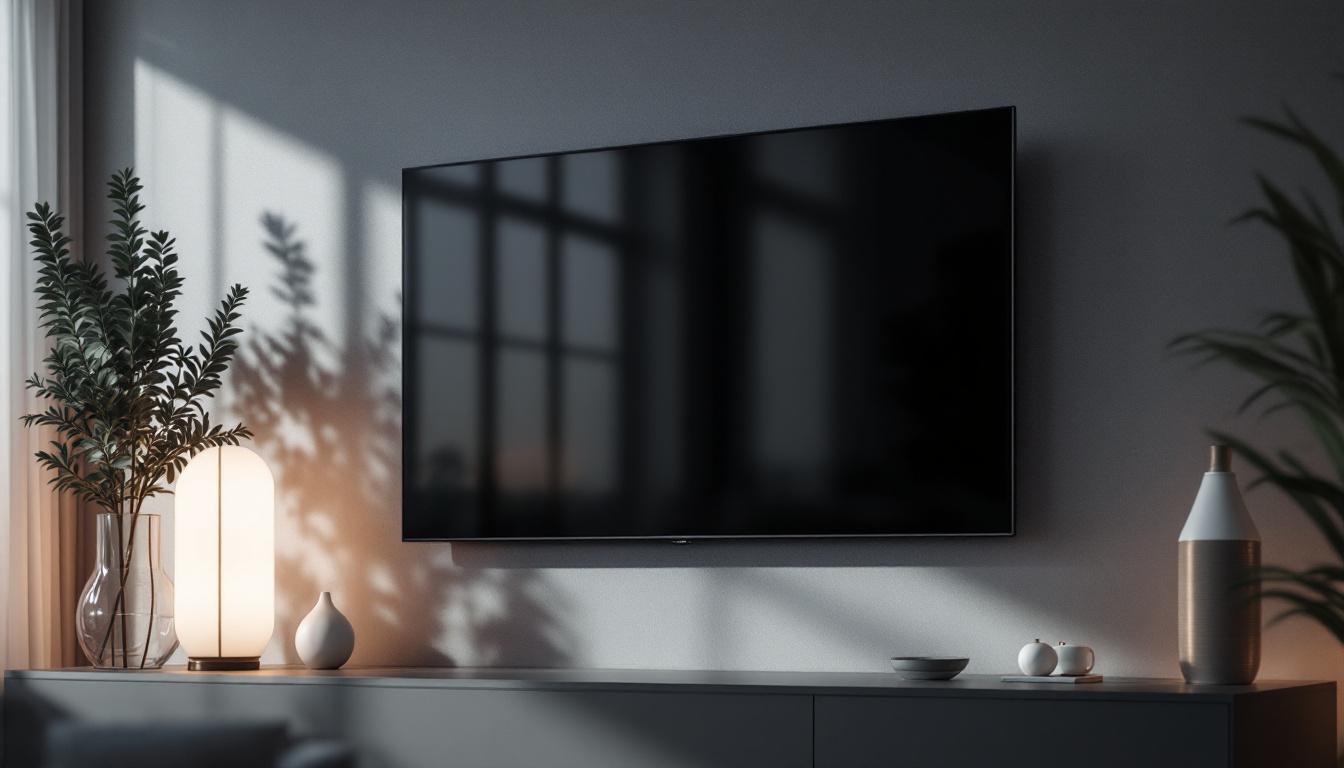
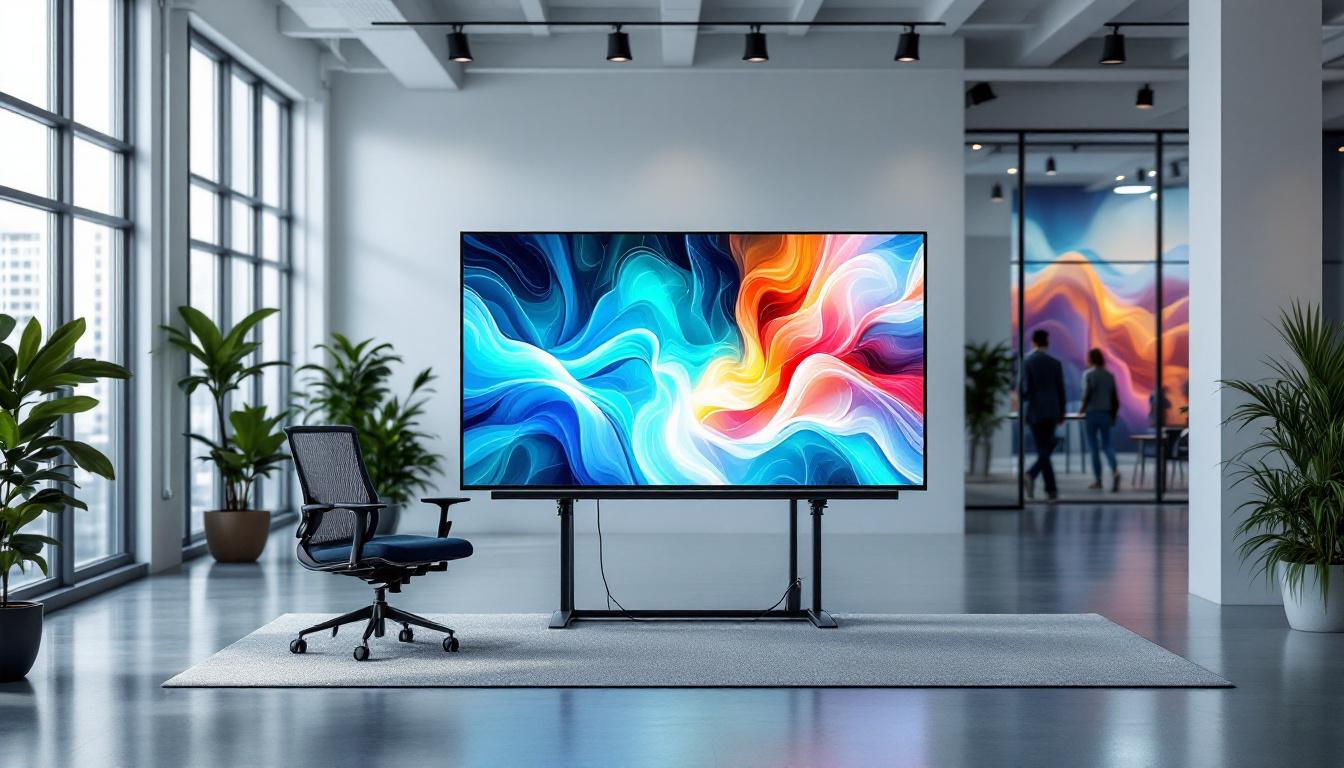
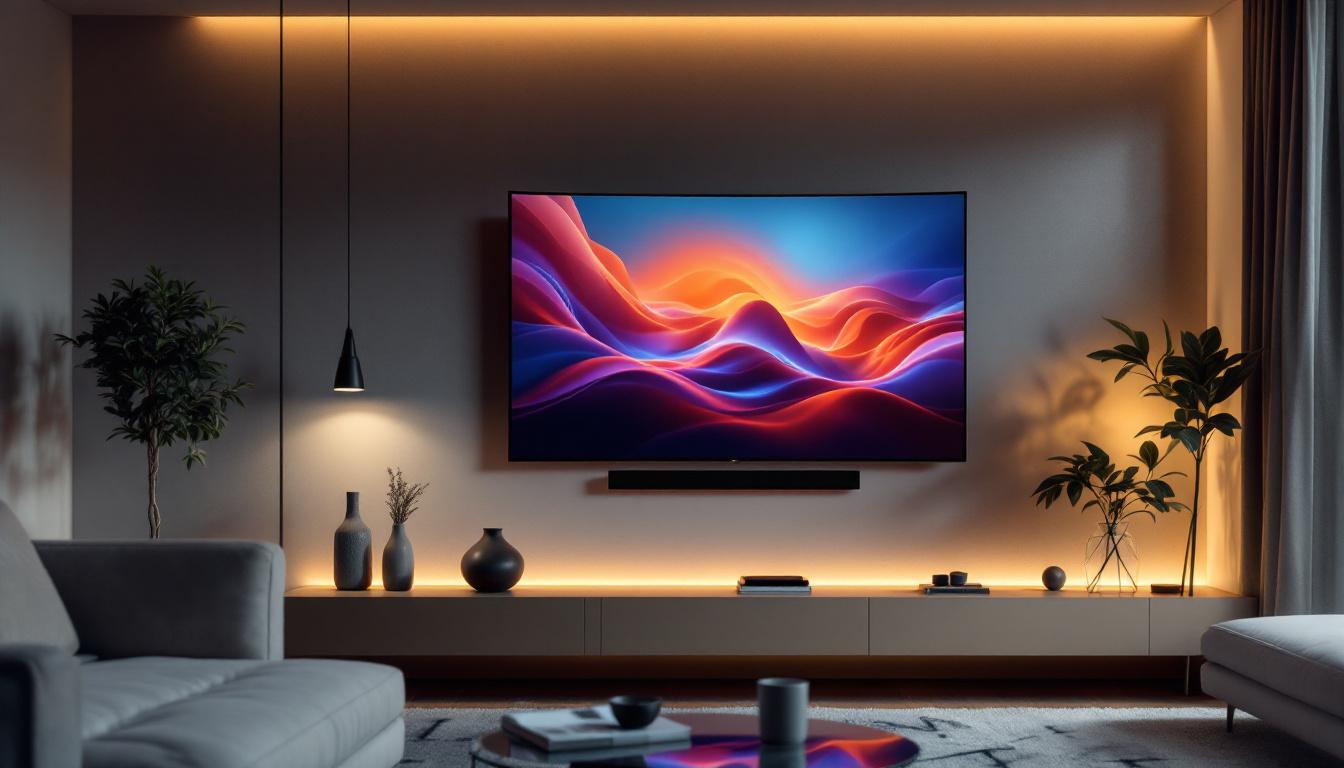
Mounting a curved TV on the wall frees up valuable floor space that would otherwise be occupied by a TV stand or cabinet. This can make a room feel larger and less cluttered. The gentle curve of the screen adds a modern and sophisticated touch to any living room or entertainment area, often becoming a focal point of the space.
Enhanced Viewing Experience
When mounted correctly, a curved TV can provide an optimal viewing angle that complements its design. The curvature helps direct light from the screen toward the viewer, reducing reflections from ambient light sources. This can be particularly beneficial in rooms with multiple light sources or large windows.
Moreover, wall mounting allows for precise positioning of the TV at eye level, which can reduce neck strain and enhance comfort during extended viewing sessions.
Challenges and Considerations When Wall Mounting Curved TVs
Despite the benefits, there are unique challenges associated with mounting curved TVs on walls. Understanding these factors is crucial to ensure safety, maintain picture quality, and protect the investment in your display.
Compatibility with Wall Mounts
Not all wall mounts are designed to accommodate the curvature of these TVs. Standard flat mounts may not provide the necessary support or alignment, potentially causing stress on the screen or an uneven appearance. Manufacturers often recommend using mounts specifically designed for curved screens or adjustable mounts that can be fine-tuned for the curve.
When selecting a mount, it’s important to verify the VESA (Video Electronics Standards Association) mounting pattern compatibility and weight capacity. Curved TVs tend to be slightly heavier than their flat counterparts due to the additional materials needed to maintain the curve.
Wall Surface and Mounting Location
The type of wall and its structural integrity are critical when mounting any TV, but especially curved models. Drywall alone cannot support the weight of a large curved TV; mounting into studs or using appropriate anchors is essential. Additionally, the curvature means that the TV will protrude slightly more from the wall compared to flat models, which may affect room layout and furniture placement.
Consider also the viewing distance and angle. Because curved TVs are optimized for centered viewing, placing the TV too high or too low can diminish the immersive effect and cause reflections or glare.
Potential Viewing Distortions and Reflections
While the curve can reduce some types of glare, it can also introduce new reflection challenges depending on the room’s lighting. For example, light sources positioned at certain angles may reflect more prominently on a curved surface. This can be mitigated by careful placement of lamps and windows or by using anti-reflective screen coatings available on some models.
Practical Tips for Mounting a Curved TV on the Wall
Proper installation is key to maximizing the benefits of a curved TV while minimizing potential issues. Here are some practical tips to consider before and during the mounting process.
Choose the Right Wall Mount
Opt for a mount specifically designed for curved TVs or one that offers adjustable arms and tilt features. This flexibility allows you to align the curve properly and adjust the viewing angle for comfort. Popular brands like Sanus and Vogel’s offer mounts tailored for curved displays.
Measure and Plan the Viewing Area
Before installation, measure the room and determine the ideal viewing distance and height. The center of the screen should be at eye level when seated. For a 55-inch curved TV, a distance of 7 to 9 feet is generally recommended. Ensure there is enough clearance for the TV’s depth and that furniture placement complements the viewing angle.
Secure the Mount to Wall Studs
Use a stud finder to locate the studs behind the wall and secure the mount firmly. This ensures the TV’s weight is properly supported. Avoid mounting on drywall alone, as this can lead to accidents and damage.
Manage Cables Neatly
Curved TVs often have ports located on the back edges, which can make cable management more challenging. Use cable covers or in-wall cable management systems to maintain a clean and organized look. This also protects cables from damage and reduces tripping hazards.
Consider Professional Installation
If unsure about the mounting process or the wall’s suitability, hiring a professional installer is a wise choice. They have the tools and expertise to handle the unique requirements of curved TVs, ensuring a safe and aesthetically pleasing setup.
Curved TV Market Trends and Consumer Insights
The popularity of curved TVs has fluctuated since their introduction, but they remain a niche segment favored by enthusiasts and those seeking a premium viewing experience. According to a 2023 report by Statista, curved TVs accounted for approximately 15% of global TV shipments, with strong demand in markets like South Korea, Japan, and parts of Europe.
Consumer reviews often highlight the immersive experience and stylish design as key benefits, though some note that the advantages diminish in smaller screen sizes or when viewed off-center. The average price for a high-quality 55-inch curved LED TV ranges from $700 to $1,200, depending on features such as 4K resolution, HDR support, and smart TV capabilities.
Manufacturers continue to innovate, integrating OLED and QLED technologies into curved designs, which promise better contrast ratios and color accuracy. However, these models tend to be at the higher end of the price spectrum.
Conclusion: Is a Curved TV on the Wall Right for You?
Curved LED TVs offer a distinctive blend of technology and design that can elevate home entertainment. When mounted on the wall, they provide a space-saving, modern aesthetic that enhances the viewing experience. However, the unique shape requires careful consideration regarding mounting hardware, wall strength, and room layout to fully capitalize on their benefits.
For those seeking an immersive, cinematic feel and willing to invest in proper installation, a curved TV on the wall can be a rewarding choice. Conversely, if budget constraints or room conditions pose challenges, a flat-screen LED TV might be more practical. Ultimately, understanding the technology and installation nuances empowers consumers to make choices that best fit their lifestyle and viewing preferences.
Discover the Future of Immersive Viewing with LumenMatrix
Ready to transform your home entertainment experience with the latest in curved LED TV technology? LumenMatrix is at the forefront of innovation, offering a wide range of LED display solutions that bring your viewing to life. From the comfort of your living room to the excitement of outdoor events, our LED displays are designed to captivate and engage. Explore our Indoor LED Wall Display, Outdoor LED Wall Display, and more to find the perfect addition to your space. Check out LumenMatrix LED Display Solutions today and step into the future of visual storytelling.