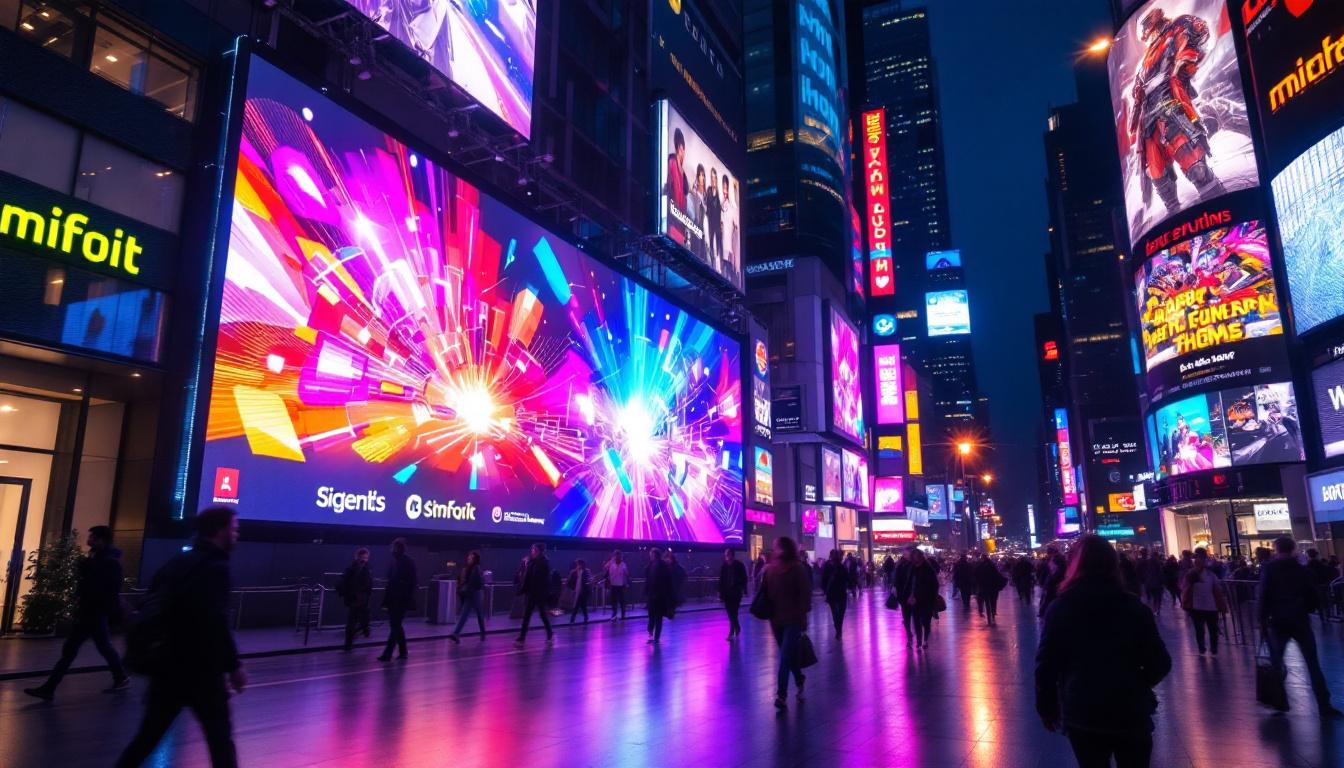
In today’s fast-paced world, capturing attention quickly and effectively is more important than ever. Digital display signage, particularly LED displays, has revolutionized the way businesses, public spaces, and advertisers communicate with their audiences. From vibrant billboards in Times Square to dynamic menus in restaurants, LED display technology offers unparalleled brightness, versatility, and durability. This article explores the fundamentals of LED digital signage, its advantages, applications, and the future trends shaping this exciting industry.
Understanding LED Display Technology
What is an LED Display?
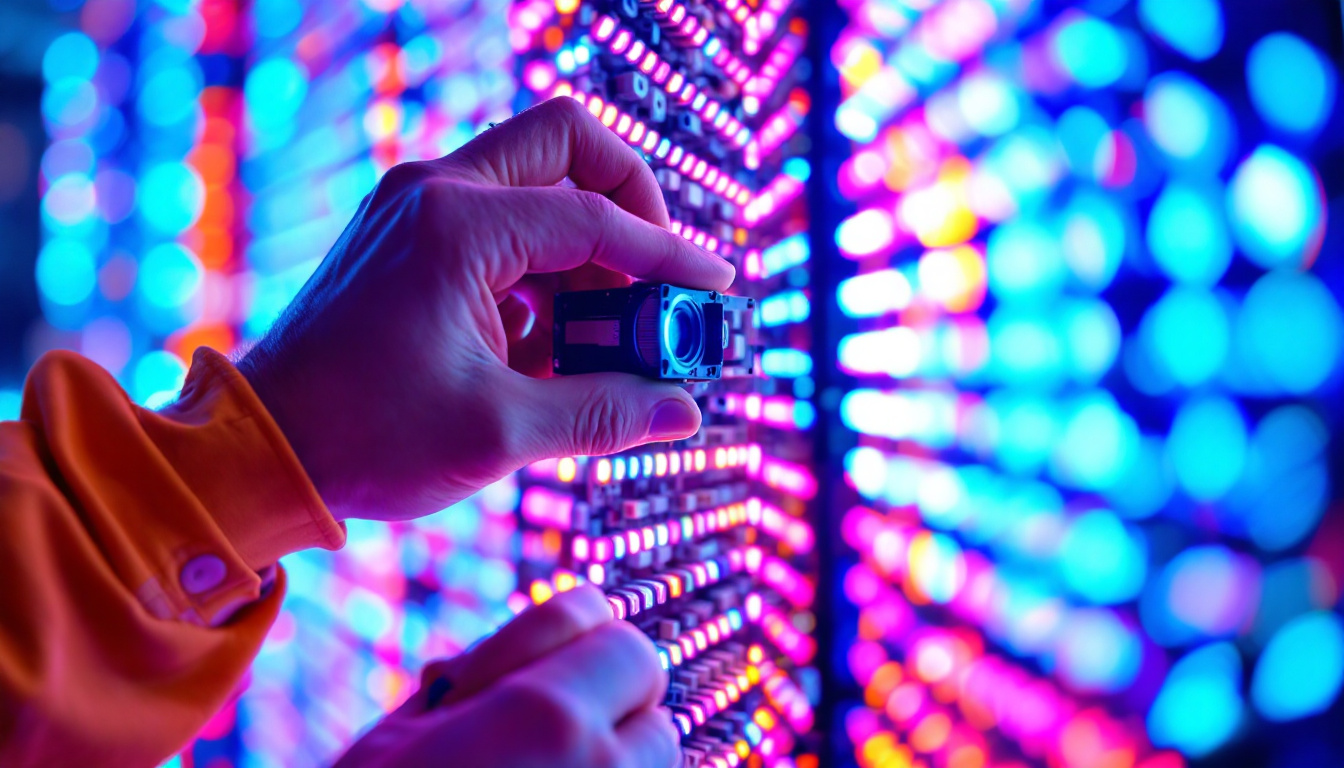
LED stands for Light Emitting Diode, a semiconductor device that emits light when an electric current passes through it. LED displays are composed of thousands to millions of these tiny diodes arranged in a matrix to create images, videos, or text. Unlike traditional LCD screens that rely on backlighting, LEDs produce their own light, which results in brighter and more vibrant visuals.
LED displays come in two primary forms: direct view LED and LED-backlit LCD. Direct view LED displays use individual LEDs as pixels, making them ideal for large-scale outdoor signage. LED-backlit LCDs, on the other hand, use LEDs to illuminate an LCD panel and are common in smaller digital screens like computer monitors and televisions. The versatility of LED technology allows for various applications, from advertising billboards to intricate art installations, showcasing the flexibility and adaptability of this cutting-edge technology.
How Do LED Displays Work?
Each pixel in an LED display consists of red, green, and blue diodes. By varying the intensity of each diode, the display can produce a full spectrum of colors. The pixels are controlled by a driver circuit that processes input signals from a video source, such as a computer or media player. This intricate process enables the display to render high-definition images and videos with remarkable clarity and detail, making them a preferred choice for entertainment venues and public displays alike.
The brightness of LEDs is measured in nits, with modern outdoor LED displays often exceeding 5,000 nits to ensure visibility even in direct sunlight. The modular design of LED panels allows for scalable screen sizes, from small indoor panels to massive outdoor billboards. Additionally, advancements in LED technology have led to the development of energy-efficient models that consume less power while delivering superior performance. This not only reduces operational costs but also minimizes environmental impact, making LED displays a sustainable choice for businesses and organizations looking to enhance their visual communication strategies.
Advantages of LED Digital Signage
Superior Brightness and Visibility
One of the most significant benefits of LED displays is their exceptional brightness. Unlike LCDs or projection screens, LED signage remains vivid and clear in various lighting conditions, including direct sunlight. This makes them ideal for outdoor advertising, transportation hubs, sports arenas, and retail storefronts.
According to industry reports, LED displays can be up to 10 times brighter than traditional LCD screens, which greatly enhances readability and visual impact. This brightness advantage translates into higher viewer engagement and better message retention. Furthermore, the color accuracy and contrast ratios of LED displays contribute to a more immersive viewing experience, allowing brands to showcase their products in the best possible light. Whether it’s a vibrant advertisement or a crucial piece of information, the clarity provided by LED technology ensures that messages are not just seen but felt.
Energy Efficiency and Longevity
LED technology is renowned for its energy efficiency. LEDs consume significantly less power than traditional incandescent or fluorescent lighting and even outperform many LCD backlighting systems. This efficiency reduces operational costs, especially for large-scale installations that run continuously.
Additionally, LEDs have a long lifespan, often exceeding 100,000 hours of operation. This durability minimizes maintenance and replacement expenses, making LED signage a cost-effective investment over time. The low heat output of LEDs also contributes to their longevity, as it reduces the risk of overheating and extends the life of the display components. As businesses become increasingly aware of their environmental impact, the eco-friendliness of LED technology—due to its reduced energy consumption and lack of harmful materials—makes it an appealing choice for sustainable practices.
Flexibility and Customization
LED displays offer remarkable flexibility in terms of size, shape, and resolution. They can be configured into curved, flexible, or irregular shapes to fit architectural designs or creative marketing concepts. Pixel pitch—the distance between individual LEDs—can be adjusted to optimize image clarity based on viewing distance.
This adaptability allows businesses to tailor their digital signage to specific environments and audiences, whether it’s a high-resolution indoor display for detailed graphics or a large outdoor screen for maximum visibility from afar. Moreover, the modular nature of LED panels means they can be easily expanded or reconfigured as needs change, providing a future-proof solution that can grow alongside a company’s ambitions. This level of customization not only enhances aesthetic appeal but also ensures that the signage remains relevant and effective in communicating the brand message.
Dynamic Content and Interactivity
Unlike static signs, LED digital signage supports dynamic content such as videos, animations, real-time updates, and interactive features. This capability enables marketers to deliver timely promotions, engage customers with interactive experiences, and even integrate social media feeds or live data streams.
Interactive LED displays equipped with touch sensors or motion detection can transform passive viewers into active participants, enhancing brand engagement and customer satisfaction. The ability to create personalized experiences through interactive content can lead to increased foot traffic and sales, as customers are drawn to engaging and visually stimulating displays. Additionally, the integration of analytics tools allows businesses to track viewer interactions and preferences, providing valuable insights that can inform future marketing strategies and optimize the effectiveness of their digital signage campaigns.
Applications of LED Digital Signage
Retail and Advertising
Retailers leverage LED signage to create eye-catching window displays, promote sales, and enhance the in-store experience. Digital displays can be updated instantly, allowing for rapid response to market trends or inventory changes.
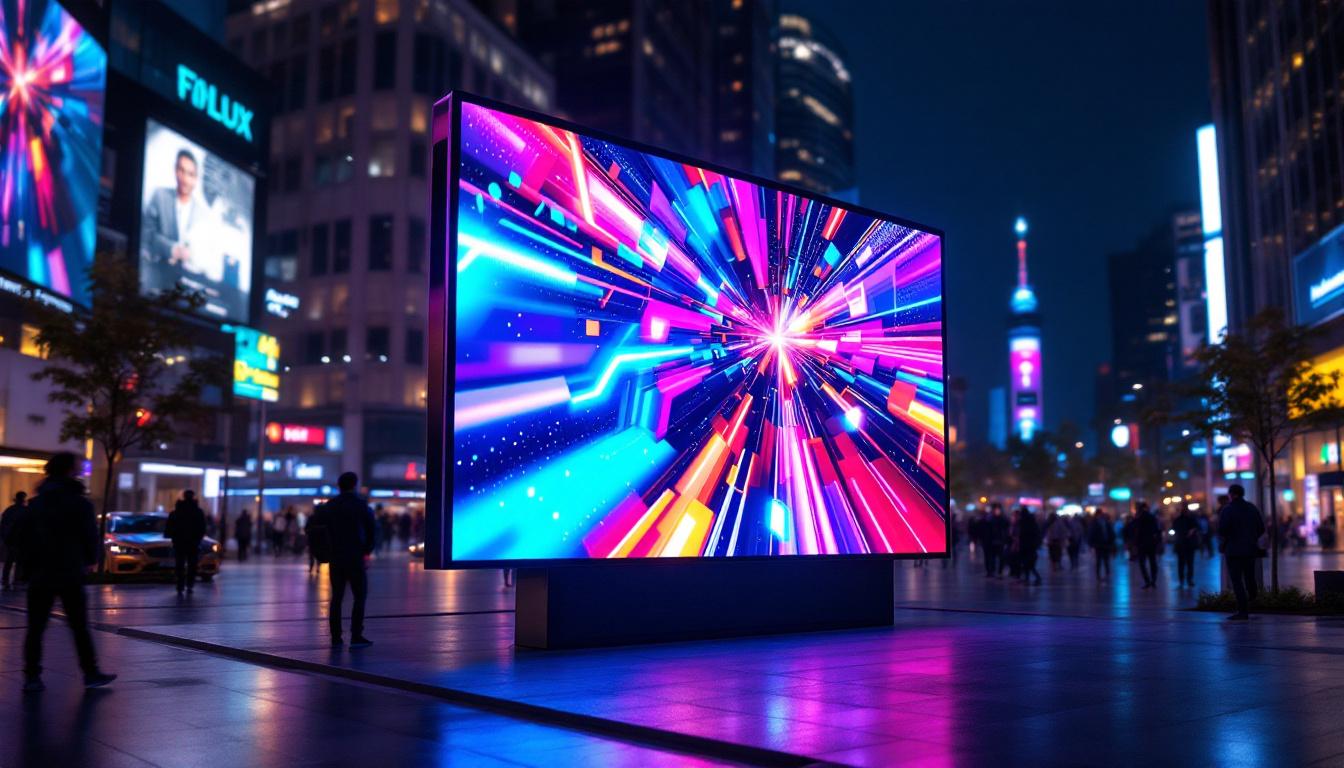
Outdoor LED billboards have become a staple in urban advertising, with cities like New York, London, and Tokyo featuring massive LED screens that deliver high-impact messages to millions of pedestrians and drivers daily.
Transportation and Public Spaces
Airports, train stations, and bus terminals use LED signage for wayfinding, schedule updates, and emergency notifications. The high visibility and reliability of LED displays ensure that critical information reaches travelers efficiently.
Public spaces such as stadiums and concert venues employ large LED screens to broadcast live events, enhancing the spectator experience and providing additional advertising opportunities.
Corporate and Educational Environments
Corporations utilize LED displays for digital directories, meeting room schedules, and internal communications. The ability to customize content and integrate with enterprise systems makes LED signage a valuable tool for enhancing workplace communication.
Educational institutions deploy LED displays for campus announcements, event promotion, and interactive learning tools, creating more engaging and informative environments for students and staff.
Choosing the Right LED Display for Your Needs
Considering Pixel Pitch and Resolution
Pixel pitch is a critical factor in determining the clarity of an LED display. A smaller pixel pitch means higher resolution and sharper images, which is essential for close viewing distances. For example, indoor displays typically have pixel pitches ranging from 1.2mm to 4mm, while outdoor displays may range from 6mm to 20mm or more.
Understanding the viewing distance and the type of content you plan to display will guide the selection of an appropriate pixel pitch to ensure optimal image quality.
Indoor vs. Outdoor Displays
Outdoor LED displays must be weatherproof, UV-resistant, and capable of operating across a wide temperature range. They also require higher brightness levels to combat sunlight glare. Indoor displays, while not needing such ruggedness, prioritize higher resolution and color accuracy for close-up viewing.
Choosing the right enclosure and protective features is essential to maximize the lifespan and performance of your LED signage.
Installation and Maintenance Considerations
Installation complexity varies depending on the size and location of the LED display. Modular designs simplify assembly and future upgrades. It’s important to consider access for maintenance, ventilation, and power supply requirements during the planning phase.
Regular maintenance, including cleaning and software updates, ensures consistent performance and extends the life of the display.
The Future of LED Digital Signage
Advancements in MicroLED and MiniLED Technologies
Emerging technologies like MicroLED and MiniLED promise to push the boundaries of LED displays further. MicroLEDs are significantly smaller than traditional LEDs, enabling ultra-high resolution and improved color accuracy with lower power consumption. This technology is expected to revolutionize everything from smartphones to large-scale digital signage.
MiniLED backlighting enhances LCD displays by providing more localized dimming zones, resulting in better contrast and deeper blacks, bridging the gap between LCD and direct view LED displays.
Integration with Artificial Intelligence and IoT
Artificial intelligence (AI) and the Internet of Things (IoT) are transforming digital signage into smarter, more responsive tools. AI can analyze viewer demographics and behavior to tailor content dynamically, optimizing engagement and advertising effectiveness.
IoT connectivity enables real-time data integration, such as weather updates, traffic conditions, or social media trends, allowing displays to adapt content automatically based on external factors.
Sustainability and Eco-Friendly Innovations
As environmental concerns grow, manufacturers are focusing on making LED displays more sustainable. Innovations include recyclable materials, lower energy consumption, and improved manufacturing processes that reduce waste.
Energy-efficient LED signage not only reduces operational costs but also aligns with corporate social responsibility goals, appealing to eco-conscious consumers and stakeholders.
Conclusion
LED digital display signage has become an indispensable tool for communication in a variety of industries. Its superior brightness, energy efficiency, flexibility, and dynamic capabilities make it an ideal choice for engaging audiences in both indoor and outdoor environments. As technology continues to evolve, LED displays will become even more sophisticated, interactive, and sustainable, opening new possibilities for businesses and public spaces alike.
For organizations looking to make a lasting impression, investing in LED digital signage offers a powerful way to captivate audiences, convey messages effectively, and stay ahead in a competitive landscape.
Illuminate Your Message with LumenMatrix
Ready to elevate your brand’s visibility and captivate your audience with stunning visual displays? Discover the innovative world of LumenMatrix’s LED display solutions. From vibrant Indoor and Outdoor LED Wall Displays to dynamic Vehicle and Sports LED Displays, our range of products, including the versatile All-in-One and Custom LED Displays, are designed to revolutionize your visual communication. Experience the power of cutting-edge technology with our LED Poster, Floor, and Transparent Displays, all crafted to deliver your message with unparalleled clarity and impact. Check out LumenMatrix LED Display Solutions today and transform the way you connect with your audience.