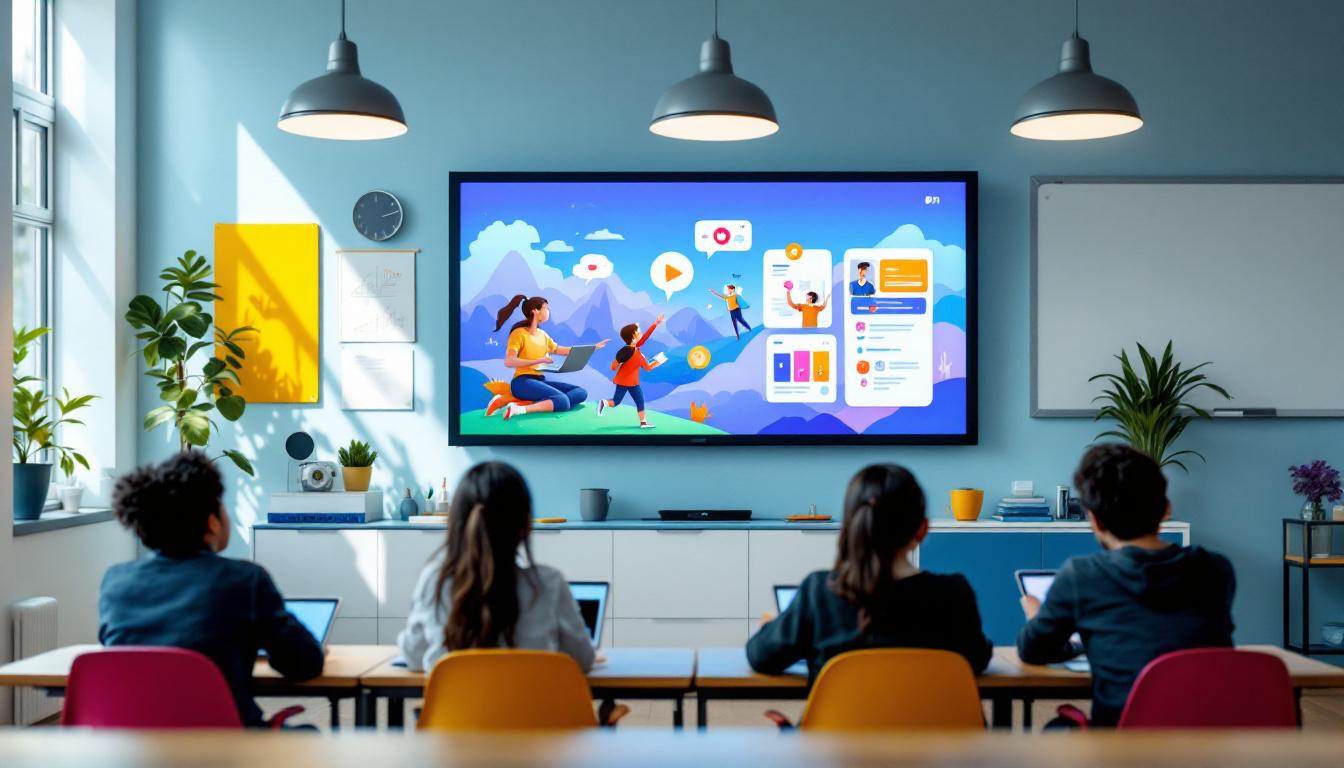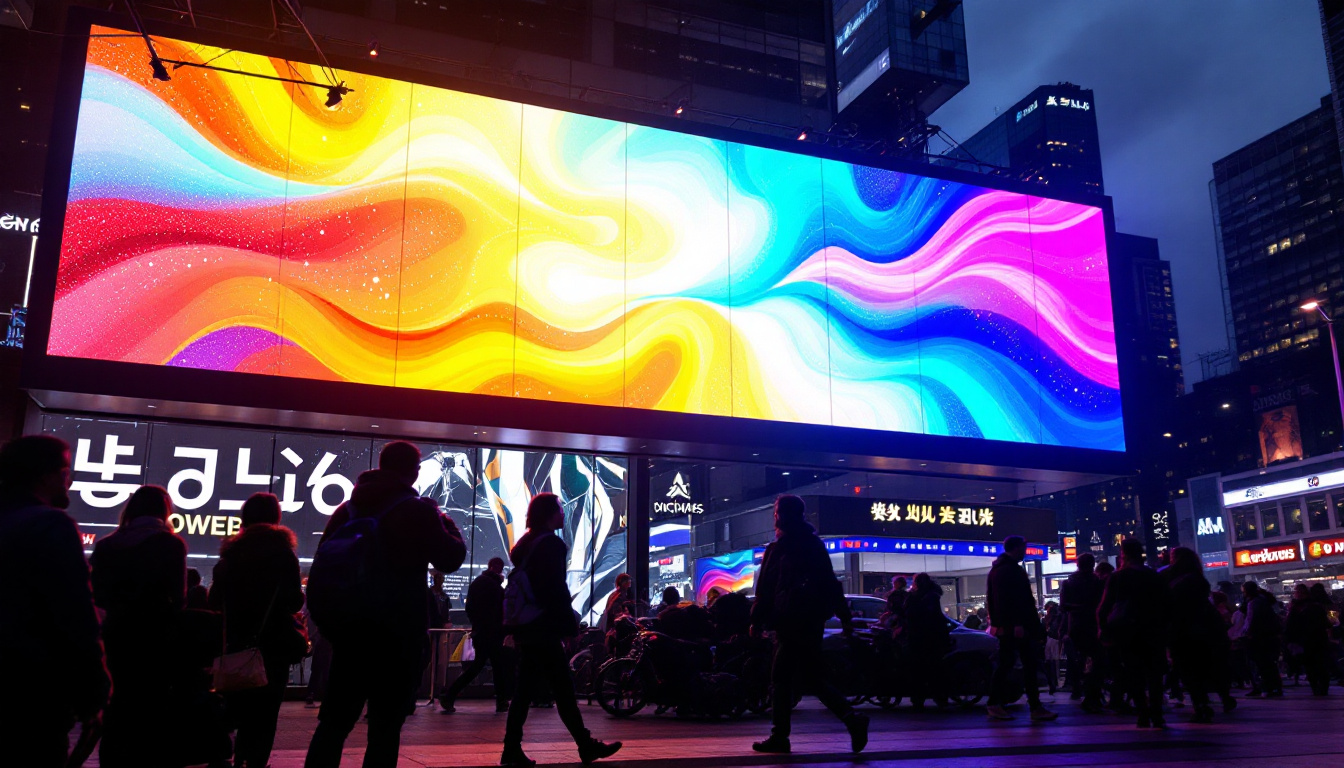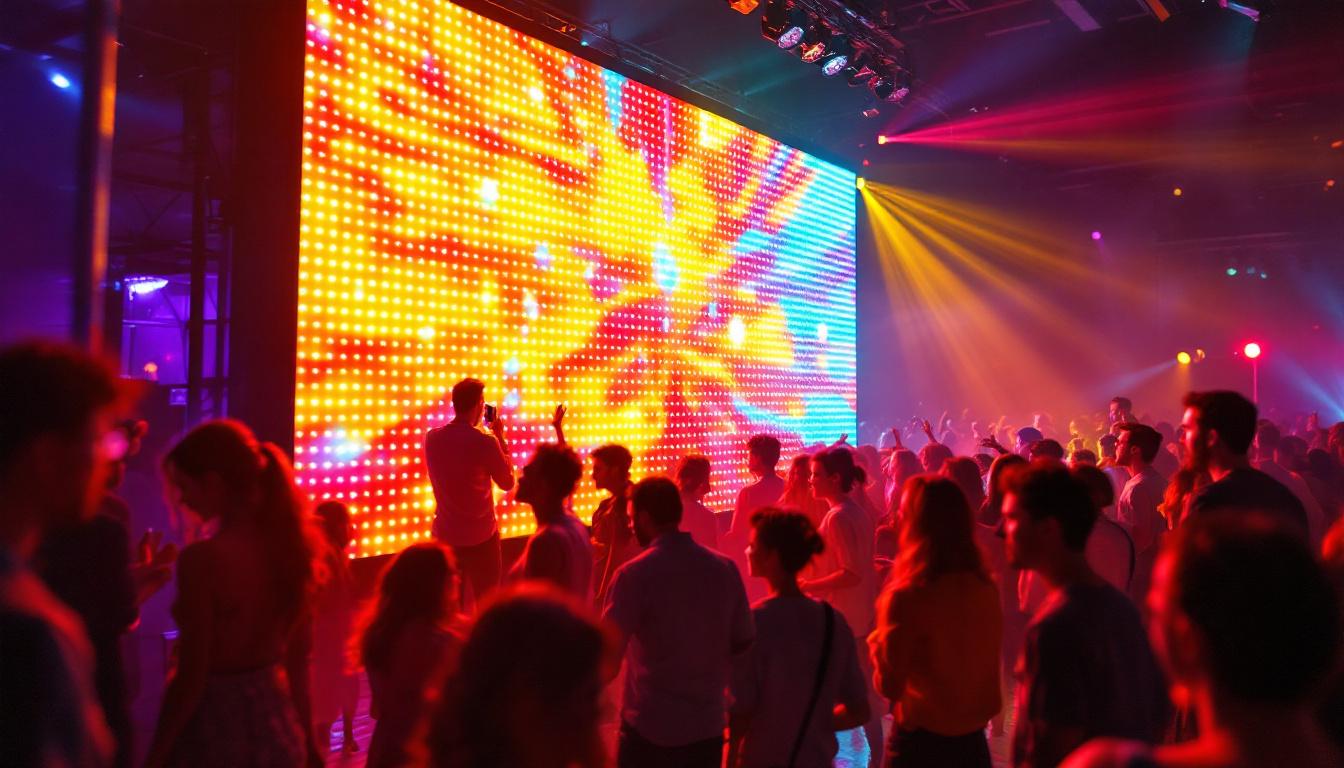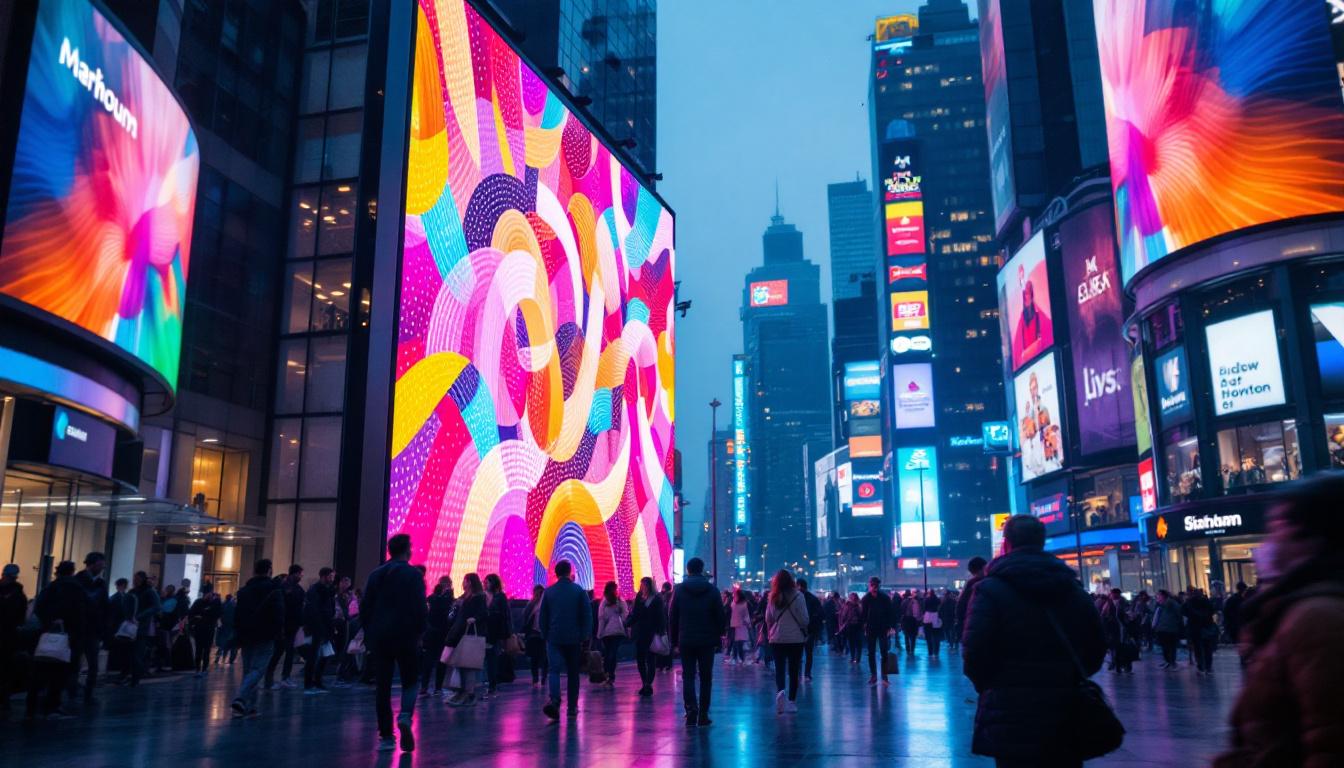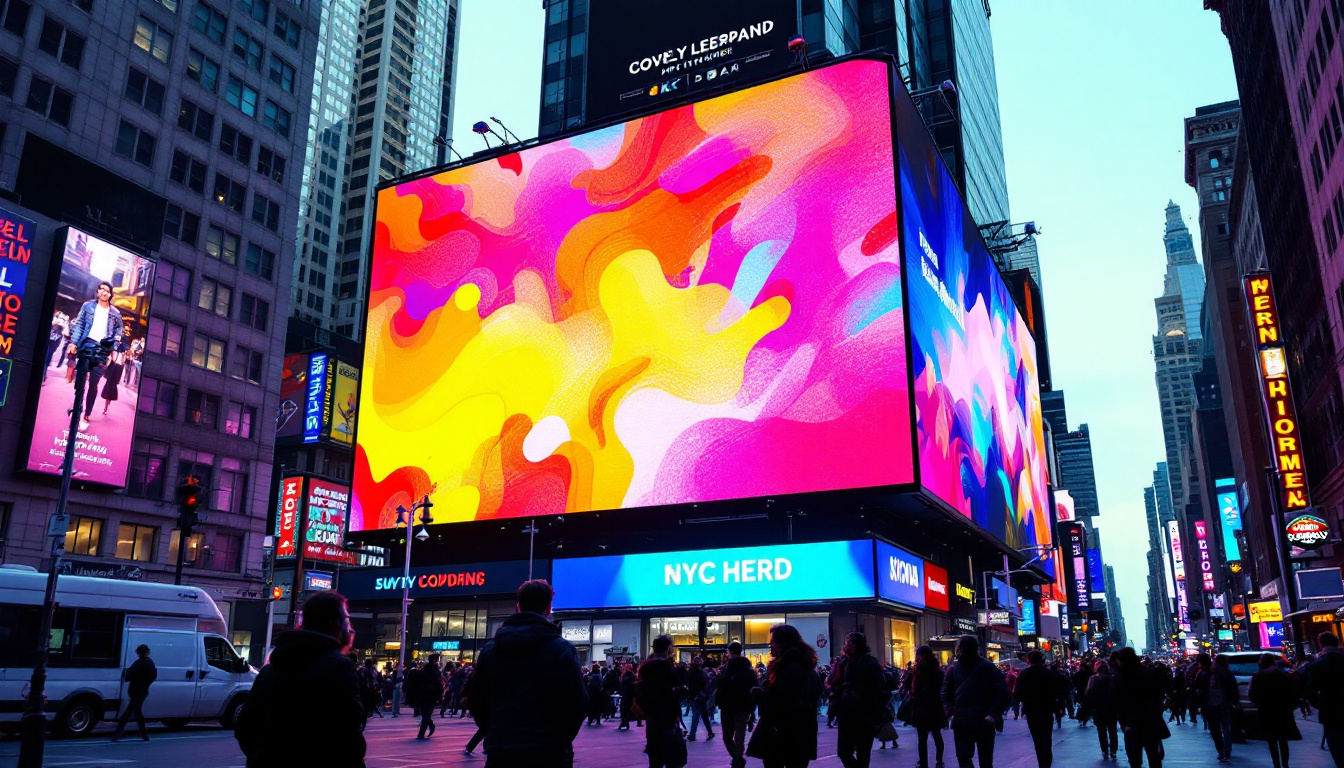
In today’s fast-paced digital world, LED displays have become an essential component in everything from advertising billboards to television screens, stadium scoreboards, and even wearable technology. As these displays become more sophisticated and widespread, understanding the warranty terms that come with them is crucial for consumers and businesses alike. This article delves into the world of LED displays, explaining their technology, common issues, and how modern warranties simplify the ownership experience, ensuring peace of mind and long-term value.
Understanding LED Display Technology
What is an LED Display?
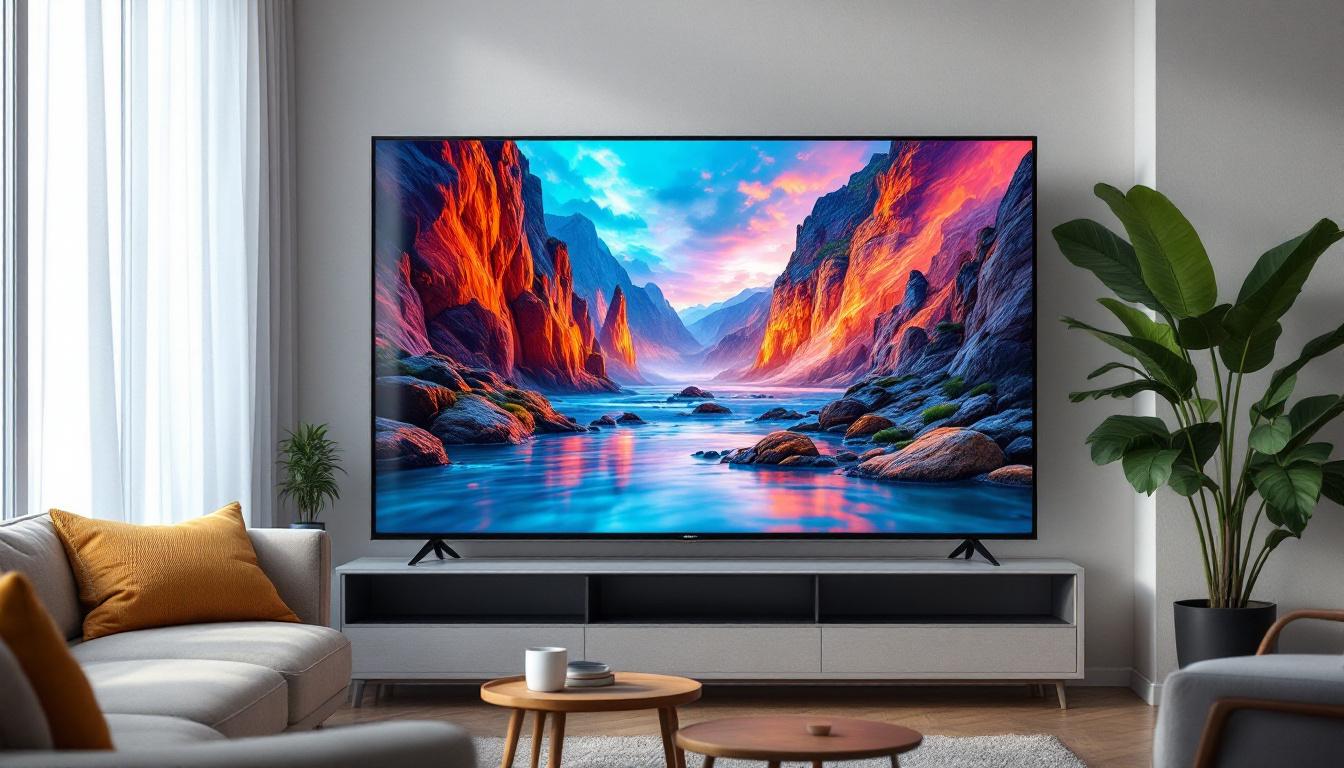
LED, or Light Emitting Diode, displays are screens that use tiny light-emitting diodes as pixels to create images. Unlike traditional LCD screens that require a backlight, LED displays produce their own light, resulting in brighter images, better contrast ratios, and improved energy efficiency. This technology has revolutionized the display industry by enabling thinner, more flexible, and more durable screens. The evolution of LED technology has also led to the development of various display types that cater to different needs and environments, enhancing the versatility of this technology.
LED displays come in various forms, including direct-view LED panels, OLED (Organic LED), and microLED. Direct-view LED panels are commonly used in large outdoor screens and digital signage, while OLED and microLED are popular in consumer electronics like smartphones and televisions due to their superior color accuracy and thinner profiles. The advent of microLED technology, in particular, has garnered attention for its potential to combine the best features of both OLED and traditional LED, offering high brightness and excellent color performance without the risk of burn-in that can affect OLED displays.
Key Features and Benefits
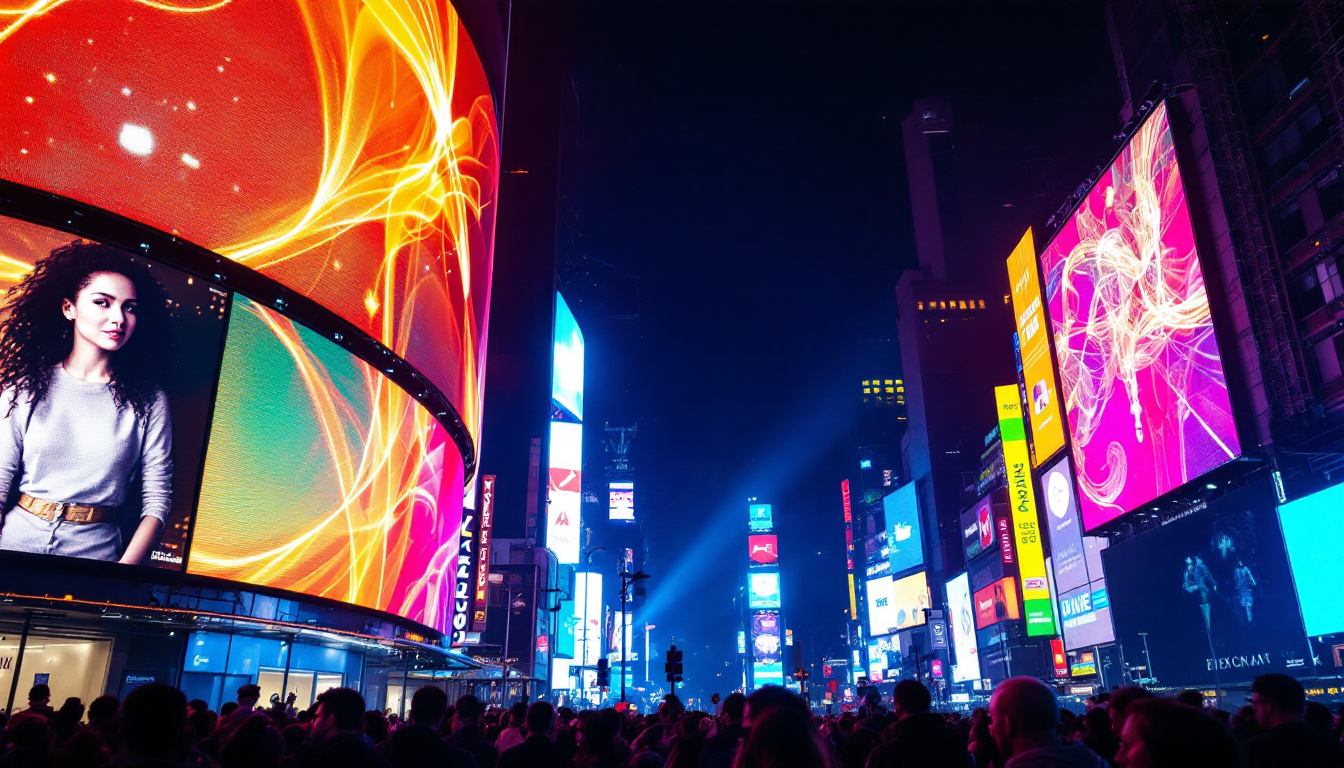
The advantages of LED displays are numerous. They offer exceptional brightness, which makes them suitable for both indoor and outdoor use, even in direct sunlight. Their wide viewing angles ensure consistent image quality from almost any perspective, a critical feature for public displays and advertising. Additionally, LED technology supports high refresh rates, which is essential for smooth video playback and gaming applications. This capability is particularly beneficial in environments where dynamic content is displayed, such as sports arenas and concert venues, where fast-moving visuals are common.
Energy efficiency is another significant benefit. LED displays consume less power than traditional display technologies, reducing operational costs and environmental impact. Their long lifespan, often exceeding 50,000 hours, means fewer replacements and less maintenance over time. Furthermore, the reduced heat output of LED displays contributes to a more comfortable viewing environment, especially in confined spaces. As technology continues to advance, innovations such as adaptive brightness control and smart energy management systems are being integrated into LED displays, further enhancing their efficiency and usability in various applications.
Common Issues with LED Displays
Pixel Failures and Dead LEDs
Despite their durability, LED displays can experience pixel failures where individual LEDs stop functioning correctly. This can manifest as dead pixels (completely unlit) or stuck pixels (constantly lit in one color). Such defects can detract from the overall viewing experience, especially on large screens where uniformity is critical. The impact of these pixel issues is particularly pronounced in high-resolution displays, where even a single malfunctioning pixel can be noticeable against the backdrop of vibrant images.
Manufacturers often have specific thresholds for acceptable pixel failure rates, and warranties typically address these issues. Understanding these terms helps users know when a repair or replacement is warranted. For instance, some manufacturers may offer a “zero defect” policy for premium models, ensuring that any dead or stuck pixels are promptly addressed. This is crucial for businesses that rely on LED displays for advertising or presentations, as maintaining a flawless visual presentation is essential for brand reputation and customer engagement.
Color Uniformity and Brightness Degradation
Over time, LED displays may exhibit color shifts or uneven brightness due to aging components or environmental factors like humidity and temperature fluctuations. This degradation can affect image quality and brand messaging, especially for businesses relying on vibrant, consistent visuals. The phenomenon of color drift can be particularly challenging, as it may not be immediately noticeable, leading to a gradual decline in visual integrity that can go unaddressed for too long.
Regular calibration and maintenance can mitigate these effects, but warranty coverage often includes provisions for performance degradation, ensuring users are protected against premature failures. Advanced calibration tools and software can help restore color accuracy and brightness levels, allowing users to maintain optimal display performance. Additionally, investing in high-quality LED displays with superior components can reduce the likelihood of such issues, providing a more reliable long-term solution for demanding applications.
Physical Damage and Environmental Impact
LED displays installed outdoors are exposed to harsh weather conditions, including rain, wind, dust, and extreme temperatures. While many modern LED panels are designed with robust weatherproofing, physical damage from accidents or vandalism can occur. Additionally, improper installation or electrical surges can cause malfunctions. The susceptibility to environmental factors means that routine inspections and maintenance checks are crucial to ensure the longevity of outdoor displays, particularly in regions prone to severe weather.
Warranties typically exclude damage caused by misuse or external factors but may offer optional coverage for accidental damage or environmental wear and tear, providing additional security for users. Some manufacturers even provide protective casings or enclosures that can further shield displays from environmental hazards. By investing in these protective measures, users can significantly extend the lifespan of their LED displays, ensuring that they continue to deliver high-quality visuals even in challenging conditions. Furthermore, understanding the specific environmental ratings of LED products can help users make informed decisions when selecting displays for outdoor use, ensuring they choose models that can withstand the elements effectively.
The Evolution of LED Display Warranties
Traditional Warranty Models
Historically, LED display warranties were complex and often difficult to navigate. They typically covered manufacturing defects for a limited period, usually one to three years, with strict conditions on usage and maintenance. Many warranties excluded common issues like pixel failures below certain thresholds or damage caused by environmental factors.
This complexity made it challenging for consumers and businesses to understand their rights and the extent of coverage, sometimes leading to unexpected repair costs or disputes with manufacturers.
Modern Warranty Approaches
In response to customer feedback and competitive pressures, manufacturers have shifted towards simpler, more transparent warranty models. Modern warranties for LED displays often feature:
- Extended Coverage Periods: Many now offer warranties ranging from three to five years, reflecting the improved reliability of LED technology.
- Clear Pixel Failure Policies: Instead of vague terms, warranties specify exact thresholds for acceptable pixel failures and outline remedies if those thresholds are exceeded.
- Comprehensive Service Plans: Some include on-site repairs, free replacement parts, and technical support, reducing downtime and maintenance costs.
- Optional Accidental Damage Protection: Users can purchase additional coverage to protect against unforeseen incidents.
These improvements simplify the ownership experience and build trust between manufacturers and customers.
Why Warranty Matters for LED Display Buyers
Protecting Your Investment
LED displays represent a significant investment, especially for businesses relying on them for advertising, information dissemination, or entertainment. A robust warranty ensures that this investment is protected against manufacturing defects and premature failures, minimizing financial risks.
For example, a large outdoor LED billboard can cost tens of thousands of dollars. Without adequate warranty coverage, unexpected repairs or replacements could lead to substantial unplanned expenses.
Ensuring Continuous Operation
Downtime can be costly. Whether it’s a retail store’s digital signage or a sports arena’s scoreboard, a malfunctioning LED display can disrupt operations and negatively impact customer experience. Warranties that include prompt repair services and technical support help maintain continuous operation and reduce revenue loss.
Enhancing Resale Value
For businesses that upgrade their LED displays regularly, having a transferable warranty or documented maintenance history can enhance the resale value of the equipment. Buyers are more confident purchasing used displays with warranty-backed reliability.
Tips for Maximizing Your LED Display Warranty
Understand the Terms Thoroughly
Before purchasing an LED display, carefully review the warranty terms. Pay attention to coverage duration, what defects are included, pixel failure thresholds, and exclusions. Knowing these details helps set realistic expectations and avoid surprises later.
Follow Manufacturer Guidelines
Many warranties require adherence to specific installation, usage, and maintenance procedures. Using authorized installers, performing regular cleaning, and avoiding unauthorized repairs can keep the warranty valid.
Register Your Product
Registering the LED display with the manufacturer often activates the warranty and may provide access to additional support services. Keep all purchase documents and warranty certificates in a safe place.
Document Issues Promptly
If problems arise, document them with photos and detailed descriptions. Contact the manufacturer or authorized service provider as soon as possible to initiate warranty claims and avoid delays.
Future Trends in LED Display Warranties
Integration of IoT and Predictive Maintenance
As LED displays become smarter, many are now equipped with sensors and Internet of Things (IoT) capabilities that monitor performance in real-time. This technology enables predictive maintenance, alerting users and manufacturers to potential issues before they cause failures.
Future warranties may incorporate these technologies to offer proactive service plans, reducing downtime and extending display lifespan.
Customization and Flexible Warranty Plans
Manufacturers are increasingly offering customizable warranty packages tailored to specific user needs. This flexibility allows businesses to choose coverage levels, service response times, and additional protections that align with their operational priorities and budgets.
Sustainability and Recycling Incentives
With growing emphasis on environmental responsibility, some warranties may include incentives for recycling or refurbishing LED displays at the end of their lifecycle. This approach supports sustainability goals and reduces electronic waste.
Conclusion
LED displays are a cornerstone of modern visual communication, offering vibrant, energy-efficient, and versatile solutions for a wide range of applications. Understanding the technology behind these displays and the nuances of their warranties is essential for anyone investing in this equipment.
Modern warranty models have evolved to be more transparent, comprehensive, and customer-friendly, providing greater protection and peace of mind. By carefully reviewing warranty terms, following manufacturer guidelines, and staying informed about emerging trends, buyers can maximize the value and longevity of their LED displays.
Whether for advertising, entertainment, or information, a well-warranted LED display is not just a purchase—it’s a long-term partnership that supports success and innovation in the digital age.
Discover LumenMatrix’s Advanced LED Display Solutions
Ready to elevate your visual communication with the latest in LED technology? Look no further than LumenMatrix, where innovation meets excellence. Our comprehensive range of LED display solutions, from Indoor and Outdoor LED Walls to specialized displays for Vehicles, Sports, and even Custom configurations, is designed to captivate your audience and amplify your message. Experience the future of digital signage with LumenMatrix and ensure your brand stands out with clarity and impact. Check out LumenMatrix LED Display Solutions today and join the revolution in visual storytelling.