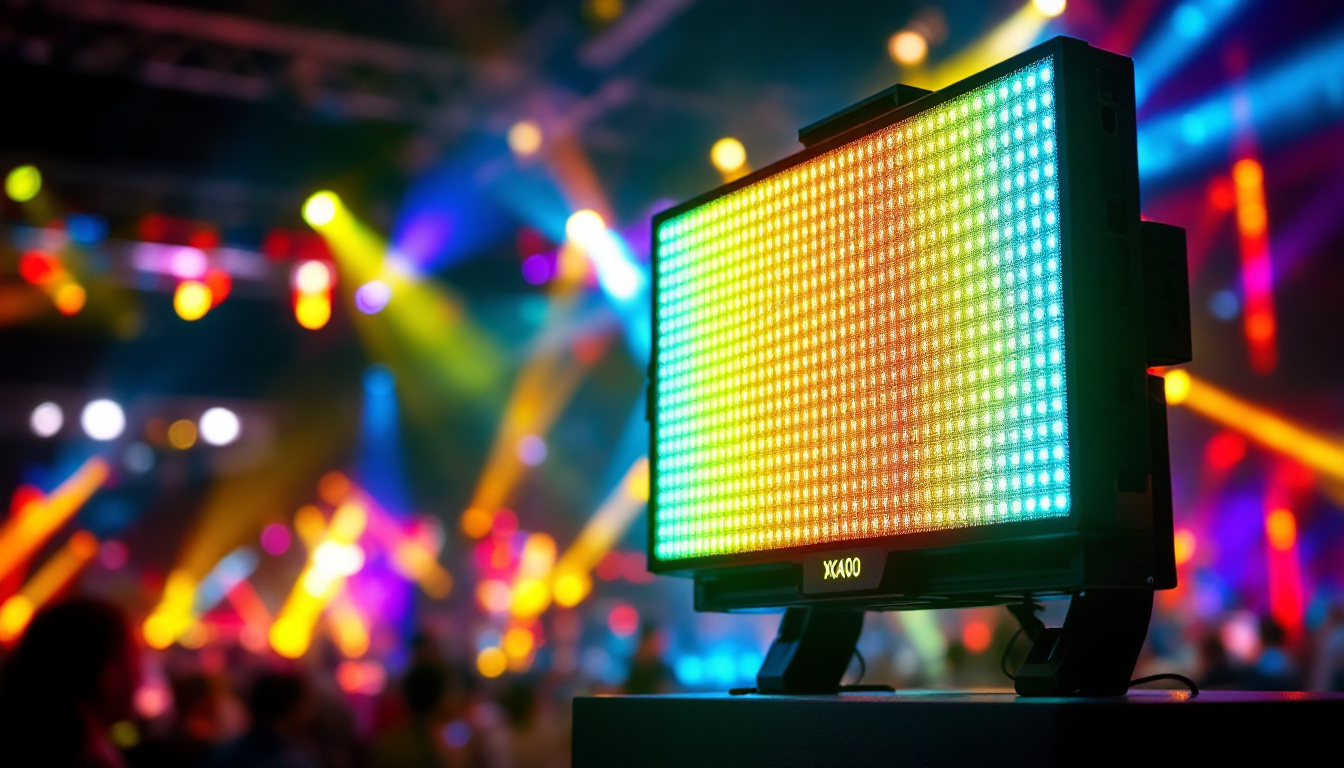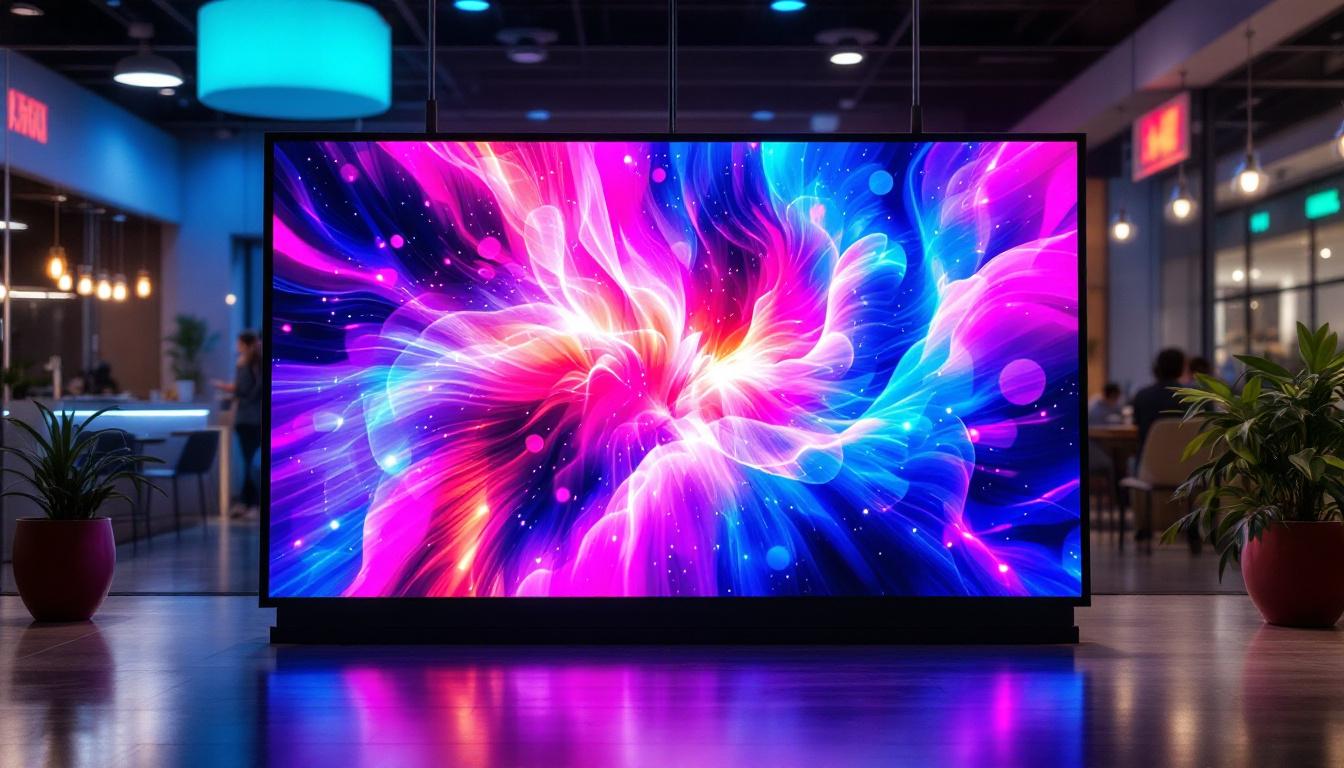
In recent years, flexible LED displays have revolutionized the visual communication landscape, offering unparalleled versatility and creative freedom. From curved advertising billboards to wearable tech and architectural installations, these displays are reshaping how brands and creators engage audiences. However, understanding the pricing of flexible LED displays can be complex due to the variety of factors influencing cost. This article delves into the technology behind flexible LED displays, the key elements affecting their price, and practical insights to help businesses and individuals make informed purchasing decisions.
What Is a Flexible LED Display?
Flexible LED displays are a type of digital screen composed of light-emitting diodes (LEDs) mounted on a bendable substrate. Unlike traditional rigid LED panels, these displays can curve, fold, or wrap around surfaces, enabling innovative design possibilities.
Typically, flexible LED displays use thin, lightweight materials such as flexible printed circuit boards (FPCBs) or silicone substrates, which allow the screen to maintain image integrity even when bent. This adaptability makes them ideal for applications where conventional flat screens would be impractical or visually limiting.
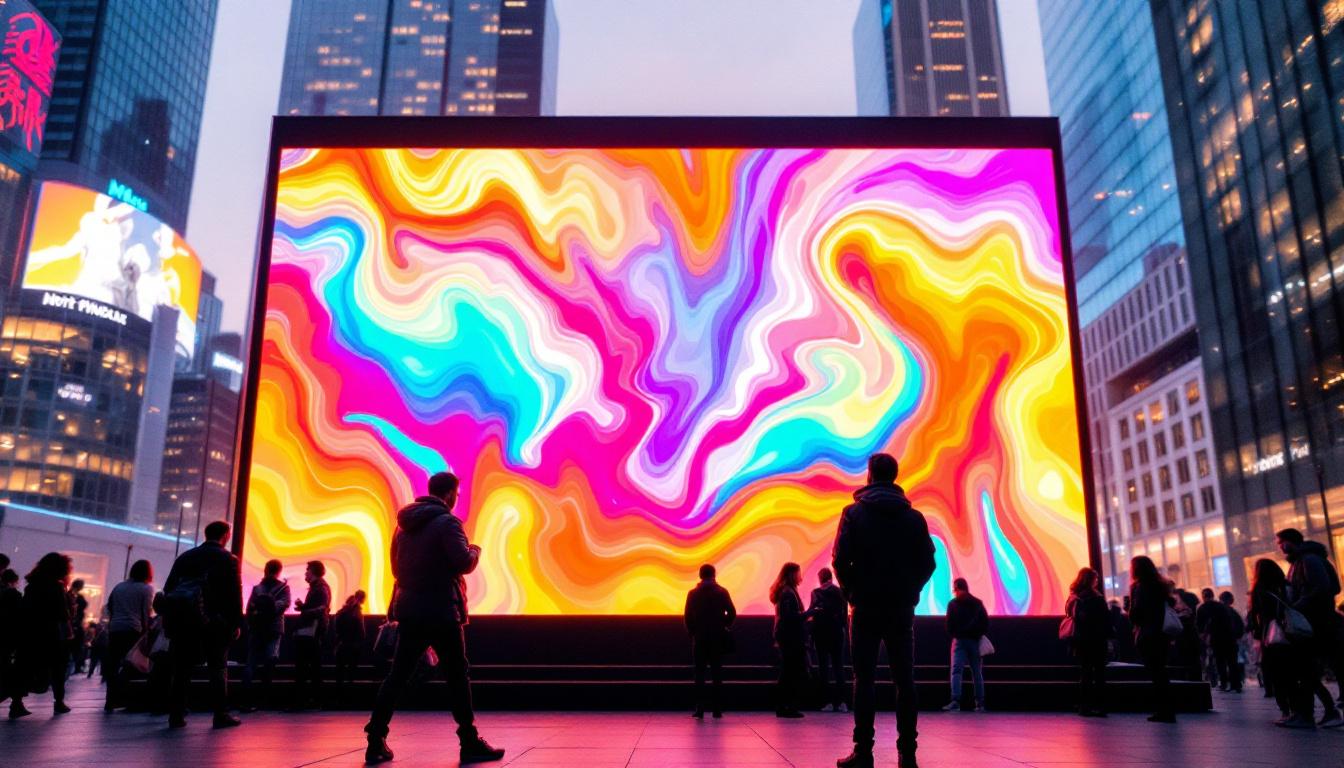
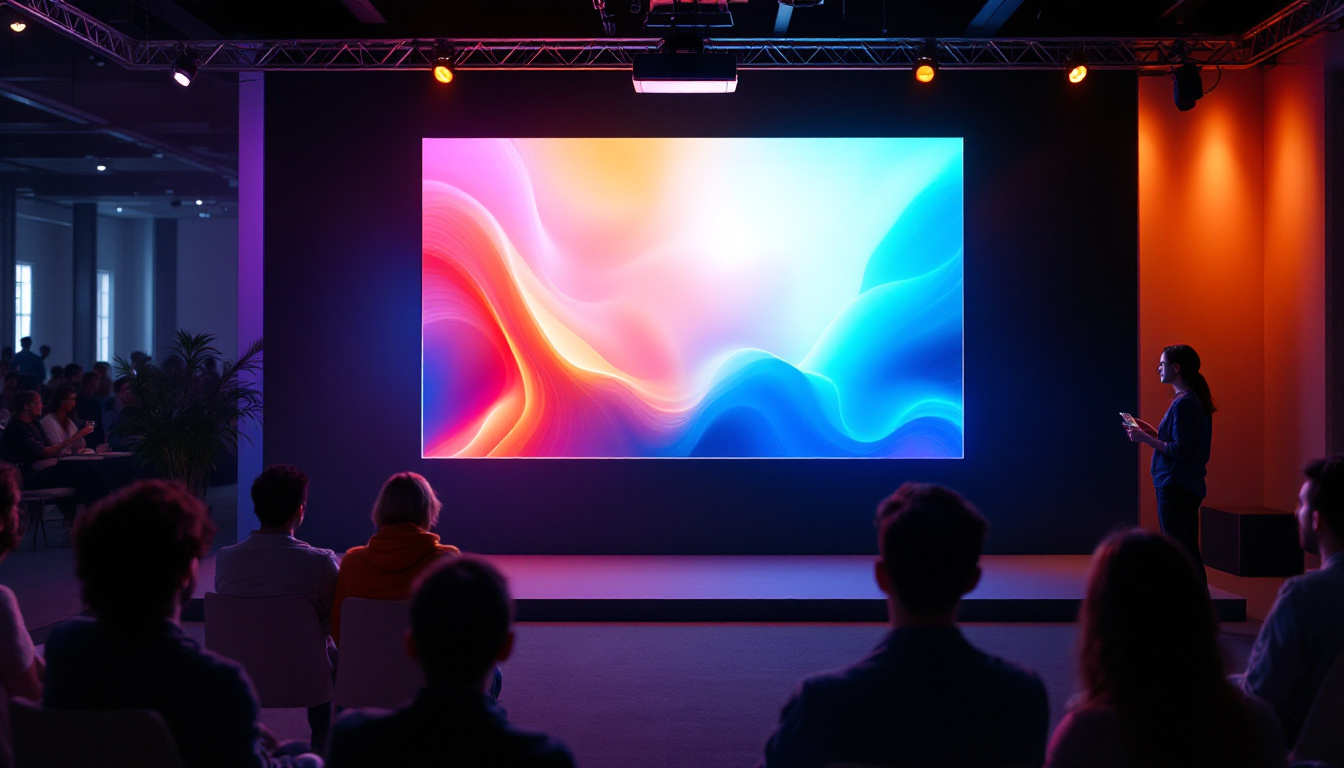
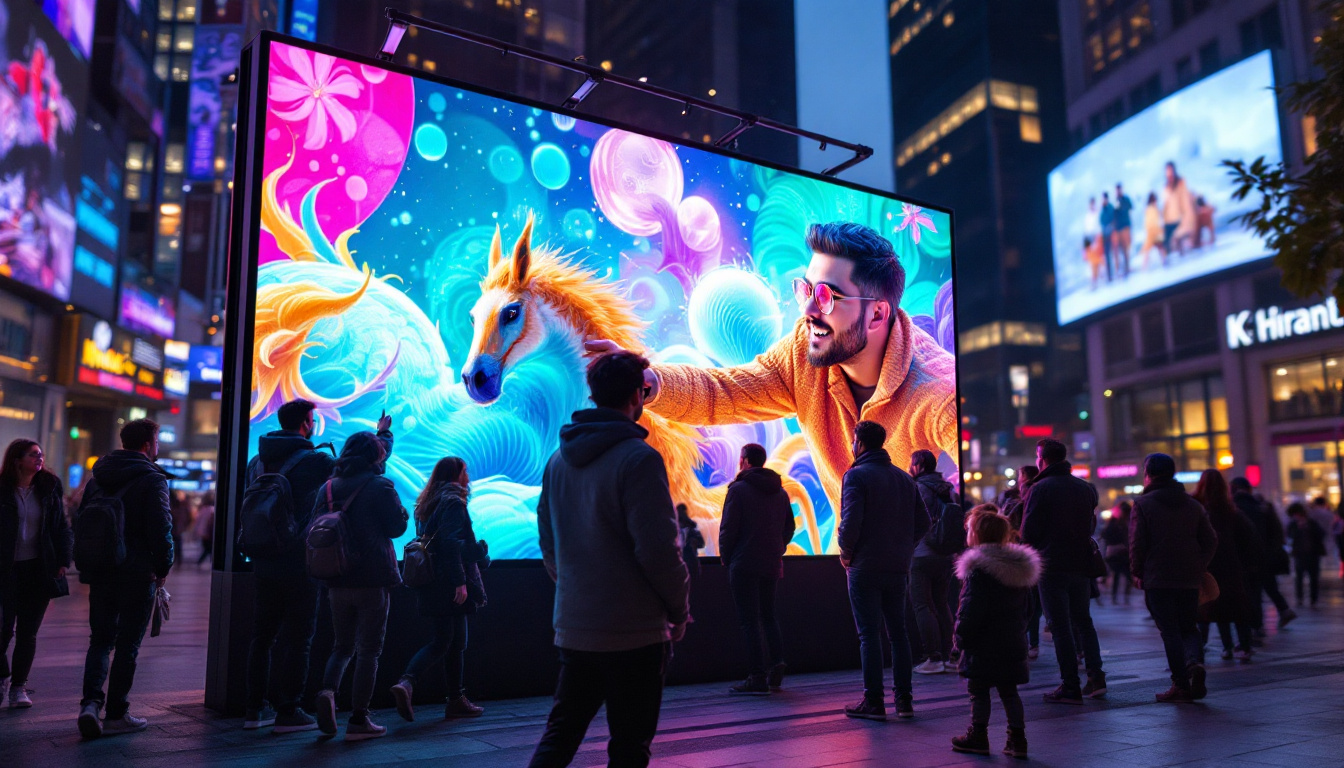
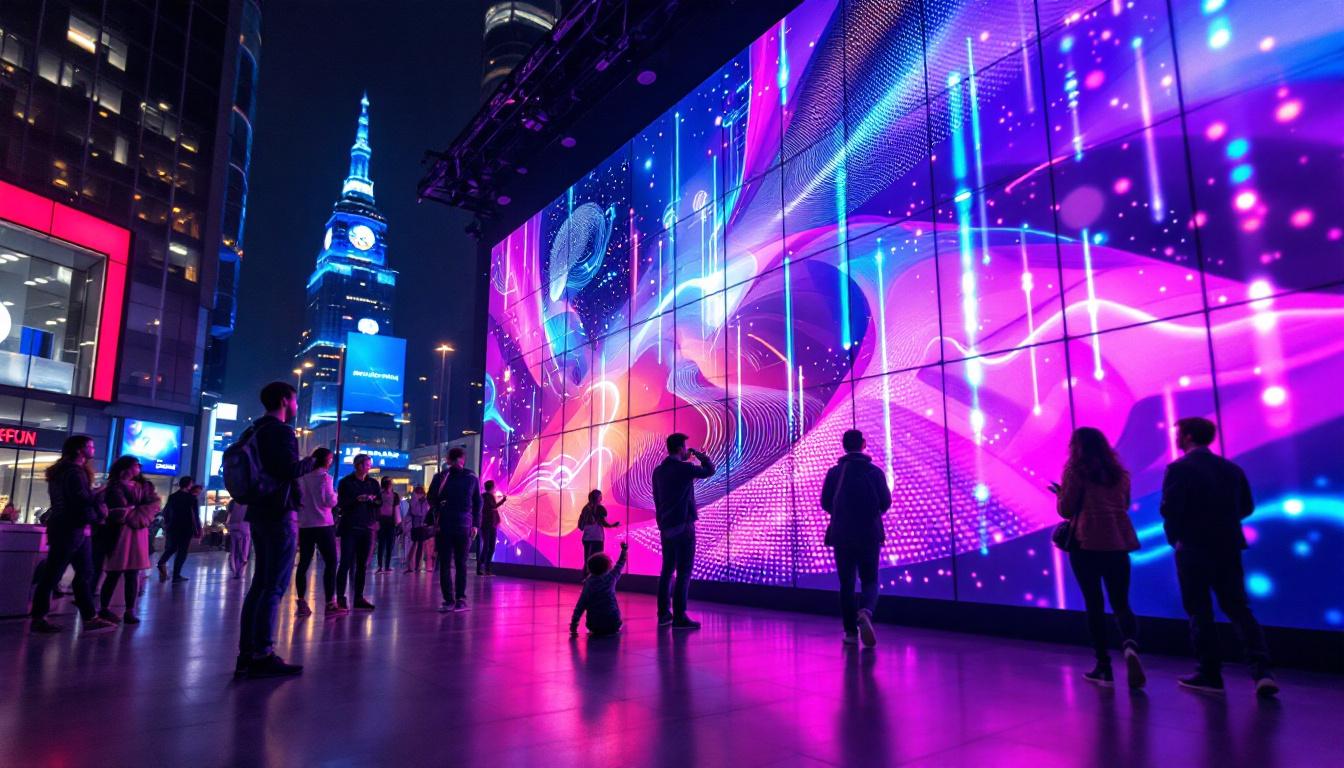
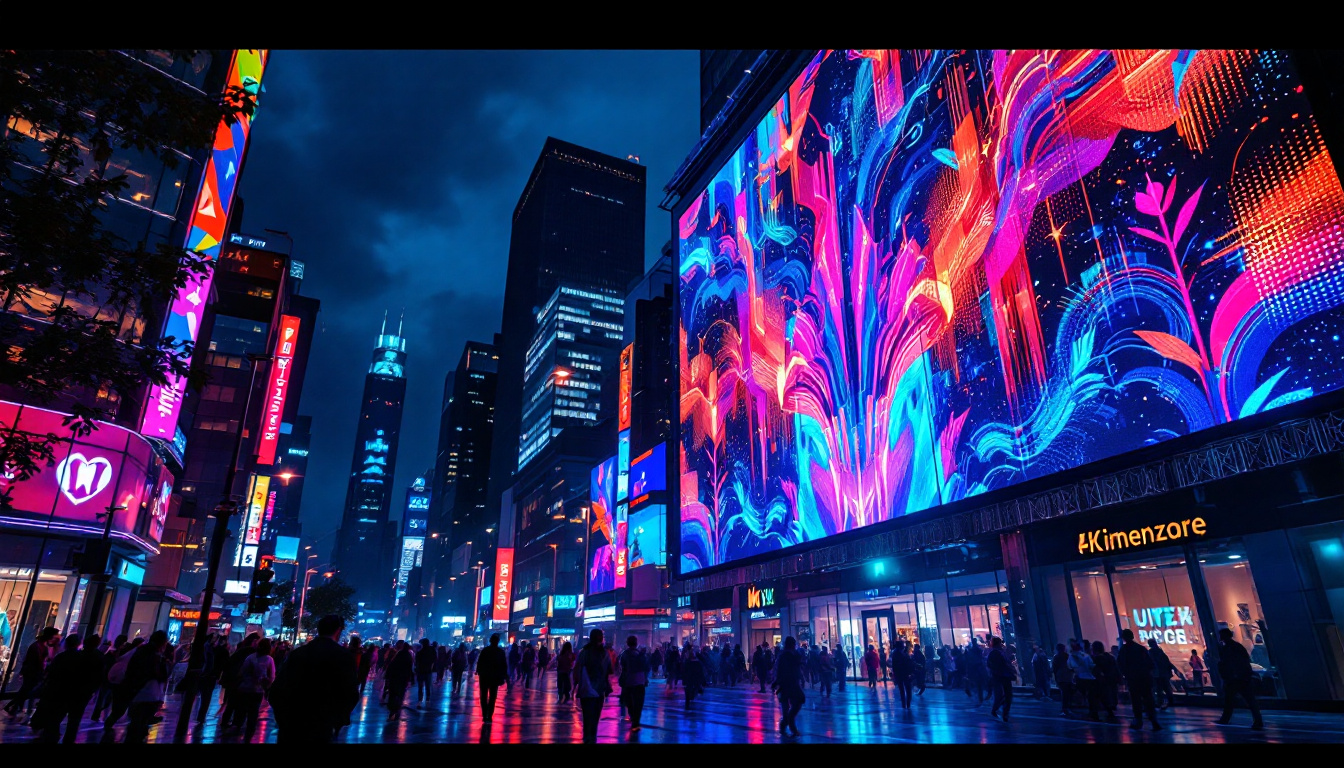
Common uses include dynamic advertising on curved building facades, immersive stage backdrops, wearable displays in fashion, and automotive dashboards. Their ability to conform to various shapes without compromising brightness or resolution is a key differentiator in the LED display market.
One of the most exciting aspects of flexible LED technology is its potential for integration into everyday objects. For instance, designers are exploring the incorporation of flexible displays into furniture, allowing for interactive surfaces that can change appearance based on user preferences or ambient conditions. Imagine a coffee table that can display news headlines, artwork, or even a digital aquarium, all while seamlessly blending into your living space. This capability not only enhances functionality but also transforms the aesthetic appeal of environments, making them more engaging and personalized.
Moreover, the advancements in flexible LED technology have sparked interest in the realm of virtual reality (VR) and augmented reality (AR). As these displays become more advanced, they could be used to create immersive environments that adapt to user movements and interactions. For example, flexible LED screens could be used to create a fully immersive VR experience in a portable format, allowing users to enjoy high-quality visuals in a lightweight and adaptable form factor. This innovation could revolutionize the way we experience entertainment, gaming, and even educational content, pushing the boundaries of how digital information is presented and interacted with in our daily lives.
Key Technologies Behind Flexible LED Displays
LED Type and Pixel Pitch
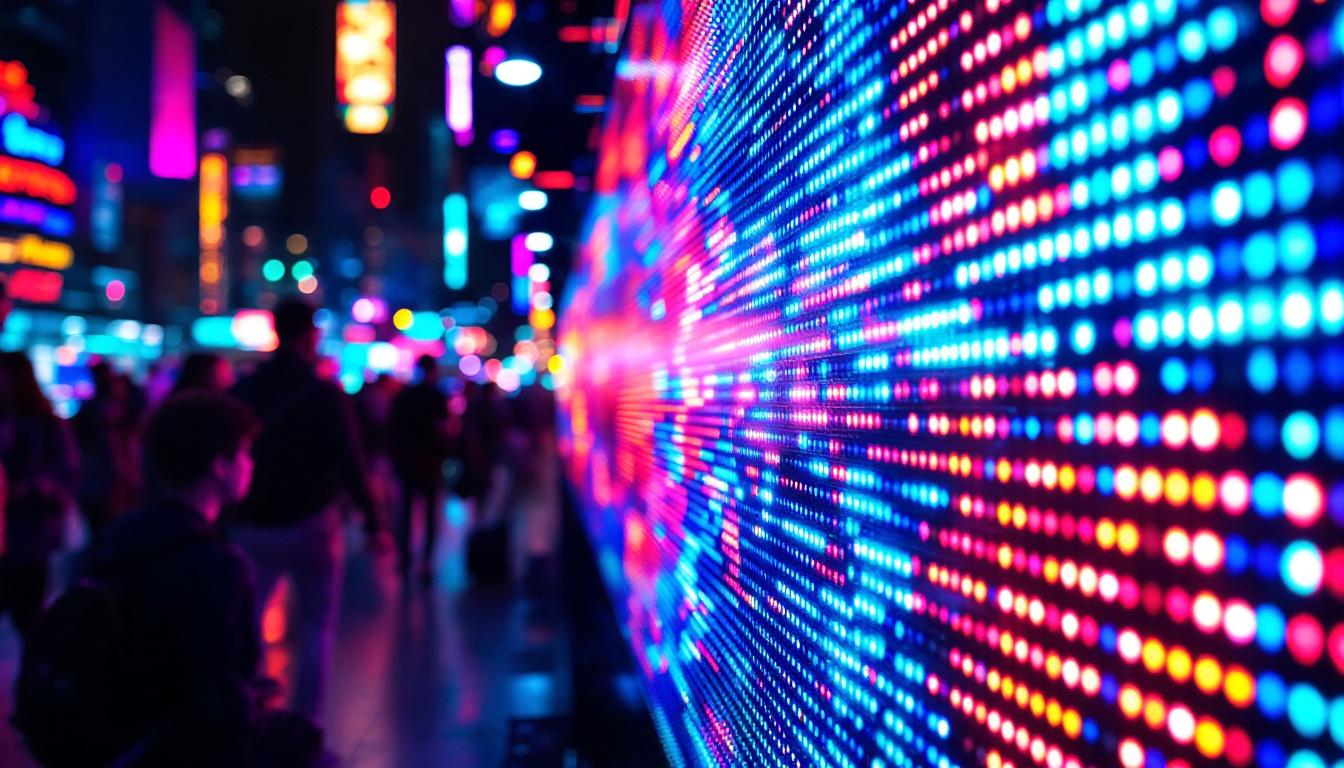
The type of LEDs used and the pixel pitch—the distance between individual LED pixels—significantly impact both performance and cost. Smaller pixel pitches offer higher resolution and finer image detail but require more LEDs per square meter, increasing manufacturing complexity and price.
For example, a flexible LED display with a 1.5mm pixel pitch will be considerably more expensive than one with a 4mm pitch due to the density of LEDs and precision needed in assembly. Businesses targeting close-viewing applications, such as retail or exhibitions, often opt for smaller pixel pitches despite the higher cost.
Substrate Material and Flexibility
The flexibility of the display depends largely on the substrate material. Common substrates include flexible printed circuit boards (FPCBs) and silicone-based materials. Silicone substrates are gaining popularity due to their superior durability, waterproof properties, and ability to withstand repeated bending without degradation.
Displays using advanced silicone substrates tend to be priced higher because of the specialized manufacturing processes involved. However, this investment often translates into longer-lasting displays with better performance in outdoor or high-stress environments.
Driving ICs and Control Systems
The integrated circuits (ICs) that drive the LEDs and the control systems managing the display content also influence price. High-quality driving ICs ensure stable brightness, color accuracy, and refresh rates, which are essential for professional-grade displays.
Advanced control systems that support real-time content updates, remote management, and synchronization across multiple panels add to the overall cost but provide significant value for commercial installations.
Factors Influencing Flexible LED Display Price
Size and Resolution
The most straightforward cost driver is the physical size of the display. Larger displays require more LEDs, substrates, and supporting hardware, naturally increasing the price. Resolution, closely tied to pixel pitch, also plays a critical role. Higher resolution displays demand more LEDs per square meter, pushing costs upward.
For instance, a 10-square-meter flexible LED display with a 2.5mm pixel pitch might cost between $15,000 to $30,000, while the same size with a 4mm pitch could range from $8,000 to $15,000. These figures vary based on other quality and feature considerations.
Brightness and Color Performance
Brightness is measured in nits, and higher brightness levels are essential for outdoor or brightly lit environments. Flexible LED displays designed for outdoor use often feature brightness levels exceeding 5,000 nits, which requires more powerful LEDs and robust heat dissipation systems, increasing costs.
Color performance, including color gamut and uniformity, also affects pricing. Displays capable of rendering a wider range of colors with high accuracy typically use premium LEDs and calibration technologies, contributing to higher prices.
Durability and Environmental Resistance
Flexible LED displays intended for outdoor or industrial applications must withstand harsh environmental conditions such as moisture, dust, temperature fluctuations, and mechanical stress. Displays with IP65 or higher ratings for water and dust resistance are more expensive due to additional sealing, protective coatings, and ruggedized components.
Investing in durable displays can reduce maintenance costs and downtime, making them a cost-effective choice for long-term installations despite the initial higher price.
Customization and Additional Features
Customization options such as unique shapes, sizes, and mounting solutions can significantly influence pricing. Flexible LED displays often require bespoke design and engineering, which adds to labor and material costs.
Additional features like touch interactivity, integrated sensors, or advanced software capabilities for content management also contribute to the final price. These enhancements can improve user engagement and operational efficiency but should be evaluated based on specific project needs.
Comparing Flexible LED Displays to Traditional LED Screens
Traditional rigid LED screens have been the industry standard for decades, known for their robustness and relatively lower cost per square meter. However, they lack the adaptability of flexible displays, limiting their use in creative or unconventional applications.
Flexible LED displays command a premium price due to their innovative design and manufacturing complexity. Yet, their ability to conform to curved surfaces, reduce installation constraints, and create visually striking effects often justifies the investment.
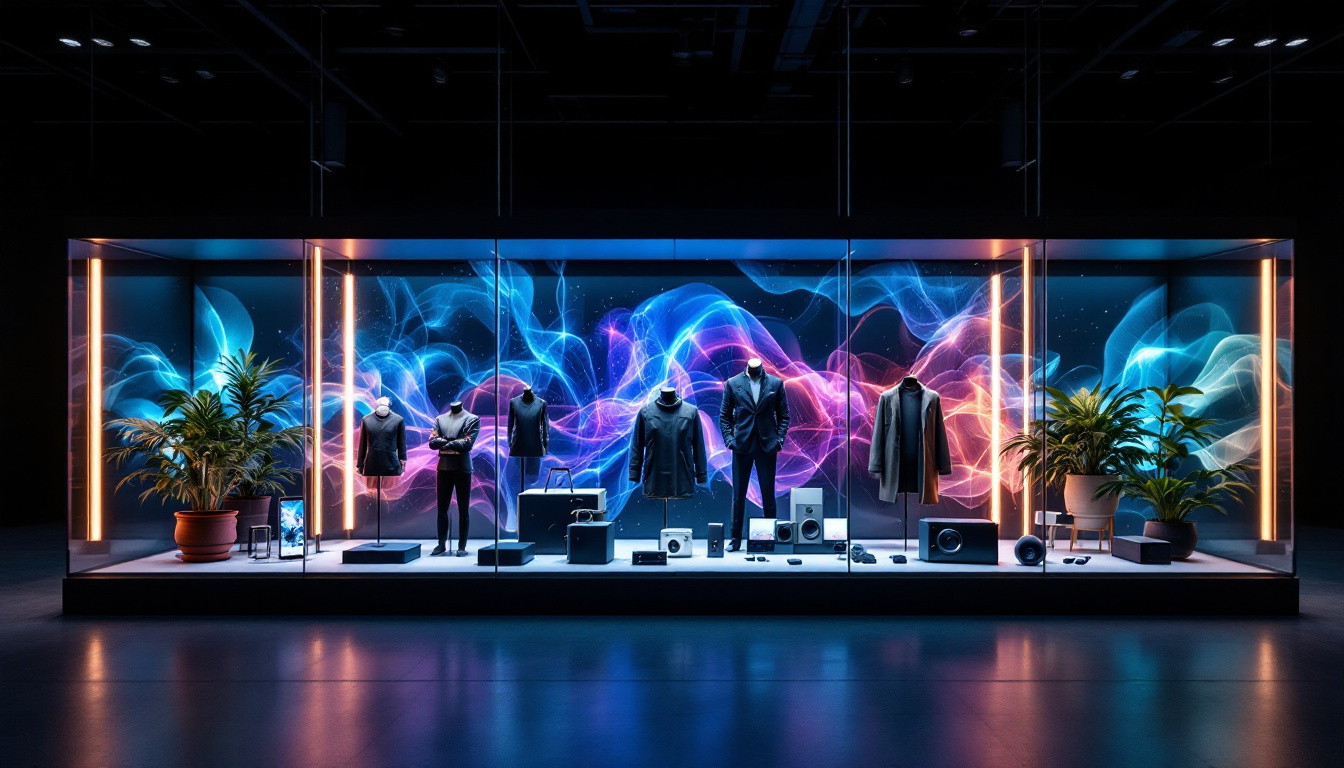
For example, the retail sector increasingly favors flexible LED displays for window installations and product showcases, where curved or wrap-around designs attract more attention than flat screens.
Current Market Trends and Pricing Insights
Price Trends Over Time
Advancements in LED technology and manufacturing efficiencies have gradually lowered the cost of flexible LED displays over the past five years. According to industry reports, prices have decreased by approximately 20-30% since 2019, making flexible displays more accessible to a broader range of applications.
However, supply chain disruptions and increased demand for raw materials like gallium and indium have caused periodic price fluctuations. Buyers should monitor market conditions and consider ordering lead times when planning purchases.
Regional Variations
Pricing can vary significantly by region due to differences in manufacturing hubs, import duties, and local market demand. For instance, flexible LED displays manufactured in East Asia, particularly China and South Korea, tend to be more competitively priced due to established supply chains and economies of scale.
Conversely, displays sourced from Europe or North America may carry higher costs but offer advantages in terms of quality assurance, after-sales support, and compliance with local standards.
Rental vs. Purchase Considerations
For events or short-term campaigns, renting flexible LED displays is a cost-effective alternative to purchasing. Rental prices typically range from $100 to $300 per square meter per day, depending on resolution and features.
Purchasing, while more capital-intensive upfront, is preferable for permanent installations or long-term use, where the total cost of ownership over time becomes more favorable.
How to Choose the Right Flexible LED Display for Your Budget
Assess Your Application Needs
Begin by clearly defining the intended use of the display. Is it for indoor or outdoor use? Will it be viewed up close or from a distance? What environmental conditions will it face? Answers to these questions guide decisions about pixel pitch, brightness, and durability requirements.
Balance Quality and Cost
While it might be tempting to opt for the lowest price, investing in higher quality components often results in better performance, longer lifespan, and fewer maintenance issues. Consider the total cost of ownership rather than just the initial purchase price.
Request Detailed Quotes and Specifications
Obtain quotes from multiple suppliers, ensuring they provide detailed specifications including pixel pitch, brightness, IP rating, warranty terms, and support services. Transparency in these details helps avoid unexpected costs and ensures the display meets project requirements.
Consider Future Scalability
Flexible LED displays can be modular, allowing for future expansion or upgrades. Planning for scalability can save money in the long run by avoiding full replacements as needs evolve.
Conclusion
Flexible LED displays represent a cutting-edge solution for dynamic, visually engaging digital signage and installations. Their price is influenced by a complex interplay of factors including size, resolution, materials, durability, and additional features. Understanding these elements helps buyers make informed choices that align with their budget and project goals.
As technology advances and market competition grows, flexible LED displays are becoming increasingly accessible, offering exciting opportunities for creative expression and effective communication across industries. Whether for advertising, entertainment, or architectural design, investing in the right flexible LED display can deliver significant returns in audience engagement and brand impact.
Discover the Future of Visual Engagement with LumenMatrix
Ready to elevate your visual communication and captivate your audience like never before? LumenMatrix is at the forefront of LED display innovation, offering a diverse range of solutions tailored to your unique needs. From immersive Indoor and Outdoor LED Wall Displays to dynamic Vehicle and Sports LED Displays, our cutting-edge technology is designed to make your brand stand out. Experience the transformative power of our Custom, Floor, and All-in-One LED Displays, and see through new perspectives with our LED Transparent Display. Don’t just take our word for it; check out LumenMatrix LED Display Solutions today and join the revolution in digital signage excellence.