In recent years, flexible LED digital displays have revolutionized the way information and visuals are presented across various industries. From advertising billboards that curve around buildings to wearable technology and innovative stage designs, flexible LED displays offer versatility and dynamic visual appeal that traditional rigid screens cannot match. This article explores the technology behind flexible LED displays, their applications, benefits, and the future potential of this rapidly evolving field.
Understanding Flexible LED Digital Displays
What Are Flexible LED Displays?
Flexible LED digital displays are screens composed of light-emitting diodes (LEDs) mounted on bendable substrates, allowing the display to curve, fold, or wrap around surfaces. Unlike traditional LED panels that are rigid and flat, flexible LED displays can adapt to various shapes and surfaces without compromising image quality or brightness. This flexibility opens up new possibilities for creative installations and practical applications. For instance, they can be used in retail environments to create eye-catching displays that wrap around columns or corners, enhancing the shopping experience and drawing attention to products in innovative ways.
The core technology involves embedding tiny LEDs on a flexible printed circuit board (PCB) or a thin, pliable material. These LEDs can emit vibrant colors and high brightness, making them suitable for both indoor and outdoor environments. The ability to bend and flex the screen while maintaining electrical connectivity is a key engineering challenge that manufacturers have overcome through advances in materials science and microelectronics. Furthermore, the lightweight nature of these displays allows for easier installation and transport, making them an attractive option for event organizers and advertisers looking for dynamic visual solutions.
How Do Flexible LED Displays Work?
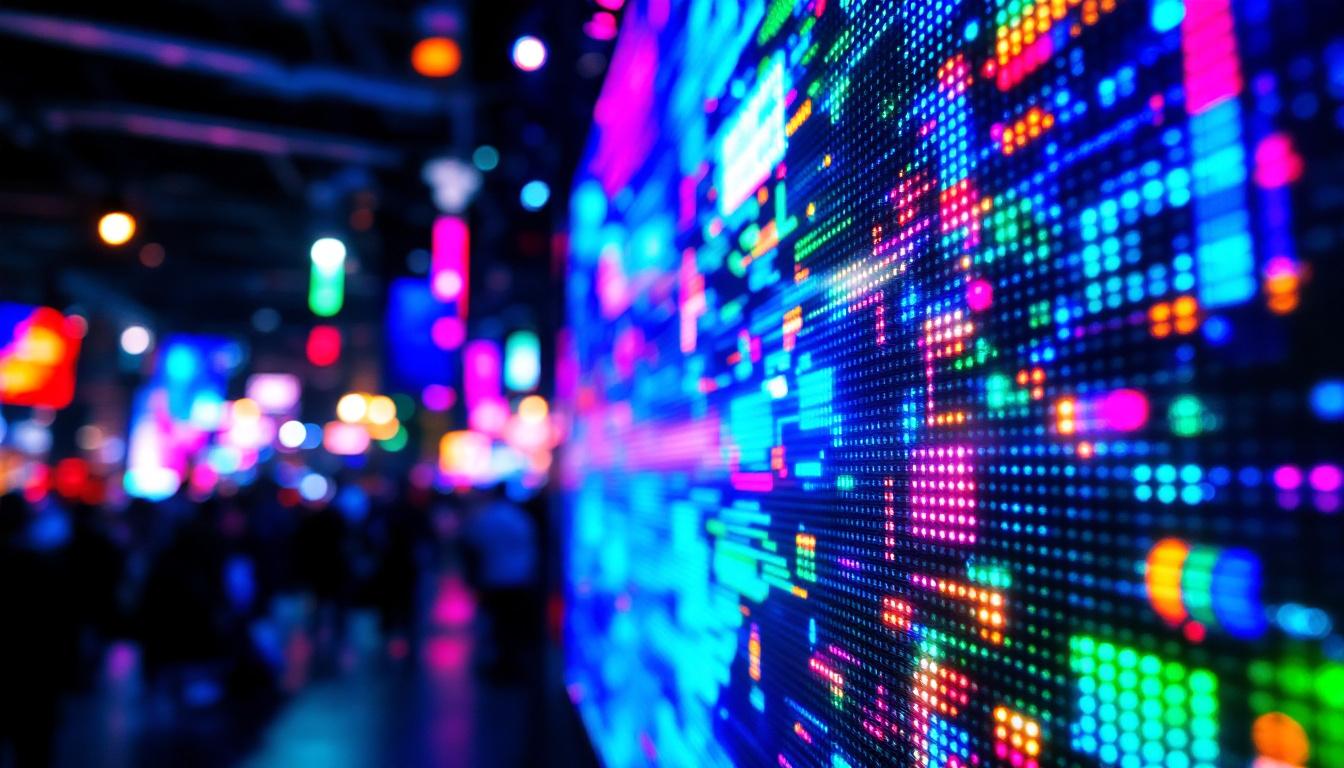
At the heart of flexible LED displays is the LED pixel, which consists of red, green, and blue diodes that combine to produce a full spectrum of colors. These pixels are arranged in a matrix on a flexible substrate. The display is controlled by a driver circuit that manages the illumination of each pixel, enabling the display to show images, videos, and text. This level of control allows for stunning visual effects, such as smooth transitions and dynamic animations, which can significantly enhance the viewer’s engagement and interaction with the content being displayed.
The flexible substrate is typically made from materials such as polyimide or other polymers that can withstand bending without breaking. The LEDs themselves are often surface-mounted devices (SMDs) that are small and lightweight. Advanced manufacturing techniques ensure that the connections between LEDs and the substrate remain intact even when the display is bent repeatedly. Additionally, the integration of smart technology allows these displays to be responsive to environmental conditions, such as adjusting brightness based on ambient light, thus optimizing energy consumption and enhancing visibility in various settings.
Applications of Flexible LED Displays
Advertising and Marketing
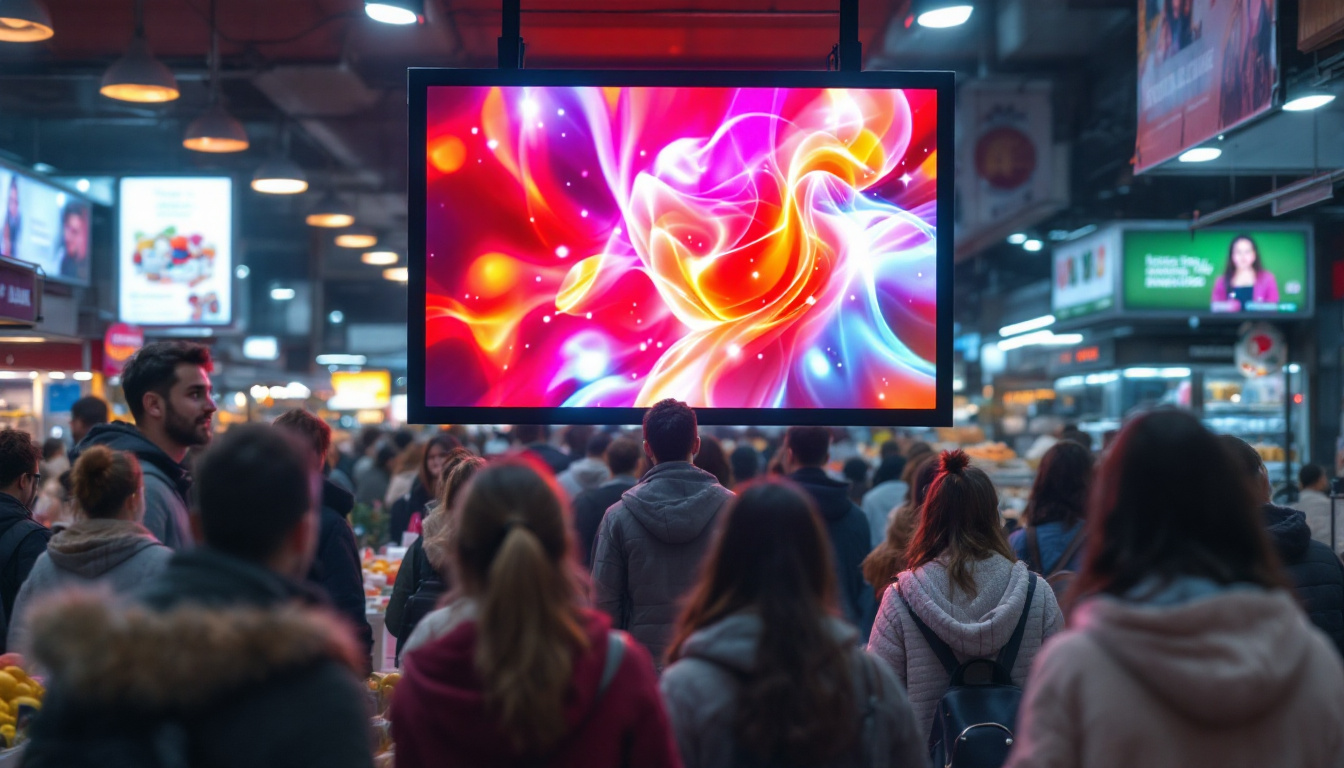
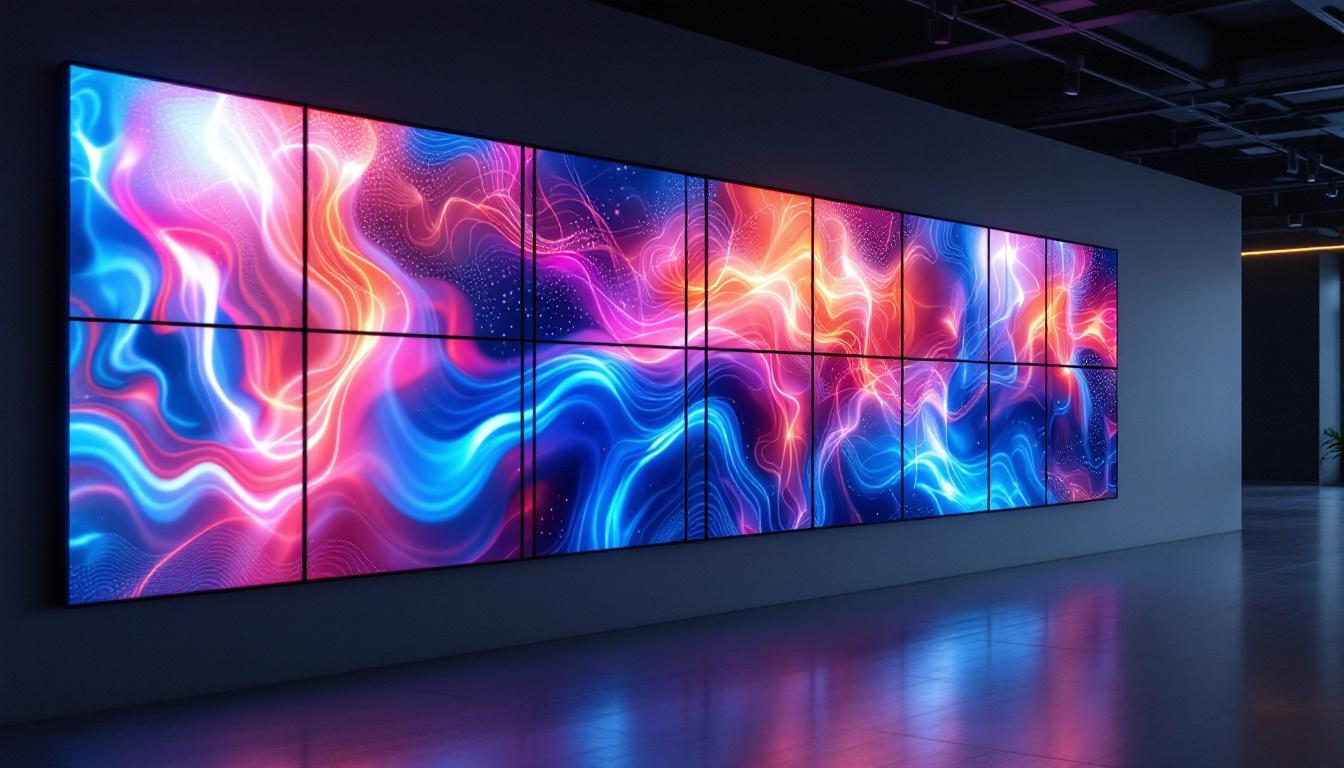
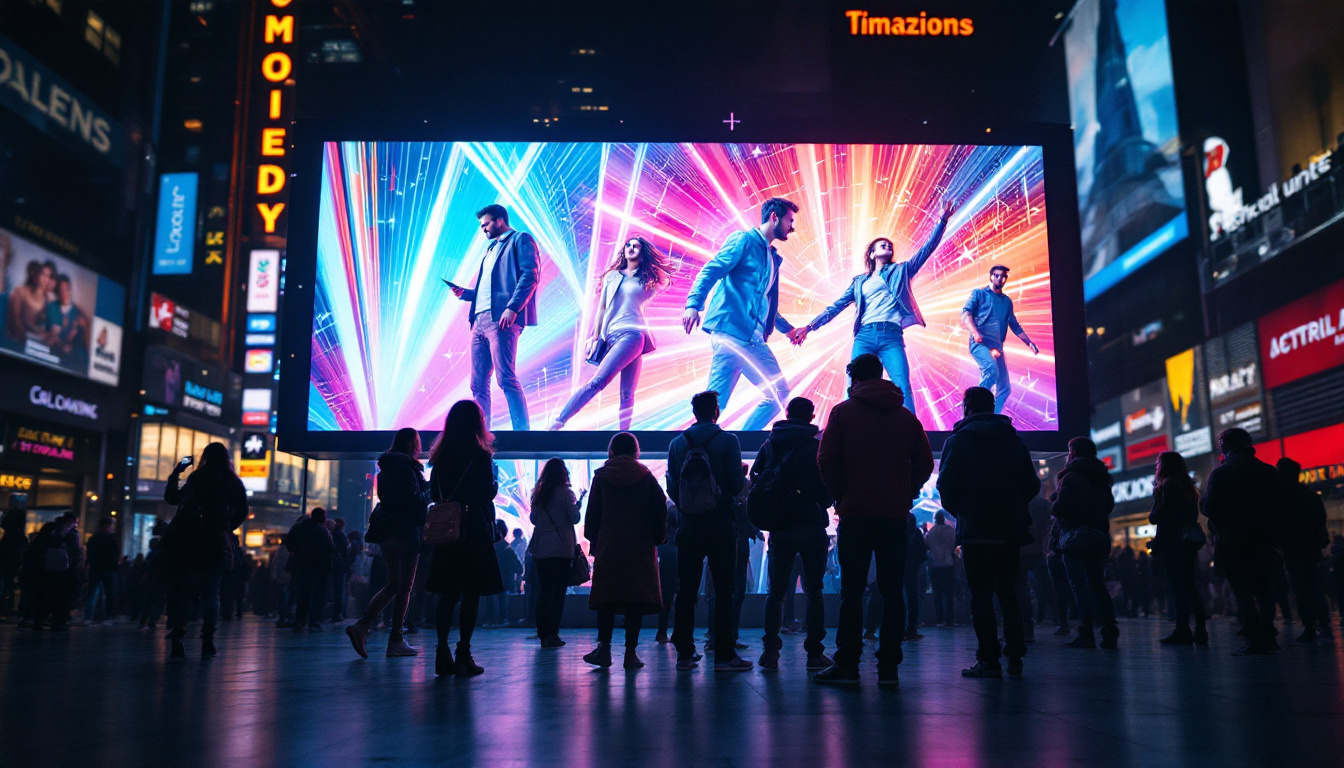
One of the most prominent uses of flexible LED displays is in advertising. Traditional billboards and digital signs are often limited to flat surfaces, but flexible LED displays can wrap around columns, curve along building facades, or even form 3D shapes. This capability allows advertisers to create eye-catching, immersive experiences that attract more attention and engagement from viewers.
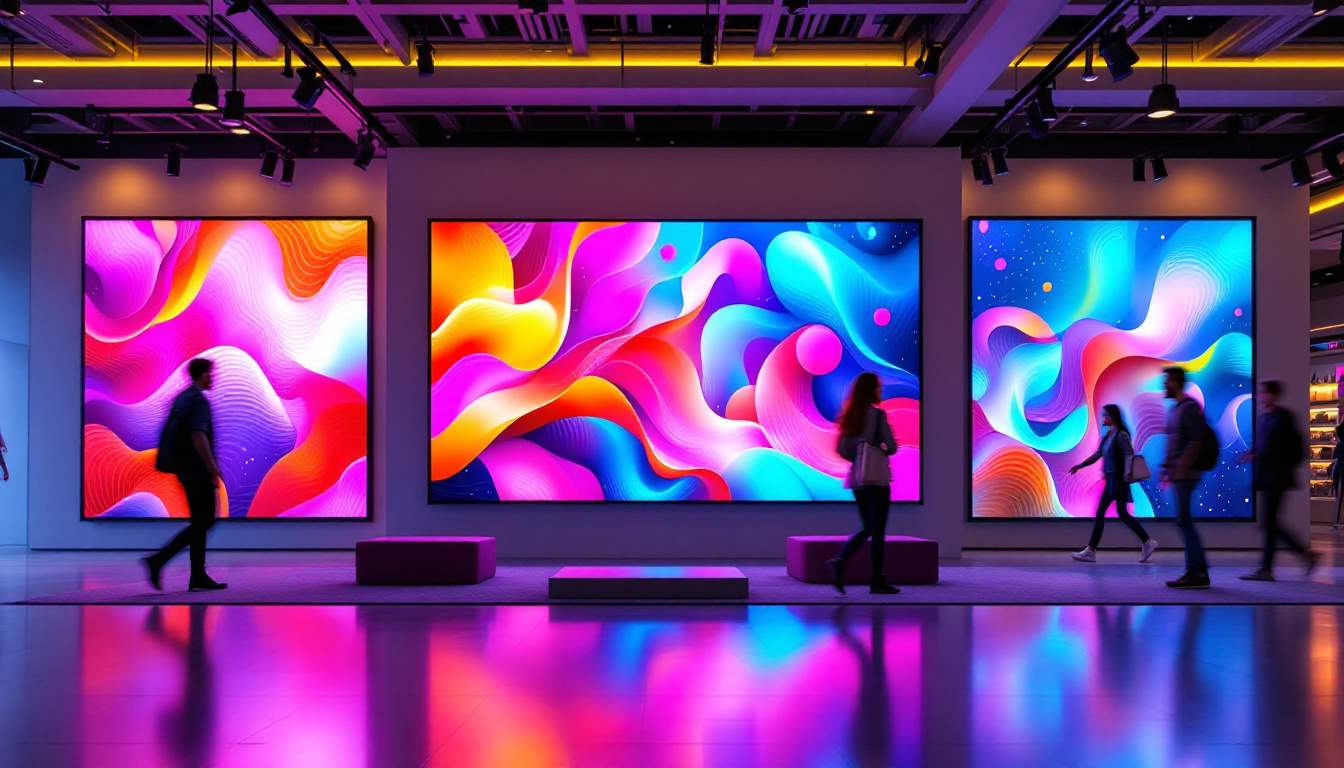
For example, flexible LED displays have been used in shopping malls to create dynamic, curved video walls that blend seamlessly with architectural elements. Outdoor advertising campaigns benefit from the durability and brightness of these displays, ensuring visibility even in direct sunlight. Moreover, the integration of sensors and interactivity can turn a static advertisement into an engaging experience, allowing passersby to interact with the display through touch or motion, thereby increasing the likelihood of customer engagement and conversion.
Entertainment and Events
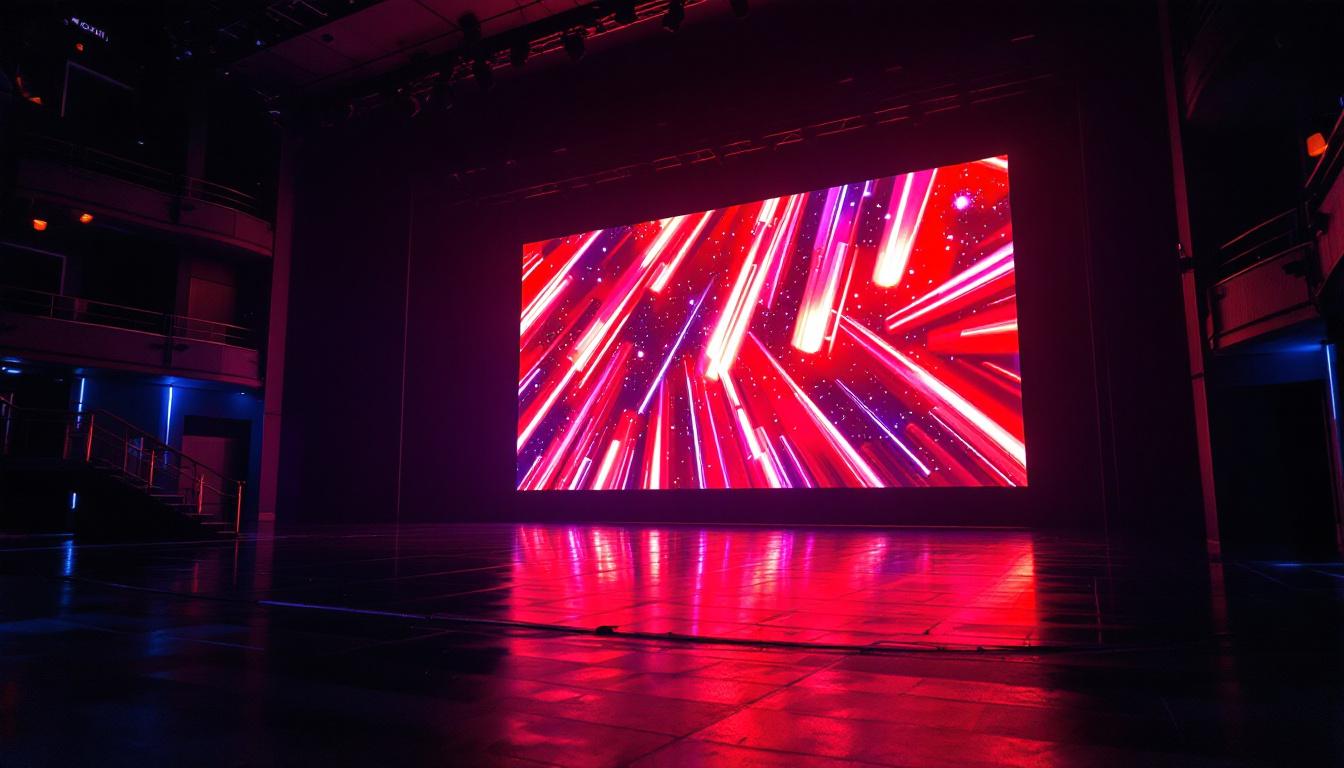
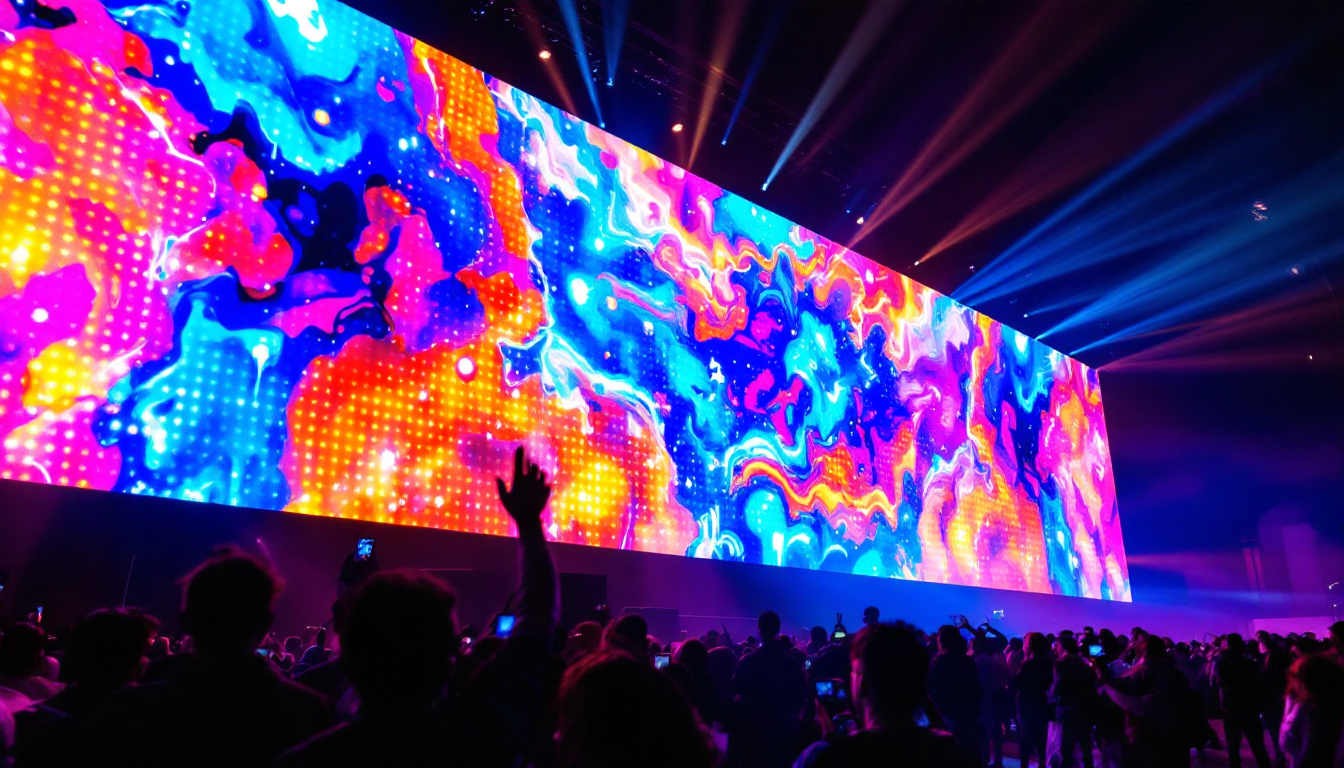
The entertainment industry has embraced flexible LED technology for stage design, concerts, and exhibitions. Flexible LED screens can be shaped into arches, tunnels, or custom backdrops that enhance the visual experience. Their lightweight nature makes installation and transportation easier, which is crucial for touring events.
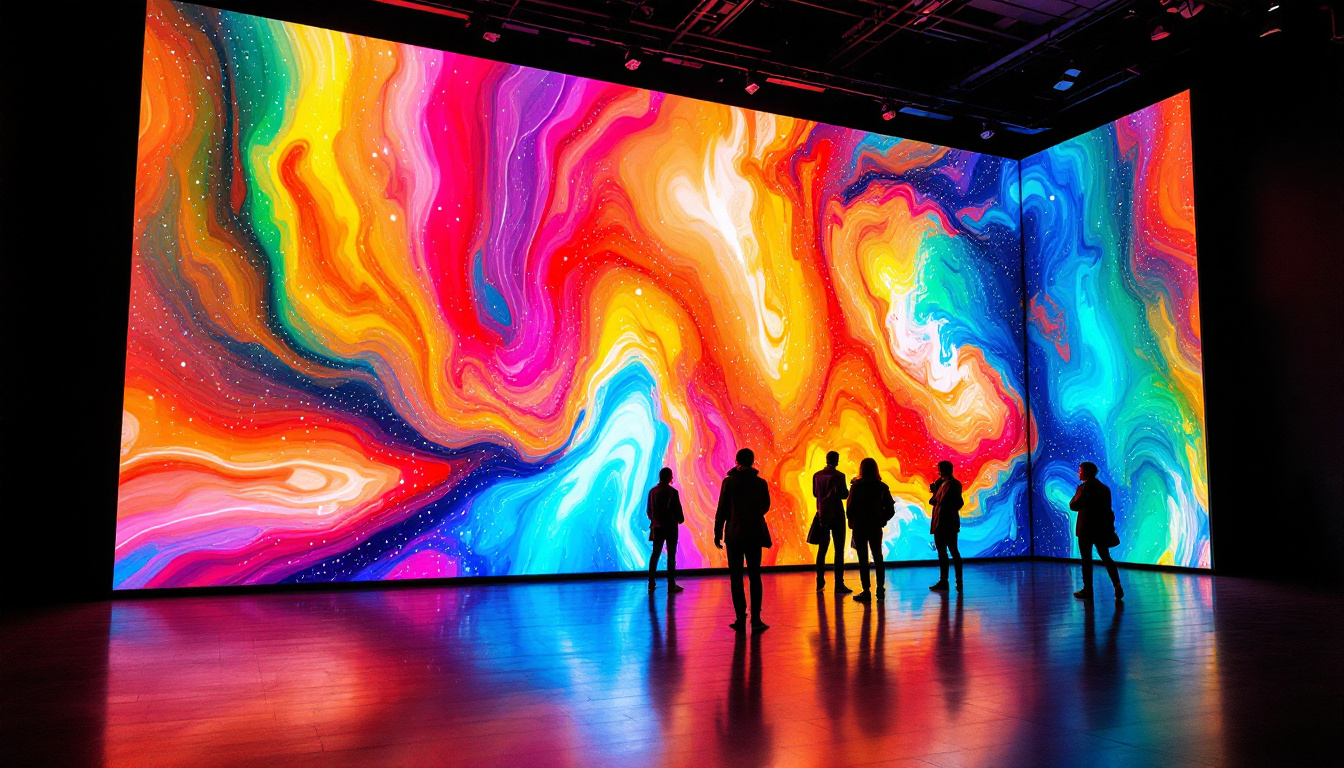
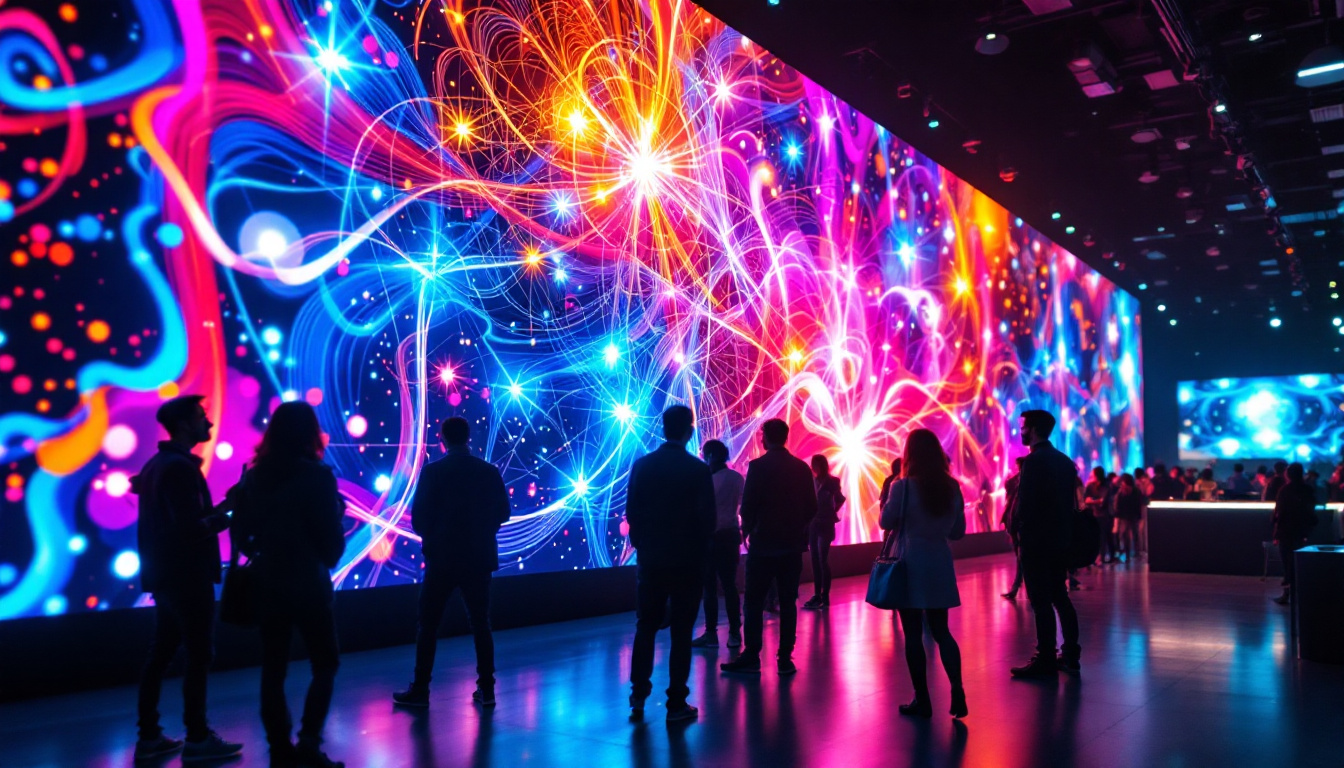
Concerts by major artists often feature flexible LED displays integrated into stage sets, providing vibrant visuals that synchronize with music and lighting effects. Museums and exhibitions also use these displays to create interactive and engaging installations. For instance, art installations can utilize flexible LED technology to project moving images or patterns that respond to viewer movements, creating a captivating dialogue between the artwork and its audience. This innovative use of technology not only enhances the aesthetic appeal but also deepens the audience’s connection to the art.
Wearable Technology and Fashion
Flexible LED displays have found a niche in wearable technology and fashion, where traditional rigid screens are impractical. Designers incorporate flexible LEDs into clothing, accessories, and even footwear to create garments that can change color, display animations, or provide notifications.
For instance, some sportswear brands have developed jackets with integrated flexible LED panels that display patterns or safety signals for nighttime runners. This intersection of technology and fashion is a growing market that benefits from the adaptability and durability of flexible LED displays. Additionally, fashion shows are now featuring models wearing dresses that can change their appearance in real-time, responding to music or even the emotions of the wearer, thus pushing the boundaries of self-expression and creativity in the fashion industry.
Transportation and Automotive Displays
In the automotive sector, flexible LED displays are used for dashboard screens, heads-up displays, and exterior lighting. The ability to conform to curved surfaces inside vehicles allows for more ergonomic and aesthetically pleasing designs.
Exterior applications include dynamic signage on buses or taxis, where flexible LED panels can wrap around vehicle contours to display advertisements or route information. This enhances communication with passengers and pedestrians alike. Furthermore, the integration of flexible LED technology into vehicle design can improve safety features, such as using LED displays to signal lane changes or alerts to surrounding vehicles, thereby contributing to a more connected and informed driving experience. As the automotive industry continues to innovate, the potential for flexible LED displays to enhance both functionality and aesthetics remains vast and exciting.
Advantages of Flexible LED Digital Displays
Design Versatility
The primary advantage of flexible LED displays is their design versatility. Unlike rigid screens, they can be molded to fit unconventional shapes and surfaces. This flexibility enables architects, designers, and advertisers to push creative boundaries and develop unique visual experiences that were previously impossible.
Lightweight and Thin Form Factor
Flexible LED displays are typically thinner and lighter than traditional LED panels. This makes them easier to install, transport, and maintain. In applications where weight is a concern, such as wearable devices or temporary event setups, this characteristic is particularly valuable.
Durability and Reliability
Despite their flexibility, these displays are engineered to be durable and reliable. Many flexible LED products are designed to withstand environmental factors such as moisture, dust, and temperature fluctuations. This robustness makes them suitable for both indoor and outdoor use.
Energy Efficiency
LED technology is inherently energy-efficient compared to other display technologies like LCD or plasma. Flexible LED displays maintain this energy efficiency, which is important for reducing operational costs, especially in large-scale installations that run for extended periods.
Challenges and Considerations
Cost and Manufacturing Complexity
Flexible LED displays are generally more expensive to produce than traditional rigid panels due to the complexity of materials and manufacturing processes. The need for flexible substrates, specialized LEDs, and precise assembly techniques contributes to higher costs.
However, as technology advances and production scales up, prices are gradually decreasing, making flexible LED displays more accessible to a broader range of applications.
Resolution and Pixel Density
While flexible LED displays offer impressive visual quality, achieving very high resolution and pixel density on flexible substrates remains challenging. This limitation can affect applications that require fine detail, such as close-up viewing or text-heavy content.
Manufacturers continue to innovate in this area, developing smaller LEDs and more compact pixel arrangements to improve resolution without sacrificing flexibility.
Longevity and Maintenance
Although flexible LED displays are designed for durability, their long-term performance can be influenced by repeated bending, environmental exposure, and usage conditions. Proper installation, handling, and maintenance are essential to maximize lifespan.
Serviceability can also be more complex compared to rigid panels, as repairing flexible displays may require specialized skills and equipment.
The Future of Flexible LED Digital Displays
Emerging Technologies and Innovations
The future of flexible LED displays is promising, with ongoing research focused on improving flexibility, resolution, and integration with other technologies. Innovations such as micro-LEDs, which are smaller and more energy-efficient than traditional LEDs, are expected to enhance display performance significantly.
Additionally, the integration of flexible LED displays with sensors and smart technologies will enable interactive and adaptive applications. For example, displays that respond to environmental conditions or user inputs could transform retail, advertising, and public information systems.
Expanding Market Opportunities
As costs decrease and technology matures, flexible LED displays are poised to enter new markets and applications. Smart cities may leverage flexible LED panels for dynamic street signage, public art, and information kiosks. Healthcare could benefit from wearable displays that monitor patient data in real time.
Moreover, the entertainment and fashion industries will continue to explore creative uses, blending technology seamlessly into everyday life and experiences.
Conclusion
Flexible LED digital displays represent a significant advancement in display technology, combining the vibrant visual quality of LEDs with the adaptability of flexible materials. Their unique properties enable innovative applications across advertising, entertainment, fashion, transportation, and beyond.
While challenges such as cost and resolution remain, ongoing technological progress and expanding use cases suggest that flexible LED displays will become increasingly prevalent. For businesses and creatives looking to capture attention with dynamic and versatile visuals, understanding and leveraging flexible LED technology offers exciting opportunities.
As this technology continues to evolve, it will undoubtedly reshape how we interact with digital content in both public and personal spaces, creating a more connected and visually engaging world.
Discover the Future of Visual Engagement with LumenMatrix
Ready to elevate your visual communication and captivate your audience with unparalleled clarity and vibrancy? Explore LumenMatrix’s comprehensive suite of LED display solutions, from Indoor and Outdoor LED Walls to innovative Vehicle Displays and beyond. Embrace the power of cutting-edge technology to create immersive environments and dynamic advertising that resonates. Check out LumenMatrix LED Display Solutions today and join the revolution in digital signage excellence.