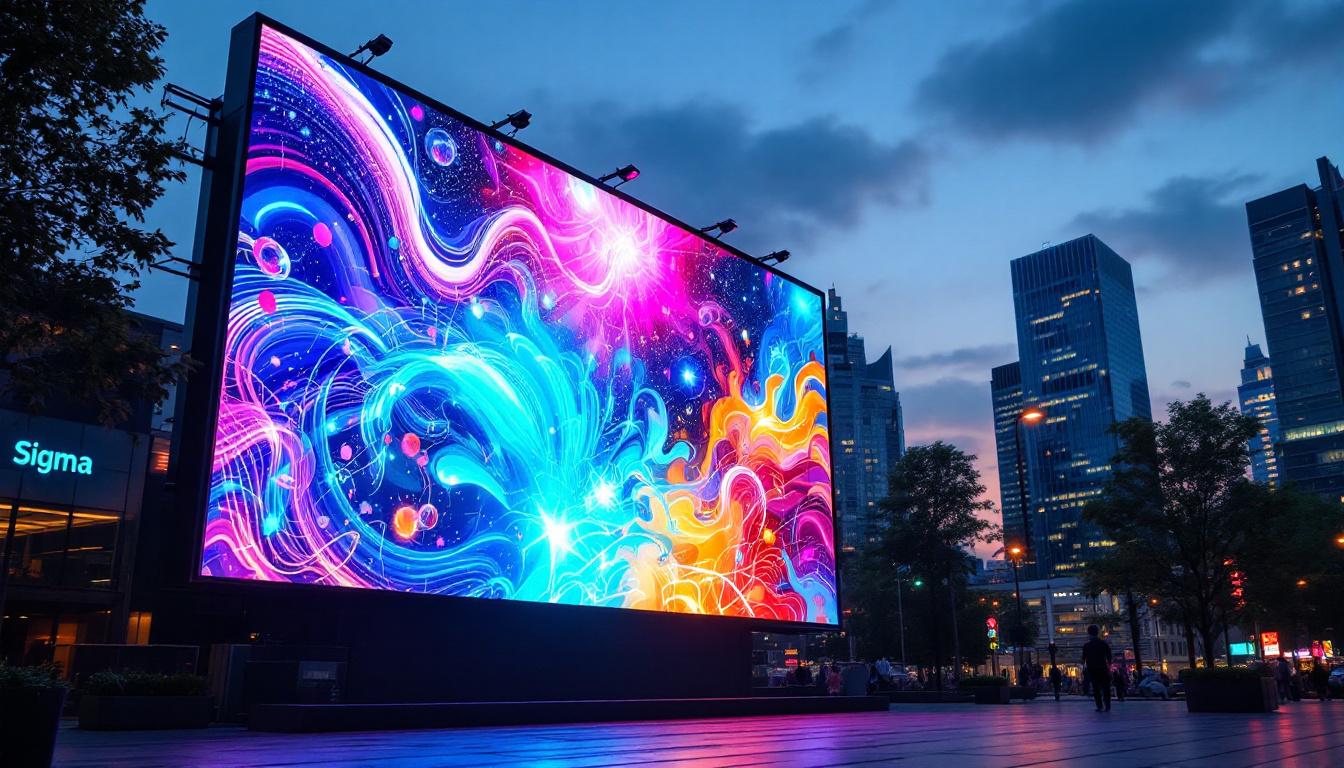
In today’s fast-paced world, outdoor advertising and information display have evolved dramatically. One of the most impactful technologies driving this change is the outdoor LED screen. From bustling city centers to sports arenas and public transport hubs, LED displays have become a staple for delivering vibrant, dynamic content that captures attention and communicates effectively. This article delves into the world of outdoor LED screens, explaining what they are, how they work, their benefits, and why they are becoming indispensable tools for businesses and municipalities alike.
What Is an Outdoor LED Screen?
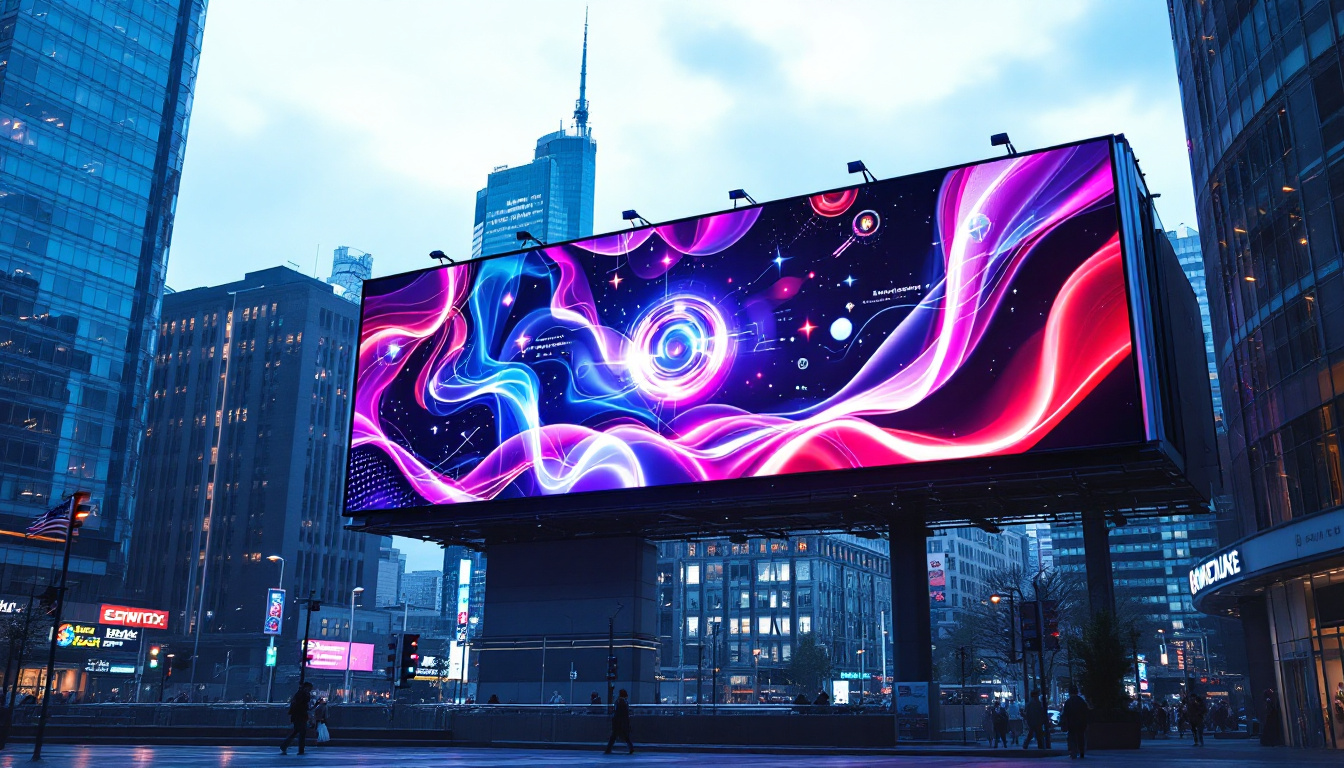
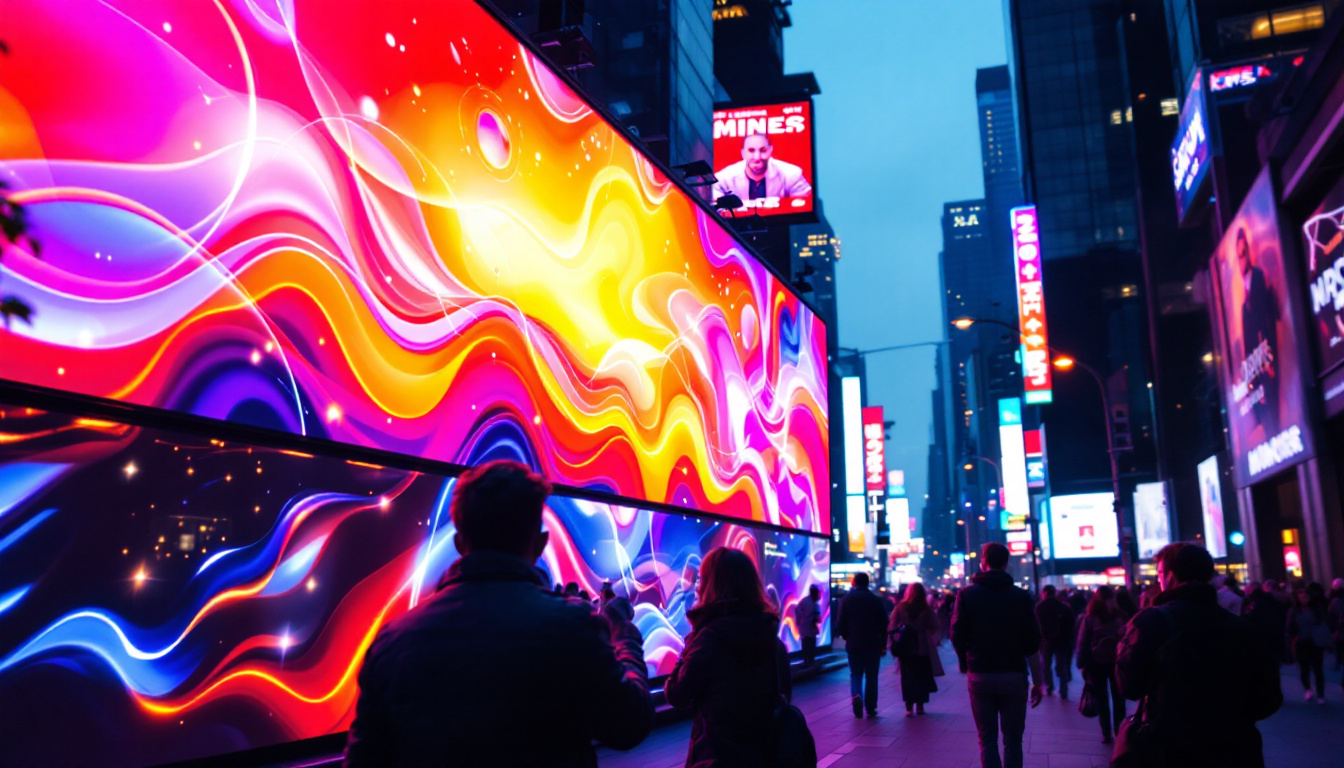
An outdoor LED screen is a large display panel made up of thousands of tiny light-emitting diodes (LEDs) designed specifically for use in outdoor environments. Unlike traditional billboard displays or printed posters, LED screens provide bright, high-resolution images and videos that can be updated in real-time. This dynamic capability makes them highly versatile for advertising, public announcements, event broadcasting, and more. The ability to change content instantly allows businesses and organizations to engage with their audience in a timely manner, promoting special events, sales, or important messages as they happen.
LED technology itself is based on semiconductors that emit light when an electric current passes through them. Outdoor LED screens combine these miniature LEDs into modules, which are then assembled into panels to create a seamless, large-format display. These screens are engineered to withstand harsh weather conditions such as rain, extreme temperatures, and direct sunlight, ensuring durability and consistent performance. This resilience not only extends the lifespan of the screens but also ensures that they remain visible and effective in various environmental conditions, from bustling urban centers to remote outdoor venues.
Key Components of Outdoor LED Screens
Understanding the makeup of an outdoor LED screen helps clarify why these displays are so effective. The primary components include:
- LED Modules: These are the building blocks of the screen, containing clusters of red, green, and blue LEDs that mix to produce full-color images.
- Cabinet Frames: These house the LED modules and provide structural support, often designed for easy maintenance and replacement.
- Control System: This includes the hardware and software responsible for managing the content displayed, brightness levels, and synchronization.
- Power Supply: Ensures stable and efficient energy delivery to the LEDs and control systems.
Each component plays a vital role in producing a bright, clear, and reliable outdoor display. The LED modules, for instance, are engineered to ensure color accuracy and brightness, which are crucial for visibility in daylight conditions. Meanwhile, the control system allows for sophisticated programming, enabling users to schedule content, adjust settings based on ambient light, and even integrate with social media feeds for real-time updates. Furthermore, advancements in technology have led to the development of energy-efficient power supplies that not only reduce operational costs but also minimize the environmental impact of these displays.
Moreover, outdoor LED screens are increasingly being utilized in various applications beyond advertising. Sports venues use them for live game broadcasts, replays, and fan engagement activities, creating an immersive experience for spectators. Concerts and festivals also benefit from these displays, which can showcase live performances, artist information, and interactive content that enhances audience participation. As technology continues to evolve, the potential uses for outdoor LED screens are expanding, making them an integral part of modern communication and entertainment strategies.
How Outdoor LED Screens Work
At the core of an outdoor LED screen’s operation is the ability to control individual LEDs to create images and videos. Each LED can be turned on or off and adjusted in brightness independently, allowing the screen to display complex graphics with a wide range of colors.
The process begins with the control system receiving digital content from a computer or media player. This content is then converted into signals that instruct each LED module on how to light up. The screen refreshes these signals multiple times per second, creating smooth motion and vibrant visuals even in bright daylight.
Pixel Pitch and Resolution
One of the most important technical specifications for outdoor LED screens is the pixel pitch. Pixel pitch refers to the distance between the centers of two adjacent pixels (LED clusters) on the screen, usually measured in millimeters. A smaller pixel pitch means more LEDs per square meter, resulting in higher resolution and sharper images.
For outdoor displays, pixel pitch values typically range from 4mm to 20mm or more. Larger pixel pitches are suitable for screens viewed from a distance, such as highway billboards, while smaller pitches are ideal for closer viewing, like stadium screens or retail signage.
Brightness and Visibility
Outdoor LED screens must be exceptionally bright to remain visible under direct sunlight. Modern LED displays can reach brightness levels of 5,000 to 8,000 nits or more, compared to typical indoor screens that range between 200 and 500 nits. This high brightness ensures content is clear and legible even in the brightest conditions.
Additionally, many outdoor LED screens incorporate sensors to automatically adjust brightness based on ambient light, optimizing visibility while conserving energy during nighttime hours.
Applications of Outdoor LED Screens
The versatility of outdoor LED screens has led to their adoption across a wide range of industries and environments. Their ability to deliver real-time, eye-catching content makes them invaluable for communication and marketing.
Advertising and Marketing
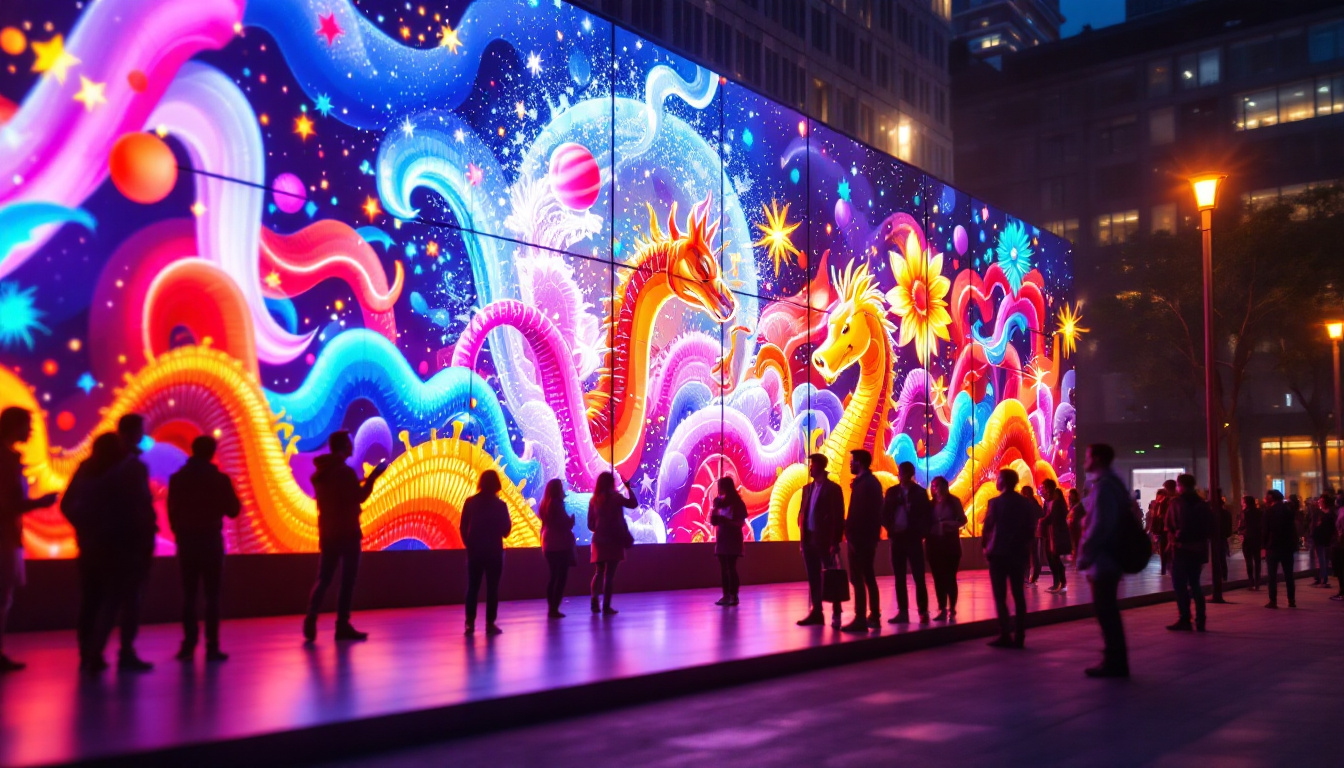
Outdoor LED screens are revolutionizing advertising by enabling brands to display dynamic, engaging content that can be updated instantly. According to a 2023 market report by Grand View Research, the global digital signage market, heavily driven by LED technology, is expected to grow at a compound annual growth rate (CAGR) of over 10% through 2030.
Retailers, shopping malls, and urban centers use LED screens to promote products, announce sales, or provide interactive experiences. The ability to tailor content based on time of day, weather, or audience demographics enhances marketing efficiency and ROI.
Public Information and Safety
Municipalities and transportation authorities utilize outdoor LED screens to disseminate important information such as traffic updates, weather alerts, emergency notifications, and event schedules. During emergencies, these screens can broadcast critical messages instantly to large audiences, improving public safety.
Sports and Entertainment Venues
Stadiums and concert venues rely on large LED screens to enhance the spectator experience. These screens display live action, replays, advertisements, and interactive content, creating immersive environments that engage audiences and increase event value.
Benefits of Outdoor LED Screens
Choosing an outdoor LED screen over traditional signage or other digital displays offers numerous advantages that contribute to their growing popularity.
High Visibility and Impact
The brightness and color vibrancy of LED screens ensure that messages stand out, even in crowded or visually noisy environments. This high visibility translates into better audience engagement and stronger brand recall.
Flexibility and Real-Time Updates
Unlike static billboards, LED screens allow for instant content changes. This flexibility means advertisers can run multiple campaigns on the same screen, update pricing or promotions in real-time, and respond quickly to market trends or emergencies.
Energy Efficiency and Longevity
LED technology is inherently energy-efficient compared to other lighting and display methods. Outdoor LED screens consume less power while providing superior brightness. Additionally, LEDs have long lifespans, often exceeding 100,000 hours of operation, reducing maintenance costs and downtime.
Weather Resistance and Durability
Designed to withstand outdoor elements, these screens are built with waterproof and dustproof enclosures, corrosion-resistant materials, and temperature control systems. This robustness ensures reliable performance in diverse climates, from scorching deserts to rainy urban settings.
Considerations When Choosing an Outdoor LED Screen
While outdoor LED screens offer many benefits, selecting the right product requires careful consideration of various factors to ensure it meets specific needs and budget constraints.
Viewing Distance and Pixel Pitch
Determining the optimal pixel pitch depends on how far viewers will be from the screen. For example, a screen intended for highway advertising might have a pixel pitch of 16mm or higher, while a display for a retail storefront may require 4mm or less for crisp detail.
Screen Size and Resolution
The physical size of the screen should align with the location and intended audience size. Larger screens can accommodate more complex content and attract attention from greater distances, but they also require higher resolution to maintain image quality.
Installation and Maintenance
Proper installation is critical for safety and performance. It’s important to work with experienced professionals who understand structural requirements and local regulations. Additionally, consider the ease of maintenance—modular designs that allow quick replacement of faulty components can minimize downtime.
Budget and Total Cost of Ownership
Beyond the initial purchase price, factor in installation costs, energy consumption, maintenance, and potential content management expenses. Investing in a high-quality screen with energy-efficient features and reliable support can lead to better long-term value.
The Future of Outdoor LED Screens
Advancements in LED technology continue to push the boundaries of what outdoor screens can achieve. Innovations such as micro-LEDs promise even higher resolution and energy efficiency, while integration with artificial intelligence (AI) and the Internet of Things (IoT) enables more personalized and interactive content delivery.
Moreover, sustainability is becoming a key focus. Manufacturers are developing eco-friendly materials and recycling programs to reduce environmental impact. Solar-powered LED screens and smart energy management systems are also emerging trends that align with global efforts to reduce carbon footprints.
As cities become smarter and consumer expectations evolve, outdoor LED screens will play an increasingly central role in urban communication, marketing, and entertainment landscapes.
Conclusion
Outdoor LED screens represent a powerful and versatile medium for communication in public spaces. Their ability to deliver bright, dynamic, and real-time content makes them invaluable for advertising, public safety, and entertainment. By understanding the technology behind these screens, their applications, and key considerations for selection, businesses and organizations can harness their full potential to engage audiences effectively and adapt to the rapidly changing digital landscape.
As the technology advances and becomes more accessible, outdoor LED displays will continue to transform the way information and advertisements are presented, making cities more vibrant and connected than ever before.
Illuminate Your Space with LumenMatrix
Ready to elevate your outdoor space with vibrant, high-impact visual displays? LumenMatrix is at the forefront of LED display technology, offering a wide array of solutions tailored to your needs. From dazzling outdoor LED walls to dynamic vehicle displays and transparent screens, our products are designed to captivate and engage your audience. Experience the future of visual communication with LumenMatrix and transform your messages into unforgettable visual experiences. Check out LumenMatrix LED Display Solutions today and bring your vision to life.