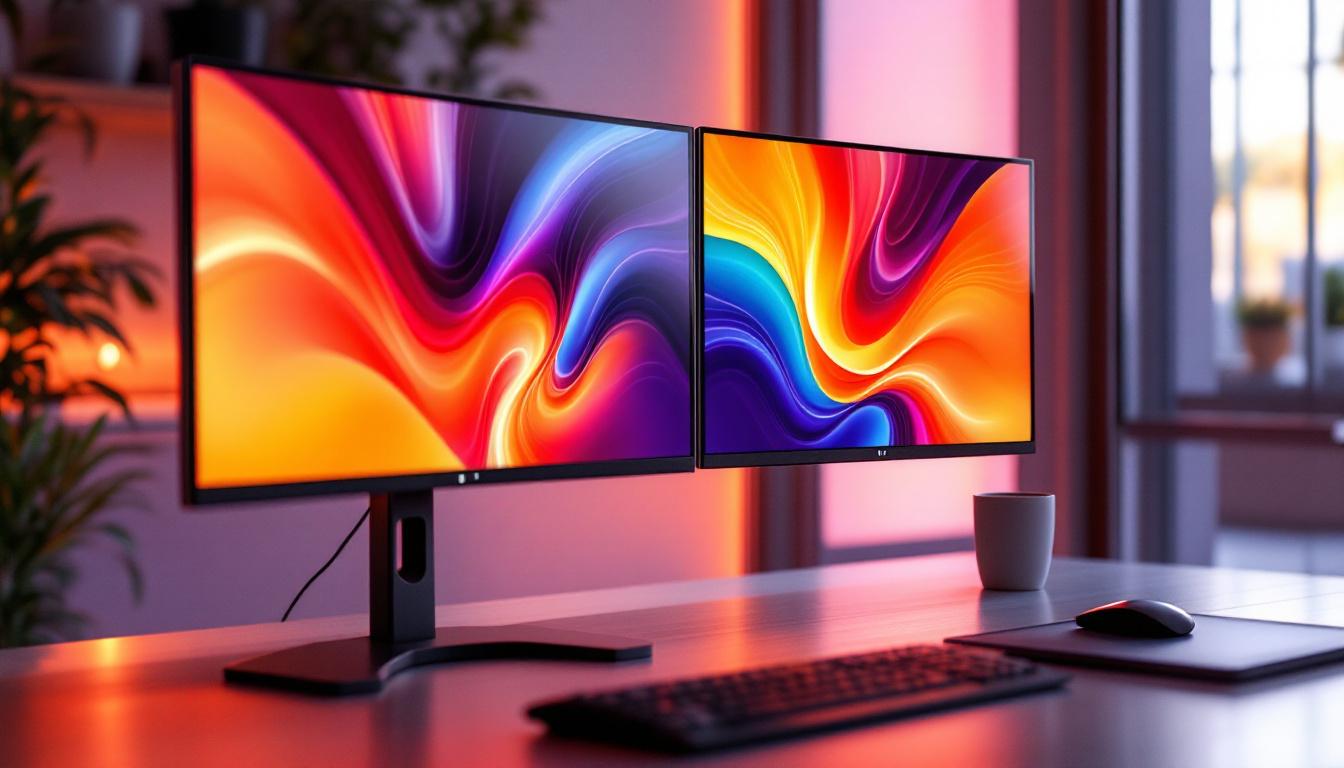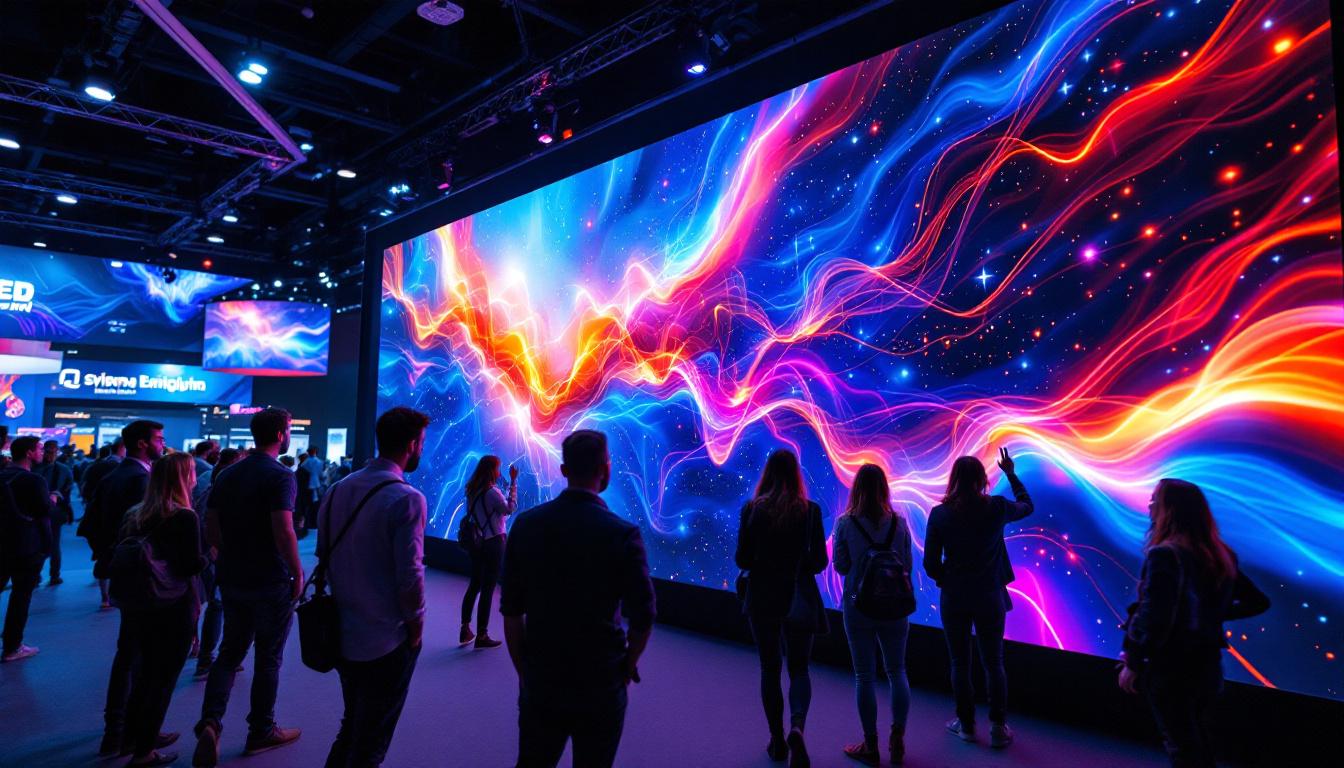
In the fast-paced world of trade shows and exhibitions, grabbing the attention of attendees is paramount. One of the most effective ways to captivate audiences and communicate brand messages is through the use of video wall trade show booths featuring LED displays. These dynamic, visually stunning installations have transformed traditional booth setups into immersive experiences that drive engagement, increase brand recall, and ultimately, boost business opportunities.
This article delves into the technology behind LED video walls, explores their benefits and practical applications in trade show environments, and provides guidance on how to select and optimize these displays for maximum impact.
Understanding LED Video Walls: Technology and Components
What Is an LED Video Wall?
An LED video wall is a large-scale display composed of multiple LED panels seamlessly tiled together to form one continuous screen. Unlike traditional LCD or projection screens, LED video walls use light-emitting diodes (LEDs) as pixels, which emit their own light. This self-illumination results in brighter images, higher contrast ratios, and better visibility even in well-lit environments such as trade show floors.
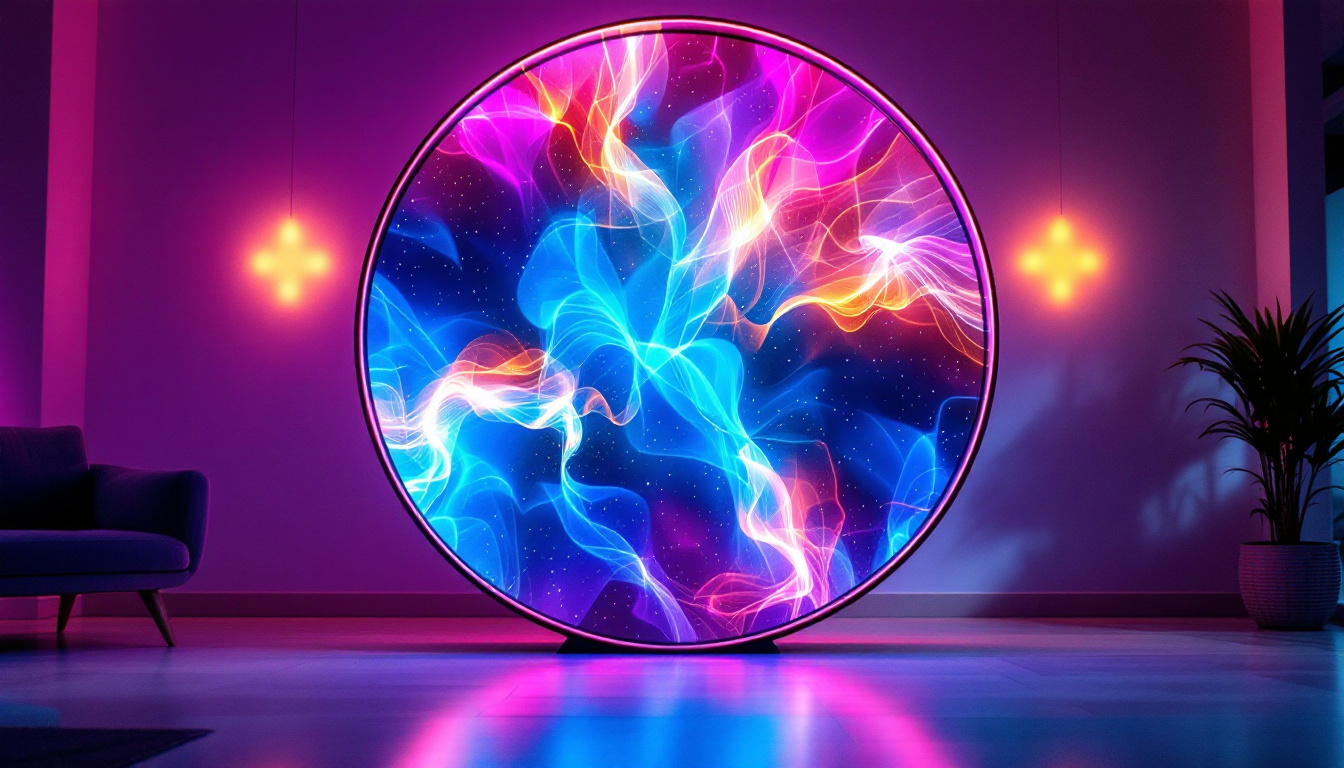
The modular nature of LED panels allows for flexible configurations in size and shape, enabling brands to customize their booth displays to fit unique spaces and design concepts. From simple rectangular walls to curved or irregular shapes, LED video walls can be tailored to create visually arresting presentations.
Key Components of an LED Display
At the core of an LED video wall are several critical components:
- LED Modules: These are the individual panels that make up the video wall. Each module contains an array of LEDs arranged in a grid, with pixel pitch determining the density and resolution.
- Pixel Pitch: This refers to the distance between the centers of two adjacent pixels, measured in millimeters. A smaller pixel pitch means higher resolution and sharper images, which is especially important for close viewing distances typical at trade shows.
- Controller and Processor: These devices manage the input signals, process the video content, and synchronize the display across all modules to ensure smooth, coherent visuals.
- Power Supply and Cabling: Robust power management and cabling infrastructure are essential for reliable operation, especially during long trade show hours.
Types of LED Video Walls for Trade Shows
LED video walls come in various types, each suited to different trade show needs:
- Indoor LED Displays: Designed for controlled lighting environments, these displays offer high resolution with pixel pitches typically ranging from 1.2mm to 4mm. They are ideal for close-up viewing and detailed content.
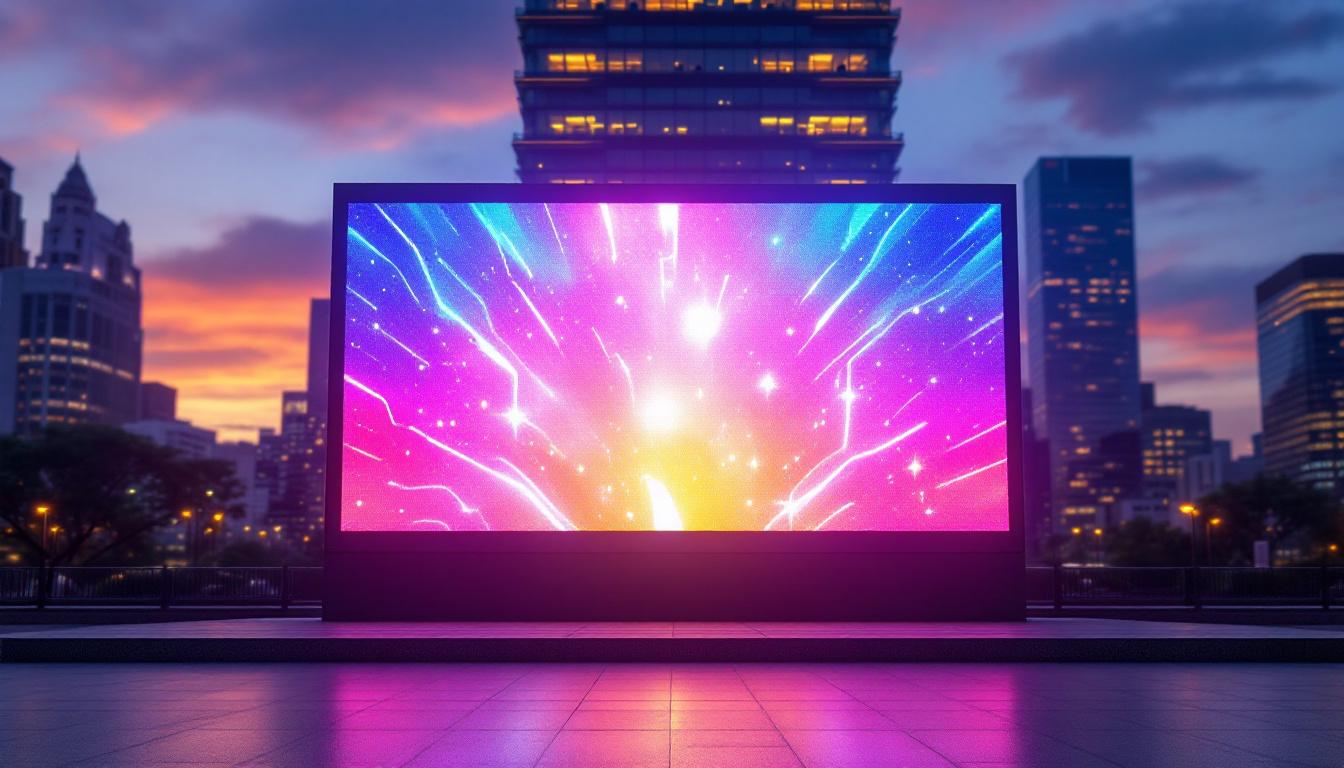
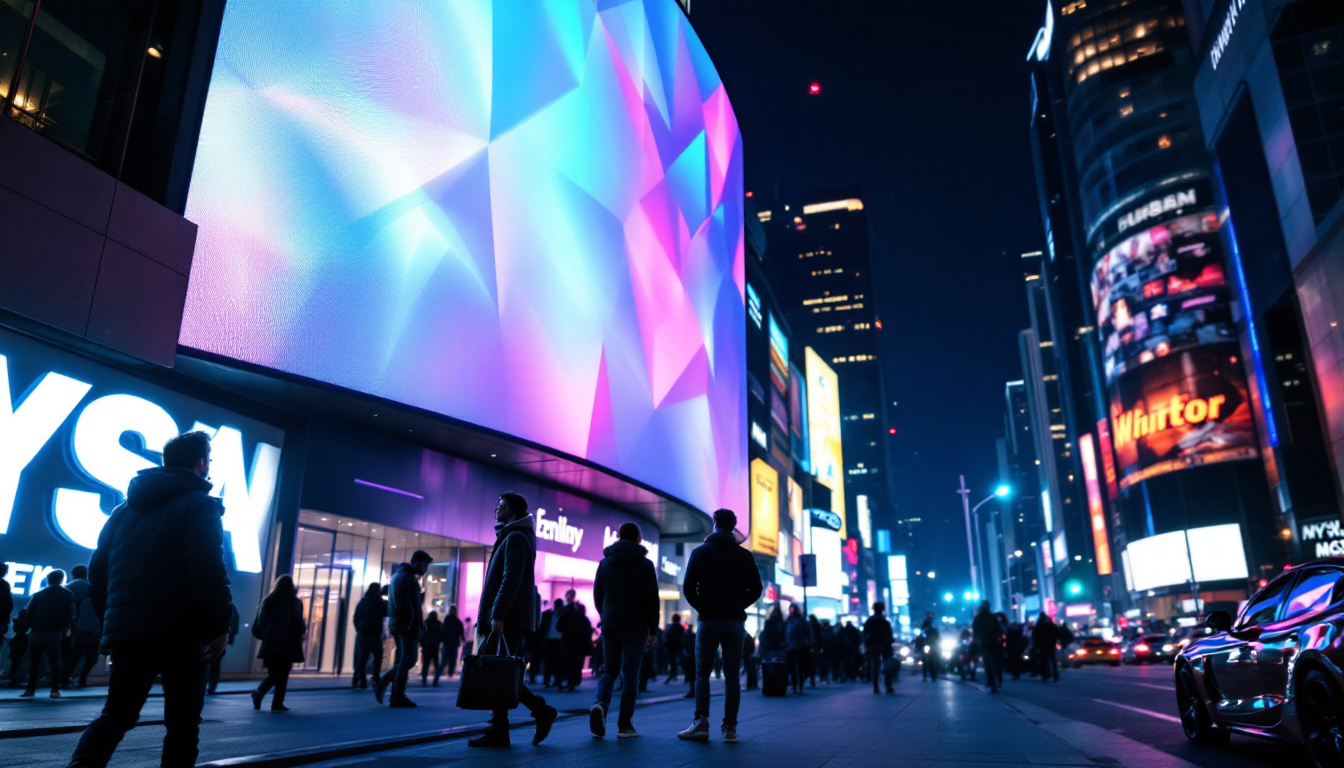
- Outdoor LED Displays: Built to withstand weather conditions and high ambient light, these have higher brightness levels but generally larger pixel pitches. For trade shows held outdoors or in open-air venues, these are preferred.
- Transparent LED Displays: These innovative screens allow light to pass through, enabling creative booth designs where the video wall doubles as a window or partition.
Benefits of Using LED Video Walls in Trade Show Booths
Enhanced Visual Impact and Engagement
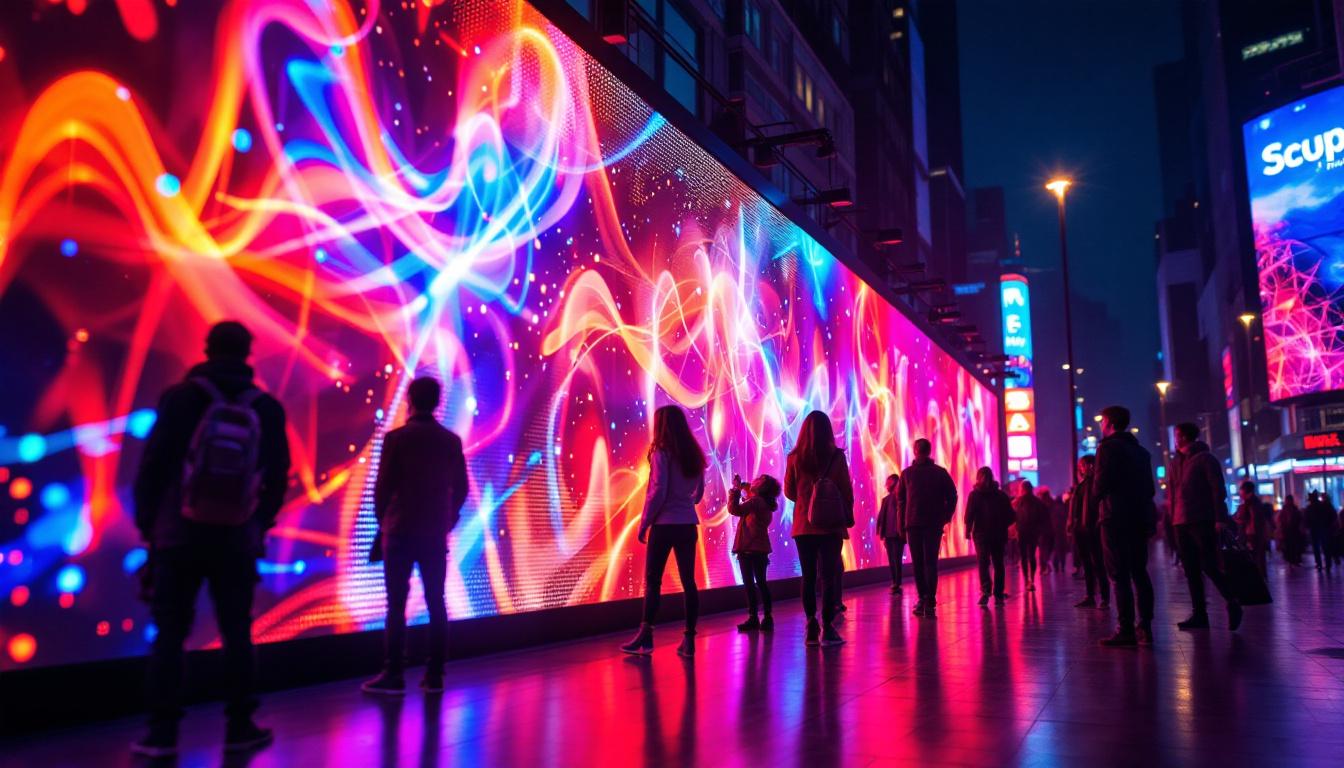
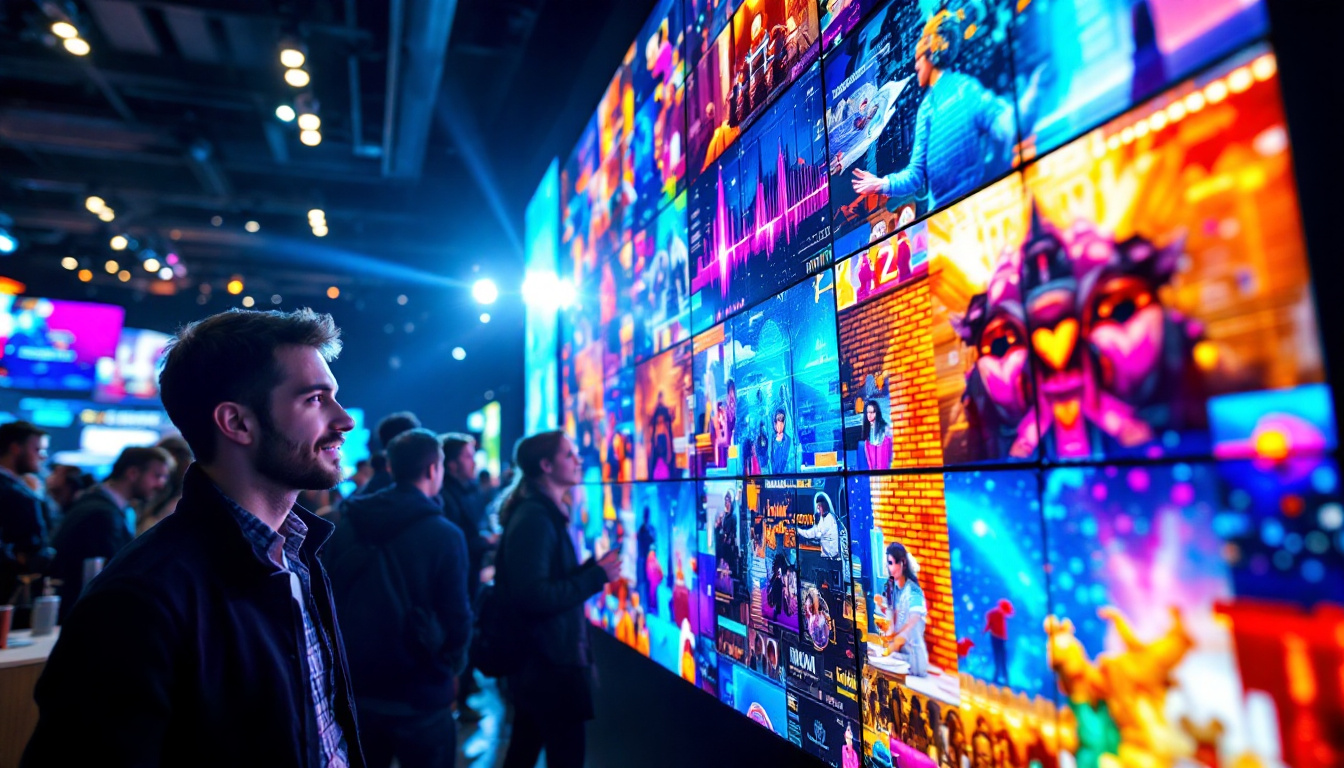
Trade shows are crowded with competing brands, making it critical to stand out. LED video walls offer vibrant colors, high brightness, and dynamic motion graphics that naturally draw the eye. According to a 2023 survey by the Event Marketing Institute, 72% of trade show attendees recalled brands that used large-scale digital displays more vividly than those relying on static signage.
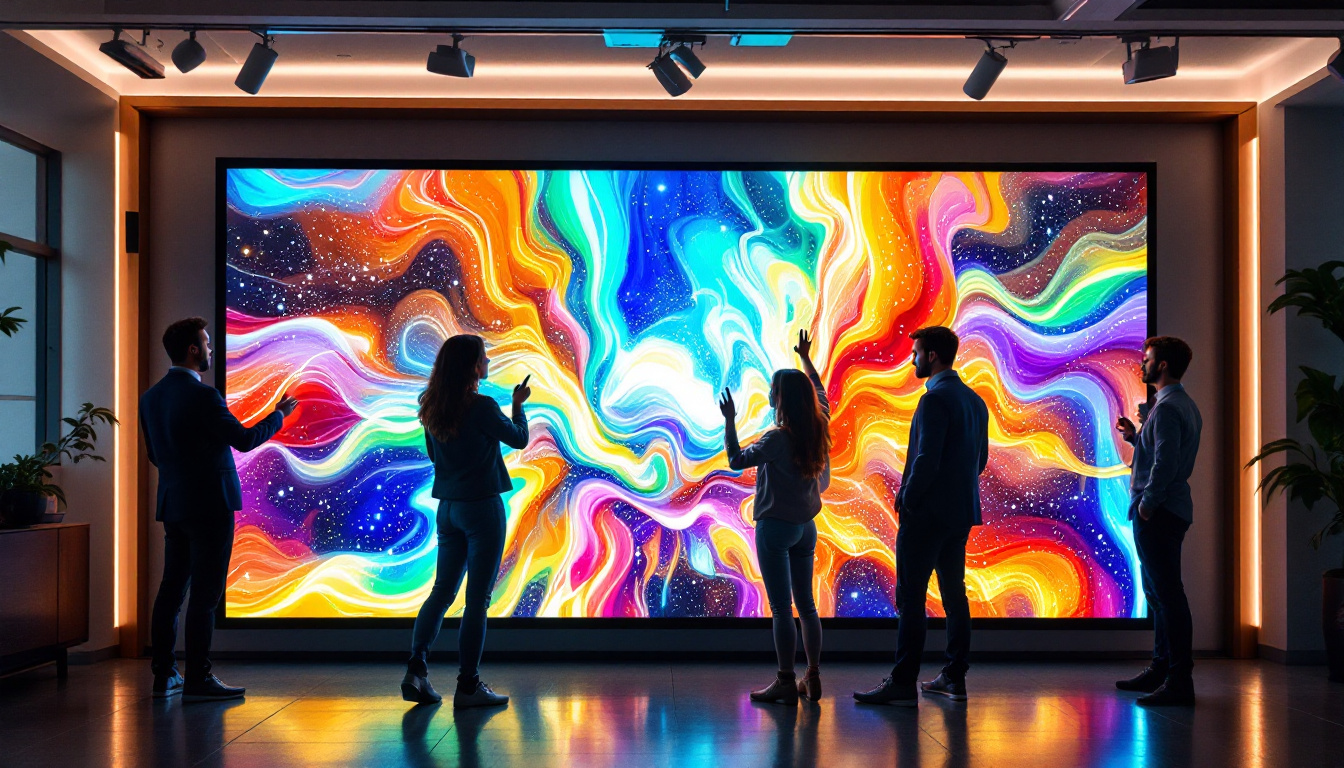
The ability to display moving images, animations, and live feeds creates an interactive environment that encourages visitors to stop, watch, and engage with the brand. This increased dwell time can translate into more meaningful conversations and higher lead generation rates.
Flexibility in Content and Design
LED video walls support a wide range of content formats, including videos, slideshows, real-time data, social media feeds, and interactive presentations. This versatility allows exhibitors to tailor their messaging dynamically throughout the event, adapting to audience reactions and time-of-day considerations.
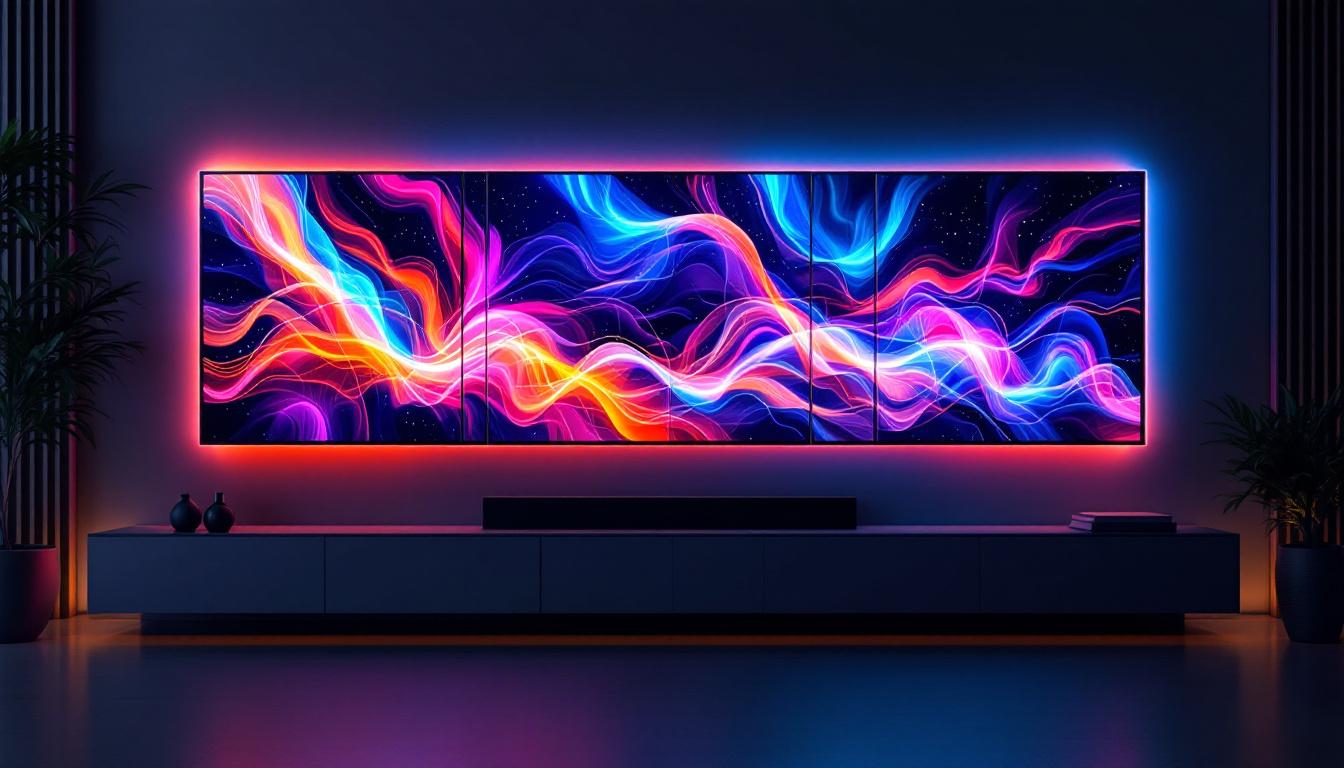
Moreover, the modular design means video walls can be configured to fit virtually any booth size or shape. Whether it’s a towering backdrop, a wrap-around display, or a multi-screen mosaic, the possibilities are extensive.
Improved Brand Perception and Professionalism
Investing in high-quality LED video walls signals a commitment to innovation and professionalism. Exhibitors who use cutting-edge technology tend to be perceived as industry leaders, which can positively influence buyer confidence and partnership opportunities.
Additionally, LED displays are more durable and reliable than traditional projection or LCD screens, reducing the risk of technical issues during critical trade show hours.
Energy Efficiency and Sustainability
Modern LED technology is energy-efficient compared to older display methods. LEDs consume less power and generate less heat, which is beneficial for both operational costs and environmental impact. For companies prioritizing sustainability, LED video walls offer a greener alternative that aligns with corporate social responsibility goals.
Choosing the Right LED Video Wall for Your Trade Show Booth
Assessing Viewing Distance and Resolution Needs
One of the first considerations when selecting an LED video wall is the typical viewing distance of your booth visitors. Pixel pitch directly influences image clarity; a smaller pitch is necessary for close-up viewing, while a larger pitch can suffice for displays viewed from several feet away.
For example, a booth designed for intimate demos or product showcases where attendees are within 3 to 6 feet should opt for a pixel pitch of 1.5mm to 2.5mm. Conversely, larger booths with viewing distances of 10 feet or more can use pixel pitches of 3mm to 4mm without sacrificing visual impact.
Determining Size and Configuration
The size of the video wall depends on booth dimensions, budget, and desired impact. Larger walls provide greater visibility but require more investment and logistical planning. It’s important to balance scale with practicality, ensuring the display complements rather than overwhelms the booth layout.
Consider configurations that maximize booth space and visitor flow. For instance, L-shaped walls can create immersive environments, while curved walls add a futuristic aesthetic. Some exhibitors also integrate LED floors or ceilings for a fully enveloping experience.
Content Management and Control Systems
Effective content management is essential to leverage the full potential of an LED video wall. Choose controllers and software platforms that support real-time updates, multi-source inputs, and easy scheduling. Cloud-based content management systems are increasingly popular, allowing remote control and quick content changes during the event.
Additionally, consider compatibility with interactive technologies such as touchscreens or motion sensors to further engage visitors.
Budget Considerations and ROI
LED video walls represent a significant investment, with costs influenced by size, resolution, and additional features. However, the return on investment can be substantial when factoring in increased lead generation, brand exposure, and enhanced customer experiences.
To maximize ROI, plan for reusable and scalable installations that can be adapted for multiple events. Renting LED video walls is also an option for companies testing the technology or with limited budgets.
Practical Tips for Maximizing Your LED Video Wall at Trade Shows
Optimize Content for Visual Clarity and Impact
High-resolution content tailored to the specific dimensions and pixel pitch of your video wall ensures crisp and vibrant visuals. Avoid overly complex graphics or small text that may be hard to read from a distance.
Incorporate brand colors, logos, and key messages consistently. Use motion and animation judiciously to draw attention without overwhelming visitors.
Leverage Interactive and Live Content
Integrating live social media feeds, product demonstrations, or real-time data can make your booth more engaging. Interactive elements such as QR codes or touch-enabled sections encourage visitors to participate actively, creating memorable experiences.
Plan for Logistics and Setup
LED video walls require careful handling and setup to ensure optimal performance. Work with experienced AV professionals to manage installation, calibration, and troubleshooting. Allocate sufficient time before the trade show for testing and fine-tuning.
Also, consider transportation and storage logistics if you own the video wall, ensuring components are protected and easy to assemble.
Measure Effectiveness and Gather Feedback
Use analytics tools integrated with your content management system to track engagement metrics such as dwell time and interaction rates. Collect feedback from booth staff and visitors to identify areas for improvement.
This data-driven approach helps refine future trade show strategies and maximize the impact of your LED video wall investments.
Case Studies: Successful LED Video Wall Implementations at Trade Shows
Technology Firm’s Immersive Product Launch
A leading technology company unveiled a new product line at a major industry trade show using a 20-foot-wide indoor LED video wall with a 1.5mm pixel pitch. The video wall displayed high-definition product demos, customer testimonials, and live social media interactions. The booth experienced a 40% increase in visitor traffic compared to previous years, with a notable uptick in qualified leads.
Automotive Brand’s Interactive Experience
An automotive manufacturer created an L-shaped LED video wall booth featuring transparent LED panels that showcased vehicle interiors while displaying dynamic branding content. Interactive touchpoints allowed visitors to customize vehicle features digitally. This innovative setup resulted in extensive media coverage and a 25% increase in showroom visits post-event.
Healthcare Provider’s Data Visualization
A healthcare organization used a curved LED video wall to present complex medical data and patient stories in an accessible format. The high brightness and contrast enabled clear visibility even in a brightly lit convention center. The engaging presentation helped the provider secure several new partnerships and funding opportunities.
Conclusion
LED video walls have revolutionized trade show booth design by offering unparalleled visual impact, flexibility, and engagement potential. Understanding the technology, benefits, and practical considerations is essential for exhibitors aiming to leverage this powerful medium effectively.
By carefully selecting the right LED video wall configuration, optimizing content, and planning logistics, brands can create immersive experiences that not only attract attention but also foster meaningful connections and drive business growth. As LED technology continues to evolve, its role in trade show marketing is set to become even more prominent, making it a worthwhile investment for forward-thinking companies.
Discover LumenMatrix LED Display Solutions
Ready to elevate your trade show presence with a visually stunning LED video wall? LumenMatrix specializes in a wide array of LED display modules tailored to create unforgettable brand experiences. From Indoor and Outdoor LED Wall Displays to innovative solutions like Transparent and Custom LED Displays, our technology is designed to captivate and engage your audience. Embrace the future of visual communication with LumenMatrix and transform your next trade show booth into a beacon of engagement. Check out LumenMatrix LED Display Solutions and see how we can illuminate your brand’s message with clarity and impact.