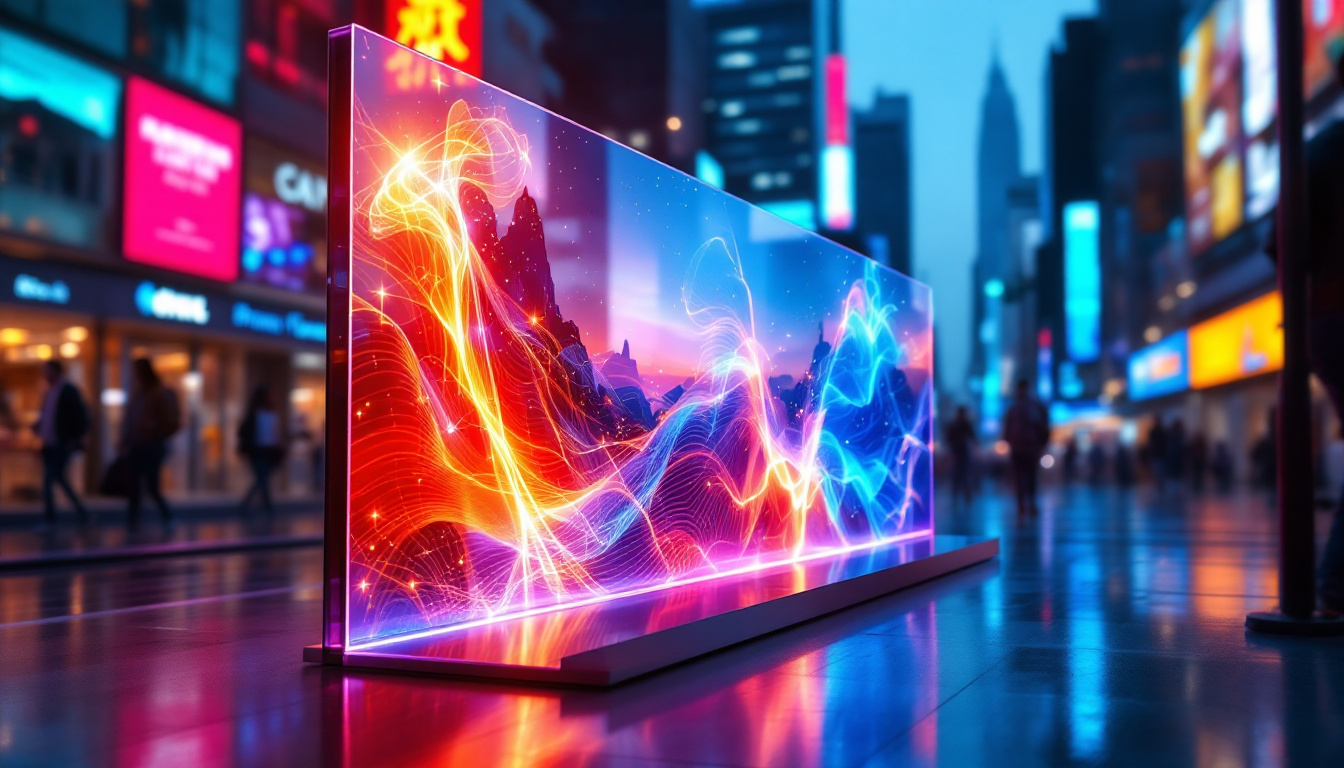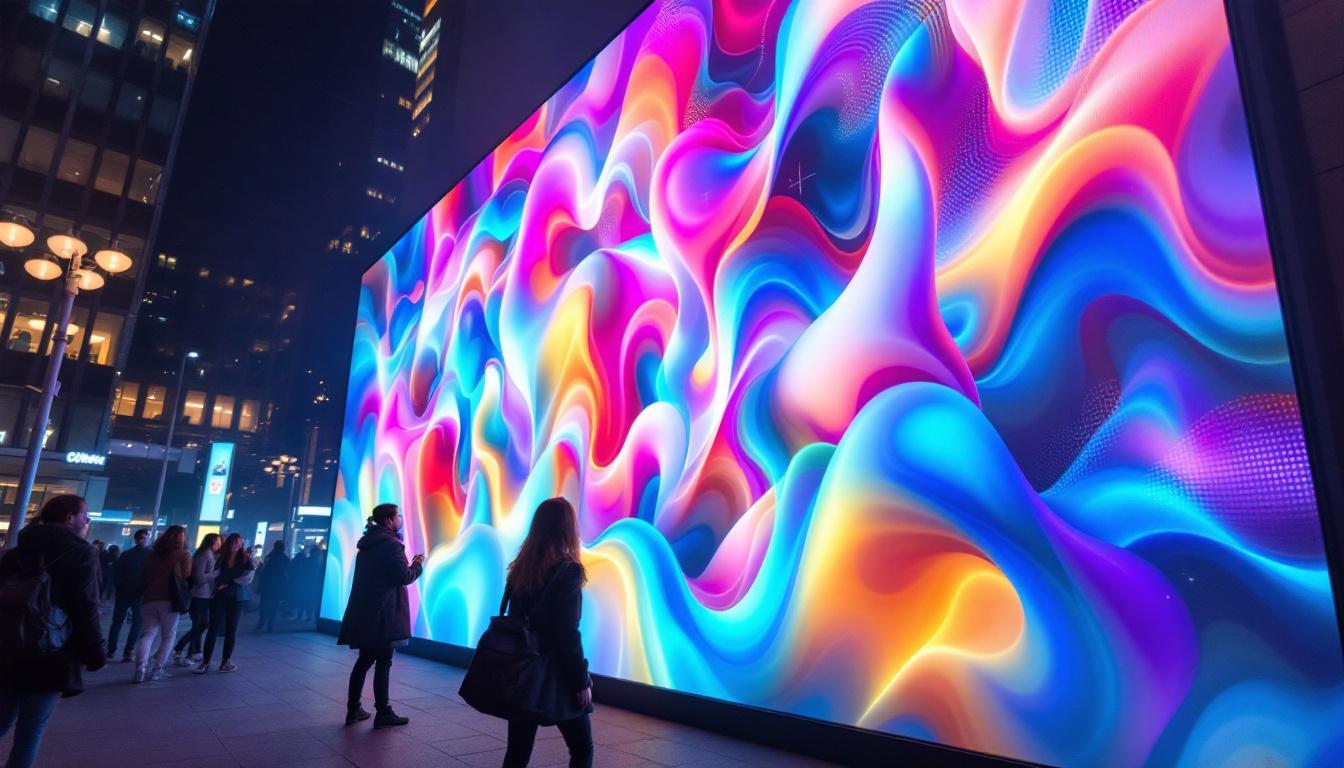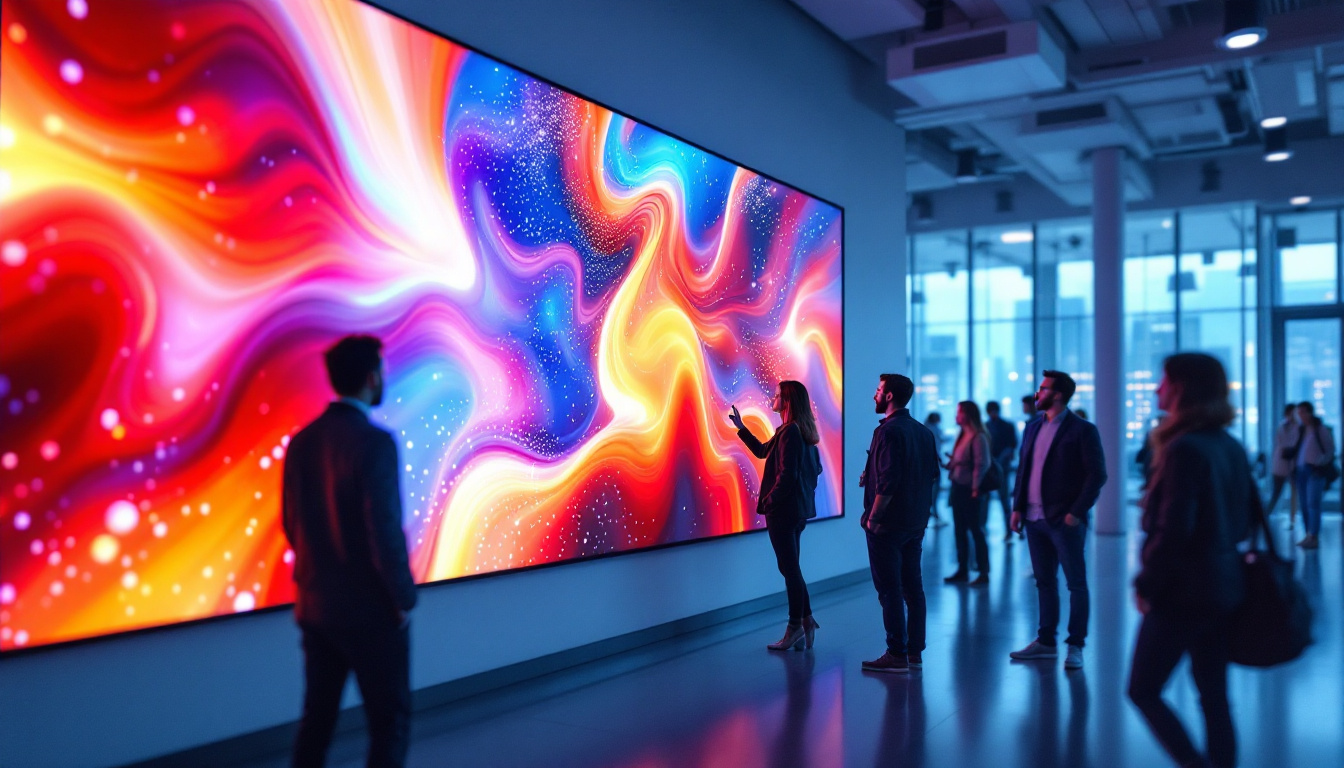
In recent years, LED wall TV panels have revolutionized the way we experience visual content, offering unparalleled brightness, color accuracy, and versatility. From home theaters to large-scale public displays, LED technology has become the go-to choice for delivering vivid images and immersive viewing experiences. This article delves into the fundamentals of LED displays, exploring their technology, benefits, applications, and what sets them apart from other display types.
Understanding LED Display Technology
LED stands for Light Emitting Diode, a semiconductor device that emits light when an electric current passes through it. Unlike traditional LCD or plasma screens, LED displays use an array of these tiny diodes to produce images, which results in superior brightness and color vibrancy. The efficiency of LED technology also allows for lower power consumption, making it an environmentally friendly choice for both commercial and residential use.
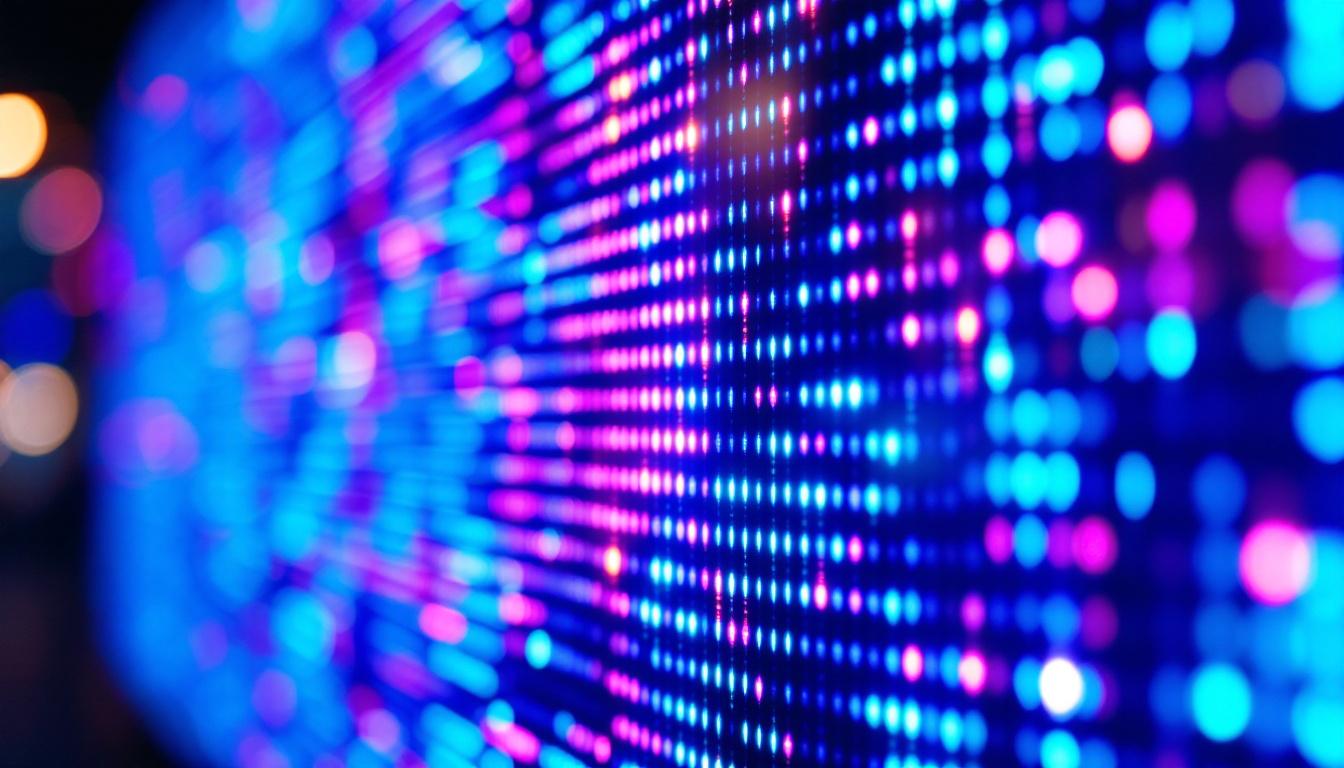
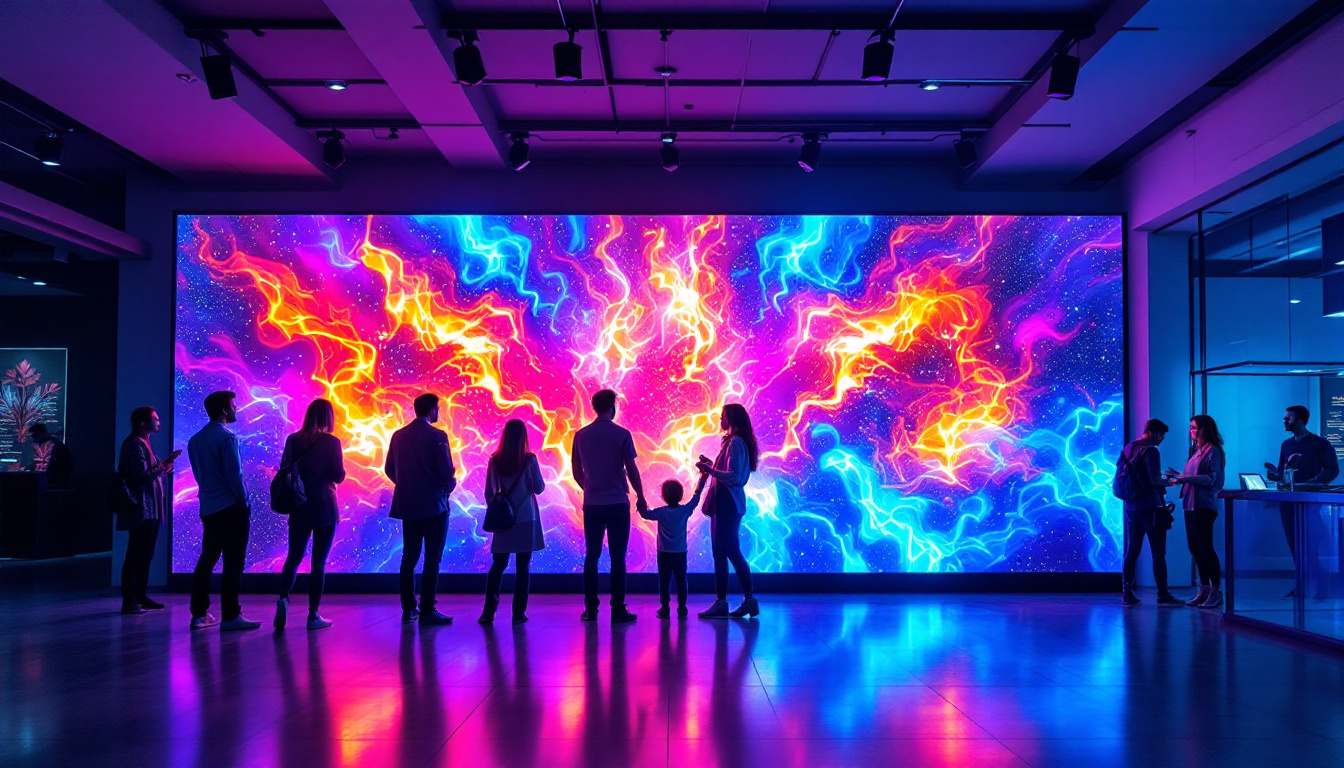
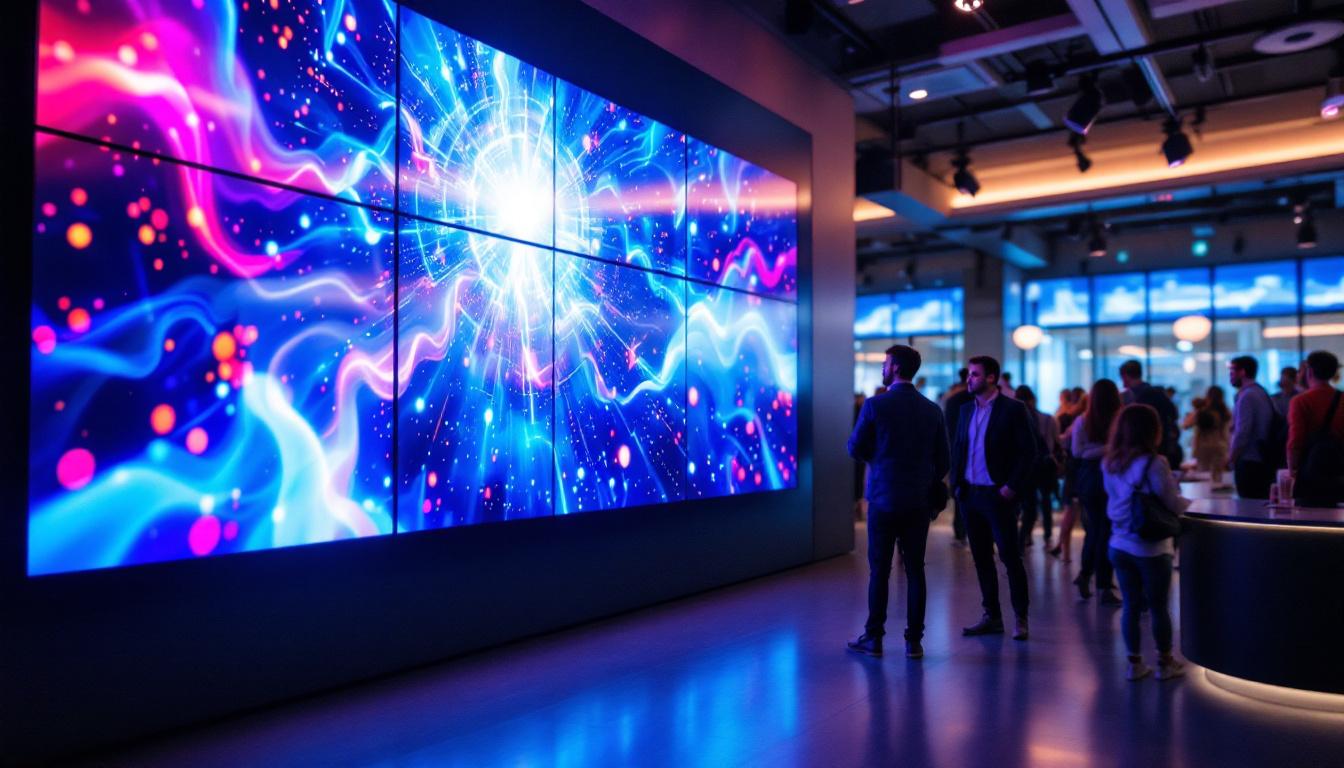
LED wall TV panels are composed of numerous individual LED modules arranged in a grid. Each module contains thousands of LEDs that can be controlled independently to produce precise colors and brightness levels. This modular design allows for scalable screen sizes, from small indoor panels to massive outdoor video walls. The versatility of LED displays means they can be used in a variety of settings, from corporate environments for presentations to entertainment venues for concerts and events, providing an immersive visual experience.
How LED Displays Work
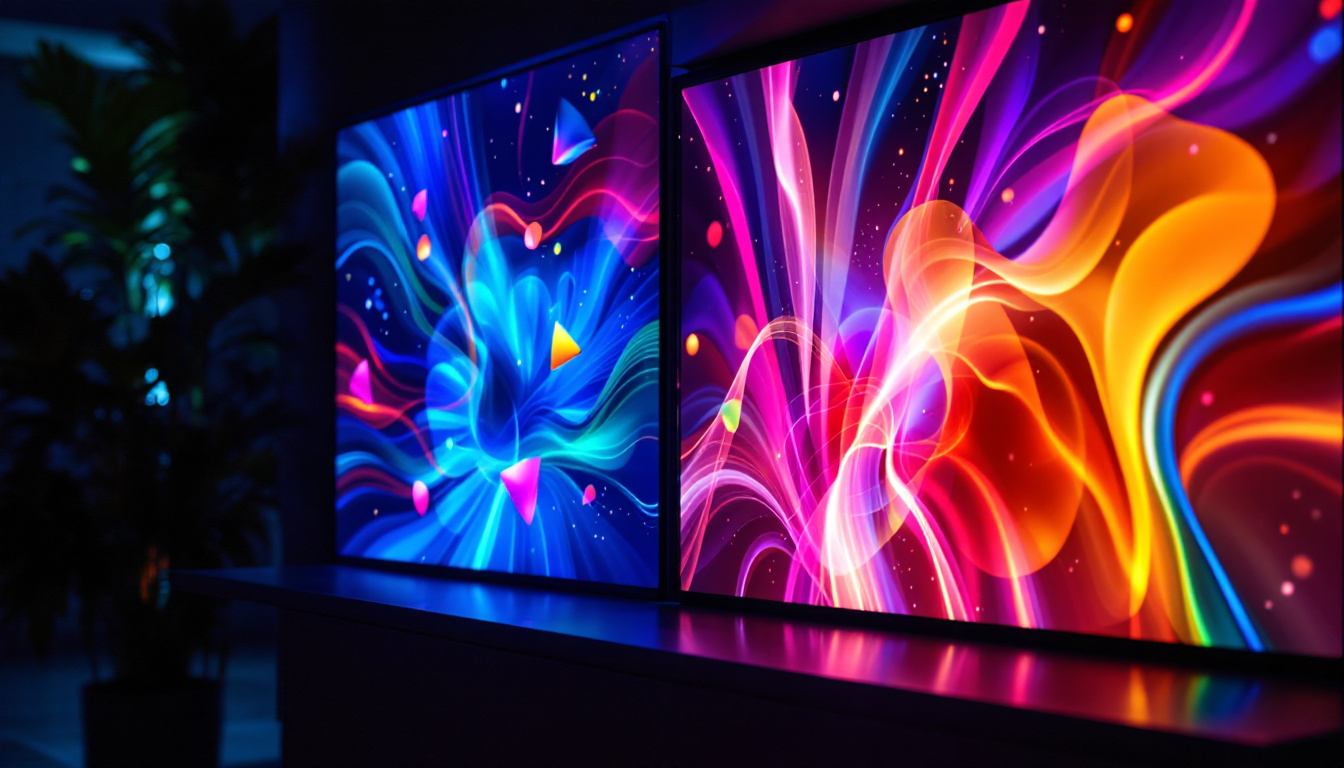
At the core of an LED display is the pixel, the smallest unit of an image. Each pixel typically consists of three LEDs—red, green, and blue—that combine to create a full spectrum of colors through a process called additive color mixing. By adjusting the intensity of each LED, the display can render millions of colors with high accuracy. This capability is particularly beneficial in applications requiring precise color representation, such as digital signage and art installations, where the fidelity of the image is paramount.
Modern LED panels often use surface-mounted device (SMD) technology, where LEDs are mounted directly onto the circuit board. This design allows for higher pixel density and better viewing angles, making the display sharper and more vibrant, even from wide perspectives. Additionally, advancements in thermal management have improved the longevity of these displays, ensuring that they maintain their performance over time, even in demanding environments.
Types of LED Displays
LED displays come in several varieties, each suited for different applications:
- Direct View LED (DVLED): These are the most common for large video walls. The LEDs themselves form the image without the need for a backlight, resulting in excellent brightness and contrast. This type is particularly effective for outdoor advertising, where visibility in bright sunlight is crucial.
- LED-backlit LCD: This technology uses LEDs as a backlight for LCD panels. While not true LED displays, they benefit from LED’s energy efficiency and improved color performance. This hybrid approach allows manufacturers to create thinner screens while still delivering high-quality images.
- MicroLED: An emerging technology featuring microscopic LEDs that promise even higher resolution and energy efficiency, though still in the early stages of commercial availability. MicroLED displays are anticipated to revolutionize the industry by offering self-emissive qualities similar to OLED, but with greater brightness and durability.
As the demand for high-quality visual experiences continues to grow, the development of LED technology is evolving rapidly. Innovations such as flexible LED displays are making it possible to create screens that can bend and curve, opening up new possibilities for creative installations and architectural designs. Furthermore, the integration of smart technology into LED displays is enhancing their functionality, allowing for interactive features that engage viewers in dynamic ways.
Advantages of LED Wall TV Panels
LED wall TV panels offer several distinct advantages over other display technologies, which explains their growing popularity in both consumer and professional markets.
Superior Brightness and Contrast
One of the standout features of LED displays is their exceptional brightness. Typical LED panels can achieve brightness levels between 1,000 and 5,000 nits, far exceeding the 200-500 nits common in LCD TVs. This makes LED walls ideal for environments with high ambient light, such as outdoor venues, shopping malls, and sports arenas.
Additionally, LED displays provide deep blacks and high contrast ratios because individual LEDs can be turned off completely to produce true black. This capability enhances image depth and realism, especially in dark scenes.
Energy Efficiency and Longevity
LED technology is inherently energy-efficient compared to older display types like plasma or CCFL-backlit LCDs. LEDs consume less power while delivering brighter images, which reduces operational costs over time. For commercial installations, this translates into significant savings, especially when screens operate for extended hours daily.
Moreover, LED panels have a long lifespan, often rated between 50,000 to 100,000 hours of use before noticeable dimming occurs. This durability makes them a reliable choice for permanent installations.
Scalability and Customization
Because LED wall panels are modular, they can be combined to create screens of virtually any size and shape. This flexibility is invaluable for businesses and event organizers who need custom-sized displays tailored to their venues.
Furthermore, LED walls can be curved or shaped to fit architectural designs, enhancing aesthetic appeal and viewer engagement. This adaptability is difficult to achieve with traditional flat-panel TVs or projectors.
Wide Viewing Angles and Color Accuracy
LED displays maintain consistent color and brightness across wide viewing angles, often up to 160 degrees or more. This ensures that audiences see clear, vibrant images regardless of their position relative to the screen.
Advanced LED panels also support high dynamic range (HDR) content, delivering richer colors and more detailed shadows and highlights, which enhances the overall viewing experience.
Common Applications of LED Wall TV Panels
LED wall TV panels are used across a broad spectrum of industries and settings, thanks to their versatility and performance.
Commercial and Advertising Displays
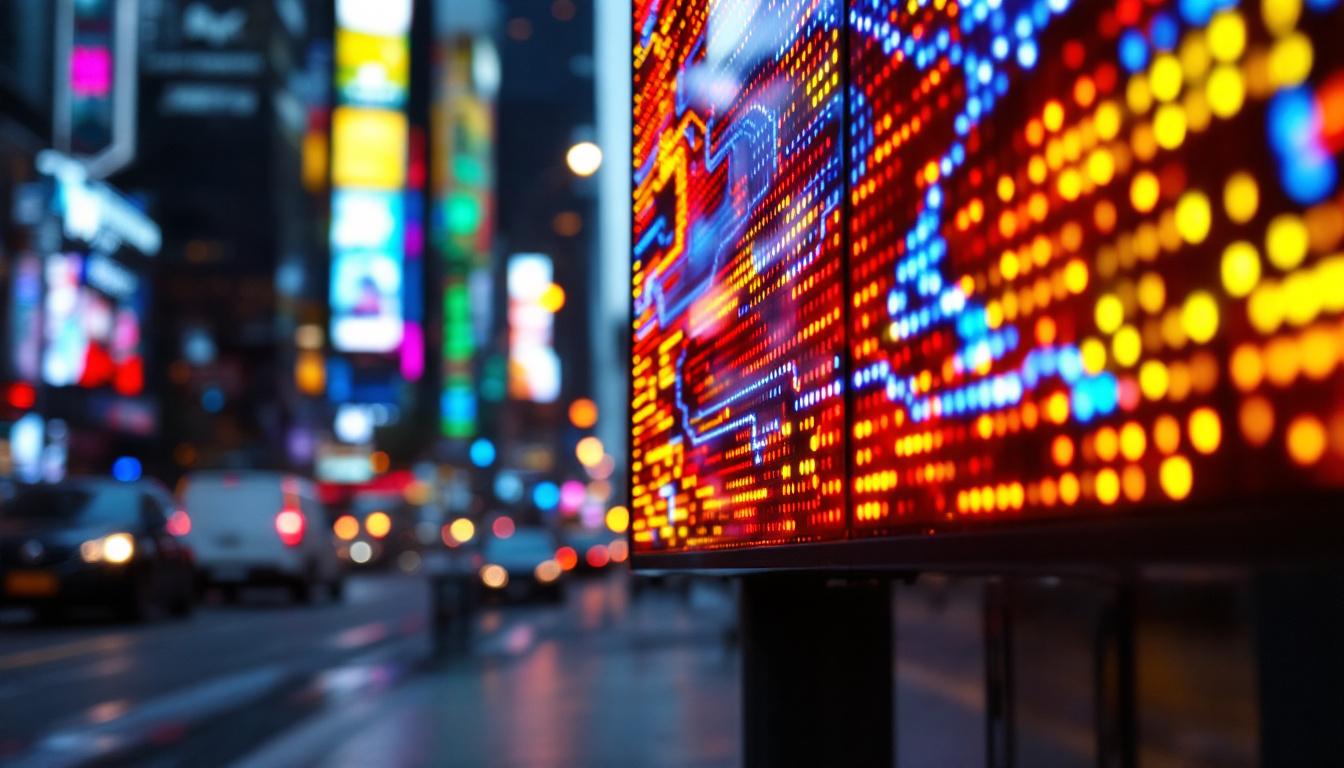
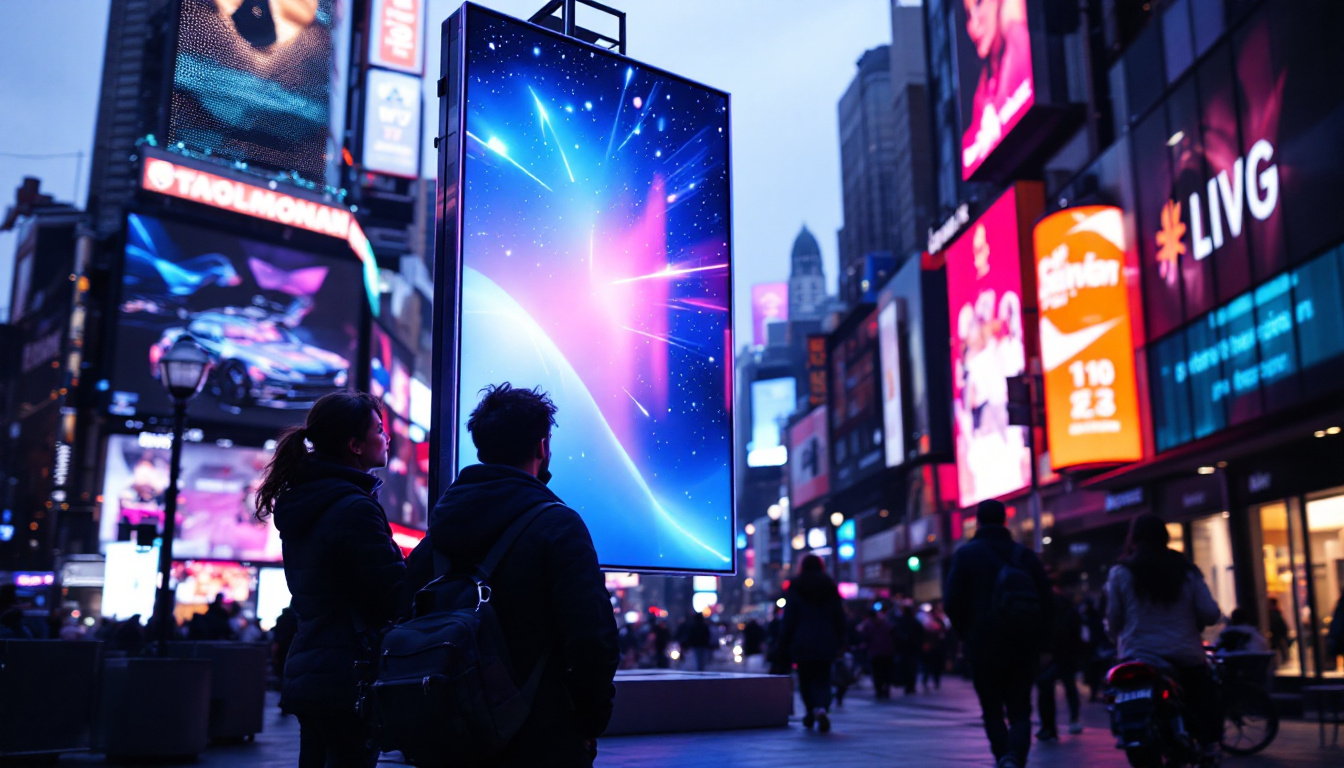
Retailers and advertisers leverage LED walls for dynamic digital signage that captures customer attention. Bright, colorful displays can showcase promotions, brand messages, and interactive content in real time.
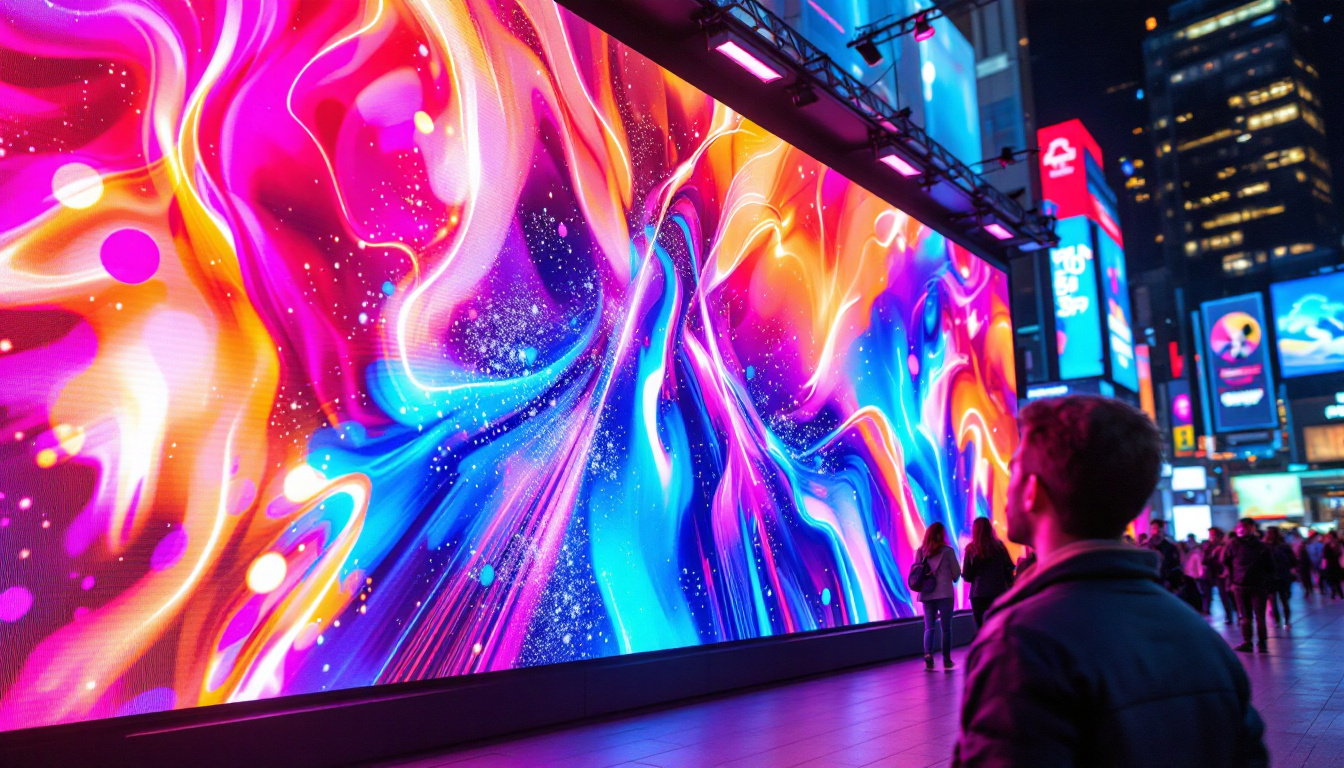
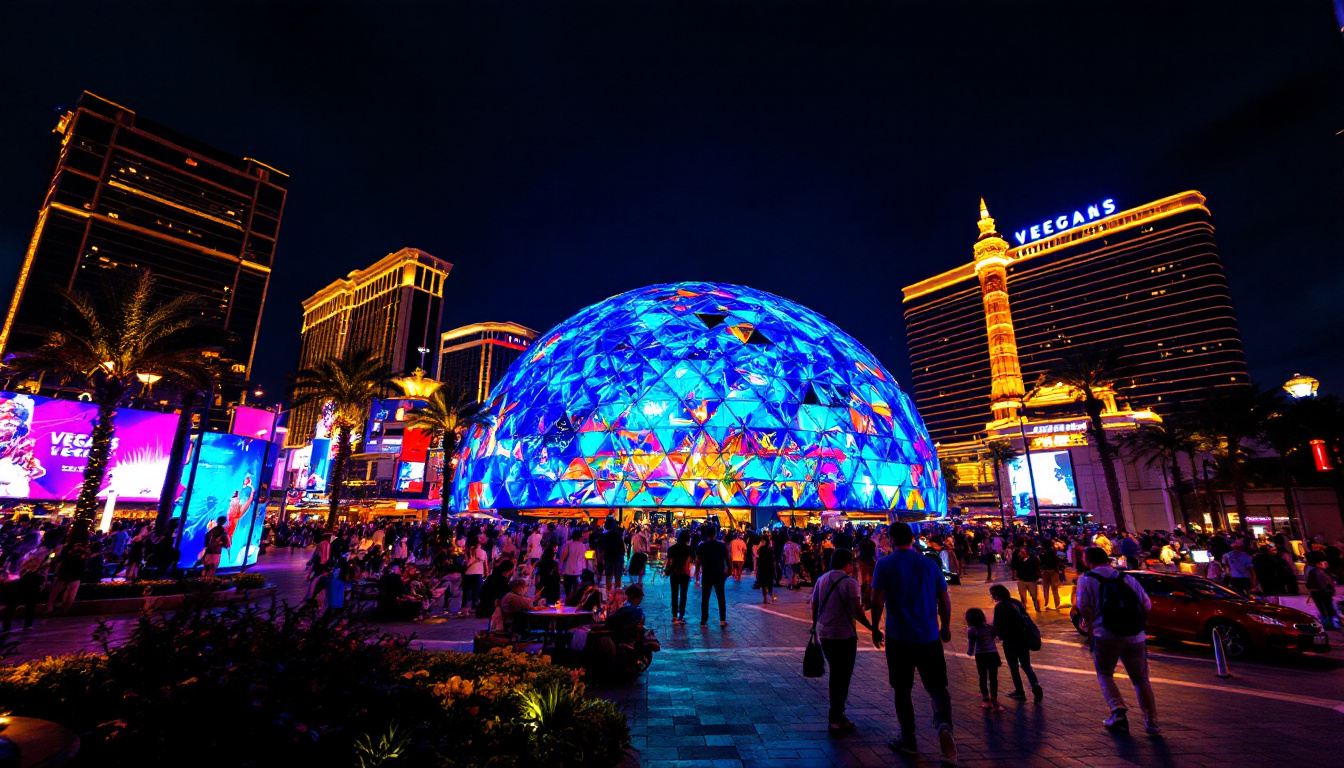
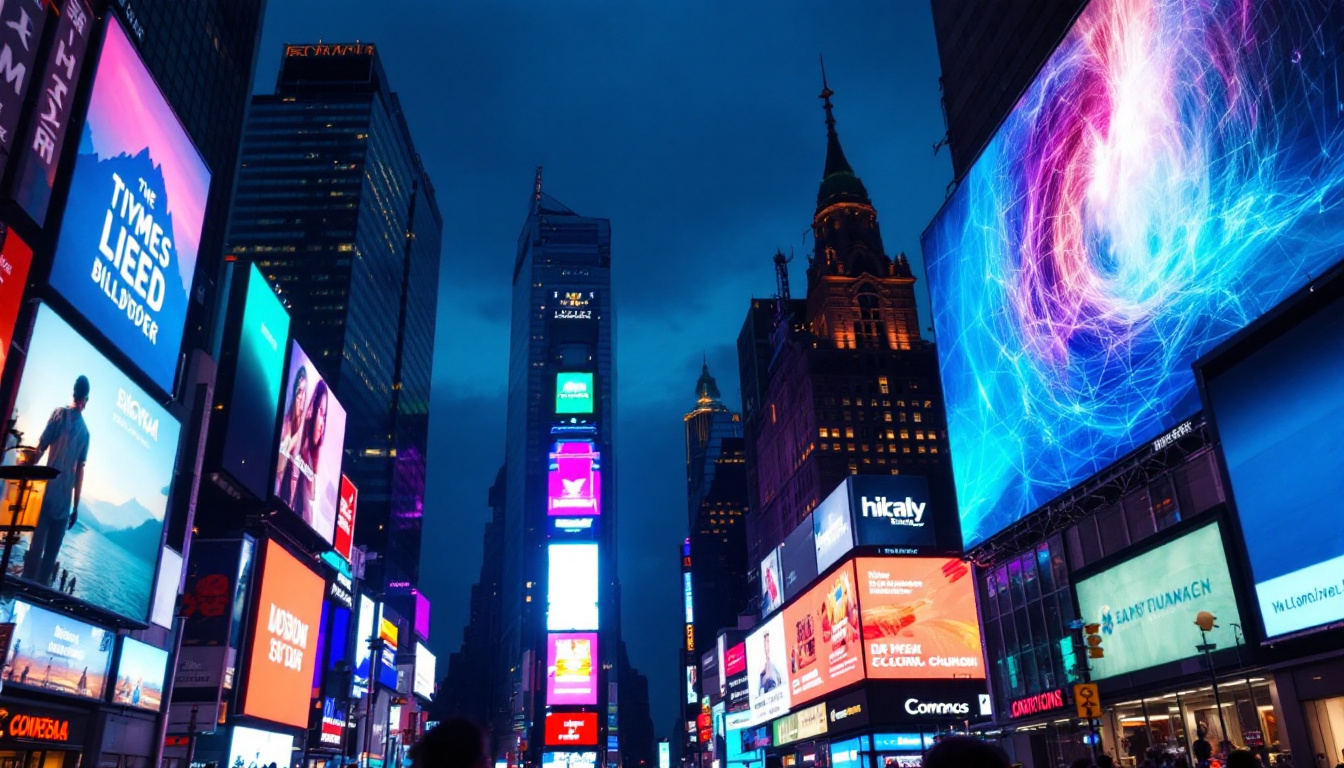
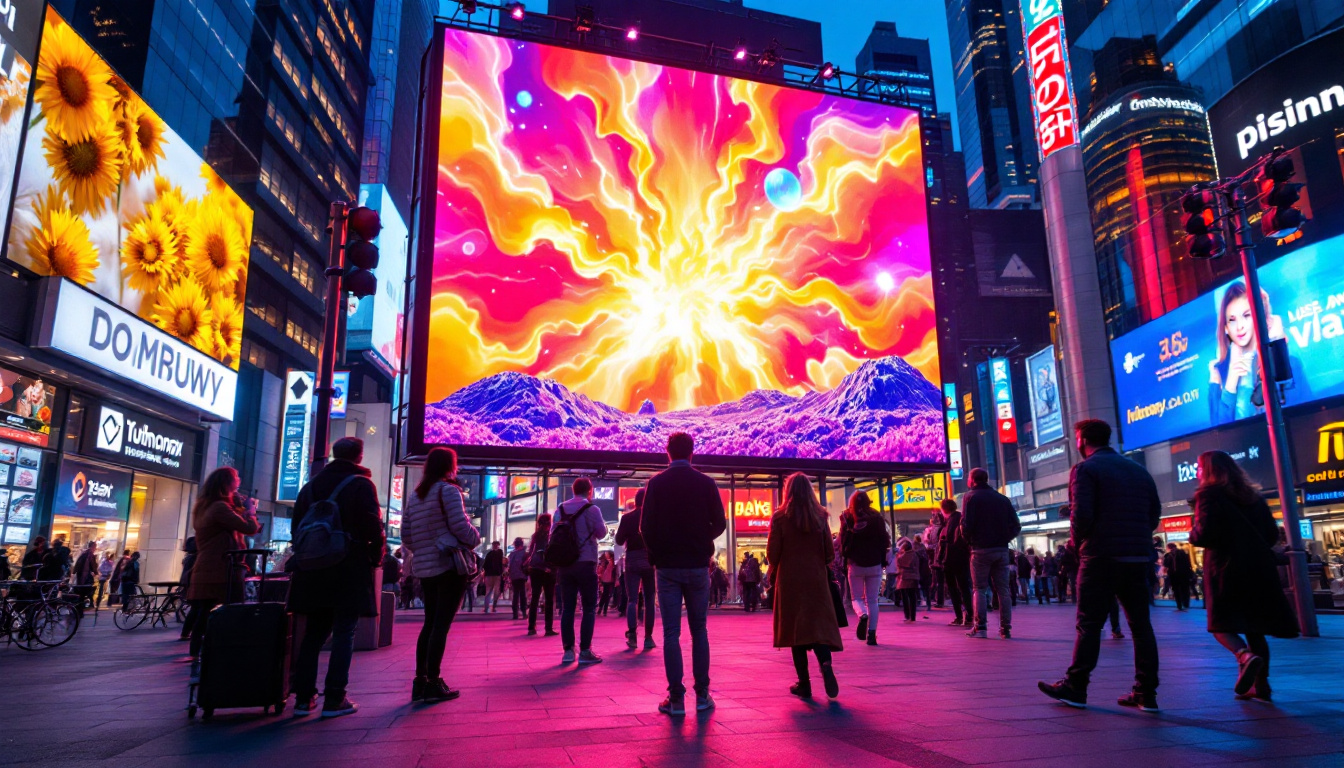
For example, Times Square in New York City features massive LED billboards that deliver high-impact advertising visible from great distances, even in daylight.
Entertainment and Events
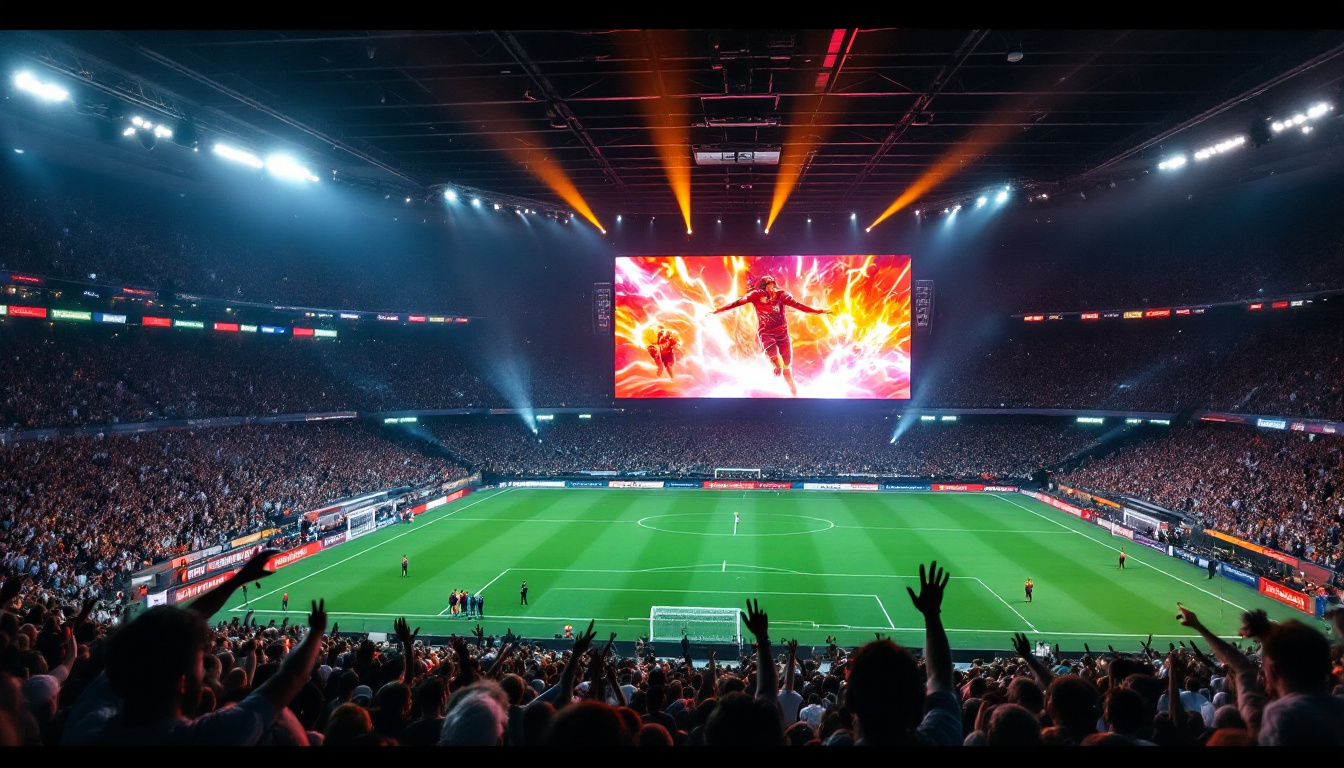
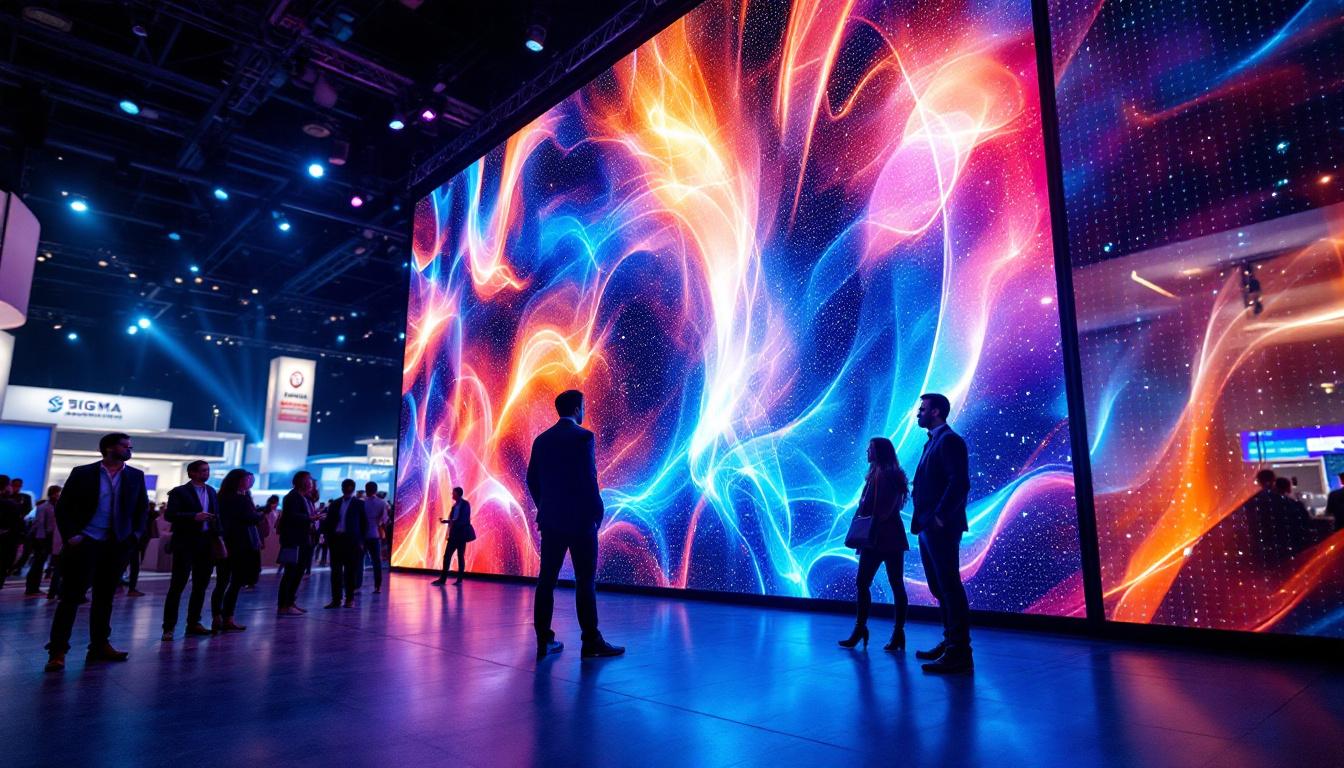
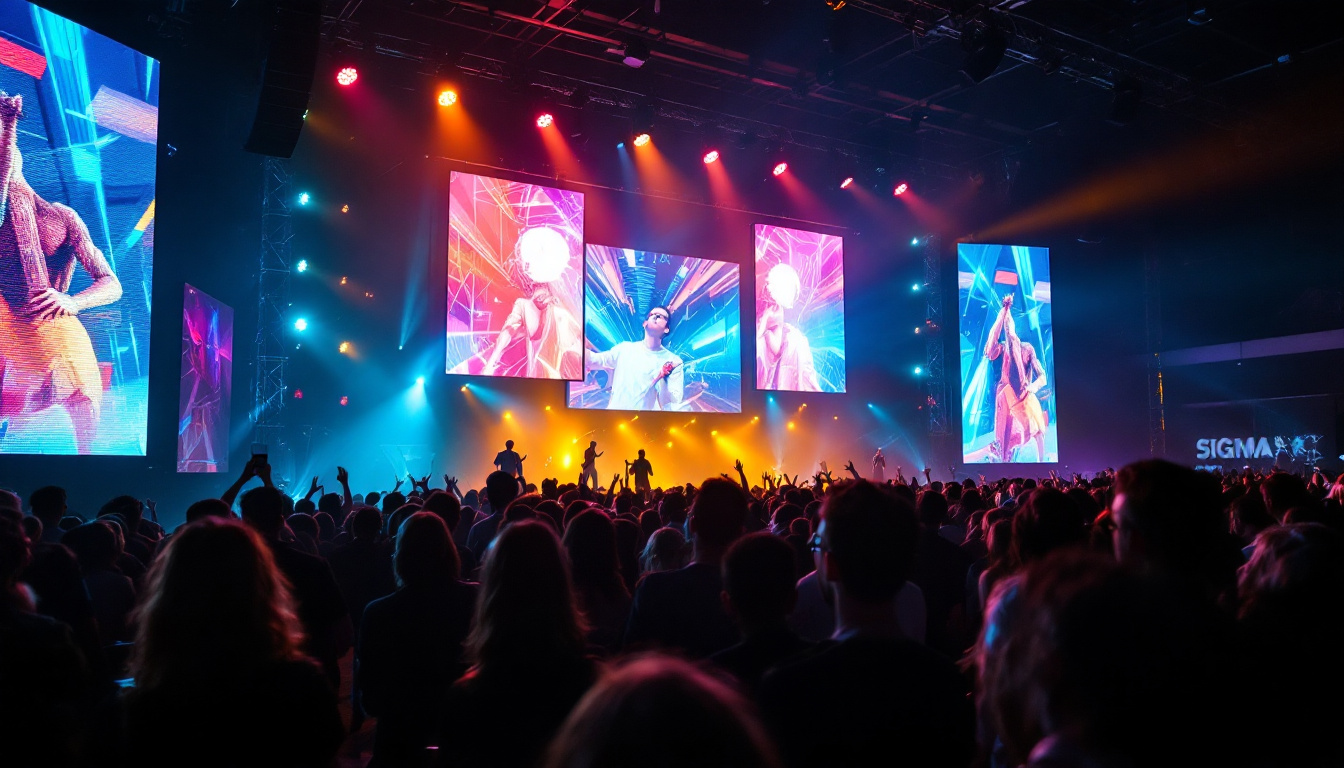
Concerts, sports events, and conferences often use LED walls to provide live video feeds, graphics, and immersive visual effects. Their ability to scale to enormous sizes and maintain image quality makes them ideal for large venues.
Many stadiums now incorporate LED ribbon boards and video walls to enhance fan engagement and provide instant replays and statistics.
Corporate and Educational Environments
In corporate settings, LED walls serve as impressive video conferencing backdrops, presentation screens, and digital whiteboards. Their clarity and size facilitate effective communication during meetings and seminars.
Educational institutions also utilize LED displays in auditoriums and lecture halls to improve visibility and interactivity during classes and events.
Home Theaters and Residential Use
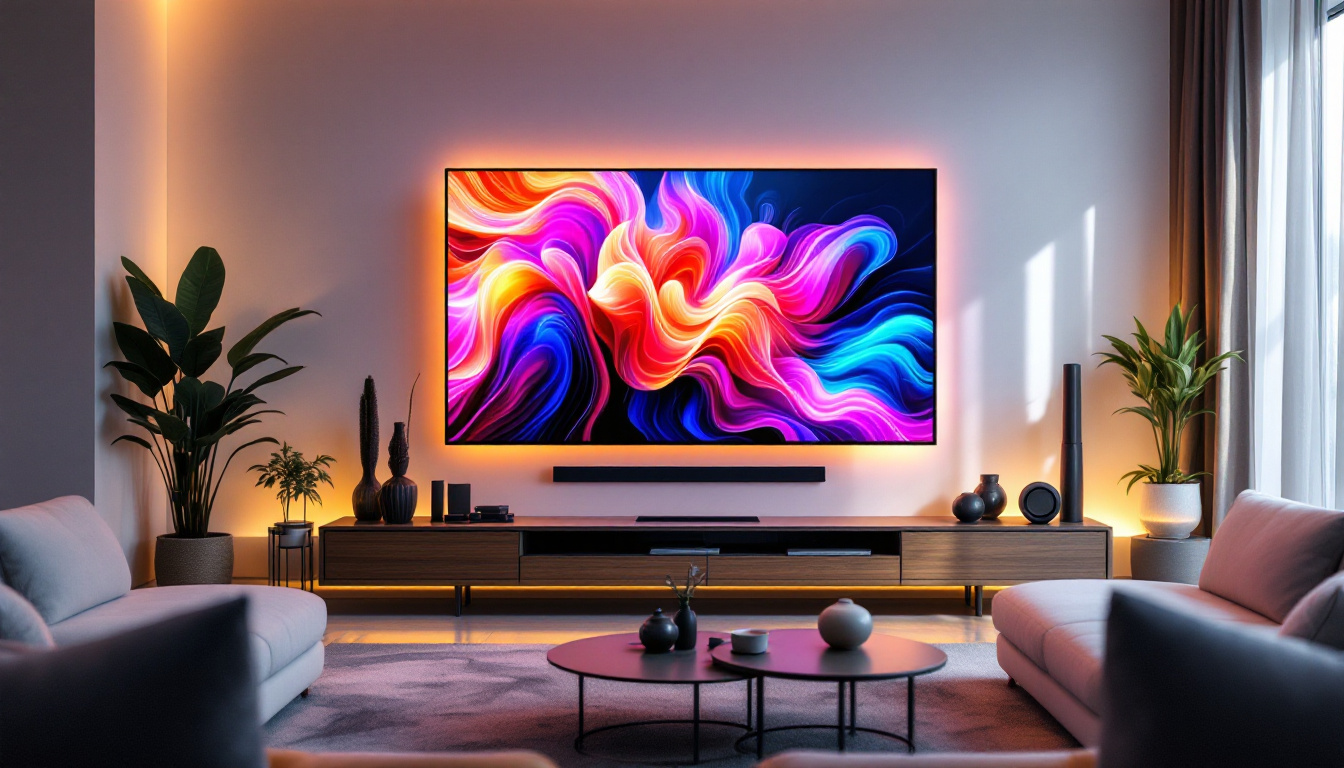
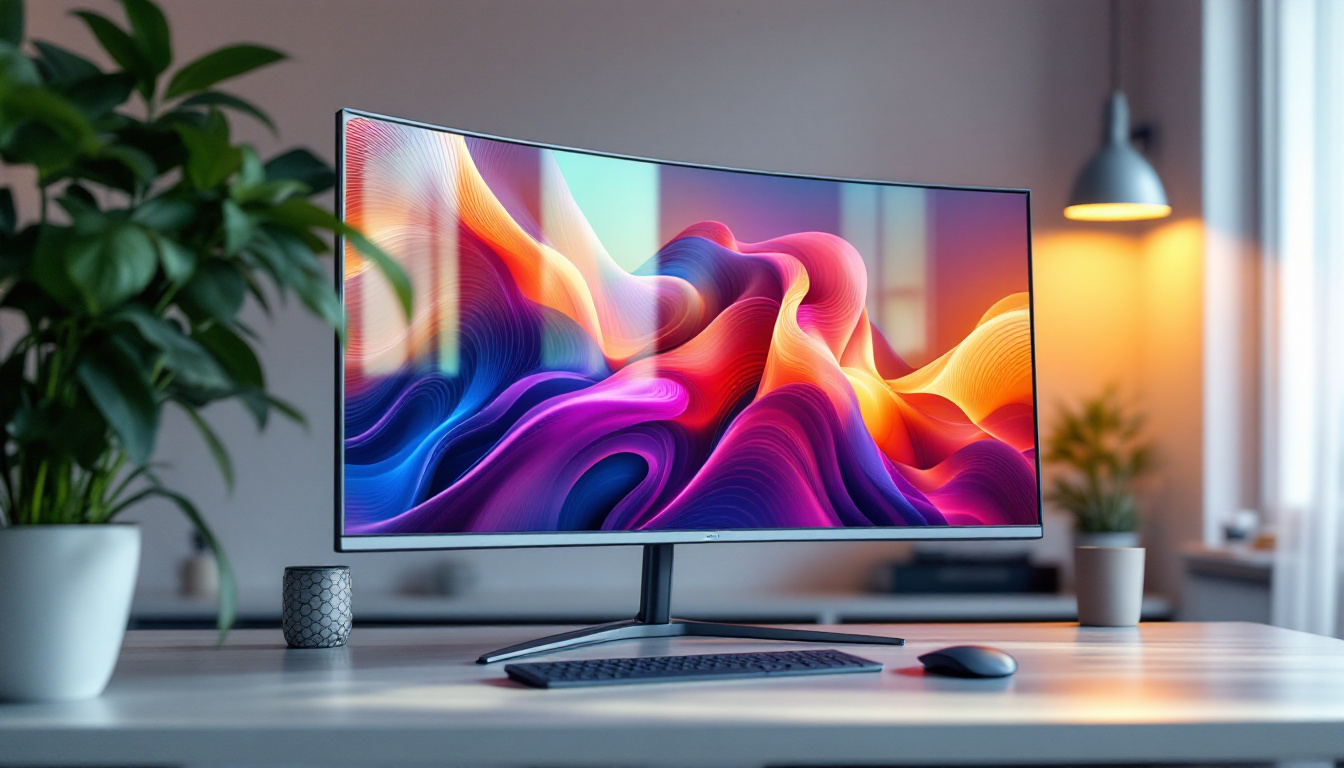
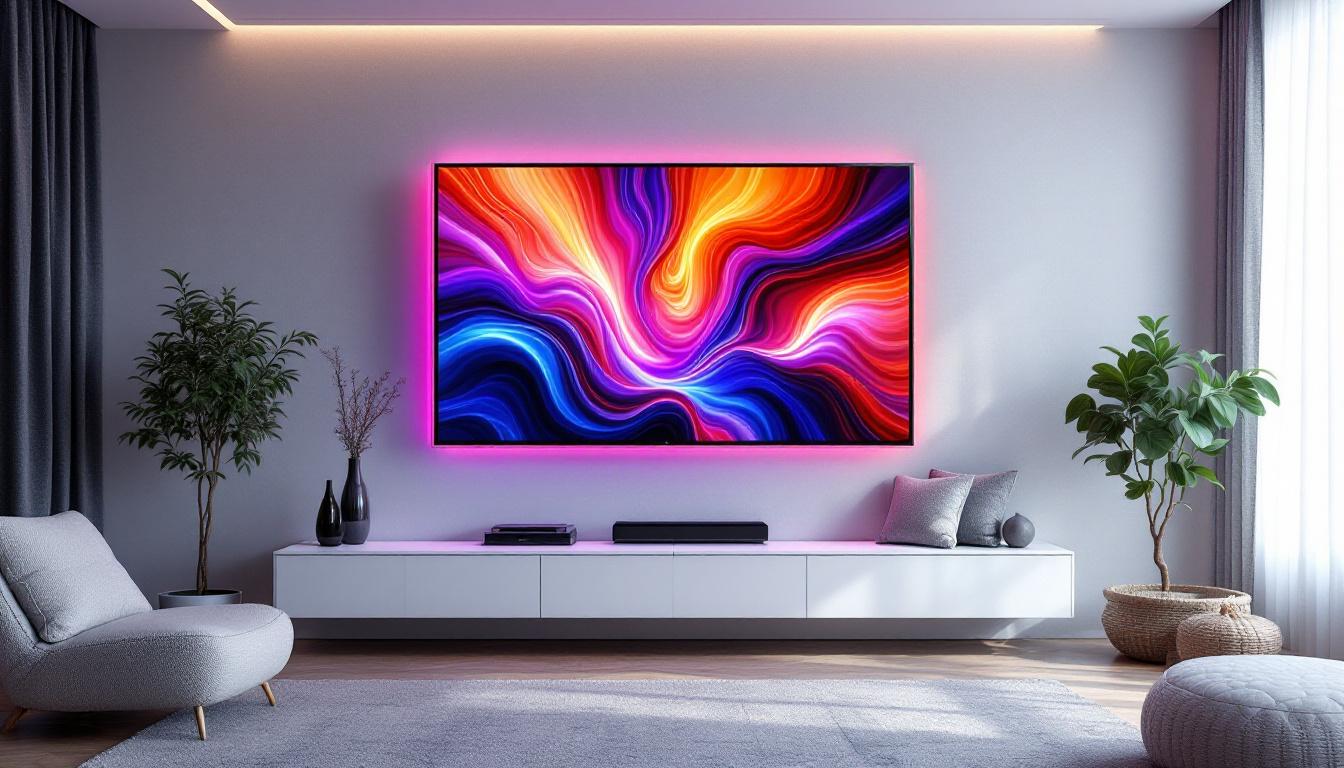
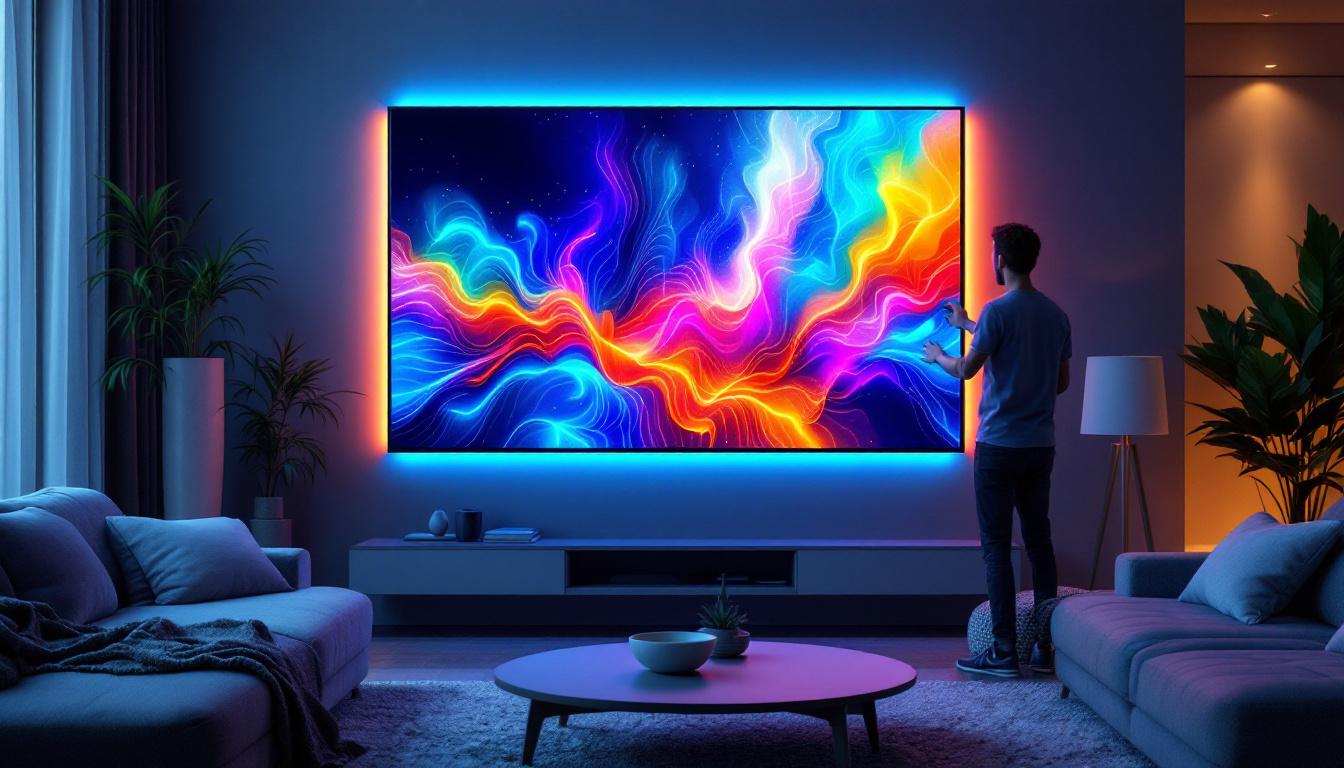
While traditionally more expensive, LED wall panels are increasingly entering the home theater market. Advances in manufacturing have lowered prices, making direct-view LED TVs a premium alternative to OLED and QLED displays.
Homeowners seeking the ultimate cinematic experience benefit from the high brightness, contrast, and color fidelity that LED walls provide.
Choosing the Right LED Wall TV Panel
Selecting the appropriate LED wall TV panel depends on several factors, including intended use, environment, budget, and desired image quality.
Pixel Pitch and Resolution
Pixel pitch refers to the distance between the centers of adjacent pixels, measured in millimeters. Smaller pixel pitches yield higher resolution and sharper images, especially important for close viewing distances.
For indoor use where viewers are close, pixel pitches between 1.2mm and 2.5mm are common. Outdoor installations typically use larger pitches (4mm to 10mm) since viewers are farther away.
Brightness and Environmental Considerations
Consider the ambient lighting conditions of the installation site. Outdoor or brightly lit indoor spaces require higher brightness levels to maintain image visibility. Look for LED panels with at least 3,000 nits for outdoor use.
Additionally, weatherproof ratings such as IP65 ensure that outdoor LED walls withstand rain, dust, and temperature fluctuations.
Refresh Rate and Color Depth
Higher refresh rates (above 3,000 Hz) reduce flicker, which is especially important for video recording or broadcasting. Color depth, typically 16-bit or higher, affects the smoothness of gradients and color transitions.
Installation and Maintenance
Modular LED panels simplify installation and allow for easier maintenance. Front-serviceable panels enable technicians to replace modules without dismantling the entire display.
Ensure that the manufacturer provides adequate support and warranty coverage to protect your investment.
The Future of LED Display Technology
LED technology continues to evolve rapidly, promising even more impressive capabilities in the near future.
MicroLED and Beyond
MicroLED displays, which use microscopic LEDs as individual pixels, offer the potential for ultra-high resolution, superior brightness, and energy efficiency without the burn-in issues associated with OLEDs. Although still emerging, MicroLED is poised to redefine premium display markets.
Flexible and Transparent LED Panels
Innovations in flexible LED panels enable curved, foldable, and even wearable displays, opening new possibilities for design and functionality. Transparent LED panels are also gaining traction, allowing screens to be integrated into windows and glass surfaces without obstructing views.
Integration with Smart Technologies
Future LED walls will increasingly incorporate AI-driven content management, interactive touch capabilities, and seamless integration with IoT devices, enhancing user engagement and operational efficiency.
Conclusion
LED wall TV panels represent a significant leap forward in display technology, combining brightness, color accuracy, scalability, and energy efficiency. Their versatility makes them suitable for a wide range of applications, from commercial advertising and entertainment to corporate and residential use.
Understanding the underlying technology and key factors for selection helps consumers and businesses make informed decisions when investing in LED displays. As advancements like MicroLED and flexible panels mature, the future promises even more immersive and innovative visual experiences.
Discover LumenMatrix’s Innovative LED Display Solutions
Ready to elevate your visual experience with the latest in LED display technology? Look no further than LumenMatrix, a pioneer in crafting state-of-the-art LED display modules designed to amplify your brand’s presence and captivate your audience. Whether you’re in need of an Indoor LED Wall Display, a vibrant Outdoor LED Wall Display, or specialized solutions like Vehicle LED Displays and LED Sports Displays, LumenMatrix has the expertise to transform your space. Embrace the future of visual communication with our diverse range of products, including LED Poster Displays, Floor LED Displays, Custom LED Displays, All-in-One LED Displays, and LED Transparent Displays. Don’t miss the opportunity to create unforgettable visual experiences. Check out LumenMatrix LED Display Solutions today and see your message come to life with clarity and impact.