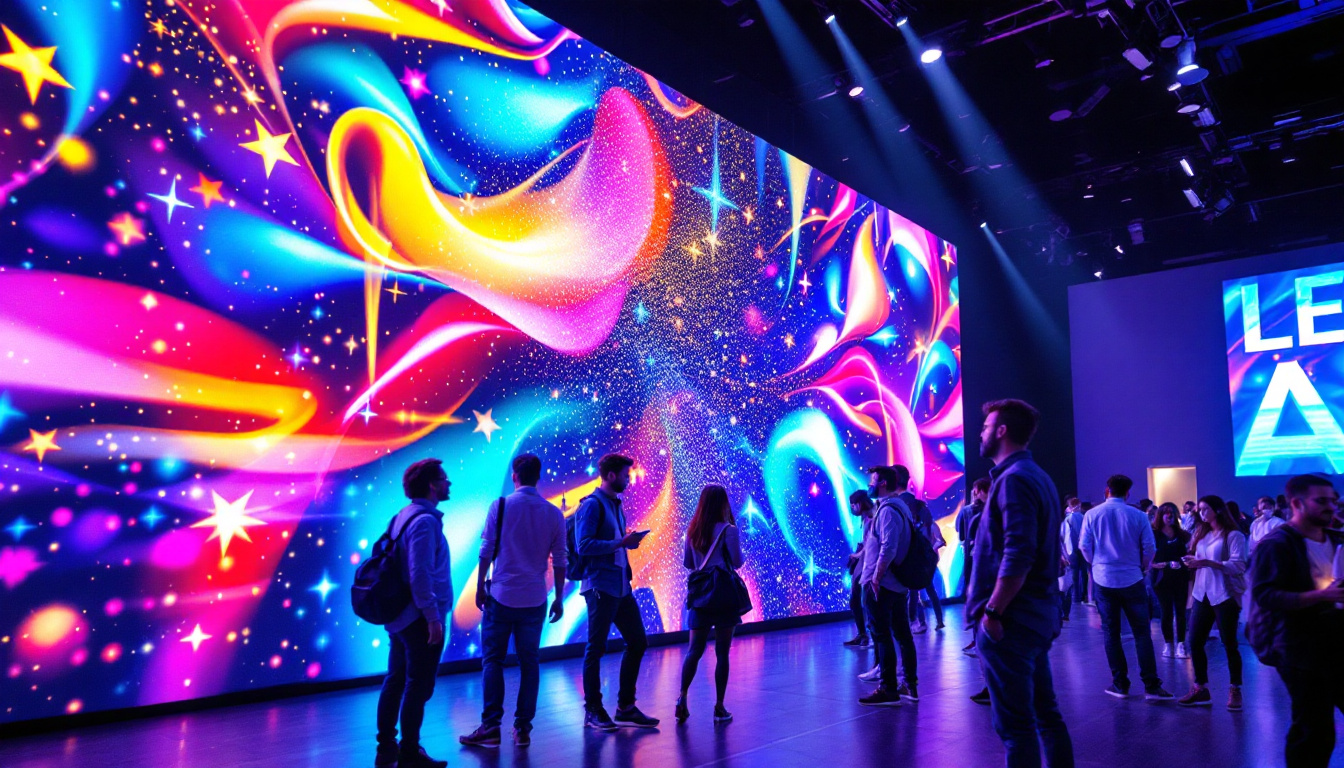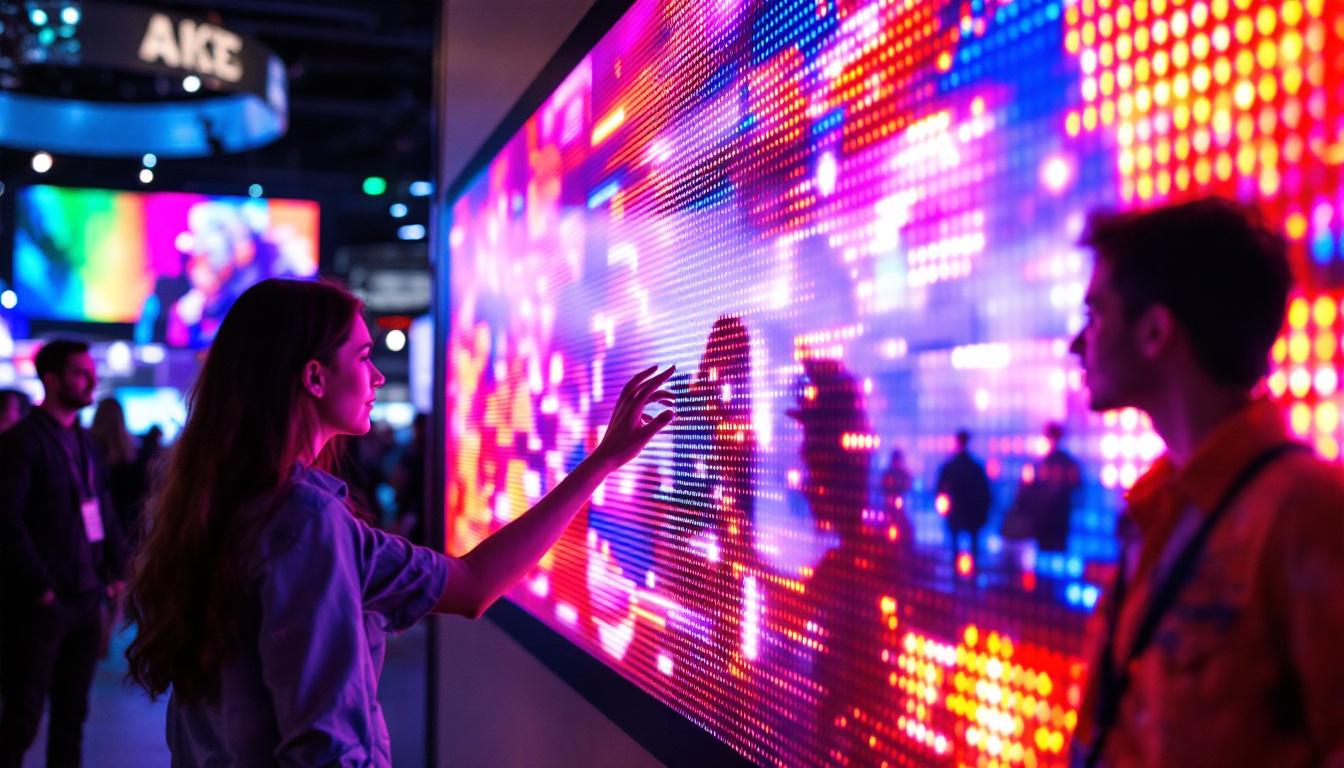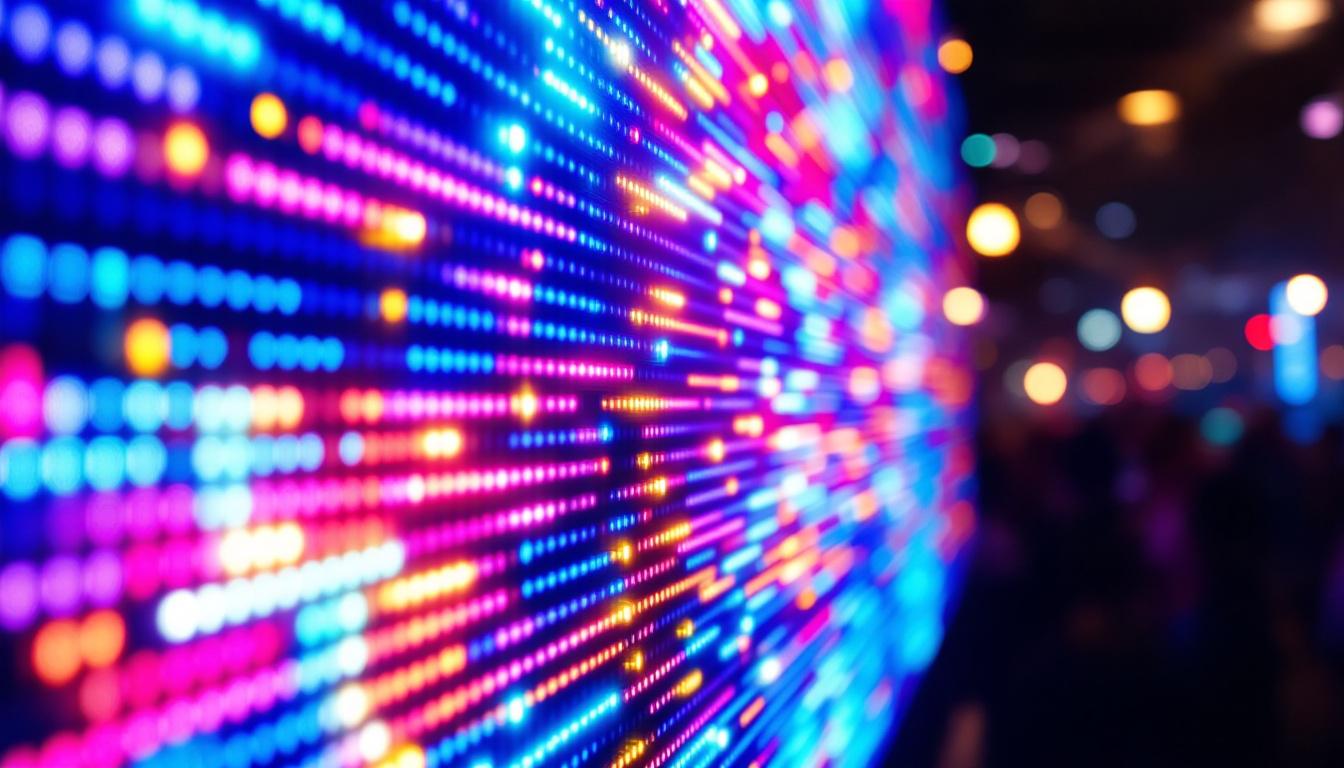
In today’s digital age, LED displays have become an integral part of how information and entertainment are presented in public spaces, corporate environments, and even private settings. From massive stadium screens to sleek indoor video walls, LED technology powers vibrant, dynamic visuals that captivate audiences worldwide. This article delves into the fundamentals of LED video panels, exploring how they work, their applications, and the latest advancements shaping the industry.
Understanding the Basics of LED Video Panels
What Is an LED Video Panel?
An LED video panel is a modular display unit composed of an array of light-emitting diodes (LEDs) that work together to produce images and videos. These panels are designed to be tiled seamlessly to create larger screens of virtually any size. Each LED acts as a pixel or part of a pixel, emitting red, green, and blue light that combine to form a full-color image.
Unlike traditional LCD or projection screens, LED panels are self-illuminating, meaning they generate their own light rather than relying on a backlight. This characteristic allows for higher brightness levels, better contrast ratios, and more vivid colors, making LED displays ideal for both indoor and outdoor use. Additionally, their energy efficiency is a significant advantage; LED panels consume less power compared to older technologies, which can lead to substantial savings over time, especially in large installations.
Key Components of LED Panels
At the heart of an LED video panel are several critical components:
- LED Modules: These are the building blocks of the panel, containing clusters of LEDs arranged in a grid. Each module typically covers a small section of the overall display.
- Driver ICs: Integrated circuits control the current flowing through the LEDs, ensuring consistent brightness and color accuracy across the panel.
- Control System: This includes the hardware and software that process input signals and manage the display’s image output in real-time.
- Cabinet Frame: The sturdy enclosure that houses the modules and electronics, designed for easy installation and maintenance.
In addition to these components, many LED panels also incorporate advanced cooling systems to dissipate heat generated during operation, which is crucial for maintaining performance and extending the lifespan of the display. Furthermore, some panels come equipped with built-in sensors that adjust brightness based on ambient light conditions, ensuring optimal visibility at all times.
Pixel Pitch and Resolution
One of the most important specifications in LED video panels is the pixel pitch, which refers to the distance between the centers of two adjacent pixels, measured in millimeters. A smaller pixel pitch means more pixels per unit area, resulting in higher resolution and finer image detail.
For example, a panel with a 1.5mm pixel pitch delivers sharper images suitable for close viewing distances, such as in control rooms or retail environments. Conversely, a 10mm pixel pitch panel might be used for large outdoor billboards where viewers are farther away, and ultra-high resolution is less critical. The choice of pixel pitch not only affects image quality but also influences the overall cost and application of the panel, making it essential for buyers to carefully consider their specific needs and viewing environments.
Moreover, advancements in technology have led to the development of ultra-fine pixel pitch displays, which can achieve resolutions comparable to high-definition televisions. These displays are becoming increasingly popular in high-end applications, such as corporate events, concerts, and immersive installations, where visual impact is paramount. As a result, the market for LED video panels continues to evolve, with manufacturers constantly innovating to meet the demands of various industries.
How LED Video Panels Work
Light Emission and Color Mixing
Each pixel on an LED panel consists of three sub-pixels: red, green, and blue LEDs. By varying the intensity of each sub-pixel, the panel can produce a wide spectrum of colors through additive color mixing. This process is controlled by the driver ICs, which adjust the electrical current to each LED to achieve the desired brightness and hue.
Modern LED panels use surface-mounted device (SMD) technology, where tiny LEDs are mounted directly onto the circuit board. This allows for higher pixel density and improved color uniformity compared to older through-hole LED designs.
Refresh Rate and Image Stability
The refresh rate of an LED panel—the number of times per second the image is updated—is crucial for smooth video playback and flicker-free visuals. Typical refresh rates range from 60Hz to over 3840Hz in high-end models, with higher rates reducing motion blur and flicker, especially important for broadcast and live event applications.
Advanced LED panels also incorporate technologies such as grayscale processing and dynamic contrast adjustment to enhance image stability and depth, ensuring a consistently high-quality viewing experience.
Applications of LED Video Panels
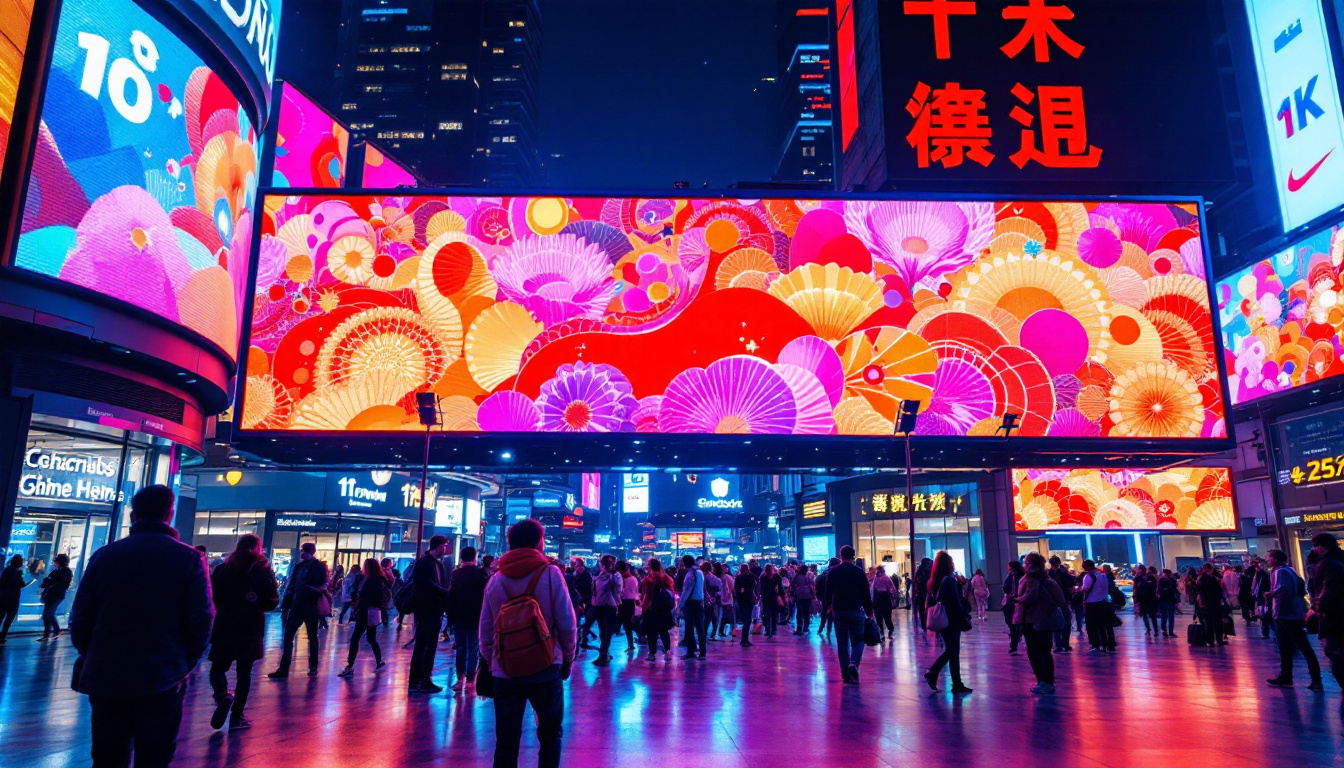
Outdoor Advertising and Digital Billboards
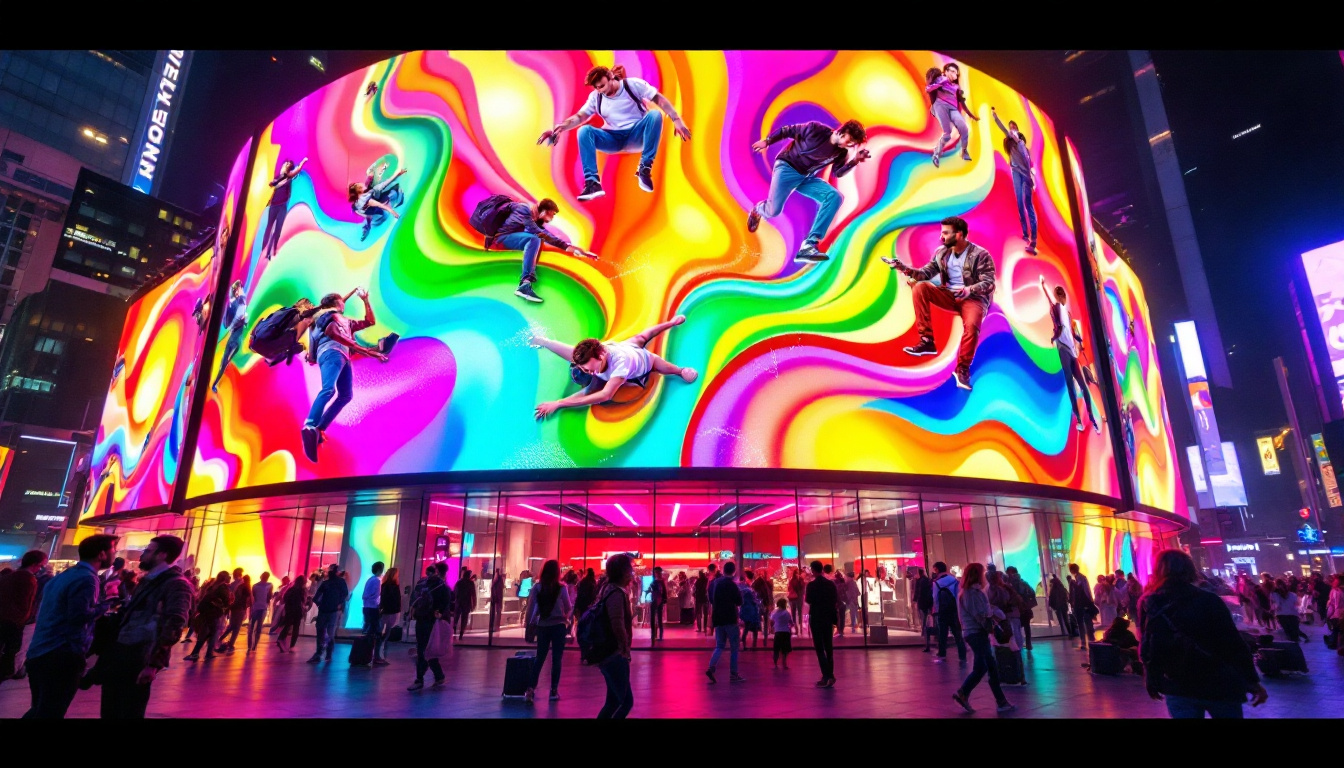
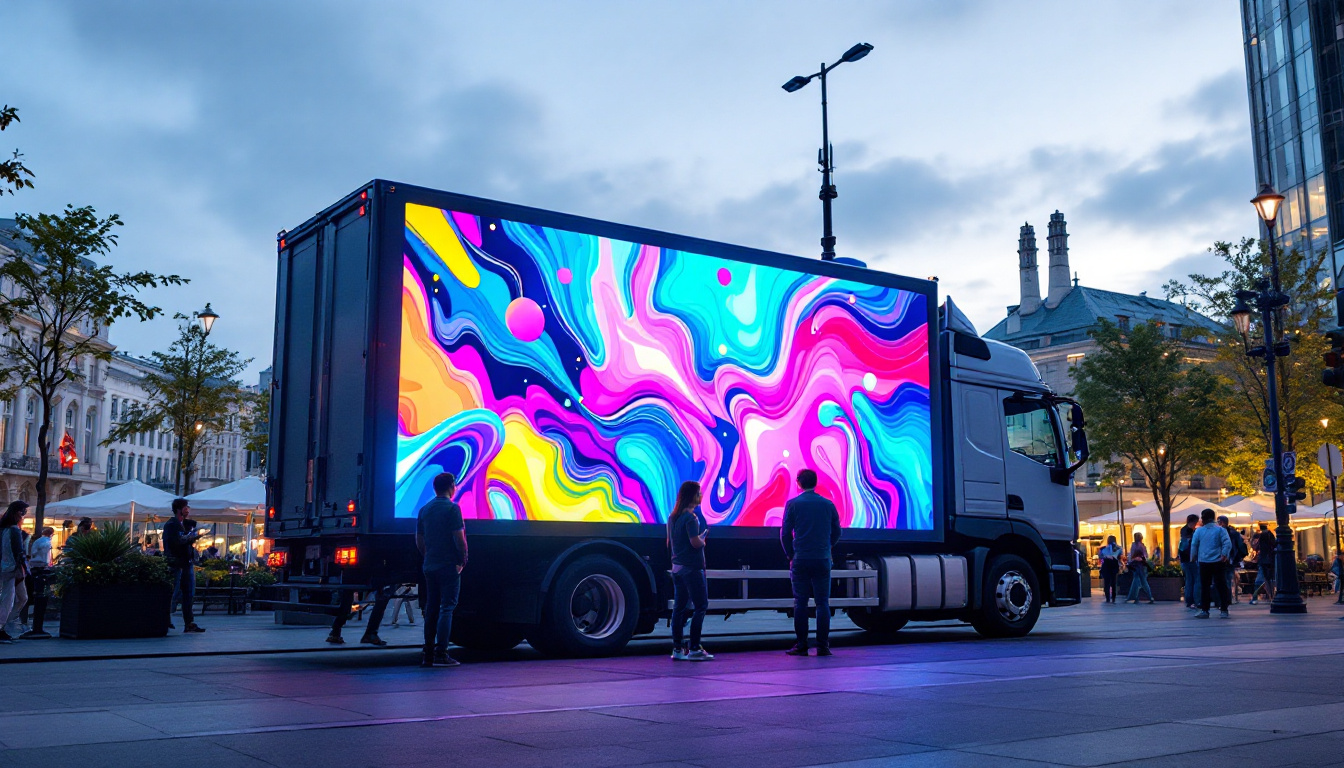
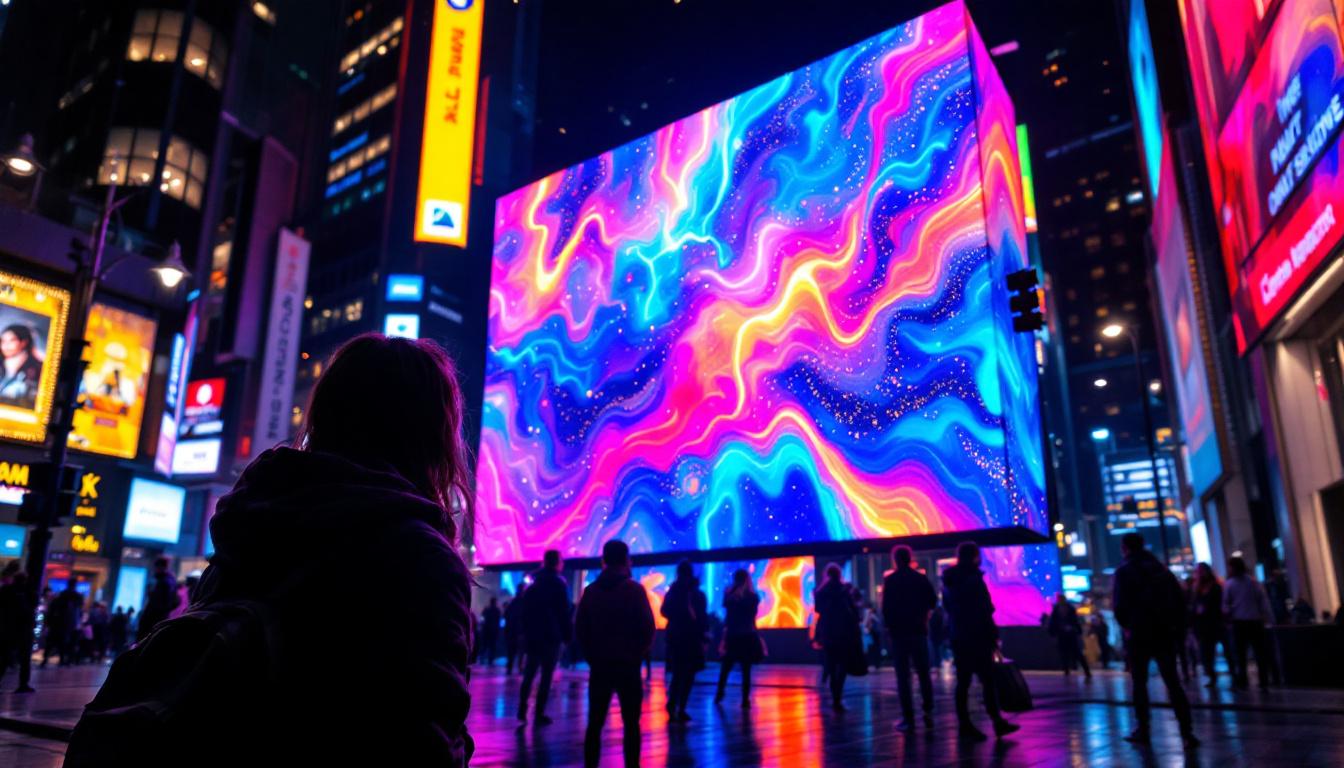
One of the most visible uses of LED video panels is in outdoor advertising. Digital billboards leverage the high brightness and weather-resistant design of LED panels to deliver eye-catching advertisements that can be updated remotely and instantly. According to the Outdoor Advertising Association of America (OAAA), digital out-of-home advertising spending surpassed $4 billion in 2023, reflecting the growing reliance on LED technology in this sector.
Outdoor LED displays can reach brightness levels exceeding 5,000 nits, ensuring visibility even under direct sunlight. Their modular nature allows for custom sizes and shapes, making them versatile for various urban environments.
Sports Arenas and Entertainment Venues
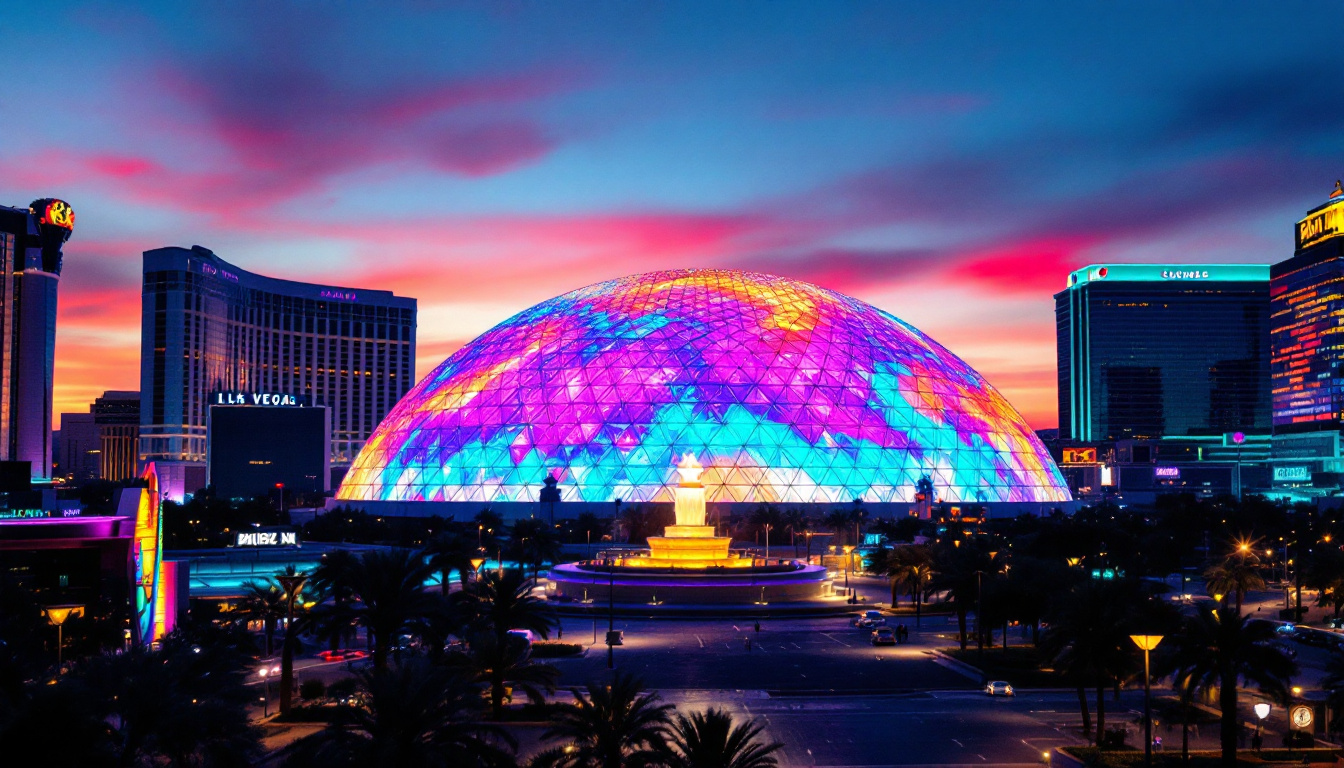
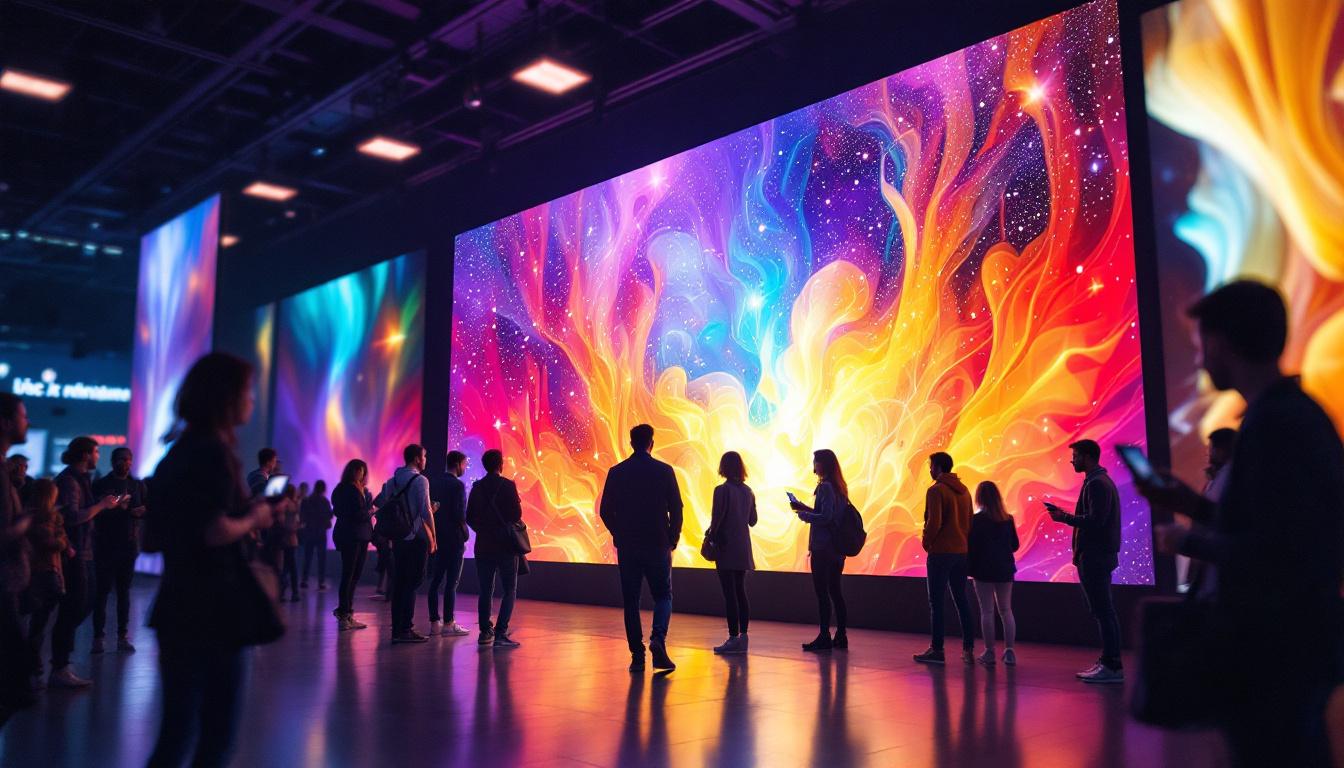
Sports stadiums and concert venues utilize large-scale LED video walls to enhance the spectator experience. These displays provide live game footage, replays, scores, and interactive content, engaging audiences and creating immersive atmospheres.
For example, the AT&T Stadium in Texas features one of the world’s largest center-hung LED video boards, measuring approximately 160 feet wide and 72 feet tall. Such installations demonstrate the scalability and impact of LED video panels in large venues.
Corporate and Retail Environments
In corporate settings, LED video walls are increasingly used for presentations, digital signage, and video conferencing. Their high resolution and flexibility enable companies to create dynamic meeting spaces and brand experiences.
Retailers also benefit from LED displays by showcasing promotional content, product information, and interactive advertisements that attract customers and drive sales. The ability to update content in real-time allows for timely marketing campaigns and personalized messaging.
Broadcast and Control Rooms
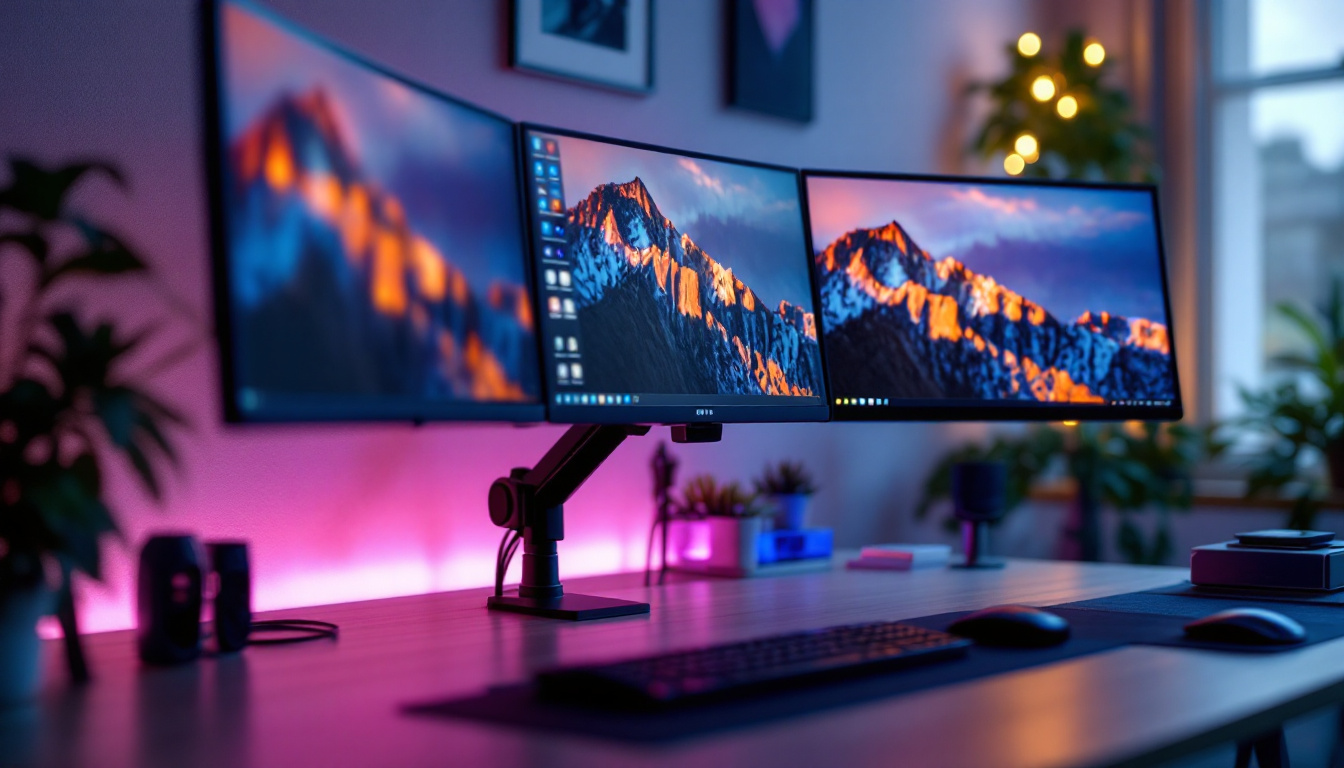
Broadcast studios and control rooms rely on LED video panels for monitoring multiple video feeds and displaying critical data. The high resolution and color accuracy of LED panels ensure that operators have clear, reliable visuals for decision-making.
Additionally, LED video walls are used in command centers for traffic management, security surveillance, and emergency response coordination, where real-time information display is vital.
Advantages of LED Video Panels Over Other Display Technologies
Superior Brightness and Contrast
LED video panels can achieve brightness levels far beyond those of LCD or projection screens, making them suitable for environments with high ambient light. Their ability to produce true blacks and vibrant colors results in superior contrast ratios, enhancing image clarity and depth.
Energy Efficiency and Longevity
Modern LED technology is energy-efficient, consuming less power compared to traditional lighting and display methods. Many LED panels offer lifespans exceeding 100,000 hours, reducing maintenance costs and downtime.
Flexibility and Scalability
The modular design of LED panels allows for easy customization of screen size and shape. Whether creating a massive outdoor billboard or a curved indoor video wall, LED technology provides unmatched design flexibility.
Durability and Weather Resistance
Outdoor LED panels are built to withstand harsh weather conditions, including rain, wind, dust, and temperature extremes. This durability ensures reliable operation in diverse environments, from urban centers to remote locations.
Emerging Trends and Innovations in LED Video Panels
MicroLED and MiniLED Technologies
MicroLED and MiniLED represent the next generation of LED display technology, offering even smaller pixel pitches and improved performance. MicroLEDs, in particular, consist of microscopic LEDs that enable ultra-high resolution and brightness with lower power consumption.
These technologies are poised to revolutionize displays for smartphones, televisions, and large-scale video walls, delivering unparalleled image quality and efficiency.
Flexible and Transparent LED Panels
Recent advancements have introduced flexible LED panels that can bend and curve, opening new possibilities for creative installations and architectural integration. Transparent LED displays allow viewers to see through the screen while displaying vibrant content, ideal for retail windows and glass facades.
Artificial Intelligence and Content Management
AI-driven content management systems are enhancing how LED video panels are used by enabling dynamic, context-aware content delivery. These systems analyze viewer demographics, environmental conditions, and engagement metrics to optimize displayed content in real-time.
Choosing the Right LED Video Panel for Your Needs
Assessing Viewing Distance and Environment
When selecting an LED video panel, understanding the typical viewing distance is crucial. Smaller pixel pitches are necessary for close-up viewing to avoid visible pixelation, while larger pitches suffice for distant viewing.
Environmental factors such as indoor vs. outdoor use, ambient lighting, and weather exposure also influence the choice of panel specifications and protective features.
Resolution and Size Requirements
Determining the appropriate resolution and physical size depends on the intended application and content type. High-resolution panels are essential for detailed graphics and text, whereas lower resolutions may be acceptable for video playback or simple messaging.
Budget and Maintenance Considerations
While LED video panels can represent a significant investment, their long-term durability and energy efficiency often justify the cost. It is important to consider maintenance accessibility, warranty terms, and potential upgrade paths when making a purchase decision.
Conclusion
LED video panels have transformed the way visual content is displayed across industries, offering unmatched brightness, color accuracy, and versatility. Whether illuminating a bustling cityscape with digital billboards, enhancing the atmosphere in a sports arena, or providing critical information in control rooms, LED technology continues to evolve and expand its capabilities.
Understanding the technical aspects, applications, and emerging trends of LED video panels empowers businesses and organizations to make informed decisions that maximize impact and return on investment. As innovations like MicroLED and AI-powered content management emerge, the future of LED displays promises even more exciting possibilities for immersive and dynamic visual communication.
Illuminate Your Space with LumenMatrix
Ready to elevate your visual experience with the latest in LED technology? LumenMatrix is at the forefront of innovation, offering a diverse range of LED display solutions tailored to your unique needs. From vibrant Indoor LED Walls to dynamic Outdoor Displays and beyond, our mission is to transform your visual communication with clarity and impact. Don’t just take our word for it; check out LumenMatrix LED Display Solutions and see how we can help you captivate your audience and enhance your brand visibility today.