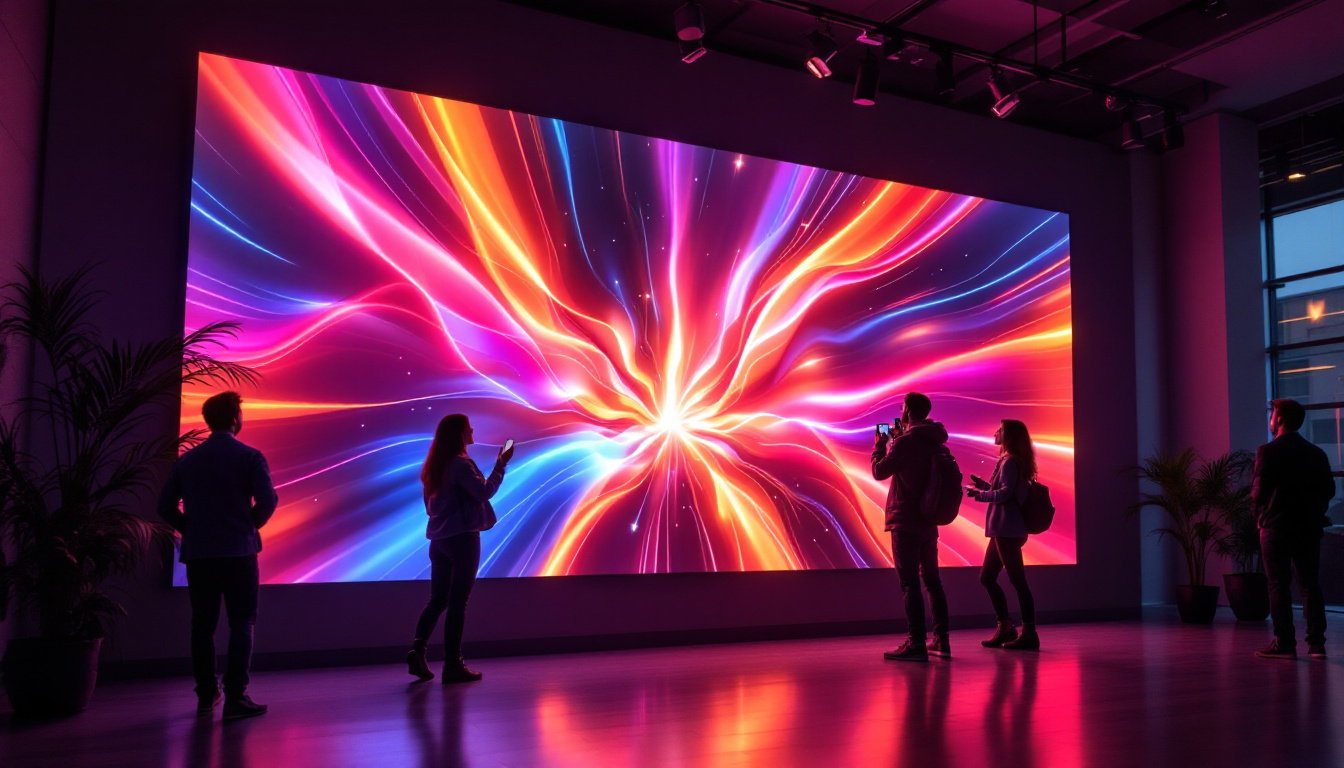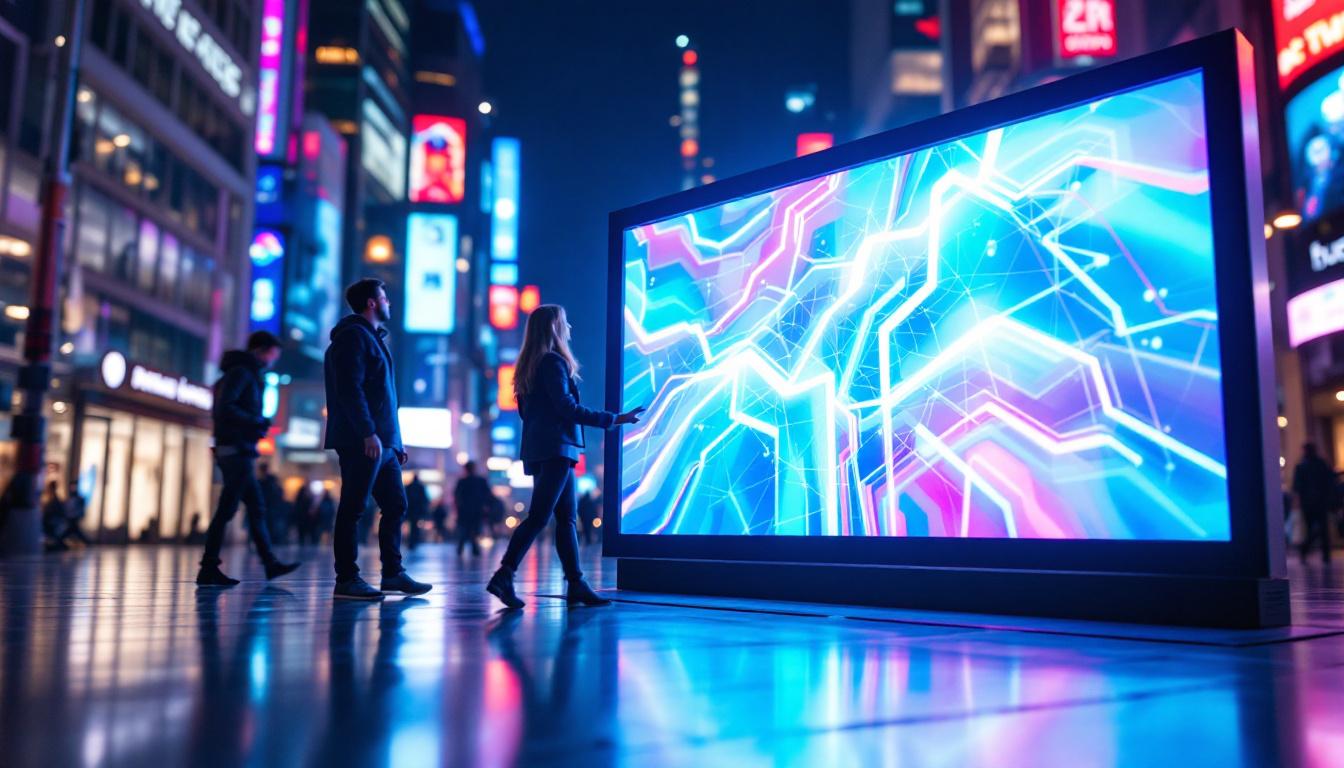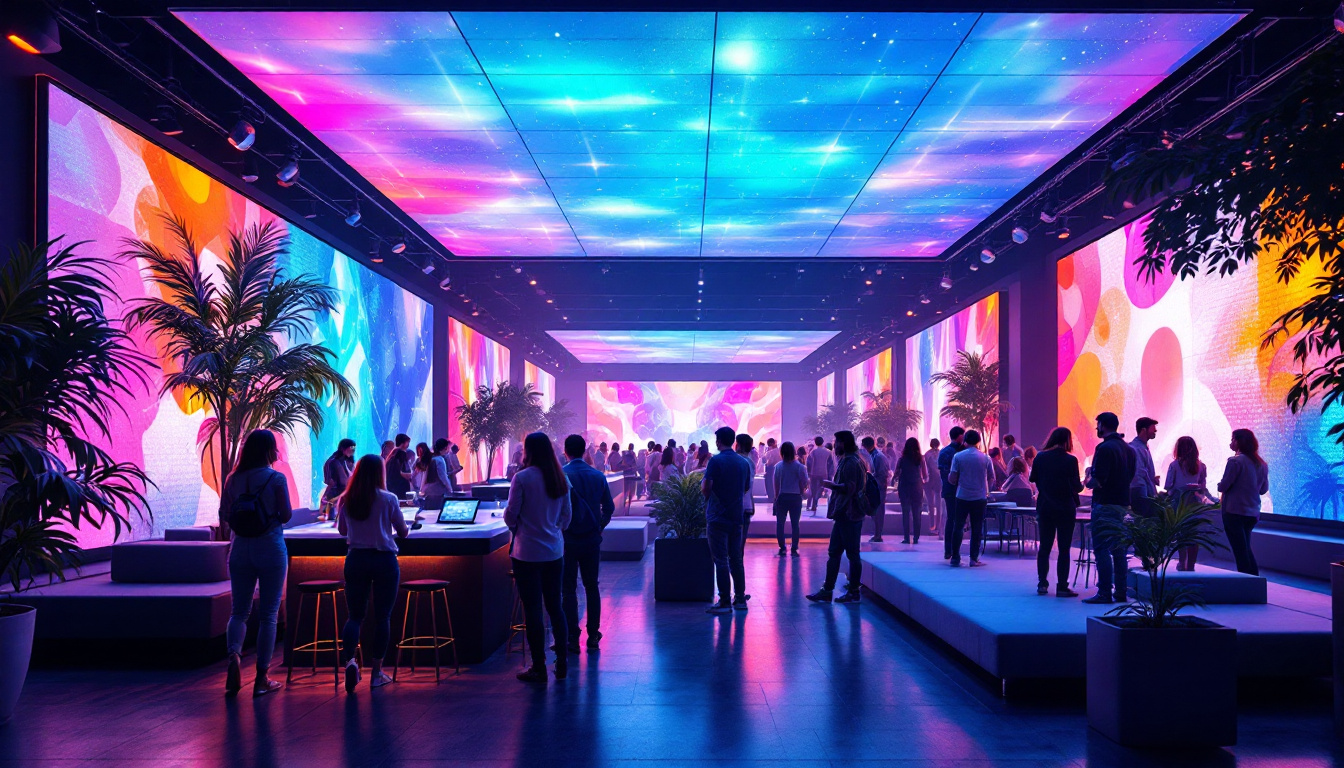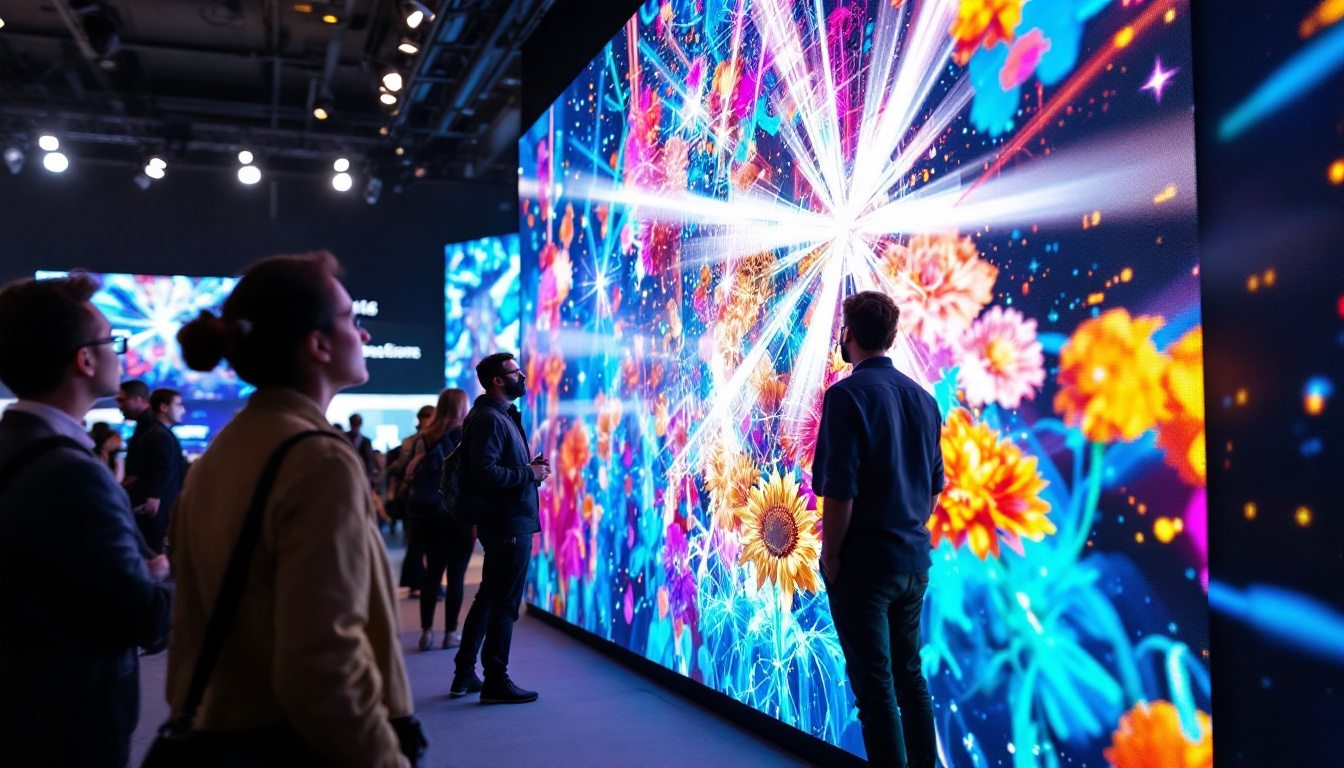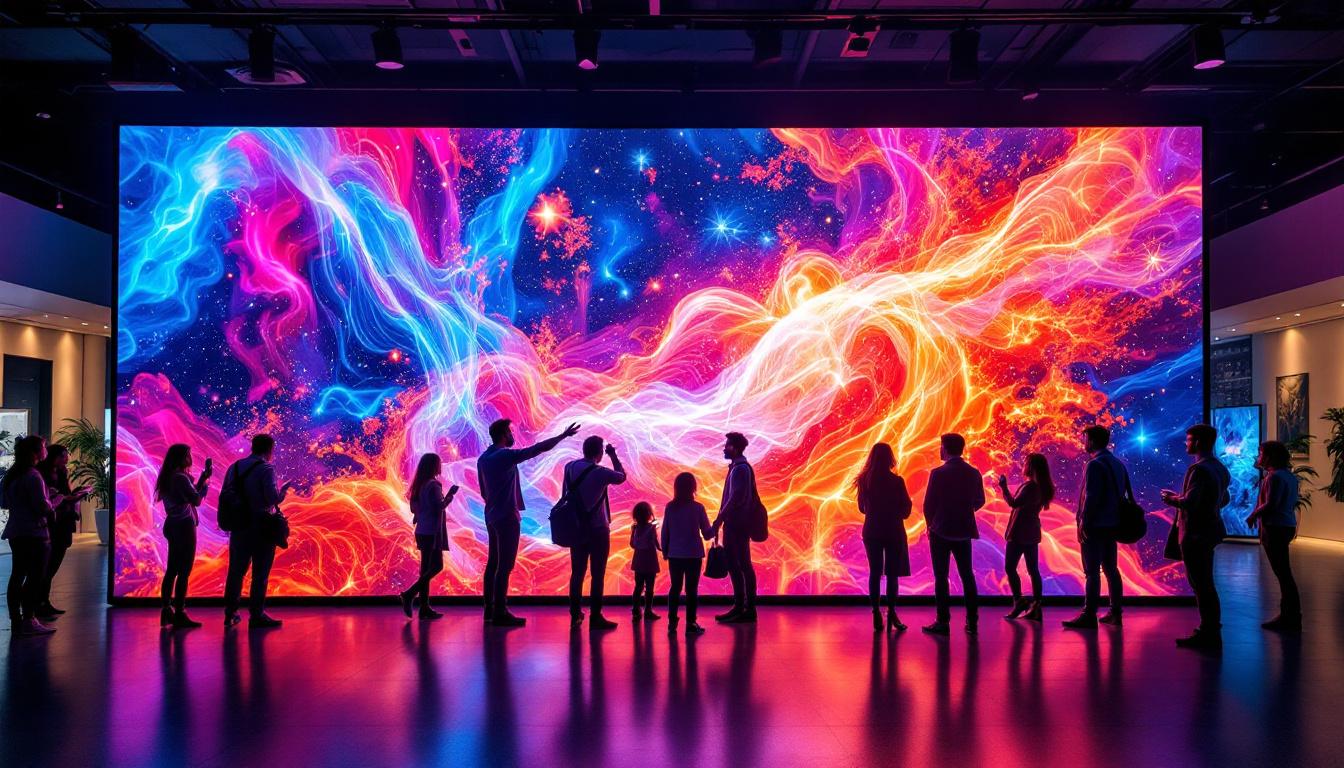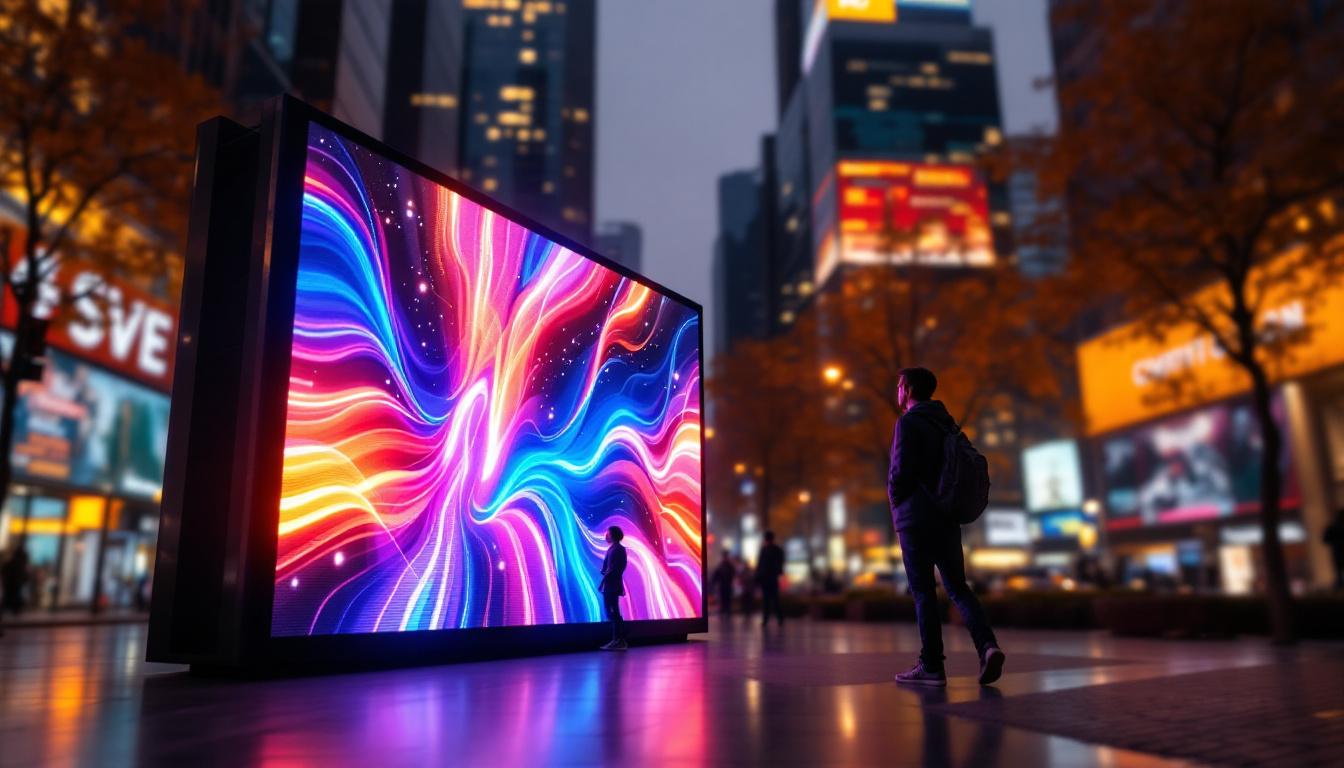
In today’s fast-paced digital world, LED displays have become an integral part of advertising, information dissemination, and entertainment. From massive outdoor billboards in city centers to sleek indoor screens in conference rooms, LED panels offer vibrant, dynamic visual experiences that captivate audiences. But what exactly is a LED display, how does it work, and why has it become the preferred technology for so many applications? This article delves deep into the world of LED panels, explaining their technology, types, benefits, and practical uses.
Understanding LED Display Technology
What is an LED Display?
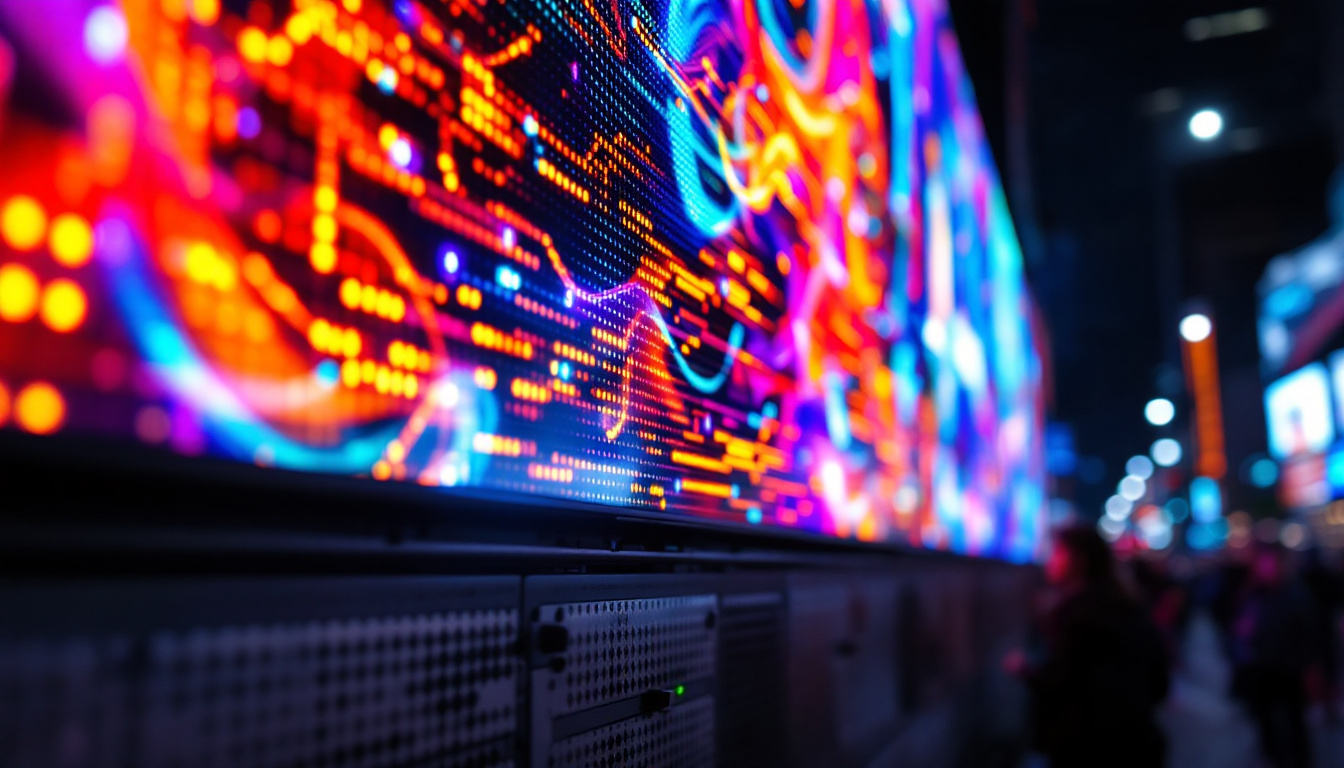
LED stands for Light Emitting Diode, a semiconductor device that emits light when an electric current passes through it. An LED display, often referred to as a ledpanelen in Dutch, is a flat panel that uses an array of these tiny LEDs to create images and videos. Unlike traditional LCD or plasma screens, LED displays produce their own light, allowing for higher brightness and contrast levels.
Each LED in the panel acts as a single pixel or a sub-pixel, and by controlling the intensity and color of each LED, the display can render detailed images with vivid colors. This technology is highly scalable, meaning LED panels can be constructed in various sizes—from small digital signs to enormous stadium screens. The flexibility of LED technology also extends to its applications; you can find LED displays in retail environments, transportation hubs, and even in art installations, showcasing the versatility of this innovative technology.
Moreover, LED displays are increasingly being integrated into smart technology ecosystems, allowing for interactive features that enhance user engagement. For instance, in advertising, LED displays can be programmed to change content based on time of day or audience demographics, making them a powerful tool for targeted marketing strategies.
How Do LED Panels Work?
At the core of an LED display is a matrix of LEDs arranged in rows and columns. These LEDs are controlled by an electronic driver system that regulates which LEDs light up and at what intensity. Modern LED panels typically use Red, Green, and Blue (RGB) LEDs to produce a full spectrum of colors by varying the brightness of each color component.
The control system processes input signals—such as video or image data—and translates them into electrical signals that determine the color and brightness of each LED. This process happens thousands of times per second, enabling smooth video playback and dynamic content changes. The rapid refresh rates of LED technology contribute to its ability to display fast-moving images without blurring, making it ideal for applications like sports broadcasting and live events where clarity is crucial.
Additionally, advancements in LED technology have led to the development of features such as high dynamic range (HDR) and wide color gamut (WCG), which further enhance the viewing experience by providing deeper blacks and brighter whites, along with a more extensive range of colors. This makes LED displays not only suitable for commercial use but also for high-end home theater systems.
Types of LEDs Used in Displays
There are primarily two types of LEDs used in LED panels: surface-mounted device (SMD) LEDs and through-hole LEDs. SMD LEDs are small, flat, and mounted directly onto the circuit board, allowing for higher pixel density and better image resolution. This makes SMD LEDs ideal for indoor displays where viewers are close to the screen.
Through-hole LEDs, on the other hand, are larger and protrude from the circuit board. They are typically used in outdoor displays due to their higher brightness and durability. The choice between SMD and through-hole LEDs depends on factors such as viewing distance, environment, and desired image quality. Furthermore, the emergence of mini and micro LED technologies is pushing the boundaries of what is possible with LED displays. These innovations provide even finer pixel pitches, resulting in stunning visual clarity and seamless integration into various surfaces, including curved and flexible formats.
As the technology continues to evolve, manufacturers are also focusing on energy efficiency and sustainability, creating LED displays that consume less power and have longer lifespans. This not only reduces operational costs for businesses but also minimizes the environmental impact, aligning with global efforts to promote greener technologies in the digital display industry.
Key Features and Advantages of LED Panels
Brightness and Visibility
One of the most significant advantages of LED displays is their exceptional brightness. LED panels can achieve brightness levels exceeding 5,000 nits, far surpassing traditional LCD screens. This makes them highly visible even in direct sunlight, which is crucial for outdoor advertising and public information displays.
High brightness also enhances color vibrancy and contrast, making images and videos more engaging and easier to read from a distance. This feature is particularly valuable for transportation hubs, sports arenas, and retail environments where clear visibility is essential.
Energy Efficiency and Longevity
LED technology is renowned for its energy efficiency. Compared to older display technologies like neon or incandescent lighting, LEDs consume significantly less power. This translates to lower operating costs and a smaller environmental footprint, which is increasingly important for businesses aiming to improve sustainability.
Additionally, LED panels have a long operational lifespan, often exceeding 50,000 hours of continuous use. This durability reduces maintenance needs and replacement costs, making LED displays a cost-effective investment over time.
Flexibility and Customization
LED panels are highly versatile. They can be manufactured in various shapes and sizes, including curved and flexible formats, enabling creative and unique installations. This flexibility allows architects and designers to integrate LED displays seamlessly into building facades, stage designs, or retail environments.
Moreover, LED panels support dynamic content, allowing users to update messages, advertisements, or information in real-time. This adaptability is invaluable for marketing campaigns, emergency alerts, and live event broadcasting.
Applications of LED Panels
Outdoor Advertising and Digital Billboards
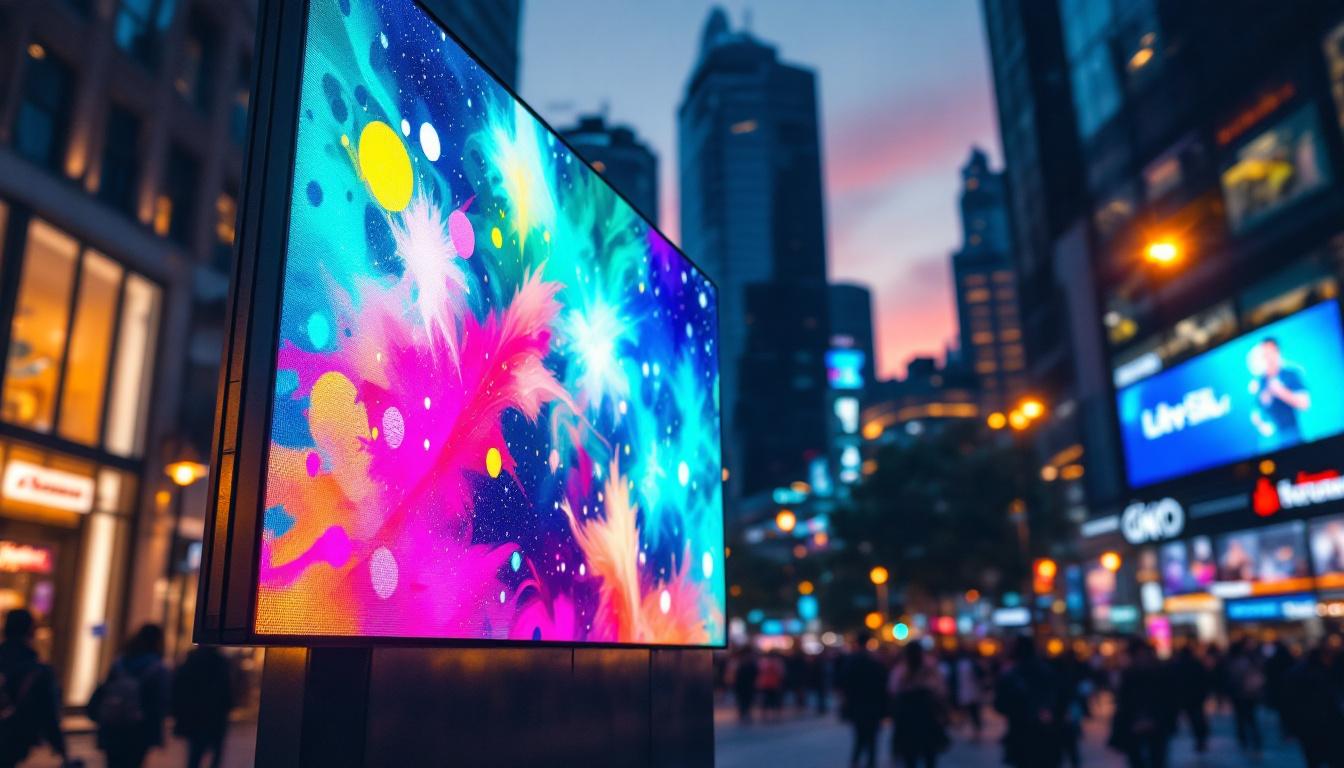
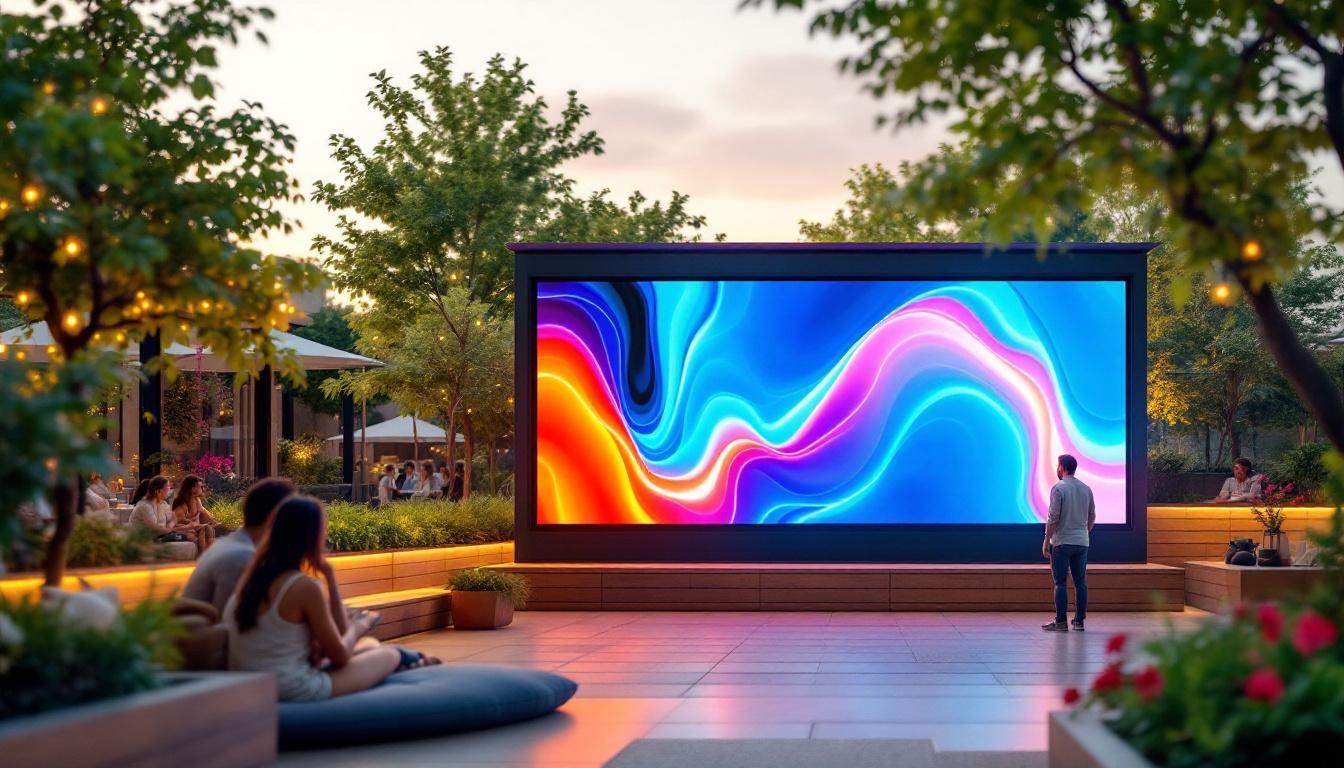
One of the most common uses of LED panels is in outdoor advertising. Digital billboards equipped with LED displays offer advertisers the ability to showcase multiple messages throughout the day, target specific audiences, and respond quickly to market trends. According to recent industry reports, the global digital out-of-home advertising market is expected to grow at a compound annual growth rate (CAGR) of over 10% through 2027, driven largely by LED display adoption.
LED billboards provide high visibility in all weather conditions and can be programmed for motion graphics and video content, making them more engaging than static billboards. Their ability to attract attention increases brand recall and drives consumer action.
Indoor Displays for Retail and Corporate Environments
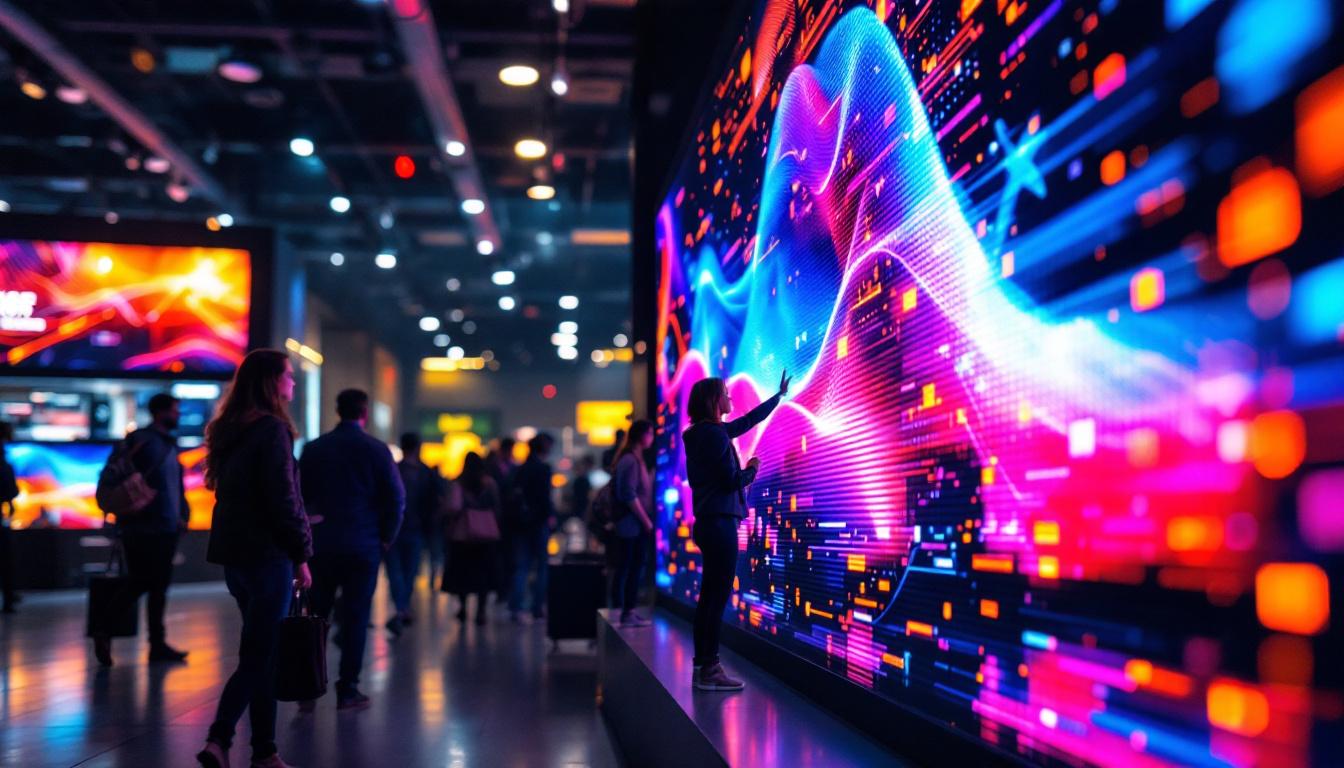
Inside shopping malls, airports, and corporate offices, LED panels serve as digital signage to inform, entertain, and guide visitors. Retailers use LED displays to highlight promotions, new product launches, and interactive content that enhances the shopping experience.
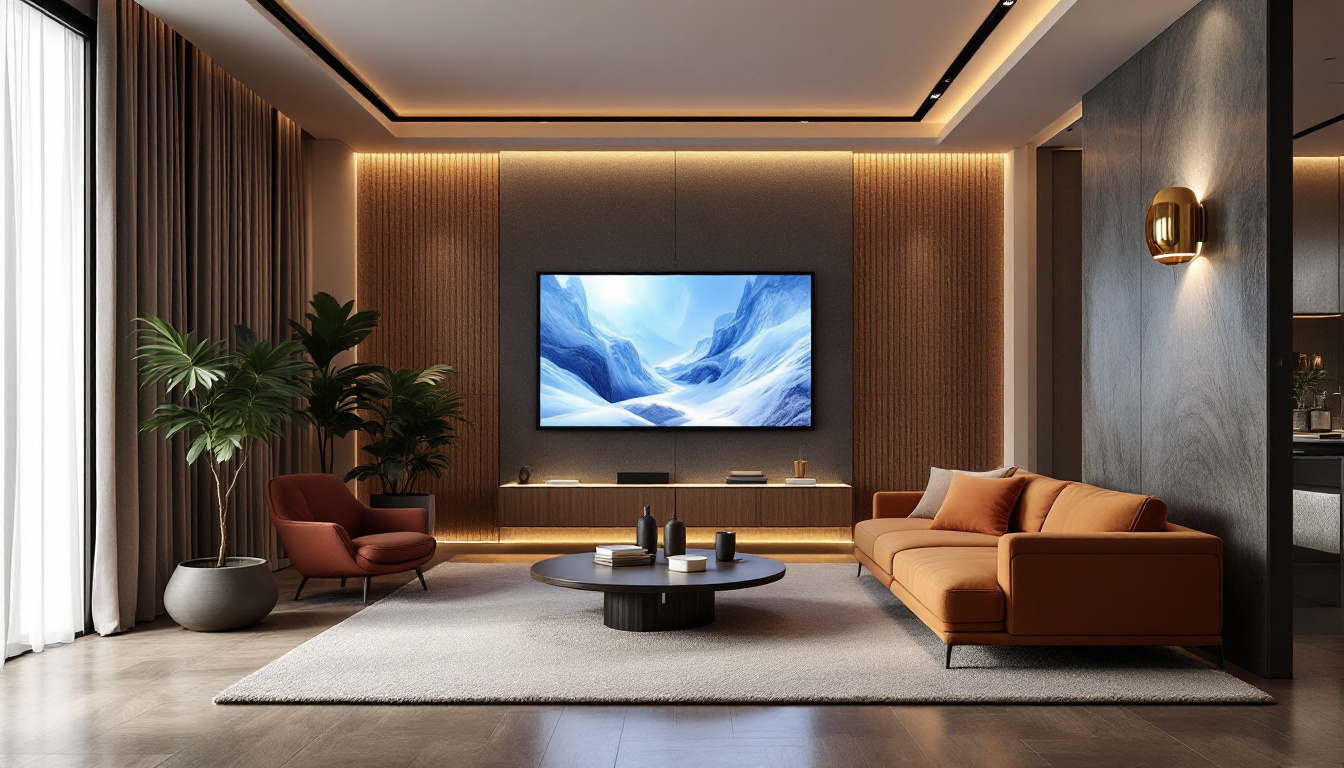
In corporate settings, LED panels are often used in conference rooms and lobbies to present presentations, company news, or welcome messages. Their high resolution and brightness ensure that content is clear and professional, reinforcing brand image.
Entertainment and Sports Venues
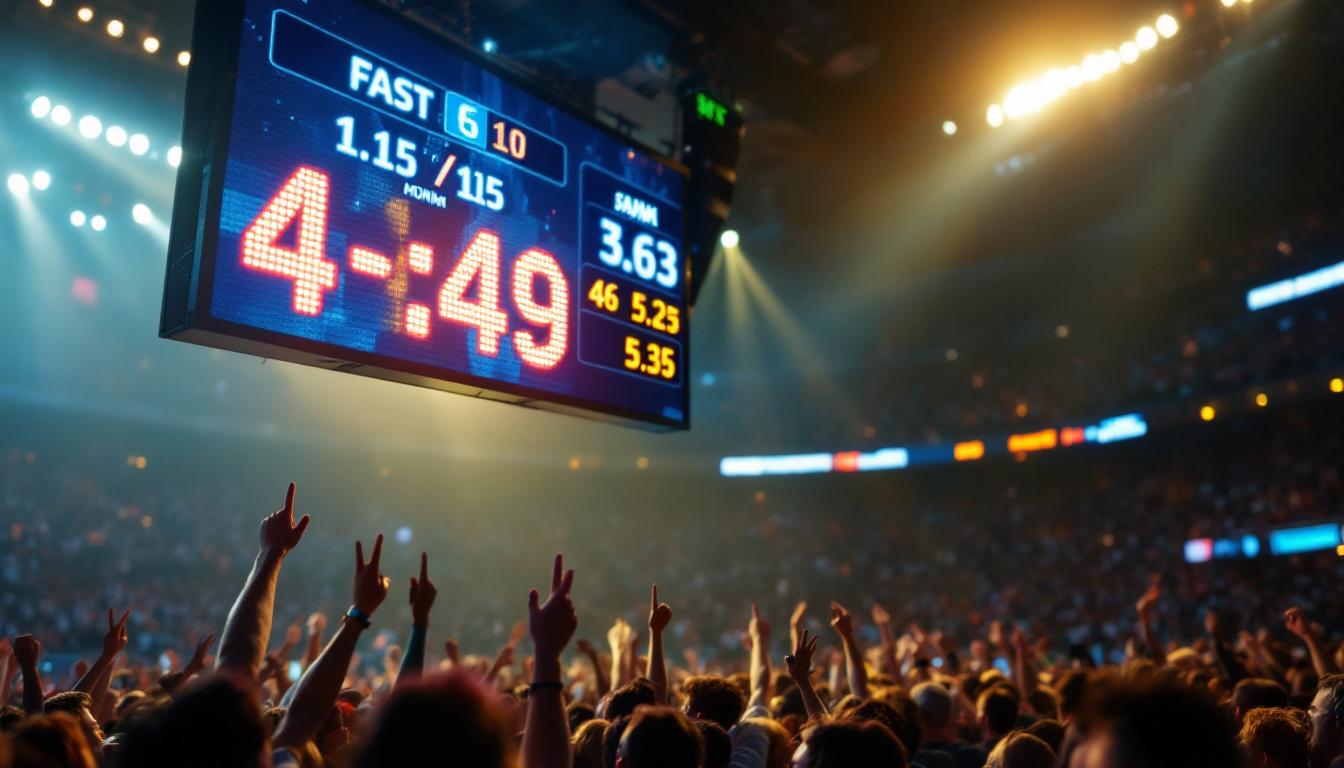
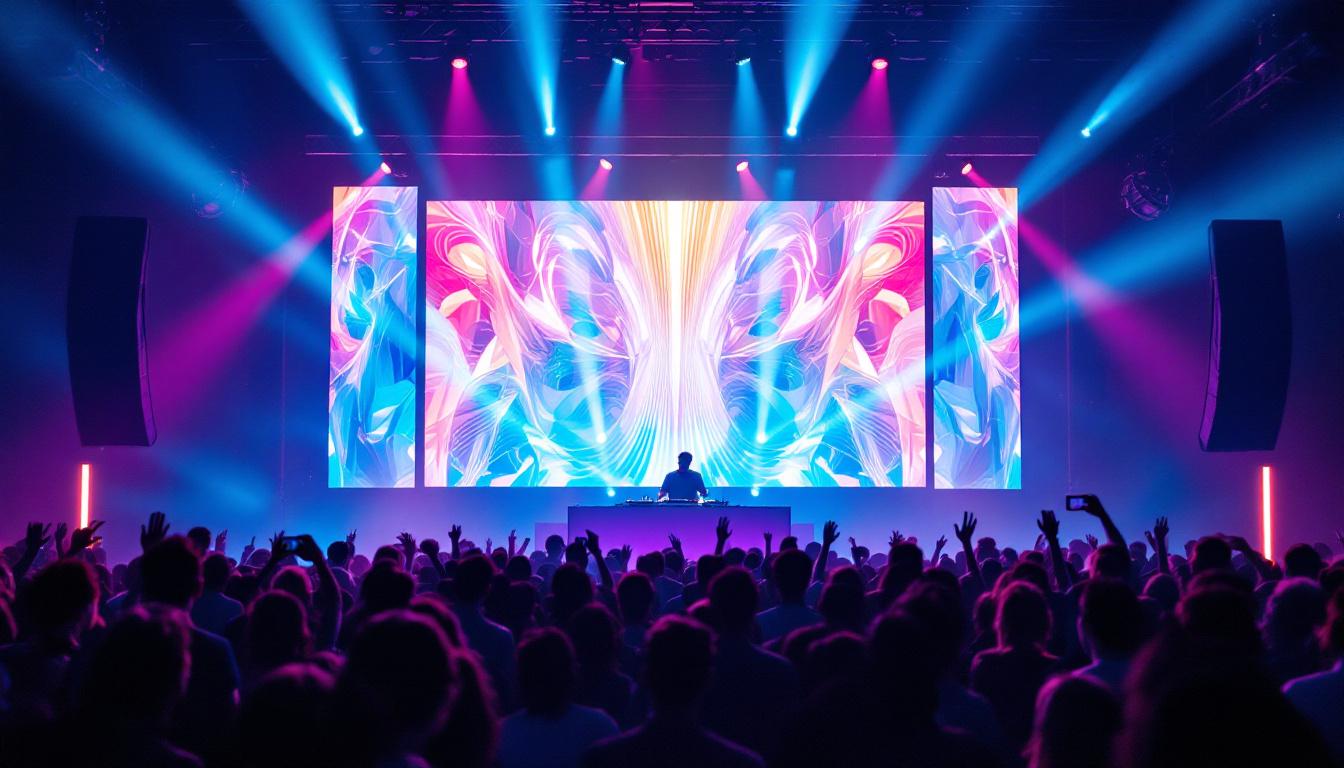
Sports arenas and concert venues rely heavily on LED displays to provide spectators with live action replays, scores, and interactive content. Large LED screens ensure that even attendees seated far from the stage or field have an immersive viewing experience.
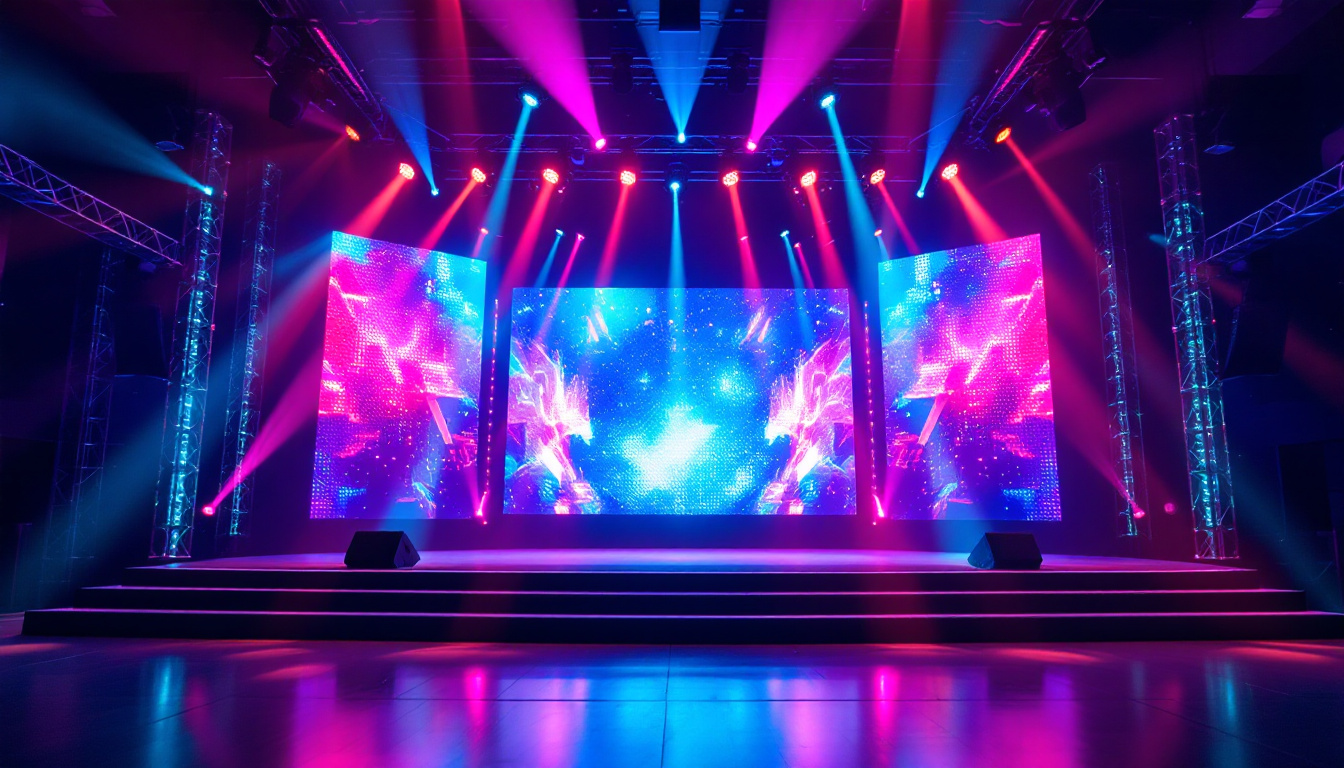
The flexibility of LED panels also allows for creative stage designs and dynamic lighting effects, enhancing the overall entertainment value. As technology advances, LED displays are increasingly integrated with augmented reality and interactive technologies, pushing the boundaries of audience engagement.
Choosing the Right LED Panel
Pixel Pitch and Resolution
When selecting an LED panel, one of the most critical specifications is the pixel pitch—the distance between the centers of two adjacent pixels. A smaller pixel pitch means higher pixel density and better image resolution, which is important for close viewing distances.
For indoor environments where viewers are close to the screen, pixel pitches as small as 1.2mm to 2.5mm are common. Outdoor displays, viewed from greater distances, typically use pixel pitches ranging from 6mm to 20mm. Understanding the viewing distance and application helps determine the optimal pixel pitch for a given installation.
Brightness and Environmental Considerations
Brightness requirements vary depending on the installation environment. Outdoor LED panels need to be significantly brighter to overcome sunlight glare, while indoor panels can operate at lower brightness levels to reduce power consumption and eye strain.
Environmental factors such as temperature, humidity, and exposure to dust or water also influence the choice of LED panels. Outdoor panels must have appropriate ingress protection (IP) ratings to withstand weather conditions and ensure longevity.
Maintenance and Support
LED displays require periodic maintenance to ensure optimal performance. This includes cleaning, software updates, and occasional hardware repairs. Choosing LED panels from reputable manufacturers with robust support services is essential to minimize downtime and extend the display’s lifespan.
Modular designs that allow for easy replacement of individual LED modules can reduce maintenance complexity and cost. Additionally, remote monitoring systems are increasingly used to detect issues proactively and streamline maintenance processes.
The Future of LED Display Technology
Mini-LED and Micro-LED Innovations
Emerging technologies such as Mini-LED and Micro-LED are pushing the boundaries of LED display performance. Mini-LEDs use smaller diodes than traditional LEDs, allowing for even higher resolution and better contrast ratios, especially in smaller screens like TVs and monitors.
Micro-LED technology takes this further by enabling individual LEDs to be microscopic in size, resulting in displays with exceptional brightness, color accuracy, and energy efficiency. While still in the early stages of commercial adoption, Micro-LED is poised to revolutionize display technology in the coming years.
Integration with Smart Technologies
LED panels are increasingly integrated with smart technologies such as Internet of Things (IoT) connectivity, artificial intelligence (AI), and interactive touch capabilities. These advancements enable more personalized and responsive content delivery, enhancing user engagement.
For example, smart LED displays in retail environments can adapt advertisements based on customer demographics or real-time data, while public information panels can provide location-based updates and emergency alerts. This convergence of technologies is transforming LED displays from mere screens into dynamic communication platforms.
Conclusion
LED panels have transformed the way information and advertising are presented across multiple industries. Their superior brightness, energy efficiency, flexibility, and longevity make them an ideal choice for a wide range of applications—from outdoor billboards to indoor digital signage and entertainment venues.
Understanding the underlying technology, key features, and practical considerations is crucial for businesses and organizations looking to invest in LED display solutions. As innovations like Mini-LED and Micro-LED continue to evolve, LED panels will become even more versatile and impactful, shaping the future of visual communication.
Whether for marketing, information dissemination, or entertainment, LED displays offer a powerful medium to engage audiences with vibrant, dynamic content that stands out in any environment.
Discover LumenMatrix LED Display Solutions
Ready to elevate your visual communication with the latest in LED technology? LumenMatrix is at the forefront of innovative LED display solutions, offering a wide array of products from Indoor and Outdoor LED Wall Displays to specialized options like Vehicle, Sports, and Floor LED Displays. Our mission is to captivate your audience with unparalleled brightness, precision, and interactivity. Whether you’re looking to enhance your brand’s visibility or create immersive experiences, LumenMatrix has the expertise to bring your vision to life. Check out LumenMatrix LED Display Solutions and see how our state-of-the-art displays can transform your space today.