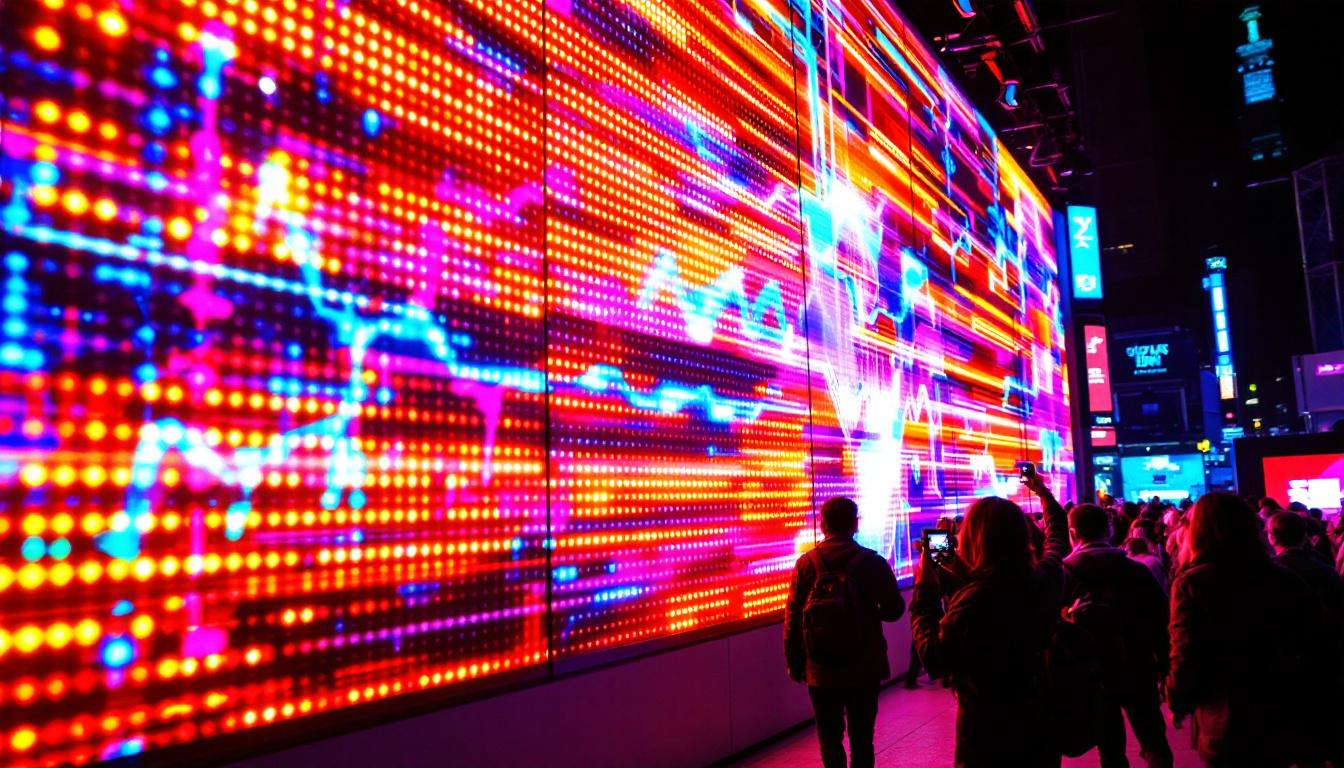
In today’s digital age, LED displays have become ubiquitous, seamlessly integrating into various facets of daily life—from advertising billboards and stadium screens to smartphones and televisions. Despite their widespread use, many people remain unfamiliar with the technology behind these vibrant, energy-efficient screens. This article delves deep into the world of LED displays, explaining how they work, their types, applications, and the technological advancements shaping their future.
What is an LED Display?
An LED display is a flat panel display that uses light-emitting diodes (LEDs) as pixels to create images, videos, and text. Unlike traditional LCD screens that rely on backlighting, LED displays generate their own light, resulting in brighter images, higher contrast ratios, and improved energy efficiency.
The term “LED display” can refer to various configurations, including small indicator lights, large outdoor billboards, and high-resolution television screens. The core principle remains the same: tiny LEDs arranged in a matrix emit light in different colors and intensities to form a cohesive image visible to the human eye.
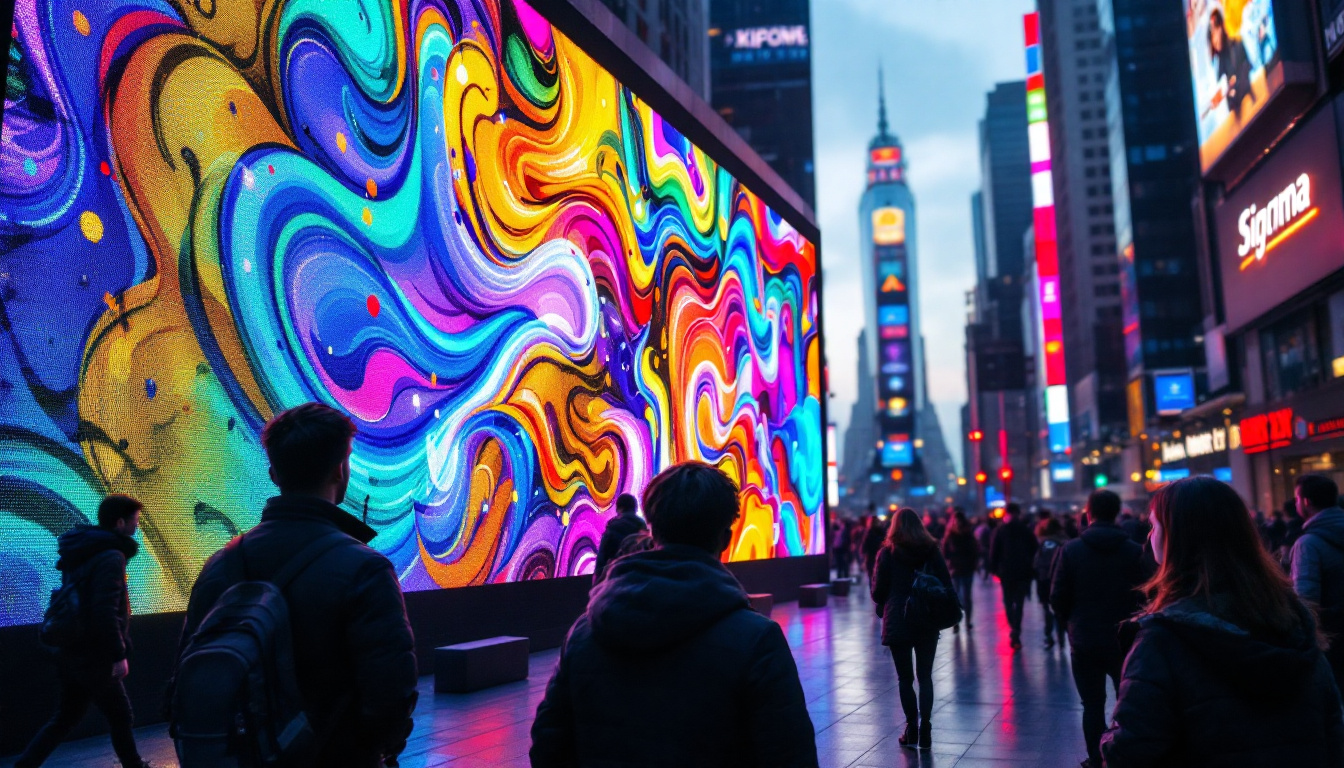
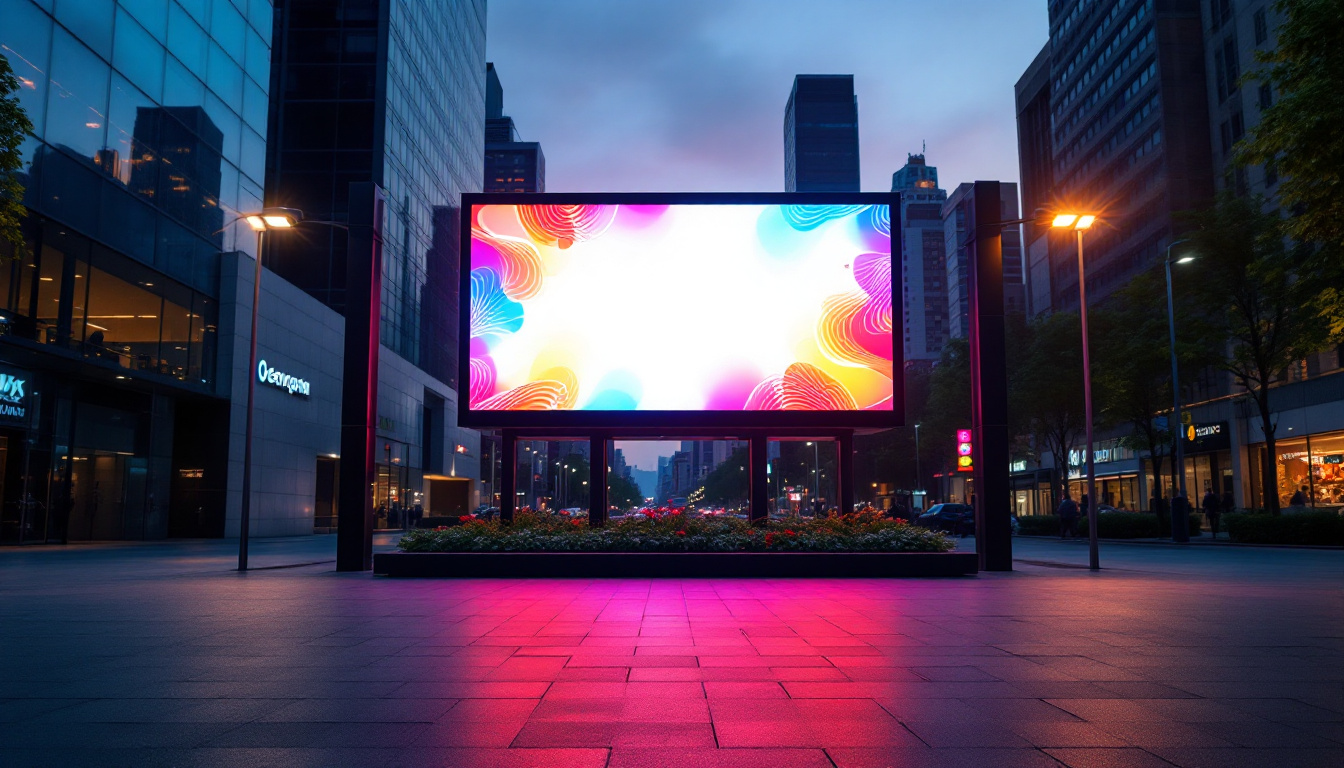
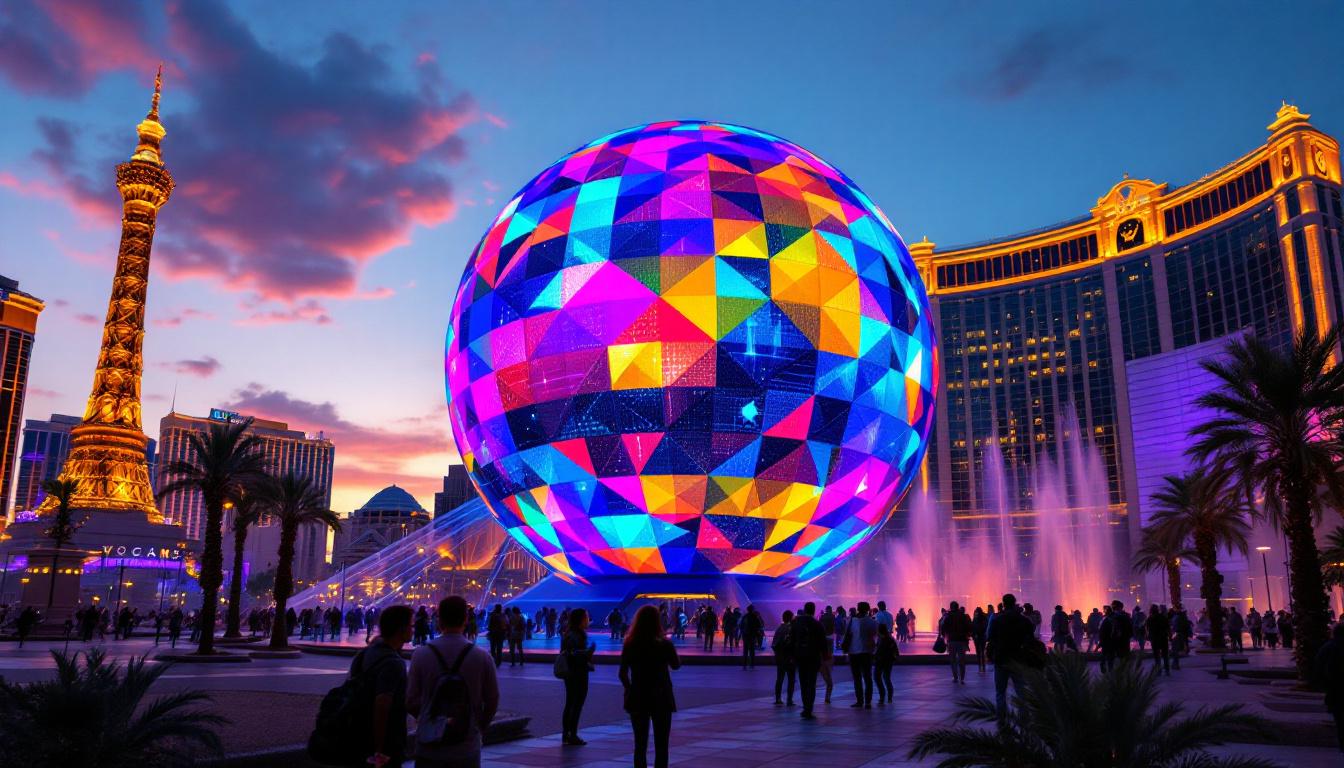
LED displays are not only prevalent in consumer electronics but have also revolutionized advertising and public information systems. For instance, large-scale LED billboards can be found in bustling urban centers, captivating passersby with vibrant animations and advertisements that change dynamically. These displays are often used for events, concerts, and sports arenas, where they enhance the visual experience for attendees. Furthermore, advancements in technology have led to the development of flexible LED displays, which can be bent or shaped to fit various surfaces, opening up new possibilities for creative installations.
In addition to their visual appeal, LED displays are known for their durability and longevity. Unlike traditional lighting sources, LEDs have a longer lifespan, often exceeding 50,000 hours of use, which translates to years of operation without the need for replacement. This longevity, combined with their lower power consumption, makes them an environmentally friendly choice for both commercial and residential applications. As the demand for high-quality visual displays continues to grow, innovations in LED technology promise even more exciting developments, such as increased resolution and the integration of smart features that allow for real-time content updates and interactivity.
How Do LED Displays Work?
The Basics of LED Technology
LEDs are semiconductor devices that emit light when an electric current passes through them. They consist of a chip made from semiconductor materials such as gallium arsenide or gallium phosphide. When energized, electrons recombine with electron holes within the device, releasing energy in the form of photons—this process is called electroluminescence.
Each LED emits light of a specific color depending on the materials used. By combining red, green, and blue LEDs in varying intensities, LED displays can produce millions of colors, enabling them to render detailed images and videos.
Pixel Structure and Resolution
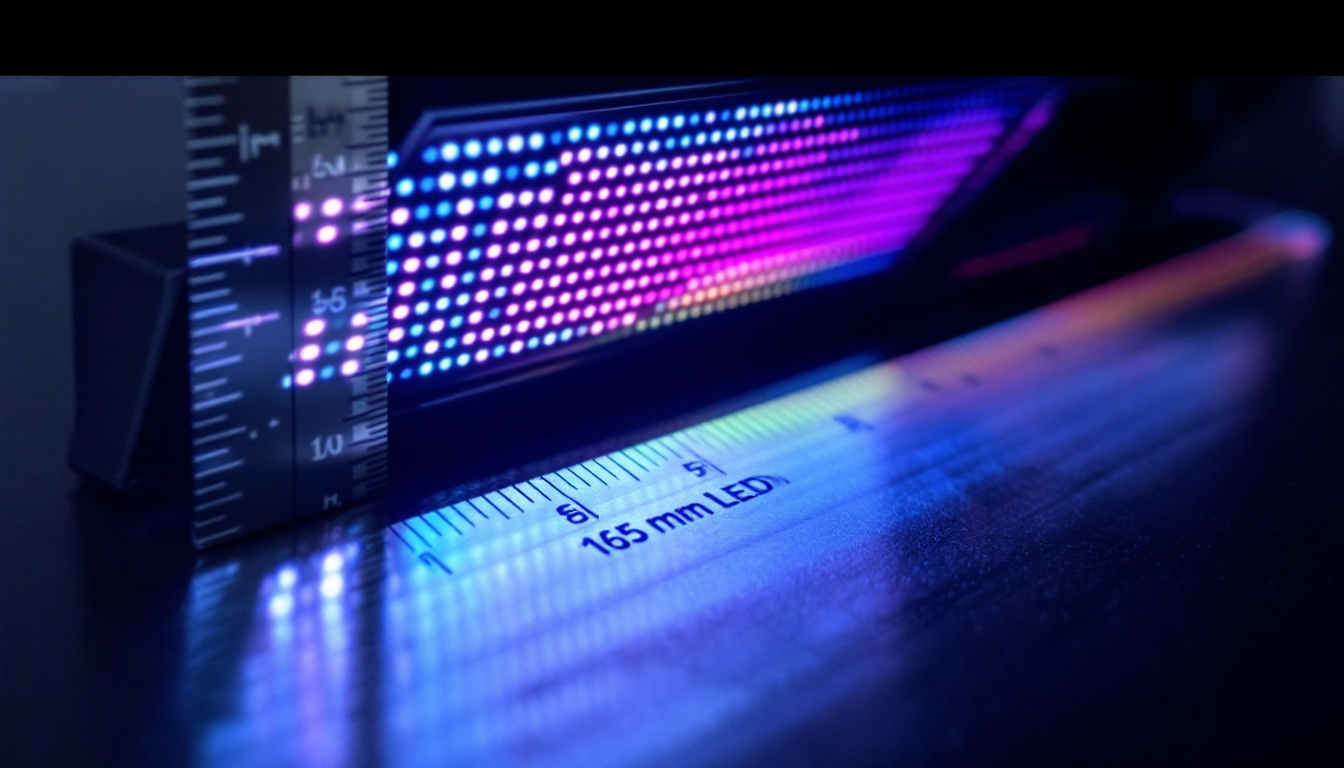
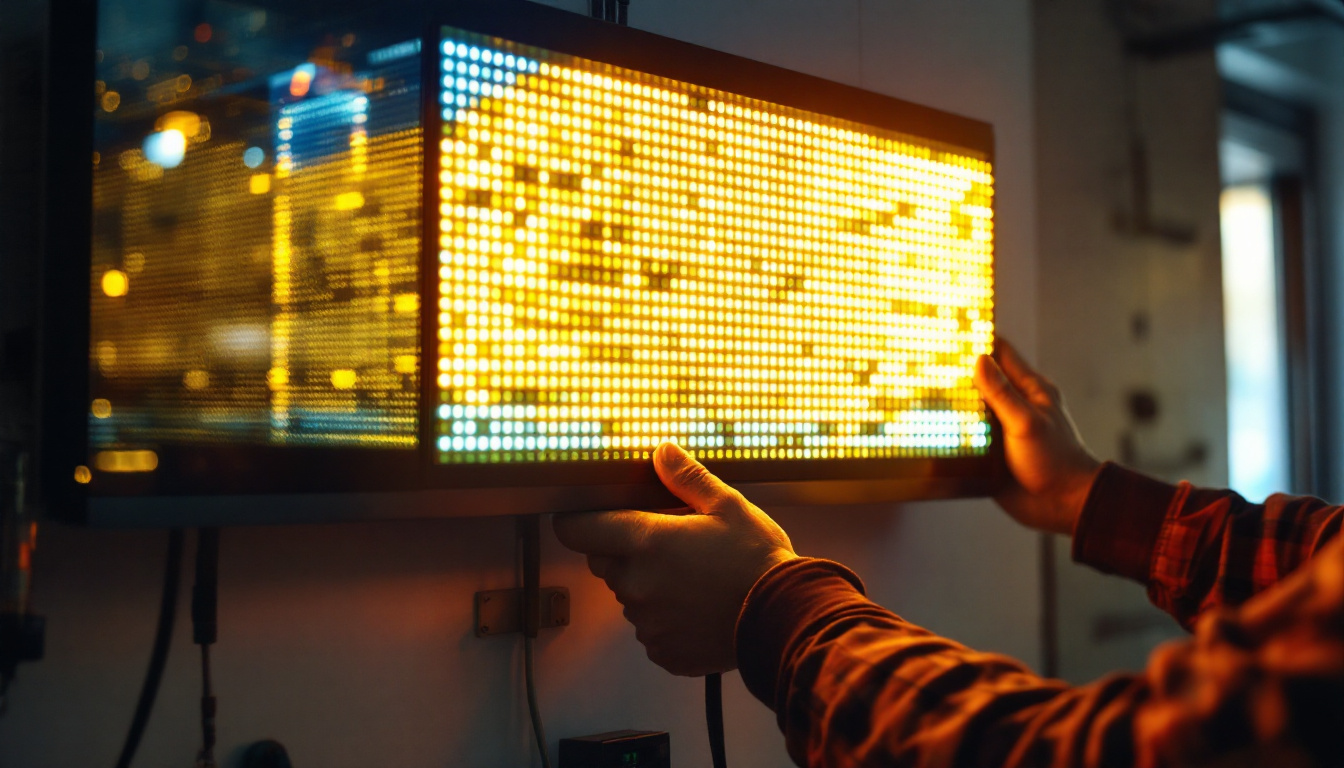
An LED display is composed of thousands or millions of pixels, each made up of one or more LEDs. The resolution of the display depends on the number of pixels per unit area, often measured in pixels per inch (PPI) or dots per inch (DPI). Higher resolution means more pixels and finer image detail.
For example, a smartphone LED screen might have a pixel density exceeding 400 PPI, providing sharp visuals even at close viewing distances. Conversely, large outdoor LED billboards have lower pixel densities because they are viewed from much farther away.
Types of LED Displays
Direct View LED Displays
Direct view LED displays consist of LEDs that directly emit light to form images without the need for a backlight. These are commonly used in large-scale applications such as stadium screens, digital billboards, and public information displays. Their advantages include high brightness, excellent visibility in daylight, and durability in various weather conditions.
Direct view LED displays can be further categorized based on pixel pitch—the distance between the centers of adjacent pixels. Smaller pixel pitches yield higher resolution and are suitable for close viewing, while larger pitches are cost-effective for distant viewing scenarios.
LED-Backlit LCD Displays
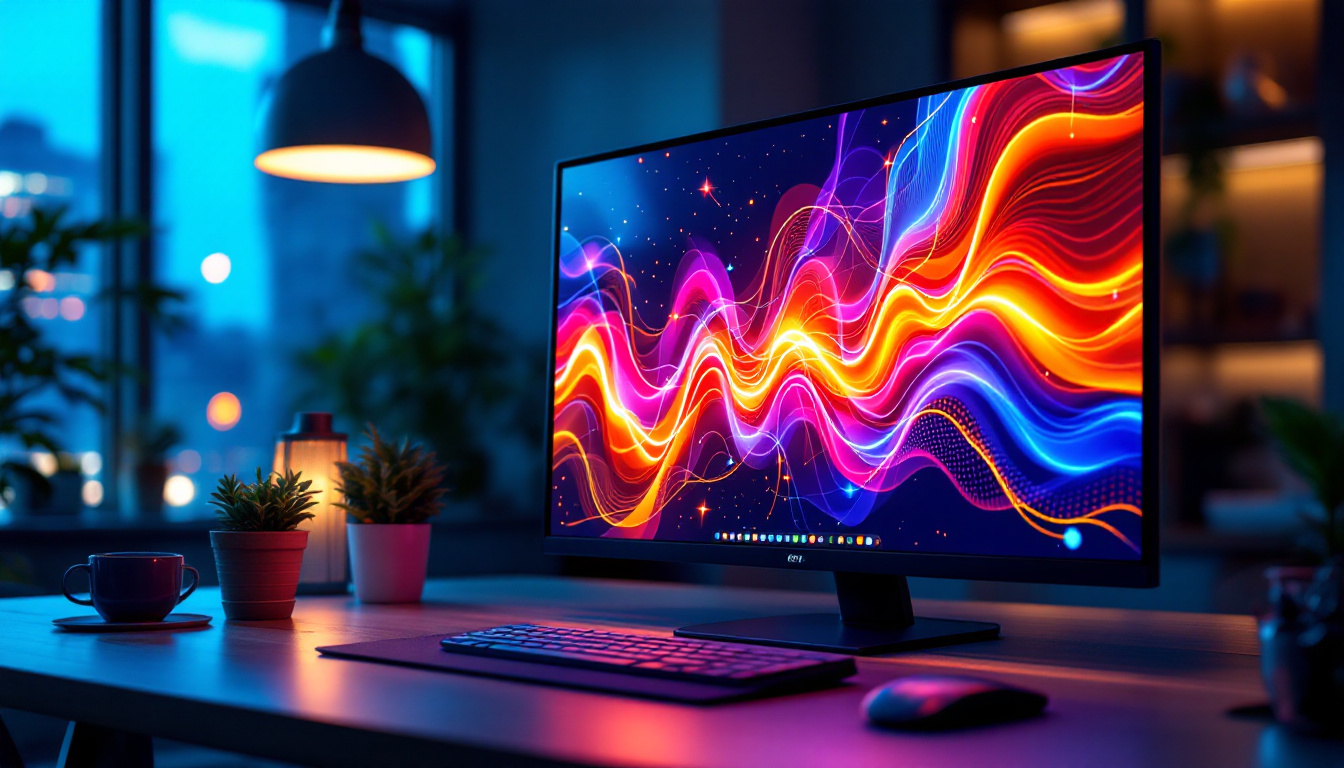
Many modern LCD screens use LEDs as a backlight source instead of traditional cold cathode fluorescent lamps (CCFLs). These LED-backlit LCDs provide better brightness, contrast, and energy efficiency. They are prevalent in televisions, computer monitors, and mobile devices.
There are two main types of LED backlighting: edge-lit and full-array. Edge-lit displays position LEDs along the edges of the screen, allowing for thinner designs, while full-array backlighting places LEDs behind the entire screen, enabling local dimming for improved contrast.
OLED Displays: A Related Technology
Organic Light Emitting Diode (OLED) displays are a distinct but related technology where organic compounds emit light when electrically stimulated. Unlike traditional LED displays, OLED pixels emit light individually, allowing for true blacks and superior contrast ratios.
OLEDs are widely used in high-end smartphones, televisions, and wearable devices. While not technically LED displays in the conventional sense, understanding OLED technology provides context for the broader landscape of emissive display technologies.
Applications of LED Displays
Advertising and Public Information
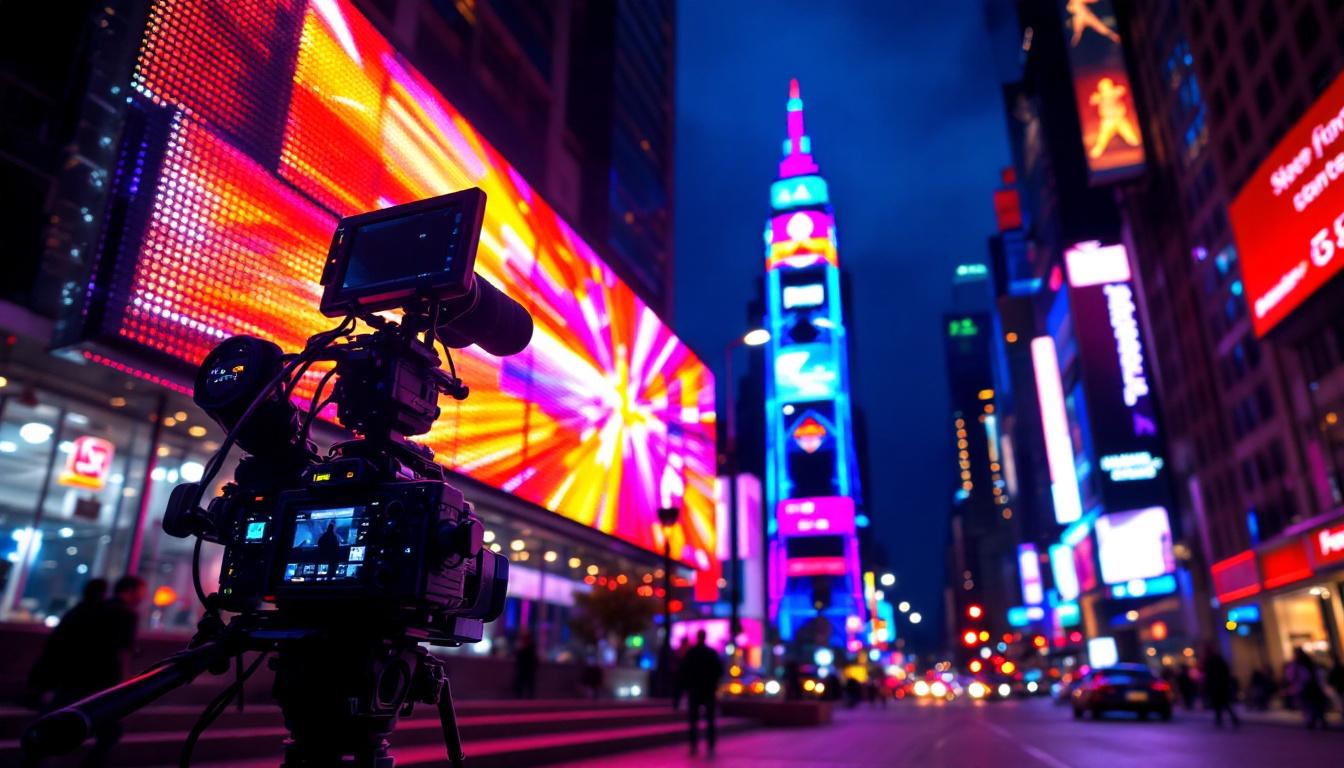
One of the most visible applications of LED displays is in outdoor advertising. LED billboards can display dynamic, colorful content that attracts attention more effectively than static posters. Their programmability allows advertisers to update messages in real-time, tailoring content to specific audiences or events.
Beyond advertising, LED displays are used for public information systems such as transportation schedules, emergency alerts, and event notifications. Their high brightness and visibility make them ideal for outdoor environments.
Entertainment and Sports Venues
Stadiums and arenas employ massive LED screens to enhance the spectator experience. These displays show live game footage, replays, advertisements, and interactive content. Their ability to deliver bright, high-resolution images ensures visibility even under bright sunlight or at night.
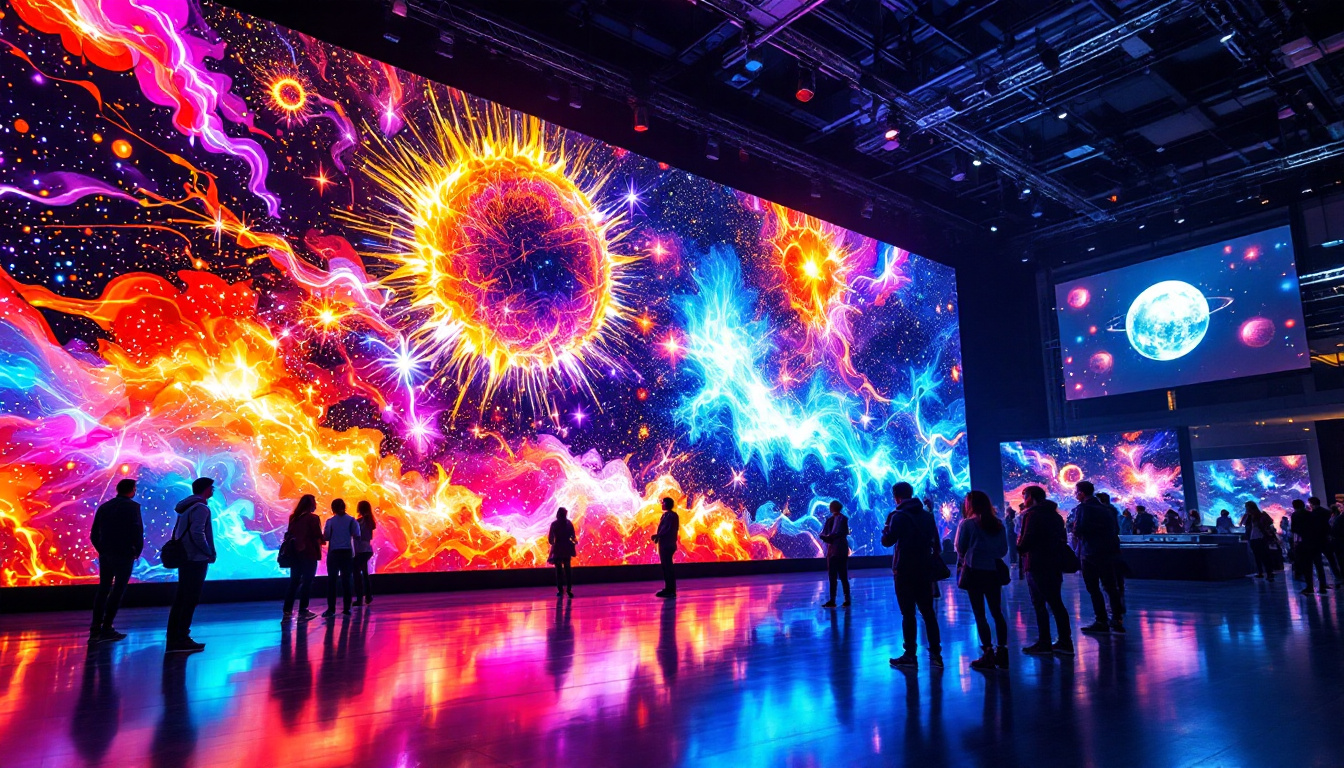
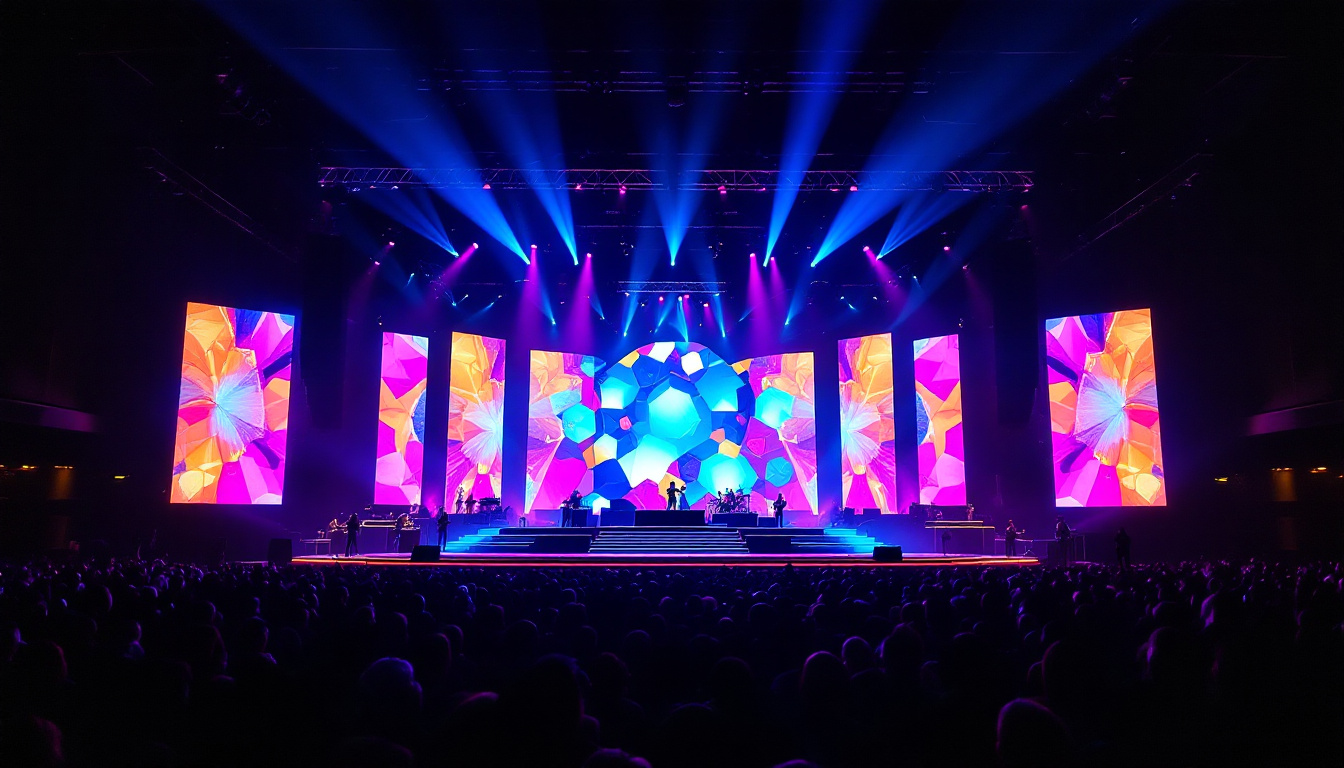
Concerts and live events also utilize LED walls and panels for immersive visual effects, synchronized with music and performances to create engaging atmospheres.
Consumer Electronics
LED technology is fundamental in consumer electronics, from smartphone screens to televisions and computer monitors. The shift towards LED-backlit LCDs and OLEDs has improved display quality while reducing power consumption, extending battery life in portable devices.
Innovations such as microLED displays, which use microscopic LEDs for each pixel, promise even greater brightness, efficiency, and lifespan, potentially revolutionizing future consumer devices.
Advantages of LED Displays
Energy Efficiency
Compared to traditional display technologies, LED displays consume significantly less power. This energy efficiency is particularly important for large-scale installations where operational costs can be substantial. For example, an LED billboard can use up to 80% less energy than an equivalent neon or incandescent sign.
Lower power consumption also contributes to reduced heat generation, enhancing the longevity of the display components.
Brightness and Visibility
LED displays can achieve very high brightness levels, often exceeding 1,000 nits for consumer devices and tens of thousands of nits for outdoor displays. This makes them easily visible in direct sunlight, a critical factor for outdoor advertising and information displays.
The ability to adjust brightness dynamically also helps reduce eye strain and conserve energy in indoor environments.
Durability and Longevity
LEDs are solid-state devices with no fragile filaments or glass tubes, making them highly durable and resistant to shock and vibration. They also have longer lifespans than traditional lighting technologies, often rated for tens of thousands of hours of operation.
This reliability reduces maintenance costs and downtime, especially important for commercial and industrial applications.
Challenges and Considerations
Cost Factors
While LED technology has become more affordable over the years, initial installation costs for large LED displays can still be significant. High-resolution displays with small pixel pitches require precise manufacturing and quality control, increasing expenses.
However, the total cost of ownership often favors LEDs due to lower energy use and maintenance requirements.
Heat Management
Despite their efficiency, LEDs generate some heat that must be managed to maintain performance and longevity. Effective heat dissipation mechanisms, such as heat sinks and cooling fans, are integral to LED display design.
Poor heat management can lead to color shifts, reduced brightness, and premature failure of the display components.
Environmental Impact
LED displays are generally more environmentally friendly than older technologies due to lower energy consumption and the absence of hazardous materials like mercury. However, responsible disposal and recycling of LED panels are important to minimize electronic waste.
Manufacturers are increasingly adopting sustainable practices, including the use of recyclable materials and energy-efficient production methods.
The Future of LED Display Technology
MicroLED and MiniLED Innovations
MicroLED technology involves using microscopic LEDs to create each pixel, combining the benefits of OLED’s emissive properties with the longevity and brightness of traditional LEDs. This technology promises unparalleled image quality, higher brightness, and improved energy efficiency.
MiniLED, a related technology, uses thousands of tiny LEDs as backlighting for LCD panels, enabling better local dimming and contrast. Both technologies are gaining traction in premium TVs, monitors, and mobile devices.
Flexible and Transparent Displays
Advancements in LED materials and manufacturing processes have led to the development of flexible and transparent LED displays. These can be integrated into curved surfaces, windows, and wearable devices, opening new possibilities for design and functionality.
For example, transparent LED displays are being used in retail storefronts and automotive windshields to provide augmented reality information without obstructing the view.
Integration with Smart Technologies
LED displays are increasingly being integrated with smart sensors, Internet of Things (IoT) devices, and artificial intelligence to create interactive and adaptive environments. Smart LED displays can adjust content based on audience demographics, environmental conditions, or user interactions.
This convergence enhances user engagement and enables more efficient communication in public spaces, retail, and entertainment.
Conclusion
LED displays represent a cornerstone of modern visual communication, combining technological sophistication with practical advantages such as energy efficiency, brightness, and durability. Understanding the different types of LED displays and their applications helps businesses and consumers make informed decisions when selecting display solutions.
As LED technology continues to evolve, innovations like microLED, flexible displays, and smart integration promise to further expand the capabilities and uses of LED displays across industries. Staying informed about these developments is essential for leveraging the full potential of LED display technology in an increasingly digital world.
Discover LumenMatrix LED Display Solutions
Ready to elevate your visual communication with the latest in LED display technology? Look no further than LumenMatrix, a pioneer in crafting immersive and dynamic visual experiences. From the vibrant clarity of Indoor LED Wall Displays to the robust brilliance of Outdoor LED Wall Displays, LumenMatrix offers a comprehensive range of solutions tailored to your needs. Whether it’s for advertising, live events, or innovative installations, our LED displays are designed to captivate and engage. Embrace the future of digital signage with LumenMatrix and transform your space into a canvas of endless possibilities. Check out LumenMatrix LED Display Solutions today and start making an unforgettable impact.