In today’s fast-paced digital world, businesses and event organizers are constantly seeking innovative ways to capture attention and communicate messages effectively. One of the most dynamic and visually impactful tools available is the LED banner. These vibrant, illuminated displays have revolutionized advertising, information dissemination, and entertainment across various industries. This article delves into the essentials of LED banners, exploring their technology, applications, advantages, and considerations for selecting the right display for your needs.
Understanding LED Banner Technology
What is an LED Banner?
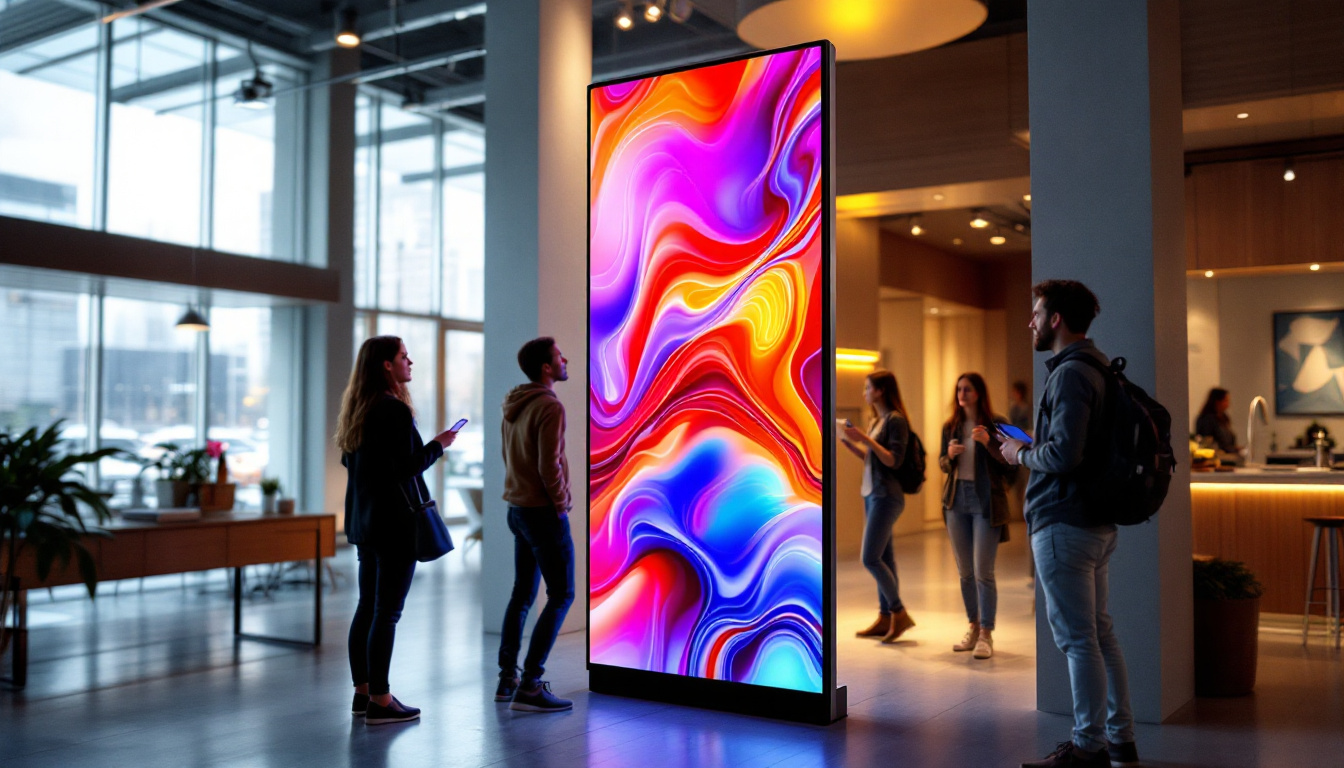
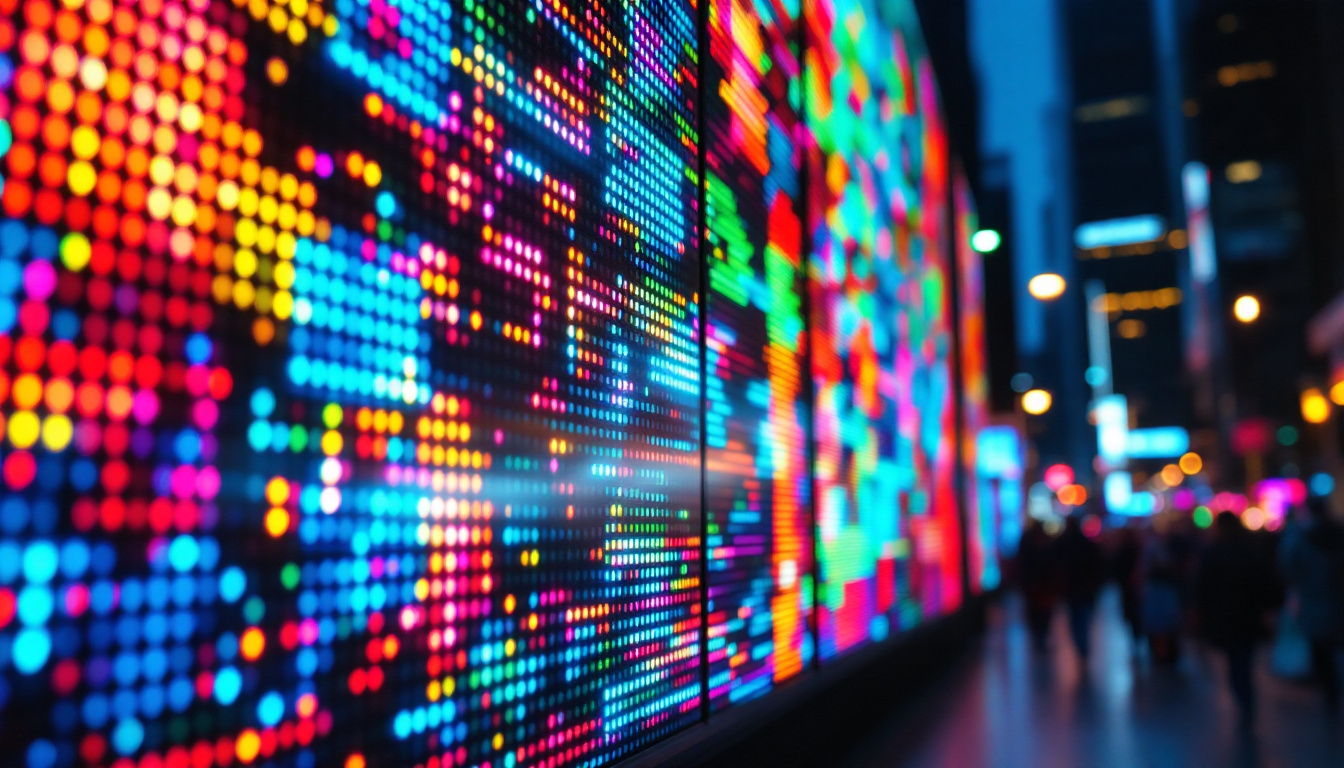
LED banners are digital display screens composed of light-emitting diodes (LEDs) arranged in a grid or matrix format. Unlike traditional static banners made from vinyl or fabric, LED banners are capable of displaying dynamic content such as videos, animations, and changing text. This flexibility makes them highly effective for engaging audiences in real time.
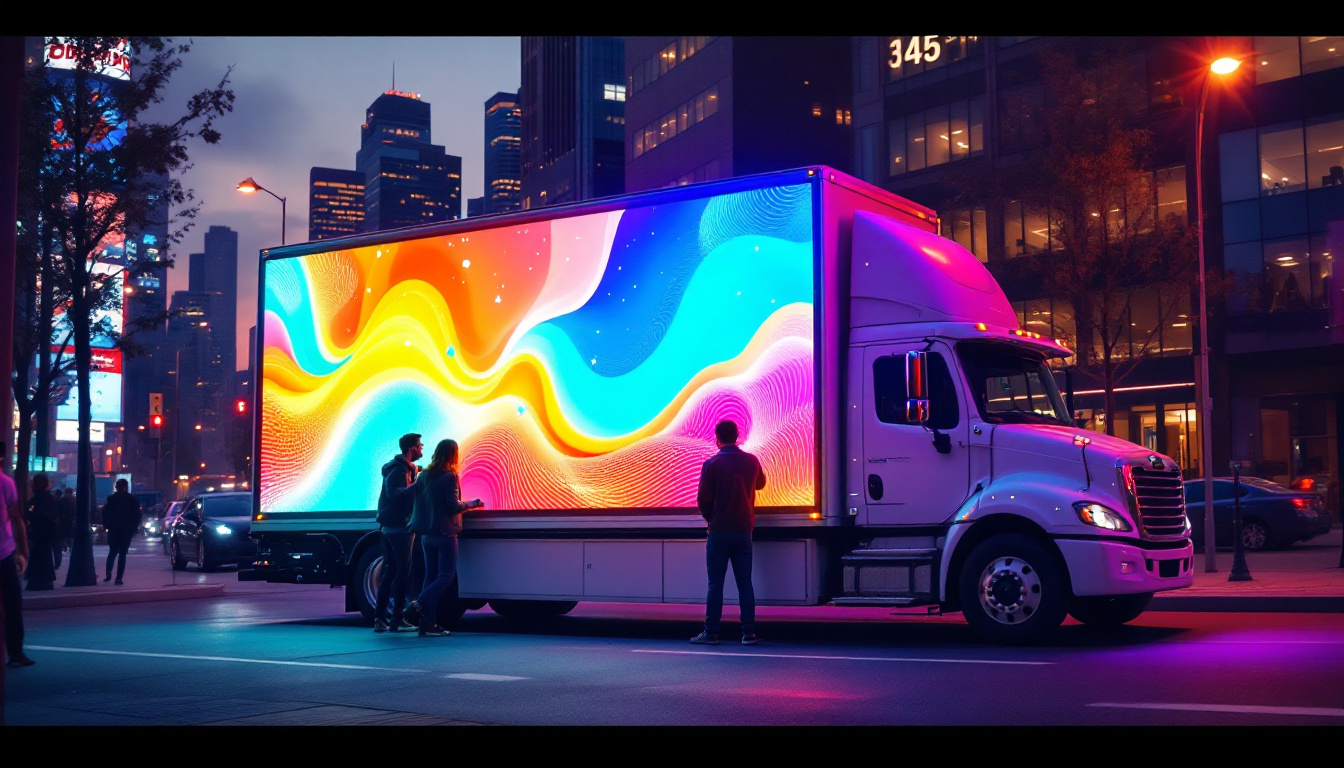
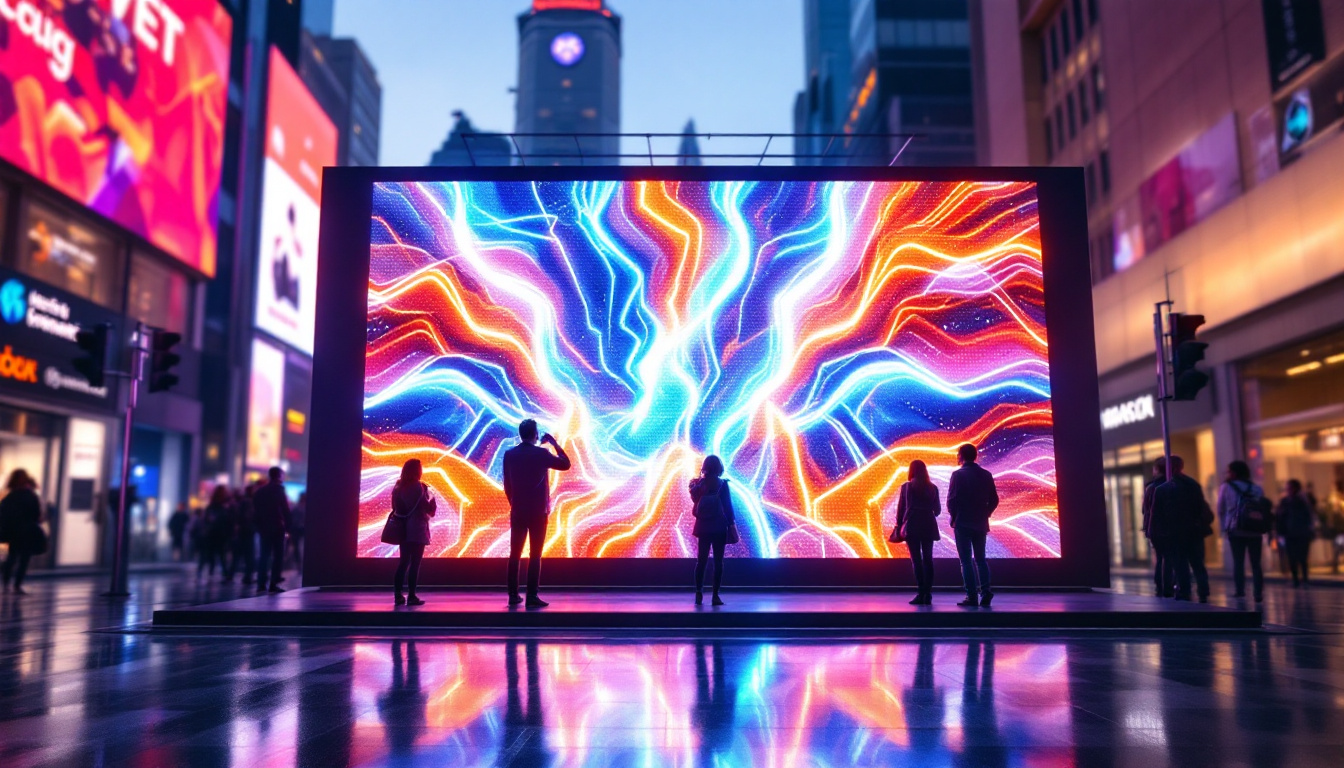
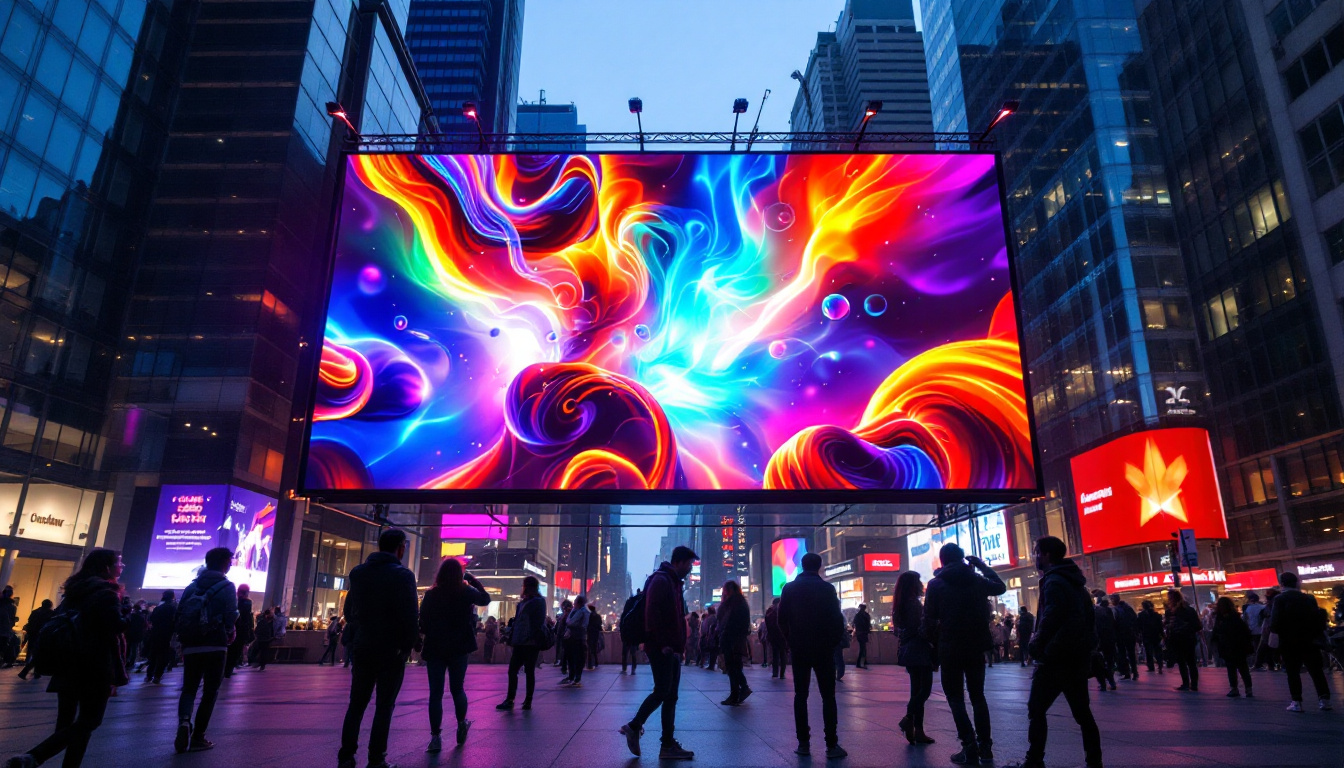
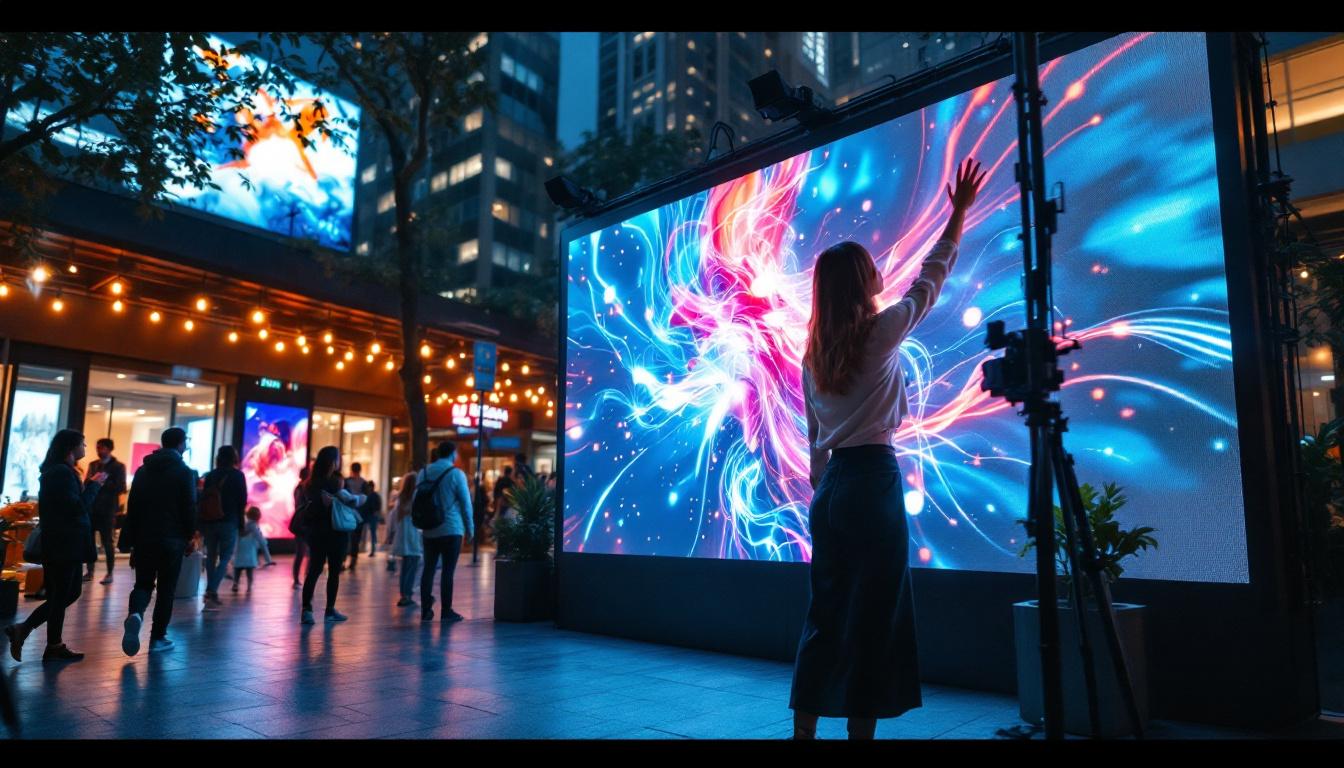
Typically, these banners are modular, allowing for customization in size and resolution. The individual LEDs emit bright, vibrant light, which ensures visibility even in direct sunlight. This makes LED banners suitable for both indoor and outdoor environments. Businesses often utilize these displays in high-traffic areas, such as shopping malls, stadiums, and busy streets, to capture the attention of passersby. The ability to rotate messages and showcase promotions instantly can significantly enhance marketing strategies and drive customer engagement.
How Do LED Displays Work?
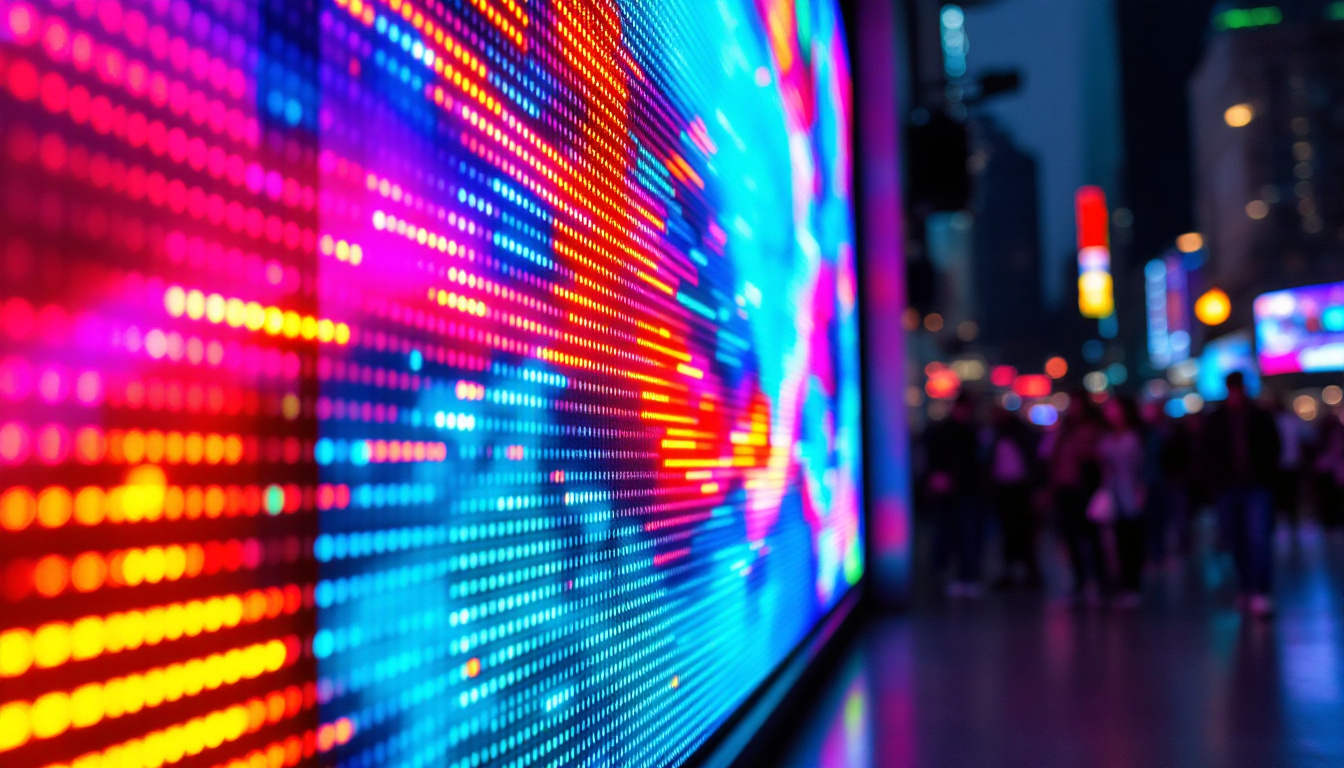
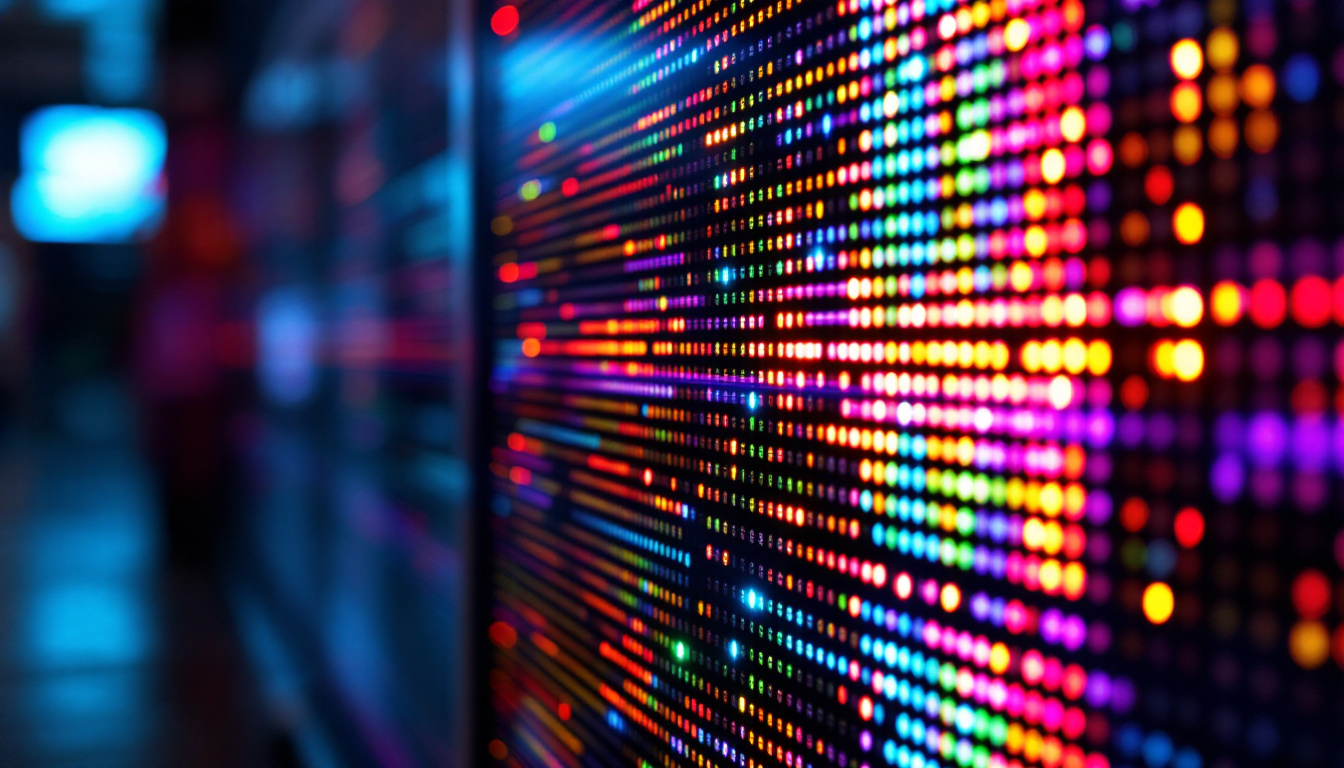
At the core of an LED banner are thousands of tiny LEDs, each acting as a single pixel. These pixels combine to form images and videos by varying their brightness and color. Modern LED displays use red, green, and blue (RGB) LEDs to create a full spectrum of colors through color mixing. By adjusting the intensity of each color, the display can produce millions of colors, resulting in sharp and vivid visuals.
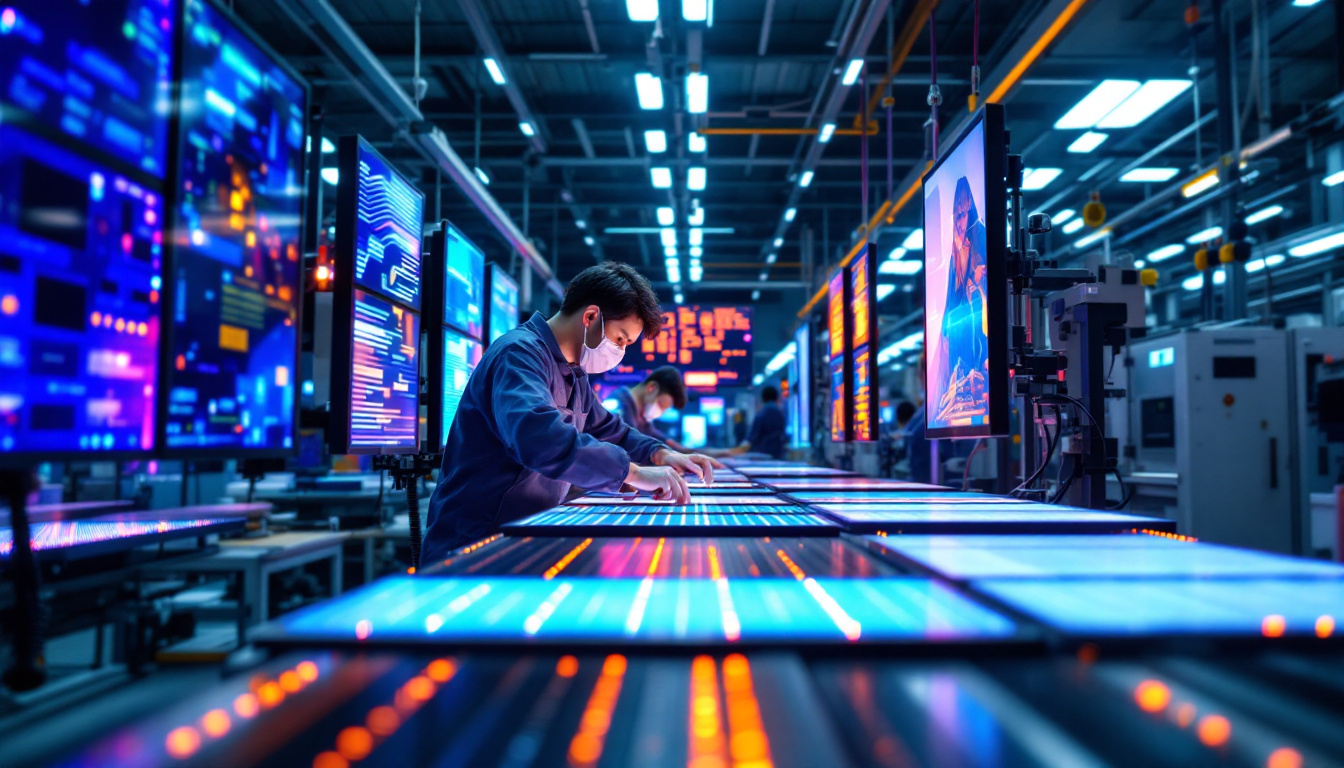
The display is controlled by a processing unit that manages the content being shown. This content can be updated remotely via software, allowing for real-time changes and scheduling. Advances in LED technology have also improved energy efficiency, brightness, and lifespan, making LED banners a sustainable choice for long-term use. Furthermore, many LED banners come equipped with sensors that adjust brightness based on ambient light conditions, ensuring optimal visibility at all times. This feature not only enhances the viewing experience but also contributes to energy savings, making LED banners an eco-friendly option for businesses looking to reduce their carbon footprint.
Applications of LED Banners Across Industries
Advertising and Marketing
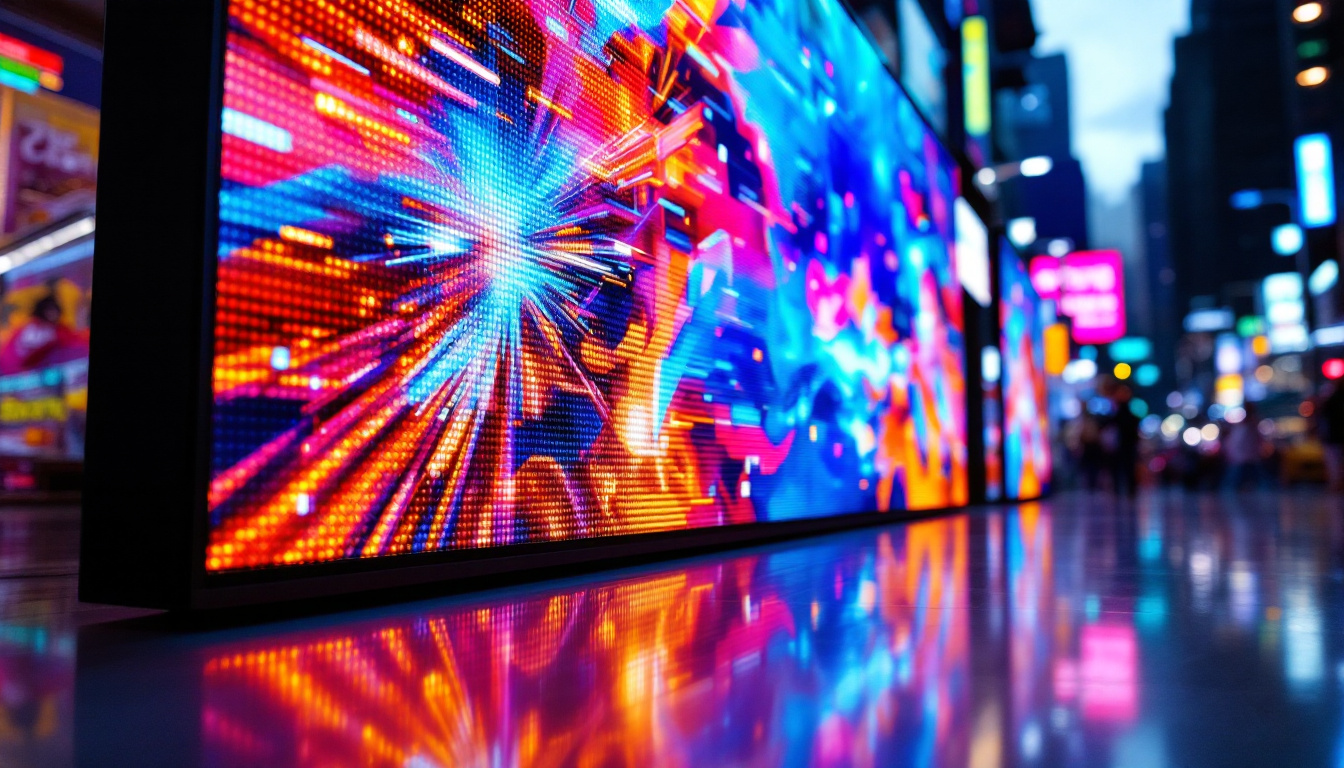
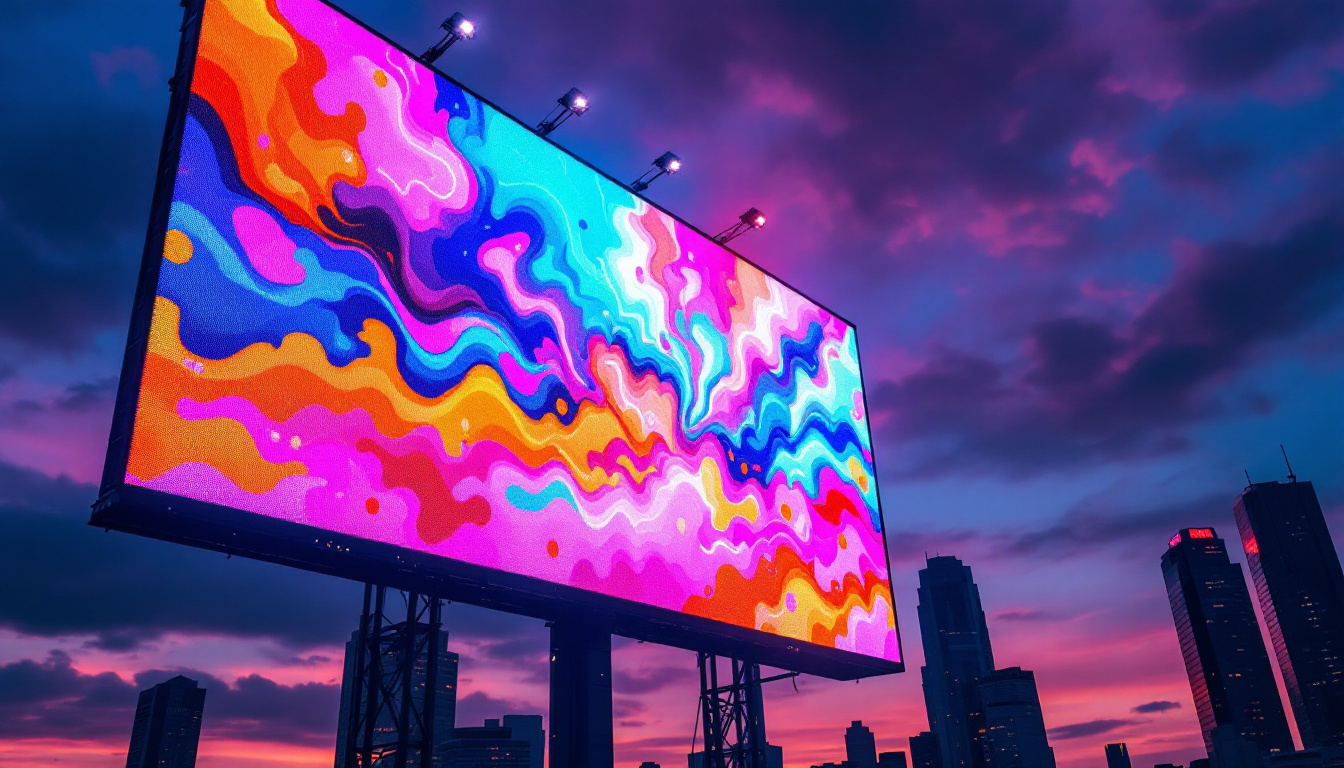
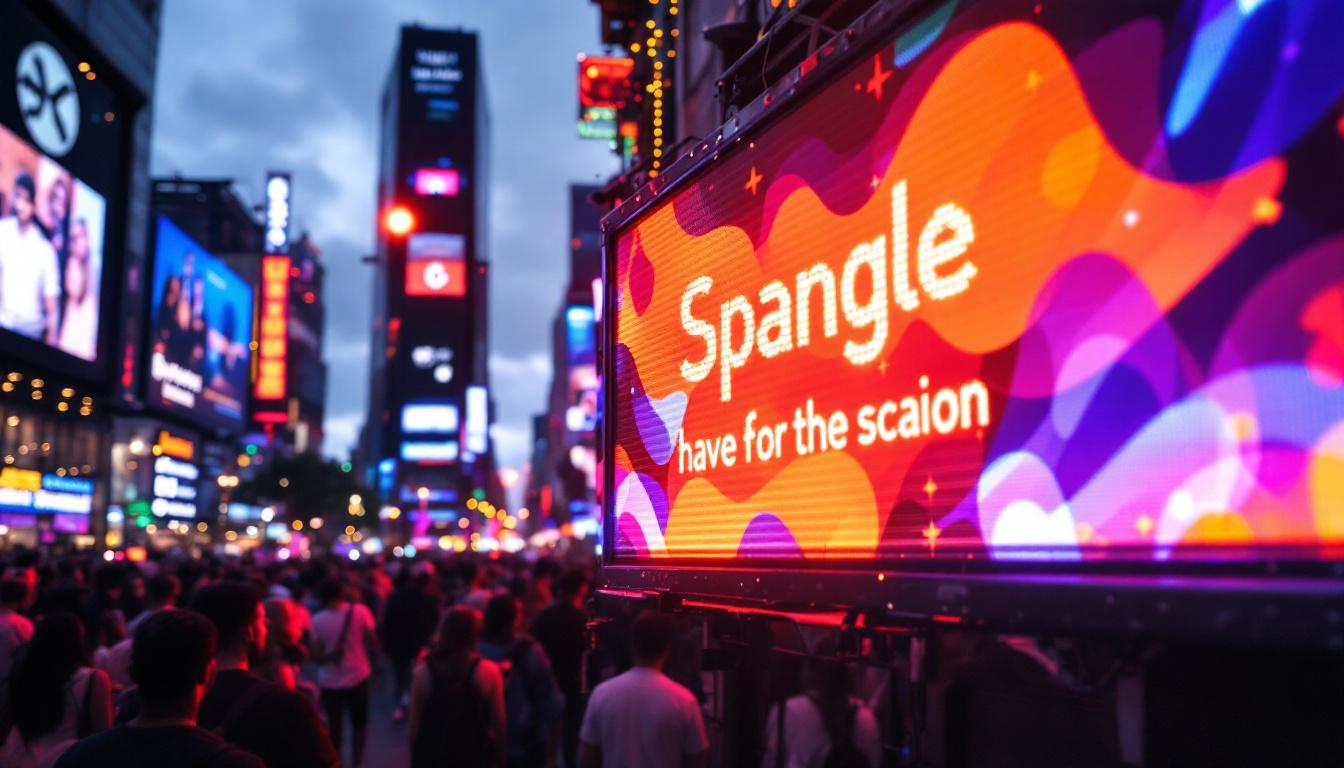
One of the most common uses of LED banners is in advertising. Their ability to display eye-catching animations and videos makes them ideal for grabbing consumer attention in crowded urban spaces. According to a 2023 study by the Outdoor Advertising Association of America, digital out-of-home advertising, including LED displays, has seen a 15% annual growth rate, outpacing traditional static billboards.
Retailers use LED banners to promote sales, new products, and brand messages. Their dynamic nature allows for multiple advertisements to be displayed sequentially, maximizing the use of advertising space. Furthermore, the ability to update content remotely reduces the costs and delays associated with printing new banners. This real-time adaptability is particularly beneficial for seasonal promotions or flash sales, allowing businesses to respond quickly to market trends and consumer behavior.
Moreover, LED banners can be integrated with social media feeds, enabling brands to showcase user-generated content or live interactions, thereby enhancing engagement. This integration not only attracts foot traffic but also encourages customers to share their experiences online, creating a ripple effect that amplifies the reach of the advertising campaign.
Events and Entertainment
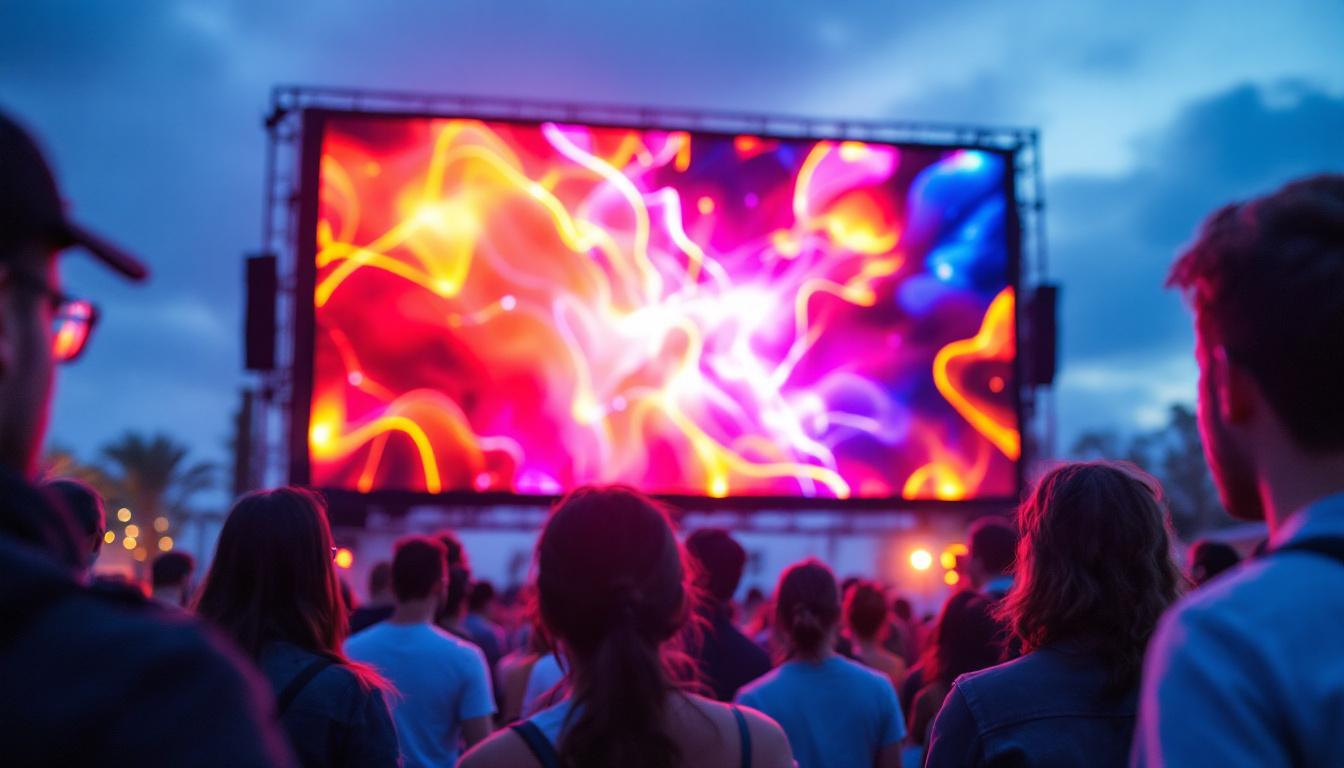
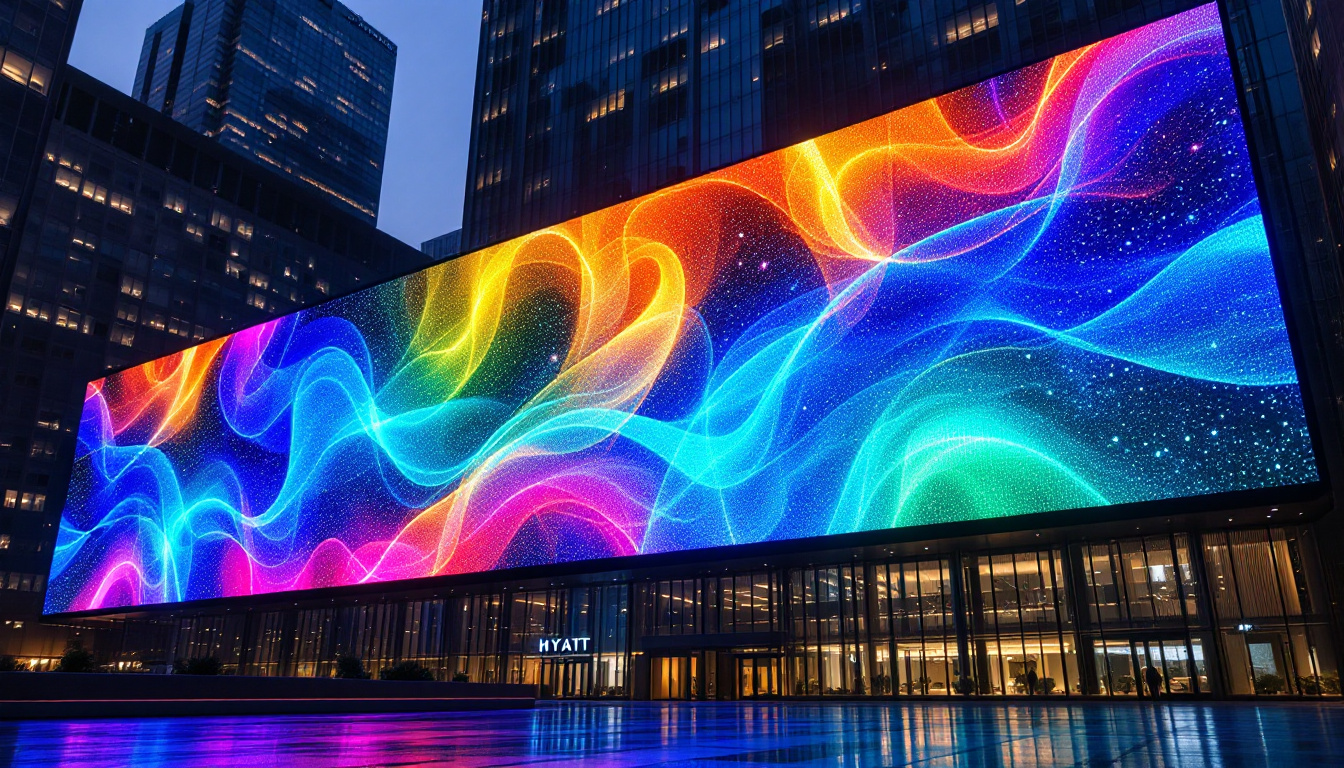
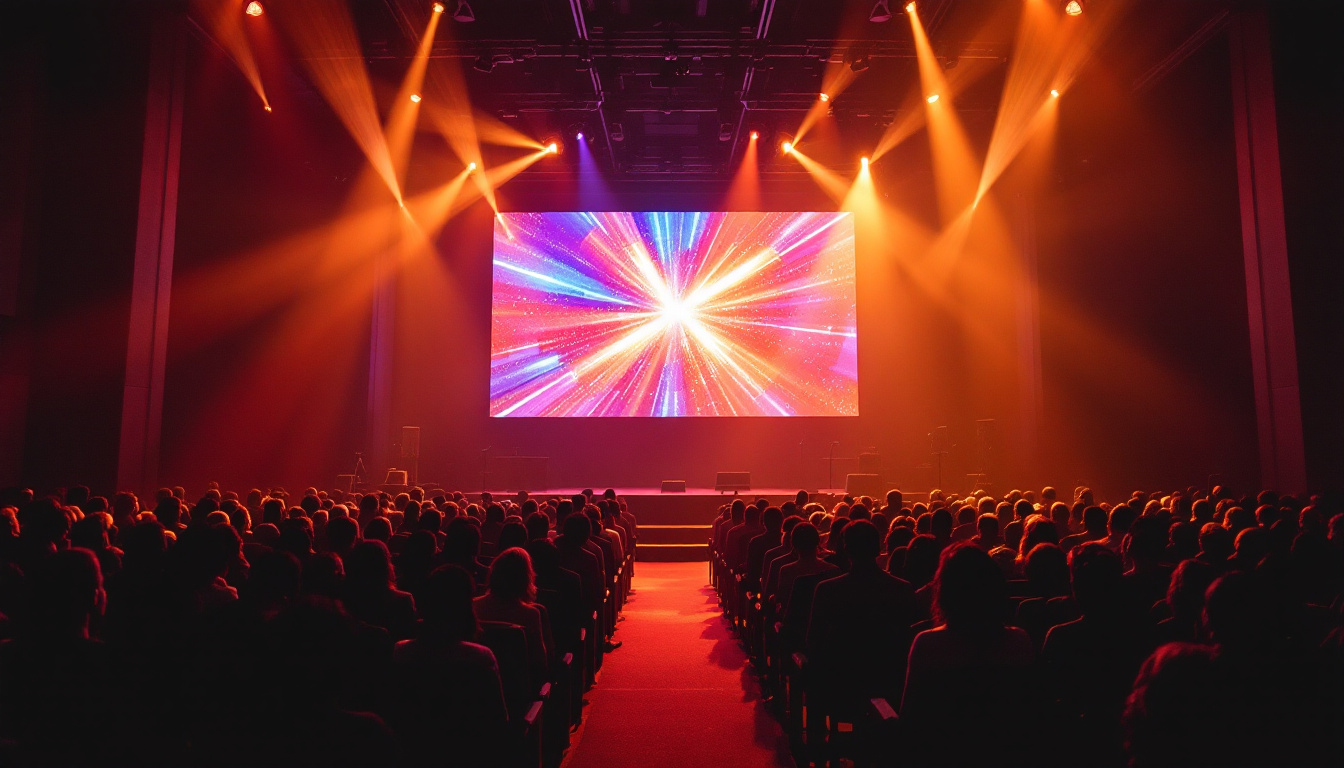
Concerts, sports events, and festivals frequently utilize LED banners to enhance the audience experience. These displays provide real-time information such as scores, schedules, and announcements, while also serving as a platform for sponsors. The flexibility of LED banners to scale to large sizes and their high brightness levels make them perfect for outdoor venues.
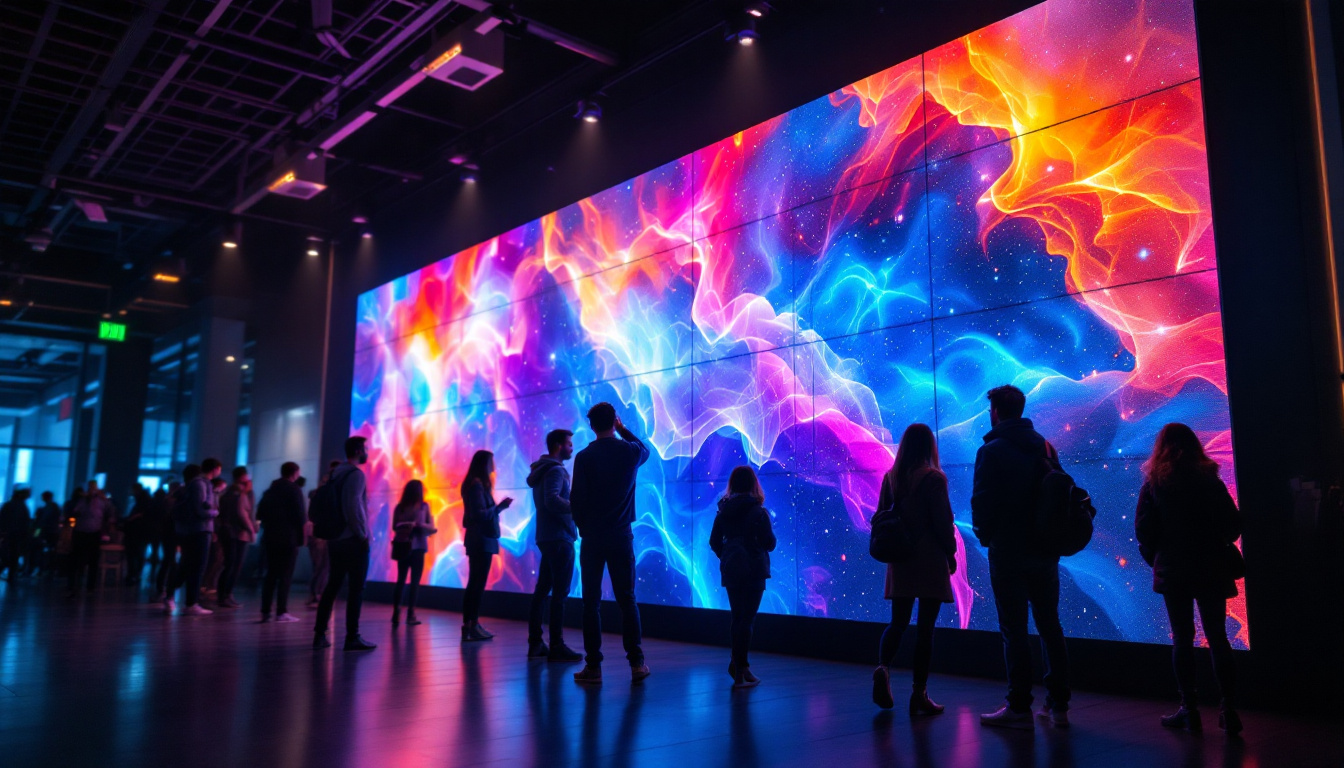
In theaters and conference centers, LED banners can be used for branding, directional signage, and interactive content. Their versatility supports a wide range of creative uses, from immersive backdrops to interactive displays. For instance, during a live performance, LED screens can be synchronized with the music to create a captivating visual experience that complements the artistic presentation. Additionally, at conferences, LED banners can facilitate audience interaction through live polls or Q&A sessions, fostering a more engaging environment.
Corporate and Public Information
Corporations and public institutions employ LED banners for internal communication and public messaging. For example, airports and train stations use LED displays for arrival and departure information, while corporate campuses use them for announcements and safety messages. The immediacy of LED displays ensures that critical information reaches its audience promptly.
Furthermore, LED banners can play a significant role in emergency communication. In situations where time is of the essence, such as natural disasters or security threats, these displays can quickly relay vital information to the public, ensuring safety and awareness. The ability to customize messages in real-time allows organizations to adapt their communication strategies on the fly, providing clarity and guidance during uncertain times. Additionally, their energy efficiency and longevity make them a sustainable choice for organizations looking to minimize their environmental footprint while maximizing their communication capabilities.
Advantages of LED Banners Over Traditional Displays
Enhanced Visibility and Engagement
LED banners offer superior brightness and contrast compared to printed banners, making them visible even in bright daylight. This high visibility translates into higher engagement rates. Research indicates that digital displays can increase message recall by up to 47% compared to static signs.
Moreover, the ability to display motion graphics and videos attracts more attention than static images. This dynamic content can evoke stronger emotional responses, which is crucial for effective marketing and communication.
Cost Efficiency and Flexibility
While the initial investment in LED banners may be higher than traditional banners, the long-term benefits often outweigh the costs. The ability to update content digitally eliminates recurring printing and installation expenses. This flexibility allows businesses to adapt their messaging quickly in response to market trends or events.
Additionally, modular LED banners can be reconfigured or resized as needed, providing adaptability for different locations and purposes. This versatility reduces the need for multiple physical banners, streamlining inventory and storage.
Durability and Sustainability
LED banners are built to withstand various weather conditions, including rain, wind, and extreme temperatures. Their robust construction ensures longevity, often exceeding 100,000 hours of operation. This durability minimizes maintenance costs and downtime.
From an environmental perspective, LED technology is energy efficient and produces less waste compared to disposable printed materials. Many LED banners also incorporate recyclable components, supporting sustainability initiatives.
Key Considerations When Choosing an LED Banner
Resolution and Pixel Pitch
The resolution of an LED banner is determined by its pixel pitch, which is the distance between individual LEDs. A smaller pixel pitch means higher resolution and sharper images, suitable for close viewing distances. For example, a pixel pitch of 2mm is ideal for indoor displays viewed up close, while outdoor banners often use a pitch of 10mm or more to optimize cost and visibility from a distance.
Understanding the typical viewing distance is essential to selecting the appropriate resolution. A high-resolution banner placed too far away may not justify the additional cost, while a low-resolution banner viewed up close can appear pixelated and unprofessional.
Brightness and Contrast Ratio
Brightness, measured in nits, is a critical factor for outdoor LED banners exposed to sunlight. Most outdoor displays range from 5,000 to 8,000 nits, ensuring clear visibility even under direct sunlight. Indoor LED banners typically require lower brightness levels, around 800 to 1,500 nits, to prevent eye strain and glare.
The contrast ratio, which compares the luminance of the brightest white to the darkest black, affects image clarity and depth. Higher contrast ratios contribute to more vivid and lifelike images, enhancing viewer engagement.
Size and Installation
The physical size of the LED banner should align with the intended location and audience size. Larger banners are suitable for highways, stadiums, and building facades, while smaller displays fit retail storefronts and indoor venues. Installation methods vary from wall mounting and hanging to freestanding structures, each with specific structural and safety requirements.
It is advisable to consult with professional installers to ensure compliance with local regulations and optimal positioning for maximum impact.
Content Management and Software
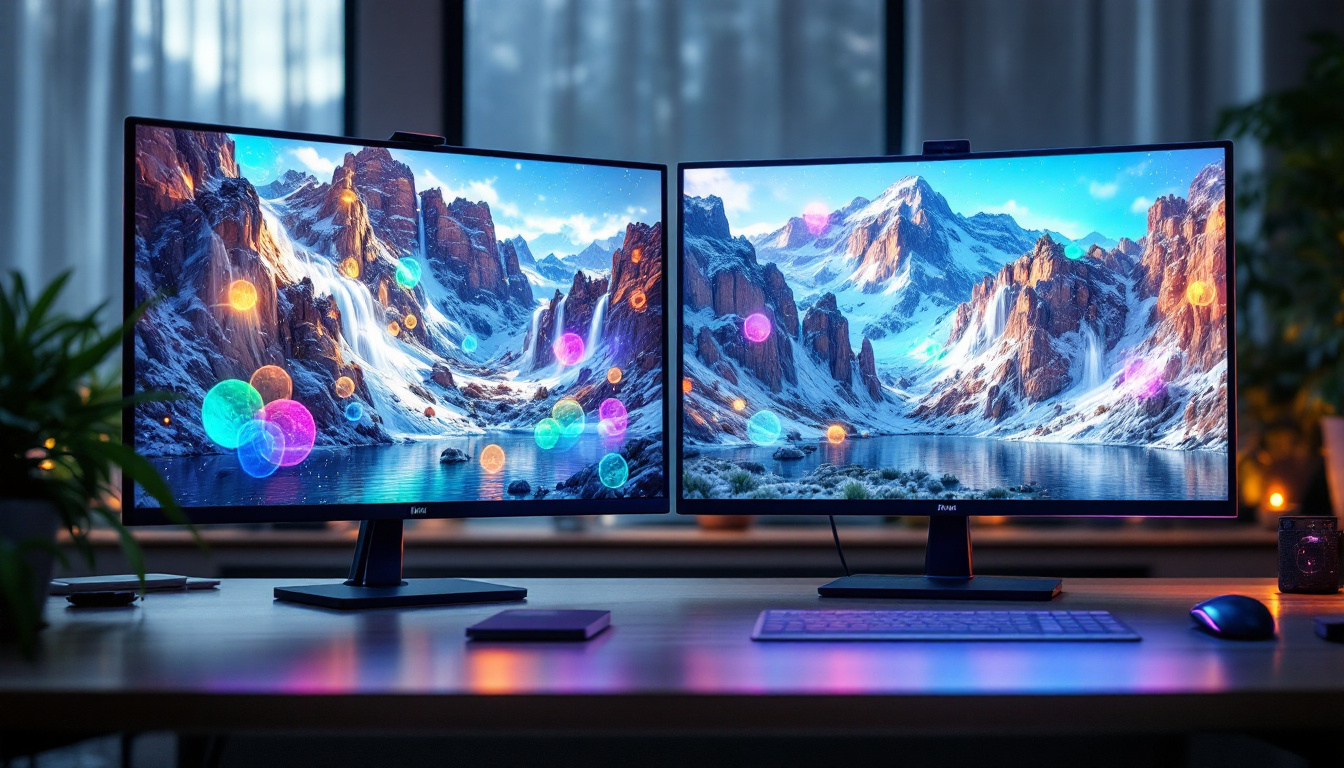
Modern LED banners come with sophisticated content management systems (CMS) that allow users to schedule, update, and customize content remotely. When selecting an LED banner, consider the ease of use, compatibility with various media formats, and support for interactive features.
Some CMS platforms offer analytics tools to track viewer engagement and optimize content strategy, providing valuable insights for marketers and event organizers.
Future Trends in LED Banner Technology
Integration with Smart Technologies
The integration of LED banners with artificial intelligence (AI) and Internet of Things (IoT) devices is shaping the future of digital displays. Smart LED banners can adapt content based on real-time data such as weather, traffic, or audience demographics. For instance, a banner might display different advertisements during peak hours or adjust brightness automatically to ambient light conditions.
Advancements in Flexible and Transparent Displays
Emerging technologies are enabling the production of flexible LED banners that can conform to curved surfaces, expanding creative possibilities. Transparent LED displays are also gaining traction, allowing for see-through digital signage that blends seamlessly with glass surfaces, such as storefront windows.
Energy Efficiency and Environmental Impact
Ongoing improvements in LED efficiency and the use of renewable energy sources are reducing the environmental footprint of LED banners. Manufacturers are focusing on recyclable materials and modular designs that facilitate repair and upgrades, promoting circular economy principles.
Conclusion
LED banners represent a powerful convergence of technology, creativity, and communication. Their ability to deliver vibrant, dynamic content in a durable and cost-effective manner makes them indispensable tools across advertising, events, corporate communication, and public information sectors.
Understanding the technical aspects, applications, and future trends of LED banners empowers businesses and organizations to make informed decisions that maximize impact and return on investment. As LED technology continues to evolve, these displays will undoubtedly play an increasingly prominent role in shaping how messages are shared and experienced in the digital age.
Discover Cutting-Edge LED Display Solutions
Ready to elevate your visual communication and captivate your audience like never before? Explore LumenMatrix’s innovative range of LED display modules, from the immersive Indoor LED Wall Display to the dynamic Outdoor LED Wall Display, and beyond. Our mission is to revolutionize your advertising, events, and corporate messaging with displays that guarantee impact and clarity. Don’t miss the opportunity to transform your space with our advanced LED solutions. Check out LumenMatrix LED Display Solutions today and step into the future of digital signage.