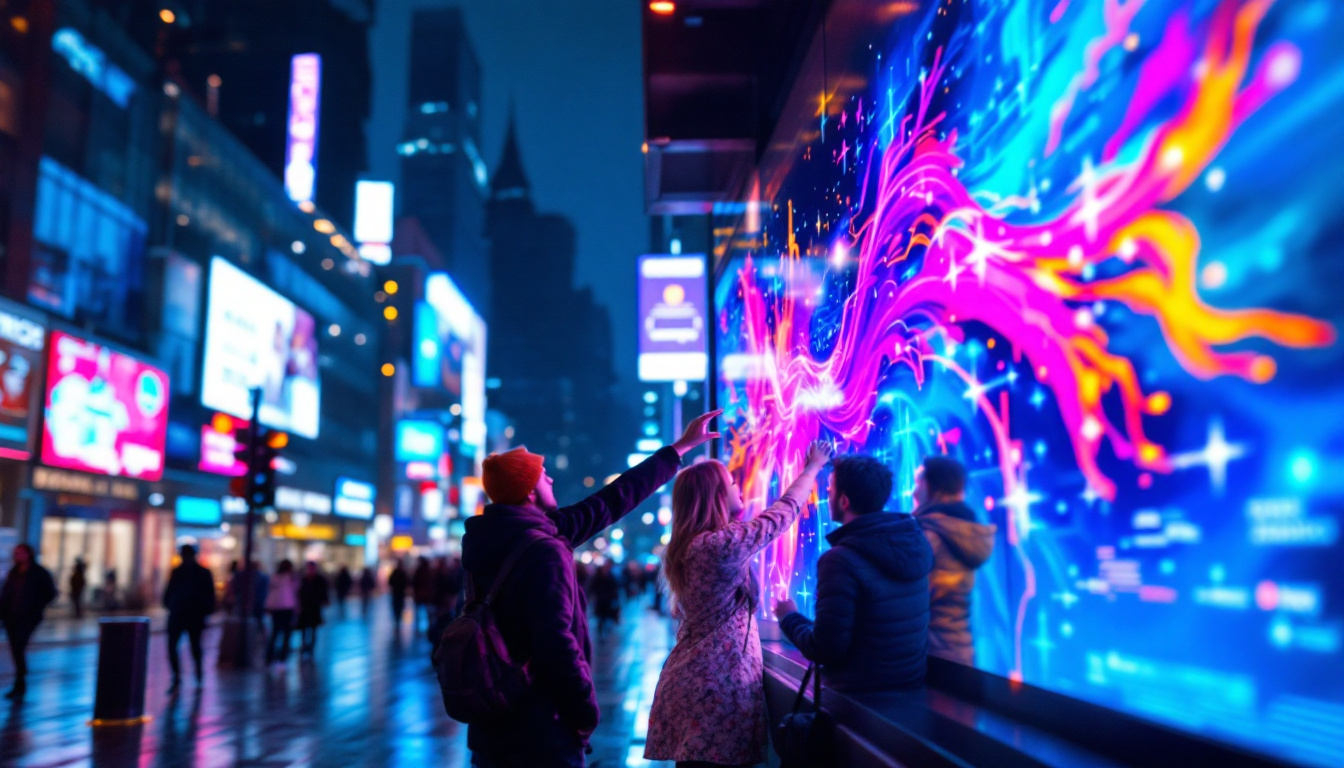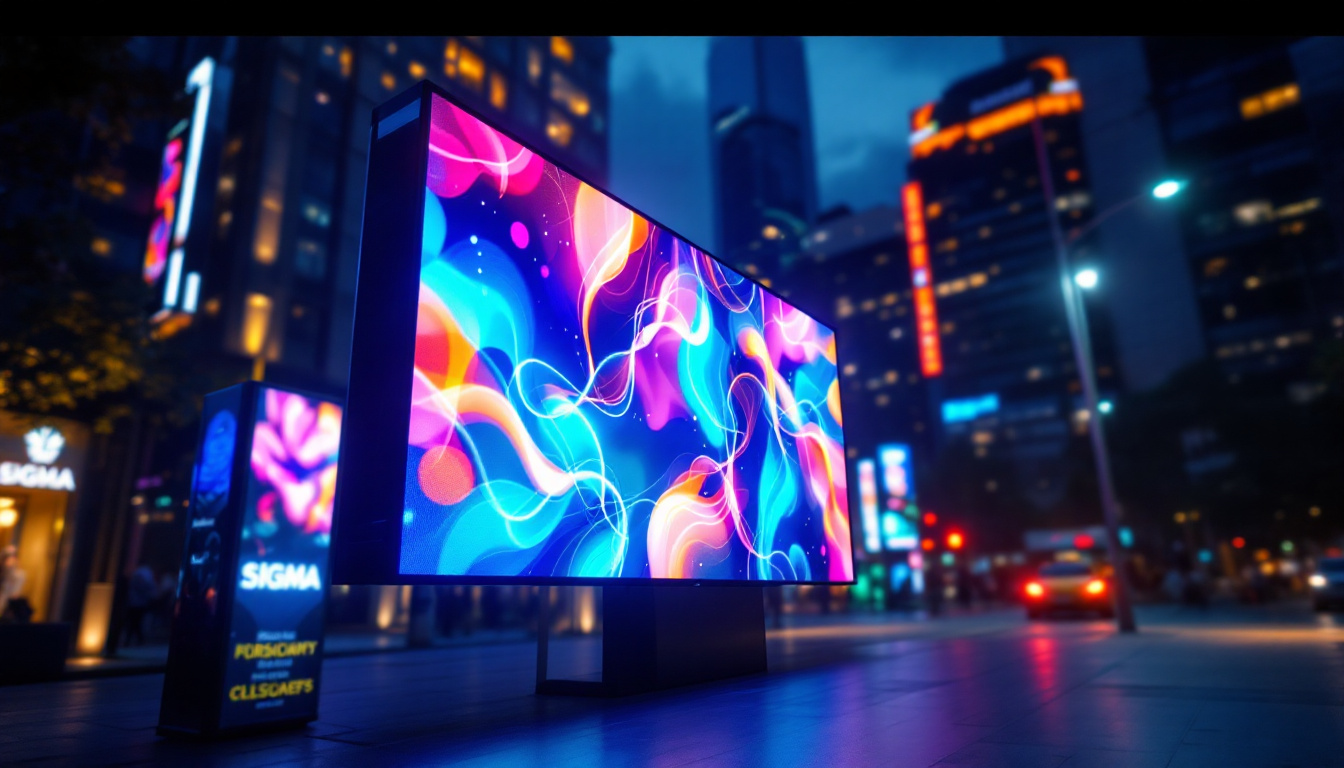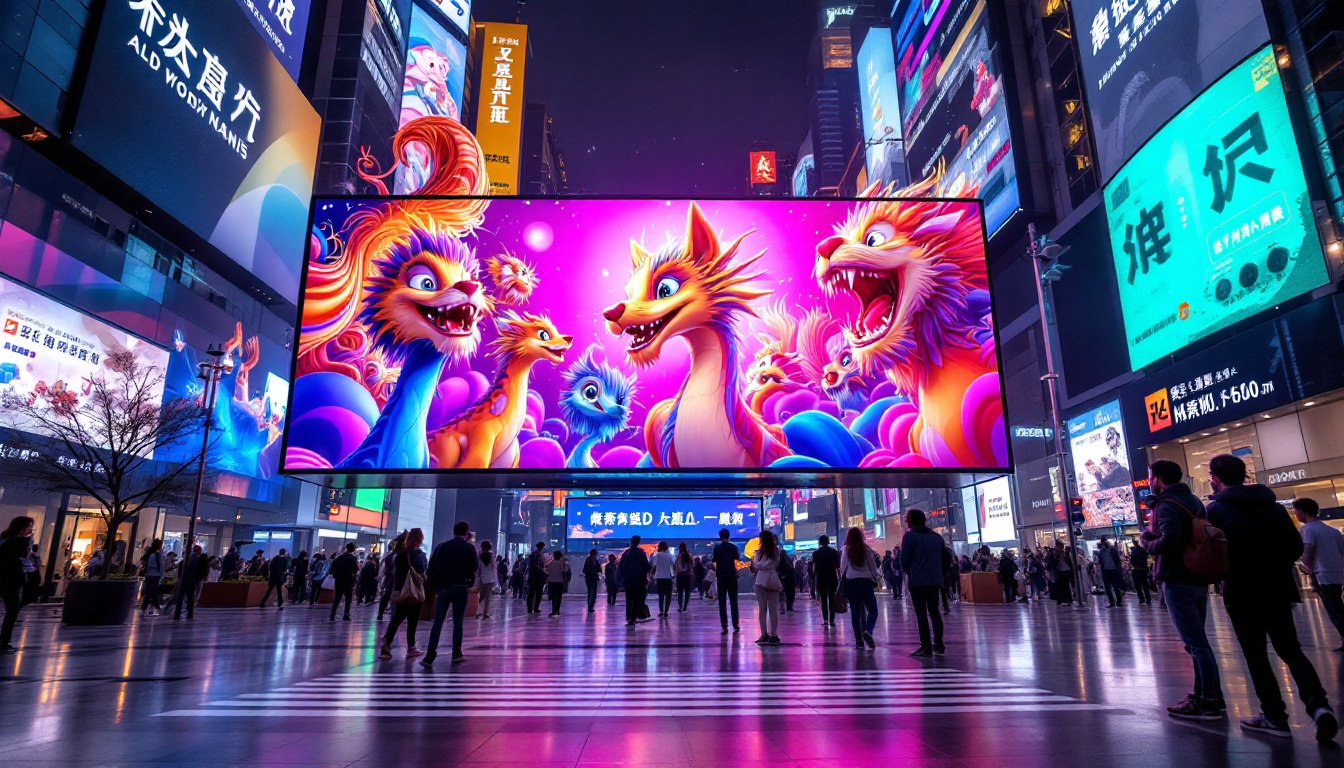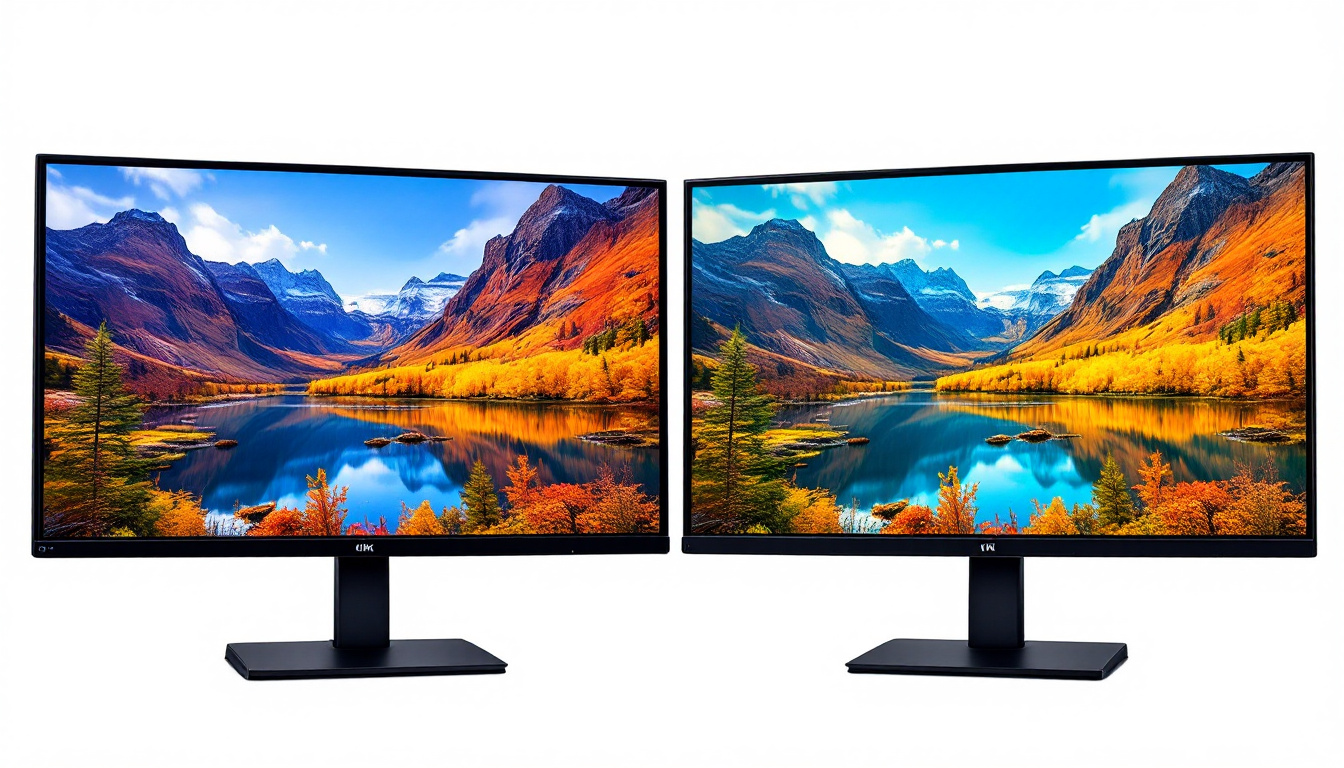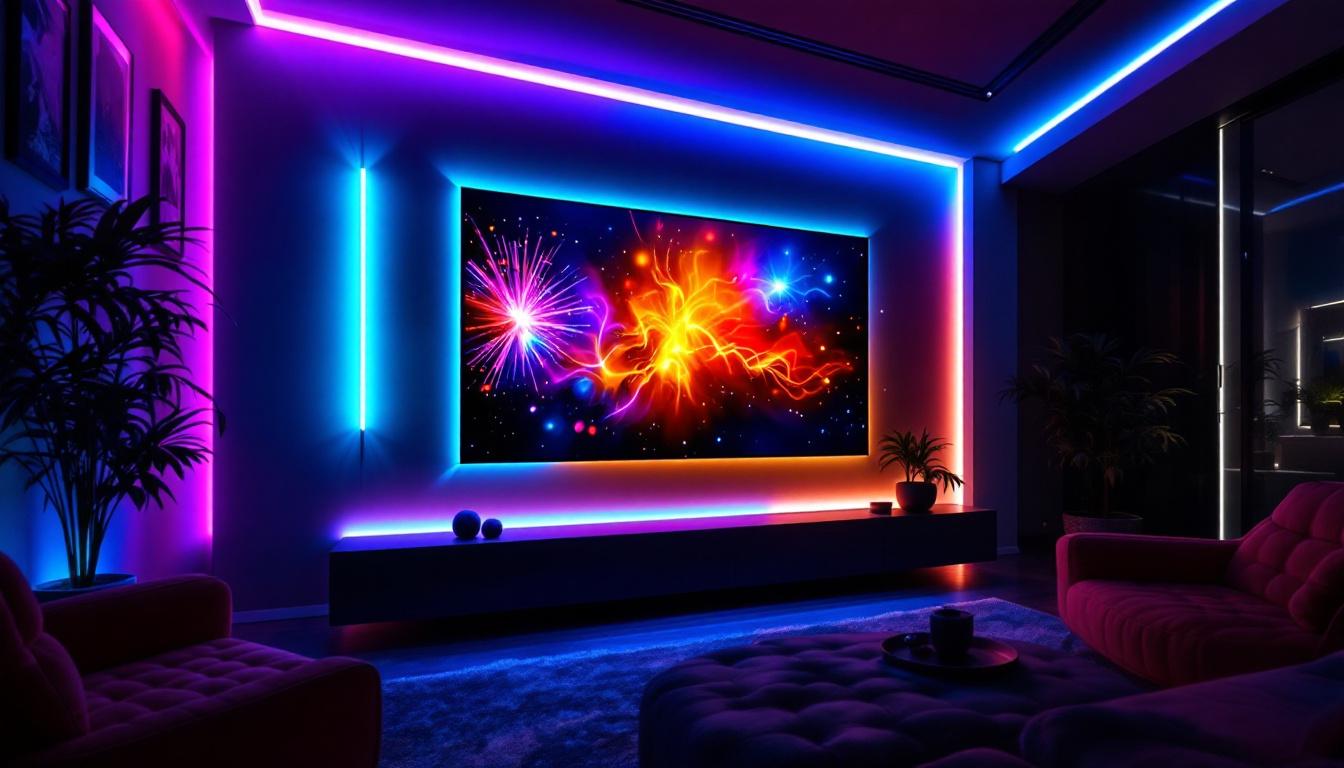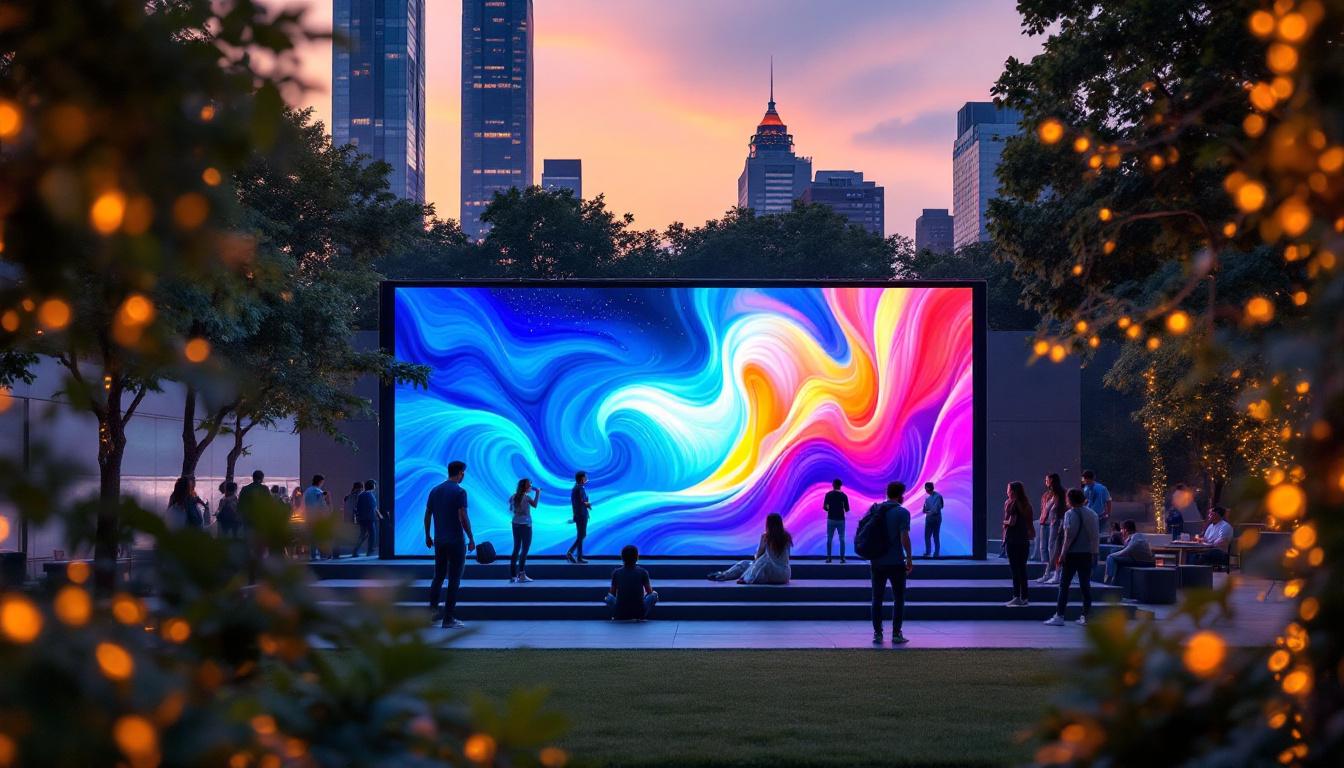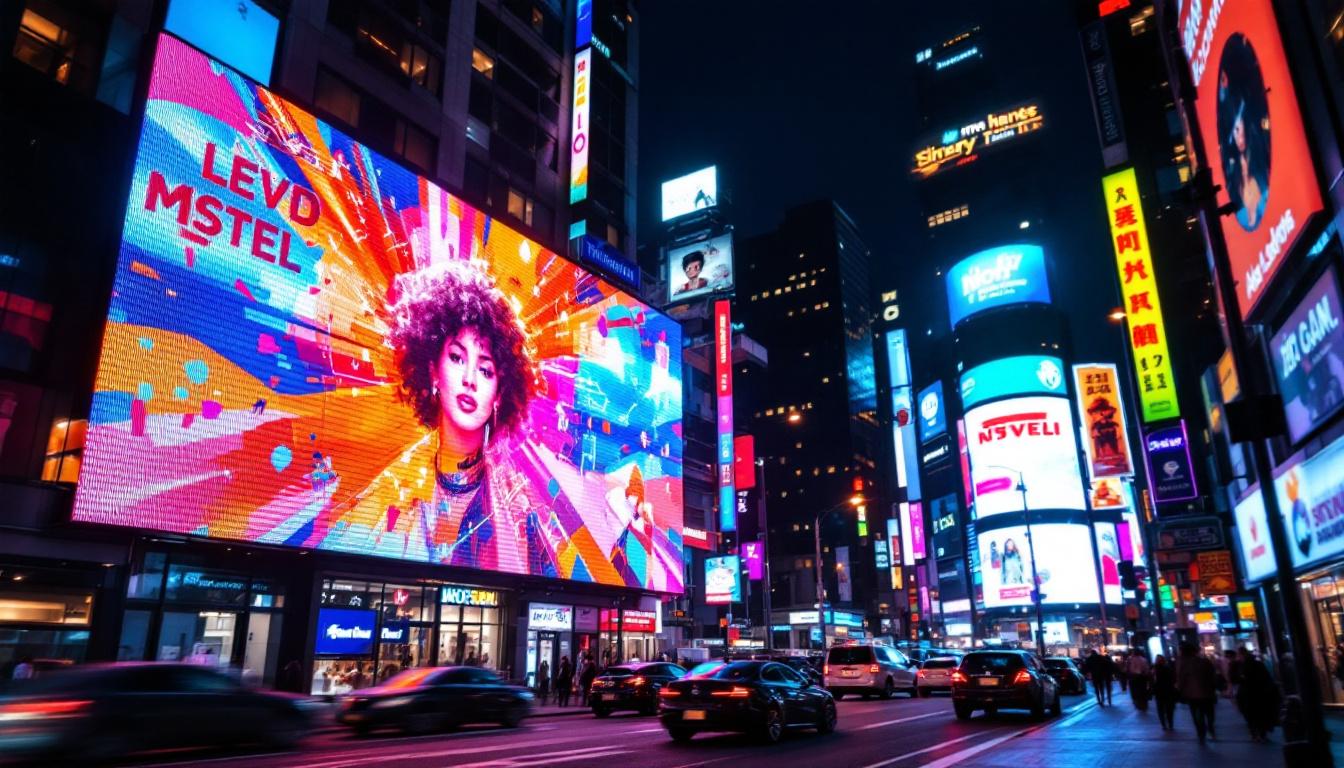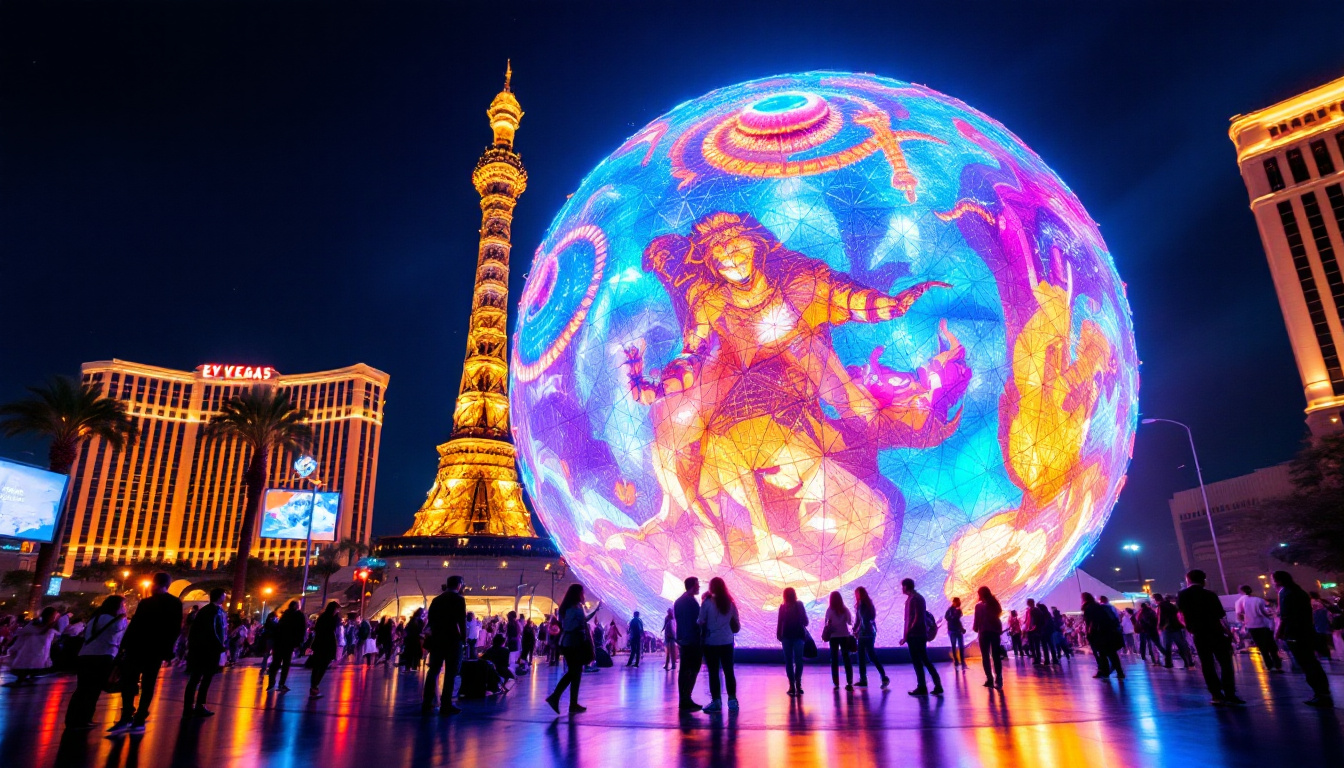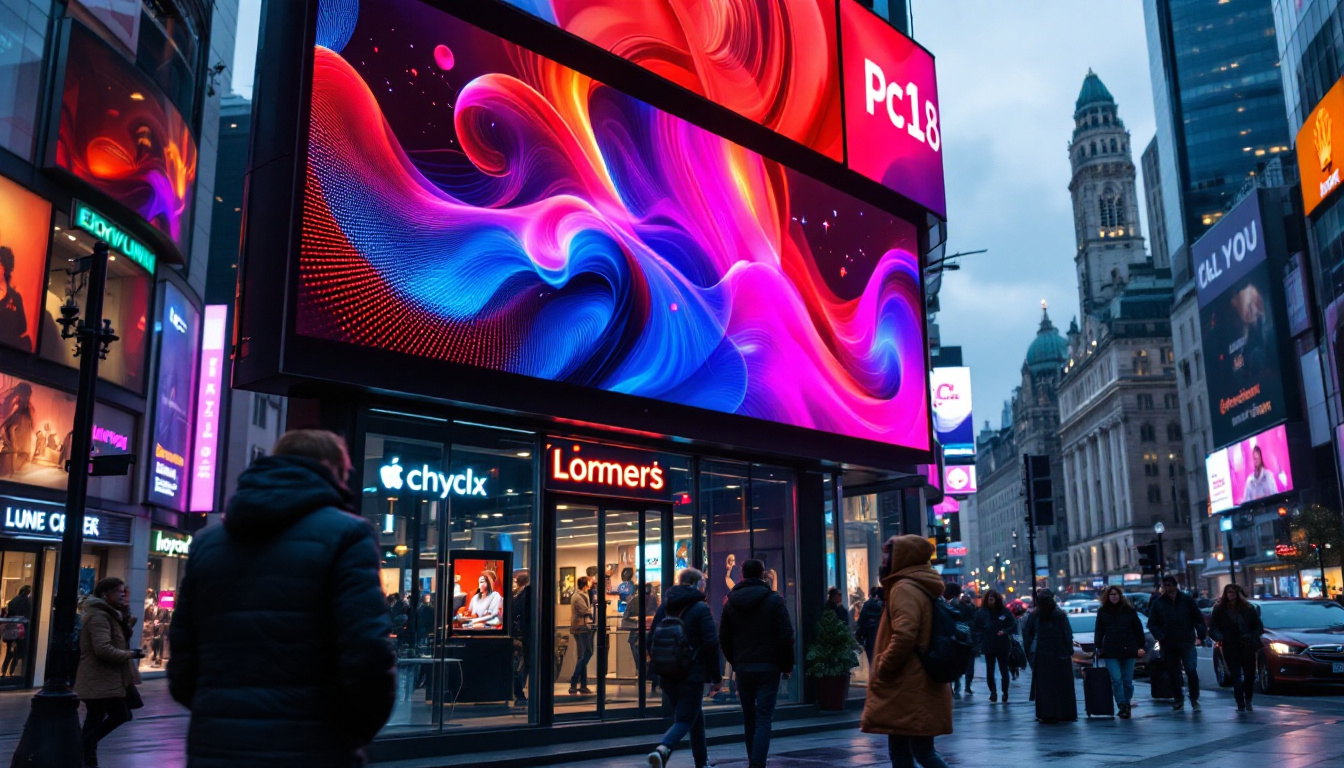
In an era defined by digital transformation, LED displays have become a cornerstone technology for visual communication. From vibrant billboards that light up cityscapes to high-resolution screens in stadiums and retail environments, LED displays are everywhere. But what exactly makes these screens so popular, and how do they work? This article delves into the world of LED display technology, exploring its components, types, advantages, and applications to provide a comprehensive understanding of screen panels.
Understanding LED Display Technology
LED, or Light Emitting Diode, technology forms the basis of modern digital displays. Unlike traditional LCD or plasma screens, LED displays use an array of tiny light-emitting diodes to produce images, offering superior brightness, contrast, and energy efficiency.
What Is an LED Screen Panel?
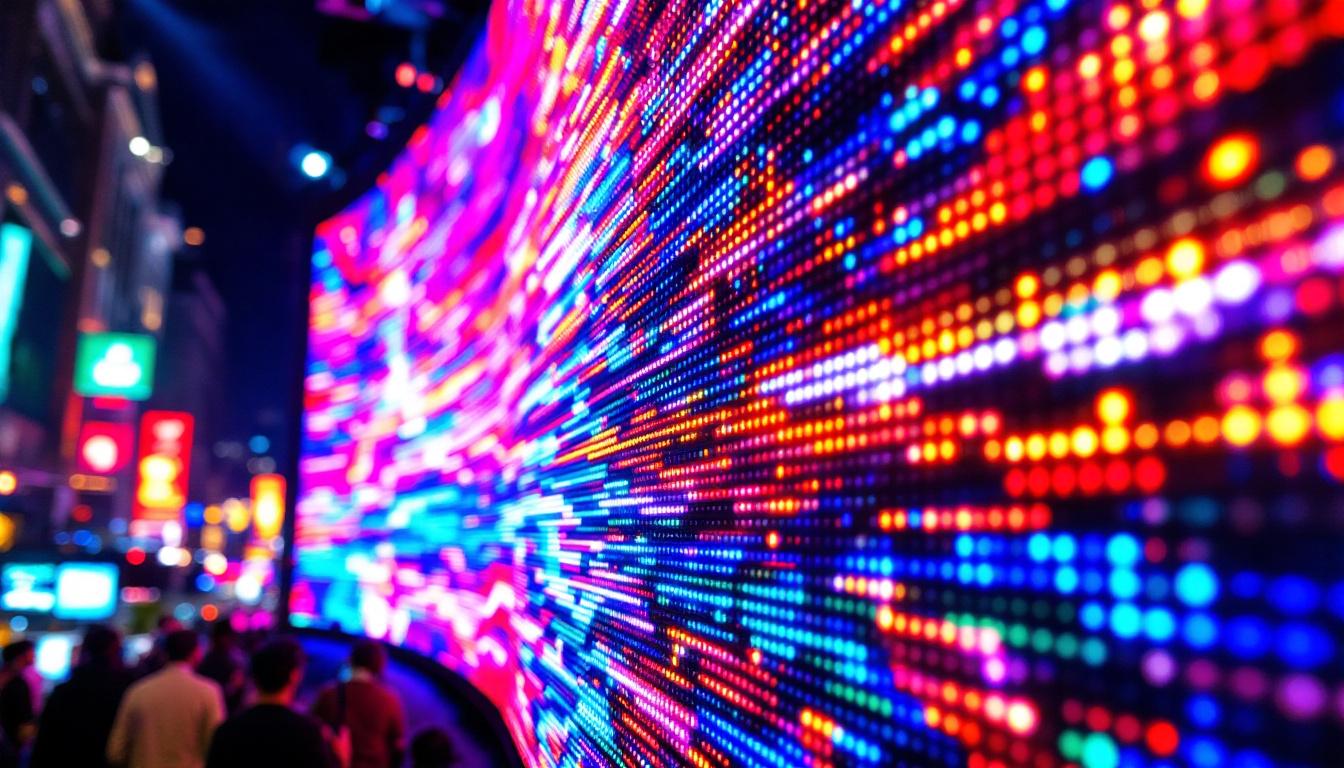
An LED screen panel is essentially a flat surface composed of numerous LEDs arranged in a grid. Each LED acts as a pixel, emitting light to form images, videos, or text. These panels can be combined seamlessly to create larger displays of virtually any size, making them highly versatile for different environments and purposes.
The LEDs used in these panels are semiconductor devices that emit light when an electric current passes through them. This direct emission of light is what differentiates LED displays from LCDs, which rely on backlighting.
Types of LEDs in Display Panels
LEDs used in screen panels come in several forms, primarily categorized as:
- Surface-Mounted Device (SMD) LEDs: These are compact, multi-diode packages that combine red, green, and blue diodes in a single unit. SMD LEDs are popular for indoor displays due to their high resolution and excellent color accuracy.
- Through-Hole LEDs: These are individual LEDs mounted through holes on a circuit board. They tend to be larger and are often used in outdoor displays where brightness and durability are prioritized over pixel density.
- Mini-LED and Micro-LED: Emerging technologies that offer even higher brightness, contrast, and energy efficiency. Micro-LEDs, in particular, are promising for next-generation displays with ultra-high resolution and superior color performance.
Key Components of an LED Display Panel
To fully grasp how LED displays function, it is important to understand their core components and how they work together to produce vivid images.
LED Modules
At the heart of the screen panel are LED modules, which are small, self-contained units consisting of a matrix of LEDs. These modules serve as the building blocks of the display and can be easily replaced or upgraded as needed. The modular design also facilitates the assembly of large-scale screens by connecting multiple modules seamlessly.
Driving Circuitry
The driving circuitry controls the LEDs by regulating the current and voltage supplied to each diode. This circuitry ensures that each pixel lights up with the correct intensity and color to form the desired image. Advanced driving ICs (integrated circuits) enable precise control over brightness and color rendering, contributing to the display’s overall quality.
Control System
The control system acts as the brain of the LED display, processing input signals from various sources such as computers, media players, or live feeds. It converts these signals into data that the driving circuitry can interpret, synchronizing the illumination of LEDs to create dynamic content. Modern control systems support high refresh rates and resolutions, essential for smooth video playback and sharp images.
Power Supply
LED displays require a stable and efficient power supply to maintain consistent brightness and performance. Power supplies are designed to handle the substantial electrical load of large LED screens while minimizing energy consumption and heat generation.
Types of LED Display Panels
LED displays come in various forms tailored to different use cases, environments, and viewing distances. Understanding these types helps in selecting the right display solution for a specific application.
Indoor LED Displays
Indoor LED panels are designed for environments such as conference rooms, retail stores, airports, and control centers. They typically feature a fine pixel pitch—meaning the LEDs are closely spaced—to provide high resolution and sharp images at close viewing distances.
These displays often use SMD technology, which offers excellent color reproduction and wide viewing angles. Indoor LED screens are also optimized for lower brightness levels to prevent eye strain in enclosed spaces.
Outdoor LED Displays
Outdoor LED panels are built to withstand harsh weather conditions, including rain, wind, and extreme temperatures. They have higher brightness levels—often exceeding 5,000 nits—to ensure visibility even in direct sunlight.
Due to the longer typical viewing distances outdoors, these displays generally have a larger pixel pitch, which reduces the number of LEDs per square meter but increases durability and cost-effectiveness. Protective coatings and robust enclosures safeguard the panels against environmental damage.
Transparent LED Displays
Transparent LED displays are an innovative solution that integrates LED panels into glass surfaces, allowing light to pass through while displaying dynamic content. These are commonly used in retail windows, museums, and architectural installations where maintaining visibility through the glass is important.
This technology enables creative advertising and information display without obstructing the view, blending digital content seamlessly with physical environments.
Flexible and Curved LED Displays
Advancements in LED technology have led to the development of flexible and curved LED panels. These screens can be bent or shaped to fit unique architectural designs, enhancing aesthetic appeal and viewer engagement.
Such displays are popular in arenas, exhibitions, and experiential marketing, where immersive visual experiences are critical.
Advantages of LED Display Panels
LED display technology offers numerous benefits over traditional display methods, making it a preferred choice across industries.
Superior Brightness and Contrast
LED displays can achieve brightness levels far beyond those of LCD or plasma screens, making them ideal for both indoor and outdoor use. Their ability to produce deep blacks and vibrant colors results in high contrast ratios, enhancing image clarity and visual impact.
Energy Efficiency
Compared to older display technologies, LEDs consume significantly less power. This efficiency translates to lower operational costs and a reduced environmental footprint, which is increasingly important for businesses aiming for sustainability.
Longevity and Durability
LED panels are known for their long lifespan, often exceeding 100,000 hours of operation. They are also more resistant to shock and vibration, making them suitable for demanding environments such as transportation hubs and outdoor venues.
Scalability and Flexibility
The modular nature of LED panels allows for scalable display sizes, from small digital signage to massive video walls. Additionally, the technology supports a wide range of shapes and curvatures, accommodating diverse design requirements.
High Refresh Rates and Color Accuracy
Modern LED displays support refresh rates of 1,000 Hz or higher, reducing flicker and motion blur. This capability is crucial for broadcasting live sports or fast-moving content. Furthermore, advanced color calibration ensures faithful reproduction of images and videos.
Applications of LED Display Panels
The versatility of LED display panels has led to their adoption across many sectors, each leveraging the technology’s strengths to meet specific needs.
Advertising and Digital Signage
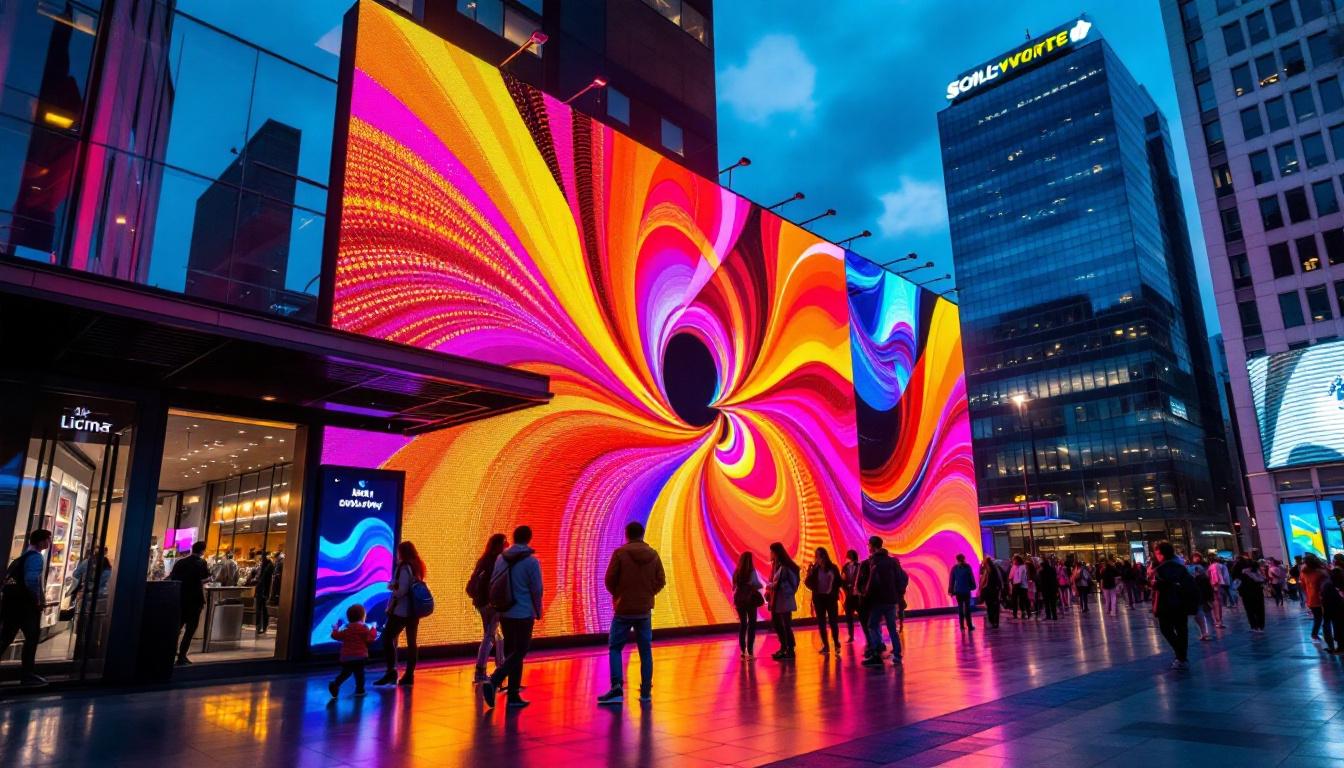
One of the most widespread uses of LED displays is in advertising. Digital billboards and signage capture attention with bright, dynamic content that can be updated in real time. According to recent market reports, the global digital signage market is expected to grow at a CAGR of over 8% through 2027, driven largely by LED technology.
Sports and Entertainment Venues
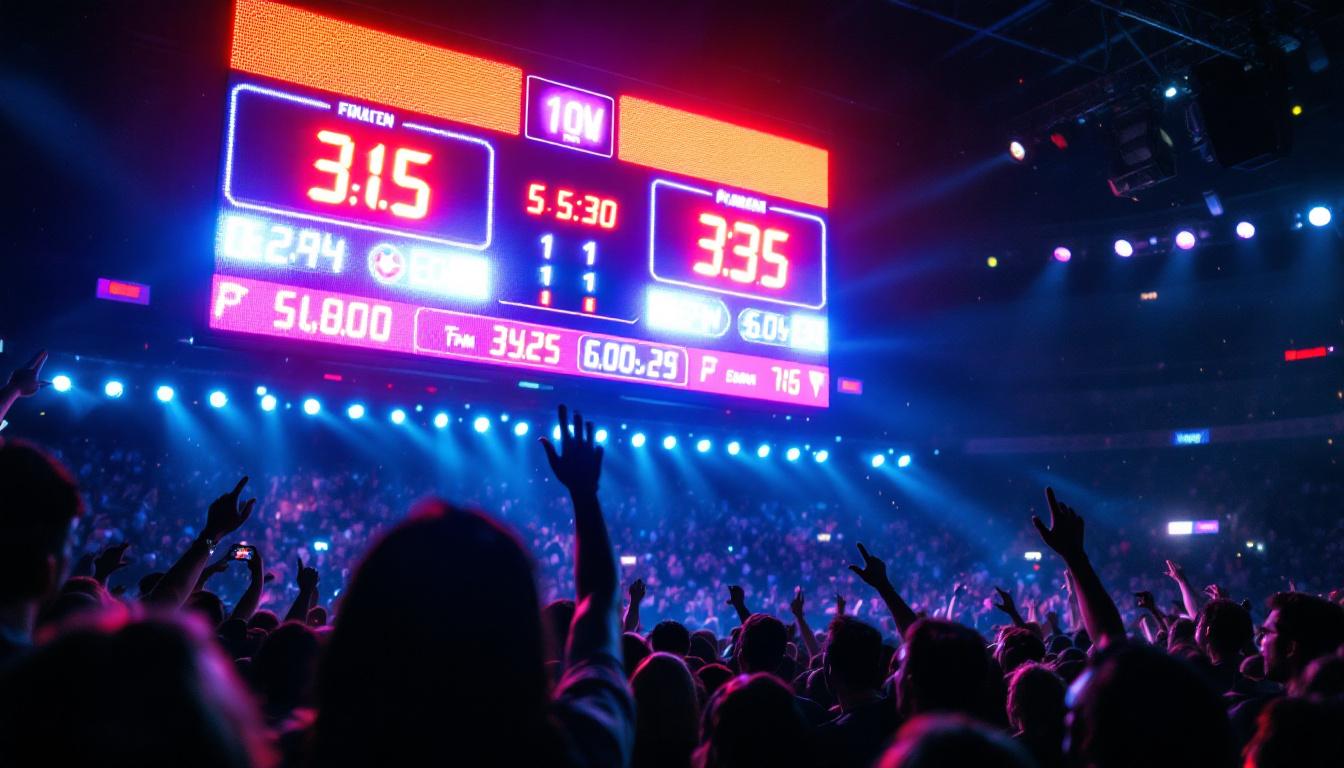
Stadiums and arenas utilize large LED screens to enhance the spectator experience, providing live feeds, replays, and interactive content. The ability to produce high-resolution images visible from great distances makes LED displays indispensable in these settings.
Retail and Hospitality
Retailers use LED displays to attract customers, showcase products, and create immersive brand experiences. Hotels and restaurants employ LED screens for ambience, information, and entertainment, enhancing customer engagement.
Transportation and Public Spaces
Airports, train stations, and bus terminals rely on LED displays for real-time information, wayfinding, and alerts. Their high visibility and reliability are critical for effective communication in these environments.
Corporate and Control Rooms
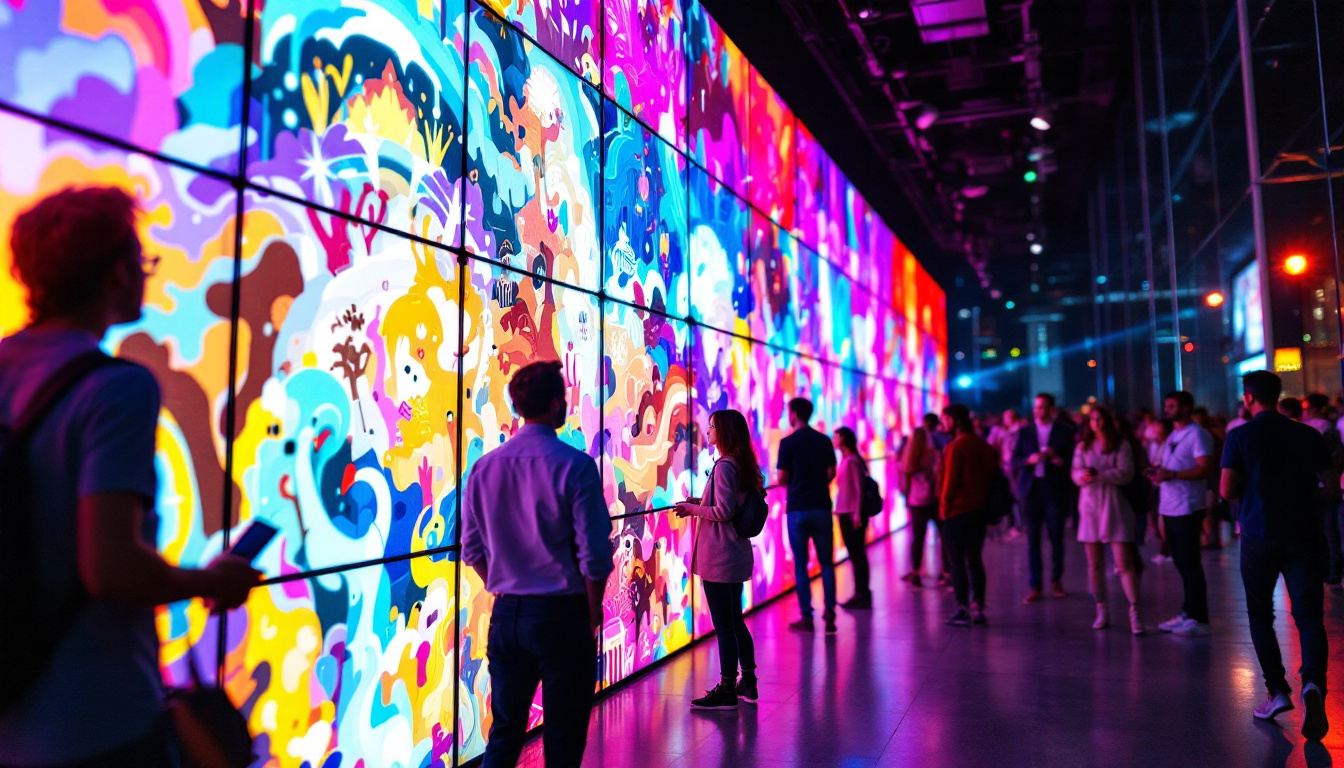
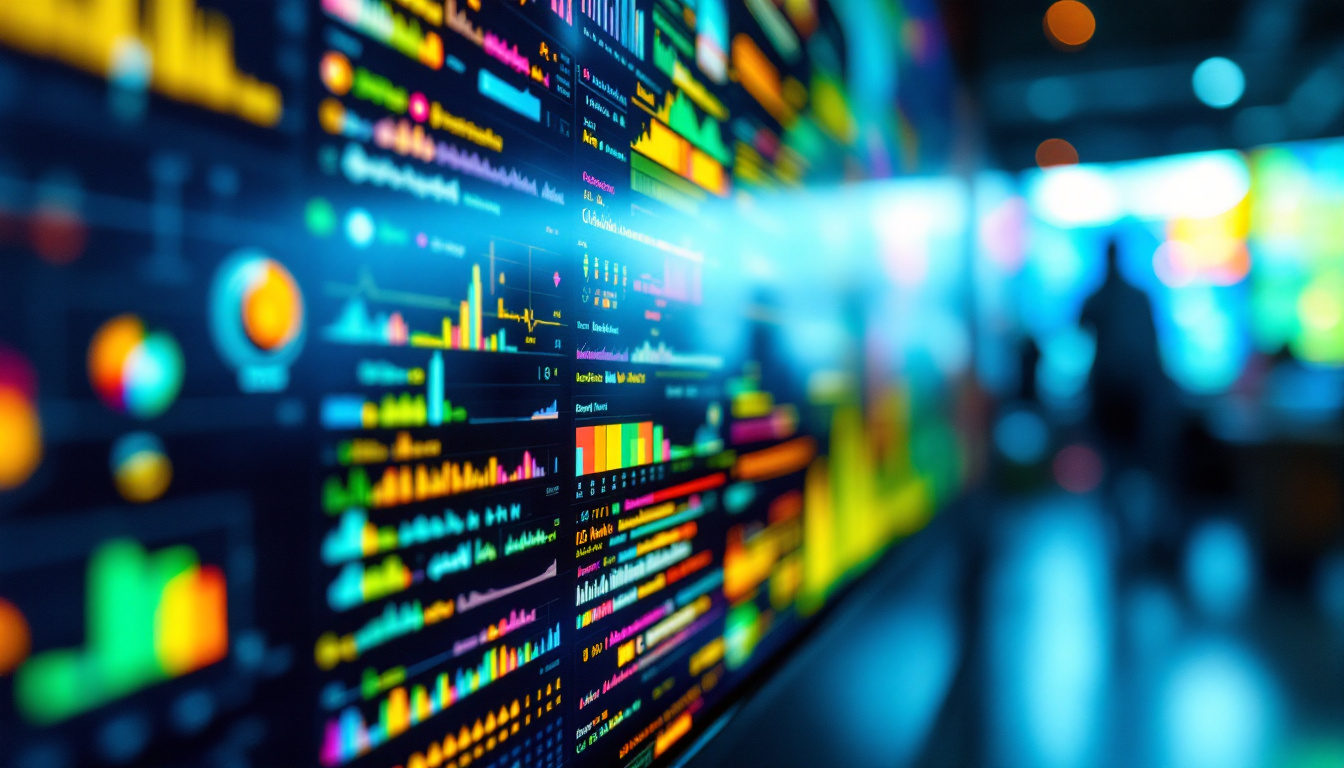
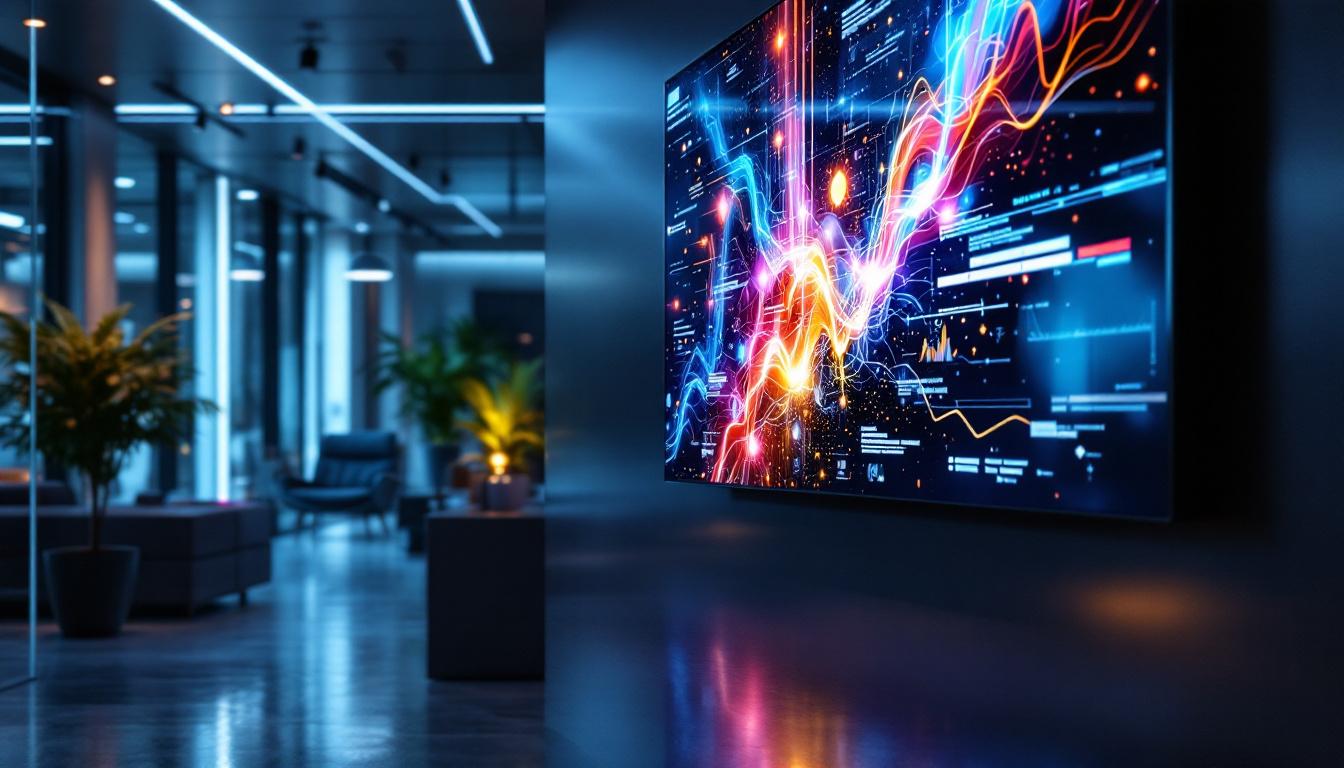
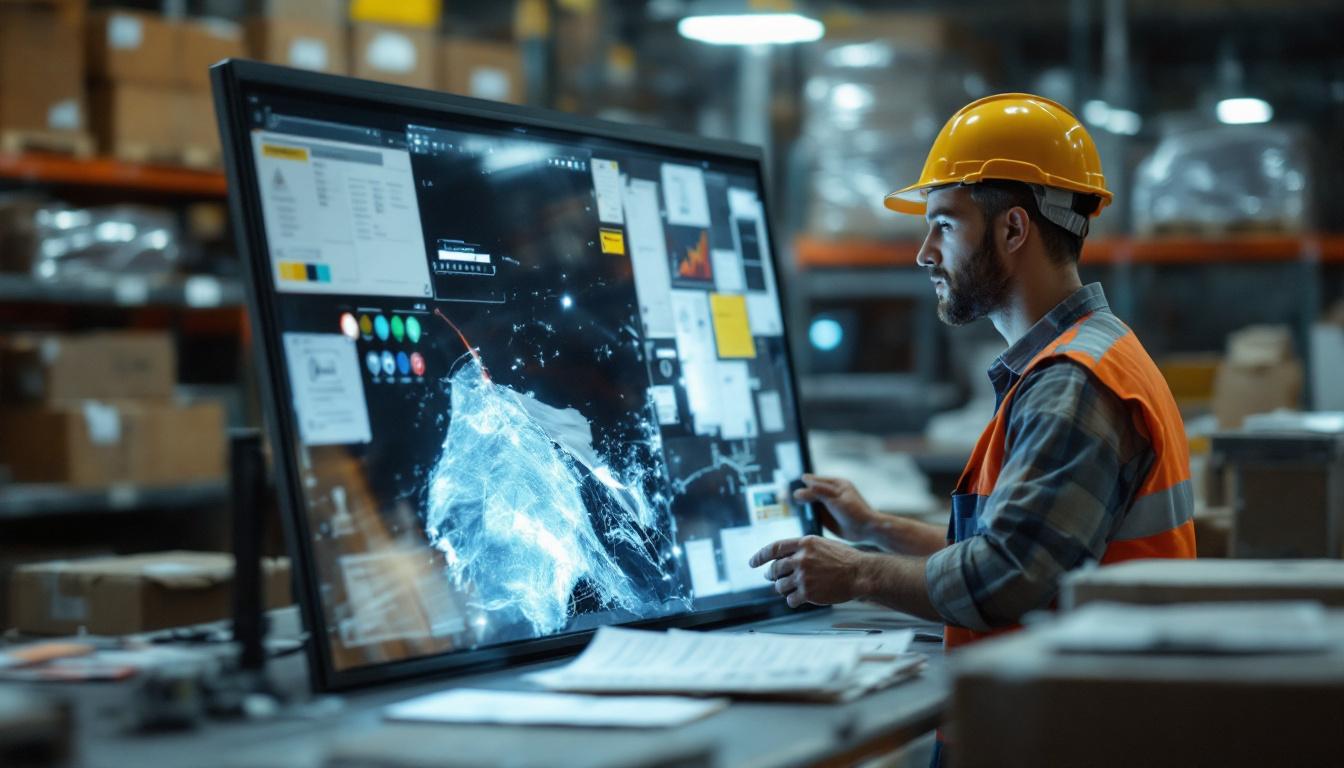
In corporate settings, LED video walls facilitate presentations, video conferencing, and data visualization. Control rooms in industries such as utilities, security, and traffic management benefit from the clarity and responsiveness of LED displays for monitoring and decision-making.
Future Trends in LED Display Technology
The LED display industry continues to innovate, driven by demand for higher performance, new form factors, and enhanced user experiences.
Micro-LED and Mini-LED Advancements
Micro-LED technology promises to revolutionize displays by offering pixel-level control, higher brightness, and improved energy efficiency. Although still emerging, Micro-LEDs are expected to compete with OLEDs in premium applications such as smartphones, TVs, and augmented reality devices.
Integration with IoT and AI
Smart LED displays integrated with Internet of Things (IoT) sensors and Artificial Intelligence (AI) enable dynamic content adaptation based on audience demographics, environmental conditions, and user interactions. This capability enhances marketing effectiveness and operational efficiency.
Eco-Friendly Materials and Manufacturing
Environmental concerns are prompting manufacturers to adopt sustainable materials and processes in LED panel production. Innovations in recyclable components and energy-saving designs contribute to greener display solutions.
Higher Resolutions and Pixel Densities
As pixel pitch continues to shrink, LED displays will achieve resolutions rivaling traditional screens, expanding their use in applications demanding ultra-fine detail, such as medical imaging and virtual reality.
Conclusion
LED display panels have transformed the landscape of digital communication, offering unparalleled brightness, flexibility, and durability. Their modular design and technological advancements make them suitable for a vast array of applications, from advertising to entertainment and beyond. As innovations like Micro-LED and AI integration mature, LED displays will become even more immersive and intelligent, shaping the future of visual media.
For businesses and organizations looking to invest in display technology, understanding the nuances of LED panels—from types and components to advantages and trends—is essential for making informed decisions that align with their goals and environments.
Discover LumenMatrix LED Display Solutions
Ready to elevate your visual communication with cutting-edge LED technology? Explore LumenMatrix’s comprehensive range of LED display modules, designed to captivate and engage your audience. Whether you’re in need of an Indoor LED Wall Display, a robust Outdoor LED Wall Display, or specialized solutions like Vehicle LED Displays and Floor LED Displays, LumenMatrix has the expertise to bring your vision to life. Embrace the future of digital signage with our Custom LED Displays, All-in-One LED Displays, and revolutionary LED Transparent Displays. Check out LumenMatrix LED Display Solutions today and transform your brand’s visibility with clarity and impact.