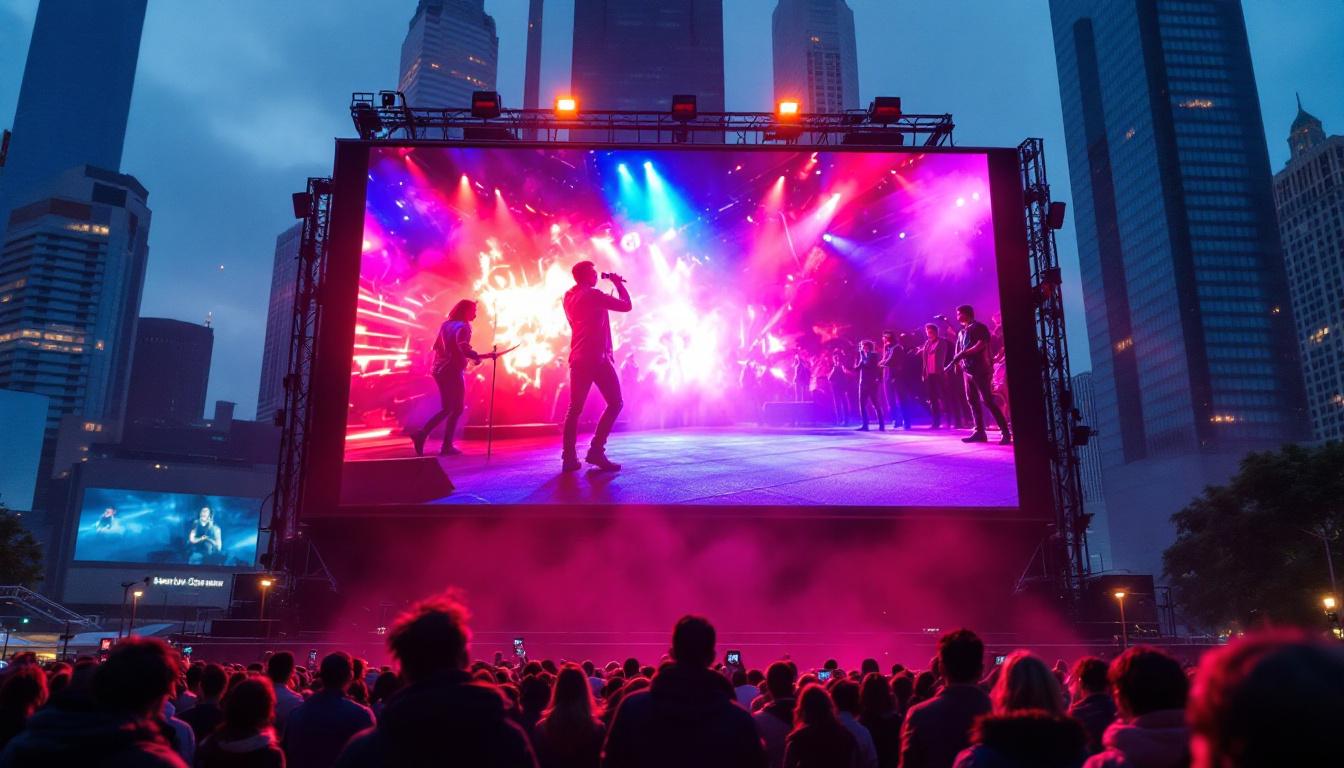
In today’s fast-paced digital world, large-scale displays have become an integral part of advertising, entertainment, and public communication. Among these, the Jumbotron TV stands out as a captivating visual medium that commands attention in stadiums, concerts, shopping centers, and urban landscapes. But what exactly is a Jumbotron TV, and how does its LED display technology work to deliver such vivid and dynamic images? This article delves into the inner workings of Jumbotron TVs, exploring LED display technology, its applications, benefits, and future trends.
Understanding Jumbotron TVs: What Are They?
A Jumbotron TV is essentially a giant video screen designed to display high-resolution video and images to large audiences. The term “Jumbotron” was originally a brand name coined by Sony in the 1980s for their large-screen video displays. Today, it has become a generic term for massive LED display screens used in public venues.
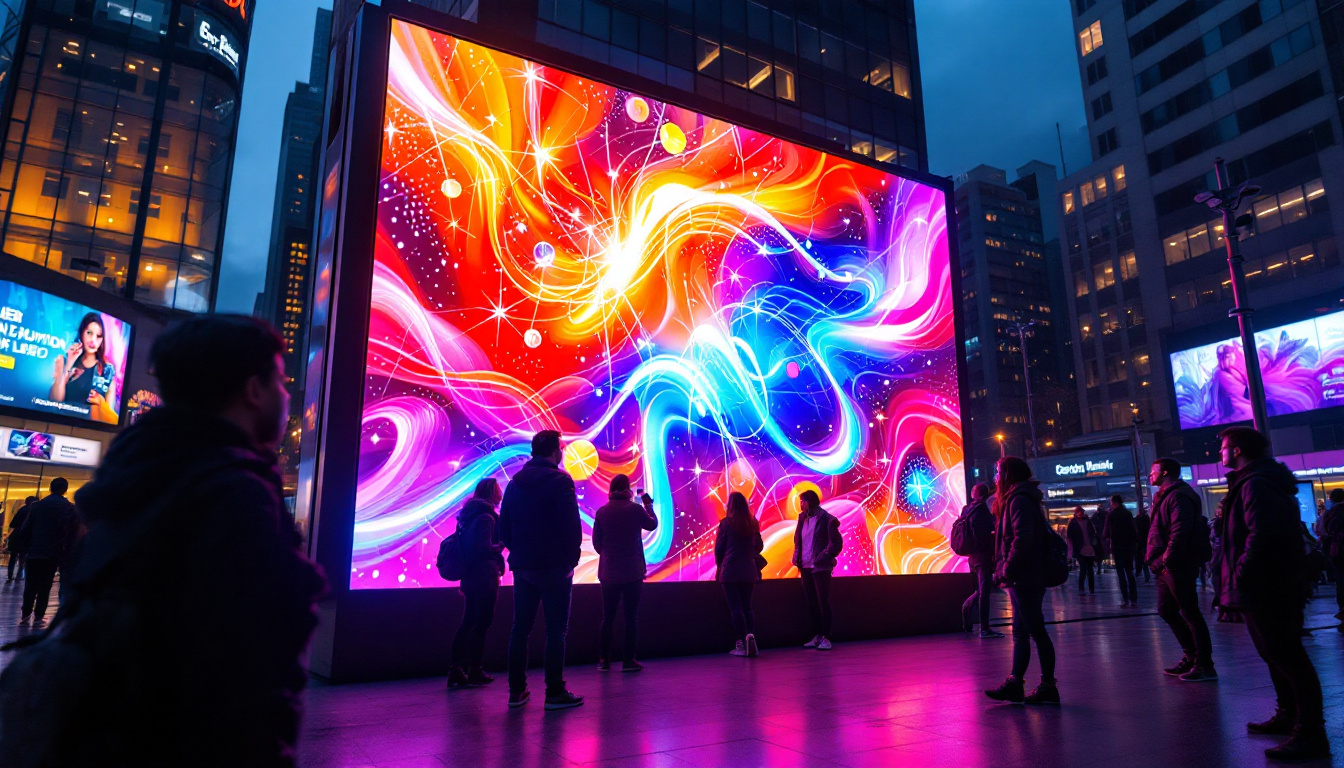
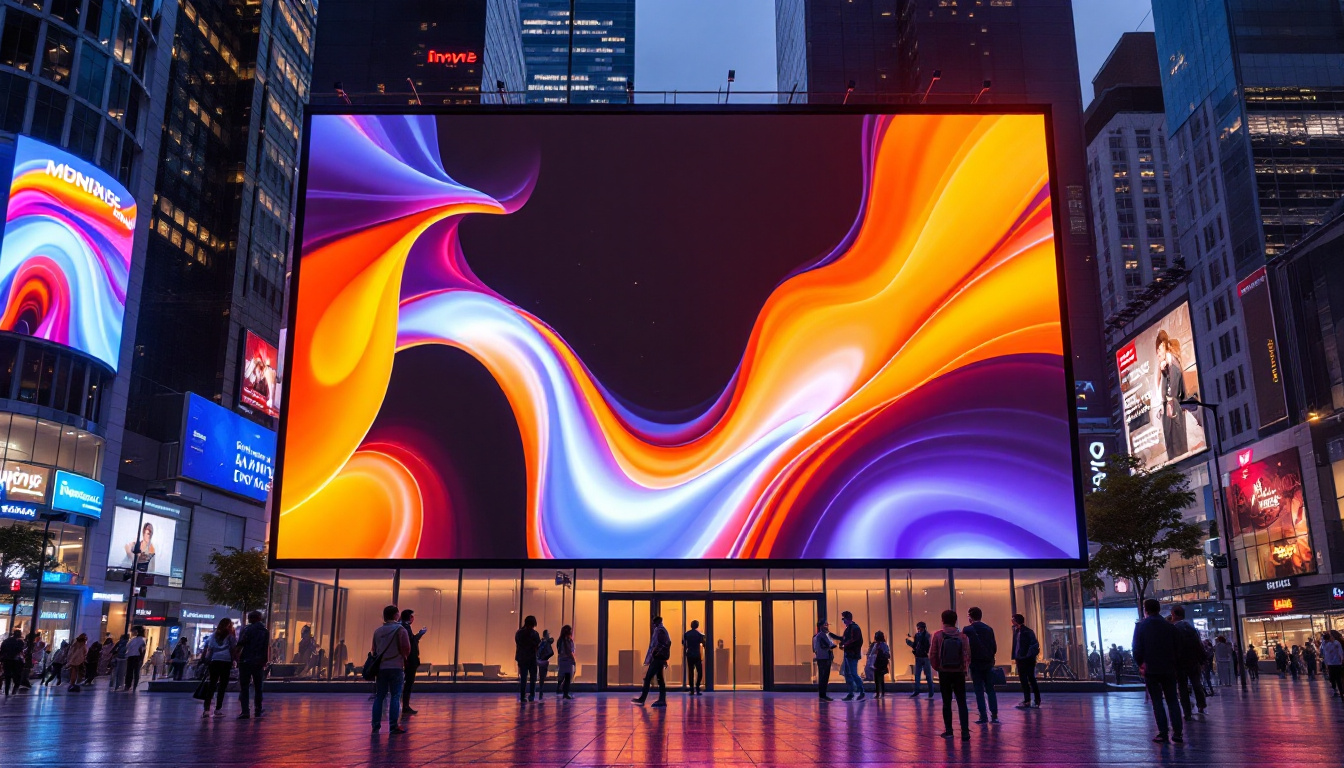
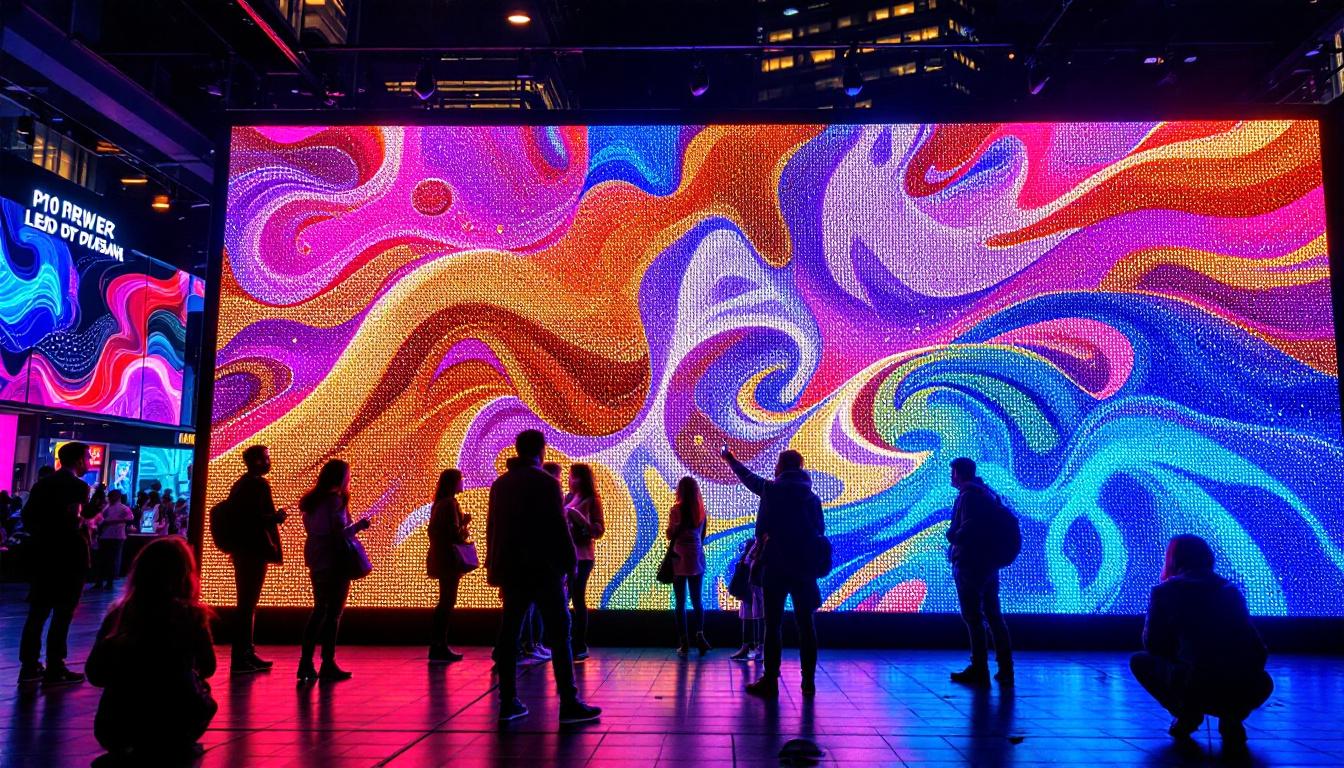
These displays are typically installed in stadiums, arenas, outdoor events, and commercial spaces to broadcast live events, advertisements, or informational content. Their sheer size and brightness make them visible from hundreds of meters away, ensuring that every spectator has a clear view regardless of their seating position.
Unlike traditional projection screens or LCD panels, Jumbotron TVs rely on LED (Light Emitting Diode) technology, which offers superior brightness, durability, and energy efficiency. This makes them ideal for both indoor and outdoor use, even under direct sunlight.
Moreover, Jumbotron TVs are equipped with advanced technology that allows for seamless integration with various media sources, including live feeds, pre-recorded videos, and interactive content. This versatility enables event organizers to create dynamic presentations that can engage audiences in real-time. For instance, during a sports event, these screens can display instant replays, player statistics, and fan interactions, enhancing the overall experience for attendees.
In addition to their use in entertainment venues, Jumbotron TVs have found applications in advertising and branding. Businesses leverage these large screens to capture the attention of passersby with vibrant visuals and compelling messages. From bustling city squares to shopping malls, Jumbotron displays serve as powerful marketing tools that can significantly increase brand visibility and consumer engagement. With the ability to update content remotely, advertisers can tailor their messages to suit different times of day or specific events, maximizing their impact and reach.
The Technology Behind Jumbotron TVs: LED Displays Explained
What is an LED Display?
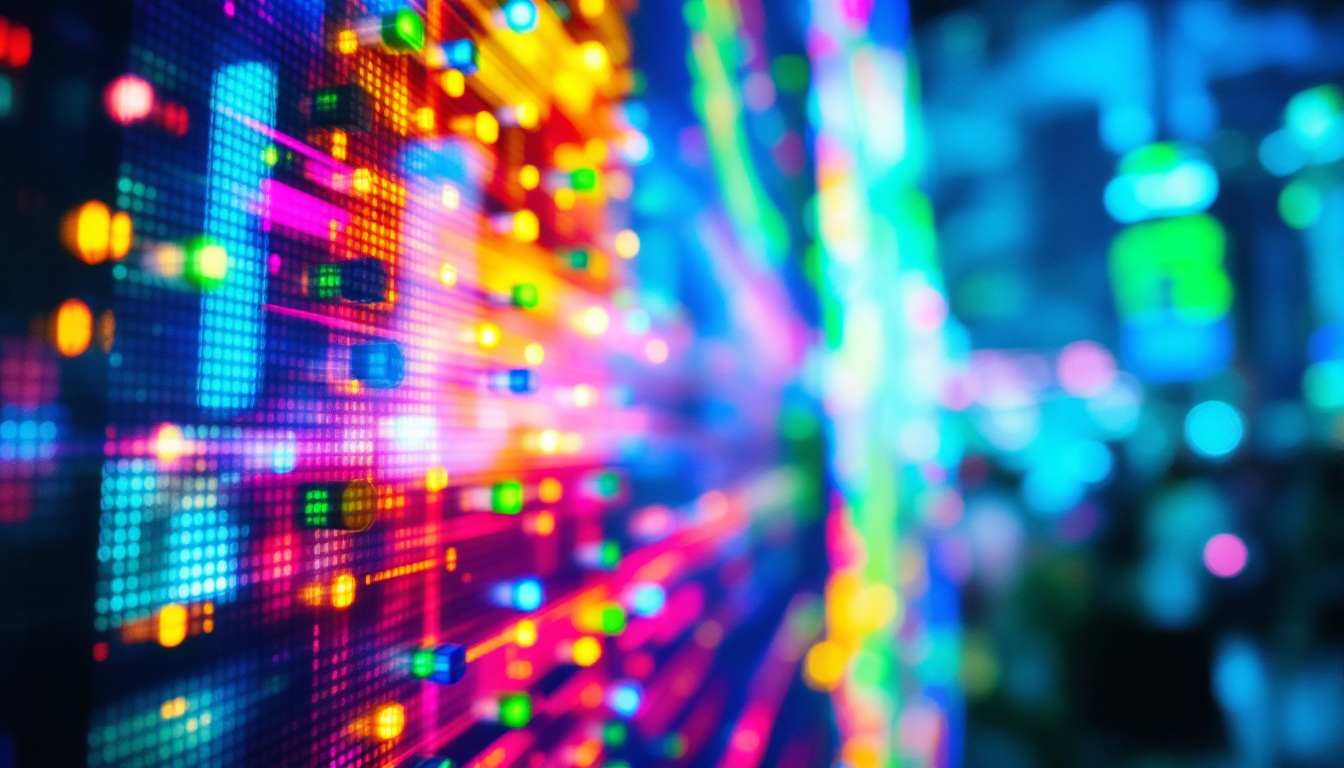
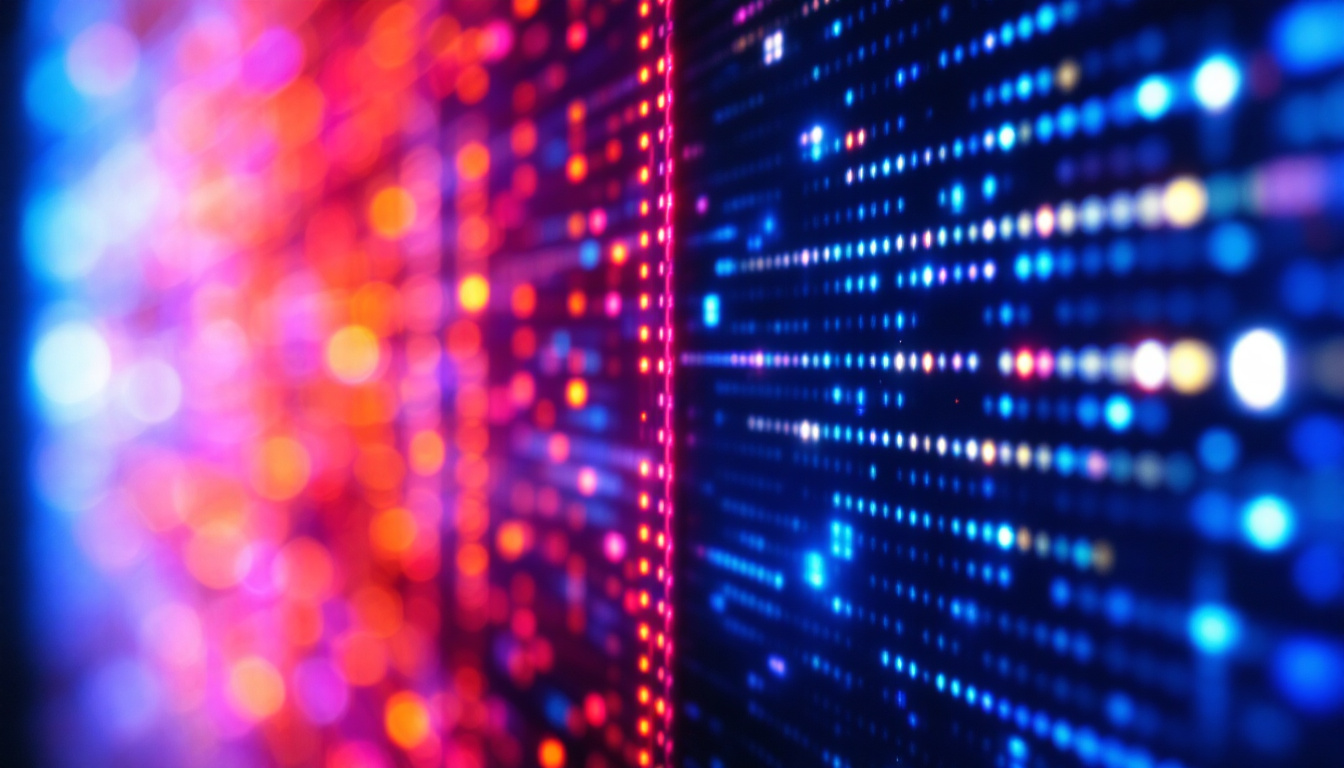
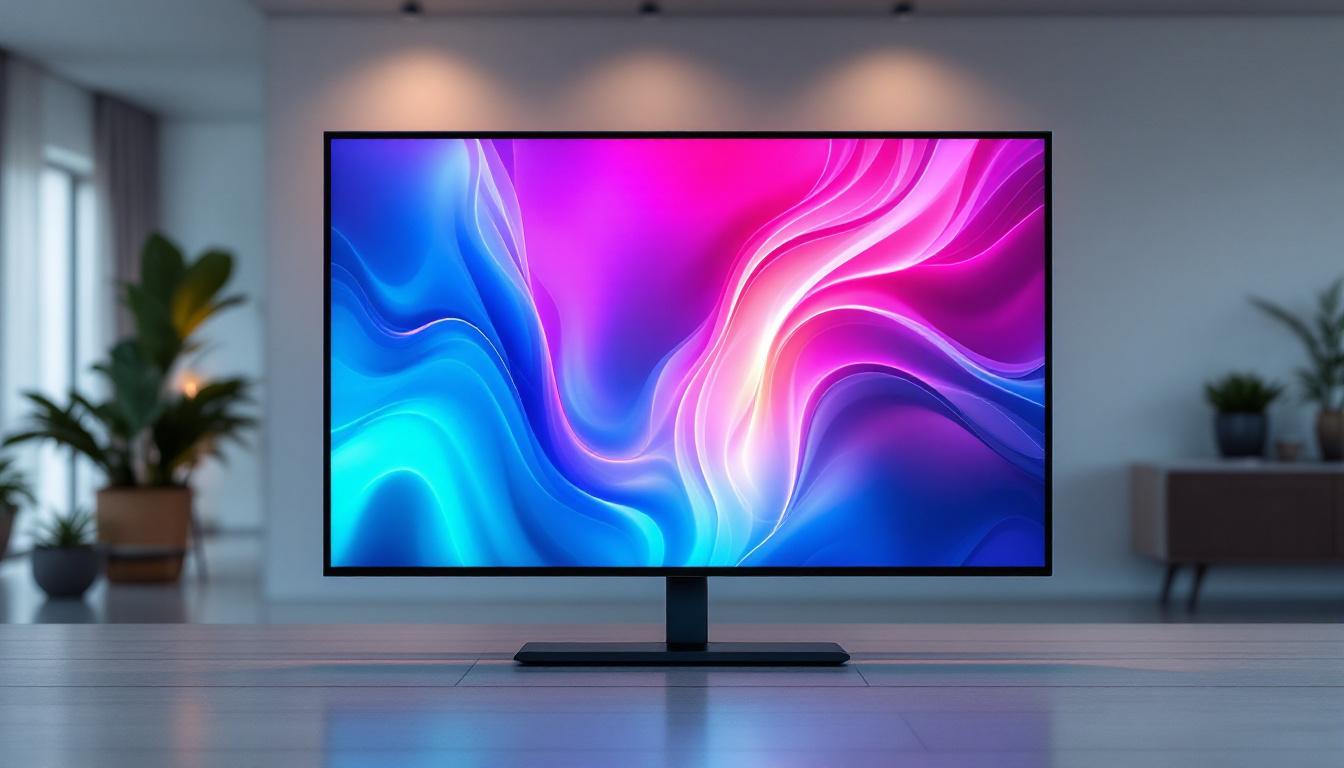
LED displays are flat panels that use an array of light-emitting diodes as pixels to create images. Each pixel is composed of tiny red, green, and blue LEDs that combine to produce a full spectrum of colors. By controlling the brightness of each LED, the display can render detailed images and videos with high contrast and vibrant colors.
In Jumbotron TVs, these LEDs are arranged in modules or panels that are seamlessly joined to form a large screen. The modular design allows for flexible sizes and shapes, catering to the specific requirements of the installation site.
How Do LED Displays Work?
The core principle of LED displays is the emission of light from semiconductor diodes when an electric current passes through them. This self-emissive property means LEDs don’t require backlighting, unlike LCDs, resulting in better contrast ratios and deeper blacks.
Each LED pixel can be individually controlled through a driver circuit that adjusts the intensity of the red, green, and blue diodes. By rapidly switching these LEDs on and off and varying their brightness, the display creates the illusion of motion and color gradation.
For large-scale displays like Jumbotrons, the screen is divided into thousands of these pixels, often arranged in a grid with pixel pitches ranging from 1.2mm to over 20mm. The pixel pitch determines the resolution and viewing distance; smaller pitches yield higher resolution but are more expensive and typically used for close-up viewing.
Types of LED Displays Used in Jumbotron TVs
There are primarily two types of LED technologies used in Jumbotron TVs: SMD (Surface-Mounted Device) and DIP (Dual In-line Package).
- SMD LED Displays: These use tiny LEDs mounted directly onto the surface of a circuit board. They offer high resolution and excellent color uniformity, making them suitable for indoor or close-range viewing.
- DIP LED Displays: DIP LEDs are larger and more robust, designed for high brightness and outdoor durability. They are ideal for stadiums and outdoor advertising where visibility under sunlight is critical.
Modern Jumbotron TVs often combine these technologies or use advanced variants to optimize performance based on environmental conditions and viewing requirements.
Applications of Jumbotron TVs
Sports and Entertainment Venues
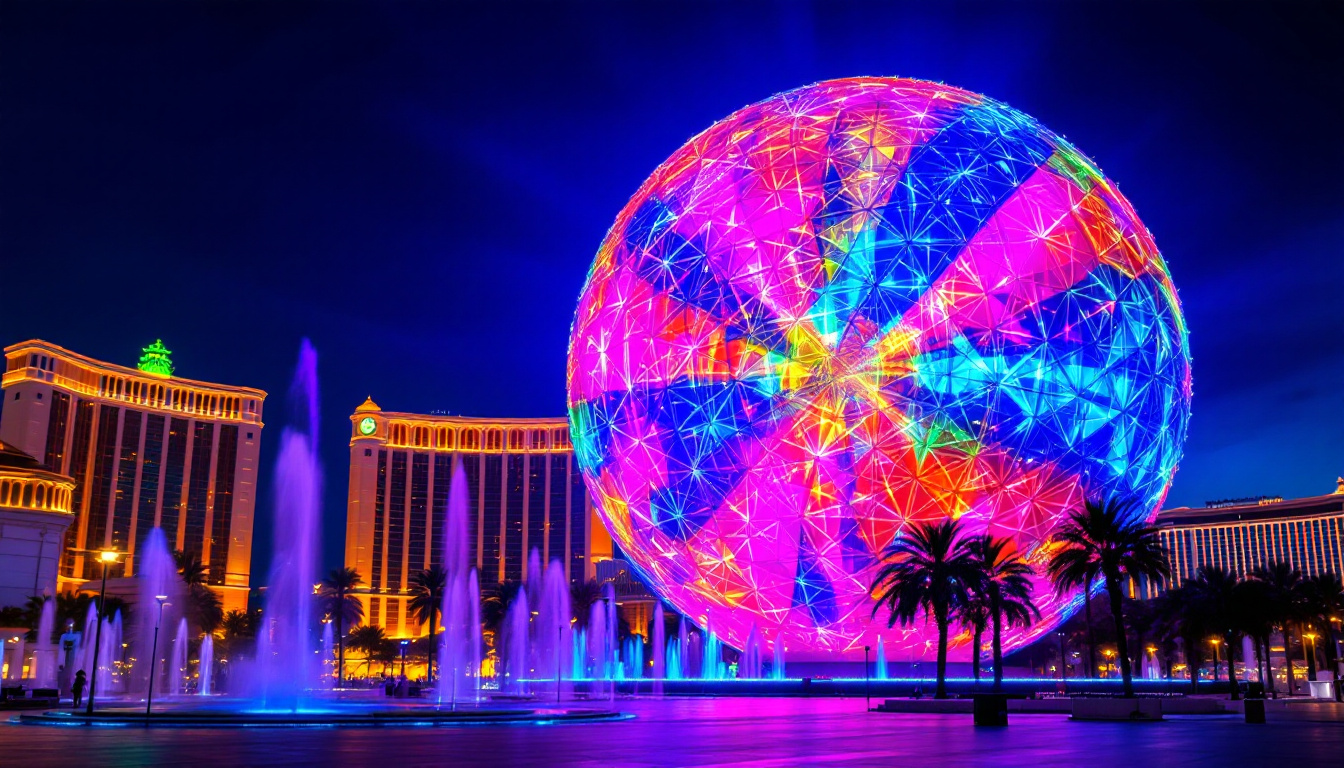
One of the most common uses of Jumbotron TVs is in sports arenas and concert venues. These giant screens enhance the spectator experience by displaying live footage, instant replays, player statistics, and interactive content. For example, the AT&T Stadium in Texas features one of the largest center-hung video boards in the world, measuring approximately 160 feet wide by 72 feet tall, delivering crystal-clear images to over 100,000 fans.
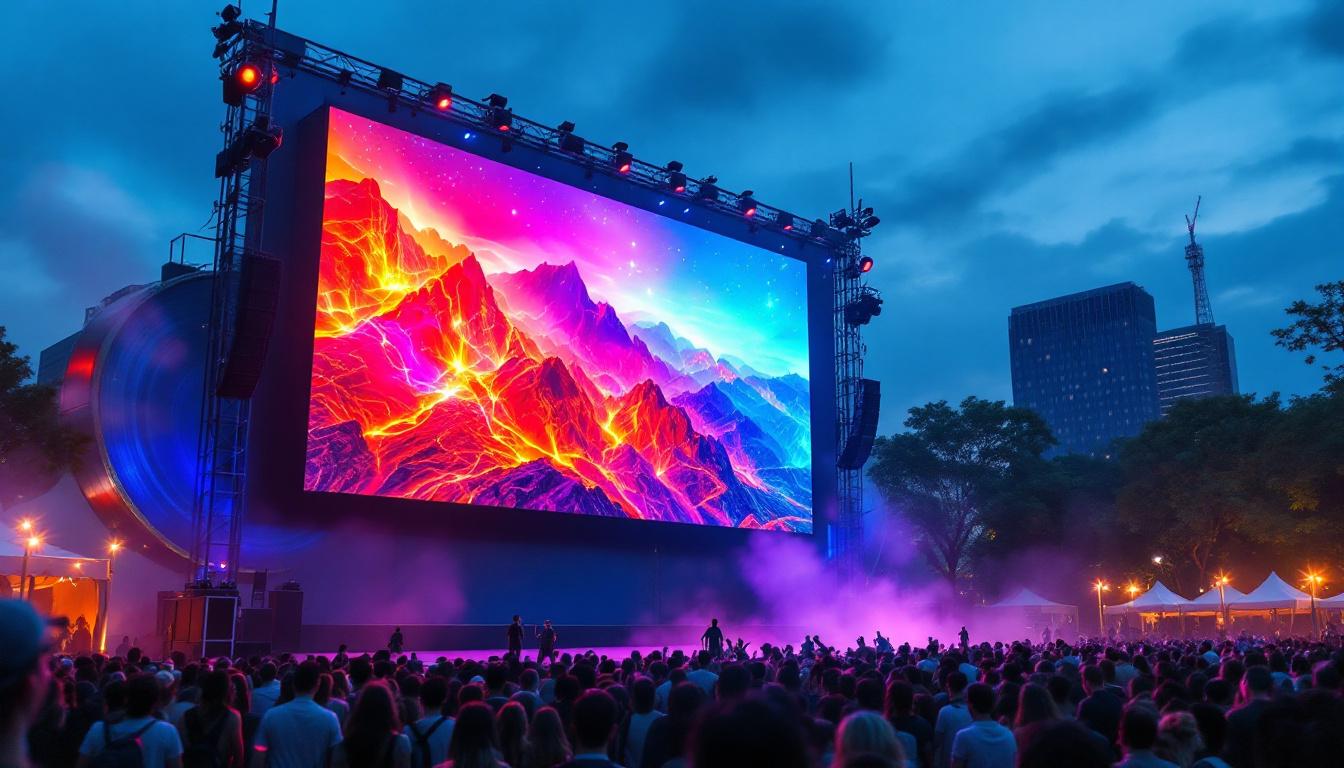
Beyond sports, concerts and festivals utilize Jumbotrons to project performers’ close-ups, visual effects, and multimedia content, ensuring that even those far from the stage remain engaged.
Advertising and Public Information Displays
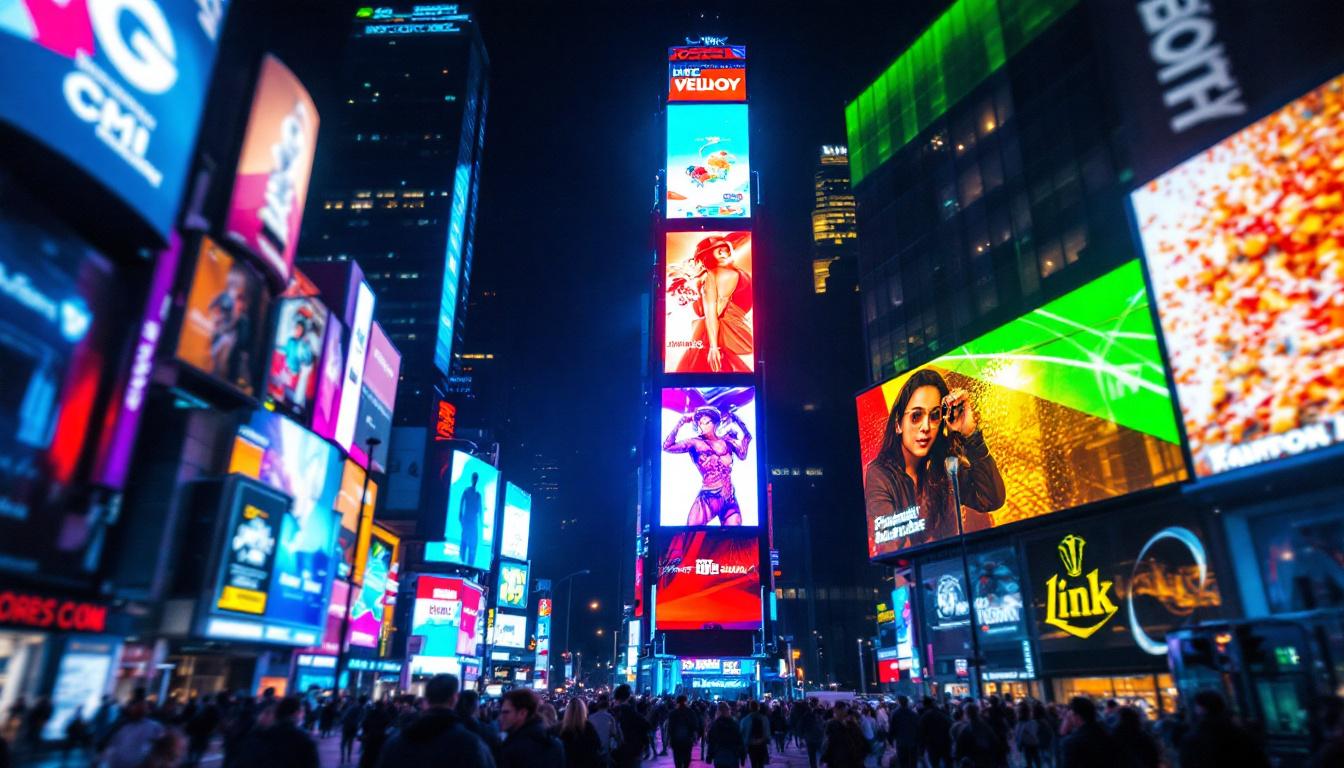
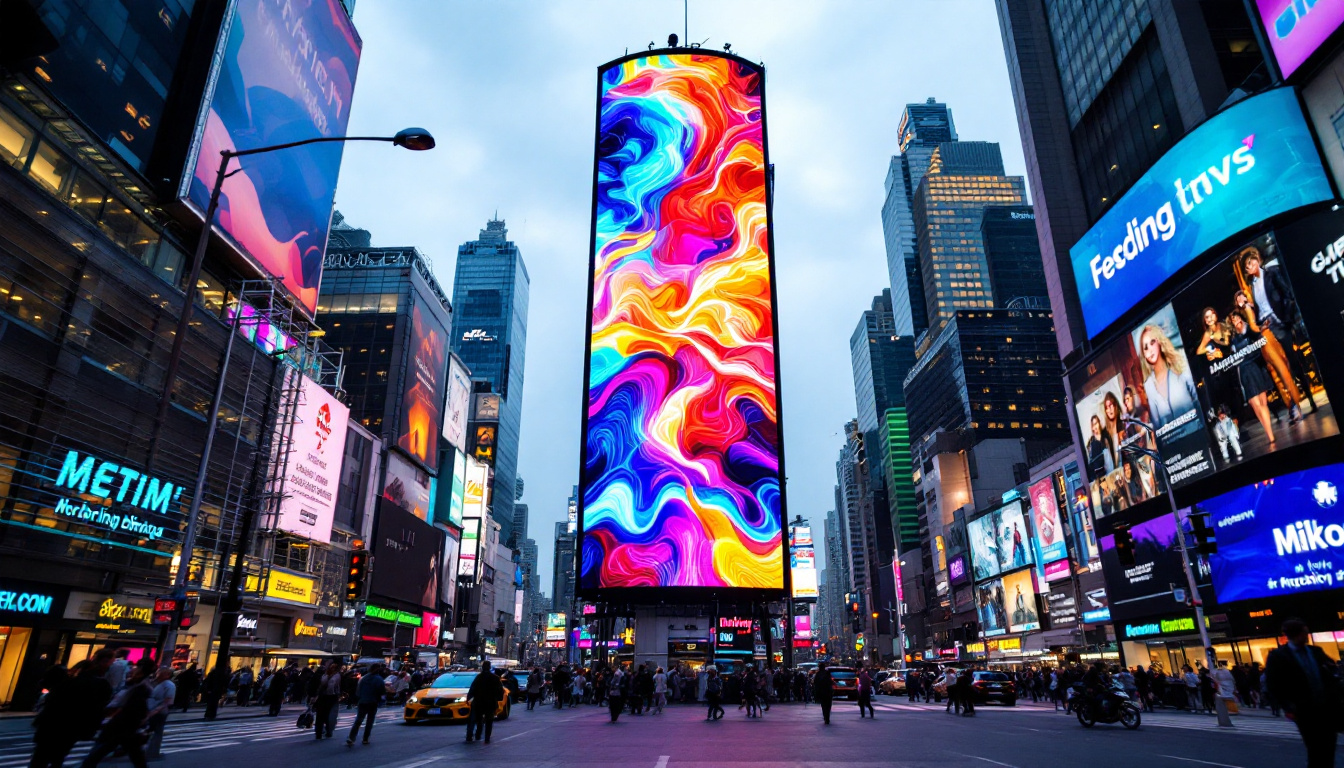
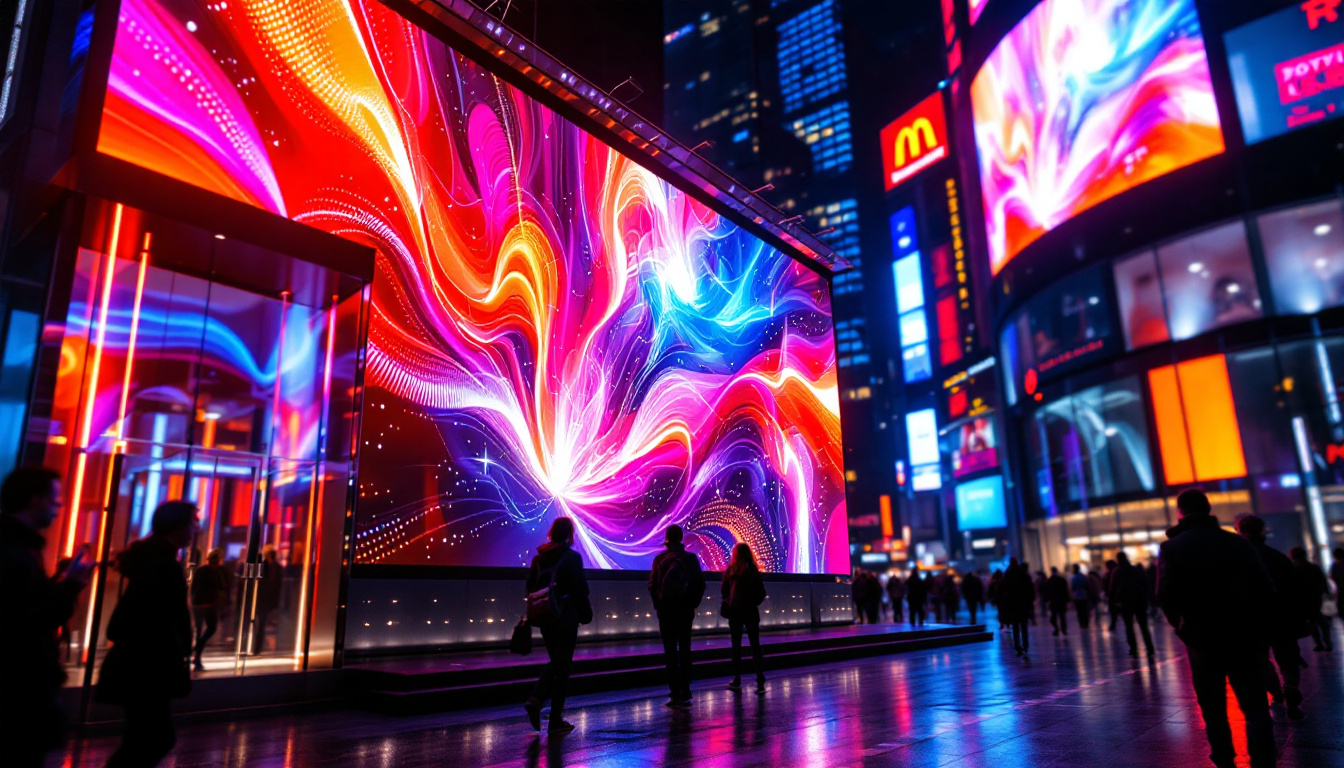
Jumbotron TVs have revolutionized outdoor advertising by enabling dynamic, eye-catching digital billboards. Times Square in New York City is a prime example, where massive LED screens broadcast vibrant advertisements that change in real-time, capturing the attention of millions of pedestrians daily.
Additionally, cities use these displays for public service announcements, emergency alerts, and event promotions. Their high visibility and adaptability make them invaluable tools for communication in urban environments.
Corporate and Retail Environments
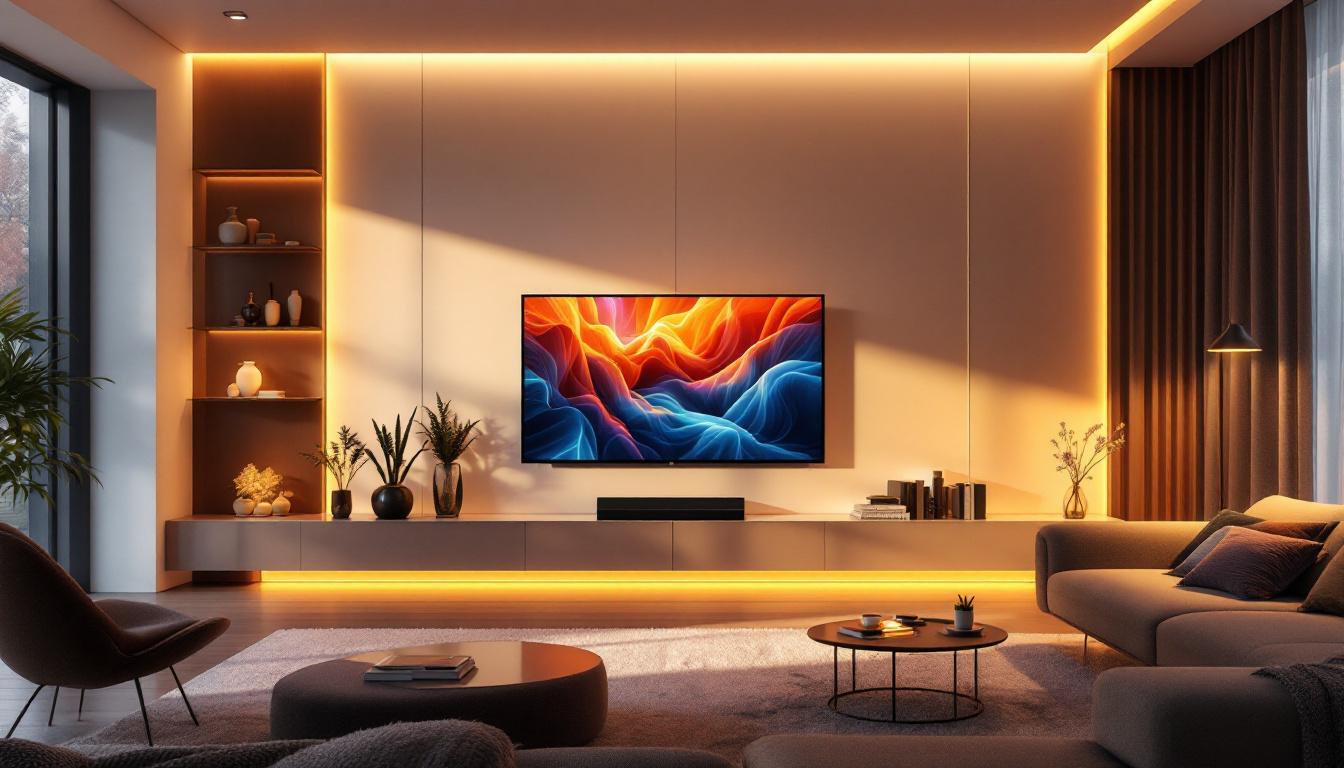
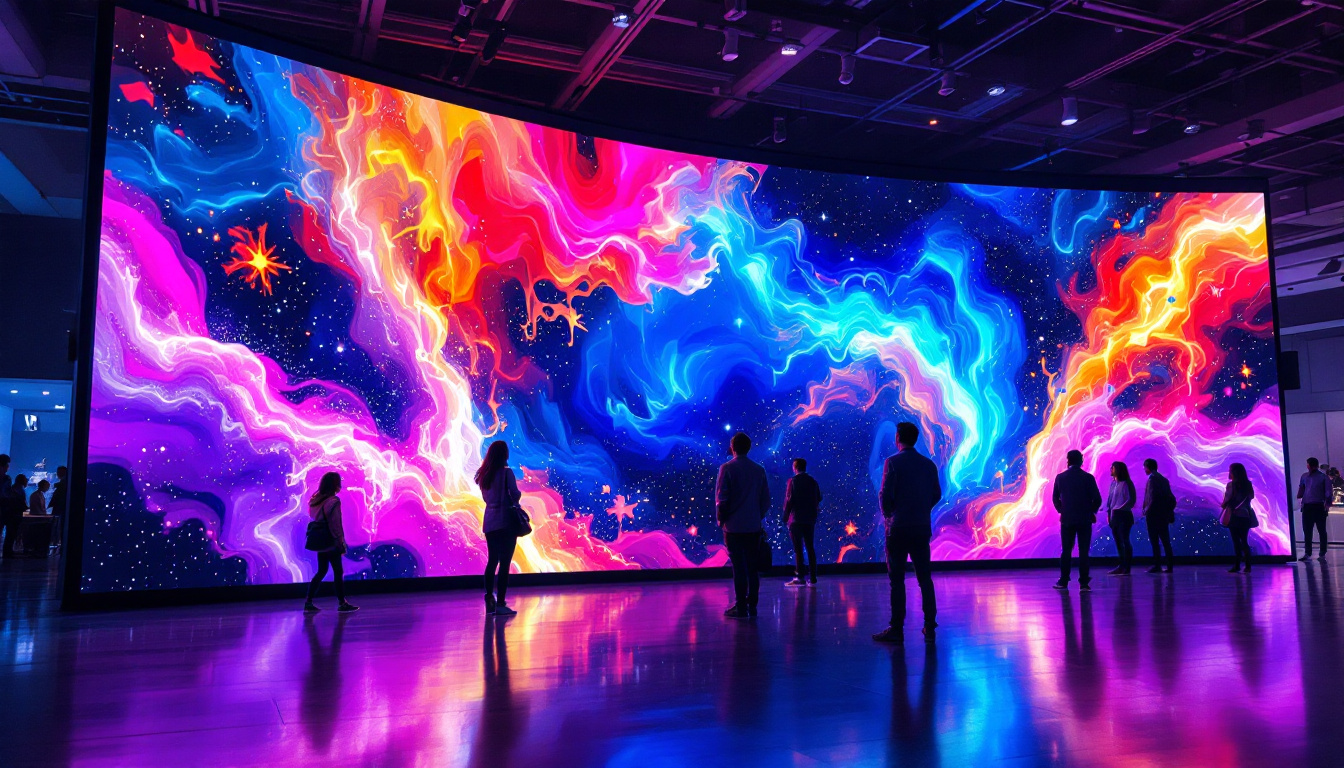
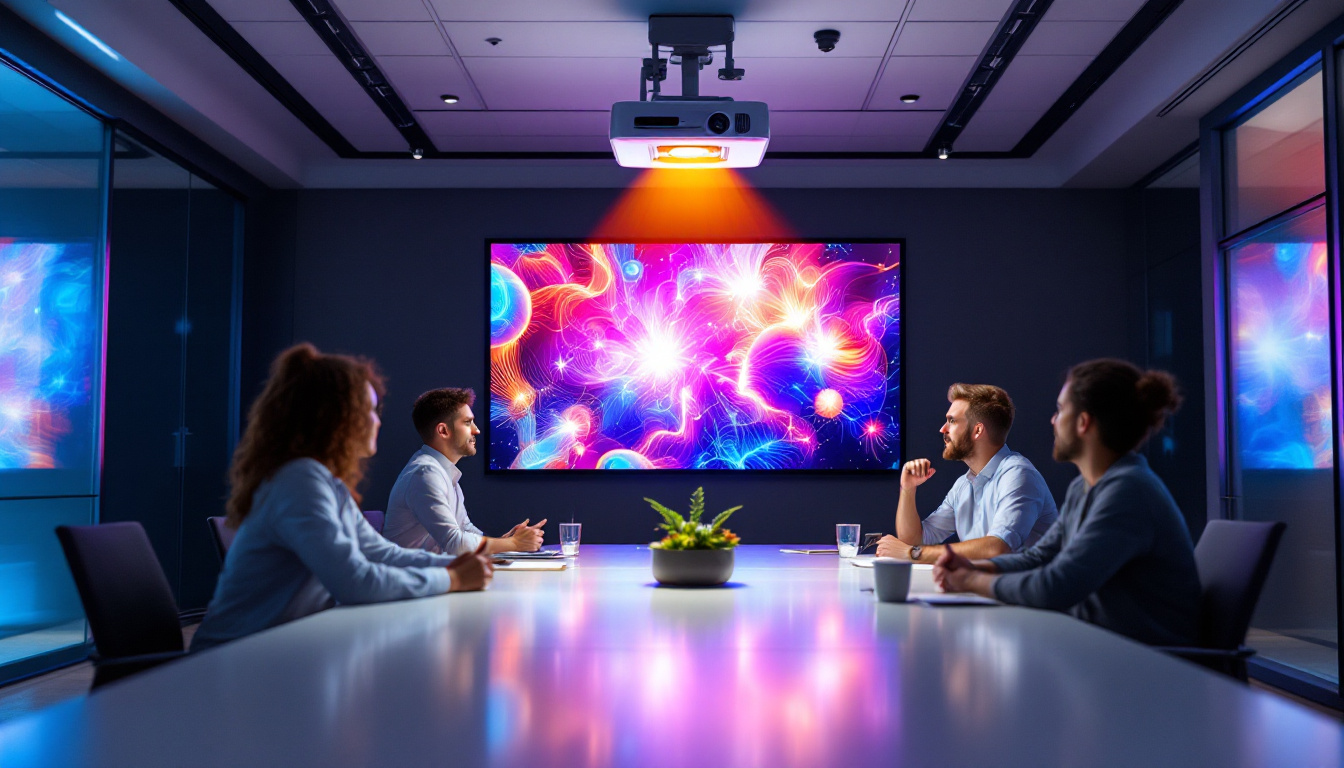
In corporate settings, Jumbotron TVs serve as impressive digital signage for lobbies, conference rooms, and trade shows. Retailers use them to showcase product videos, promotions, and interactive content that enhances customer engagement and drives sales.
The ability to update content remotely and instantly makes LED Jumbotron displays a flexible marketing solution for businesses of all sizes.
Advantages of LED Jumbotron TVs
Superior Brightness and Visibility
One of the most significant advantages of LED Jumbotron TVs is their exceptional brightness. Modern LED displays can reach brightness levels of up to 8,000 nits or more, far surpassing traditional LCD or projection screens. This ensures clear visibility even in direct sunlight, which is crucial for outdoor installations.
Energy Efficiency and Longevity
LEDs are known for their energy efficiency, consuming significantly less power than other display technologies. This translates into lower operational costs and a smaller environmental footprint. Additionally, LED displays have a long lifespan, often exceeding 100,000 hours of operation, reducing maintenance and replacement expenses.
Durability and Weather Resistance
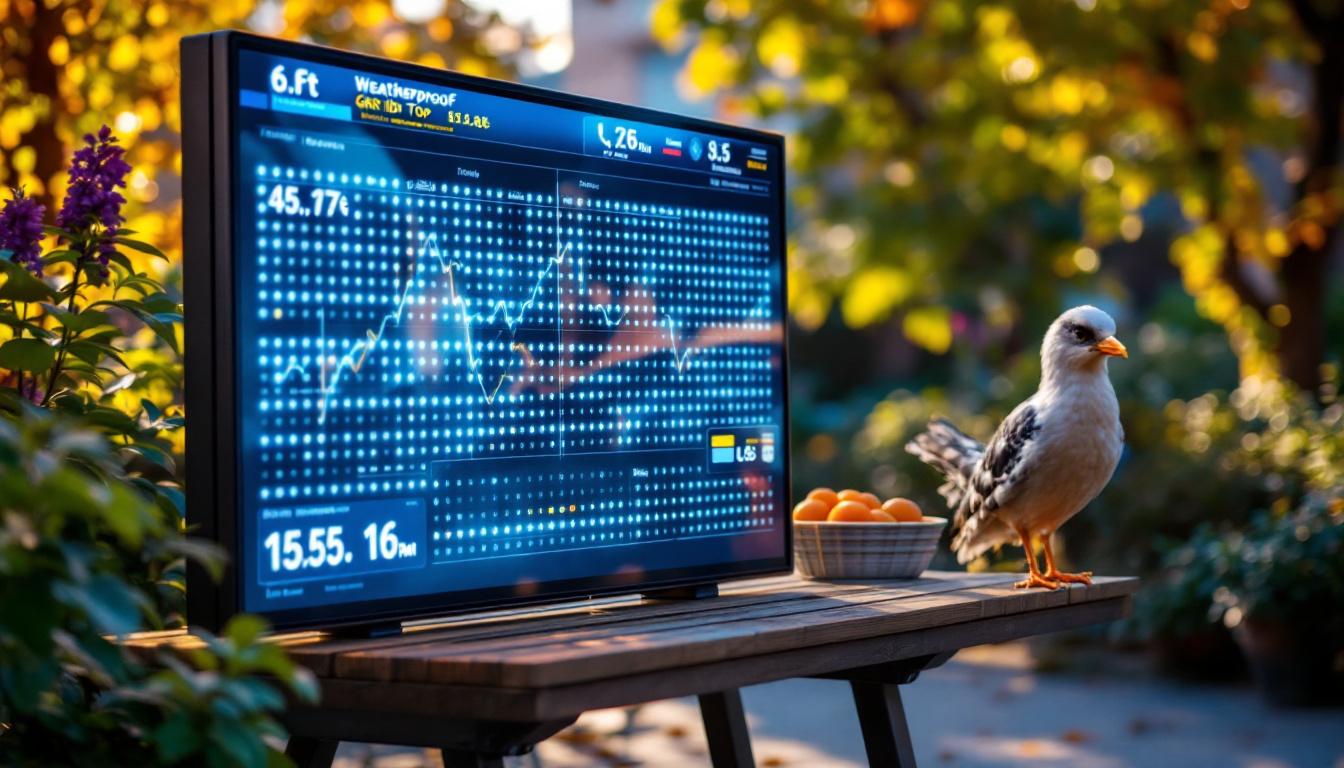
Jumbotron TVs designed for outdoor use are built to withstand harsh weather conditions, including rain, wind, dust, and extreme temperatures. Their robust construction and protective coatings ensure reliable performance year-round, making them a dependable choice for permanent installations.
Flexible Design and Scalability
The modular nature of LED panels allows Jumbotron TVs to be customized in size and shape, fitting unique architectural spaces or event requirements. This scalability enables installations ranging from small indoor displays to massive outdoor screens spanning thousands of square feet.
Considerations When Choosing a Jumbotron TV
Resolution and Pixel Pitch
Choosing the right resolution depends on the intended viewing distance and content type. For close-up viewing, such as indoor events or corporate lobbies, a smaller pixel pitch (1.2mm to 4mm) is preferable to ensure sharp images. Outdoor stadiums or billboards typically use larger pixel pitches (10mm to 20mm) since viewers are farther away.
Brightness and Contrast Ratio
Brightness must be sufficient to overcome ambient light, especially outdoors. Contrast ratio affects image depth and color richness, enhancing the overall viewing experience. High-quality Jumbotron TVs balance these factors to deliver vivid, lifelike visuals.
Installation and Maintenance
Proper installation is critical for safety and performance. Factors such as mounting structure, ventilation, and access for maintenance should be carefully planned. Many manufacturers offer service contracts and remote monitoring to ensure optimal operation and quick troubleshooting.
Cost and Budgeting
While LED Jumbotron TVs represent a significant investment, their benefits in visibility, durability, and energy savings often justify the cost. Budget considerations should include not only the initial purchase but also installation, maintenance, and content management expenses.
The Future of Jumbotron TVs and LED Displays
Advancements in LED technology continue to push the boundaries of what Jumbotron TVs can achieve. MicroLED and miniLED innovations promise even higher resolutions, improved color accuracy, and thinner, lighter panels. These developments will enable more immersive and flexible display solutions across various industries.
Moreover, integration with smart technologies such as AI-driven content management, augmented reality (AR), and interactive capabilities will transform Jumbotron TVs from passive screens into dynamic engagement platforms. This evolution will enhance audience interaction and create new opportunities for advertisers and event organizers.
Environmental sustainability is also a growing focus, with manufacturers striving to develop eco-friendly materials and energy-efficient designs that reduce the carbon footprint of large-scale displays.
Conclusion
Jumbotron TVs equipped with LED display technology have become indispensable in delivering impactful visual experiences across sports, entertainment, advertising, and corporate sectors. Their unparalleled brightness, durability, and flexibility make them ideal for engaging large audiences in diverse environments.
Understanding the technology behind these giant screens, including the types of LEDs, pixel pitch, and installation considerations, is essential for making informed decisions when investing in or utilizing Jumbotron TVs. As LED technology continues to evolve, these displays will become even more versatile, immersive, and environmentally sustainable, shaping the future of large-scale digital communication.
Discover LumenMatrix LED Display Solutions
Ready to elevate your visual experience with the latest in LED display technology? LumenMatrix is at the forefront of innovation, offering a diverse range of LED display solutions tailored to your needs. Whether you’re looking for Indoor LED Wall Displays, Outdoor LED Wall Displays, or specialized options like Vehicle LED Displays, LED Sports Displays, and more, LumenMatrix has you covered. Our mission is to transform your visual communication with displays that not only captivate audiences but also empower your brand to shine. Don’t miss out on the opportunity to make a lasting impression. Check out LumenMatrix LED Display Solutions today and see your message come to life like never before.