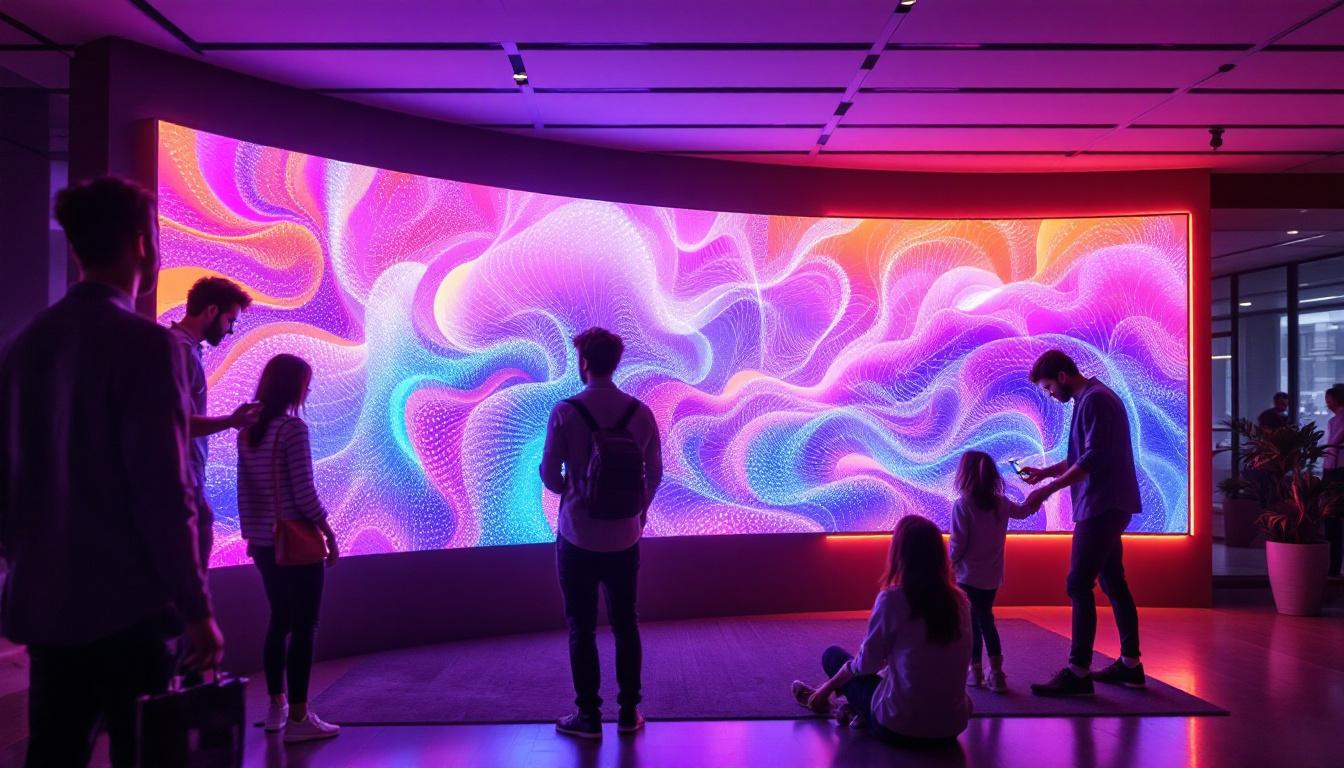
In the rapidly evolving world of digital displays, flexible LED walls have emerged as a groundbreaking innovation. Combining versatility with high-quality visuals, these displays are transforming how businesses, event organizers, and advertisers communicate with their audiences. This article delves into the technology behind flexible LED walls, their applications, advantages, and considerations for choosing the right solution.
Understanding Flexible LED Walls
What Is a Flexible LED Wall?
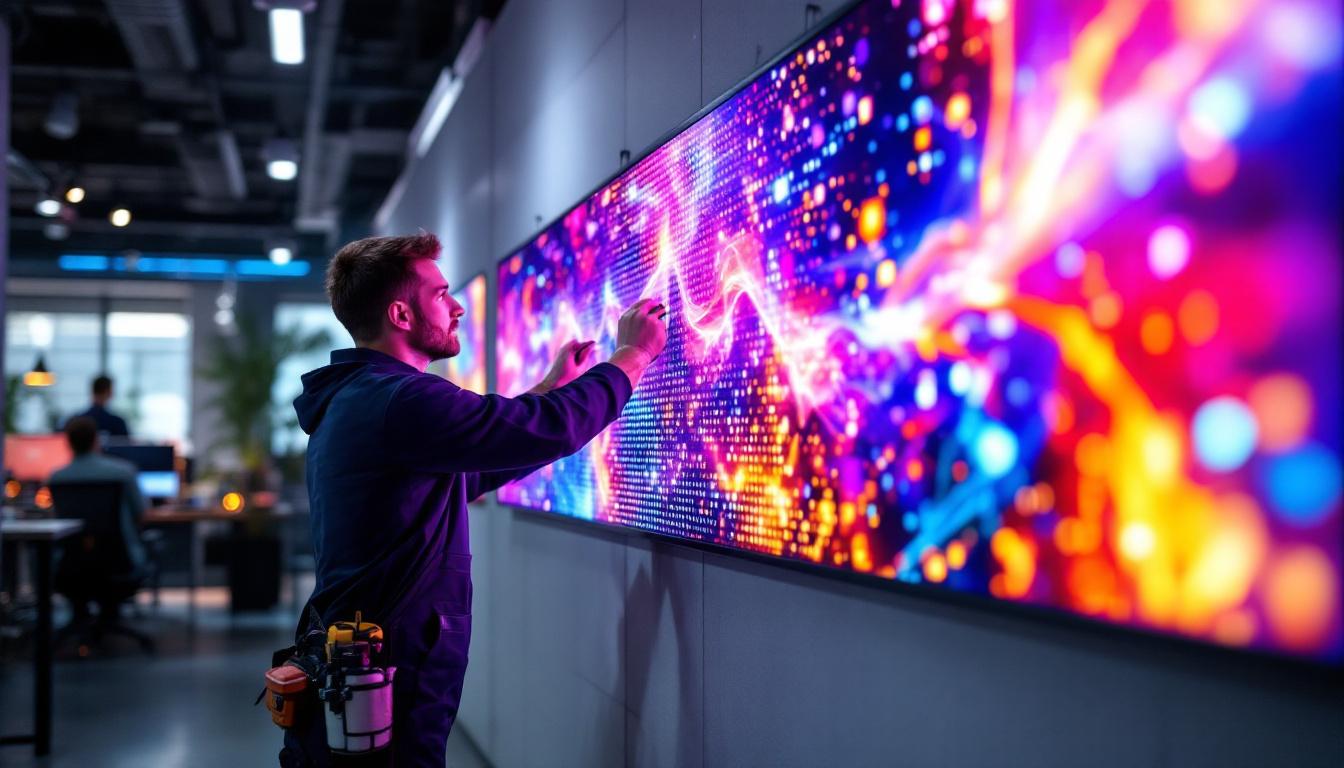
A flexible LED wall is a type of digital display composed of lightweight, bendable LED panels that can be curved or shaped to fit various surfaces and environments. Unlike traditional rigid LED screens, flexible LED walls offer adaptability in design, enabling creative installations that were previously impossible.
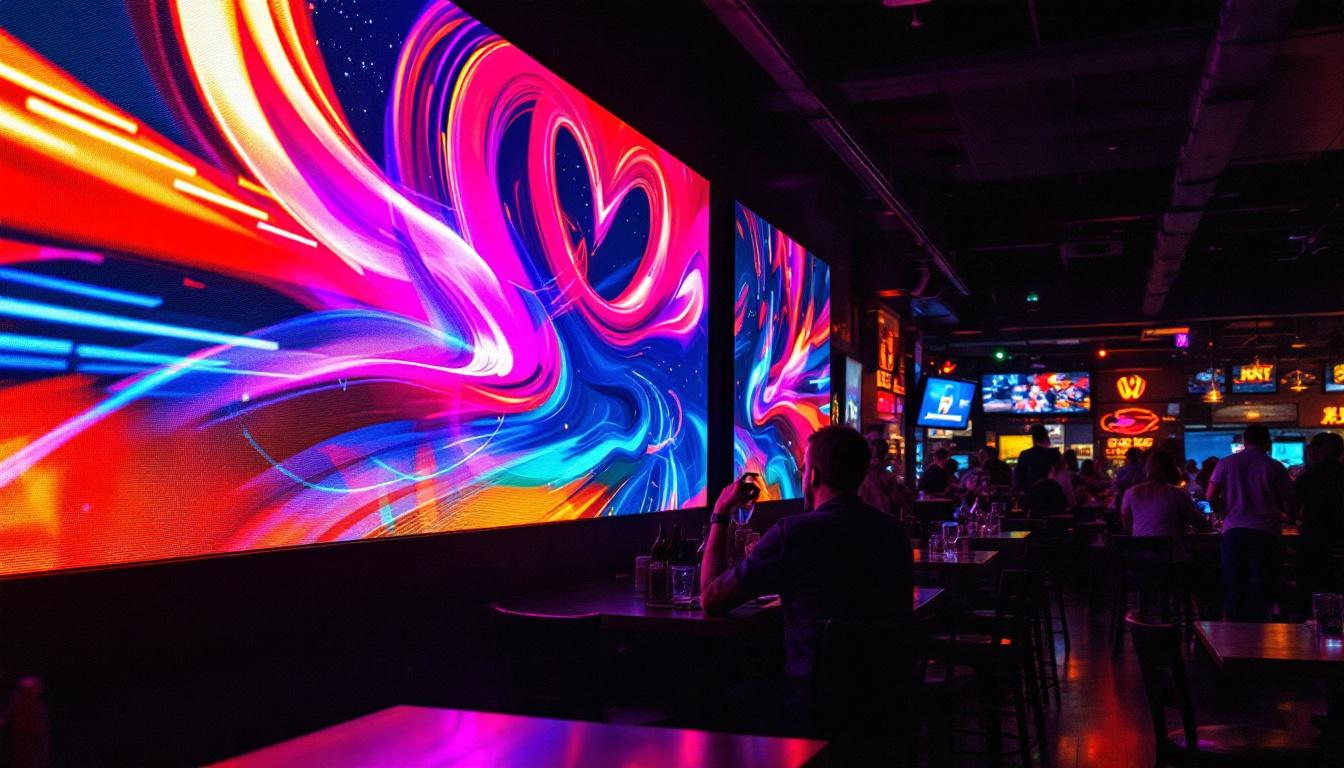
These walls consist of numerous tiny light-emitting diodes (LEDs) arranged in a grid. Each LED acts as a pixel, collectively producing vivid images and videos with exceptional brightness and color accuracy. The flexibility of the panels allows them to conform to curved walls, cylindrical columns, or even irregular architectural features. This capability has made flexible LED walls increasingly popular in venues such as concert halls, shopping malls, and art installations, where the visual experience is paramount.
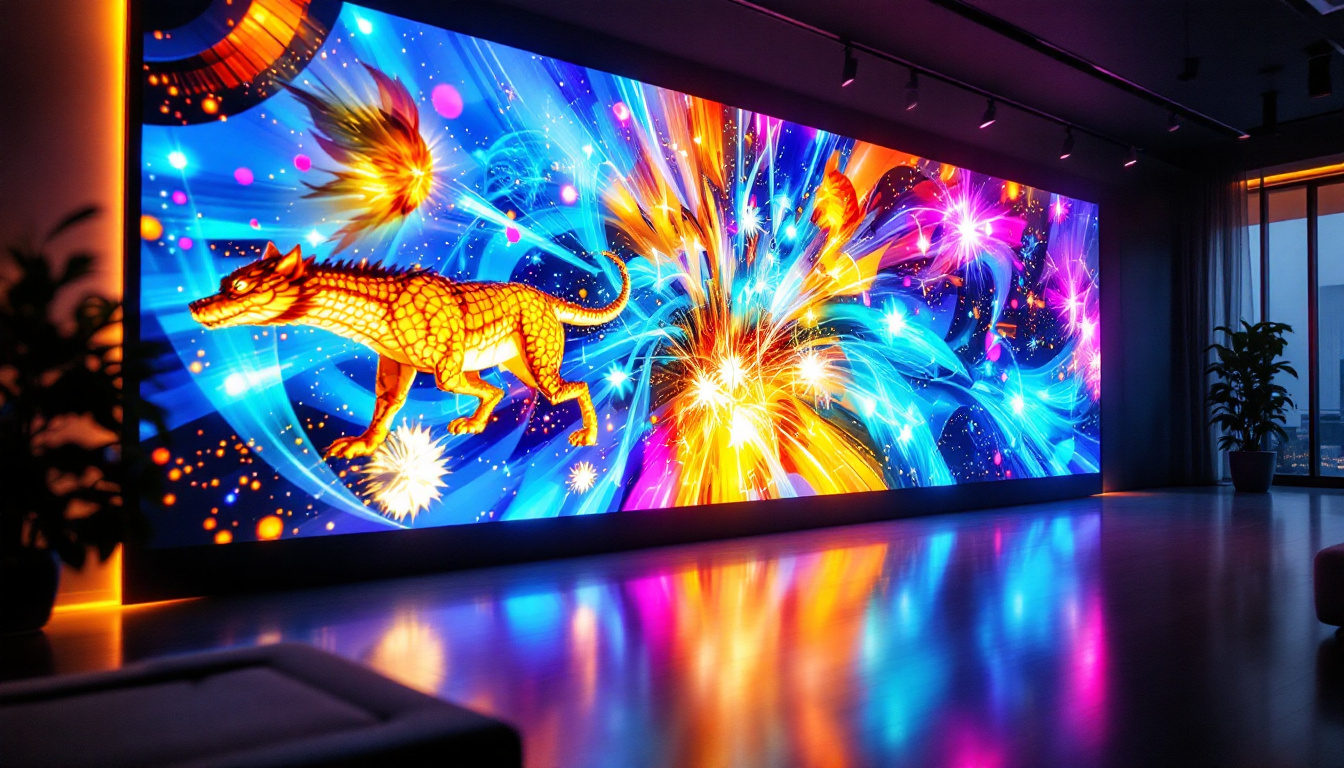
Moreover, the seamless integration of flexible LED walls into various environments enhances the overall aesthetic appeal. Designers can create immersive experiences by wrapping displays around structures or incorporating them into interactive exhibits. This versatility not only captivates audiences but also allows brands to convey their messages in innovative ways, making flexible LED walls a powerful tool for marketing and engagement.
How Does Flexible LED Technology Work?
The core of flexible LED technology lies in the use of pliable circuit boards and encapsulated LED modules. These components are designed to maintain electrical integrity while bending, ensuring consistent image quality regardless of the display’s shape. Advances in materials science have enabled manufacturers to produce ultra-thin, lightweight panels that can be rolled or folded without damage.
Typically, flexible LED panels use surface-mounted device (SMD) LEDs, which are small and efficient. The panels are connected via flexible connectors and controlled by sophisticated processors that manage pixel mapping, color calibration, and refresh rates. This ensures smooth motion and sharp visuals even on curved surfaces. Additionally, the technology allows for dynamic content that can be easily updated, providing endless possibilities for visual storytelling.
Furthermore, the energy efficiency of flexible LED walls is a significant advantage. Compared to traditional lighting solutions, these LED panels consume less power while delivering superior brightness. This not only reduces operational costs but also contributes to sustainability efforts, making them an eco-friendly choice for both temporary and permanent installations. As the demand for visually striking displays continues to grow, flexible LED walls are poised to play a crucial role in the evolution of digital signage and interactive environments.
Key Applications of Flexible LED Walls
Advertising and Marketing
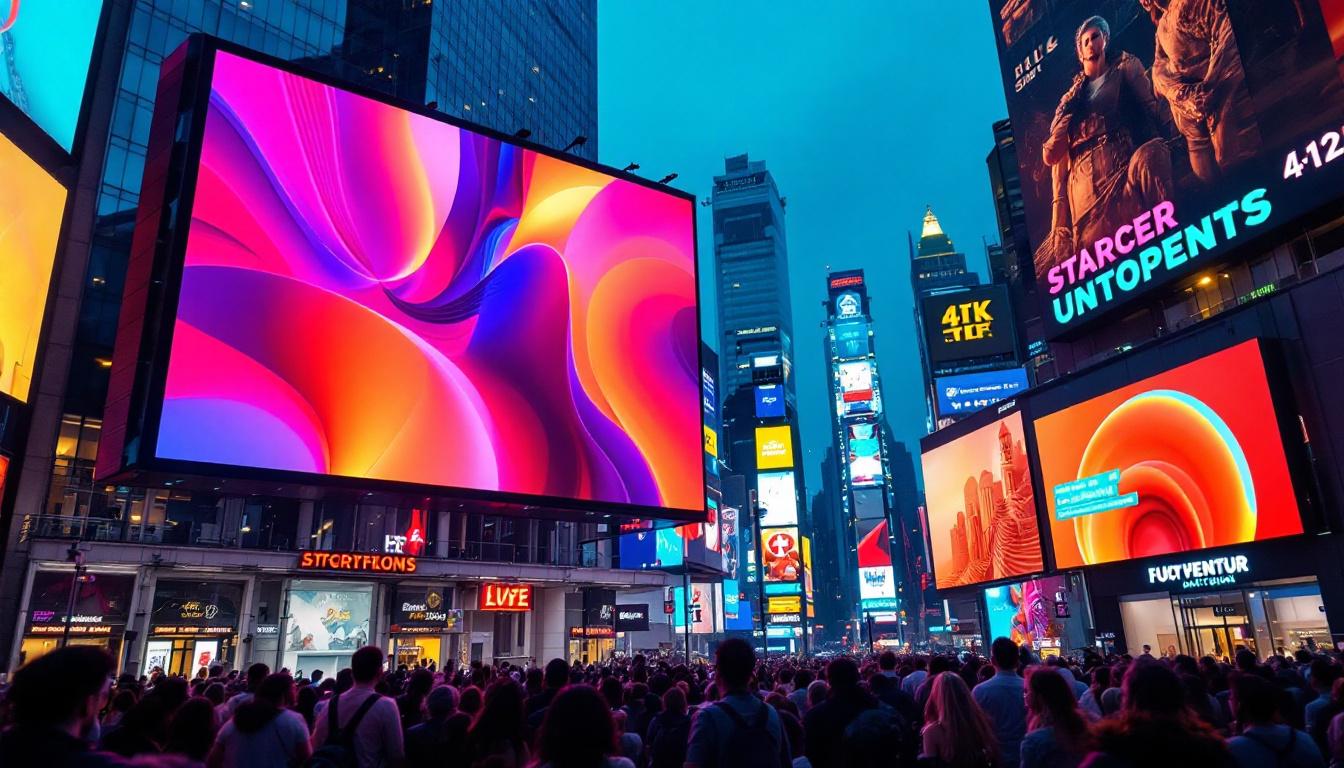
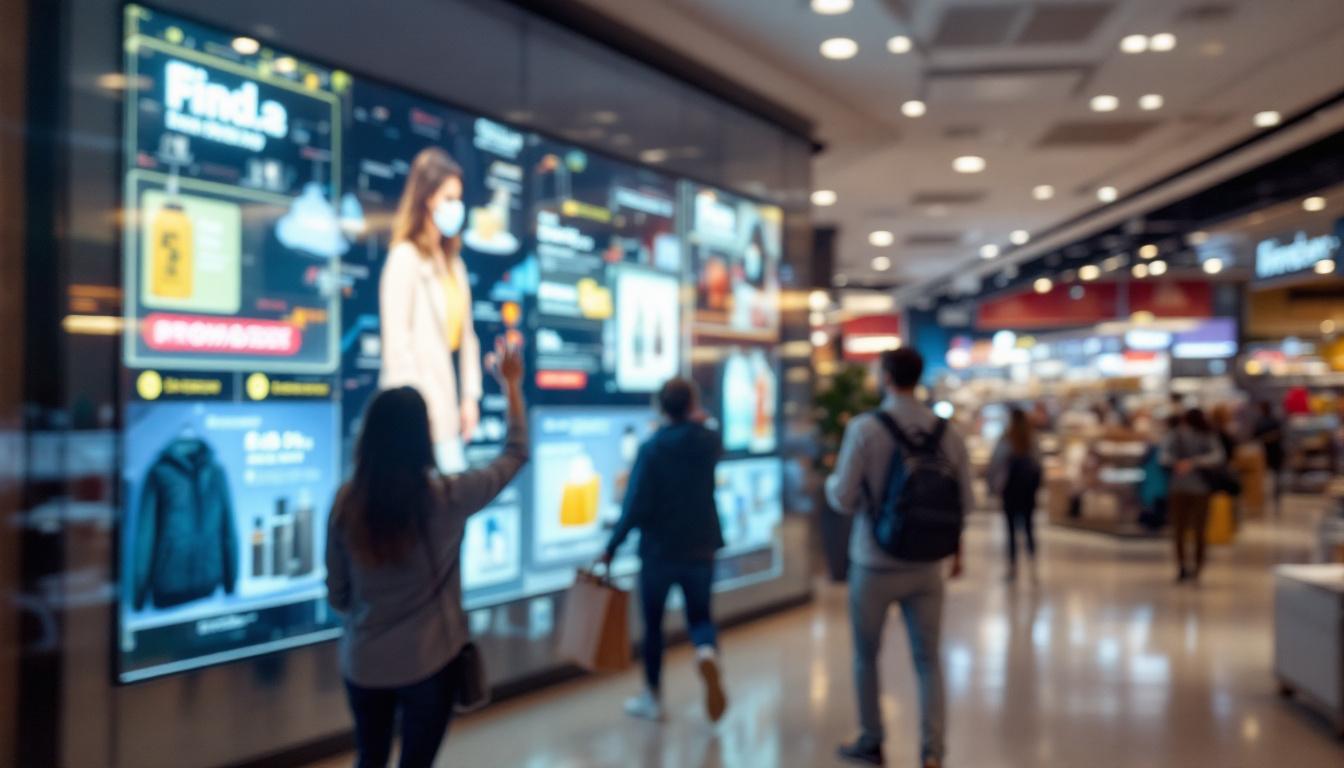
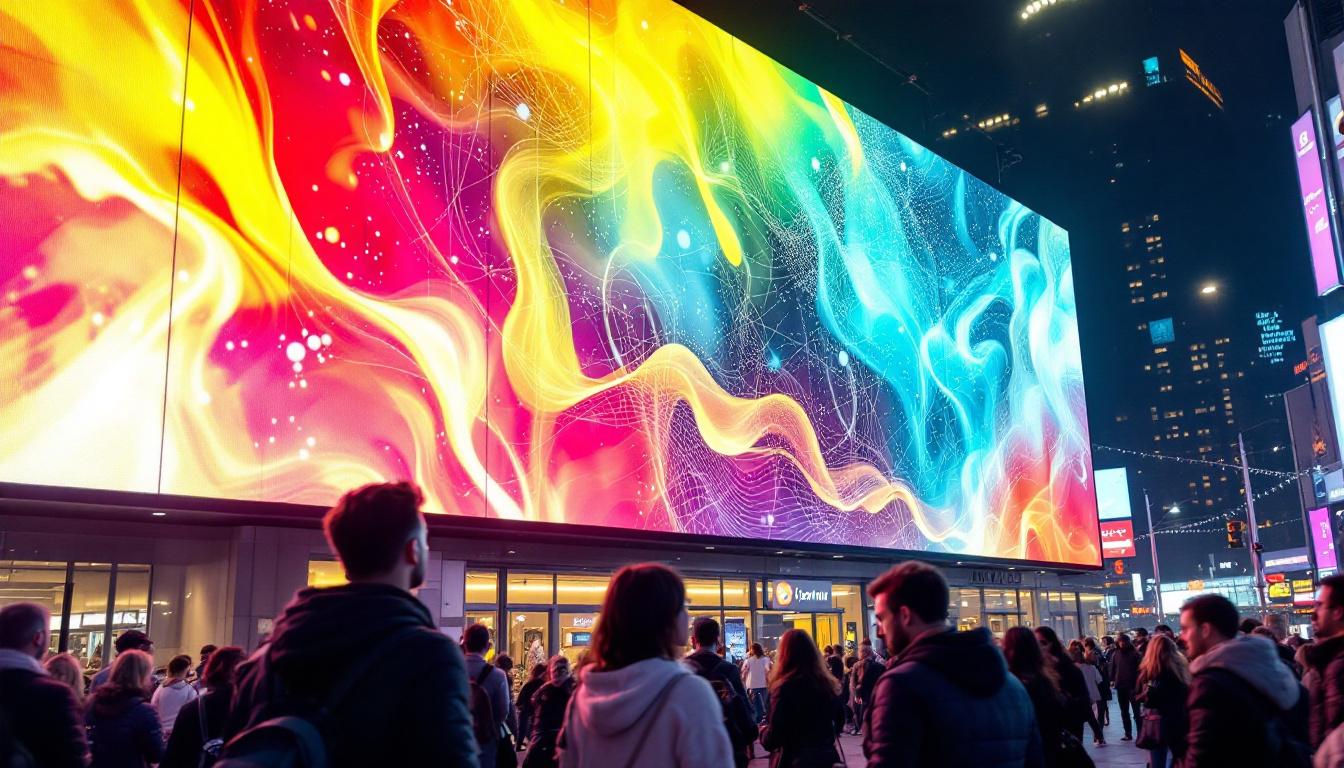
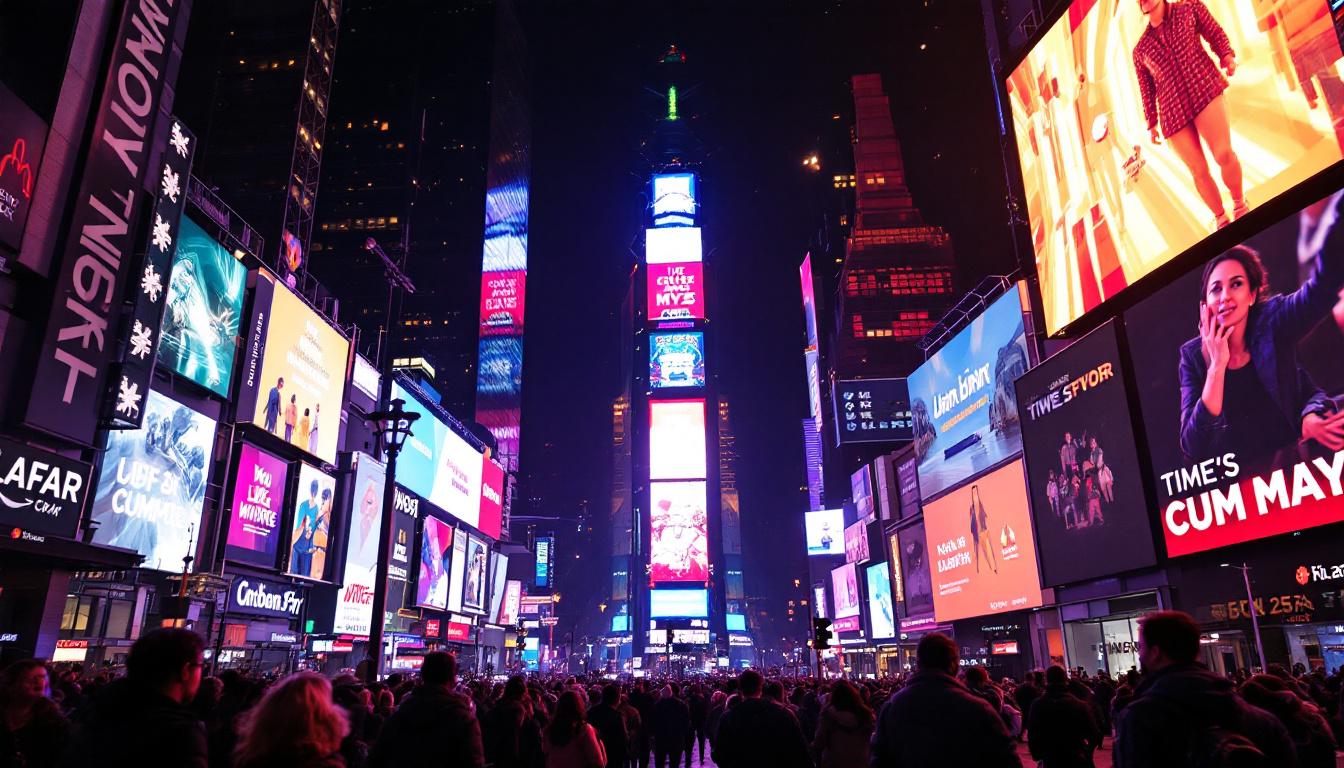
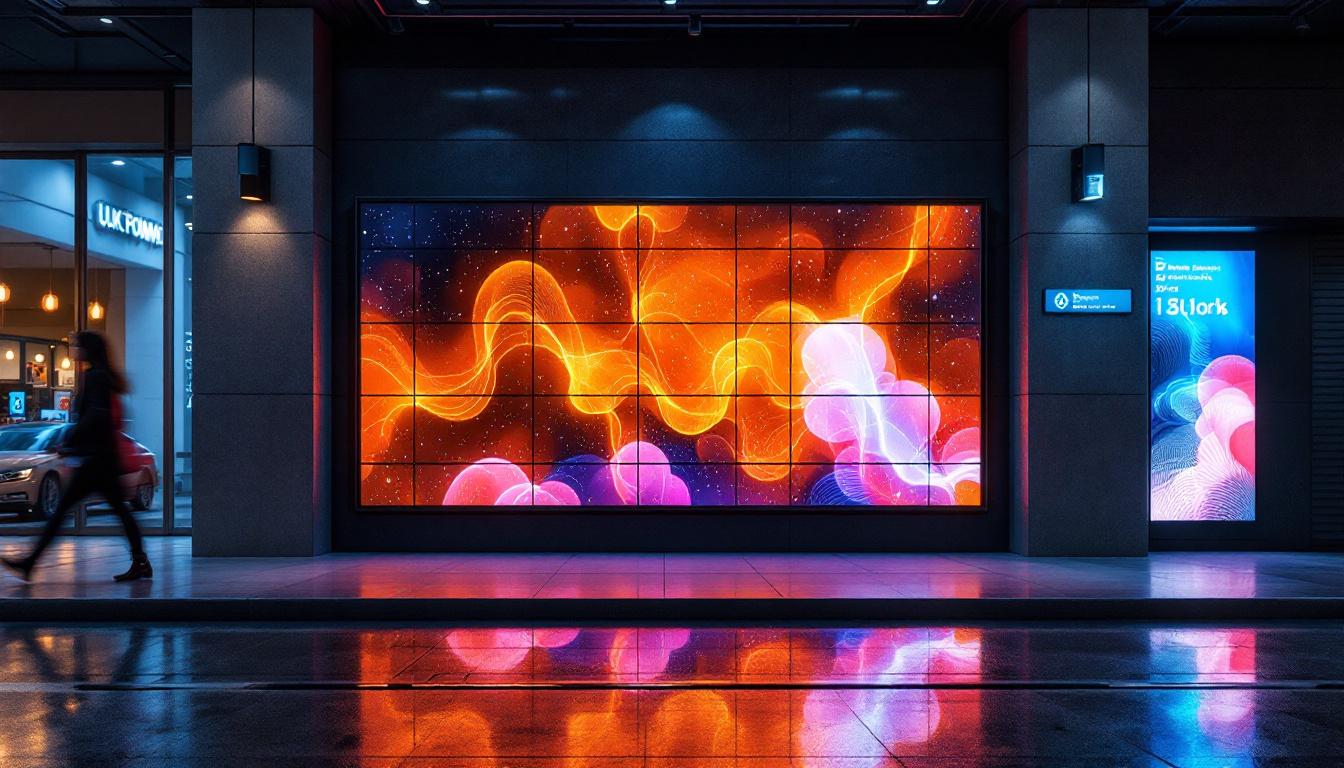
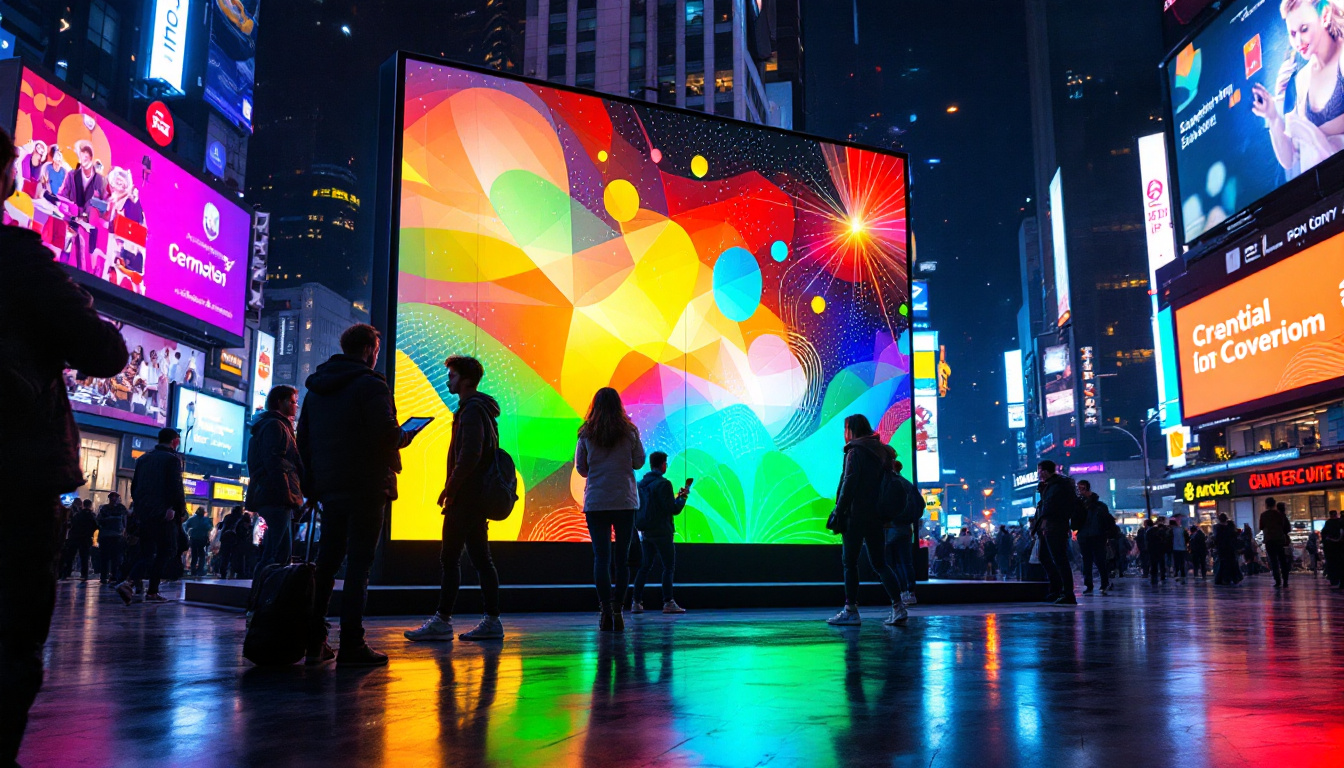
Flexible LED walls are revolutionizing advertising by allowing brands to create eye-catching, immersive displays. Retail stores, shopping malls, and public spaces use these walls to attract attention with dynamic content that can wrap around columns or curve along storefronts. This flexibility enables advertisers to maximize visibility in unconventional spaces.
For example, a luxury brand might use a flexible LED wall to create a curved storefront display that showcases product launches or seasonal campaigns. The ability to customize the shape and size of the display enhances brand storytelling and engagement. Furthermore, these walls can be programmed to change content in real-time, allowing brands to tailor their messaging based on time of day, audience demographics, or even current events, ensuring that the displays remain relevant and captivating.
Events and Entertainment
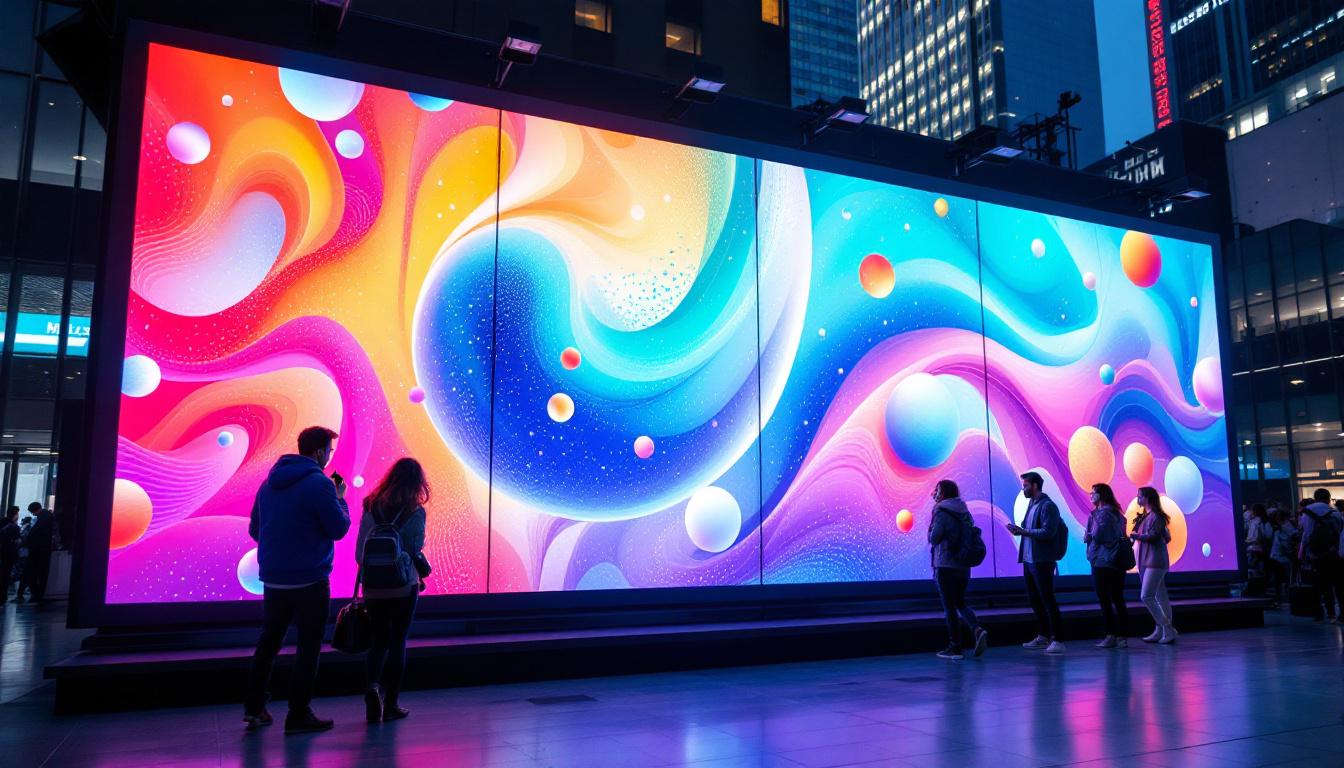
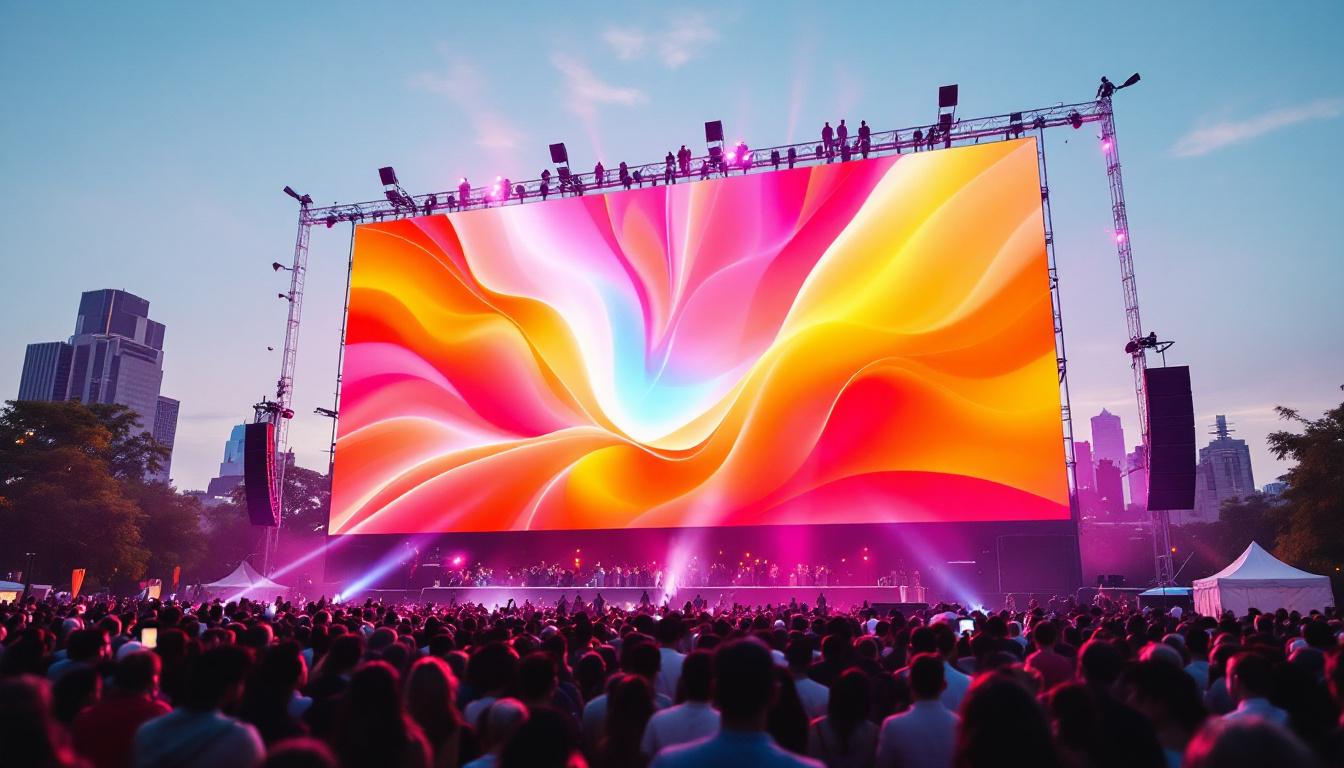
In the entertainment industry, flexible LED walls are becoming indispensable for concerts, exhibitions, and corporate events. Their lightweight and modular design make them easy to transport and install in various venues. Artists and event producers use these walls to create immersive stage backdrops that can curve around performers or envelop the audience.
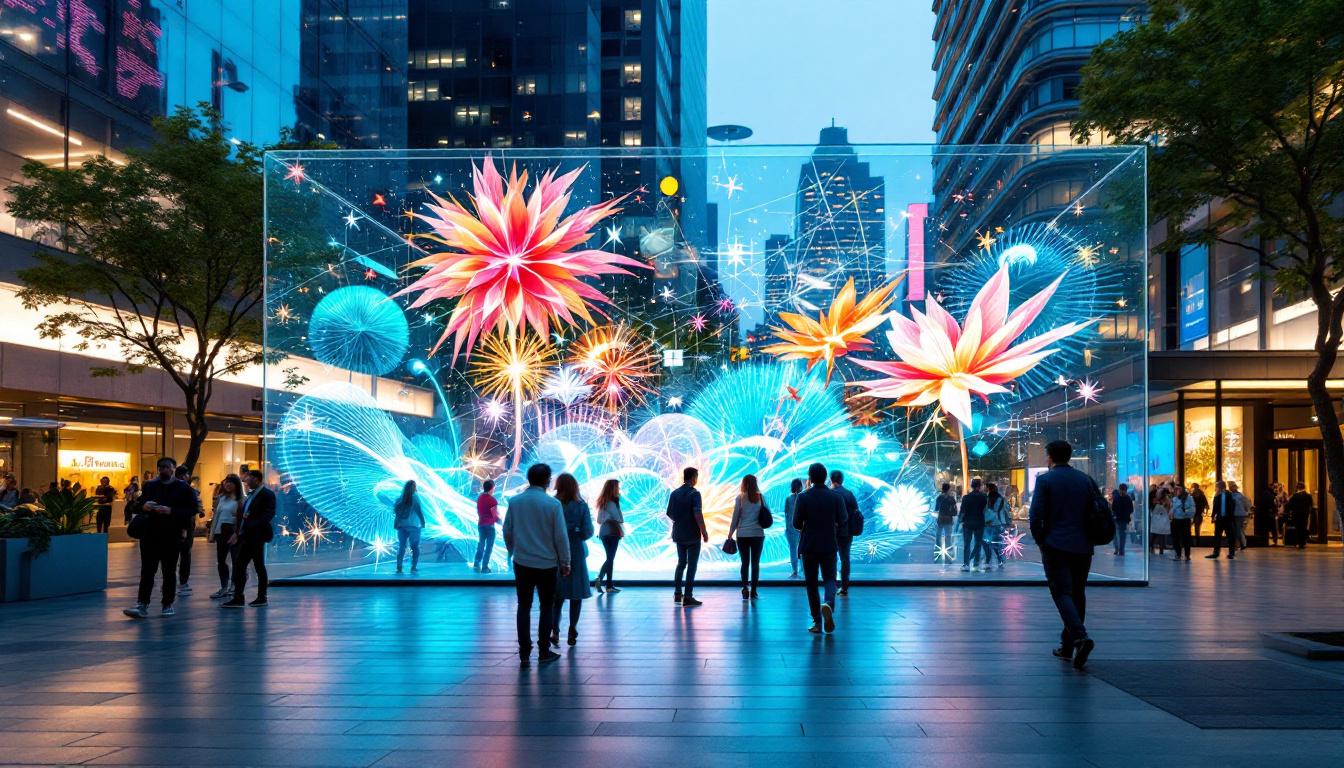
During live concerts, flexible LED walls can display synchronized visuals that enhance the performance experience. Additionally, museums and galleries utilize these displays to present interactive exhibits that adapt to the architectural features of the space. For instance, a traveling art exhibit might employ flexible LED walls to showcase digital art that responds to viewer movements, creating a unique interaction that encourages audience participation and deepens the engagement with the artwork.
Architectural and Interior Design
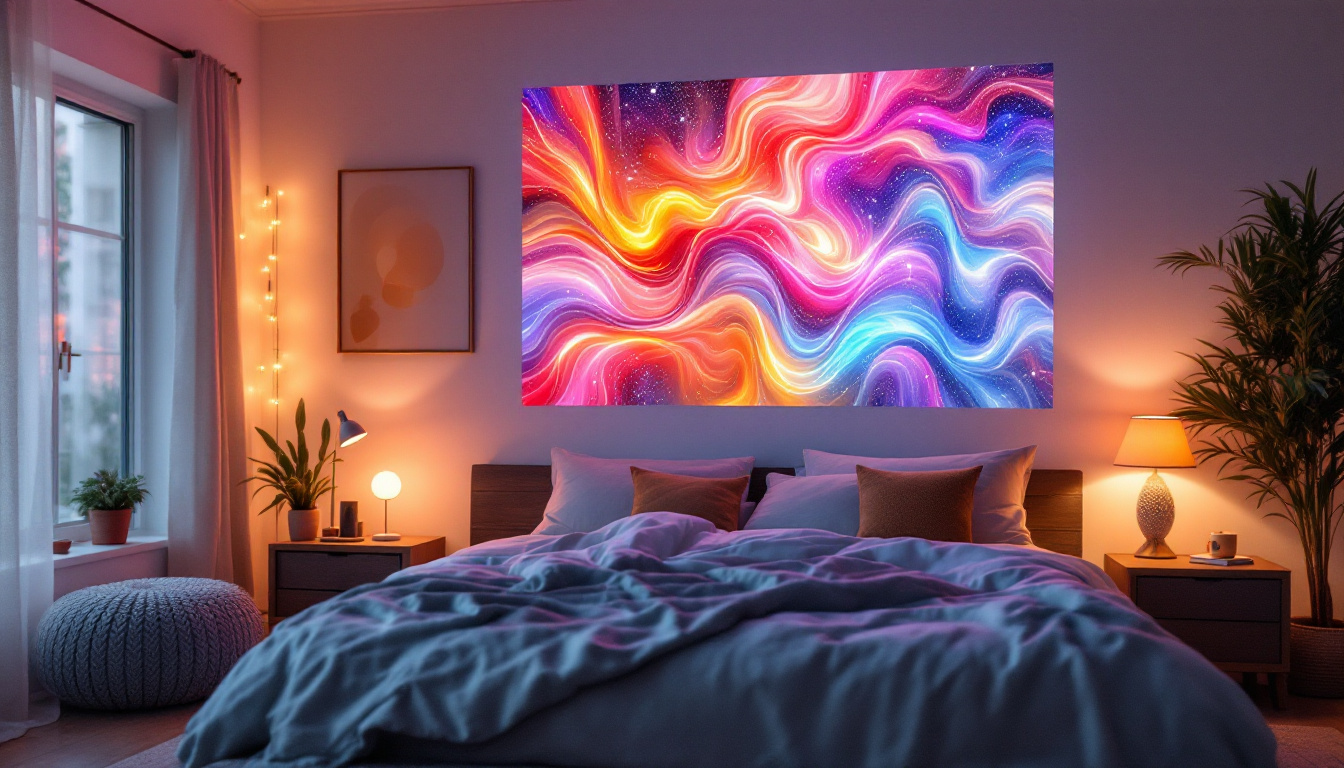
Architects and interior designers are increasingly incorporating flexible LED walls into their projects to add a dynamic element to buildings. These displays can be integrated into walls, ceilings, or furniture, providing customizable lighting and visual effects. Hotels, corporate offices, and luxury residences use flexible LED walls to create unique environments that blend technology with aesthetics.
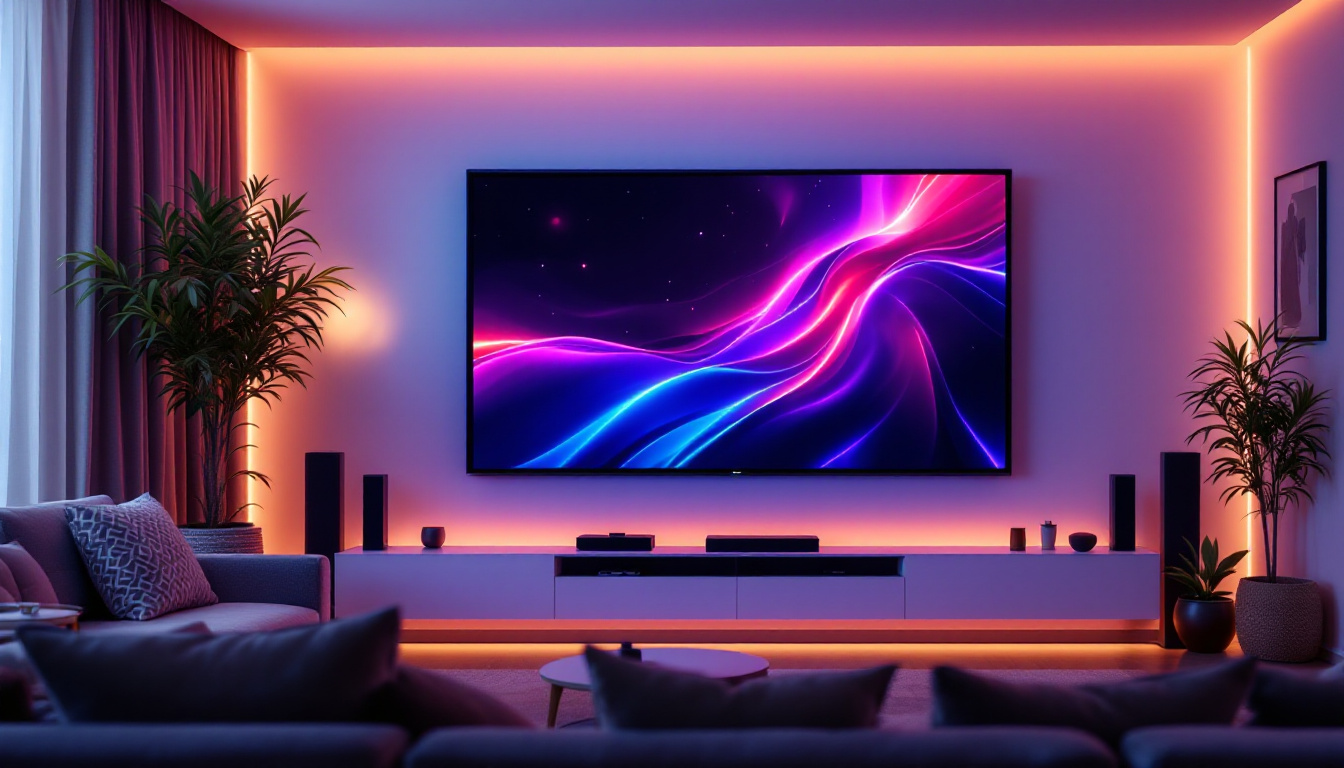
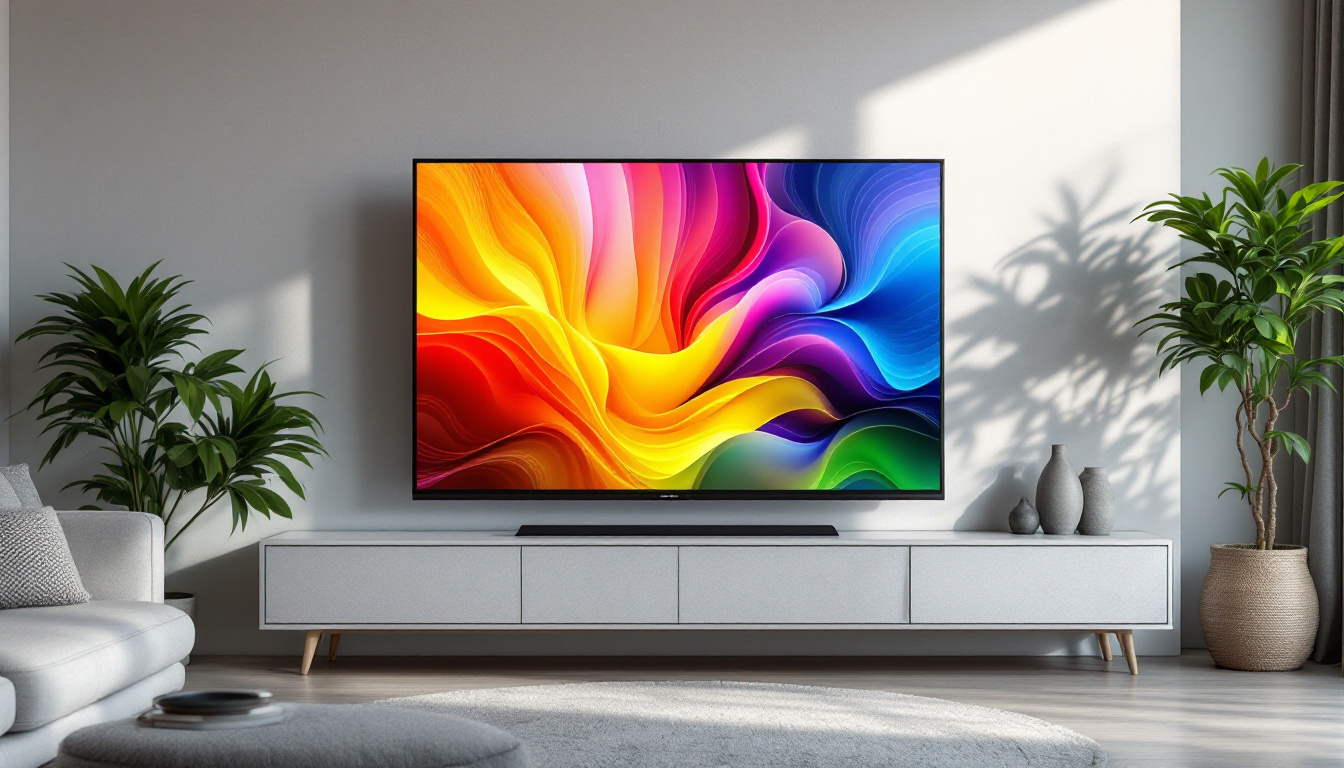
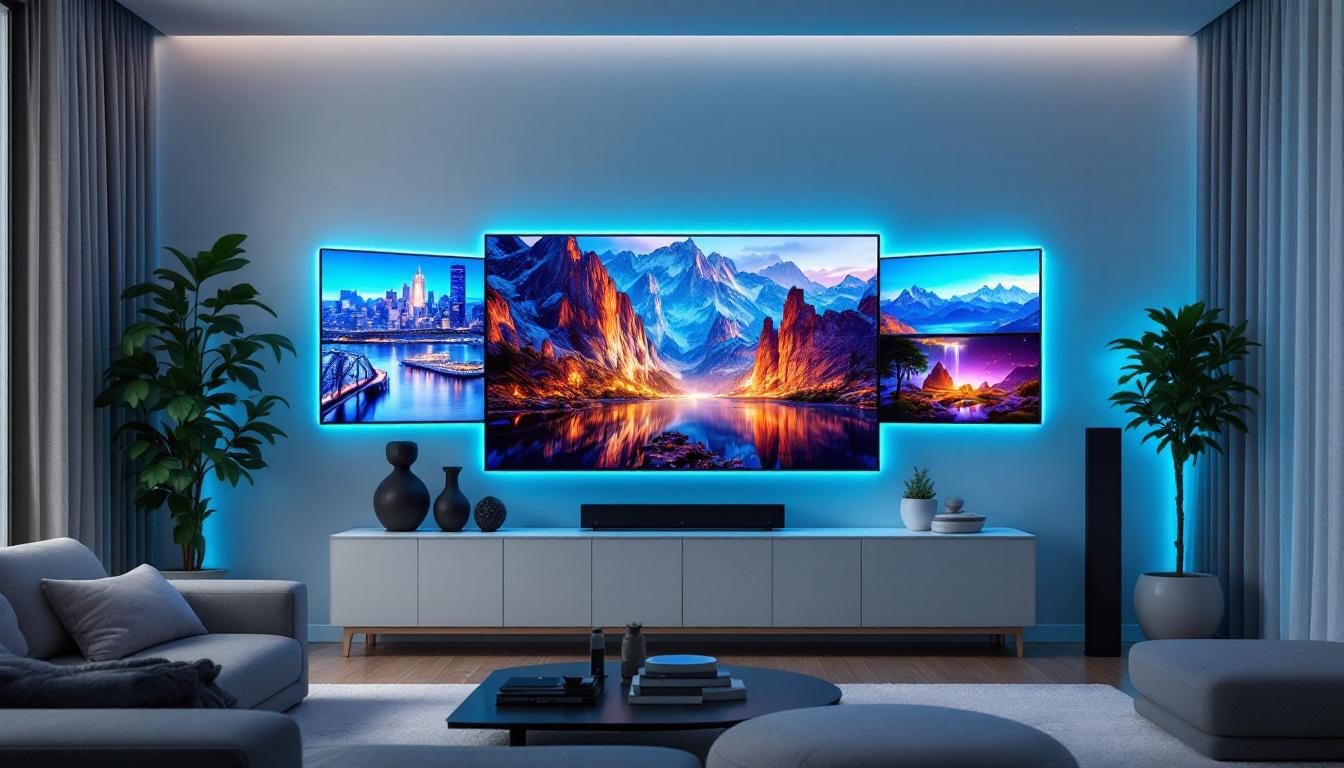
For instance, a hotel lobby might feature a curved LED wall that displays calming nature scenes or branded content, enhancing the guest experience while complementing the interior design. Moreover, flexible LED walls can also serve functional purposes, such as displaying information or schedules in corporate settings, providing a dual benefit of aesthetics and utility. In residential spaces, homeowners can utilize these walls to transform living areas into personalized entertainment hubs, showcasing everything from family photos to immersive movie experiences, all with the touch of a button.
Advantages of Flexible LED Walls
Design Versatility
The most significant advantage of flexible LED walls is their unparalleled design versatility. Unlike traditional flat screens, these displays can be shaped to fit curved or irregular surfaces, opening new creative possibilities. This adaptability allows for seamless integration into architectural elements without compromising visual quality.
Lightweight and Easy Installation
Flexible LED panels are typically lighter than conventional LED modules, reducing the structural load on buildings and simplifying installation. Their modular nature means they can be assembled and disassembled quickly, making them ideal for temporary setups such as trade shows or touring events.
High Brightness and Energy Efficiency
LED technology is known for its high brightness and energy efficiency, and flexible LED walls are no exception. These displays perform well in various lighting conditions, including outdoor environments with direct sunlight. Moreover, they consume less power compared to traditional display technologies like LCD or projection systems, resulting in lower operational costs.
Durability and Longevity
Flexible LED walls are designed to withstand environmental stressors such as temperature fluctuations, humidity, and physical impact. Many panels are coated with protective layers that enhance their resistance to dust and moisture, making them suitable for both indoor and outdoor use. With proper maintenance, these displays offer a long operational lifespan, often exceeding 50,000 hours of use.
Choosing the Right Flexible LED Wall
Pixel Pitch and Resolution
Pixel pitch refers to the distance between individual LEDs on the panel, measured in millimeters. It directly affects the display’s resolution and viewing distance. Smaller pixel pitches (e.g., 1.5mm to 3mm) provide higher resolution and are suitable for close-up viewing, such as indoor retail environments. Larger pixel pitches (e.g., 4mm to 10mm) are more appropriate for outdoor or large-scale installations where viewers are farther away.
Understanding the intended use and viewing distance is critical to selecting the appropriate pixel pitch to ensure clear, sharp images.
Brightness and Contrast Ratio
Brightness is measured in nits (cd/m²) and determines how well the display performs under various lighting conditions. Flexible LED walls intended for outdoor use should have brightness levels of at least 5,000 nits to remain visible in direct sunlight. Indoor displays typically require lower brightness but benefit from higher contrast ratios to enhance image depth and color vibrancy.
Durability and Environmental Rating
For outdoor installations, it is essential to choose flexible LED panels with appropriate ingress protection (IP) ratings. An IP65 rating or higher indicates resistance to dust and water, ensuring reliable performance in harsh weather conditions. Indoor installations may not require such high protection but should still consider factors like humidity and temperature control.
Control Systems and Software
The quality of the control system and software impacts the display’s performance and ease of content management. Advanced control systems offer real-time content updates, remote monitoring, and synchronization capabilities. Selecting a flexible LED wall with user-friendly software ensures efficient operation and the ability to adapt content quickly to changing needs.
Future Trends in Flexible LED Display Technology
Integration with Smart Technologies
As smart building and IoT technologies advance, flexible LED walls are increasingly integrated with sensors and automation systems. This allows for dynamic content that responds to environmental cues such as ambient light, motion, or audience interaction. For example, a retail display might change its messaging based on the number of people nearby or the time of day.
Higher Resolution and Miniaturization
Ongoing research focuses on reducing pixel pitch further while maintaining flexibility, enabling ultra-high-definition displays on curved surfaces. This miniaturization will expand the use cases for flexible LED walls, including applications in augmented reality and wearable technology.
Sustainability and Energy Efficiency
Manufacturers are prioritizing eco-friendly materials and energy-saving designs to reduce the environmental impact of LED displays. Innovations such as recyclable components and low-power consumption drivers contribute to greener digital signage solutions.
Conclusion
Flexible LED walls represent a significant leap forward in display technology, offering unmatched versatility, high-quality visuals, and durability. Their ability to conform to diverse shapes and environments unlocks creative possibilities across advertising, entertainment, architecture, and beyond. Understanding the technical aspects, applications, and future trends of flexible LED walls empowers businesses and designers to make informed decisions and harness the full potential of this innovative technology.
As the demand for immersive and dynamic visual experiences grows, flexible LED walls are poised to become a staple in digital communication strategies worldwide.
Discover LumenMatrix’s Innovative LED Solutions
Ready to elevate your visual communication with the versatility and high-quality visuals of flexible LED walls? LumenMatrix is at the forefront of LED display technology, offering a wide range of solutions tailored to your unique needs. From immersive Indoor and Outdoor LED Wall Displays to dynamic Vehicle and Sports LED Displays, and even customizable options like Floor and Transparent LED Displays, LumenMatrix has the tools to bring your vision to life. Embrace the future of digital signage with LumenMatrix and create experiences that resonate with your audience. Check out LumenMatrix LED Display Solutions today and see how we can help you make a lasting impact.