In today’s fast-paced digital world, capturing audience attention is more challenging than ever. Multi screen video walls, particularly those utilizing LED display technology, have become a powerful solution for businesses, event organizers, and public spaces aiming to deliver impactful visual experiences. This article explores the intricacies of LED video walls, their advantages, applications, and what to consider when implementing them.
Understanding Multi Screen Video Walls
A multi screen video wall is essentially a large display surface composed of multiple smaller screens or panels tiled together to form one cohesive image or a series of images. These walls can vary in size from a few panels to hundreds, creating an immersive visual environment that far exceeds the capabilities of a single screen.
Video walls are widely used in control rooms, retail environments, transportation hubs, corporate lobbies, and entertainment venues. The technology behind these walls can differ, but LED (Light Emitting Diode) displays have emerged as the preferred choice for many applications due to their brightness, scalability, and image quality.
What Makes LED Video Walls Unique?
LED video walls consist of an array of tiny LEDs that emit light individually. Unlike LCD or projection-based video walls, LED displays are self-illuminating, meaning each pixel produces its own light. This results in superior brightness, contrast, and color accuracy, even in brightly lit environments.
One of the key features of LED video walls is their modular design. Each panel or “tile” can be seamlessly connected to others, allowing for flexible configurations and sizes. This modularity makes it easy to create custom shapes and dimensions, from traditional rectangular walls to curved or irregular installations.
Additionally, LED video walls offer remarkable durability and longevity, making them an ideal choice for high-traffic areas. Their robust construction is designed to withstand the rigors of constant use, which is particularly beneficial in environments such as sports arenas or concert venues where they are subjected to heavy foot traffic and varying weather conditions. Furthermore, advancements in technology have led to the development of energy-efficient LED solutions that not only reduce operational costs but also contribute to sustainability efforts by minimizing energy consumption.
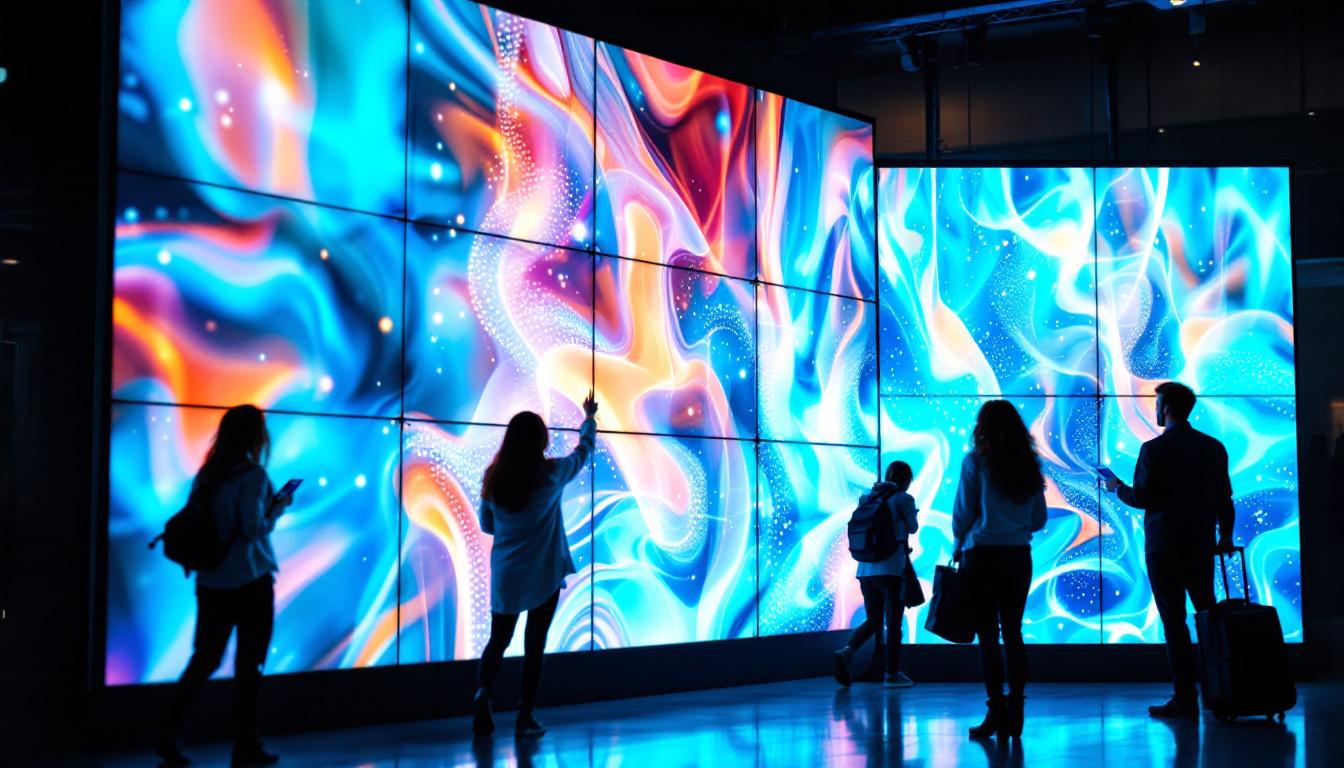
Another fascinating aspect of multi screen video walls is their ability to display dynamic content. With the integration of advanced software, these walls can showcase real-time data, advertisements, or interactive media, enhancing audience engagement. For instance, in a retail setting, a video wall can be programmed to change displays based on the time of day or current promotions, creating a more personalized shopping experience. This adaptability not only captivates viewers but also allows businesses to communicate messages effectively, making video walls a powerful tool in modern marketing strategies.
Key Advantages of LED Video Walls
LED video walls offer several advantages that make them a compelling choice for a variety of settings. Understanding these benefits can help businesses and organizations decide if this technology aligns with their communication and display needs.
Exceptional Brightness and Visibility
LED displays can achieve brightness levels of 1,000 nits or more, which is significantly higher than typical LCD screens. This high brightness ensures clear visibility even in direct sunlight or brightly lit indoor environments. For example, outdoor advertising billboards often use LED video walls to maintain visibility throughout the day and night. This capability is particularly beneficial for high-traffic areas, where capturing the attention of passersby is crucial. Additionally, the ability to adjust brightness levels dynamically allows for optimal viewing experiences in varying light conditions, ensuring that content remains engaging and effective at all times.
Superior Image Quality and Color Accuracy
Because each LED emits its own light, these displays provide excellent contrast ratios and vibrant colors. This results in sharper images and more lifelike visuals, which are critical for applications such as digital signage, live event broadcasting, and immersive art installations. The color reproduction capabilities of LED video walls are particularly impressive, with many models supporting a wide color gamut that enhances the overall viewing experience. This precision in color accuracy is essential for industries like fashion and automotive, where true-to-life representation can influence consumer decisions and brand perception.
Scalability and Flexibility
The modular nature of LED panels allows for easy scalability. Whether a business needs a small display for a retail window or a massive wall for a stadium, LED video walls can be scaled accordingly. Additionally, the panels can be arranged in various configurations, including curved or angled setups, to fit the architectural design of the space. This flexibility not only caters to aesthetic preferences but also enables creative installations that can transform ordinary environments into captivating visual experiences. Furthermore, the integration of advanced software allows for seamless content management across multiple screens, ensuring that businesses can deliver cohesive messaging regardless of the display size or shape.
Durability and Longevity
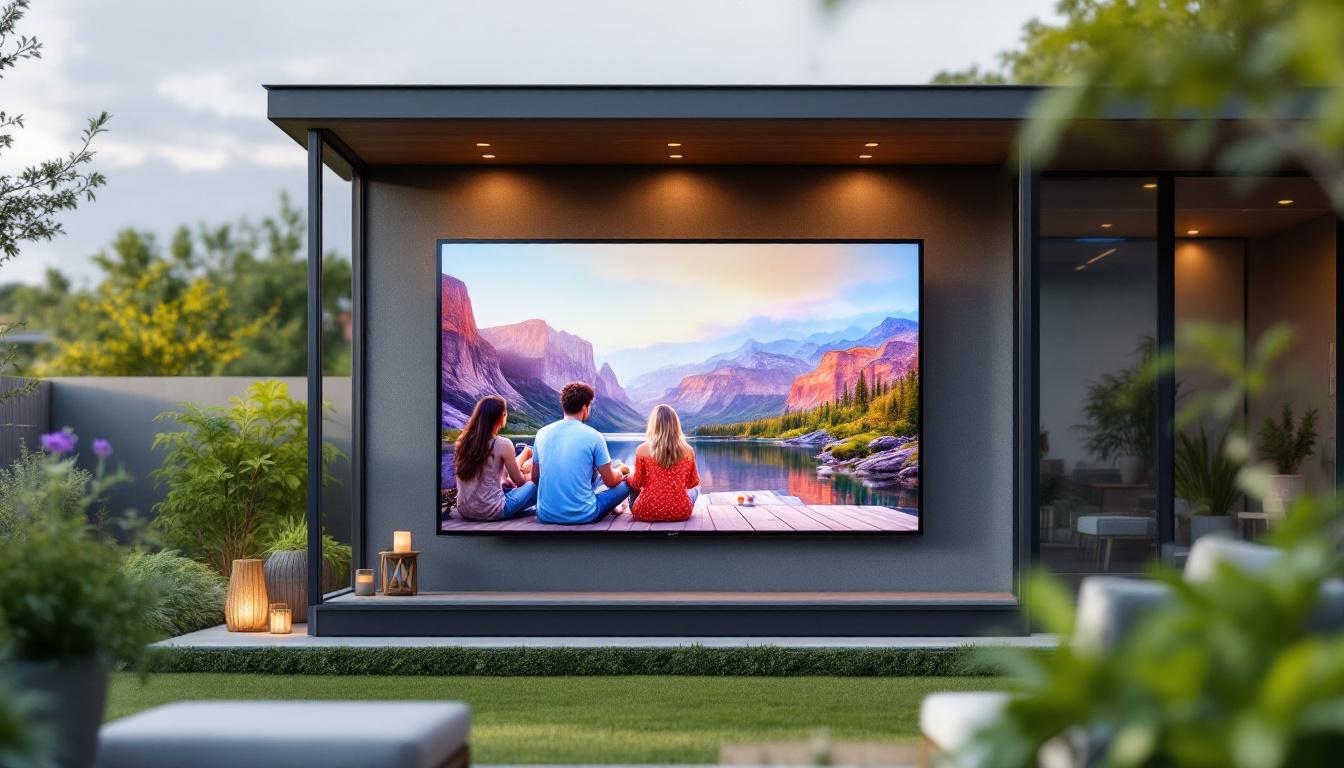
LED technology is known for its durability and long lifespan. High-quality LED panels can operate continuously for 50,000 to 100,000 hours, which translates to several years of use without significant degradation. Furthermore, LED displays are resistant to shock, vibration, and temperature fluctuations, making them suitable for both indoor and outdoor environments. This resilience is particularly advantageous for venues that host live events or exhibitions, where equipment is frequently moved and set up. Additionally, the lower energy consumption of LED technology not only contributes to cost savings over time but also aligns with sustainability goals, making LED video walls an eco-friendly choice for modern businesses.
Applications of Multi Screen LED Video Walls
The versatility of LED video walls has led to their adoption across a wide range of industries and use cases. Here are some of the most prominent applications:
Retail and Advertising
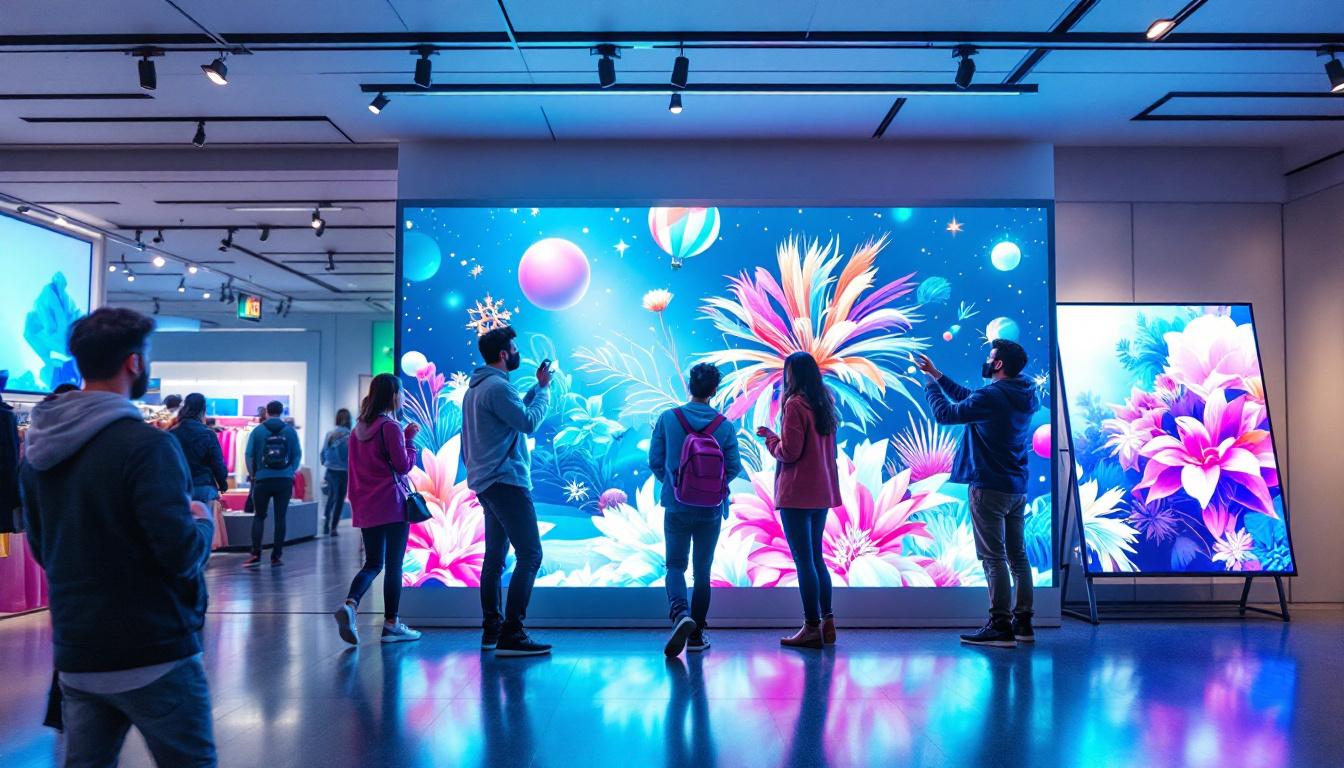
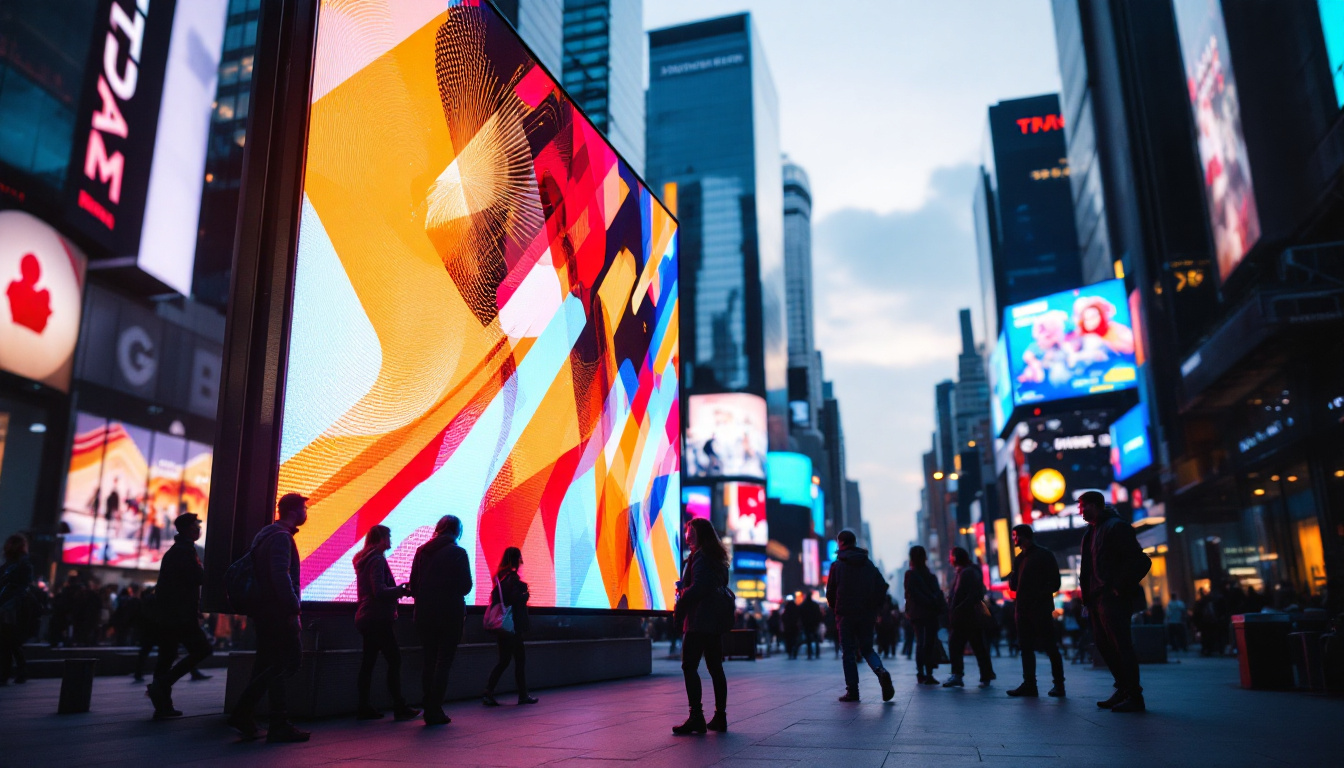
Retailers use LED video walls to create dynamic storefront displays that attract customers and promote products. Digital signage powered by LED walls can display high-resolution videos, animations, and real-time content updates, helping brands engage shoppers more effectively. According to recent market research, digital signage revenue is expected to grow at a compound annual growth rate (CAGR) of over 7% through 2027, with LED technology playing a major role.
Broadcast and Control Rooms
In broadcast studios and control rooms, LED video walls provide operators with large, clear displays of multiple video feeds and data streams. This enables better situational awareness and decision-making. For example, emergency response centers rely on video walls to monitor live video, maps, and communication channels simultaneously.
Events and Entertainment
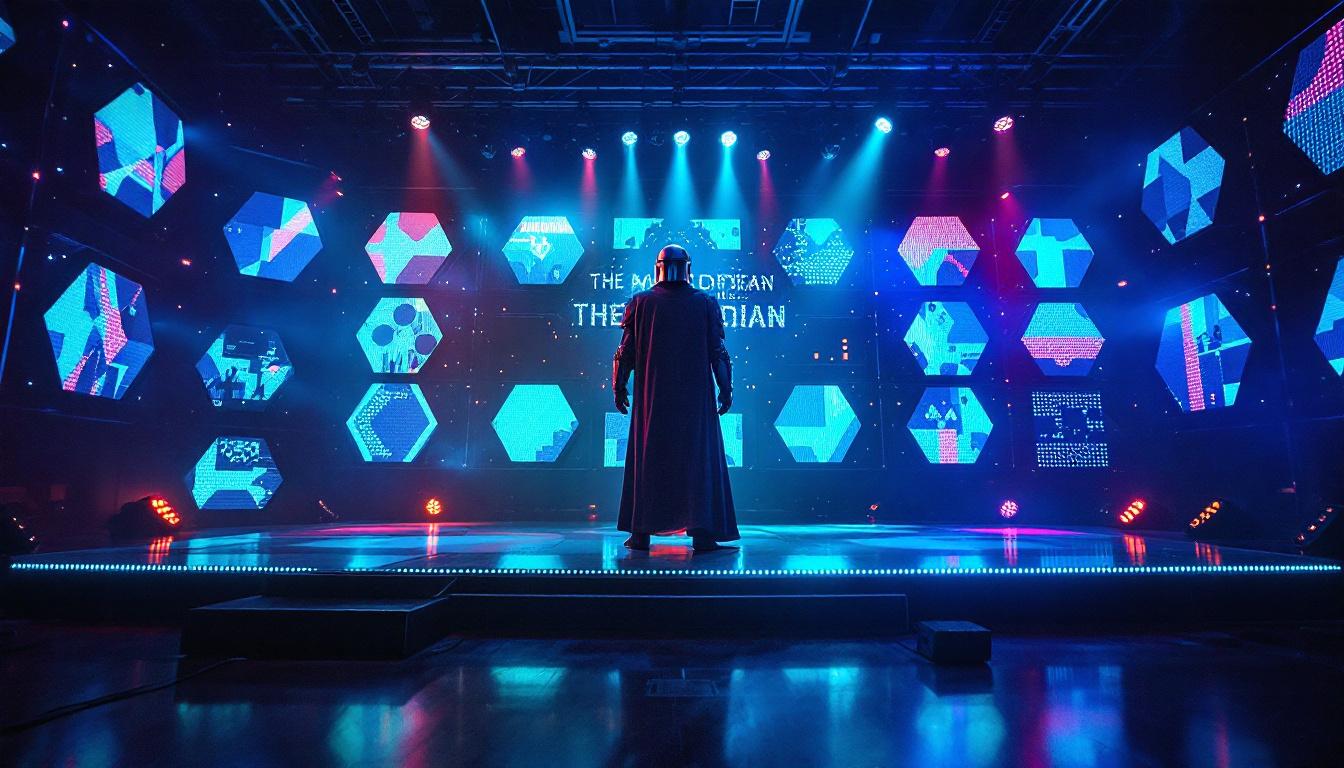
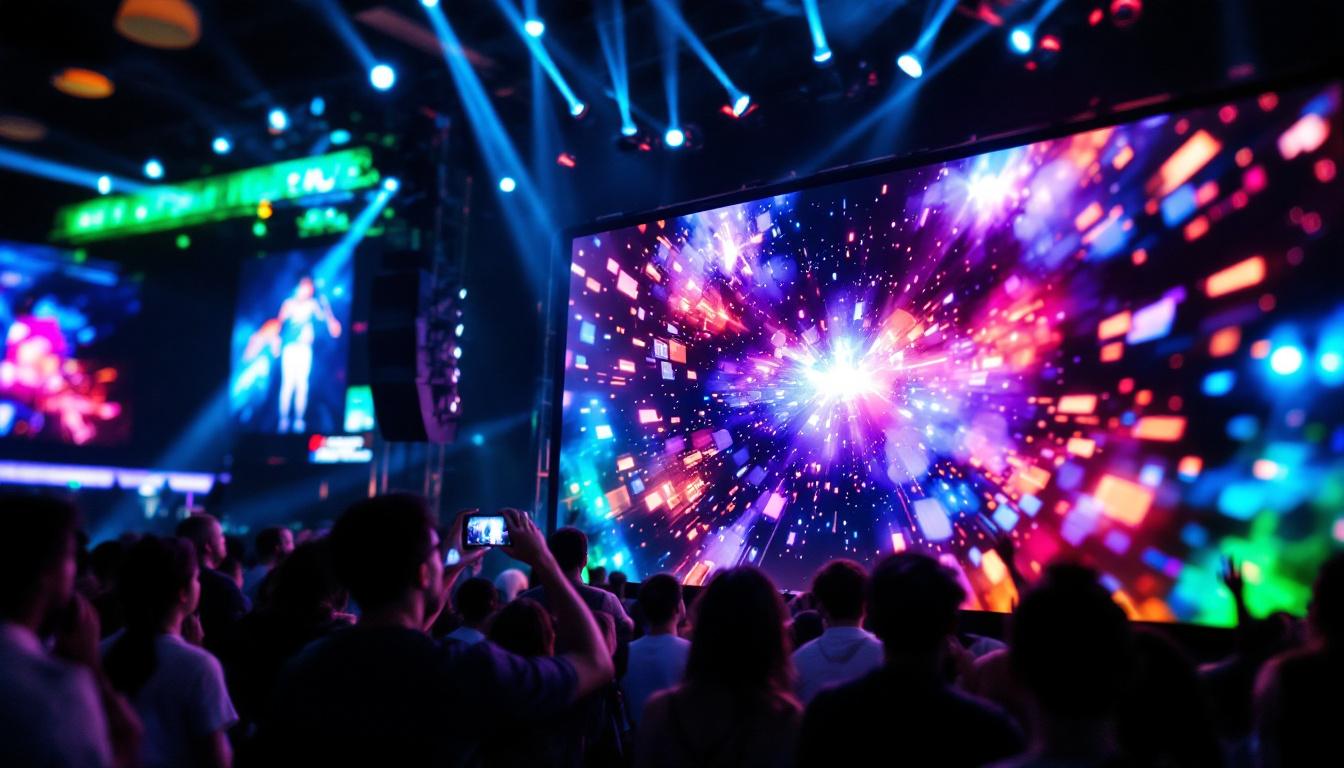
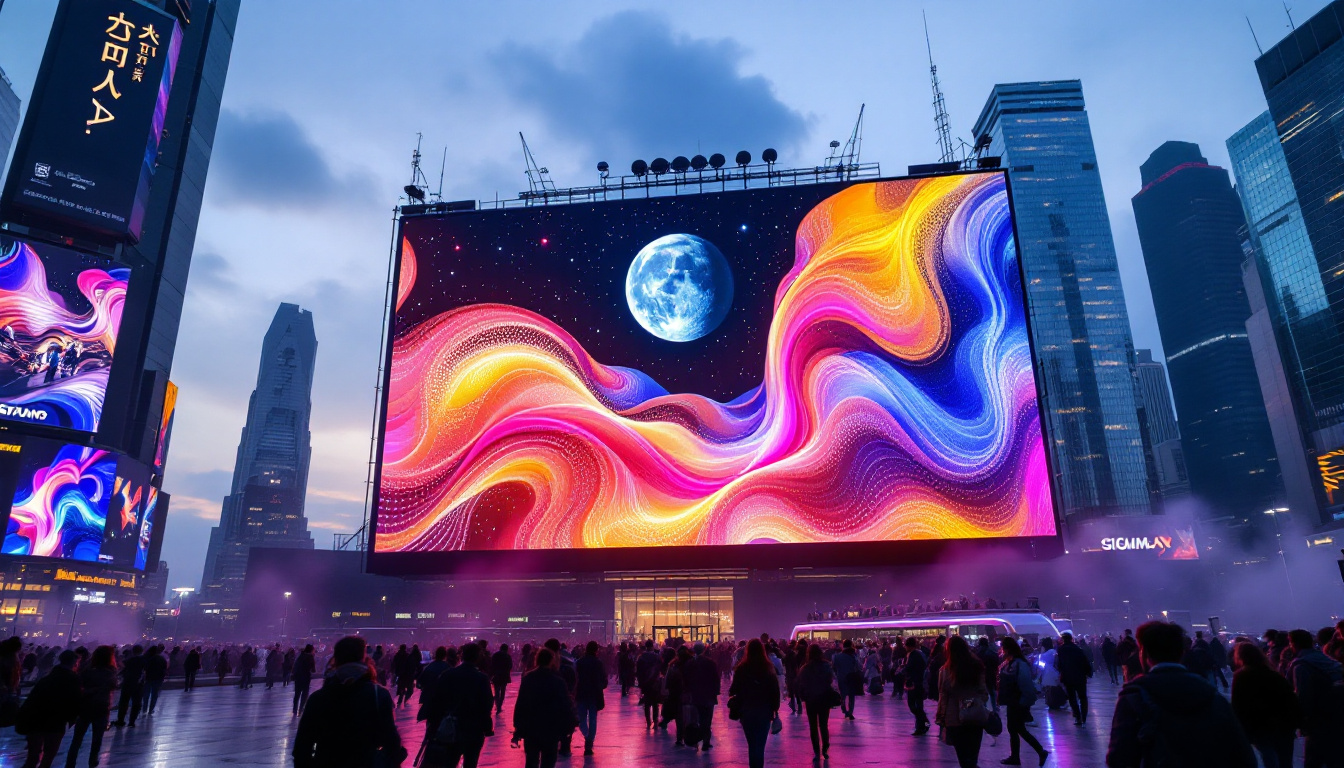
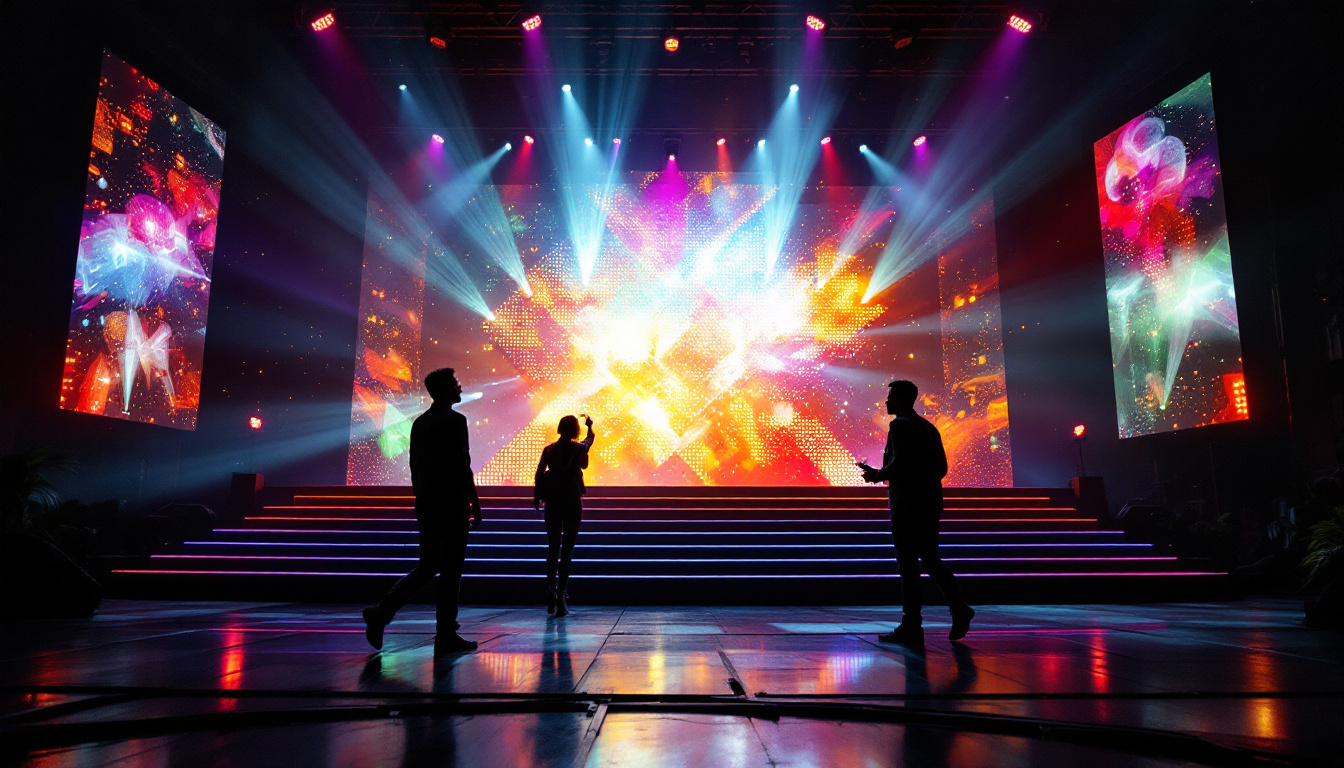
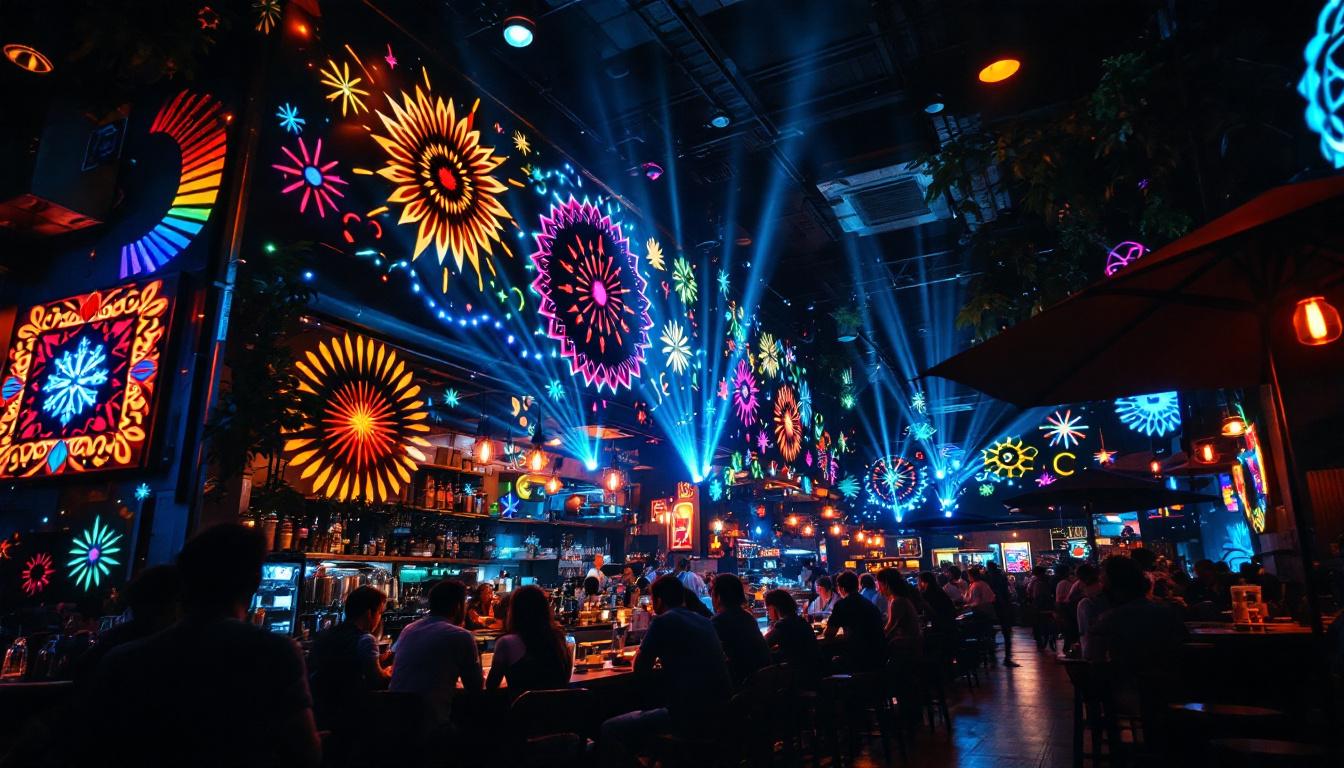
Concerts, sports arenas, and theaters use LED video walls to create immersive experiences for audiences. These walls can display live video feeds, graphics, and special effects that enhance performances and engage spectators. The ability to customize size and shape makes LED walls ideal for creative stage designs.
Corporate and Public Spaces
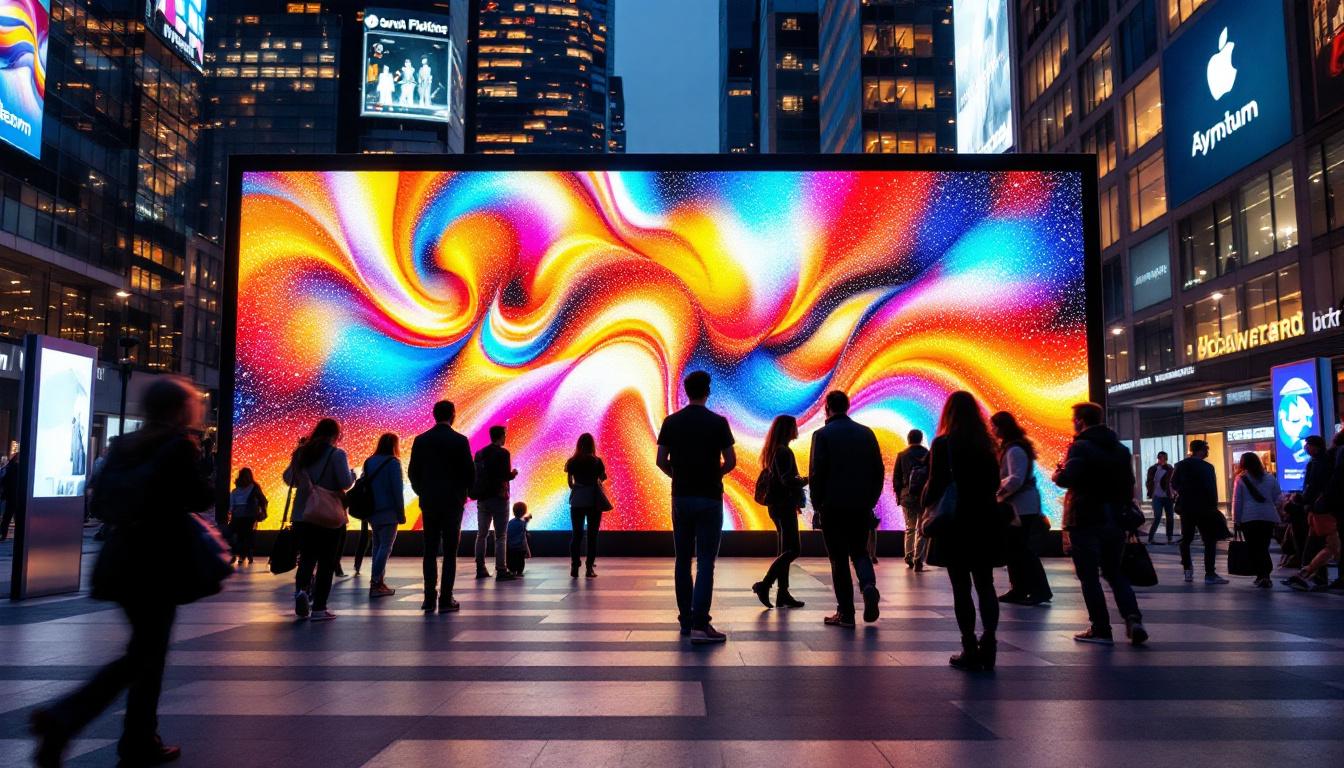
Corporate lobbies and public venues use LED video walls to convey branding messages, share information, and create visually impressive environments. Airports and train stations employ them for flight and schedule information, wayfinding, and advertising, capitalizing on their high visibility and reliability.
Technical Considerations When Choosing an LED Video Wall
Implementing an LED video wall requires careful planning and understanding of technical specifications to ensure optimal performance and return on investment.
Pixel Pitch and Resolution
Pixel pitch refers to the distance between the centers of two adjacent pixels and is measured in millimeters. A smaller pixel pitch means higher pixel density, resulting in sharper images and better resolution. For indoor applications where viewers are close to the screen, pixel pitches as low as 0.9mm are common. Outdoor walls typically use larger pixel pitches (e.g., 4mm to 10mm) because viewers are farther away.
Brightness and Contrast Ratio
Brightness is crucial for visibility, especially in outdoor or brightly lit indoor environments. Contrast ratio, the difference between the darkest black and the brightest white, affects image depth and clarity. Selecting a display with appropriate brightness and contrast levels based on the installation environment is essential.
Viewing Angle
Wide viewing angles ensure that the image remains clear and consistent even when viewed from the sides or above/below the screen. LED video walls typically offer viewing angles of 140 degrees or more, which is beneficial for large venues where audiences are spread out.
Refresh Rate and Response Time
High refresh rates (typically 1920Hz or higher) reduce flicker and improve the quality of video playback, especially for fast-moving content. Response time affects how quickly pixels change color, impacting motion clarity. These factors are particularly important for live broadcasts and sports applications.
Installation and Maintenance
Consider the ease of installation and maintenance when selecting LED panels. Front-serviceable panels allow for easier access in tight spaces, reducing downtime and maintenance costs. Additionally, ensure that the mounting system supports the weight and configuration of the video wall securely.
Future Trends in LED Video Wall Technology
The LED video wall industry continues to evolve rapidly, driven by advancements in materials, manufacturing, and software integration.
MicroLED and MiniLED Innovations
Emerging technologies like MicroLED and MiniLED promise even higher resolutions and improved energy efficiency. MicroLEDs, which are smaller than traditional LEDs, enable ultra-fine pixel pitches and exceptional image quality, potentially rivaling OLED displays in performance.
Integration with AI and Interactive Technologies
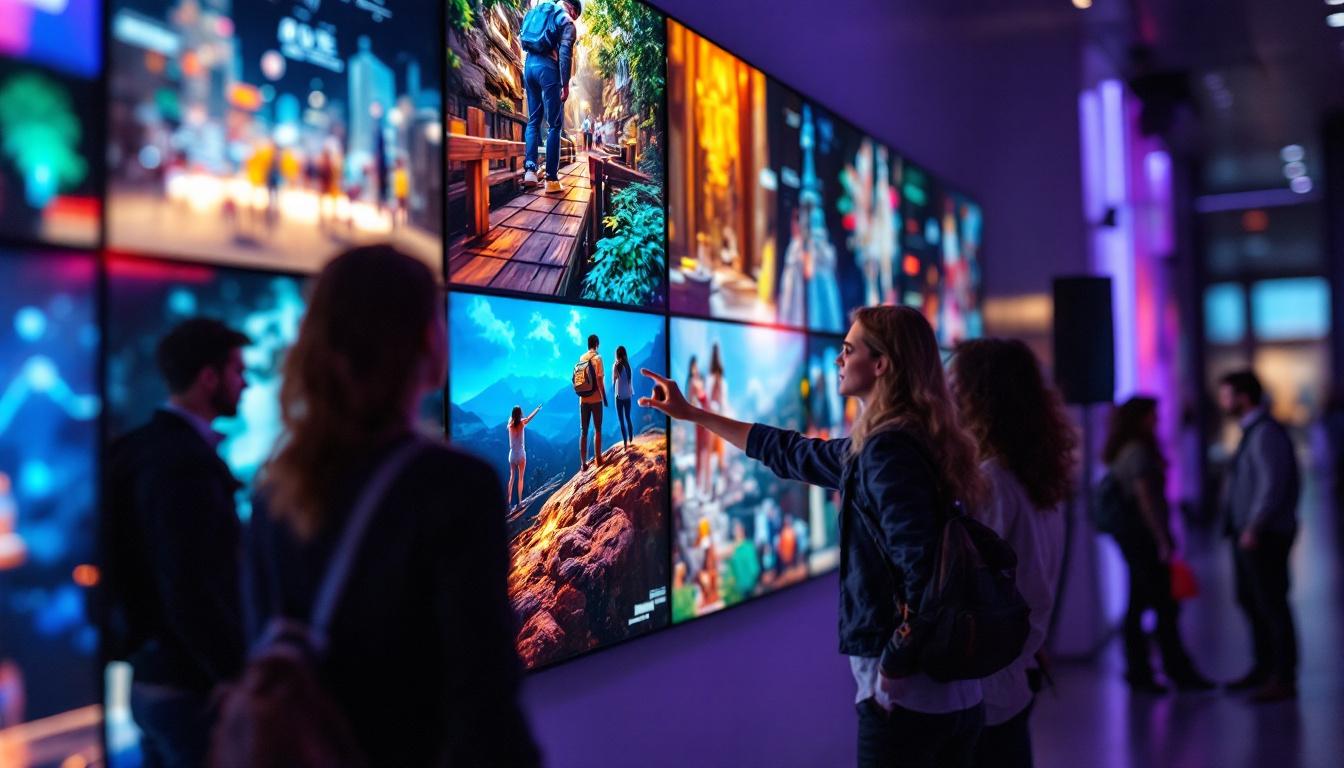
Artificial intelligence and interactive capabilities are increasingly integrated into LED video walls. This allows for real-time content adaptation based on audience behavior, environmental conditions, or other data inputs. Interactive video walls can respond to touch, gestures, or mobile devices, creating engaging user experiences.
Energy Efficiency and Sustainability
With growing emphasis on sustainability, manufacturers are developing LED panels that consume less power without compromising brightness or quality. Additionally, longer-lasting components reduce electronic waste, making LED video walls a more environmentally responsible choice.
Conclusion
Multi screen LED video walls represent a dynamic and versatile display technology that can transform spaces and captivate audiences. Their superior brightness, flexibility, and image quality make them suitable for a wide range of applications, from retail and advertising to control rooms and entertainment venues. By understanding the technical aspects and future trends, organizations can make informed decisions to leverage LED video walls effectively and stay ahead in the competitive landscape of visual communication.
Discover LumenMatrix’s Innovative LED Solutions
Ready to elevate your space with the latest in LED display technology? LumenMatrix offers a comprehensive range of cutting-edge LED solutions tailored to meet your unique needs. From vibrant Indoor and Outdoor LED Wall Displays to dynamic Vehicle and Sports LED Displays, our products are designed to captivate your audience and amplify your message. Experience the future of visual communication with our All-in-One LED Displays, LED Transparent Displays, and more. Check out LumenMatrix LED Display Solutions today and transform your visual storytelling into an unforgettable experience.