In today’s fast-paced digital world, capturing attention is more critical than ever. LED displays have become a cornerstone technology for advertising, information dissemination, and entertainment. Among these, the LED box display stands out as a versatile and impactful medium. This article delves into the world of LED box displays, exploring their technology, applications, benefits, and future trends.
Understanding LED Box Displays
What Is an LED Box Display?
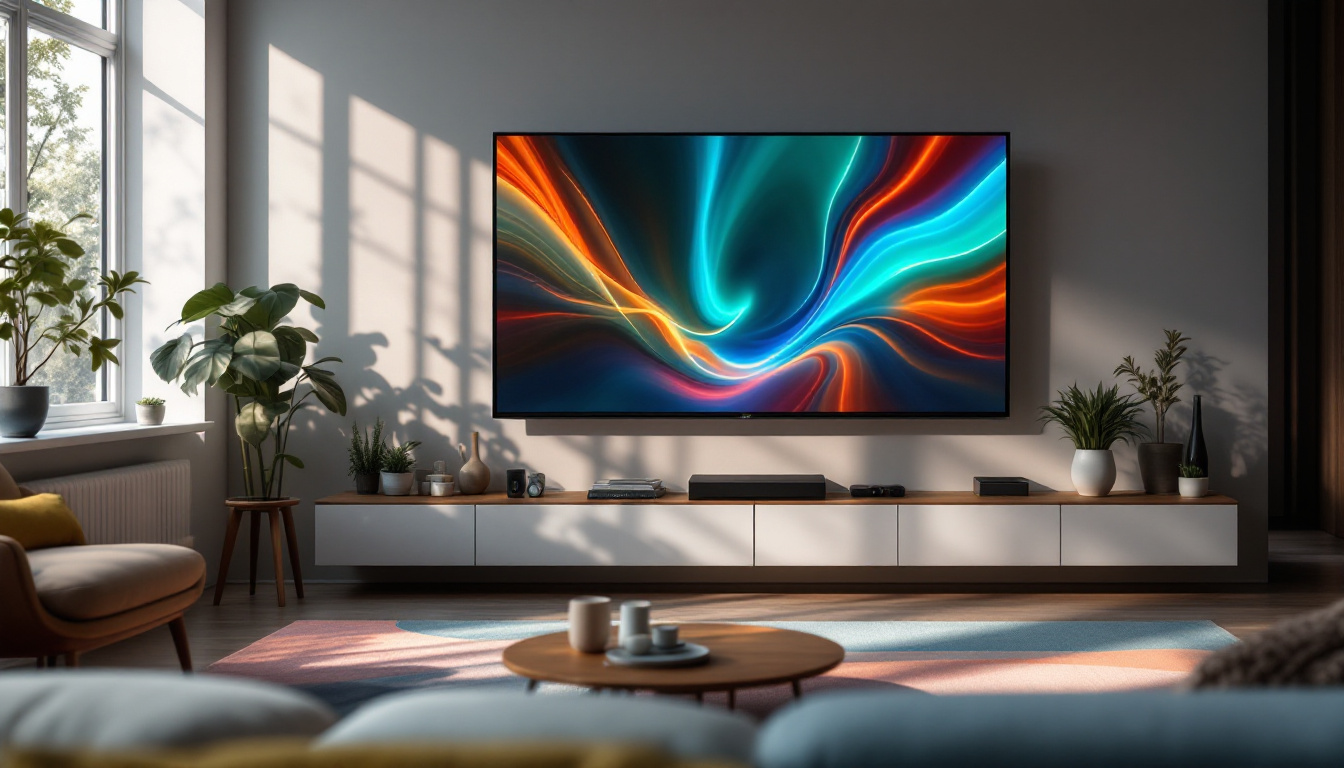
An LED box display is a type of digital signage that uses light-emitting diodes (LEDs) arranged in a box-like frame to present vivid images, videos, or text. These displays are designed to be eye-catching, bright, and visible from a distance, making them ideal for both indoor and outdoor use. Unlike traditional static signs, LED box displays offer dynamic content that can be updated instantly.
The “box” in LED box display refers to the enclosure that houses the LED modules, power supply, and control system. This structure protects the components from environmental factors like dust, moisture, and impact, ensuring durability and longevity. Additionally, these enclosures can be customized in various shapes and sizes to fit specific branding requirements or aesthetic preferences, allowing businesses to create a unique visual identity that stands out in crowded environments.
How Do LED Box Displays Work?
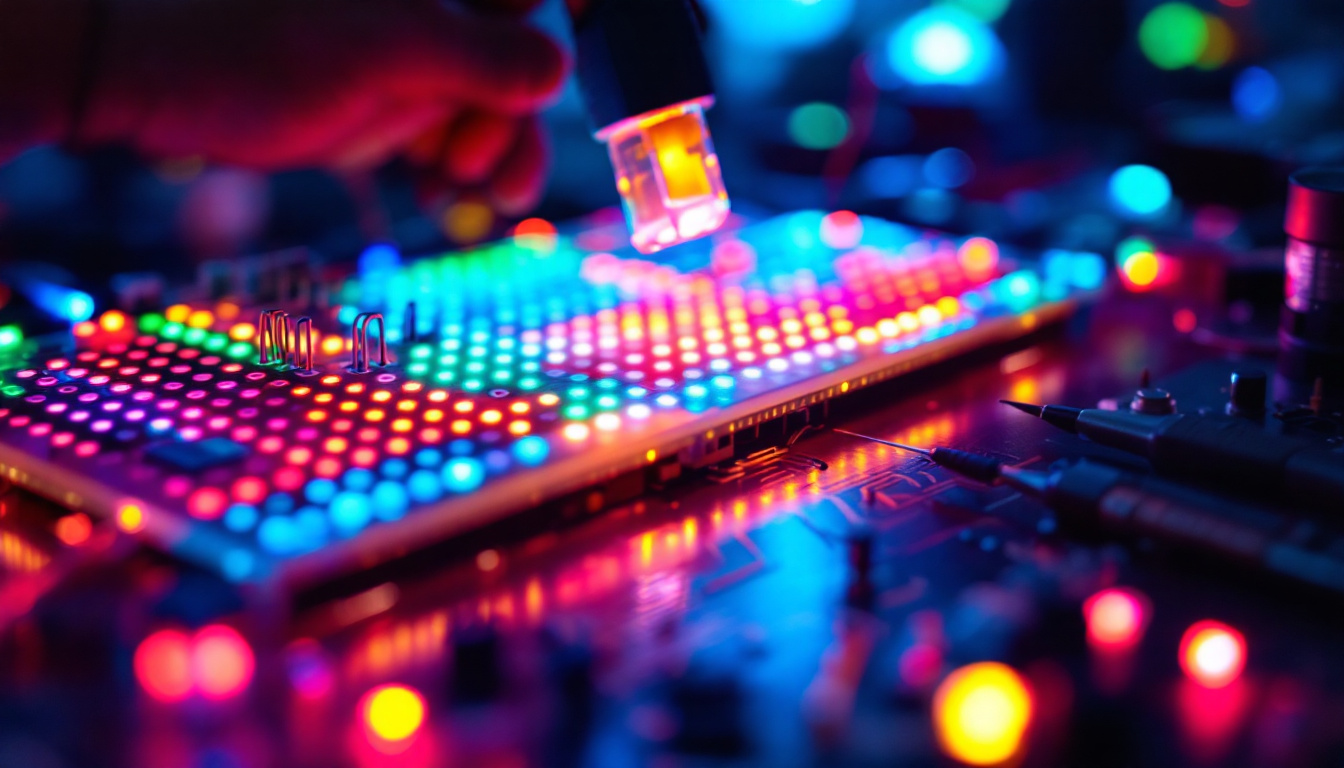
At the core of an LED box display are thousands of tiny LEDs arranged in a grid. Each LED acts as a pixel, emitting red, green, or blue light. By varying the intensity of these three colors, the display can produce a full spectrum of colors, enabling vibrant and detailed images. The technology behind LED displays has evolved significantly, with advancements in energy efficiency and brightness levels, making them suitable for a wide range of applications, from advertising to event displays.
The display is controlled by a processor that sends signals to the LEDs, determining which ones light up and at what brightness. This control system can be programmed to show static images, scrolling text, animations, or full-motion video. Modern LED box displays often include wireless connectivity, allowing remote content updates and real-time data integration. This capability is particularly beneficial for businesses that need to change their messaging frequently, as they can do so without the need for physical alterations to the display. Furthermore, many LED displays now come equipped with sensors that adjust brightness based on ambient light conditions, ensuring optimal visibility at all times.
Types of LED Box Displays
Indoor vs. Outdoor LED Box Displays
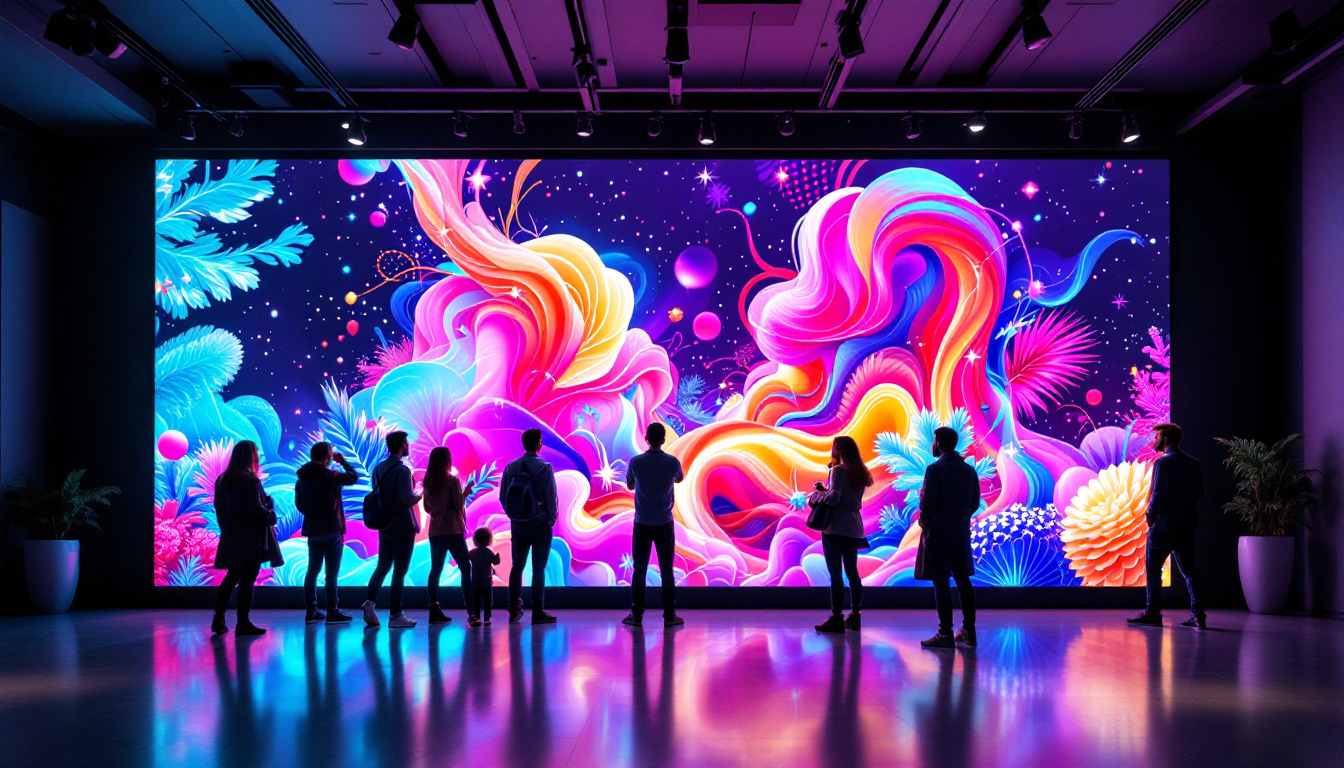
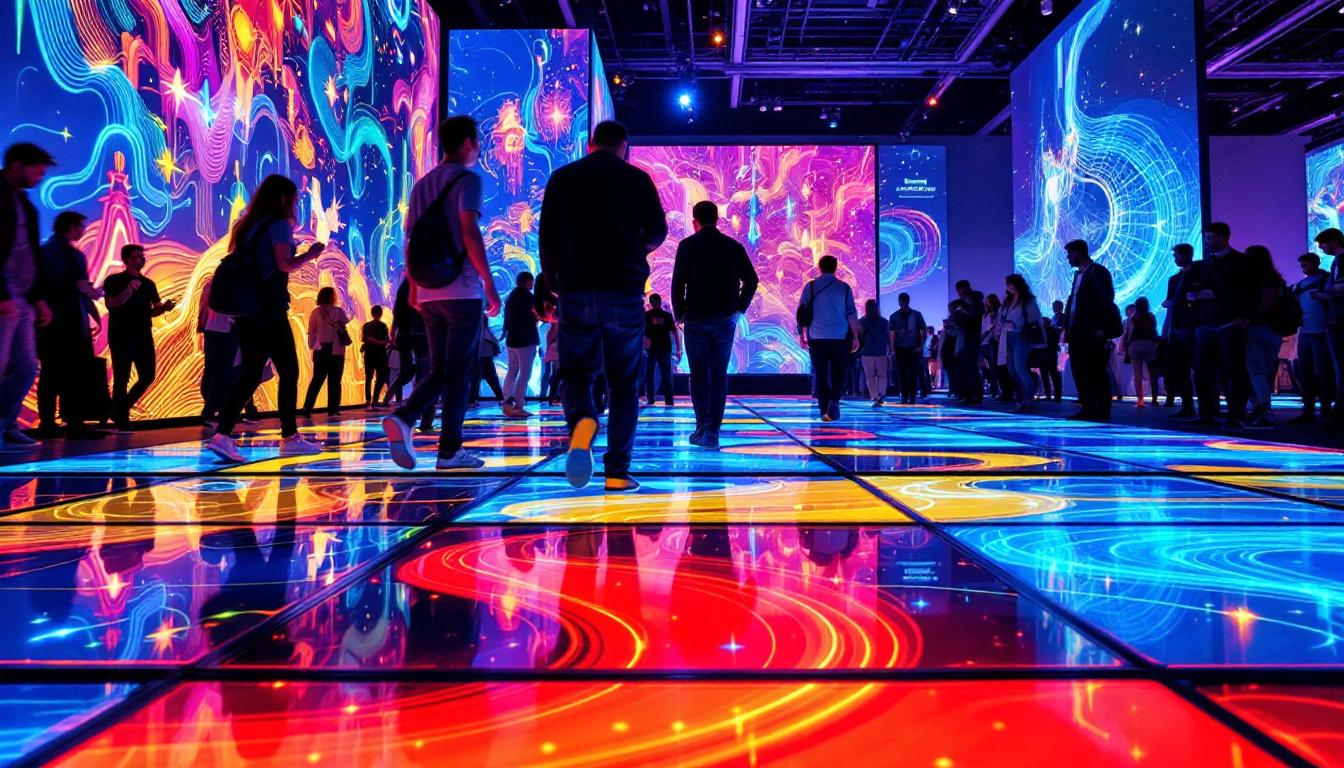
One of the primary distinctions in LED box displays is their intended environment. Indoor LED box displays are designed for controlled lighting conditions and typically have a higher pixel density, resulting in sharper images. They are commonly used in retail stores, airports, conference halls, and museums. The vibrant colors and high resolution of indoor displays make them ideal for showcasing products, advertisements, and interactive content that engages customers. For instance, in a retail setting, a well-placed indoor LED display can draw attention to promotions and new arrivals, enhancing the shopping experience.
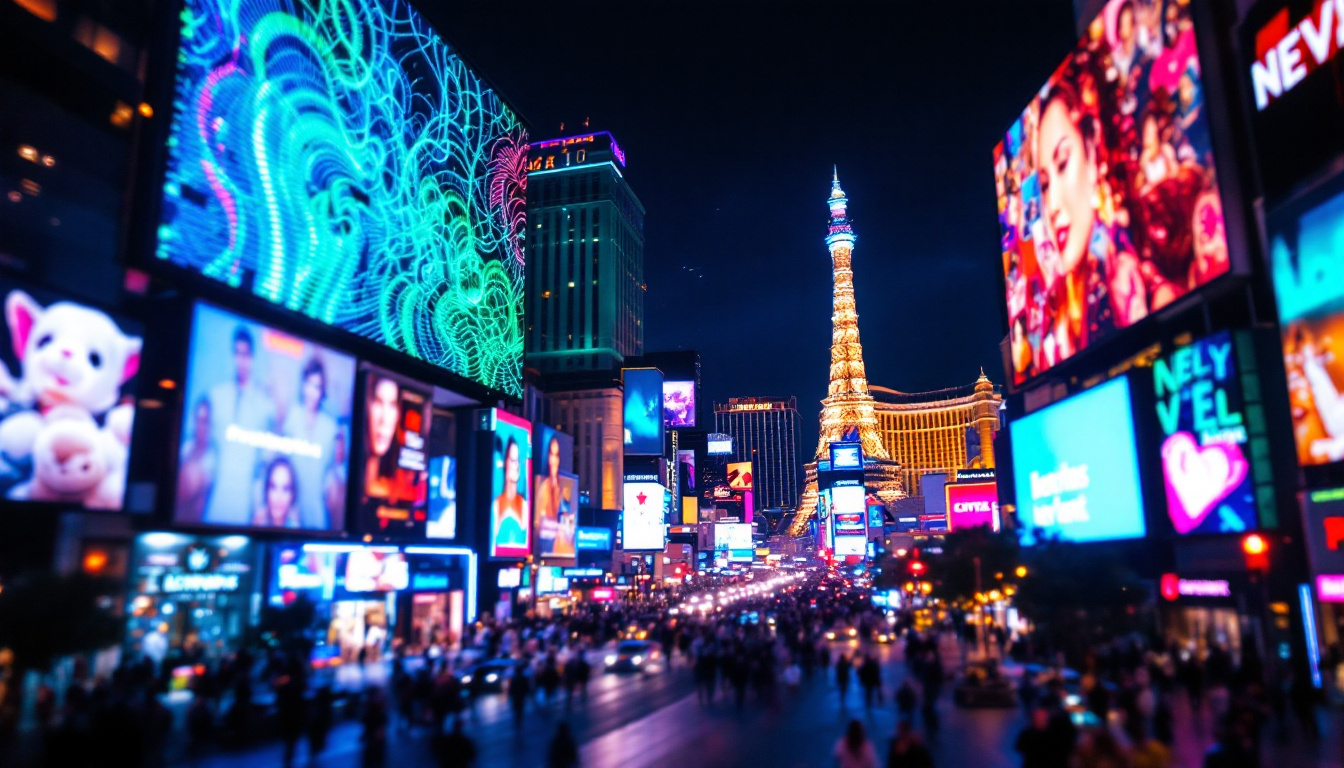
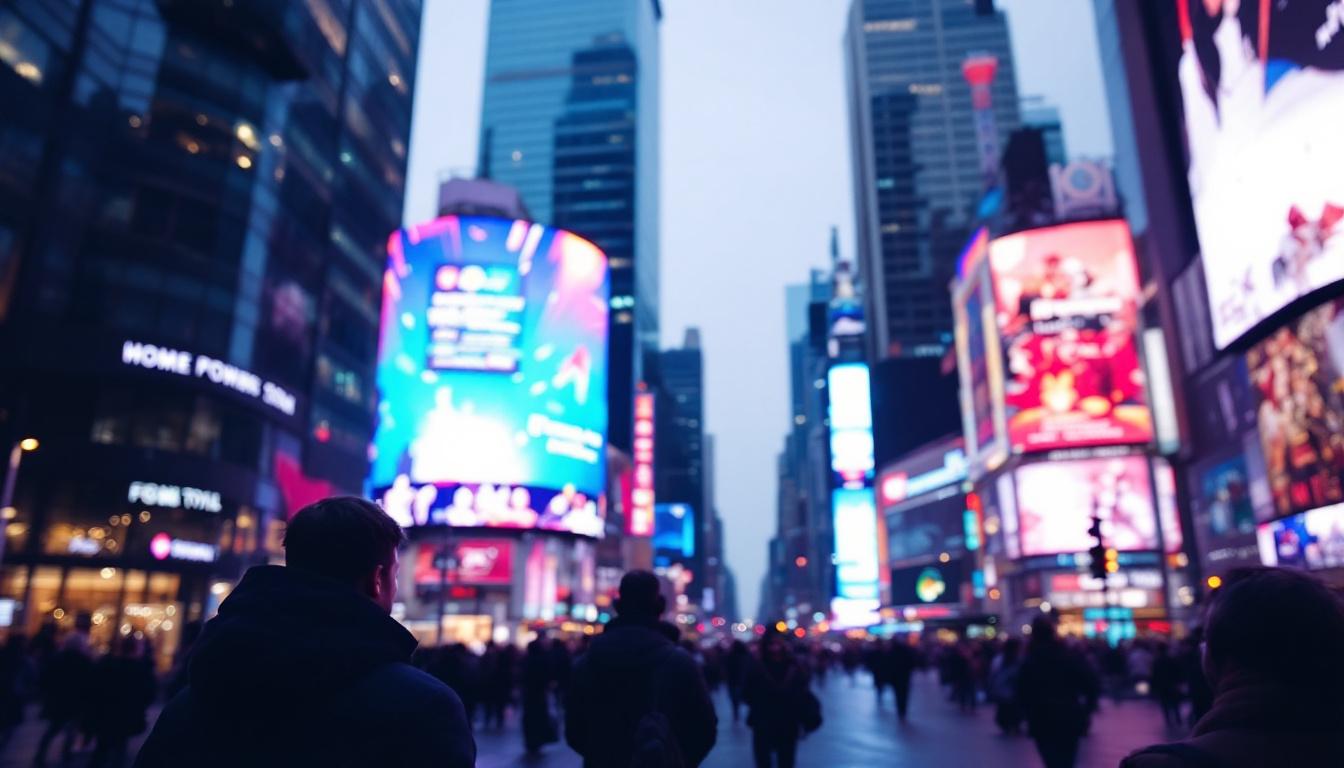
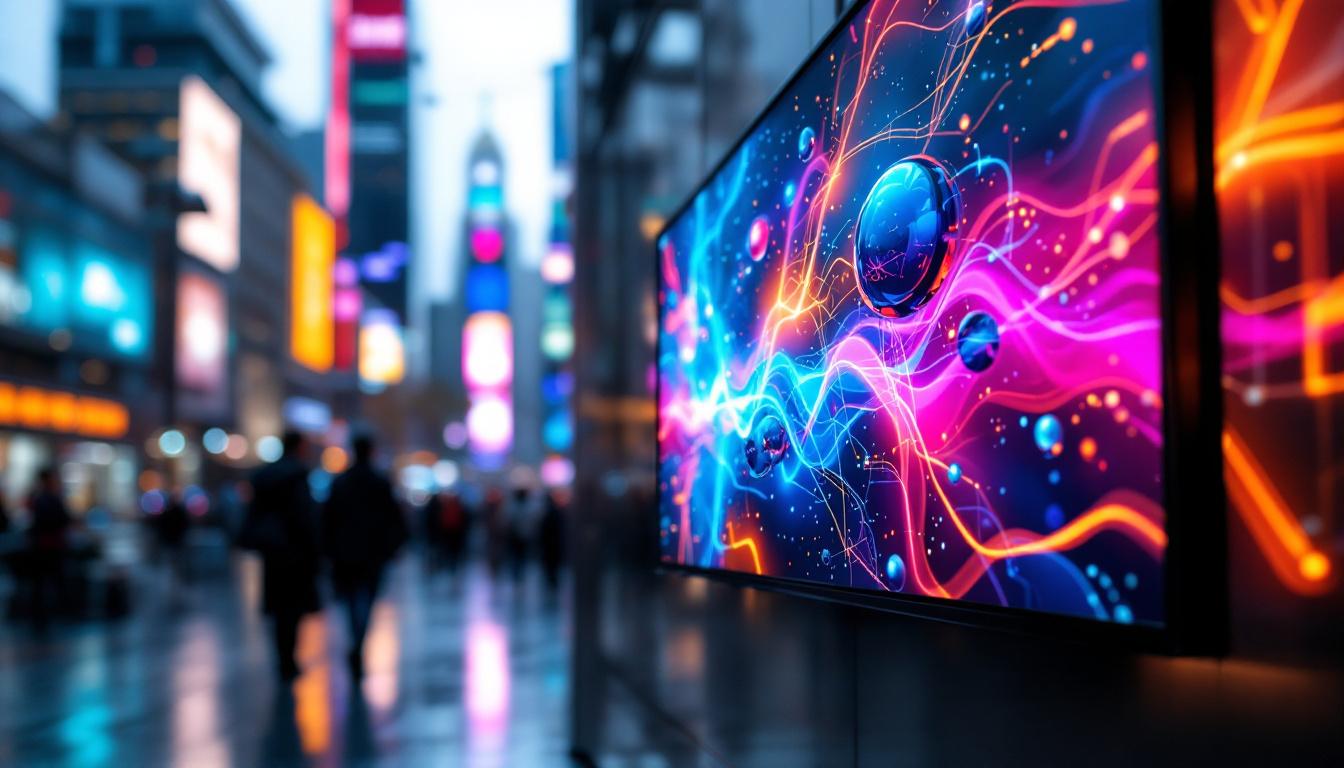
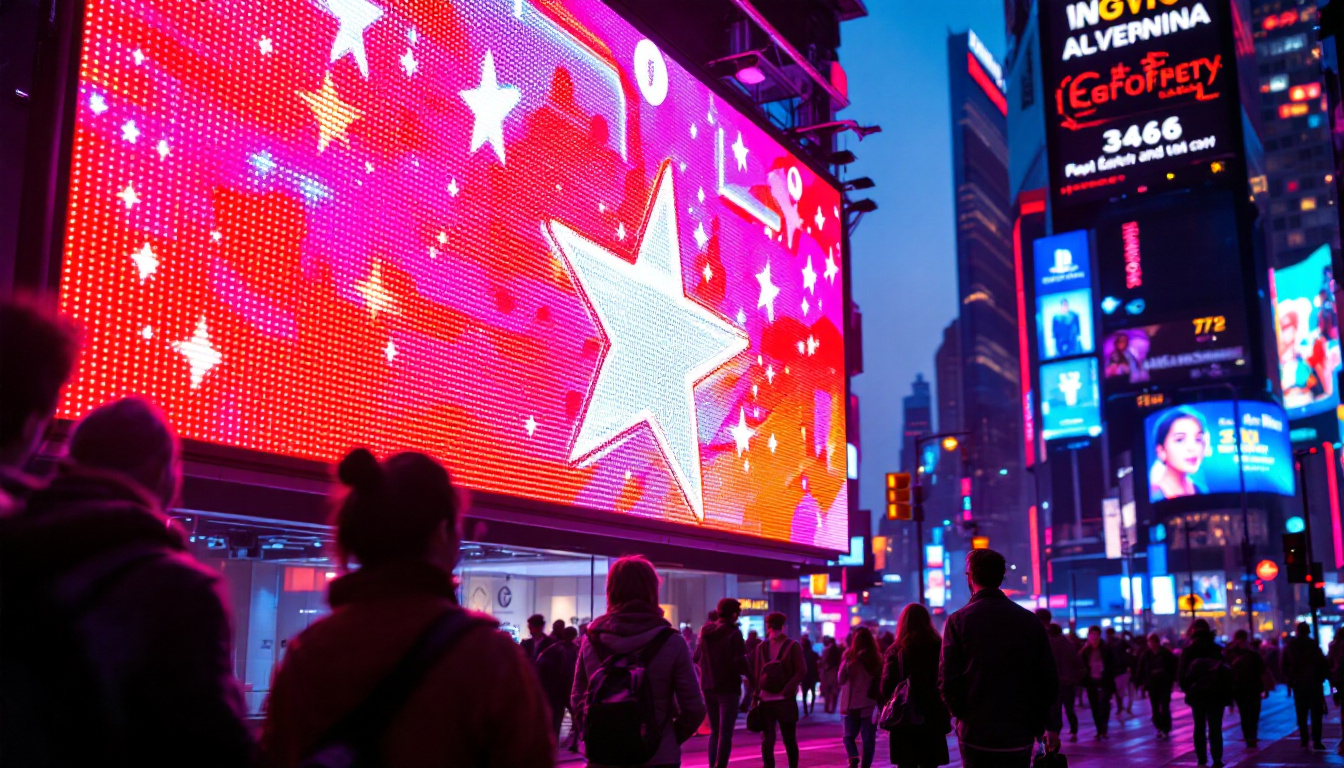
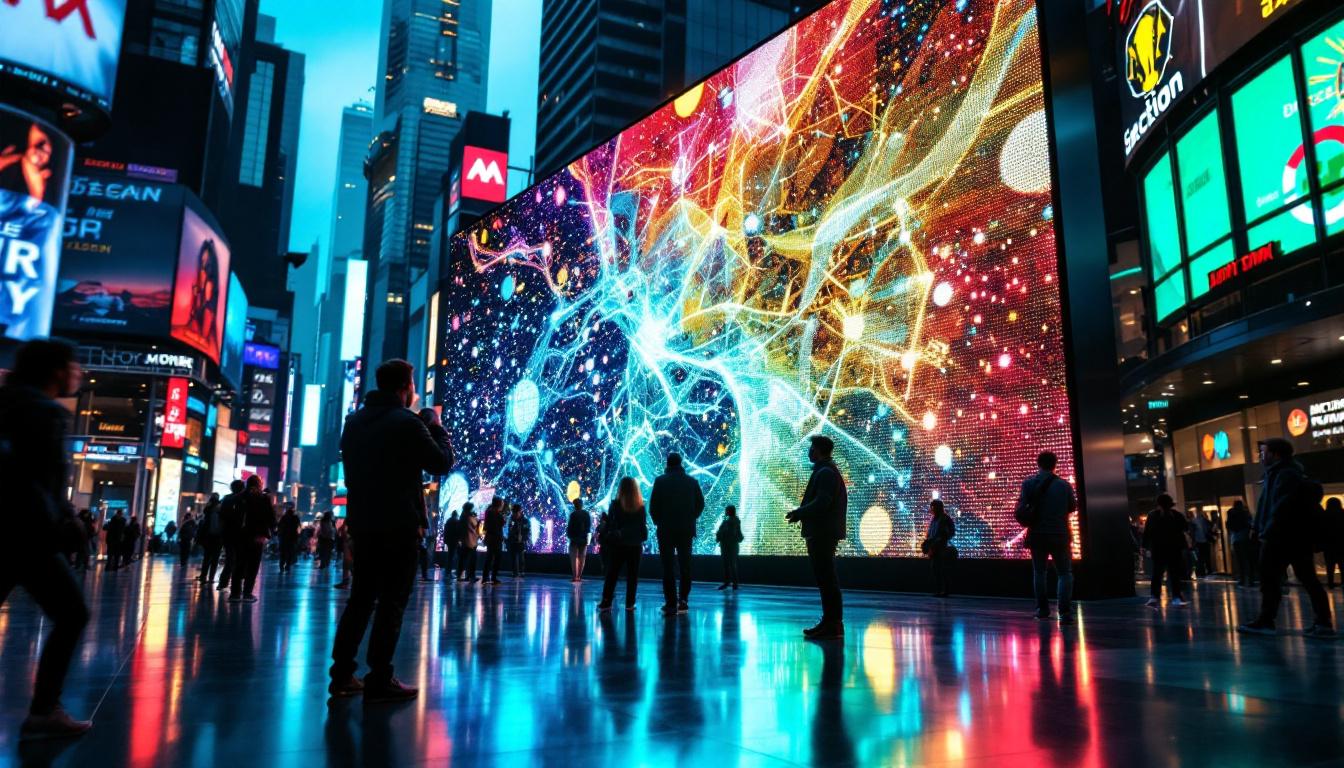
Outdoor LED box displays, on the other hand, are built to withstand harsh weather conditions and direct sunlight. They feature higher brightness levels—often exceeding 5,000 nits—to remain visible even in bright daylight. Additionally, outdoor models have robust enclosures with waterproof and dustproof ratings, such as IP65 or higher. This durability ensures that they can function effectively in various climates, from heavy rain to extreme heat. Moreover, outdoor displays are often used for large-scale advertising campaigns, providing dynamic content that can reach a wide audience. Their ability to display high-definition video and animations makes them a favored choice for sports events and concerts, where capturing the audience’s attention is crucial.
Fixed vs. Rental LED Box Displays
Fixed LED box displays are permanently installed at a specific location, such as on building facades, billboards, or inside shopping malls. These installations are designed for long-term use and often customized to fit architectural features. The integration of fixed displays into the environment can enhance the aesthetic appeal of a space, as they can be tailored in size, shape, and resolution to complement surrounding structures. For example, a fixed LED display on a skyscraper can serve as a stunning visual landmark, while also providing valuable information or advertising to passersby.
Rental LED box displays are portable and modular, allowing for easy transportation and assembly. They are popular for events, exhibitions, concerts, and temporary advertising campaigns. Rental units prioritize quick setup and teardown, with lightweight frames and plug-and-play connectivity. This flexibility allows event organizers to create immersive experiences tailored to specific themes or audiences. Additionally, rental displays can be configured in various layouts, from simple rectangular setups to complex multi-screen arrangements, enabling creative storytelling through visual content. As technology advances, rental displays are also incorporating features like interactive touch screens and augmented reality capabilities, further enhancing audience engagement during events.
Applications of LED Box Displays
Advertising and Marketing
LED box displays have revolutionized advertising by offering dynamic, engaging content that captures consumer attention. According to a 2023 report by the Digital Signage Federation, digital signage, including LED displays, increases customer engagement by up to 30% compared to static signs.
Retailers use LED box displays to showcase promotions, new products, and brand messages. Outdoor LED billboards along highways and city centers deliver high-impact advertising to thousands of viewers daily. The flexibility to update content instantly allows marketers to tailor messages based on time of day, audience demographics, or current events.
Information and Wayfinding
Beyond advertising, LED box displays serve critical roles in information dissemination. Airports, train stations, and bus terminals utilize LED displays to provide real-time schedules, alerts, and directional guidance. Their high visibility and clarity reduce confusion and improve passenger experience.
In corporate environments, LED box displays can communicate internal announcements, safety messages, or event information. Educational institutions also employ them for campus notifications and interactive learning aids.
Entertainment and Events
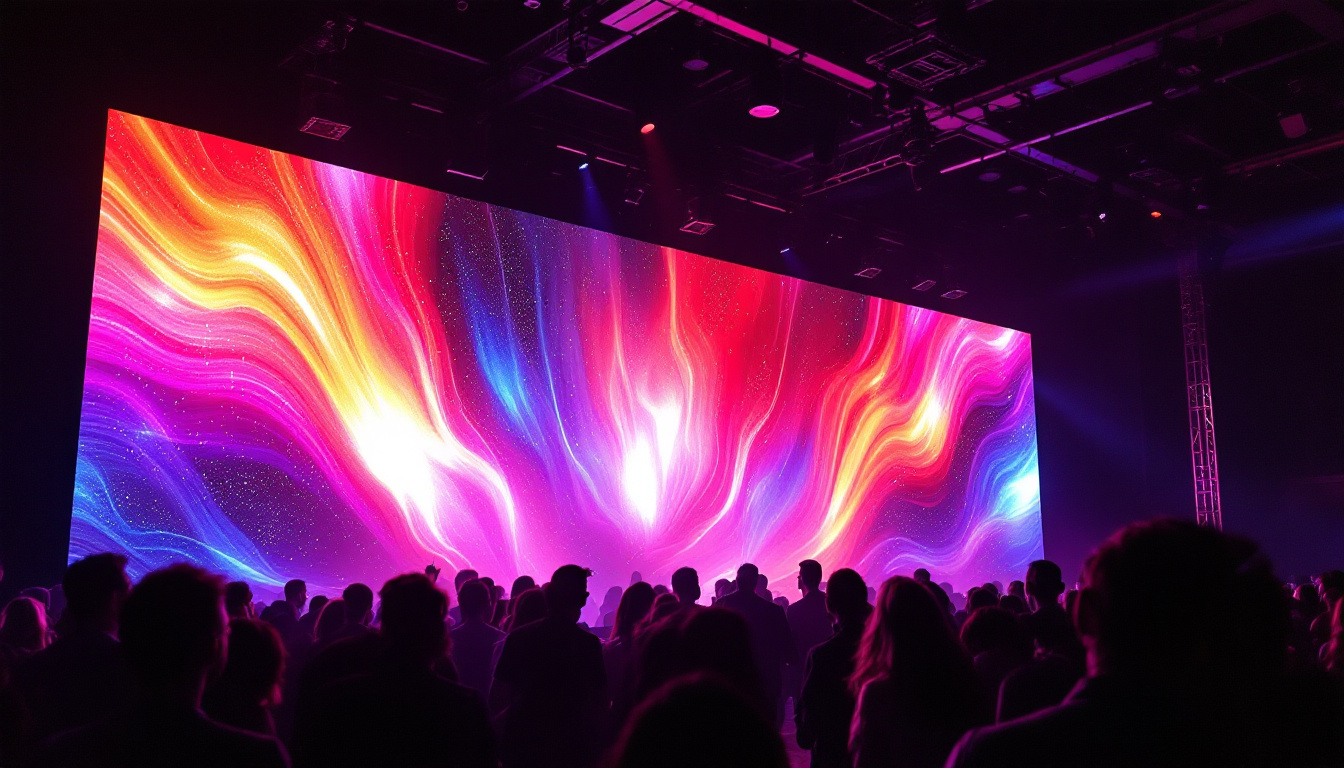
Concerts, sports arenas, and theaters integrate large LED box displays to enhance audience engagement. These displays show live video feeds, replays, scores, and interactive content. The ability to display high-resolution video content in bright environments makes LED box displays indispensable for modern entertainment venues.
Benefits of LED Box Displays
High Visibility and Brightness
One of the most significant advantages of LED box displays is their exceptional brightness. Outdoor displays can reach brightness levels up to 10,000 nits, ensuring visibility even under direct sunlight. This makes them superior to LCD or projection-based signage in many scenarios.
Energy Efficiency and Longevity
LED technology is inherently energy-efficient, consuming significantly less power than traditional lighting methods. Advances in LED design have further reduced energy consumption while increasing brightness. Many LED box displays have lifespans exceeding 100,000 hours, translating to years of reliable operation with minimal maintenance.
Flexibility and Customization
LED box displays offer unparalleled flexibility in content presentation. Businesses can schedule multiple messages, incorporate interactive elements, or integrate live data feeds such as weather updates or social media streams. The modular design allows for customization in size, shape, and resolution to meet specific needs.
Cost-Effectiveness Over Time
While the initial investment in LED box displays can be higher than traditional signage, the long-term benefits often justify the cost. Reduced maintenance, lower energy bills, and the ability to update content without printing new materials contribute to overall savings. Additionally, the enhanced engagement and advertising effectiveness can lead to increased revenue.
Choosing the Right LED Box Display
Considerations for Pixel Pitch and Resolution
Pixel pitch—the distance between individual LEDs—is a critical factor influencing image quality. Smaller pixel pitches yield higher resolution and sharper images, ideal for close viewing distances. For example, indoor LED box displays often feature pixel pitches as low as 1.2mm, while outdoor displays may range from 4mm to 10mm or more.
Understanding the viewing distance and environment helps determine the appropriate pixel pitch. A display intended to be viewed from several meters away does not require ultra-fine resolution, allowing for cost savings.
Brightness and Environmental Durability
Assessing the ambient light conditions is essential when selecting an LED box display. Outdoor installations demand higher brightness and weatherproof enclosures. Look for displays with IP65 or higher ratings for protection against rain and dust.
Temperature tolerance is also important, especially in regions with extreme weather. Some LED box displays come with built-in cooling or heating systems to maintain optimal performance.
Control Systems and Connectivity
Modern LED box displays support various control options, including wired Ethernet, Wi-Fi, and cellular networks. Choosing a system with user-friendly software and remote management capabilities can simplify content updates and monitoring.
Integration with content management systems (CMS) allows for scheduling, real-time data feeds, and multi-display synchronization, enhancing the display’s effectiveness.
Future Trends in LED Box Displays
Advancements in MicroLED Technology
MicroLED technology represents the next frontier in LED displays, offering even higher brightness, contrast, and energy efficiency. Unlike traditional LEDs, microLEDs are microscopic and can be densely packed, enabling ultra-high-resolution displays with exceptional color accuracy.
Although still emerging, microLEDs are expected to revolutionize LED box displays within the next five years, particularly in premium advertising and entertainment sectors.
Increased Interactivity and AI Integration
Future LED box displays will increasingly incorporate interactive features such as touch sensitivity, gesture recognition, and augmented reality. Artificial intelligence (AI) will enable displays to adapt content dynamically based on audience behavior, weather, or other contextual data.
This level of personalization will enhance engagement and provide valuable insights for marketers and operators.
Sustainability and Eco-Friendly Designs
As environmental concerns grow, manufacturers are focusing on sustainable materials and energy-saving technologies. Innovations include recyclable components, solar-powered displays, and improved thermal management to reduce energy consumption.
These advancements align with corporate social responsibility goals and regulatory requirements, making LED box displays a greener choice for digital signage.
Conclusion
LED box displays are a powerful and versatile tool in the digital signage landscape. Their ability to deliver bright, dynamic, and customizable content makes them invaluable for advertising, information sharing, and entertainment. Understanding the technology, types, and applications helps businesses and organizations select the right solution to maximize impact and return on investment.
With ongoing advancements in LED technology and increasing integration of smart features, LED box displays are poised to become even more effective and sustainable in the years ahead. Whether for a retail storefront, a major event, or public information, these displays offer a compelling way to connect with audiences in a visually striking manner.
Illuminate Your Message with LumenMatrix
Ready to elevate your brand’s presence and captivate your audience with unparalleled clarity? LumenMatrix is at the forefront of LED display innovation, offering a diverse range of solutions tailored to your unique needs. From vibrant Indoor and Outdoor LED Wall Displays to dynamic Vehicle and Sports LED Displays, our technology is designed to create immersive visual experiences that resonate. Explore our cutting-edge LED Poster Displays, Floor LED Displays, Custom LED solutions, and more. Embrace the future of visual communication with LumenMatrix and Check out LumenMatrix LED Display Solutions today to see how our expertise can transform your messaging into a visual spectacle.