In the rapidly evolving world of digital signage and display technology, LED displays have become a cornerstone for delivering vibrant, high-impact visuals across various industries. Among the many specifications that define an LED display’s performance, pixel pitch plays a crucial role. One particular pixel pitch that has gained attention for its balance of clarity and cost-effectiveness is the 13 millimeter (mm) LED display. This article explores what a 13 mm LED display is, its technical characteristics, practical applications, and why it might be the ideal choice for certain environments.
Understanding Pixel Pitch and Its Importance
Before diving into the specifics of the 13 mm LED display, it’s essential to understand what pixel pitch means in the context of LED screens. Pixel pitch refers to the distance, measured in millimeters, between the centers of two adjacent pixels on an LED display. This measurement directly influences the resolution and viewing distance of the screen.
For example, a smaller pixel pitch such as 1.5 mm or 2 mm means pixels are packed closely together, resulting in higher resolution and sharper images, especially when viewed from close range. Conversely, a larger pixel pitch like 13 mm means pixels are spaced further apart, which reduces resolution but is often sufficient for displays viewed from a distance.
The pixel pitch is a critical factor because it determines the optimal viewing distance and image clarity. A 13 mm pixel pitch LED display is designed primarily for medium to long viewing distances, where the human eye cannot distinguish individual pixels easily, ensuring a clear and impactful visual experience.
Why Pixel Pitch Matters for Display Selection
Choosing the right pixel pitch depends on the intended use case. For indoor environments where viewers are close to the screen, a smaller pixel pitch is necessary to avoid pixelation and maintain image quality. However, for outdoor or large venue displays where viewers are farther away, larger pixel pitches like 13 mm offer a cost-effective solution while still delivering vibrant visuals.
Moreover, larger pixel pitch displays tend to consume less power and are more durable in harsh outdoor conditions, making them ideal for advertising billboards, sports arenas, and public information displays. The robustness of these displays also means they can withstand various weather conditions, from heavy rain to intense sunlight, without compromising performance. This durability is crucial for outdoor installations, where maintenance can be challenging and costly.
In addition, the choice of pixel pitch can significantly impact the overall design and aesthetic of a space. For instance, in a bustling urban environment, a 13 mm LED display can serve as an eye-catching focal point that draws attention without overwhelming the viewer. The balance between visibility and clarity ensures that messages are communicated effectively, whether it’s for advertising campaigns or public service announcements. As technology advances, the integration of smart features with these displays, such as real-time data feeds and interactive content, further enhances their functionality and appeal.
Technical Specifications of 13 mm LED Displays
The 13 mm LED display is characterized by several technical features that make it suitable for specific applications. Understanding these specifications helps businesses and event organizers make informed decisions when investing in LED technology.
Resolution and Screen Size
Resolution is determined by the number of pixels per unit area. With a 13 mm pixel pitch, the pixel density is lower compared to finer pitch displays. For instance, a 1 square meter panel with a 13 mm pitch contains approximately 5,917 pixels (calculated as (1000 mm / 13 mm)²), whereas a 2 mm pitch panel contains 250,000 pixels in the same area.
This means that 13 mm displays are best suited for large-format screens where high resolution is less critical. They excel in applications where the screen size is large and viewers are positioned several meters away.
Brightness and Visibility
Outdoor LED displays must overcome ambient light conditions, especially direct sunlight. A typical 13 mm LED display offers brightness levels ranging from 5,000 to 7,000 nits, ensuring excellent visibility even in bright daylight. This high brightness capability is crucial for outdoor advertising and public information boards.
Additionally, these displays often feature high contrast ratios and wide viewing angles, typically around 120 to 160 degrees horizontally and vertically, which ensures consistent image quality from different vantage points.
Durability and Weather Resistance
13 mm LED displays are commonly designed for outdoor use, meaning they must withstand various environmental factors such as rain, dust, wind, and temperature fluctuations. Most models come with an IP65 or higher rating, indicating strong protection against water and dust ingress.
The robust construction includes weatherproof enclosures and corrosion-resistant materials, which contribute to a long operational lifespan, often exceeding 50,000 hours of use. This durability reduces maintenance costs and downtime, making them a reliable choice for permanent installations.
Applications of 13 mm LED Displays
The 13 mm pixel pitch LED display is versatile and widely used across multiple sectors. Its balance of size, visibility, and cost makes it a popular choice for outdoor and large venue applications.
Outdoor Advertising and Billboards
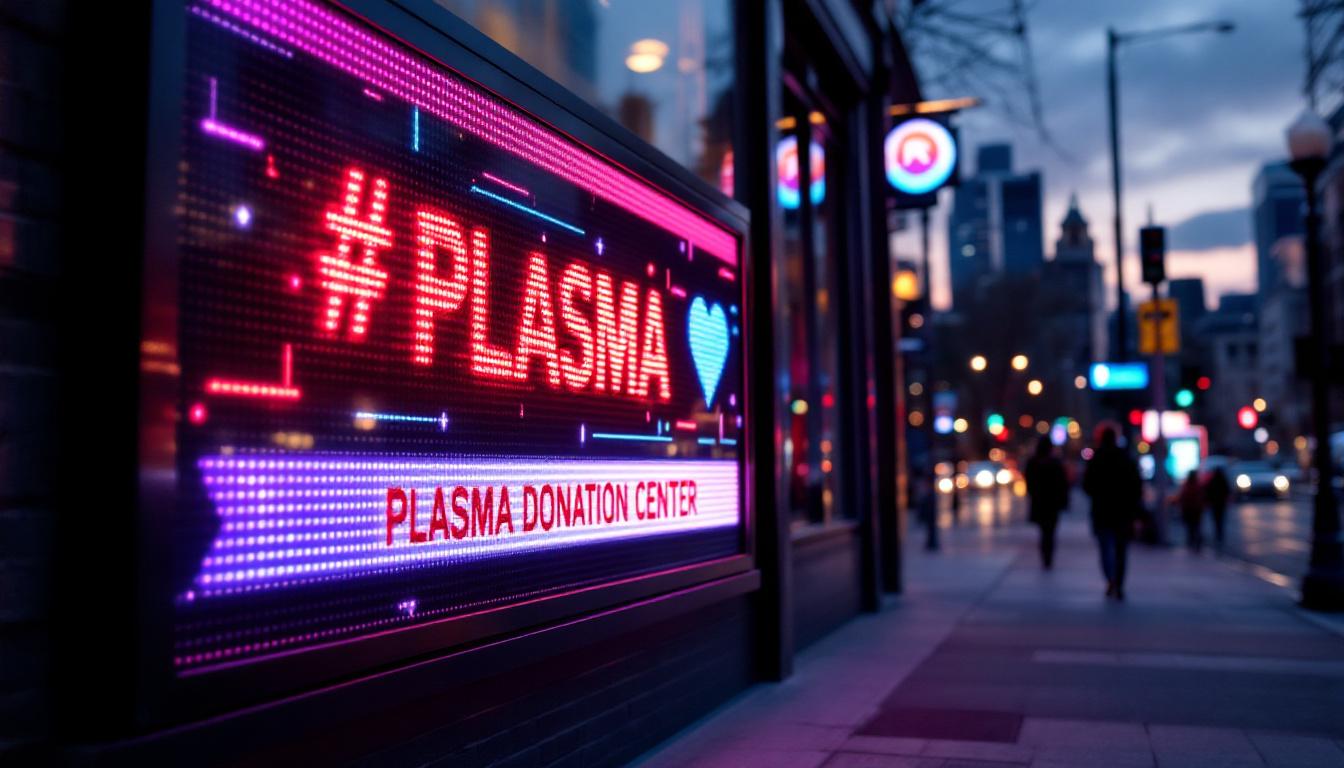
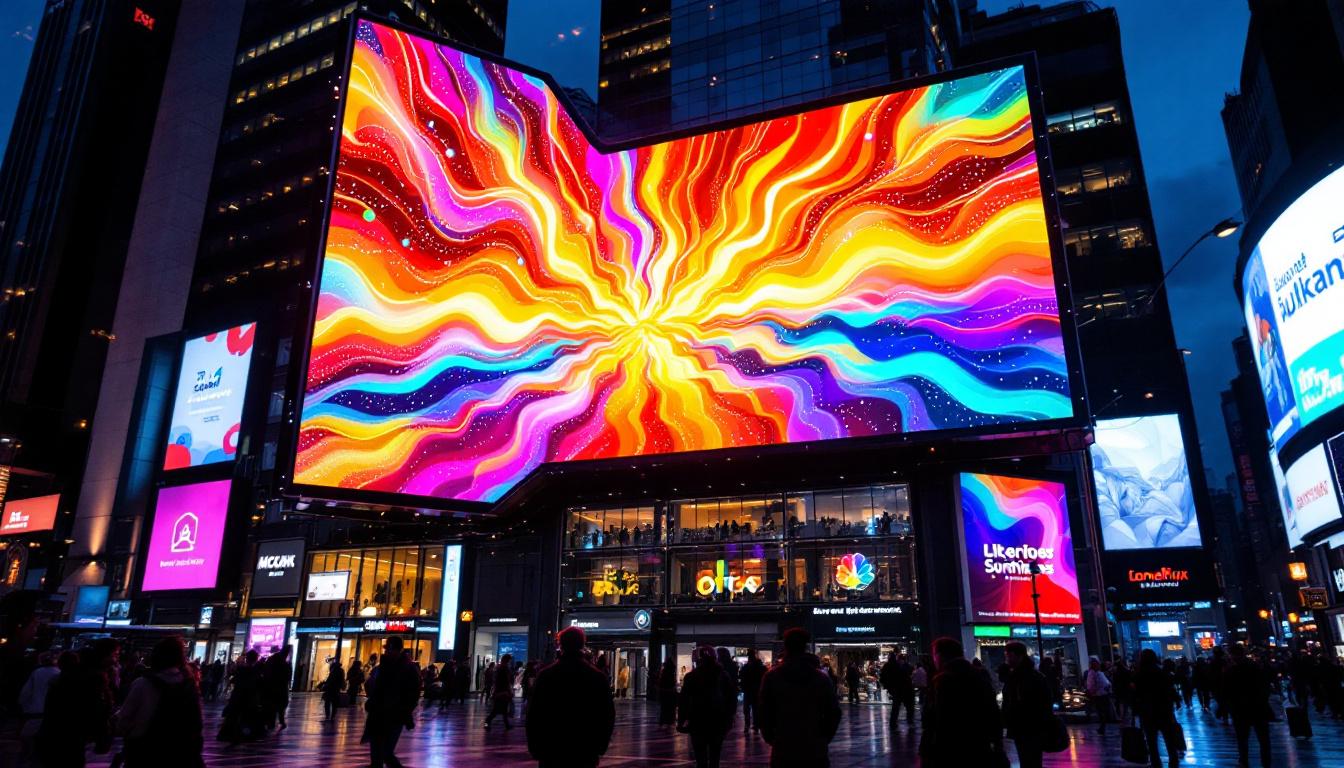
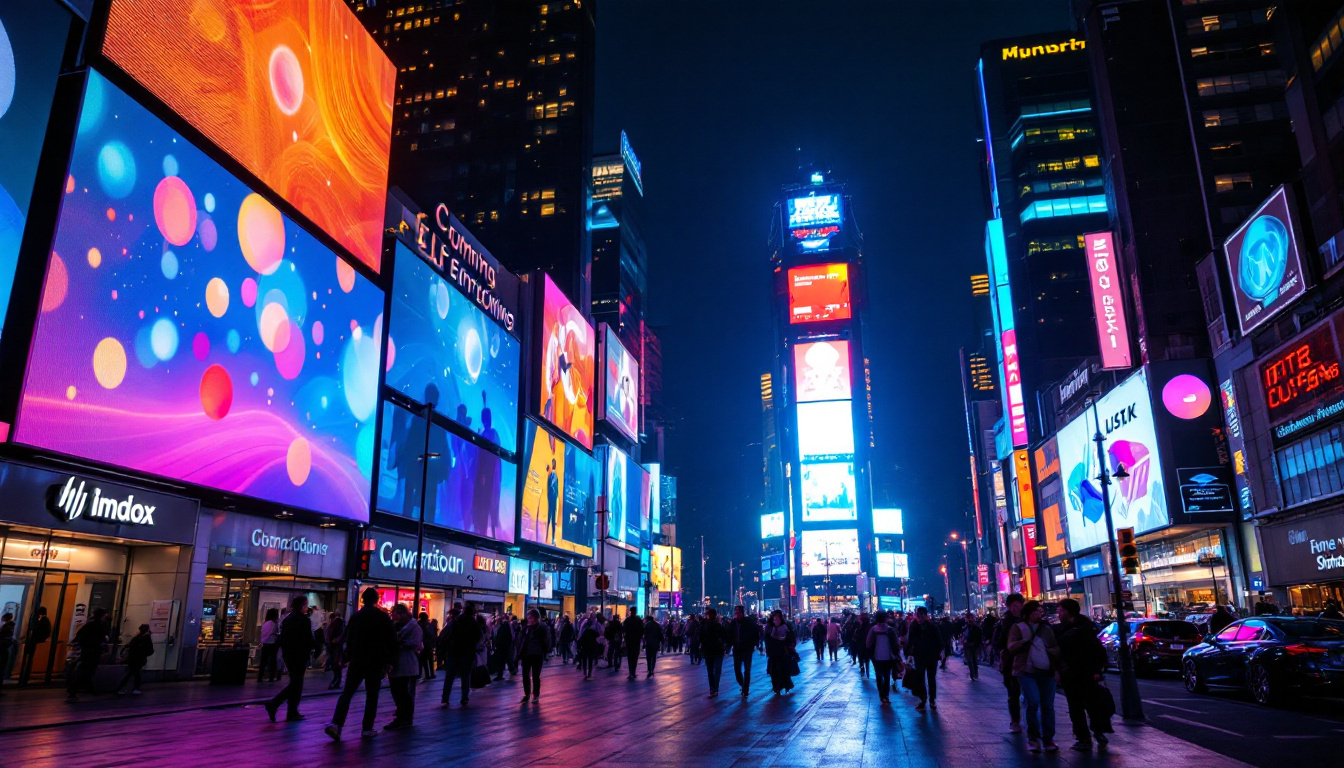
One of the most common uses of 13 mm LED displays is in outdoor advertising. Digital billboards equipped with 13 mm pitch LEDs deliver bright, eye-catching content that can be easily seen from a distance, such as from passing vehicles or pedestrians. The relatively lower resolution is offset by the large screen size and viewing distance, making the content impactful without the need for ultra-fine detail.
Furthermore, the ability to update content remotely and frequently allows advertisers to run dynamic campaigns, increasing engagement and return on investment compared to traditional static billboards.
Sports Arenas and Event Venues
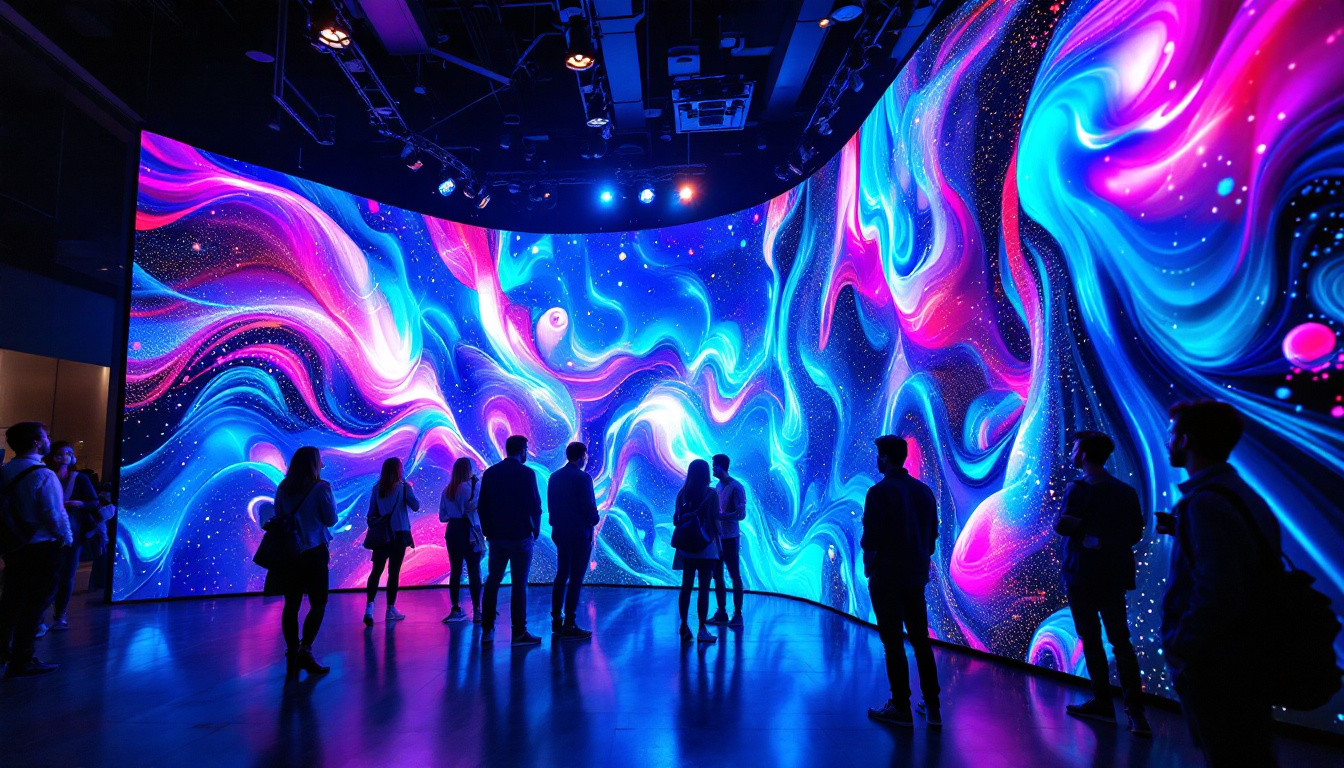
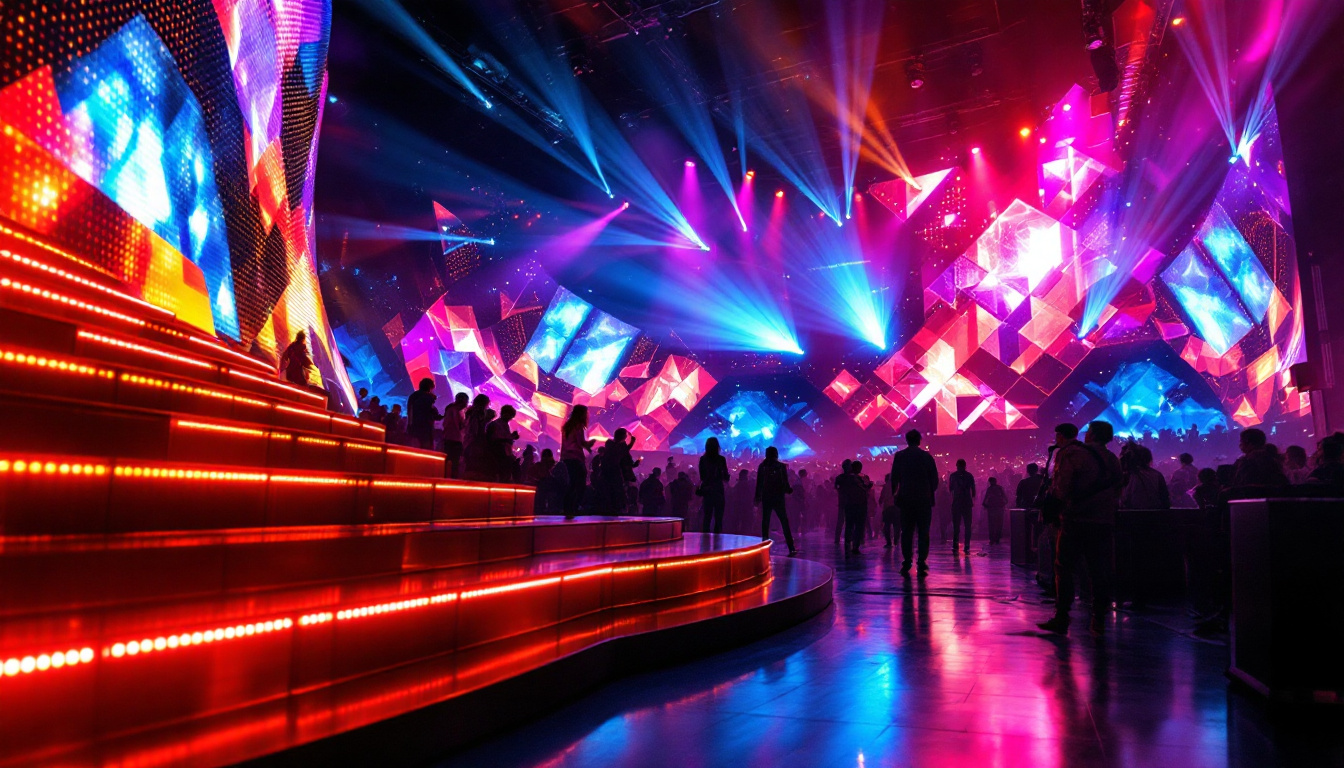
Sports stadiums and large event venues benefit from 13 mm LED displays for scoreboards, advertising, and live event broadcasting. The displays provide clear visuals to spectators seated at considerable distances from the screen. Their brightness and weather resistance ensure uninterrupted performance regardless of outdoor conditions.
These displays are often modular, allowing customization of screen size and shape to fit specific venue requirements. The scalability and ease of installation make 13 mm LED displays a practical solution for temporary or permanent setups.
Public Information and Transportation Hubs
Transportation centers such as airports, train stations, and bus terminals utilize 13 mm LED displays for schedules, announcements, and emergency information. The displays’ high visibility and reliability ensure that critical information reaches large crowds effectively.
Additionally, these displays can integrate with real-time data feeds, enabling dynamic content updates that improve passenger experience and operational efficiency.
Advantages and Limitations of 13 mm LED Displays
While 13 mm LED displays offer several benefits, they also come with certain limitations. Understanding these helps in determining whether this pixel pitch aligns with specific project needs.
Advantages
- Cost-Effectiveness: Larger pixel pitch displays generally cost less per square meter than fine-pitch alternatives, making them budget-friendly for large-scale installations.
- High Brightness: Designed for outdoor use, these displays maintain excellent visibility even under direct sunlight.
- Durability: Weatherproof and robust, they are suitable for long-term outdoor deployment with minimal maintenance.
- Energy Efficiency: Larger pixels consume less power, reducing operational costs over time.
Limitations
- Lower Resolution: Not suitable for applications requiring close-up viewing or detailed imagery.
- Bulkier Modules: The larger pixel size can result in bigger, heavier panels that may require more substantial structural support.
- Limited Indoor Use: Due to brightness and resolution characteristics, 13 mm displays are generally not ideal for indoor environments.
Choosing the Right LED Display: Is 13 mm the Best Fit?
Selecting an LED display involves considering multiple factors beyond pixel pitch, including viewing distance, environment, budget, and content type. The 13 mm LED display is particularly well-suited for scenarios where viewers are positioned several meters away and where high brightness and durability are priorities.
For example, a roadside advertising billboard that must be visible from 20 meters or more benefits from a 13 mm pitch, as the human eye cannot discern individual pixels at that distance, ensuring smooth and clear visuals. Similarly, sports stadiums with large seating capacities find 13 mm displays effective for scoreboard and advertising purposes.
However, if the installation requires close-range viewing, such as in retail stores, control rooms, or conference halls, a finer pixel pitch display (e.g., 2 mm or less) would be more appropriate to deliver crisp images and detailed content.
Future Trends and Innovations
The LED display industry continues to innovate, with emerging technologies pushing pixel pitches smaller while improving brightness and energy efficiency. MicroLED and miniLED technologies are gaining traction for their superior image quality and longevity.
Despite these advancements, 13 mm LED displays remain relevant due to their cost-effectiveness and suitability for large-scale outdoor applications. Manufacturers are also improving modular designs and incorporating smart control systems to enhance functionality and ease of use.
Conclusion
The 13 millimeter LED display represents a strategic balance between resolution, brightness, durability, and cost, making it a preferred choice for outdoor digital signage, advertising billboards, sports venues, and public information systems. Understanding its technical specifications and application contexts helps businesses and event organizers select the right display technology to maximize impact and return on investment.
As LED technology advances, the 13 mm pixel pitch will continue to serve as a reliable and effective solution for large-format displays where distance and visibility are paramount. Whether upgrading existing signage or planning new installations, considering the 13 mm LED display’s strengths and limitations is essential for achieving optimal results.
Discover LumenMatrix’s Advanced LED Solutions
Ready to elevate your visual displays with the perfect balance of technology and performance? LumenMatrix offers a comprehensive range of LED display solutions tailored to meet your needs. From vibrant outdoor billboards to dynamic sports arenas, our innovative LED modules are designed to captivate and engage your audience. Experience the future of visual communication with our Indoor LED Wall Display, Outdoor LED Wall Display, and more. Check out LumenMatrix LED Display Solutions today and transform your space into a visual masterpiece.