In today’s fast-paced digital world, advertising has evolved dramatically from static posters and printed banners to dynamic, eye-catching digital displays. Among these, LED billboards have emerged as a leading medium for businesses aiming to capture attention and convey messages effectively. This article explores the world of LED billboards, breaking down what they are, how they work, their benefits, and key considerations when purchasing LED billboards for sale.
What Are LED Billboards?
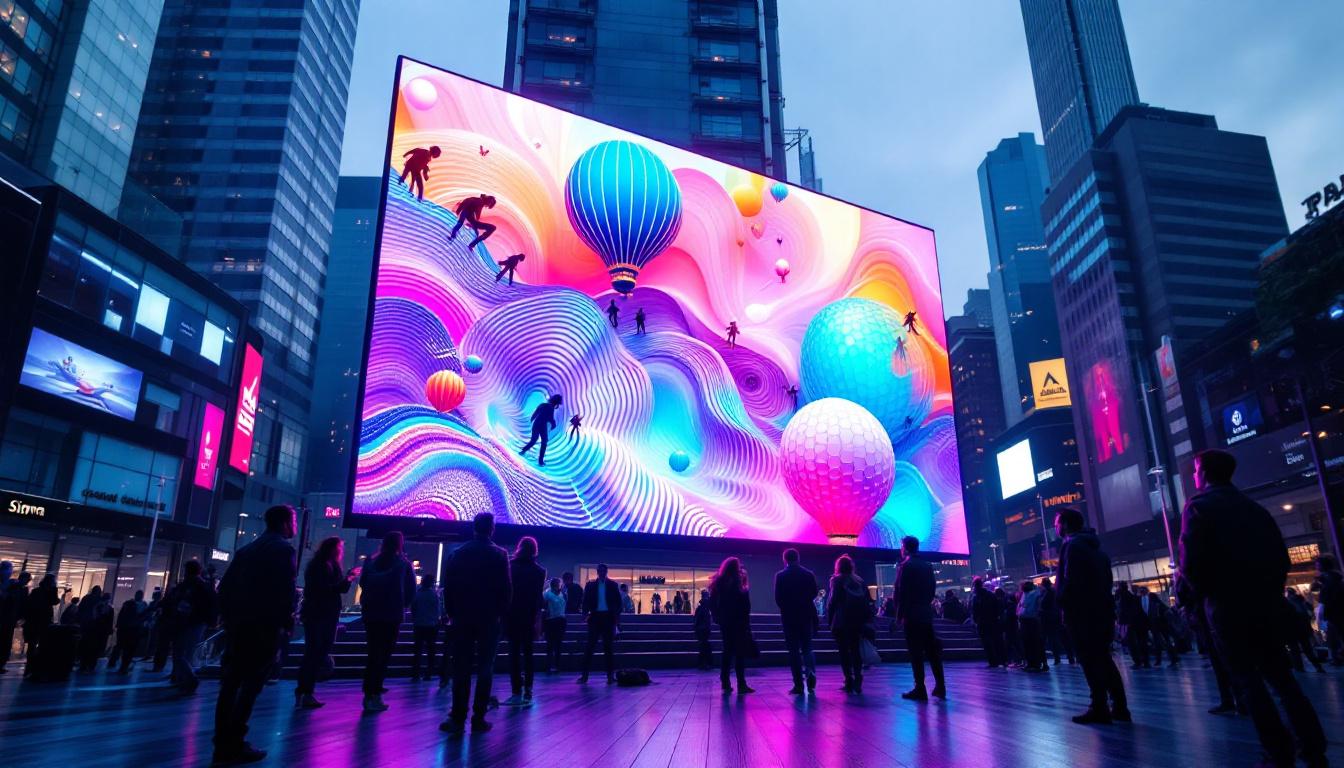
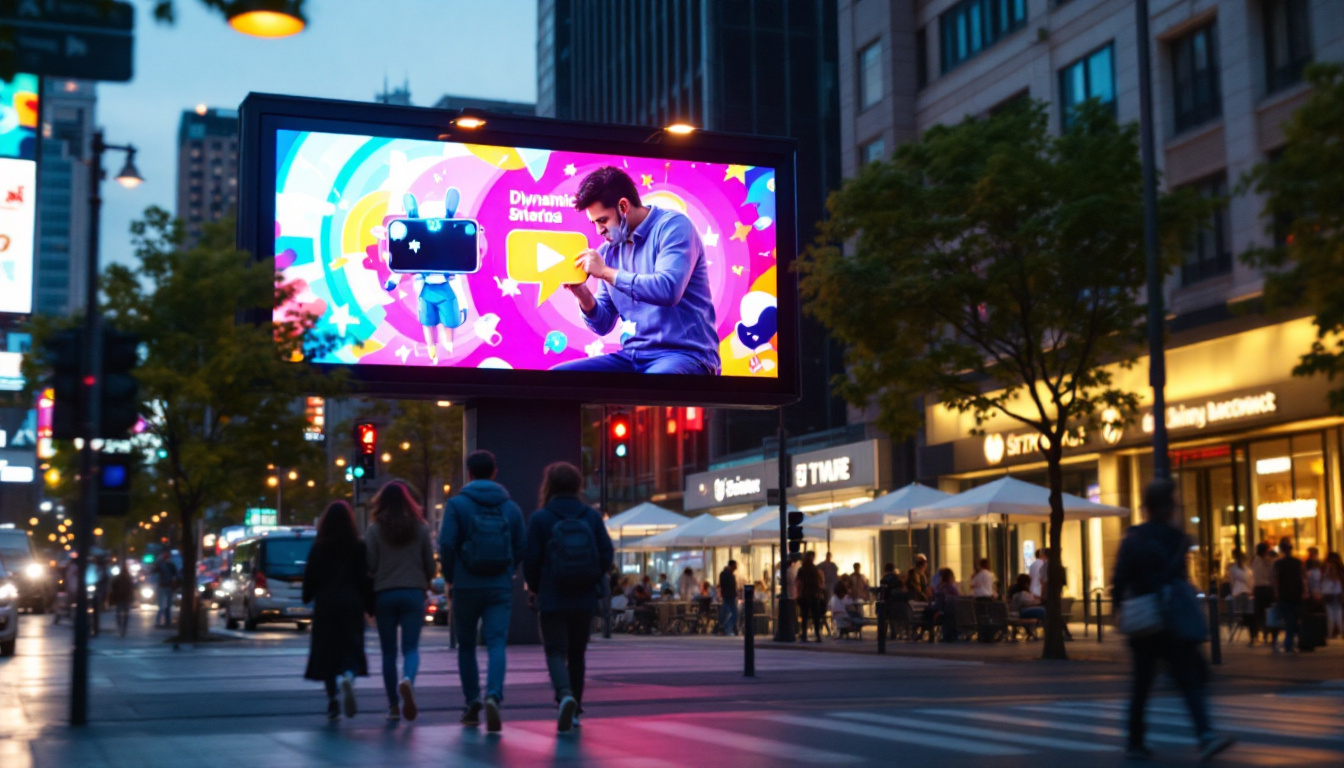
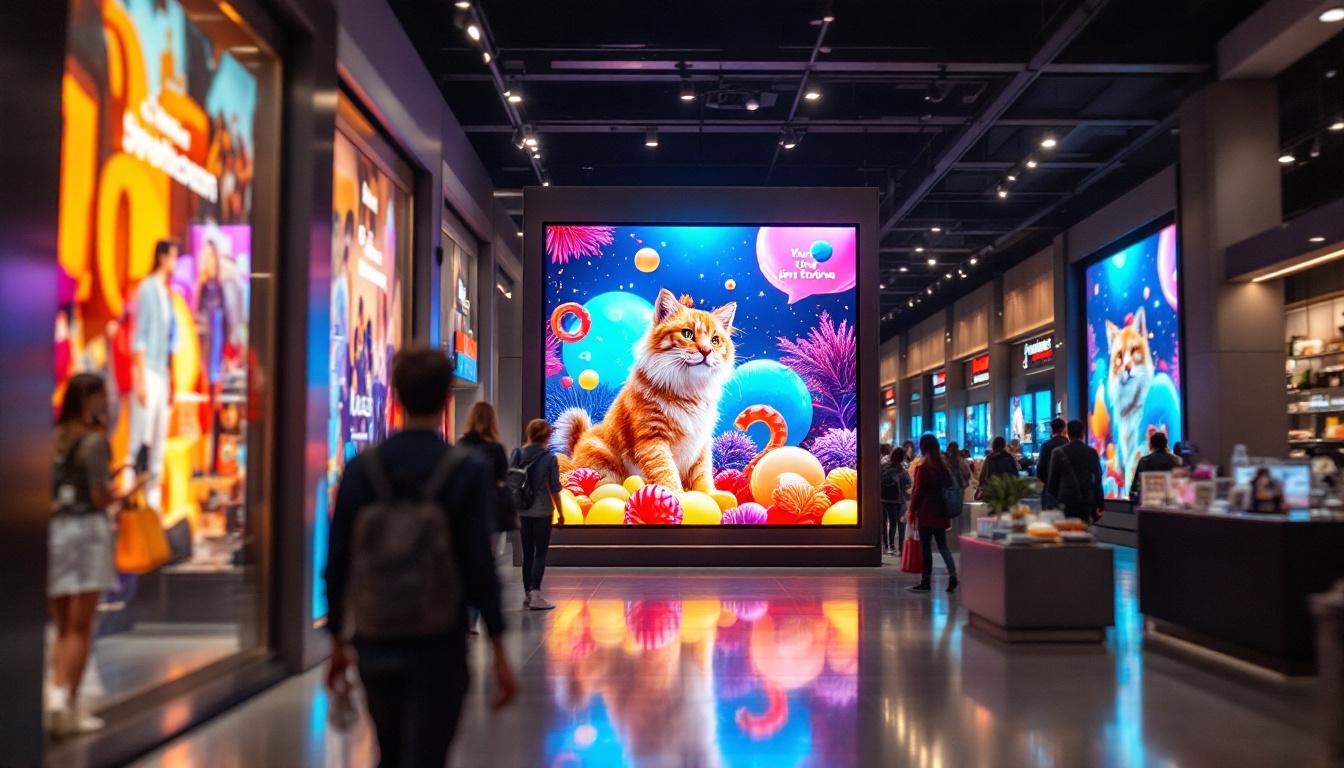
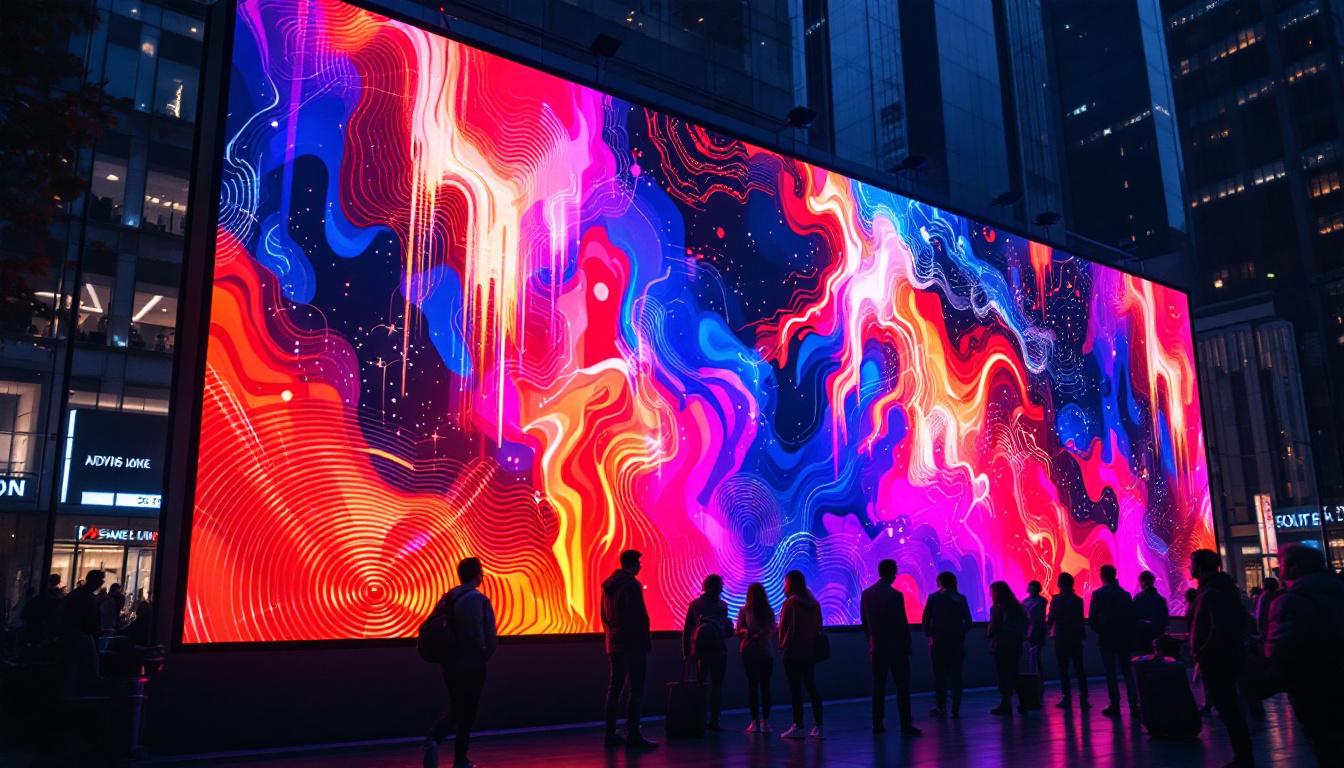
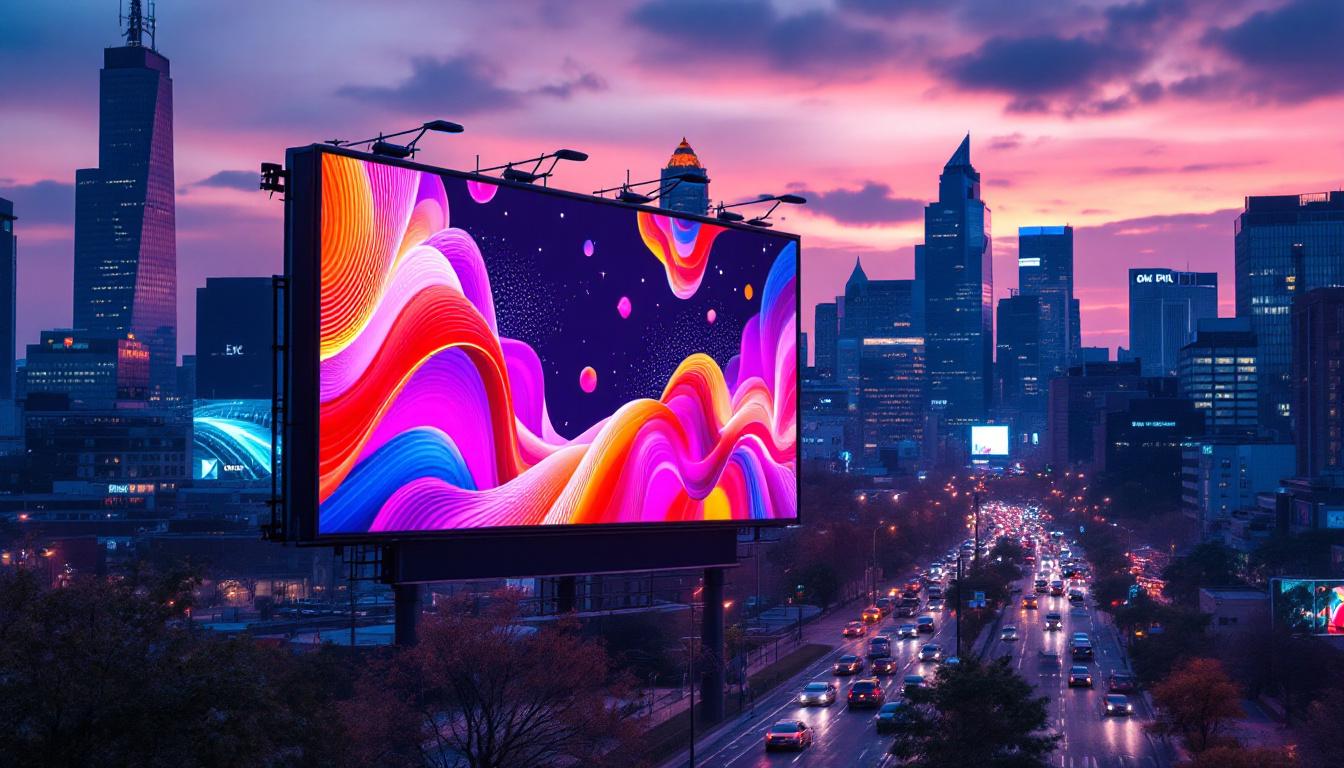
LED billboards are large-scale digital displays that use light-emitting diodes (LEDs) to present vibrant images, videos, and animations. Unlike traditional billboards that rely on printed materials, LED billboards offer dynamic content that can be updated remotely and in real-time. This flexibility makes them ideal for a wide range of applications, from advertising and public announcements to event promotions and traffic updates.
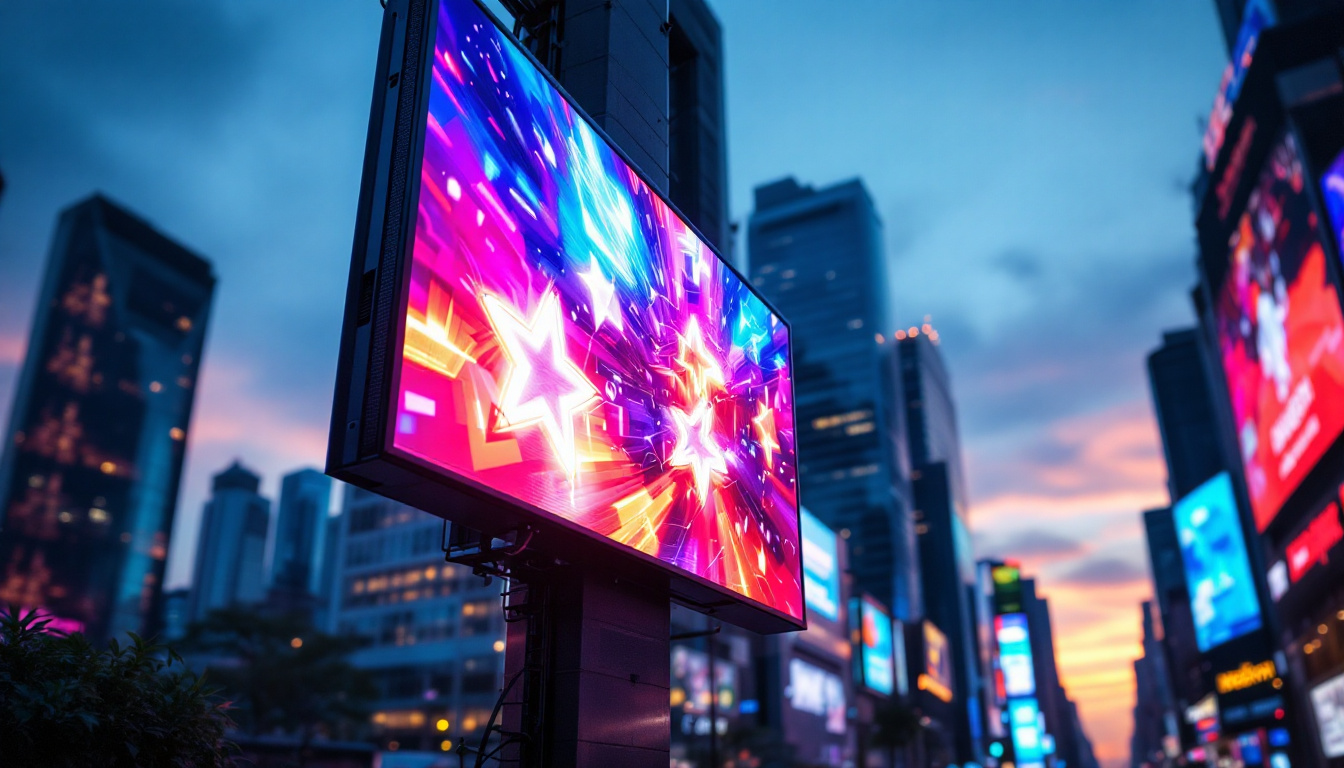
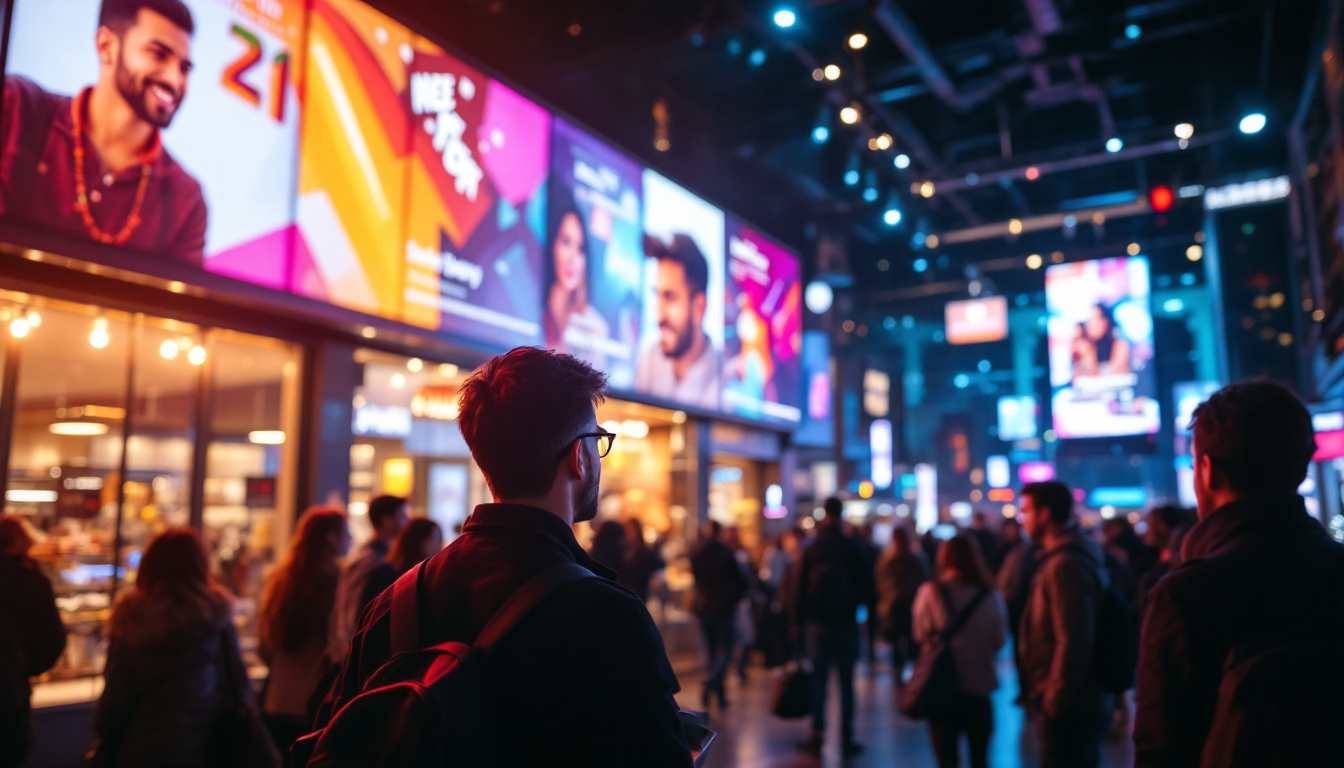
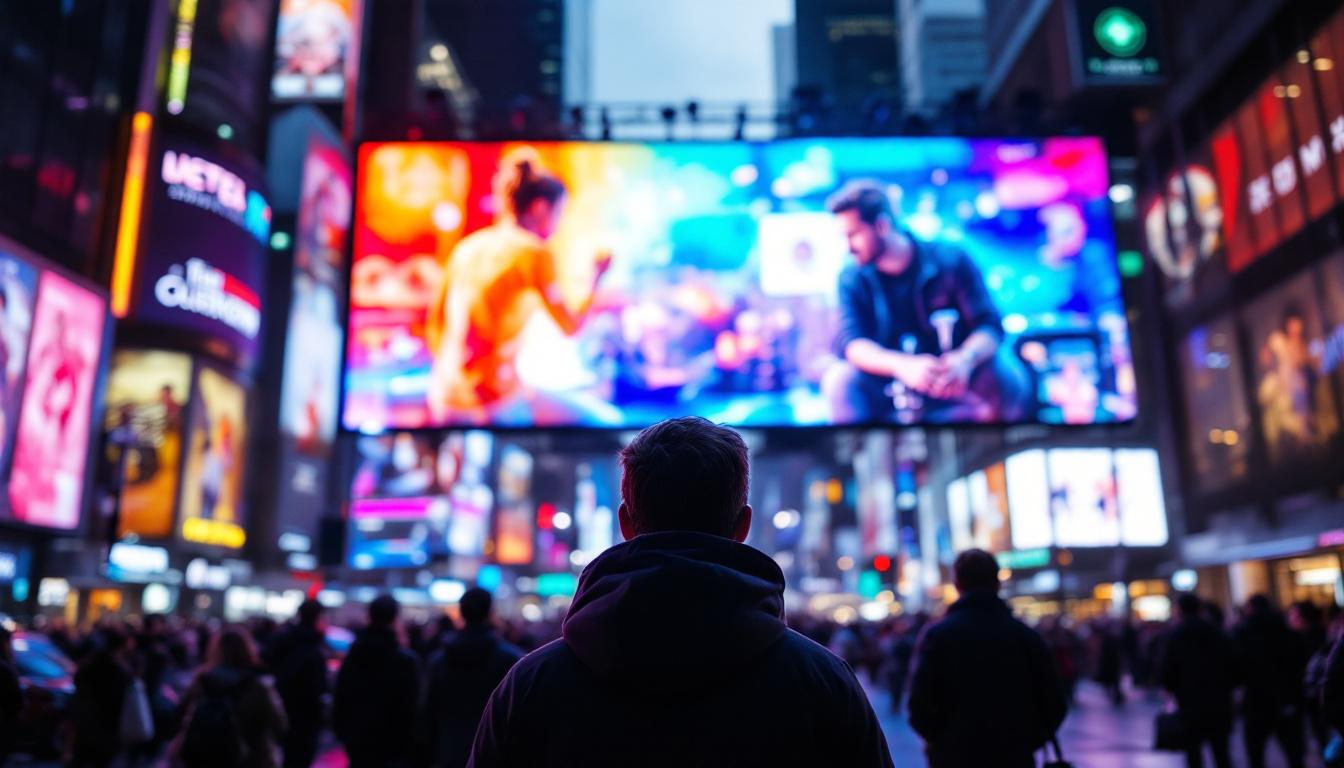
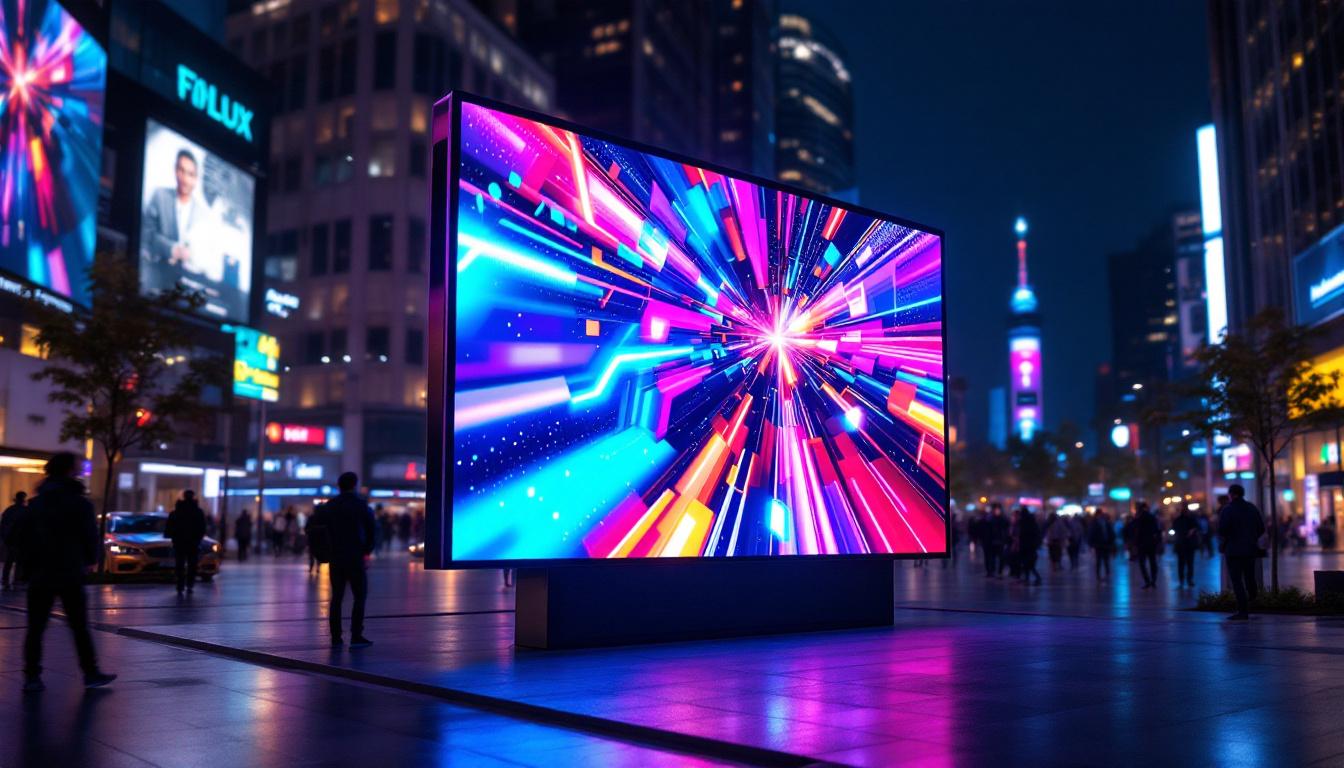
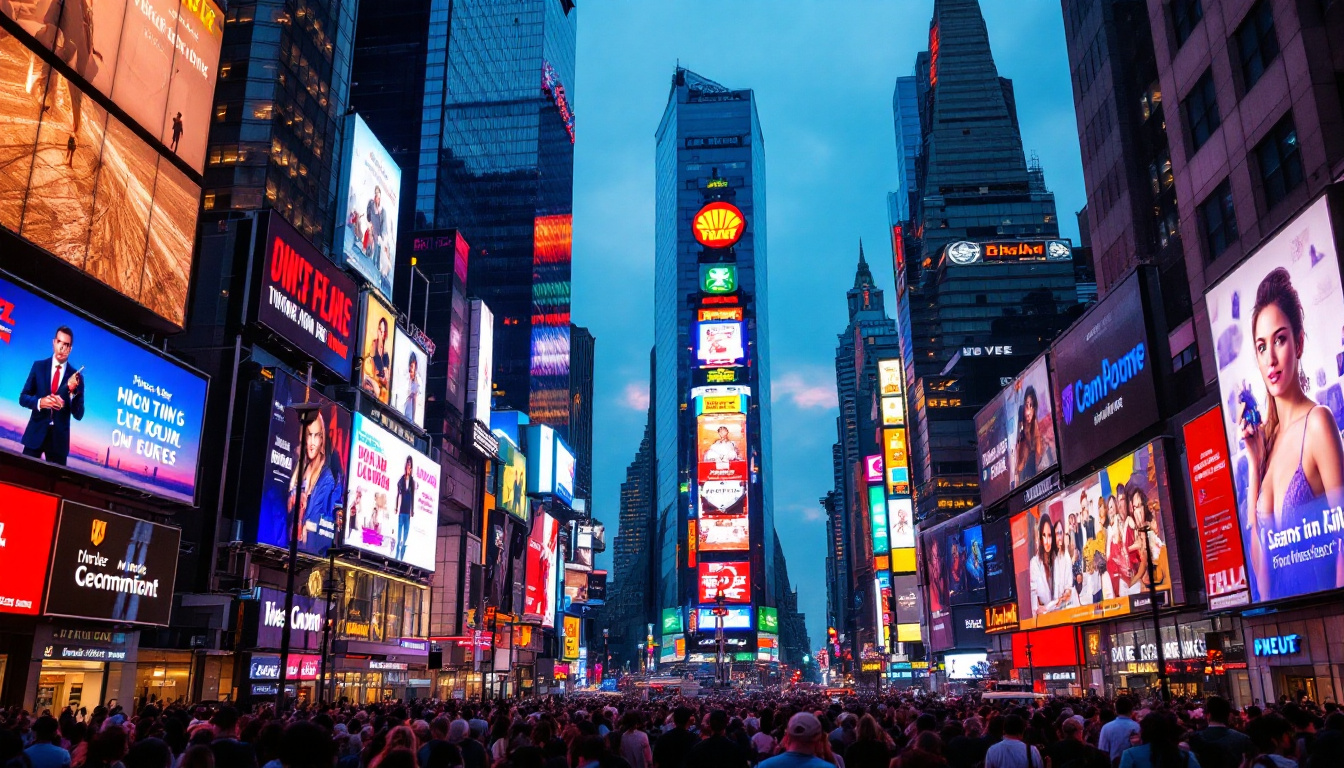
Typically installed in high-traffic areas such as highways, city centers, and shopping districts, LED billboards are designed to be highly visible and readable even in direct sunlight. Their brightness and color quality far surpass older technologies like LCD or plasma screens, making them a preferred choice for outdoor advertising.
One of the standout features of LED billboards is their ability to display multiple advertisements in a single location, cycling through different messages at set intervals. This not only maximizes the use of space but also allows advertisers to reach a broader audience by showcasing various products or services throughout the day. For instance, a single billboard can promote a morning coffee special, an afternoon sale, and an evening event, all within the same physical space. Additionally, the technology behind LED displays enables them to incorporate interactive elements, such as QR codes or social media feeds, further engaging viewers and enhancing the overall advertising experience.
Moreover, LED billboards are often equipped with advanced sensors that can adjust brightness based on ambient light conditions, ensuring optimal visibility at all times. This adaptability not only improves the viewer’s experience but also contributes to energy efficiency, as the displays can lower their power consumption during nighttime or cloudy weather. As cities continue to evolve and embrace smart technologies, the integration of LED billboards into urban landscapes is becoming increasingly common, serving as a canvas for artistic expression and a platform for community engagement, all while delivering impactful messages to the public.
How LED Displays Work
The Basics of LED Technology
At the core of an LED billboard are thousands of tiny LEDs arranged in a grid. Each LED acts as a pixel, emitting light in red, green, or blue colors. By adjusting the intensity of these three primary colors, the display can produce a full spectrum of colors and create detailed images. The technology behind LEDs has evolved significantly over the years, with advancements in materials and manufacturing processes leading to brighter and more efficient displays. This innovation not only enhances the visual experience but also contributes to lower energy consumption, making LED displays a more sustainable choice for advertising.
Modern LED billboards use surface-mounted device (SMD) LEDs, which are compact and energy-efficient. These LEDs are mounted directly onto circuit boards, allowing for higher pixel density and improved image resolution. Furthermore, SMD technology enables better viewing angles, ensuring that the content is visible from various positions and distances. This versatility is particularly beneficial for high-traffic areas where viewers may be approaching from different angles, maximizing the billboard’s impact.
Pixel Pitch and Resolution
One of the most important technical specifications of an LED billboard is its pixel pitch — the distance between the centers of two adjacent pixels. A smaller pixel pitch means higher resolution and sharper images, which is crucial for billboards viewed at close range. Conversely, larger pixel pitches are suitable for displays meant to be seen from a distance, such as roadside billboards. The choice of pixel pitch not only affects the clarity of the images but also influences the overall cost of the display, as higher-resolution screens typically require more advanced technology and materials.
For example, a pixel pitch of 10mm is common for highway billboards, providing clear visibility from hundreds of feet away. In contrast, indoor LED displays might have a pixel pitch as low as 1.5mm to ensure crisp visuals up close. As technology continues to advance, we are seeing even smaller pixel pitches being developed, allowing for ultra-high-definition displays that can rival traditional print advertising in terms of detail and vibrancy. This trend is paving the way for more immersive advertising experiences, where dynamic content can be showcased with stunning clarity.
Brightness and Contrast
Brightness is measured in nits, and outdoor LED billboards typically have brightness levels ranging from 5,000 to 10,000 nits. This high brightness ensures the display remains visible under direct sunlight. Additionally, LED billboards offer excellent contrast ratios, which enhance image clarity and color vibrancy regardless of ambient lighting conditions. The ability to adjust brightness dynamically based on environmental factors is another significant advantage of LED technology. Some modern displays are equipped with sensors that automatically calibrate brightness levels, ensuring optimal visibility at all times, whether it’s day or night.
The contrast ratio is particularly important for outdoor displays, where varying light conditions can impact visibility. High contrast ratios allow for deeper blacks and more vibrant colors, making advertisements stand out even in bright daylight. This capability is essential for capturing the attention of passersby, especially in crowded urban environments where competition for visual attention is fierce. As a result, advertisers are increasingly turning to LED technology not just for its visual appeal, but also for its ability to adapt to changing conditions, ensuring their messages are always seen and remembered.
Advantages of LED Billboards
Dynamic and Flexible Content
One of the standout benefits of LED billboards is their ability to display changing content. Advertisers can rotate multiple ads, incorporate animations, or update messages instantly to reflect current promotions, weather alerts, or breaking news. This flexibility significantly increases the billboard’s effectiveness compared to static signs.
Cost-Effectiveness Over Time
While the initial investment in LED billboards can be higher than traditional signage, the long-term savings are substantial. LED displays reduce printing and installation costs associated with paper or vinyl billboards. Moreover, their energy-efficient design helps lower electricity bills, and their durability minimizes maintenance expenses.
Enhanced Engagement and Impact
Studies show that digital billboards, particularly those using LED technology, can increase brand recall by up to 47% compared to static billboards. The movement, brightness, and color depth of LED displays naturally attract more attention from passersby, making them highly effective for brand awareness and call-to-action campaigns.
Key Considerations When Buying LED Billboards
Location and Viewing Distance
Choosing the right LED billboard depends heavily on its intended location and the typical viewing distance. For example, a billboard placed along a busy highway needs to have a larger pixel pitch and higher brightness to ensure visibility at high speeds and long distances. Conversely, billboards in urban centers or indoor venues require finer resolution to engage viewers up close.
Size and Resolution
The physical size of the billboard should align with the message complexity and viewing environment. Larger billboards can accommodate more detailed content and multiple ads, but they also come with higher costs and installation requirements. Balancing size with resolution ensures that the display is both impactful and cost-efficient.
Weather Resistance and Durability
Outdoor LED billboards must withstand various weather conditions, including rain, wind, extreme temperatures, and UV exposure. Look for displays with an IP65 or higher rating, which indicates protection against dust and water ingress. Additionally, durable materials and robust construction extend the lifespan of the billboard and reduce downtime.
Energy Consumption and Maintenance
Energy efficiency is a critical factor, especially for large-scale LED billboards operating 24/7. Advances in LED technology have significantly reduced power consumption, but it’s essential to evaluate the energy ratings and operational costs before purchase. Maintenance considerations include ease of access for repairs, availability of replacement parts, and software support for content management.
Content Management Systems (CMS)
Modern LED billboards come with integrated CMS platforms that allow users to schedule, update, and monitor content remotely. A user-friendly CMS can save time and improve campaign management efficiency. Some systems also offer analytics to track viewer engagement and optimize advertising strategies.
Popular Applications of LED Billboards
Advertising and Marketing
LED billboards are widely used by brands to promote products, services, and events. Their ability to display vibrant, animated content helps advertisers stand out in crowded markets. From retail stores to automotive dealerships, businesses leverage LED displays to boost foot traffic and sales.
Public Information and Safety
Government agencies and municipalities use LED billboards to disseminate important information such as traffic updates, weather warnings, and emergency alerts. The immediacy and visibility of LED displays make them invaluable tools for public safety communications.
Entertainment and Events
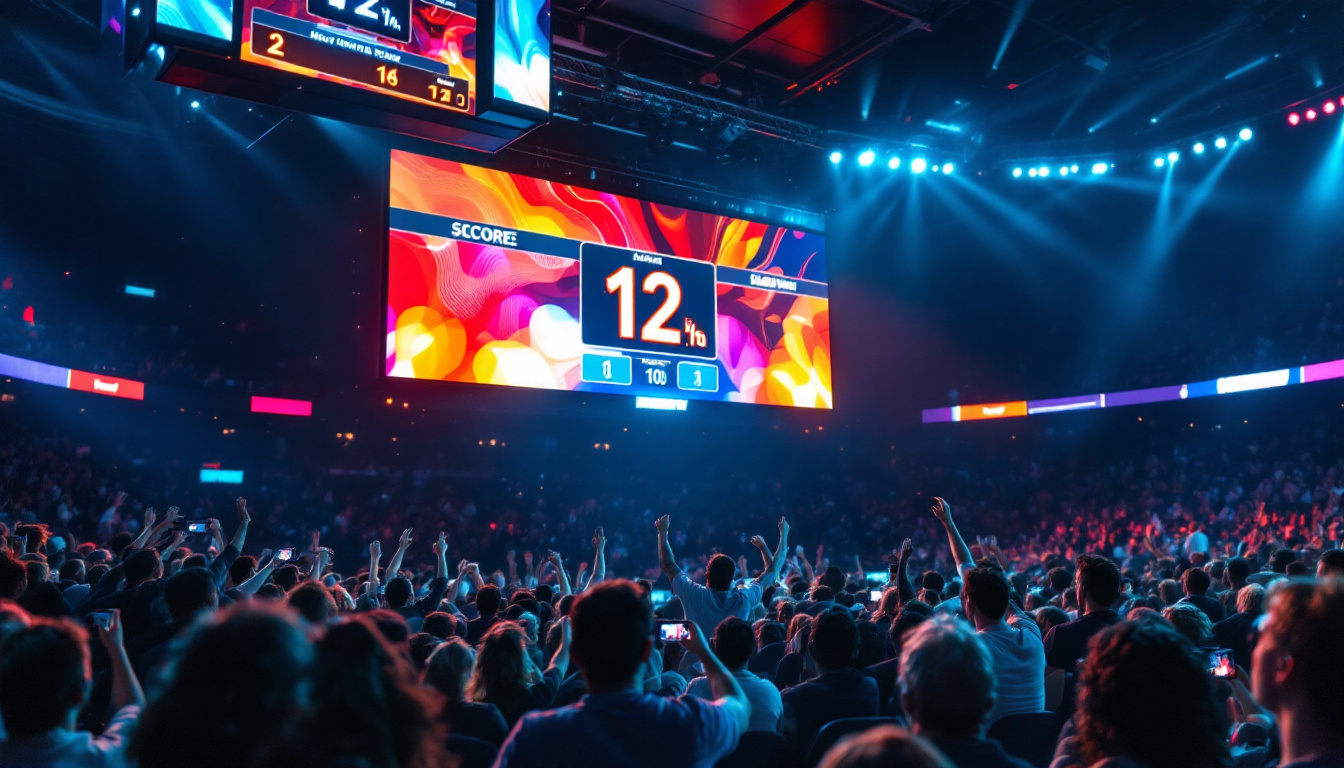
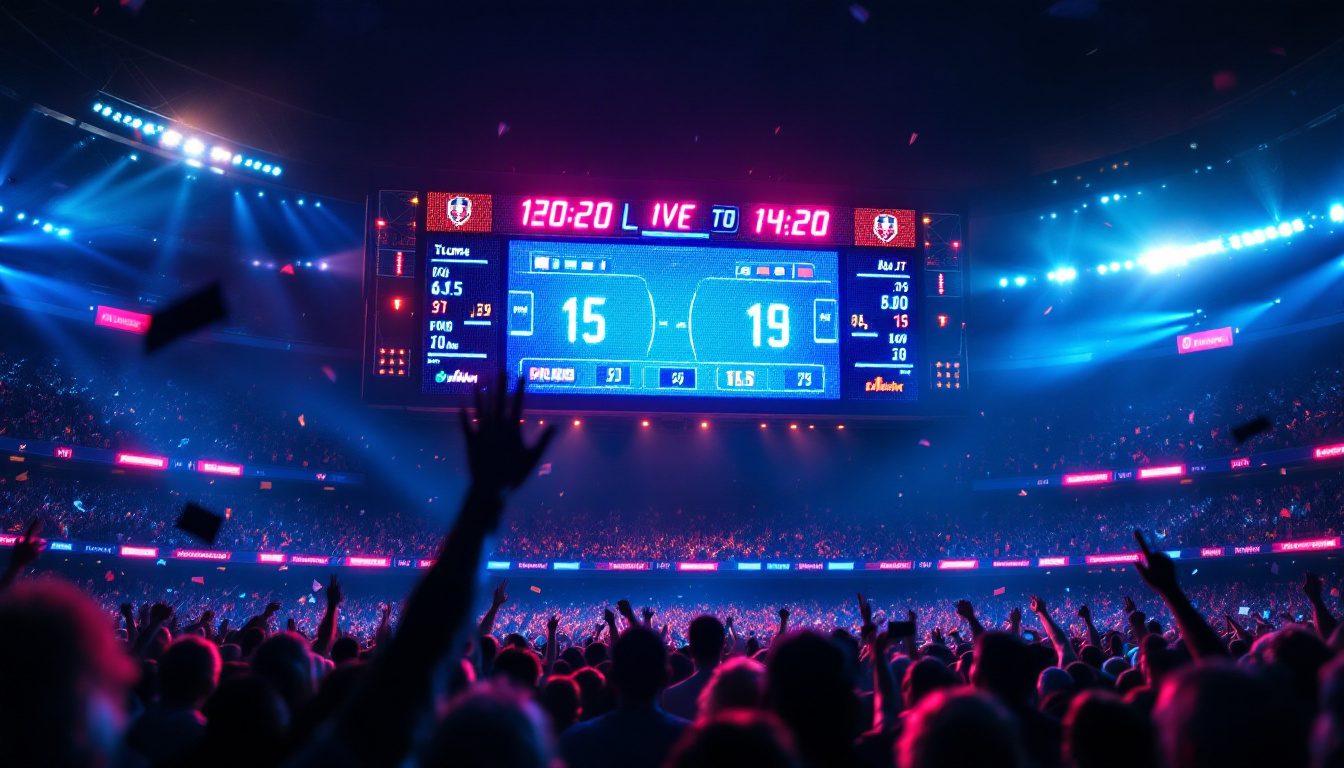
Concerts, sports arenas, and festivals utilize LED billboards to enhance the spectator experience by displaying live feeds, scores, schedules, and advertisements. Their versatility allows event organizers to engage audiences dynamically and create memorable experiences.
Trends and Innovations in LED Billboard Technology
Higher Resolution and Miniaturization
Recent advancements have led to LED displays with ultra-fine pixel pitches below 1mm, enabling near-retina quality visuals even at close range. This miniaturization opens new possibilities for indoor advertising and interactive digital signage.
Integration with AI and Data Analytics
Artificial intelligence is increasingly being integrated into LED billboard systems to optimize content delivery based on real-time data such as weather, traffic patterns, and audience demographics. This targeted approach maximizes advertising effectiveness and return on investment.
Energy-Efficient and Sustainable Solutions
Manufacturers are focusing on reducing the environmental impact of LED billboards by developing energy-saving technologies, recyclable materials, and solar-powered options. These innovations align with growing corporate responsibility and sustainability goals.
Conclusion
LED billboards represent a powerful and versatile advertising medium that combines high visibility, dynamic content, and operational efficiency. Whether for commercial advertising, public information, or entertainment, understanding the technology behind LED displays and the factors to consider when purchasing can help businesses and organizations make informed decisions. As LED technology continues to advance, these digital billboards will play an increasingly vital role in the future of outdoor advertising.
Discover LumenMatrix’s Innovative LED Solutions
Ready to elevate your advertising strategy with cutting-edge LED technology? LumenMatrix is at the forefront of LED display innovation, offering a wide array of solutions tailored to your needs. From mesmerizing Indoor LED Walls to dynamic Outdoor LED Displays, and from mobile Vehicle LED Displays to interactive Floor LED options, our products are designed to captivate and engage. Experience the future of visual communication with our Custom, All-in-One, and Transparent LED Displays. Don’t miss the opportunity to transform your brand’s visibility. Check out LumenMatrix LED Display Solutions today and make a lasting impression!