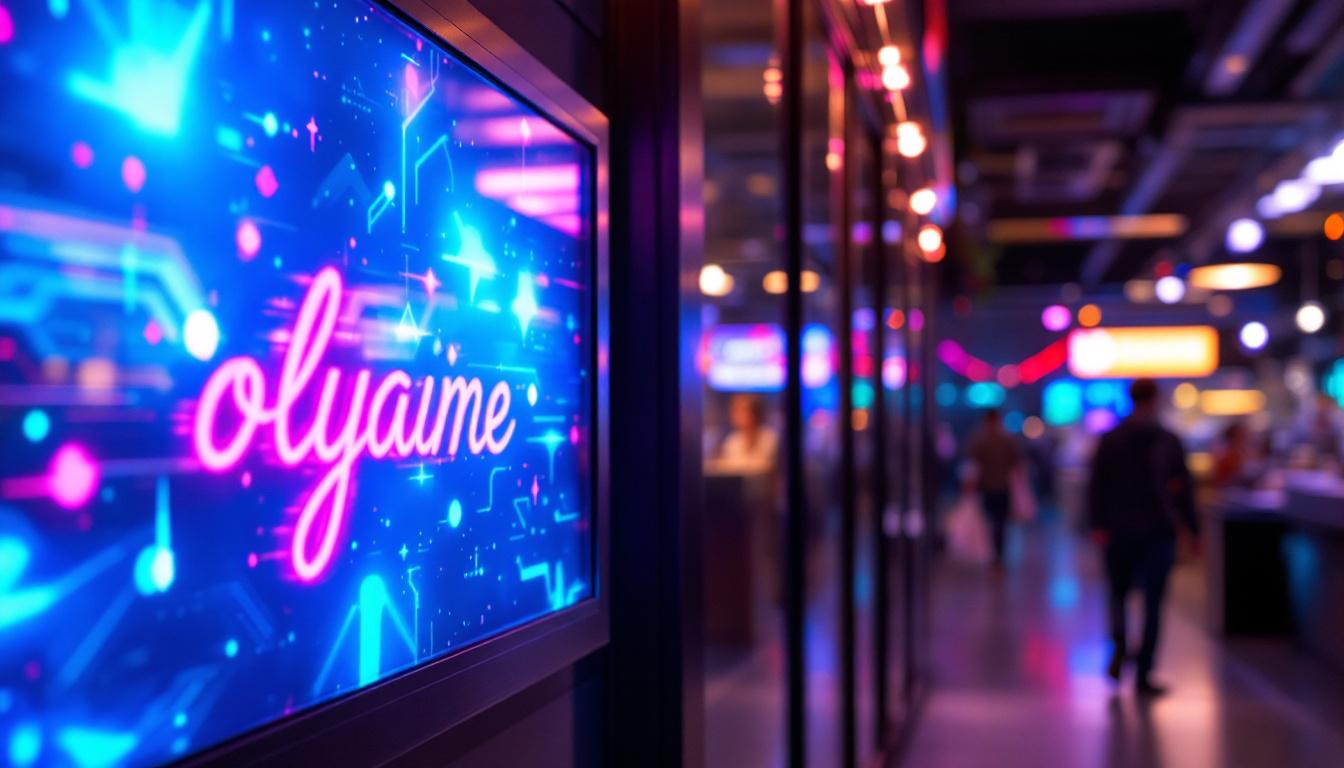
In today’s fast-paced world, grabbing attention quickly and effectively is crucial for businesses, advertisers, and public information providers alike. LED panels for signs have emerged as one of the most dynamic and versatile solutions for visual communication. This technology combines brightness, energy efficiency, and flexibility, making it a preferred choice for everything from storefront signage to large-scale outdoor billboards.
This article delves into the world of LED display panels, exploring their technology, benefits, applications, and what makes them stand out in the signage industry. Whether you’re a business owner considering an upgrade or simply curious about how LED signs work, this comprehensive guide will illuminate the subject clearly and thoroughly.
Understanding LED Display Technology
What Are LED Panels?
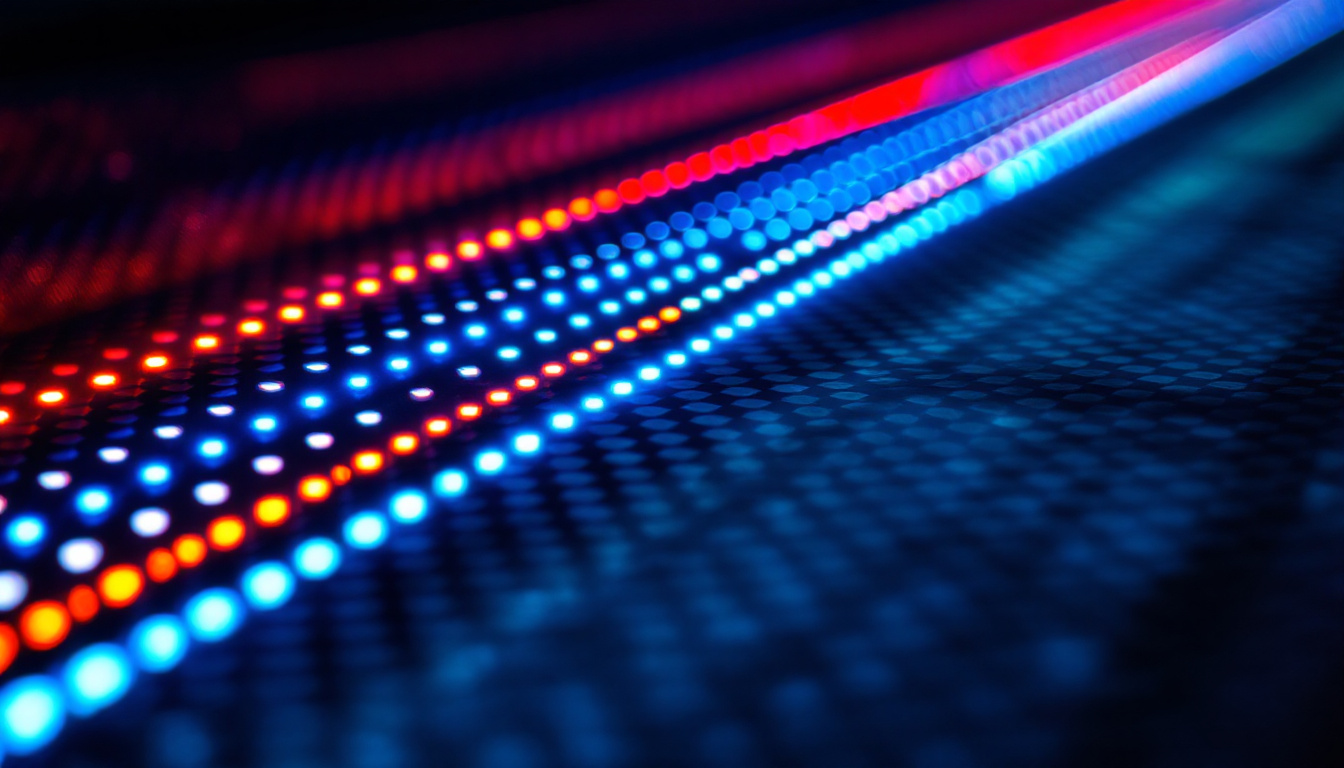
LED panels are flat display units composed of numerous light-emitting diodes (LEDs) arranged in a matrix. Each diode acts as a pixel, capable of emitting bright light in various colors. These panels can be configured to display text, images, videos, and animations, making them highly versatile for signage purposes. Their adaptability allows for a wide range of applications, from advertising in busy urban environments to providing information in transit stations and stadiums.
The technology behind LED panels is rooted in semiconductor physics. When an electric current passes through the diodes, they emit light. Unlike traditional incandescent bulbs, LEDs are highly energy-efficient, have a longer lifespan, and provide superior brightness and color accuracy. This efficiency not only reduces energy costs but also minimizes heat production, making LED panels cooler to the touch and safer for prolonged use in various settings.
Types of LED Panels for Signs
LED panels come in several types, primarily distinguished by their pixel pitch, color capabilities, and intended use cases:
- Single-Color LED Panels: These panels display only one color, typically red, green, or amber. They are often used for simple text-based signs such as scrolling messages or time and temperature displays. Their straightforward design makes them cost-effective for businesses needing basic information dissemination without the need for complex visuals.
- Dual-Color LED Panels: Capable of displaying two colors, usually red and green, which can combine to create amber or orange hues. These are common in traffic signs and basic advertising boards. Their dual-color functionality allows for more dynamic messaging, enabling businesses to convey more information without overwhelming viewers.
- Full-Color LED Panels: Using red, green, and blue LEDs in each pixel, these panels can display millions of colors. They are ideal for high-resolution images, videos, and dynamic advertising content. Full-color panels are particularly popular in large venues and events, where captivating visuals can significantly enhance audience engagement.
Choosing the right type depends on the intended application, viewing distance, and budget. For instance, a retail store might opt for full-color panels to showcase vibrant product images, while a highway might utilize single-color panels for clear, concise messages that drivers can quickly read. Additionally, advancements in LED technology have led to the development of flexible LED panels, which can be curved or shaped to fit unique display environments, further expanding the possibilities for creative signage solutions. As the market continues to evolve, the integration of smart technology into LED displays is also becoming more prevalent, allowing for real-time content updates and interactive features that enhance user experience.
Key Advantages of LED Panels for Signage
High Visibility and Brightness
One of the most significant benefits of LED panels is their exceptional brightness. Modern LED signs can reach brightness levels of over 5,000 nits, making them easily visible even in direct sunlight. This contrasts sharply with traditional neon or fluorescent signs, which can struggle in bright outdoor environments.
High brightness ensures that messages are clear and legible from long distances, which is critical for roadside advertising, traffic signs, and public information displays. Additionally, LED panels offer wide viewing angles, meaning the content remains visible and vibrant even when viewed from the side.
Energy Efficiency and Longevity
LED technology is renowned for its energy efficiency. On average, LED panels consume up to 80% less energy than incandescent or neon signs. This translates into significant cost savings over the lifespan of the sign, especially for businesses operating 24/7 displays.
Moreover, LEDs have a long operational life, often rated at 50,000 to 100,000 hours. This durability reduces maintenance costs and downtime, making LED panels a smart investment for long-term signage solutions.
Flexibility and Customization
LED panels offer unparalleled flexibility in design and content management. Unlike static signs, LED displays can be programmed to show different messages throughout the day, incorporate animations, or even stream live data such as news, weather, or social media feeds.
Many LED sign systems come with user-friendly software that allows remote updates and scheduling. This adaptability is especially valuable for businesses that want to keep their messaging fresh and relevant without incurring the cost of physical sign replacements.
Environmental Impact
As sustainability becomes a growing concern, LED panels stand out as an environmentally friendly signage option. Their low energy consumption reduces carbon footprints, and many LED components are recyclable. Additionally, LEDs do not contain hazardous materials like mercury, which is present in some fluorescent lighting.
Applications of LED Panels in Signage
Retail and Commercial Advertising
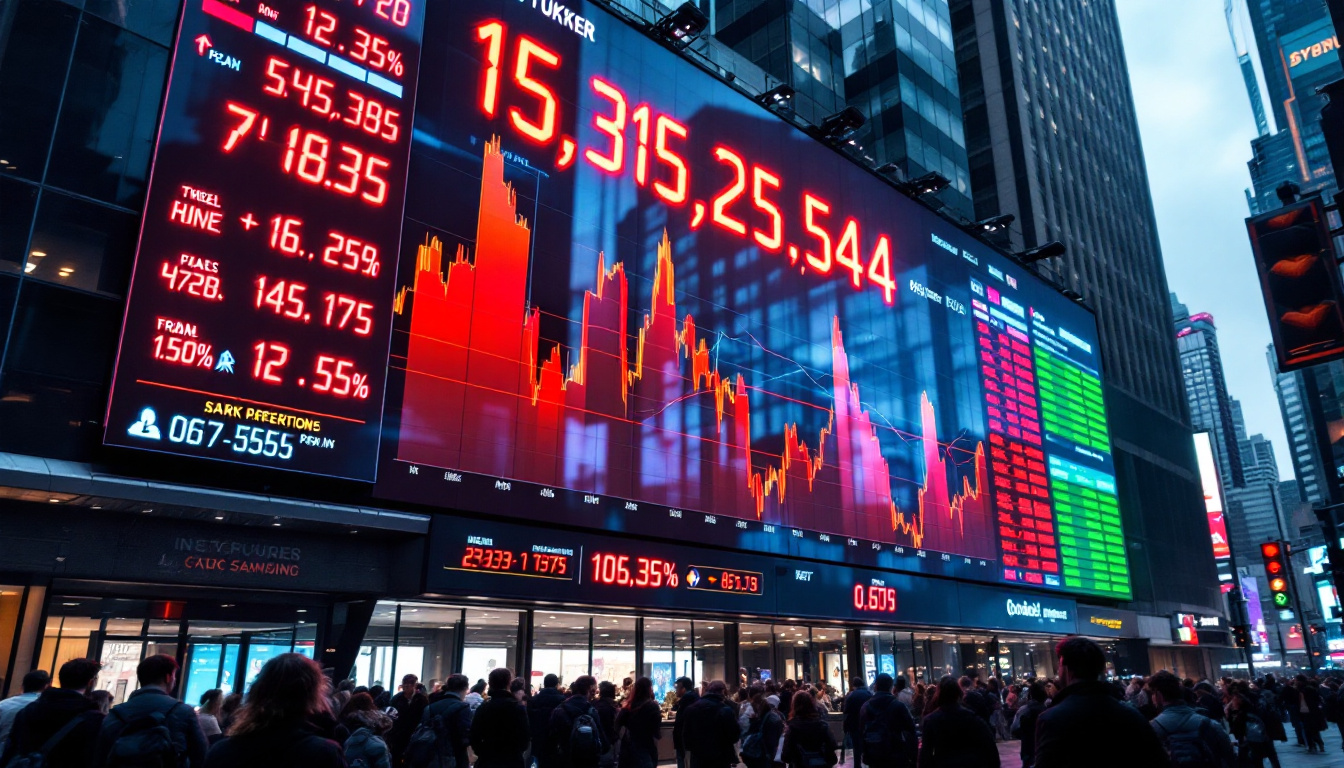
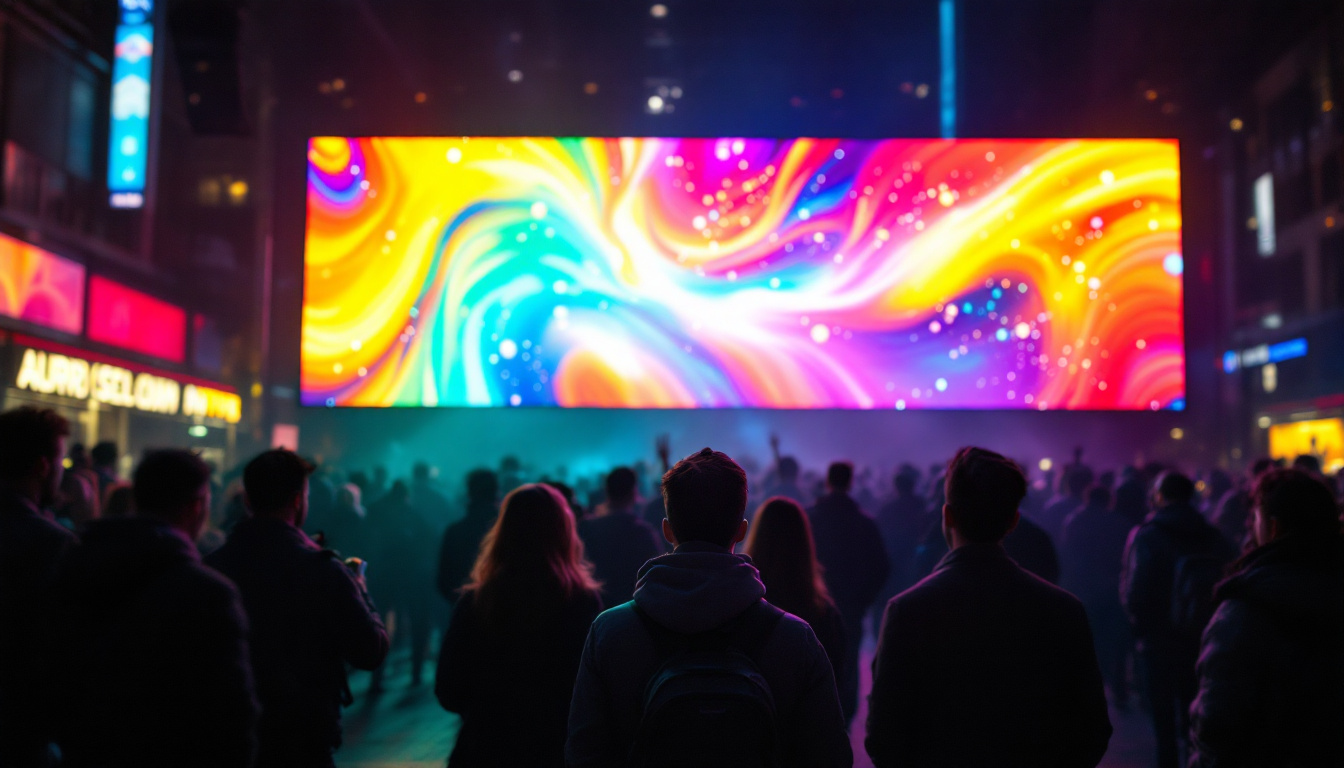
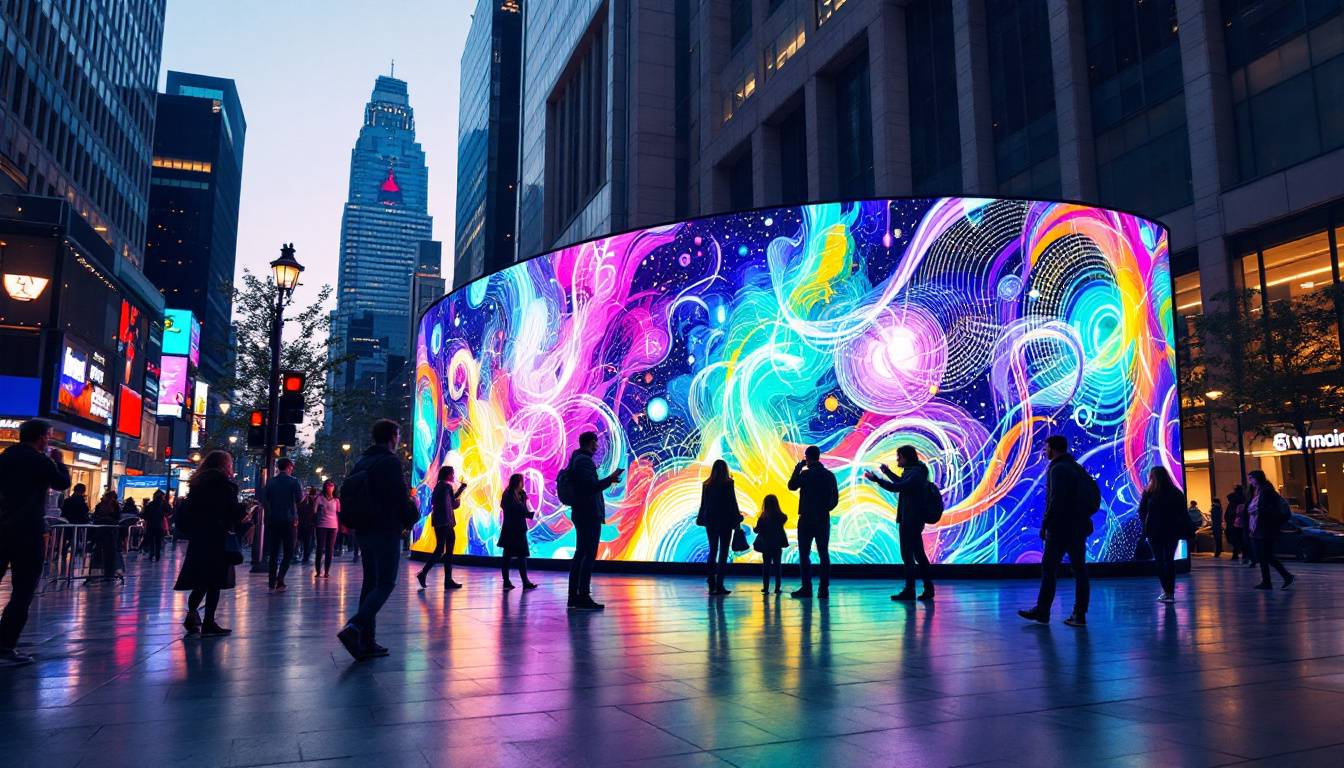
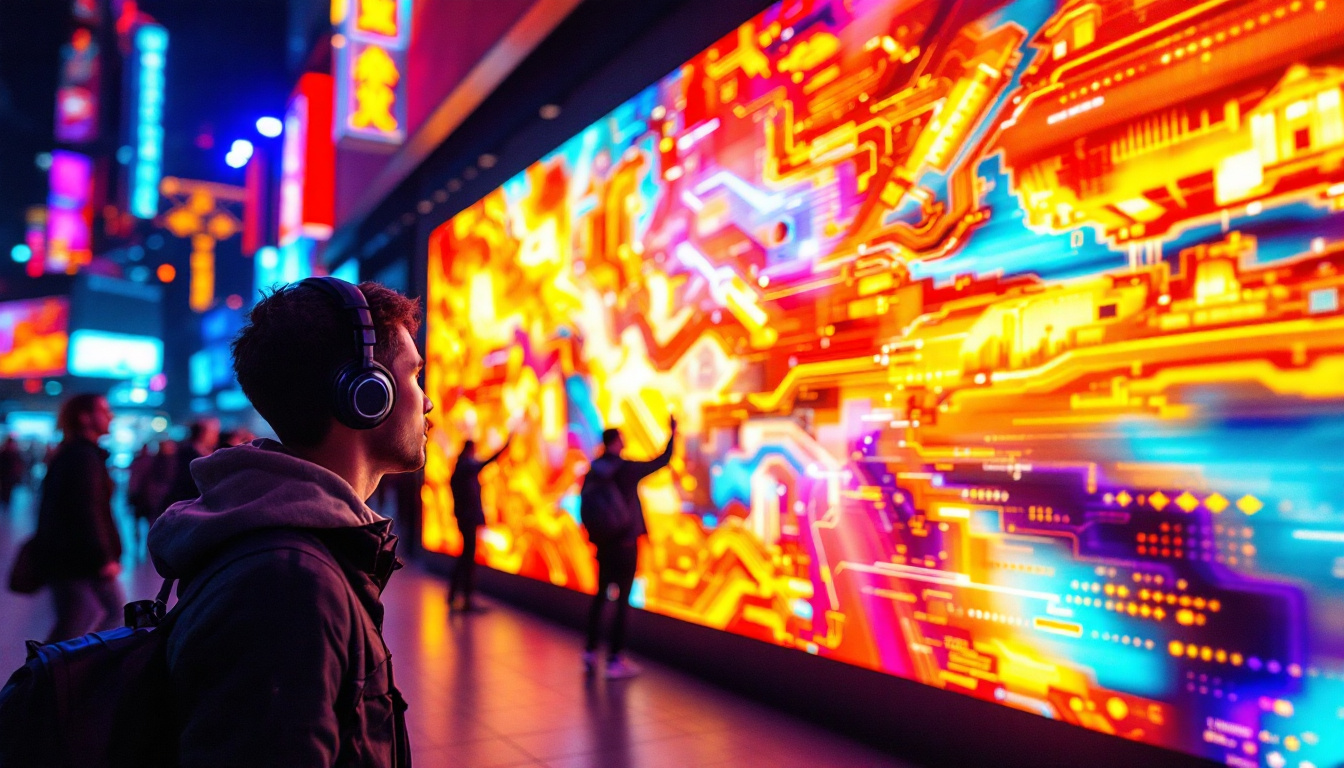
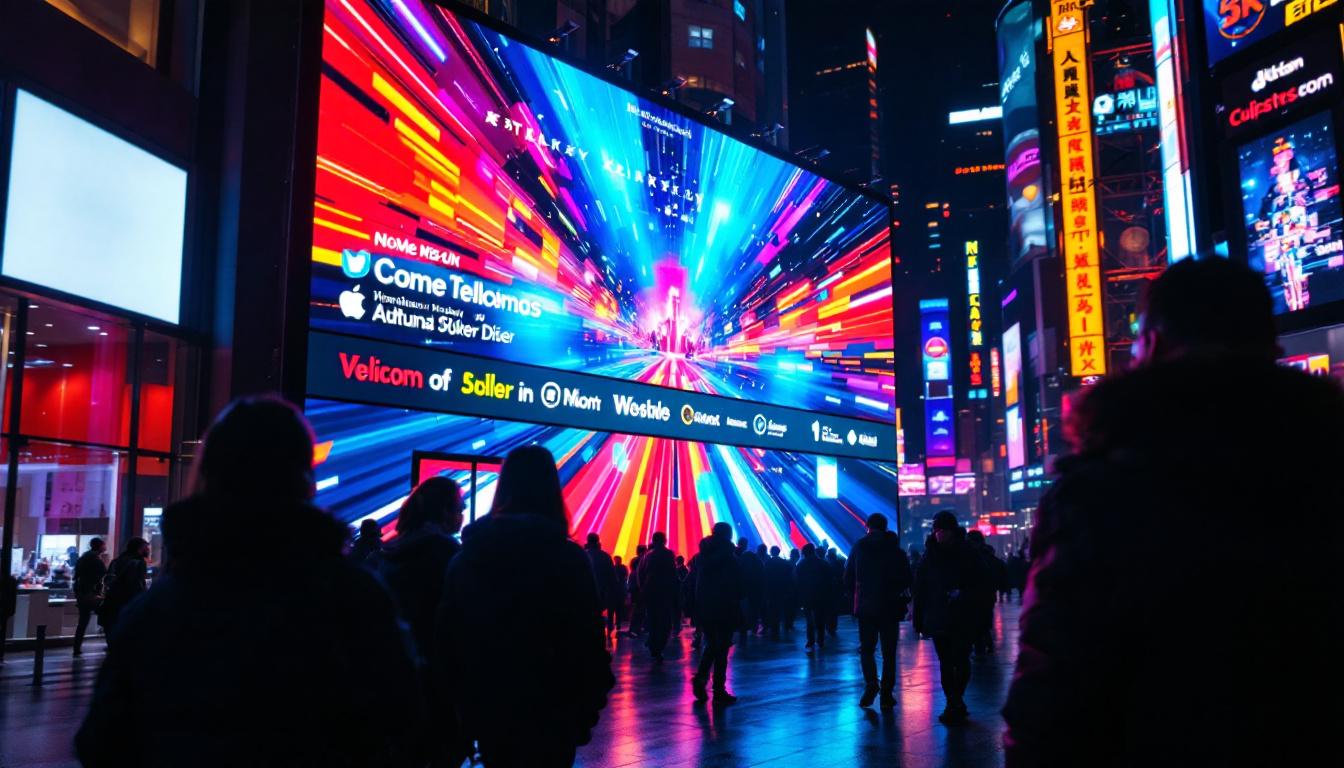
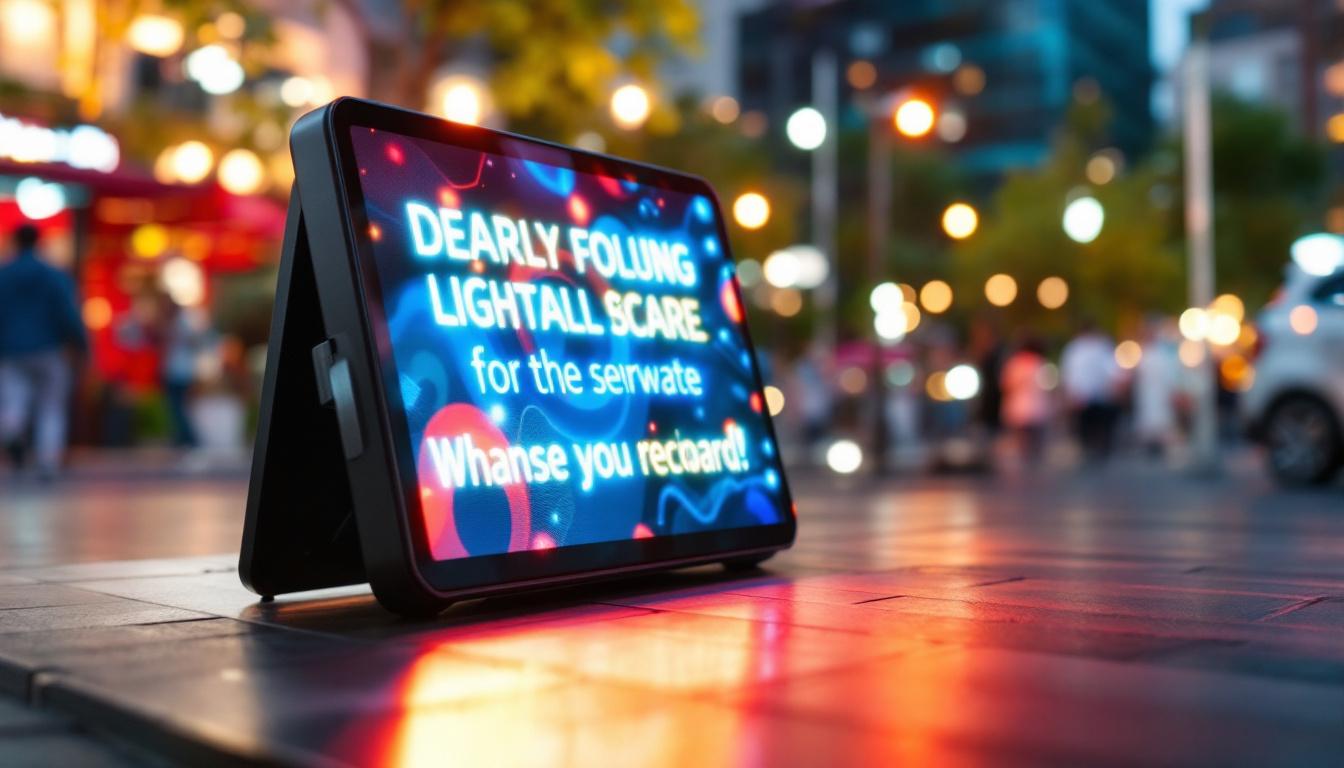
Retailers use LED panels extensively to attract customers and promote products. From storefront window signs to large outdoor billboards, LED displays can showcase eye-catching visuals that drive foot traffic and sales. Brands often leverage full-color LED panels to run dynamic promotions, seasonal campaigns, and interactive content.
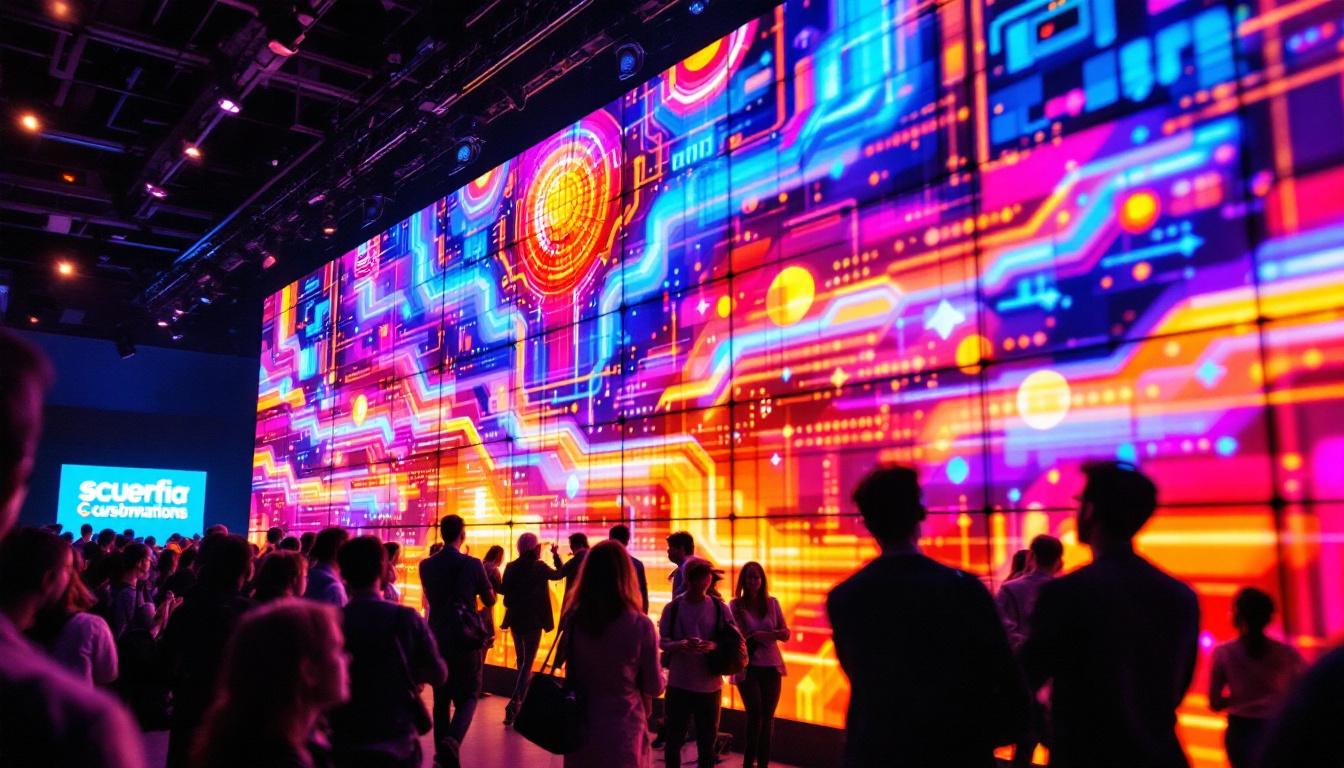
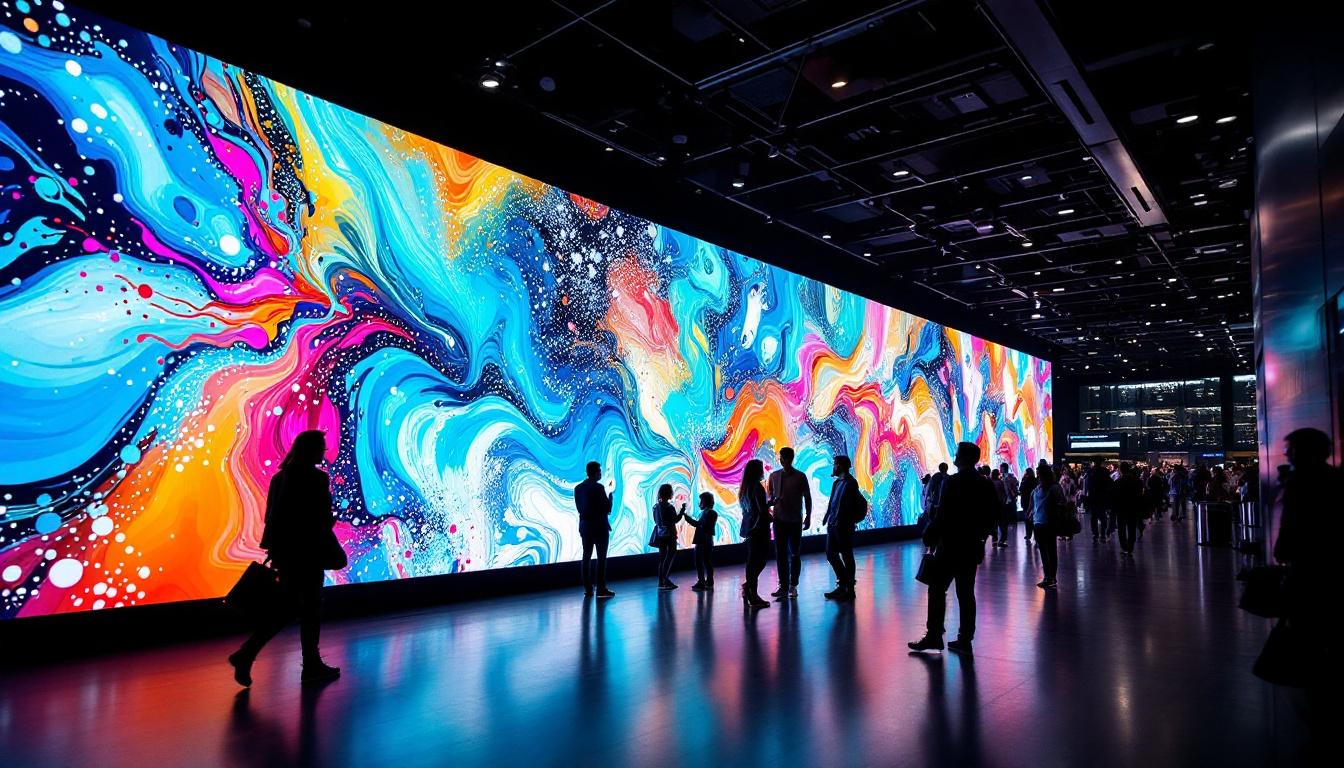
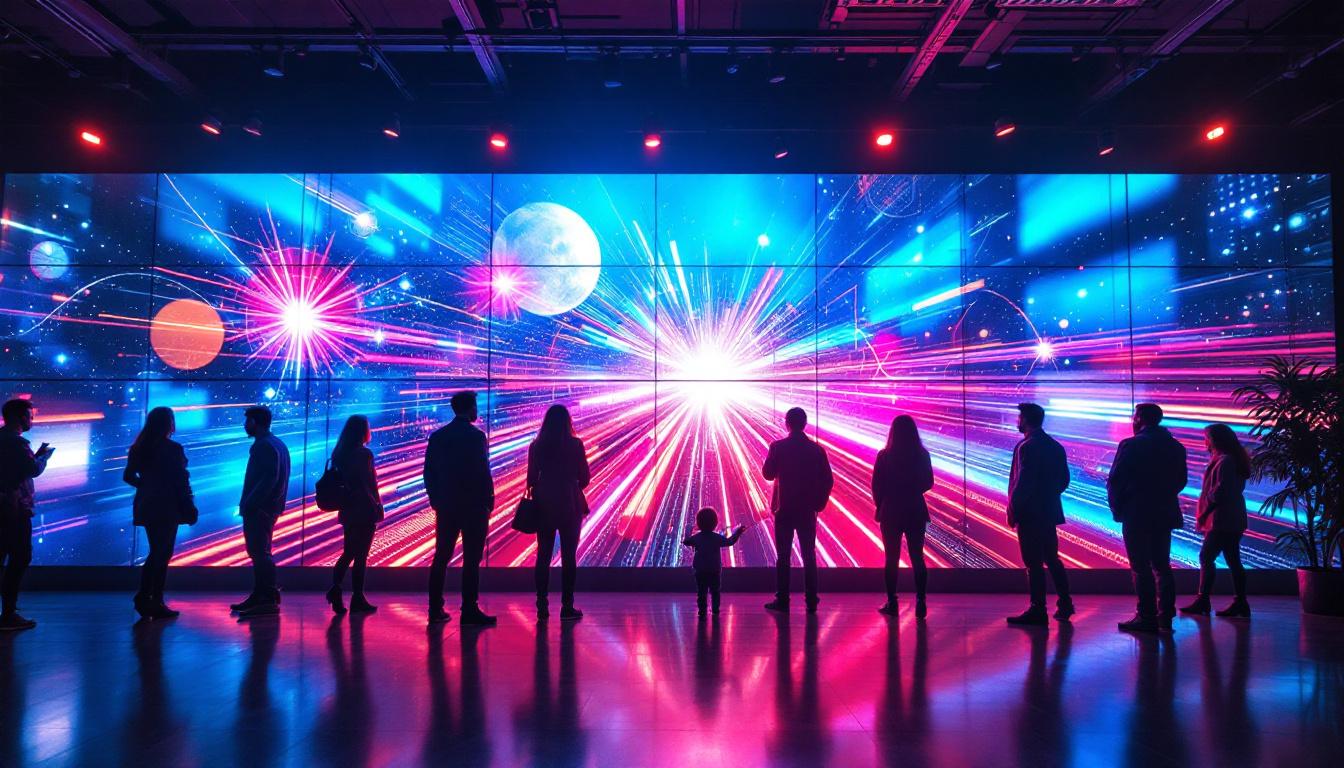
For example, major shopping centers and flagship stores frequently use LED video walls to create immersive brand experiences that captivate audiences and enhance the shopping environment.
Traffic and Public Safety Signs
LED panels are integral to modern traffic management systems. Variable message signs (VMS) installed on highways and urban roads provide real-time information about traffic conditions, road closures, speed limits, and emergency alerts.
The high visibility and reliability of LED signs ensure that drivers receive critical information promptly, improving road safety. Additionally, LED technology allows for quick updates and remote control, which is essential during emergencies or changing traffic patterns.
Event and Entertainment Venues
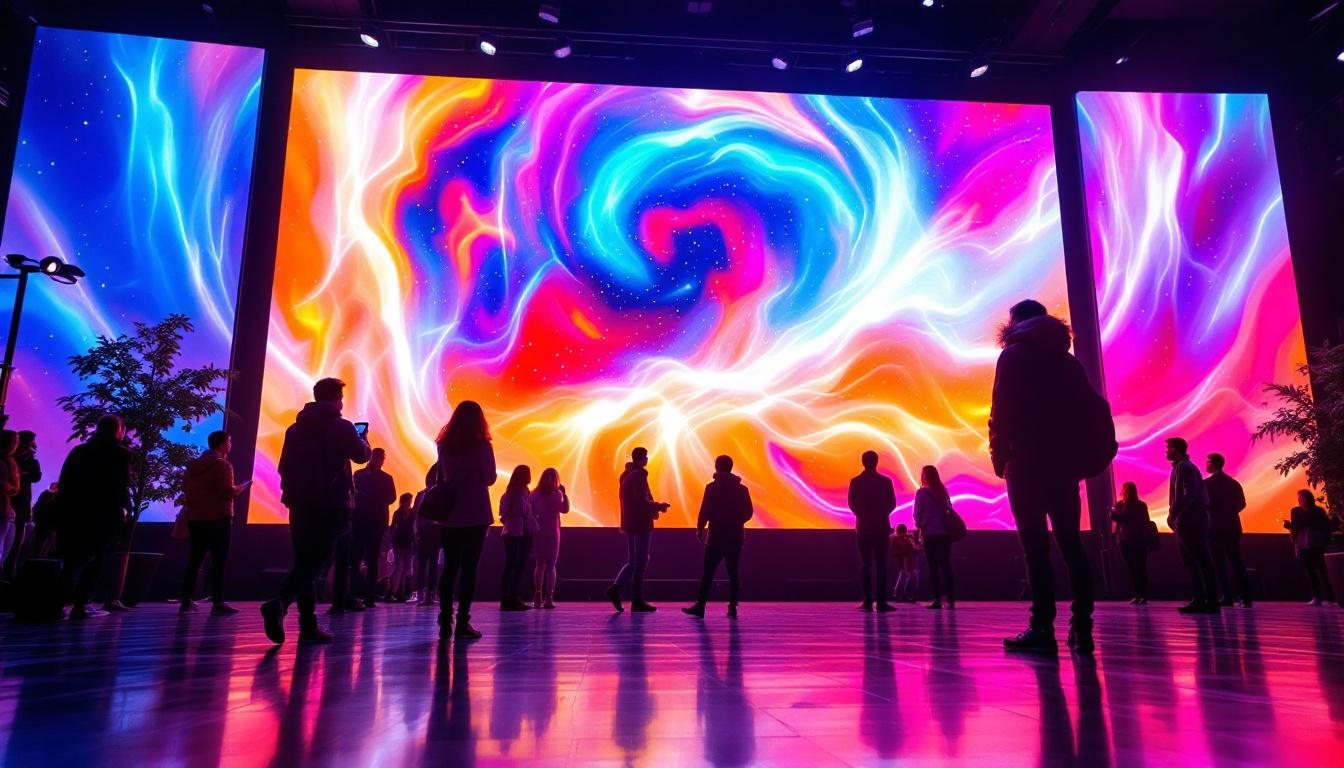
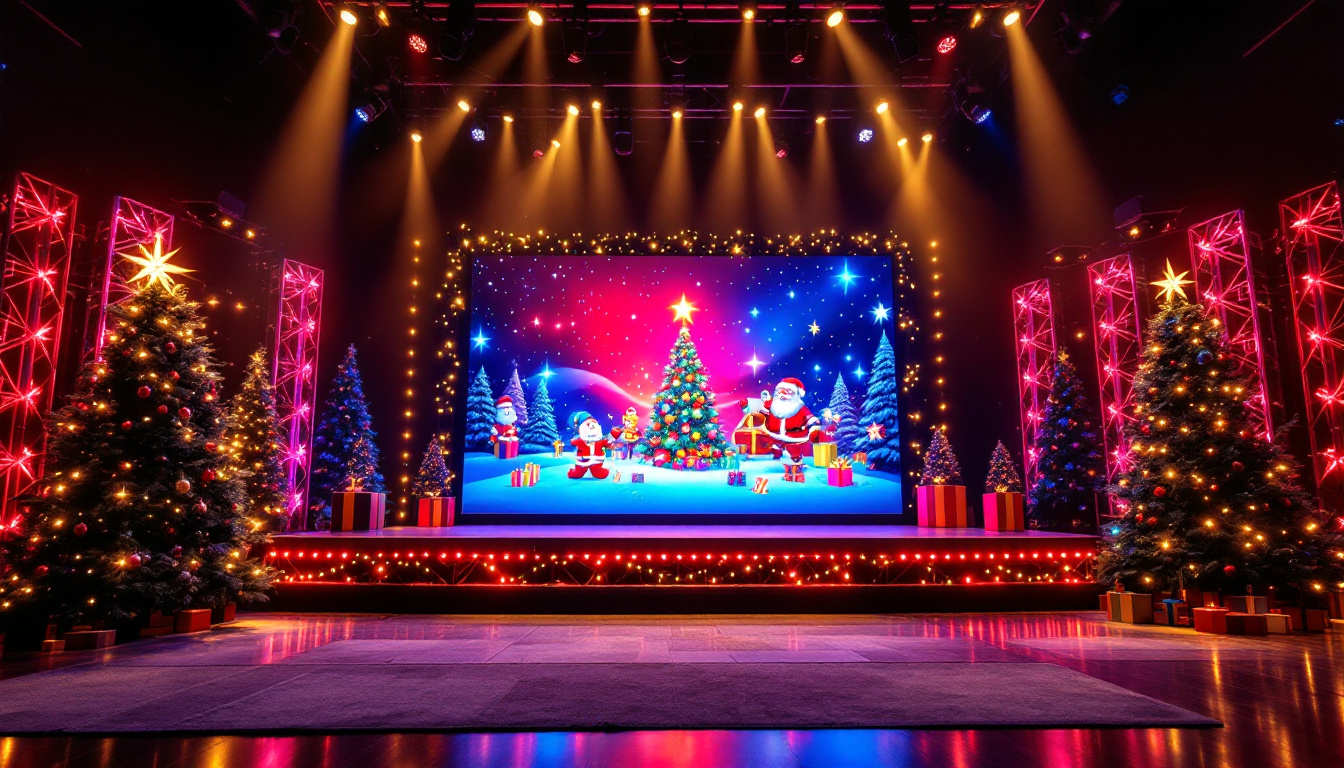
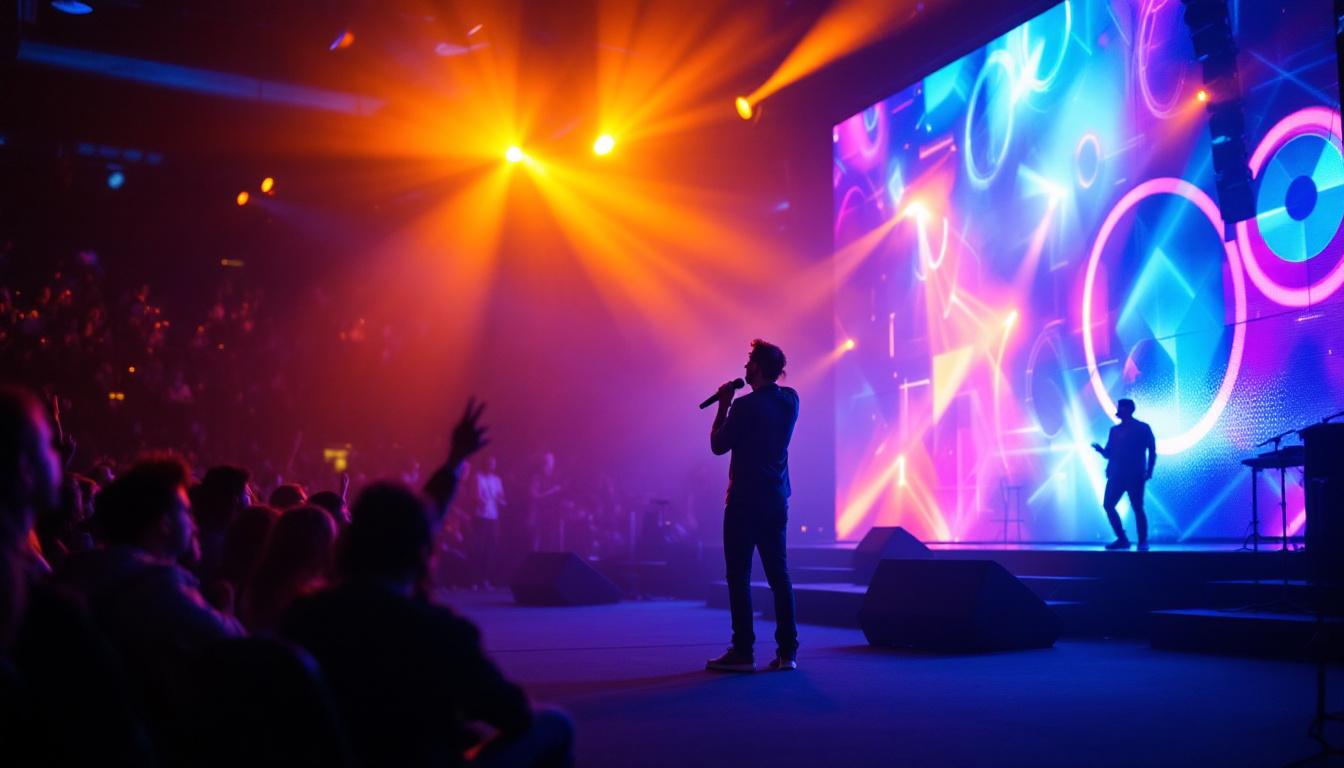
Concerts, sports arenas, and exhibition centers utilize LED panels to enhance the spectator experience. Large LED video walls display live footage, replays, advertisements, and interactive content, contributing to the atmosphere and engagement.
Portable LED panels are also popular for temporary signage at festivals, trade shows, and outdoor events, offering bright, clear visuals that can be easily transported and installed.
Corporate and Institutional Use
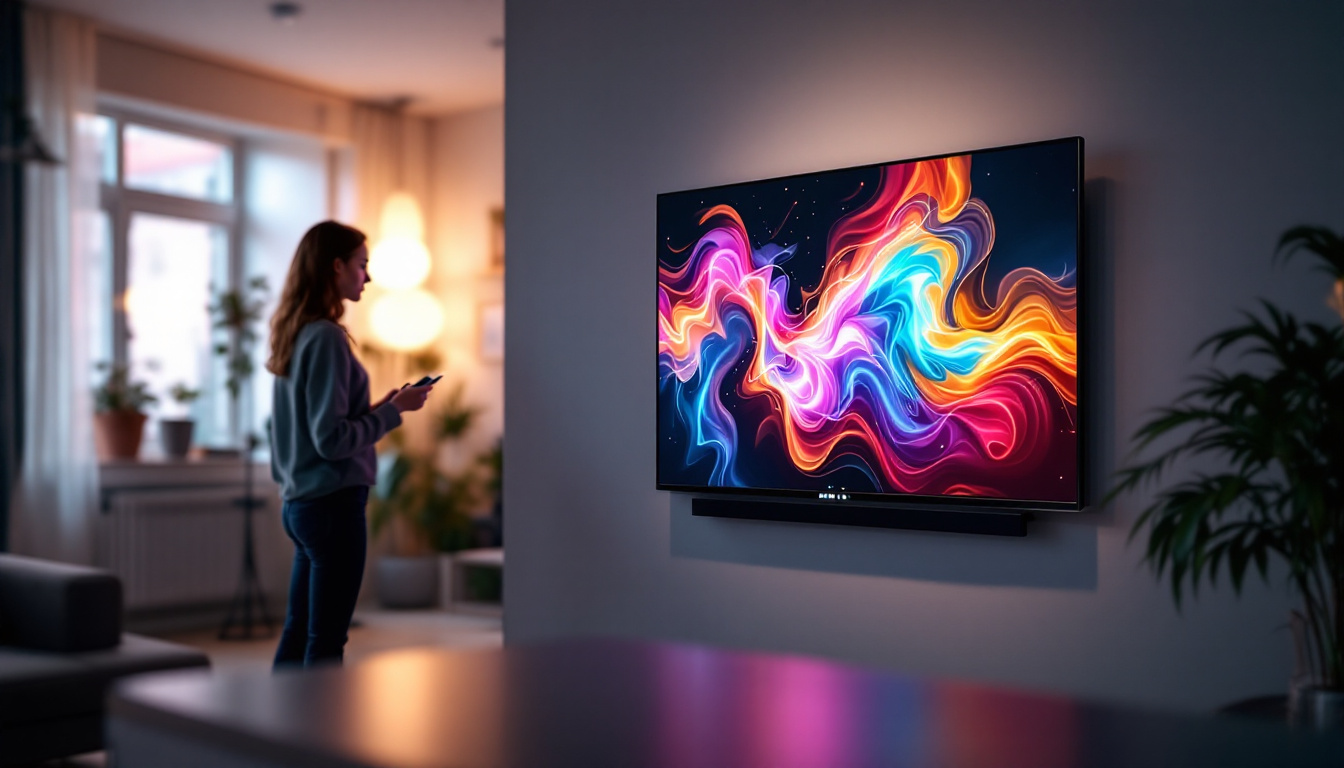
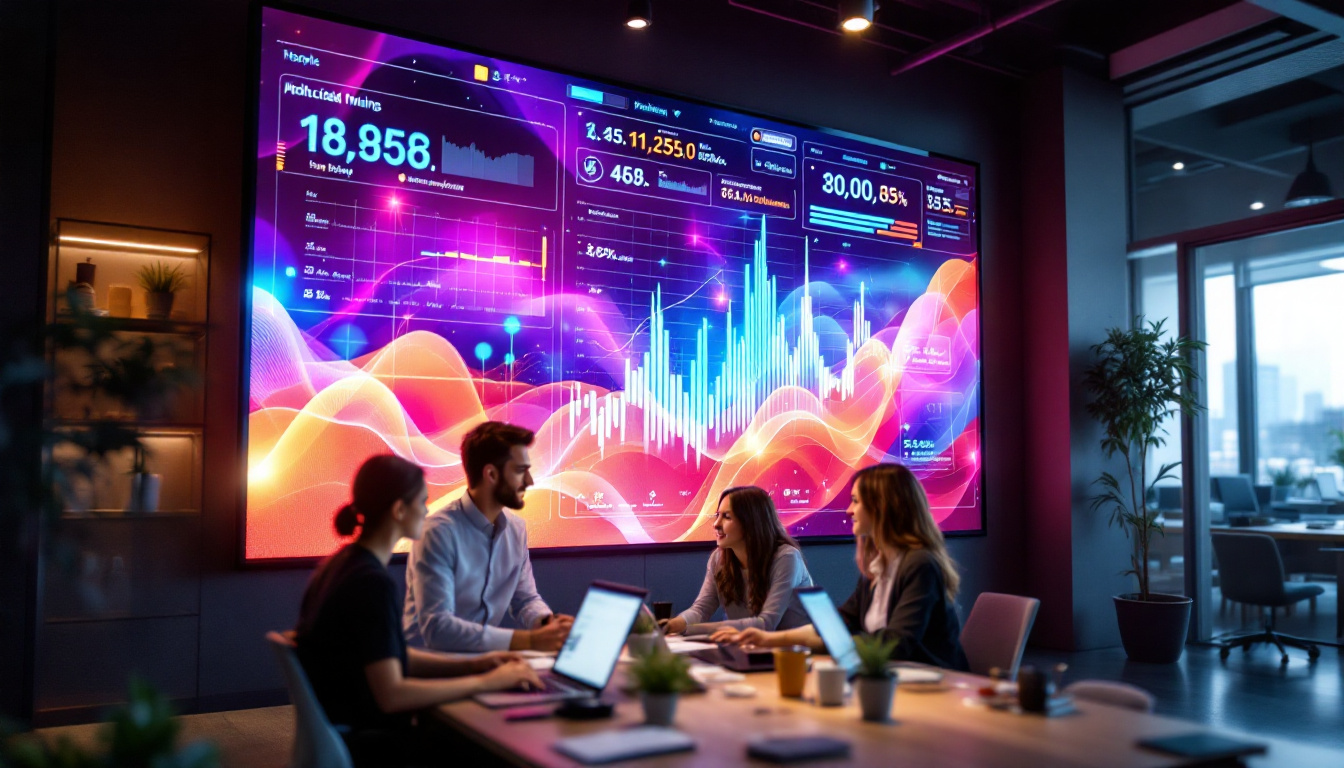
Many corporations and institutions employ LED panels for internal communications, branding, and wayfinding. Digital signage in lobbies, conference centers, and campuses can display schedules, announcements, and branding messages effectively.
Hospitals, universities, and government buildings benefit from LED signage by providing clear directional information and emergency notifications, improving the overall visitor experience.
Choosing the Right LED Panel for Your Sign
Consider Viewing Distance and Resolution
One of the most important factors when selecting an LED panel is the pixel pitch, which is the distance between individual LEDs. A smaller pixel pitch means higher resolution and sharper images, but it also increases cost.
For signs viewed from a distance of over 50 feet, a pixel pitch of 10mm or more is typically sufficient. For close-up viewing, such as indoor displays or storefront windows, a pixel pitch of 2.5mm to 5mm is recommended to ensure clarity.
Indoor vs. Outdoor Panels
LED panels designed for outdoor use must be weatherproof, with high ingress protection (IP) ratings to withstand rain, dust, and temperature fluctuations. They also require higher brightness levels to combat sunlight glare.
Indoor LED panels can have lower brightness and less robust casing but should focus on color accuracy and viewing angles to deliver a premium visual experience.
Power and Connectivity
Depending on the size and complexity of the LED sign, power requirements can vary significantly. It’s essential to ensure that your location can support the electrical load and that the installation complies with local regulations.
Modern LED panels often support multiple connectivity options, including Ethernet, Wi-Fi, and cellular networks, enabling remote content management and real-time updates.
Installation and Maintenance Considerations
Professional Installation
Proper installation is critical to maximize the lifespan and performance of LED panels. This includes secure mounting, electrical wiring, and ensuring adequate ventilation to prevent overheating.
Many manufacturers recommend professional installation services to guarantee compliance with safety standards and optimal operation.
Routine Maintenance
While LED panels are low-maintenance, periodic cleaning and inspection are necessary to maintain brightness and prevent damage. Dust, dirt, and moisture can accumulate on the surface, reducing visibility and potentially harming the electronics.
Regular software updates and calibration also help keep the display functioning smoothly and displaying accurate colors.
The Future of LED Signage
Advancements in LED technology continue to push the boundaries of what is possible in digital signage. Innovations such as micro-LEDs promise even higher resolution and energy efficiency, while flexible and transparent LED panels open new creative possibilities for integration into architecture and products.
Moreover, integration with artificial intelligence and the Internet of Things (IoT) is enabling smarter signage that can adapt content based on audience demographics, weather conditions, or real-time analytics.
As LED panels become more affordable and feature-rich, their adoption across industries is expected to grow, transforming how information and advertising are communicated in public spaces.
Conclusion
LED panels for signs represent a powerful tool for effective visual communication. Their brightness, energy efficiency, and versatility make them suitable for a wide range of applications—from retail advertising and traffic management to entertainment and corporate communications.
Understanding the technology, benefits, and practical considerations of LED displays helps businesses and organizations make informed decisions that maximize impact and return on investment. As the technology evolves, LED signage will continue to play a pivotal role in shaping the future of digital communication.
Illuminate Your Message with LumenMatrix
Ready to elevate your visual communication with the brilliance of LED technology? Discover LumenMatrix’s comprehensive range of LED display solutions, meticulously crafted to bring your brand to life. From the vibrant Indoor LED Wall Display to the robust Outdoor LED Wall Display, and from the dynamic Vehicle LED Display to the sleek LED Poster Display, LumenMatrix has the perfect fit for every application. Embrace the future of digital signage with our LED Sports Display, Floor LED Display, Custom LED Display, All-in-One LED Display, and LED Transparent Display. Check out LumenMatrix LED Display Solutions today and start creating unforgettable visual experiences that captivate and engage.